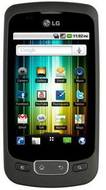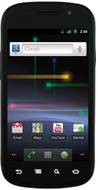
LG Optimus One P500
₹9,504
(Discontinued)
|
Samsung Google Nexus S
|
Add to Compare
|
Copy link to bookmark or share with others
LG Optimus One P500 vs Samsung Google Nexus S
Comparing the LG Optimus One P500 vs Samsung Google Nexus S across performance, display, camera, battery, storage and user rating to help determine the better smartphone.
Here is the summary of the results:
Performance: Samsung Google Nexus S runs at a higher processing speed of 1.0 GHz, while LG Optimus One P500 runs at 0.6 GHz, making Samsung Google Nexus S the better performer.
Display: Samsung Google Nexus S offers a screen size of 4 inches, while LG Optimus One P500 offers 3.2 inches, making Samsung Google Nexus S the larger display of the two. Samsung Google Nexus S features a Super AMOLED display compared to LG Optimus One P500's TFT, making Samsung Google Nexus S the better display of the two.
Rear Camera: Samsung Google Nexus S offers a higher rear camera resolution with 5 MP, while LG Optimus One P500 offers 3 MP, making Samsung Google Nexus S better for rear camera photography.
Battery: Both LG Optimus One P500 and Samsung Google Nexus S offer the same 1500 mAh battery capacity.
Storage: LG Optimus One P500 offers higher internal storage with 170 GB, while Samsung Google Nexus S offers 16 GB, making LG Optimus One P500 the better option for storage.
User Rating: Samsung Google Nexus S receives a higher user rating of 4, while LG Optimus One P500 has a rating of 3.8.
|
LG Optimus One P500
₹9,504
(Discontinued)
|
Samsung Google Nexus S
|
Add to Compare
|
Summary
Release Date
|
28 Oct, 2010
|
16 Dec, 2010
|
Performance
|
Snapdragon S1
|
Samsung Exynos 3 3110
|
|
(upto 600 MHz)
|
(upto 1 GHz)
|
|
512 MB RAM
|
512 MB RAM
|
Display
|
3.2 inches (8.13 cm)
|
4 inches (10.16 cm)
|
|
TFT
|
Super AMOLED
|
|
320x480 px
|
480x800 px
|
Rear Camera
|
3 MP
Primary Camera
|
5 MP
Primary Camera
|
Front Camera
|
N/A
|
0.3 MP
|
Battery
|
1500 mAh
|
1500 mAh
|
Storage
|
170 MB
|
16 GB
|
User Ratings
|
3.8/5
(5 ratings)
|
4/5
(4 ratings)
|
User Feedback
General
Operating System
|
Android v2.2 (Froyo)
|
Android v2.3
|
Performance
Chipset
|
Qualcomm Snapdragon S1 MSM7227
|
Samsung Exynos 3 3110
|
Processor
|
600 MHz
|
1 GHz
|
Graphics (GPU)
|
Adreno 200
|
PowerVR SGX 540
|
RAM
|
512 MB
|
512 MB
|
Display
Display Type
|
TFT
|
Super AMOLED
|
Screen Size
|
3.2 inches (8.13 cm)
|
4 inches (10.16 cm)
|
Resolution
|
320x480 px
|
480x800 px
|
Pixel Density
|
180 ppi
|
233 ppi
|
Screen to Body Ratio (calculated)
|
45.53 %
|
58.29 %
|
Design
Height
|
113.5 mm
|
123.9 mm
|
Width
|
59 mm
|
63 mm
|
Thickness
|
13.30 mm
|
10.90 mm
|
Weight
|
129 grams
|
129 grams
|
Rear Camera
Resolution
|
3 MP
Primary Camera |
5 MP
Primary Camera |
Autofocus
|
Yes
|
Yes
|
Flash
|
N/A
|
Yes LED Flash
|
Image Resolution
|
2000 x 1504 Pixels
|
N/A
|
Camera Features
|
Digital Zoom
Face detection Smile detection |
Digital Zoom
Smile detection |
Video Recording
|
640x480 @ 15 fps
|
480x800 @ 24
|
Front Camera
Resolution
|
N/A
|
0.3 MP
Primary Camera |
Battery
Capacity
|
1500 mAh
|
1500 mAh
|
Battery Type
|
Li-ion
|
Li-ion
|
TalkTime
|
Up to 15 Hours(2G)
|
Up to 6.66(3G) / Up to 14(2G)
|
Storage
Internal Storage
|
170 MB
|
16 GB
|
Expandable Storage
|
Yes Up to 32 GB
|
Yes
|
Network & Connectivity
SIM Slot(s)
|
Single SIM
|
Single SIM
|
SIM Type
|
SIM1: Mini
|
N/A
|
Network Support
|
5G Not Supported
|
5G Not Supported
|
Wi-Fi
|
Yes Wi-Fi 3 (802.11 b/g)
|
Yes Wi-Fi 4 (802.11 b/g/n)
|
Bluetooth
|
Yes v2.1
|
Yes v2.1
|
GPS
|
Yes with A-GPS
|
Yes with A-GPS
|
Sensors
Other Sensors
|
Proximity sensor Accelerometer Compass
|
Proximity sensor Accelerometer Compass Gyroscope
|