

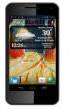
Micromax A90S
₹2,797
(Discontinued)
|
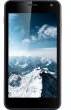
Gionee Dream D1
₹14,500
(Discontinued)
|
Add to Compare
|
Copy link to bookmark or share with others
Micromax A90S vs Gionee Dream D1
Comparing the Micromax A90S vs Gionee Dream D1 across performance, display, camera, battery, storage and user rating to help determine the better smartphone.
Here is the summary of the results:
Performance: Gionee Dream D1 runs at a higher processing speed of 1.3 GHz, while Micromax A90S runs at 1.0 GHz, making Gionee Dream D1 the better performer.
Display: Gionee Dream D1 offers a screen size of 4.65 inches, while Micromax A90S offers 4.3 inches, making Gionee Dream D1 the larger display of the two. Micromax A90S features a Super AMOLED display compared to Gionee Dream D1's Super AMOLED Plus, making Micromax A90S the better display of the two.
Rear Camera: Both Micromax A90S and Gionee Dream D1 feature a 8 MP primary rear camera.
Front Camera: Gionee Dream D1 offers a higher front camera resolution with 1 MP, while Micromax A90S offers 0.3 MP, making Gionee Dream D1 better for front camera photography.
Battery: Gionee Dream D1 offers a higher battery capacity with 2100 mAh, while Micromax A90S offers 1600 mAh, making Gionee Dream D1 better for longer battery life.
Storage: Both Micromax A90S and Gionee Dream D1 offer the same internal storage of 4 GB.
User Rating: Micromax A90S receives a higher user rating of 4.2, while Gionee Dream D1 has a rating of 4.1.
|
✕
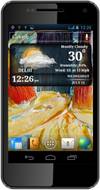

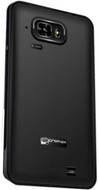
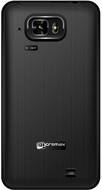

Micromax A90S
₹2,797
(Discontinued)
|
✕
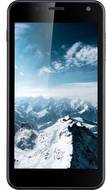

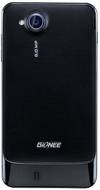
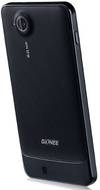
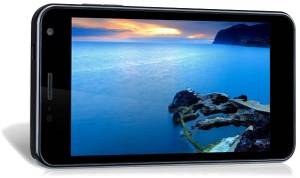
Gionee Dream D1
₹14,500
(Discontinued)
|
Add to Compare
|
Summary
Release Date
|
N/A
|
08 Jan, 2013
|
Performance
|
MediaTek
|
MediaTek MT6589
|
|
(upto 1 GHz)
|
(upto 1.3 GHz)
|
|
512 MB RAM
|
1 GB RAM
|
Display
|
4.3 inches (10.92 cm)
|
4.65 inches (11.81 cm)
|
|
Super AMOLED
|
Super AMOLED Plus
|
|
800x480 px (HD)
|
480x800 px
|
Rear Camera
|
8 MP
Primary Camera
|
8 MP
Primary Camera
|
Front Camera
|
0.3 MP
|
1 MP
|
Battery
|
1600 mAh
|
2100 mAh
|
Storage
|
4 GB
|
4 GB
|
User Ratings
|
4.2/5
(308 ratings)
|
4.1/5
(24 ratings)
|
User Feedback
General
Operating System
|
Android v4 (Ice Cream Sandwich)
|
Android v4.1 (Jelly Bean)
|
Performance
Chipset
|
MediaTek
|
MediaTek MT6589
|
Processor
|
Dual core, 1 GHz
|
Quad core, 1.3 GHz, Cortex A7
|
Graphics (GPU)
|
PowerVR SGX 531 Ultra
|
PowerVR SGX 544
|
RAM
|
512 MB
|
1 GB
|
Display
Display Type
|
Super AMOLED
|
Super AMOLED Plus
|
Screen Size
|
4.3 inches (10.92 cm)
|
4.65 inches (11.81 cm)
|
Resolution
|
800x480 px (HD)
|
480x800 px
|
Pixel Density
|
217 ppi
|
316 ppi
|
Screen to Body Ratio (calculated)
|
61.88 %
|
76.27 %
|
Screen Protection
|
N/A
|
Corning Gorilla Glass v2
|
Design
Height
|
127.2 mm
|
123 mm
|
Width
|
66.8 mm
|
63.5 mm
|
Thickness
|
9.80 mm
|
11.2 mm
|
Weight
|
118.4 grams
|
N/A
|
Rear Camera
Resolution
|
8 MP
Primary Camera |
8 MP
Primary Camera |
Autofocus
|
Yes
|
Yes
|
Flash
|
Yes Flash LED Flash
|
Yes LED Flash
|
Image Resolution
|
3264 x 2448 Pixels
|
3264 x 2448 Pixels
|
Shooting Modes
|
Continuous Shooting
|
N/A
|
Camera Features
|
Digital Zoom
Smile detection |
Digital Zoom
Face detection Touch to focus |
Video Recording
|
N/A
|
1920x1080 @ 30 fps
|
Front Camera
Resolution
|
0.3 MP
Primary Camera |
1 MP
Primary Camera |
Camera Features
|
Fixed Focus
|
Fixed Focus
|
Battery
Capacity
|
1600 mAh
|
2100 mAh
|
Battery Type
|
Li-ion
|
Li-ion
|
TalkTime
|
Up to 4(3G) / Up to 5(2G)
|
N/A
|
Storage
Internal Storage
|
4 GB
|
4 GB
|
Expandable Storage
|
Yes Up to 32 GB
|
Yes Up to 32 GB
|
Network & Connectivity
SIM Slot(s)
|
Dual SIM
|
Dual SIM
|
Network Support
|
5G Not Supported
|
5G Not Supported
|
Wi-Fi
|
Yes Wi-Fi 4 (802.11 b/g/n)
|
Yes Wi-Fi
|
Wi-Fi Features
|
N/A
|
Mobile Hotspot
|
Bluetooth
|
Yes v4
|
Yes v4
|
GPS
|
Yes
|
Yes with A-GPS
|
Multimedia
Audio Jack
|
N/A
|
3.5 mm
|
Sensors
Other Sensors
|
Accelerometer
|
Light sensor Proximity sensor Accelerometer Compass
|
Applications
|
TOI Mi Store Widgets Gmail Google Apps Tray
|
N/A
|