
iBall mSLR Cobalt 4
₹4,499
(Discontinued)
|
Micromax Canvas Selfie Lens Q345
₹5,400
(Discontinued)
|
Add to Compare
|
Copy link to bookmark or share with others
iBall mSLR Cobalt 4 vs Micromax Canvas Selfie Lens Q345
Comparing the iBall mSLR Cobalt 4 vs Micromax Canvas Selfie Lens Q345 across performance, display, camera, battery, storage and user rating to help determine the better smartphone.
Here is the summary of the results:
Performance: iBall mSLR Cobalt 4 runs at a higher processing speed of 1.4 GHz, while Micromax Canvas Selfie Lens Q345 runs at 1.3 GHz, making iBall mSLR Cobalt 4 the better performer.
Display: Both iBall mSLR Cobalt 4 and Micromax Canvas Selfie Lens Q345 offer the same screen size of 5 inches and feature the same IPS LCD display.
Rear Camera: Both iBall mSLR Cobalt 4 and Micromax Canvas Selfie Lens Q345 feature a 8 MP primary rear camera.
Front Camera: Micromax Canvas Selfie Lens Q345 offers a higher front camera resolution with 5 MP, while iBall mSLR Cobalt 4 offers 3.2 MP, making Micromax Canvas Selfie Lens Q345 better for front camera photography.
Battery: Micromax Canvas Selfie Lens Q345 offers a higher battery capacity with 2800 mAh, while iBall mSLR Cobalt 4 offers 2000 mAh, making Micromax Canvas Selfie Lens Q345 better for longer battery life.
Storage: Both iBall mSLR Cobalt 4 and Micromax Canvas Selfie Lens Q345 offer the same internal storage of 8 GB.
User Rating: Micromax Canvas Selfie Lens Q345 receives a higher user rating of 3.8, while iBall mSLR Cobalt 4 has a rating of 3.6.
|
✕
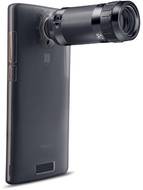
iBall mSLR Cobalt 4
₹4,499
(Discontinued)
|
✕
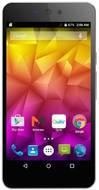



Micromax Canvas Selfie Lens Q345
₹5,400
(Discontinued)
|
Add to Compare
|
Summary
Release Date
|
23 May, 2015
|
30 Jun, 2015
|
Performance
|
N/A
|
MediaTek MT6582
|
|
(upto 1.4 GHz)
|
(upto 1.3 GHz)
|
|
1 GB RAM
|
1 GB RAM
|
Display
|
5.0 inches (12.7 cm)
|
5.0 inches (12.7 cm)
|
|
IPS LCD
|
IPS LCD
|
|
540x960 px
|
720x1280 px (HD)
|
Rear Camera
|
8 MP
Primary Camera
|
8 MP
Primary Camera
|
Front Camera
|
3.2 MP
|
5 MP
|
Battery
|
2000 mAh
|
2800 mAh
|
Storage
|
8 GB
|
8 GB
|
User Ratings
|
3.6/5
(33 ratings)
|
3.8/5
(82 ratings)
|
User Feedback
General
Operating System
|
Android v4.4 (Kitkat)
|
Android v5.0 (Lollipop)
|
Performance
Chipset
|
N/A
|
MediaTek MT6582
|
Processor
|
Octa core, 1.4 GHz, Cortex A7
|
Quad core, 1.3 GHz, Cortex A7
|
Graphics (GPU)
|
N/A
|
Mali-400
|
RAM
|
1 GB
|
1 GB
|
Display
Display Type
|
IPS LCD
|
IPS LCD
|
Screen Size
|
5.0 inches (12.7 cm)
|
5.0 inches (12.7 cm)
|
Resolution
|
540x960 px
|
720x1280 px (HD)
|
Pixel Density
|
220 ppi
|
294 ppi
|
Screen to Body Ratio (calculated)
|
N/A
|
67.72 %
|
Screen Protection
|
N/A
|
Corning Gorilla Glass v3
|
Design
Height
|
N/A
|
143 mm
|
Width
|
N/A
|
71 mm
|
Thickness
|
N/A
|
8.5 mm
|
Weight
|
N/A
|
144 grams
|
Rear Camera
Resolution
|
8 MP
Primary Camera |
8 MP
Primary CameraExmor-R CMOS image sensor |
Autofocus
|
Yes
|
Yes
|
Flash
|
Yes Dual LED Flash
|
Yes LED Flash
|
Image Resolution
|
3264 x 2448 Pixels
|
3264 x 2448 Pixels
|
Shooting Modes
|
High Dynamic Range mode (HDR)
|
High Dynamic Range mode (HDR)
|
Camera Features
|
Digital Zoom
Face detection Touch to focus |
Digital Zoom
Face detection Touch to focus |
Video Recording
|
1920x1080 @ 30 fps
|
1280x720 @ 30 fps
|
Front Camera
Resolution
|
3.2 MP
Primary Camera |
5 MP
Primary Camera |
Camera Features
|
N/A
|
Wide Angle Selfie
|
Battery
Capacity
|
2000 mAh
|
2800 mAh
|
Battery Type
|
Li-ion
|
Li-ion
|
TalkTime
|
N/A
|
Up to 9 Hours(2G)
|
Storage
Internal Storage
|
8 GB
|
8 GB
|
Expandable Storage
|
Yes Up to 32 GB
|
Yes Up to 32 GB
|
Network & Connectivity
SIM Slot(s)
|
Dual SIM
|
Dual SIM
|
Network Support
|
5G Not Supported
|
5G Not Supported
|
Wi-Fi
|
Yes Wi-Fi 4 (802.11 b/g/n)
|
Yes Wi-Fi 4 (802.11 b/g/n)
|
Wi-Fi Features
|
N/A
|
Mobile Hotspot
|
Bluetooth
|
Yes v4.0
|
Yes v4.0
|
GPS
|
Yes
|
Yes with A-GPS
|
Multimedia
Audio Jack
|
3.5 mm
|
3.5 mm
|
Sensors
Other Sensors
|
Accelerometer
|
Light sensor Proximity sensor Accelerometer
|