The last time a WWE game felt like it had a genuine soul was WWE ’13, when CM Punk was on the cover. And now, with CM Punk back on the cover, there’s this strange, almost poetic sense of history repeating itself. After a decade of ups and downs, WWE 2K26 finally feels like it gets it. It remembers that wrestling isn’t just a system of animations and currencies. It’s chaos, drama, and dumb fun. And for the first time in a long while, this game actually leans into that.
Now, full disclosure, I’m a bit biased. I’ve followed CM Punk from bingo halls to main events and through every weird career detour in between. Seeing him front and center here hit me right in the nostalgia. But this isn’t a free pass. I’ve spent hundreds of hours in these games over the years, tweaking sliders at 2 AM and convincing myself that “this year might be the one.” So yeah, I came into 2K26 hopeful… but cautious.
Table of Contents
Big roster meets physical chaos
The first thing that hits is the sheer scale. With over 400 wrestlers, this isn’t a roster; it’s a small country. Beyond WWE’s current stars and legends, you’ve got AAA talent, Pro Wrestling NOAH names, and some delightfully random deep cuts that make it feel like the devs actually watch wrestling outside of weekly TV.
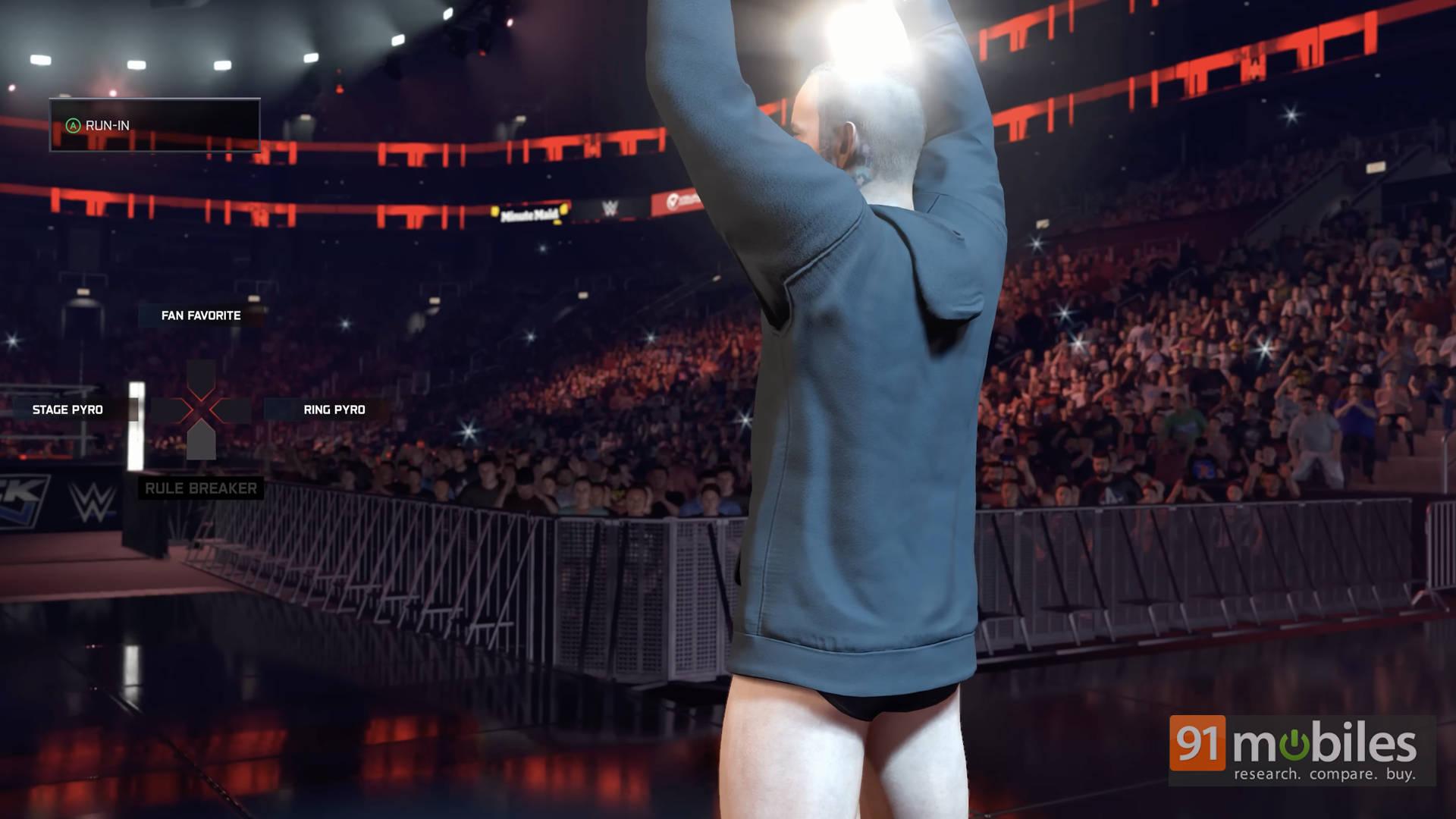
Visually, though, it’s a bit of a mixed bag. Some character models look ridiculously lifelike, with detailed sweat and expressive faces during promos. But then the stage pyro kicks in, and suddenly it’s giving PlayStation 3 flashbacks. The crowd still feels a little copy-paste, and backstage areas lack that gritty edge. Thankfully, once the bell rings, most of that fades into the background.
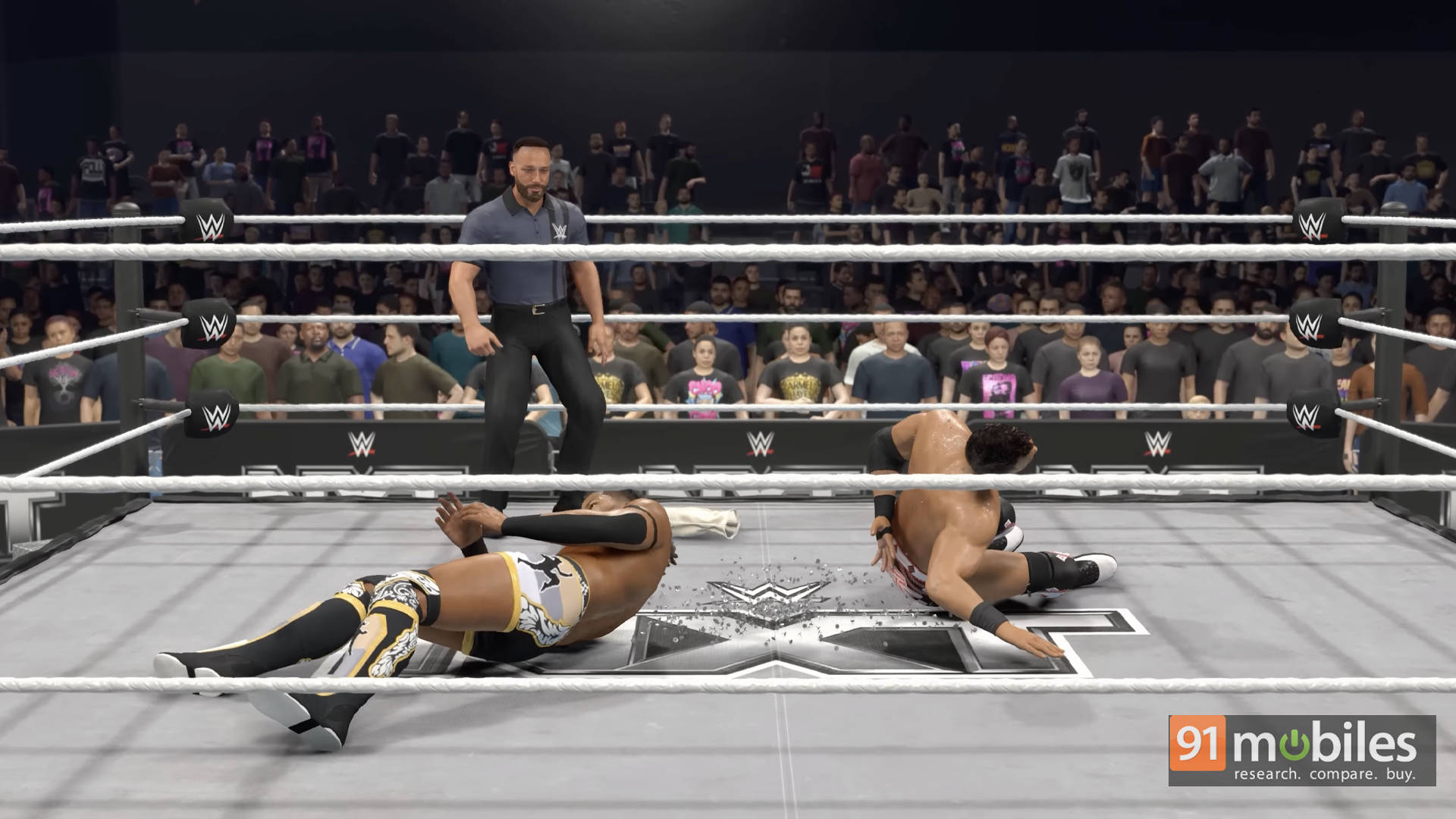
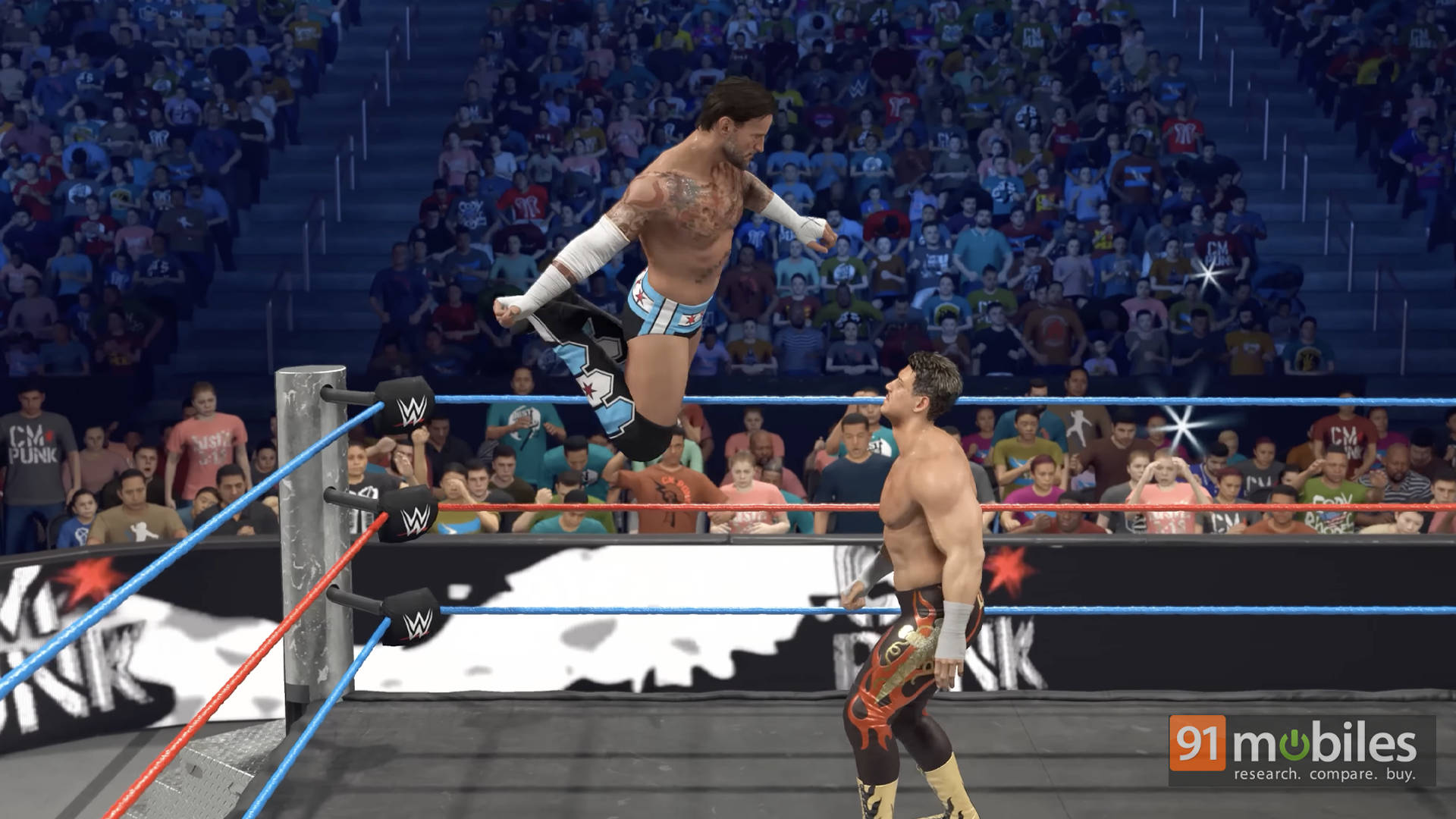
This is where 2K26 really shines. The new ragdoll physics system completely changes how matches play out. Wrestlers don’t just land; they react. Toss someone onto chairs, and their body actually folds into the chaos. Ladders, weapons, barricades — it all feels dynamic now, turning every match into a slightly unhinged sandbox.
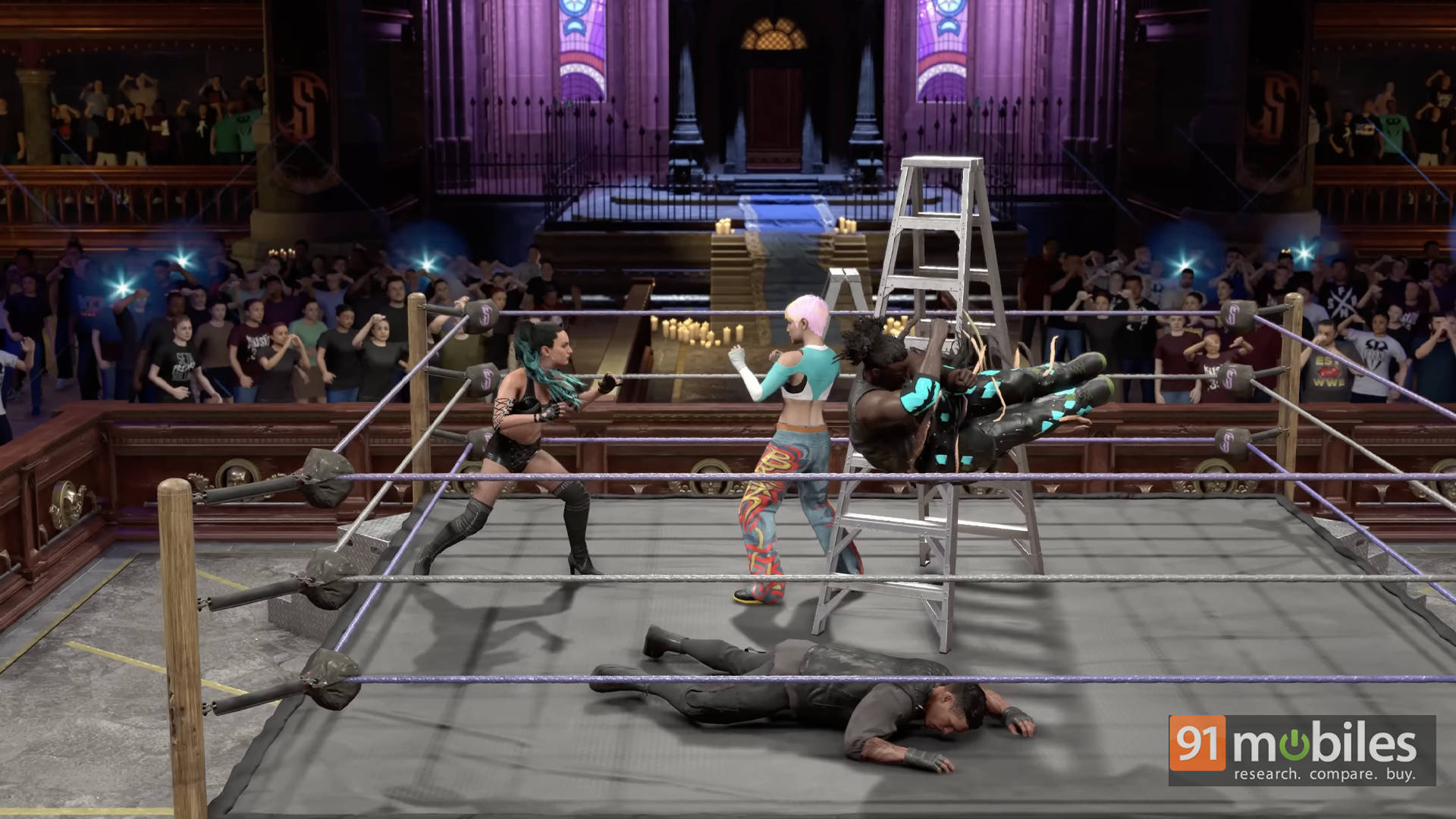
Hardcore matches especially benefit from this, with thumbtacks, carts, and weapons finally feeling impactful instead of gimmicky. The controls still balance arcade fun with sim depth, though reversals feel tighter this time. Veterans will settle in quickly, but newcomers might need a few matches to stop button-mashing their way into disaster.
Voices in my head that are actually good?
Add to that, the commentary this time around is really good. For years, I’ve actually enjoyed playing WWE games on mute, simply because the commentary always felt too bland and predictable. Now, with Booker T and Wade Barrett stepping in, there’s actual personality here. They react to what’s happening. They sound invested. If you’re putting on a technical clinic, they talk strategy. If you’re committing absolute chaos with weapons, they lean into it. For once, I didn’t immediately mute the game. That alone deserves applause.
The “Cult of Personality” experience
Since I already outed myself as a Punk fan, let’s dive into the Showcase Mode. It’s titled “The Voice of the Voiceless,” and it is everything I wanted it to be. Getting to play through his most iconic matches is a blast, but the real genius lies in the “What If” scenarios.
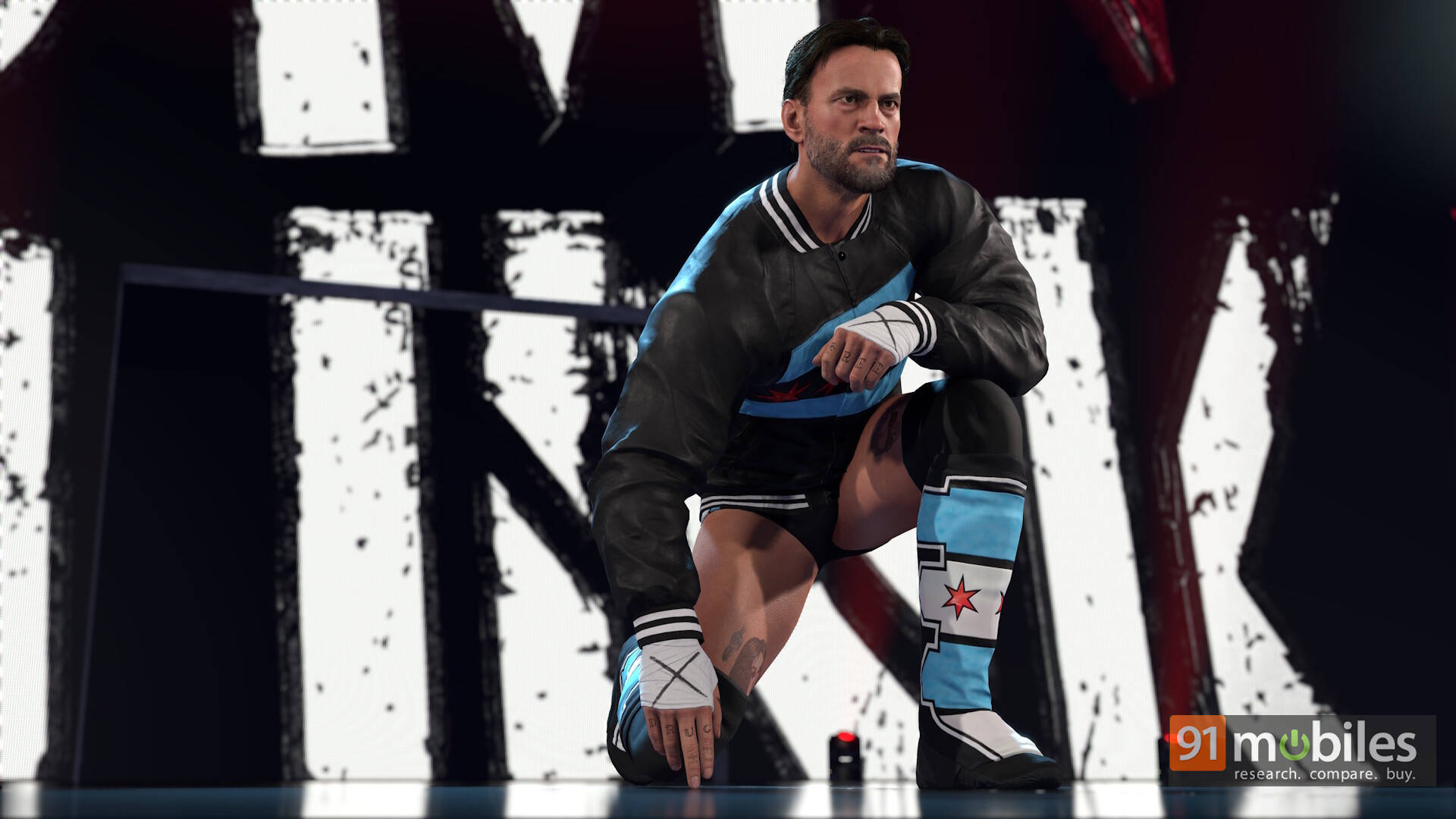
The game takes some creative liberties with the timeline, allowing you to participate in dream matches that never actually happened because of real-world exits and injuries. It’s a surreal experience to guide 2014-era Punk through a feud with a modern-day Roman Reigns or a supernatural encounter with The Fiend. It’s high-concept wrestling fan fiction brought to life with high production values, and it works surprisingly well.
The biggest “quality of life” improvement in this mode, however, is the new Showcase Gauntlet. Look, we all know the frustration of having to complete twenty specific objectives in a single match just to unlock a pair of alternate trunks or a specific arena. It can be tedious and feel like you’re following a grocery list rather than wrestling.
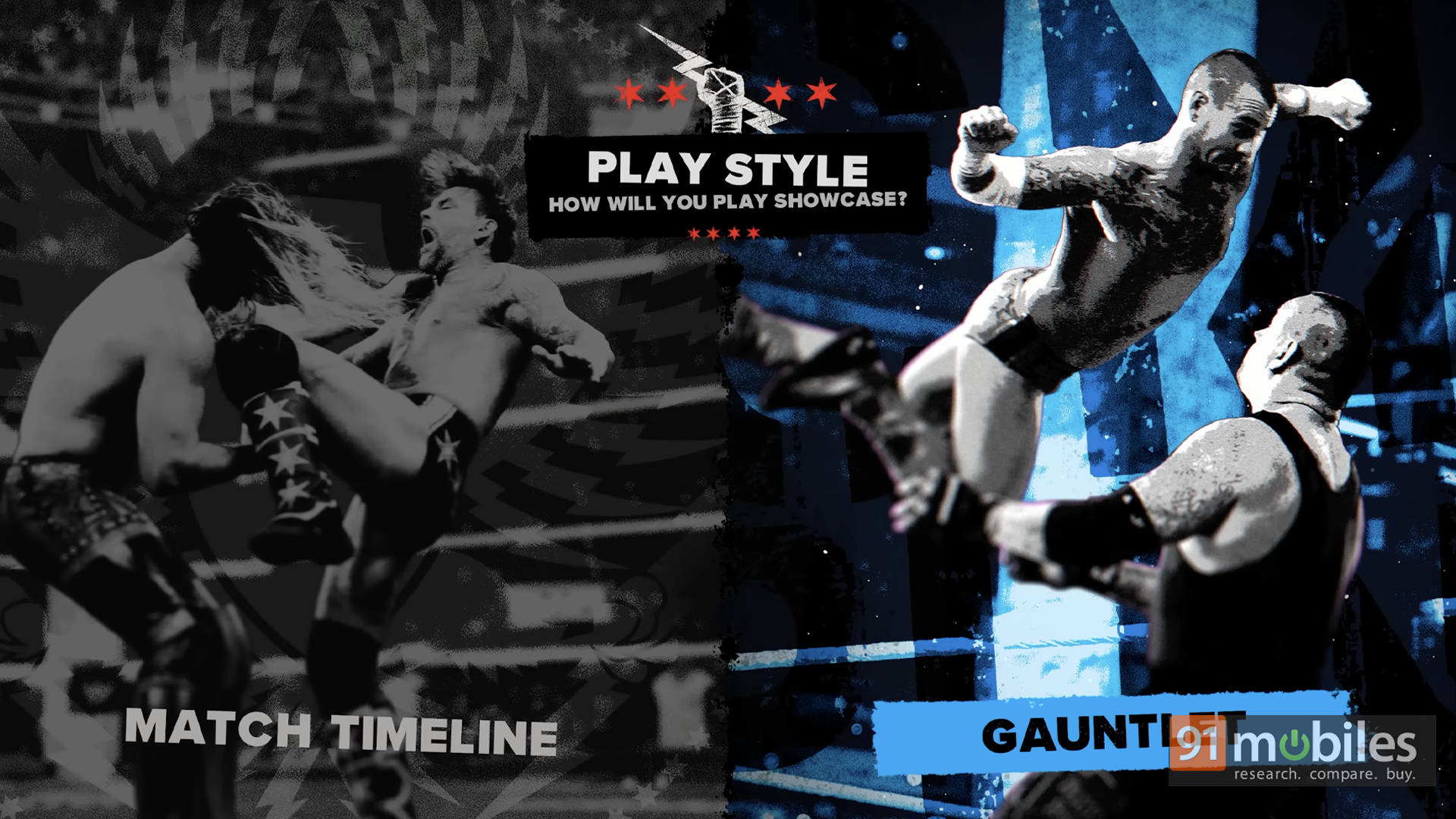
Now, if you’re not interested in the history lesson or you’re just an impatient gamer who wants the shiny stuff immediately, you can jump into the Gauntlet. It’s an incredibly difficult series of back-to-back matches that tests your mastery of the game’s mechanics. If you survive, you unlock everything in one go. It’s a high-risk, high-reward shortcut that acknowledges that some of us just want to get to the “creation” part of the game as fast as possible.
From career comebacks to booking chaos
MyRise, titled “The Comeback,” is easily one of the most engaging story modes the series has delivered in years. Instead of playing yet another fresh-faced rookie, you step into the boots of a washed-up star trying to claw their way back to relevance. And honestly, that shift alone makes everything hit harder. Throw Paul Heyman into the mix as your guide (or manipulator), and suddenly every choice feels like it matters.
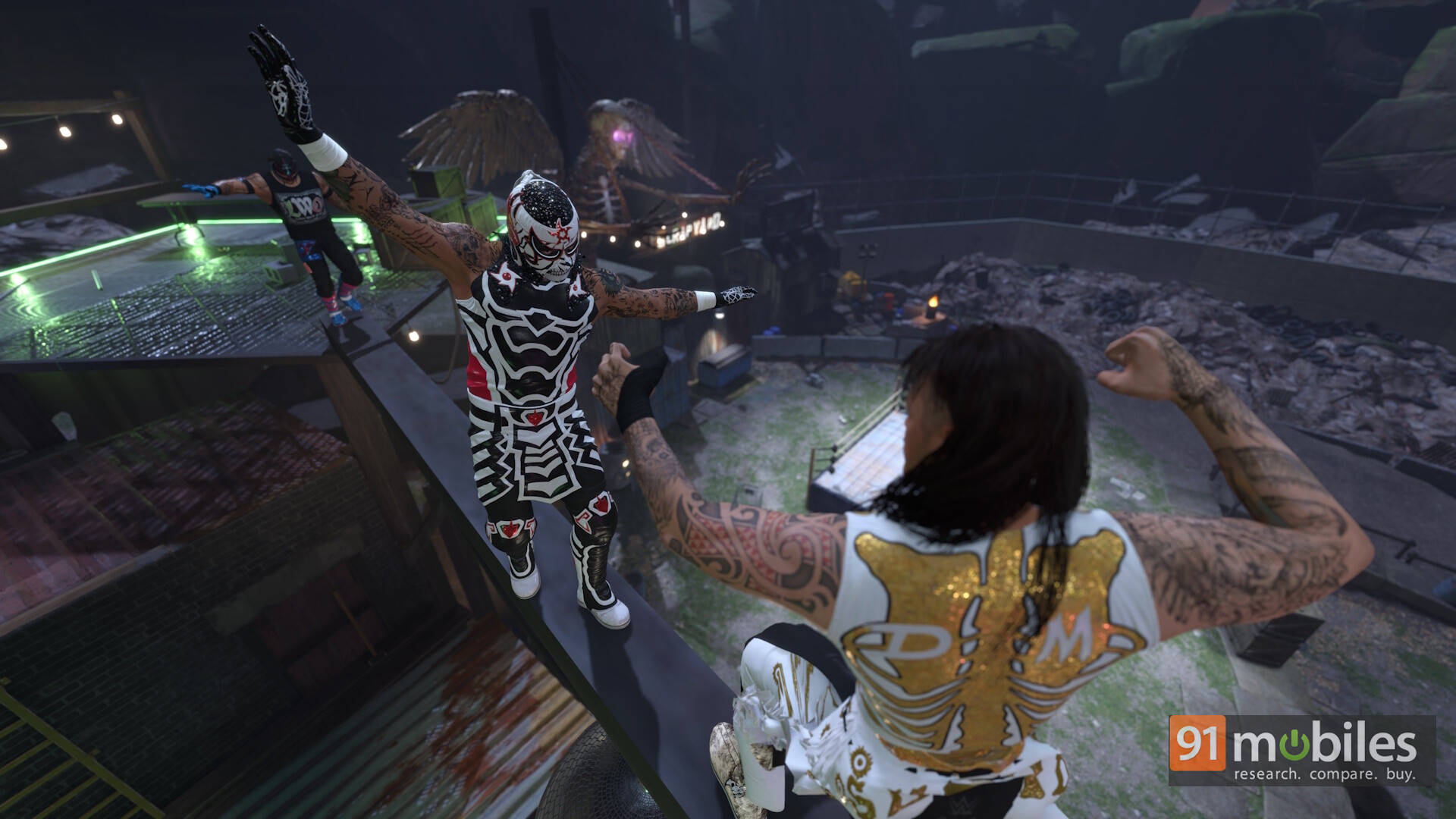
What really elevates things, though, is The Island 2.0. Instead of hopping through lifeless menus, you’re actually walking around, interacting with wrestlers, and triggering fully voiced segments like you’re part of a backstage documentary. It’s not perfect, but it’s the closest WWE 2K has come to feeling like a proper wrestling RPG, and that’s a big deal.
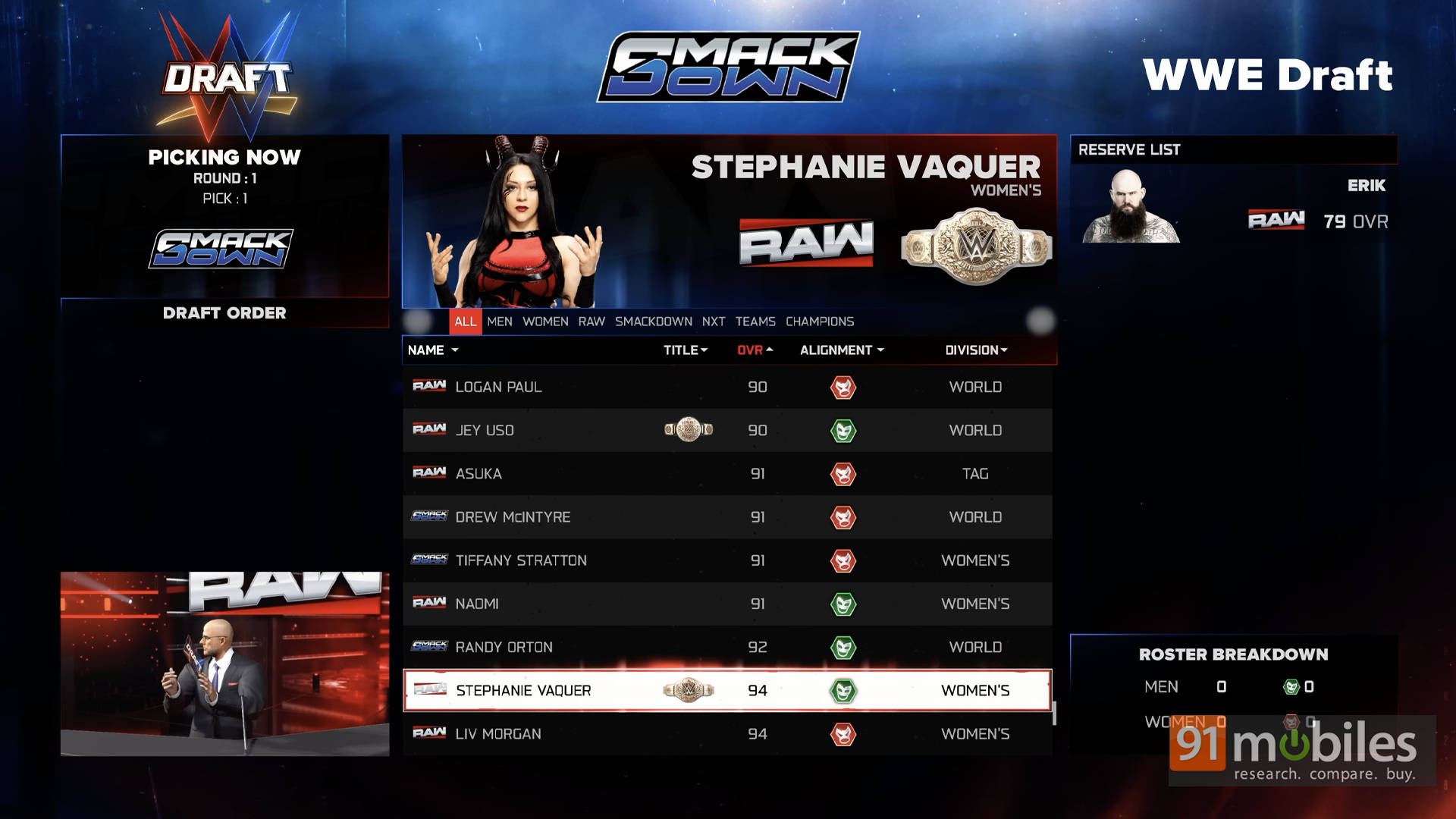
Then there’s Universe Mode, aka your personal WWE sandbox. This year, it finally feels like it has some structure. The revamped draft system gives your shows direction, and improved rivalry logic means feuds don’t randomly implode after one awkward tag match. It’s still got a bit of that signature 2K jank, but overall, it’s more about enjoying the show than constantly fixing it.
And of course, the creation suite is back doing what it does best: letting chaos thrive. Whether you’re building your dream superstar, crafting arenas, or downloading the most cursed creations the internet has to offer, there’s an absurd amount of freedom here. It’s deep without being intimidating, and it’s the kind of feature that quietly eats up hours without you even realizing it.
The Ringside Pass: Pay, pray, and play daily
And now… the elephant in the arena. The new Ringside Pass system replaces traditional DLC with a battle pass-style progression model. On paper, it means a steady stream of content. In reality, it means grinding for things that used to just be unlocked. Even if you’ve paid for the premium edition, you’re still expected to put in the hours.
It’s not unbearable, but it’s noticeable. You’ll find yourself chasing challenges instead of just enjoying matches, and for casual players, that can get frustrating fast. It’s the one major decision that feels completely at odds with how fun the rest of the game is.
WWE 2K26 Verdict: Best in the World?
WWE 2K26 is that rare sequel that actually remembers wrestling is a spectacle, not just a series of loading bars. The in-ring action is the crispest it’s been in a decade, thanks to a physics engine that finally understands how gravity works. While there’s enough content here to keep you busy until WrestleMania 43, the “Ringside Pass” is a persistent corporate shadow over the fun, turning your favorite legends into a part-time job you have to grind for.
If you’re a casual fan, the Rs. 4,999 Standard Edition is your champion; it’s the full show without the unnecessary surcharge. The Rs. 10k editions are strictly for the die-hards who don’t mind paying for the privilege of working a second shift in the virtual ring. The good news is that it’s not an obligation anymore; it’s finally a show worth the ticket price.
Editor’s Rating: 8.3 / 10
Pros:
- Improved physics, dynamic matches
- Massive, diverse roster
- Engaging modes with better storytelling
- Strong overall gameplay feel
Cons:
- Grind-heavy battle pass system
- MyFaction progression feels restrictive
More Info:
- Developer: Visual Concepts
- Publisher: 2K
- Platforms: PS5, Xbox Series X/S, PC
- Reviewed on: PS5
- Price: Rs. 4,999 (PS Store India)
We played a review copy of WWE 2K26 provided by 2K