


Review Summary
Expert Rating
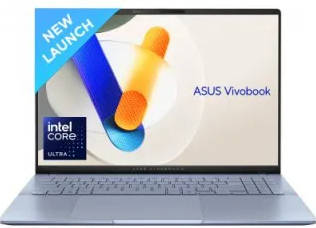
When I first received the ASUS Vivobook S 16 OLED, it was business as usual. I unboxed the laptop, installed essential apps, connected a bunch of accessories, and deployed the laptop in my work setup. However, the more I used the laptop, the more I appreciated its lightweight design. Granted, thin-and-light laptops are very common these days, but they often come with a 14-inch display and Intel’s Core Ultra U-series processors.
The Vivobook S 16 OLED stands out from the crowd in this aspect, as it aims to be a highly capable and portable workhorse. And – spoiler alert – the laptop impressively lives up to this promise. If you’ve been eyeing the laptop and want to learn more, read on.
Table of Contents
Design and I/O
The ASUS Vivobook S 16 OLED is a fairly sizeable laptop, and it takes up a good amount of space in my backpack. That said, while its supersized frame appears heavy, it’s anything but. The laptop tips the scales at just 1.50kg and can be comfortably lugged around with just one hand.
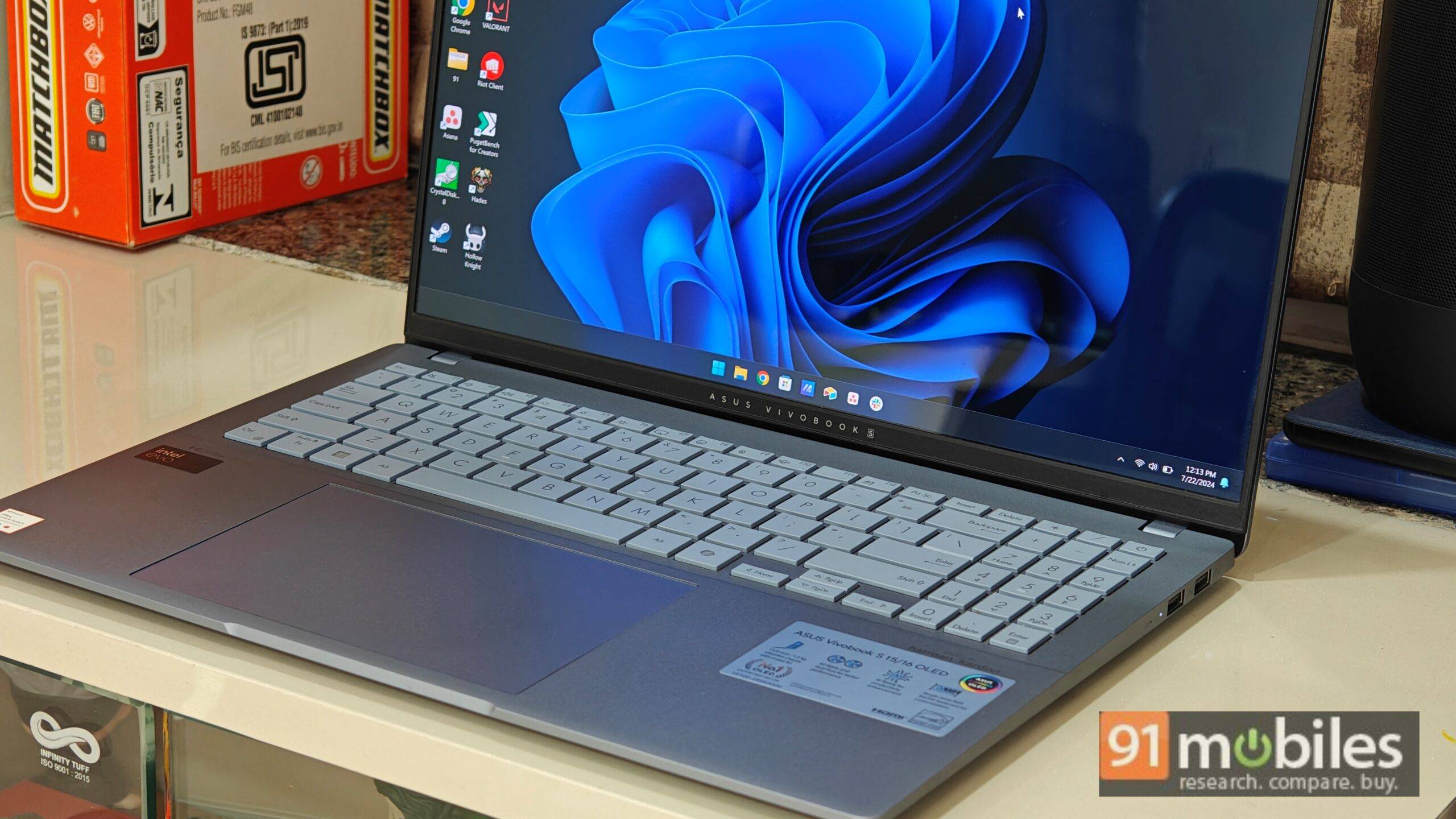
The aluminium frame is rigid and robust and doesn’t feel cheap or flimsy. Adding to the pros, the S 16 OLED also adheres to the MIL-STD 810H rating and has been extensively tested to ensure it can survive daily abuse. If anything, I wish the laptop offered a denser lid that would stay in place when using the device on the go. The lid tends to wobble a lot, making working from, say, an Uber, a jarring experience.
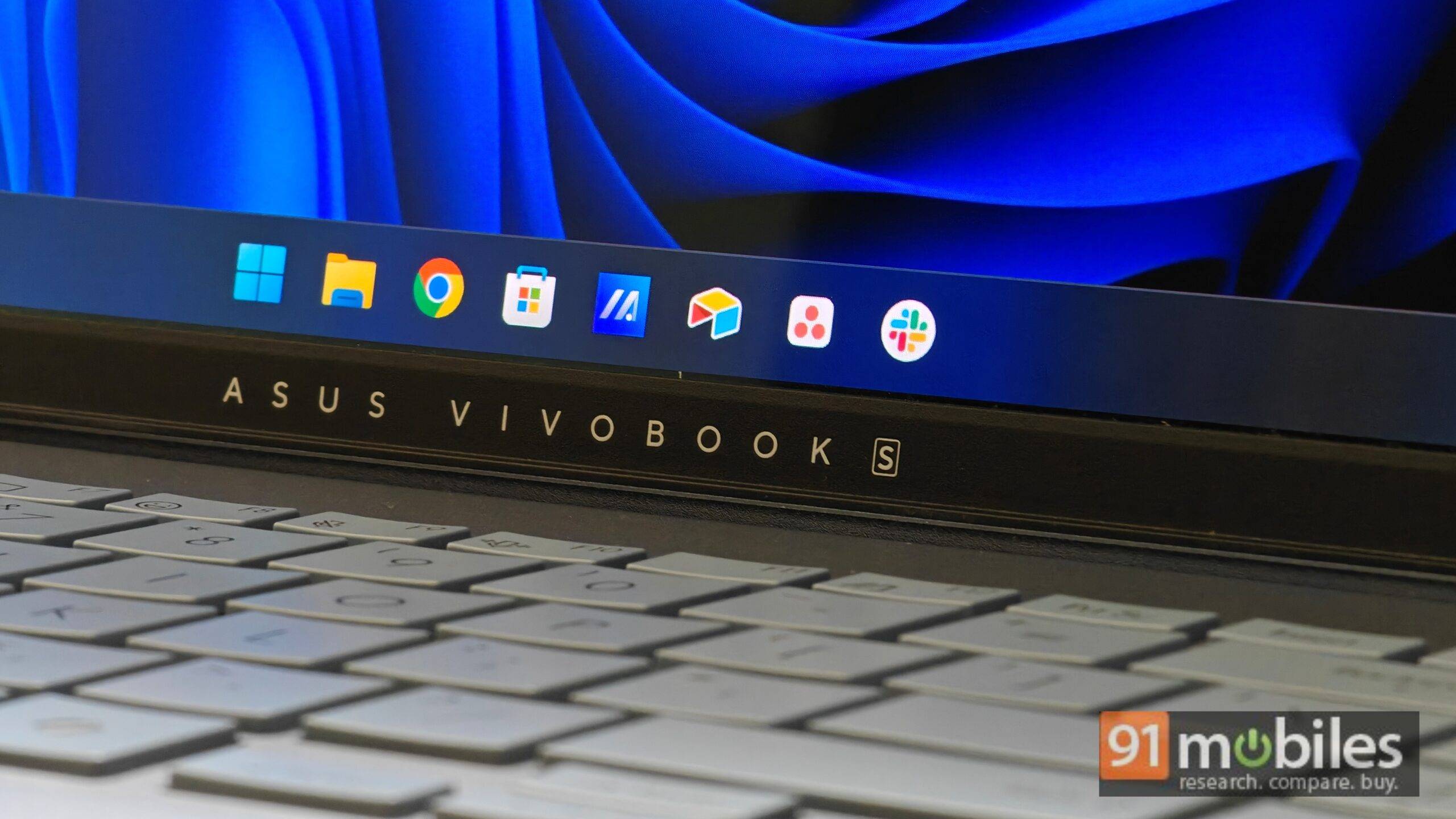
With that said, ASUS has dressed the Vivobook S 16 OLED to the nines, and it looks spectacular in the company’s Misty Blue colourway. I also like the new font used for the Vivobook branding on the lid, which deviates from the design just enough to catch your eye without lingering in your memory. I mentioned this in my Vivobook S 14 OLED review, too, and while it may seem trivial, it truly adds a touch of class to the laptop’s design.
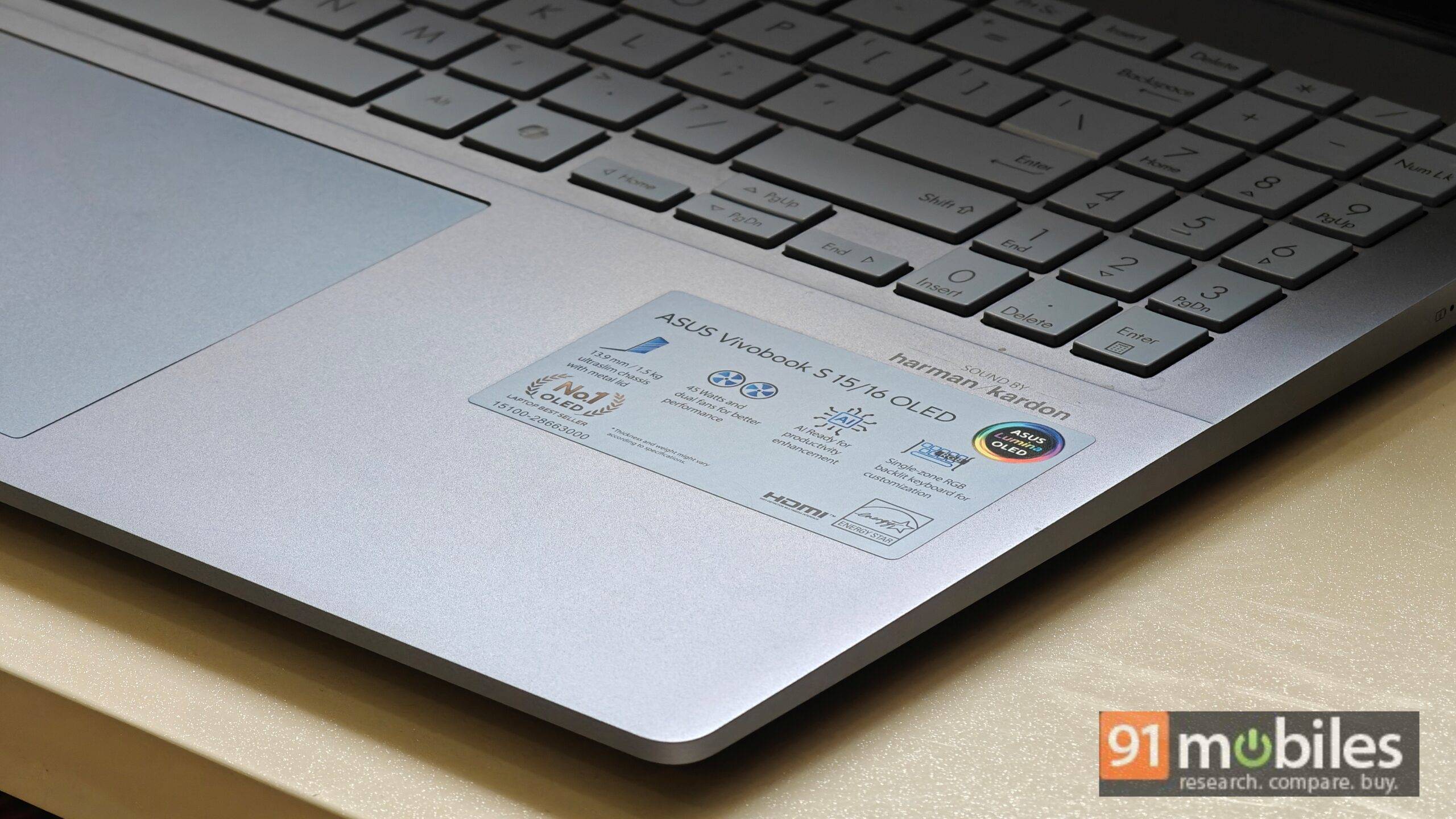
Circling back to the laptop’s colourway, the Misty Blue colour scheme also imparts a unique look to the Vivobook S 16 OLED’s keyboard deck. The key caps, in particular, stand out thanks to their blocky appearance and turquoise hue. The laptop’s wedge-shaped frame deserves a mention as it gives the device a sleek and svelte look. All said and done, the design of the Vivobook S 16 OLED is likely to impress most buyers. While it may be plain and simple, the company has added thoughtful touches that make it visually appealing.
Display and Audio
The same can be said for the laptop’s display, too. Spec-wise, the laptop comes with a 16-inch OLED screen with a resolution of 3,000 x 2,000 pixels. The 3.2K display can get quite bright at 600 nits and is compliant with the DisplayHDR True Black 600 certification. The panel covers 100 percent of the DCI-P3 colour gamut as well, and it refreshes at 120Hz.
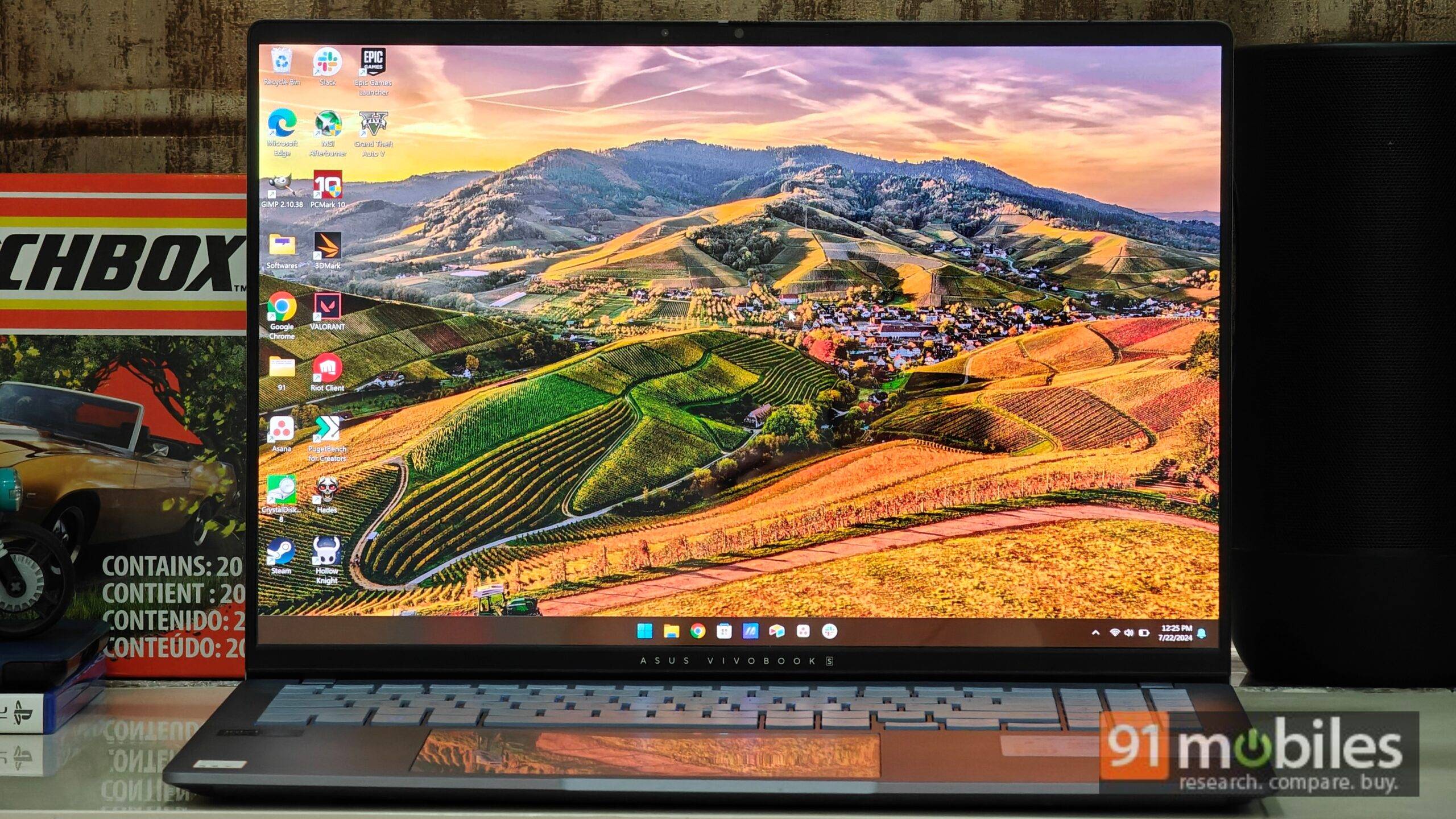
Quite frankly, it’s hard to find a fault with the S 16 OLED’s screen. During my stint with the laptop, I made it a point to use the screen to watch movies and TV shows. Colours appeared rich, the contrast ratio was spectacular, and I didn’t notice any Black Crush issues crop up while watching movies filmed in a gloomy or dark setting. The screen can get quite bright, too, and I could comfortably use the laptop even with all the blinds open in my room.
The 120Hz refresh rate further enhances the display’s appeal. While I didn’t play many games on the laptop, the HRR screen allowed me to browse web pages and PDFs more smoothly. The device can also be used in creative workflows, as the laptop is reasonably powerful and has a colour-accurate panel.
Keyboard and Trackpad
As prefaced previously, the ASUS Vivobook S 16 OLED features a gorgeous keyboard deck. It’s also quite functional and features well-spaced-out keys with bigger keycaps. In addition, it comes with a Numpad, which should aid those reliant on Excel.
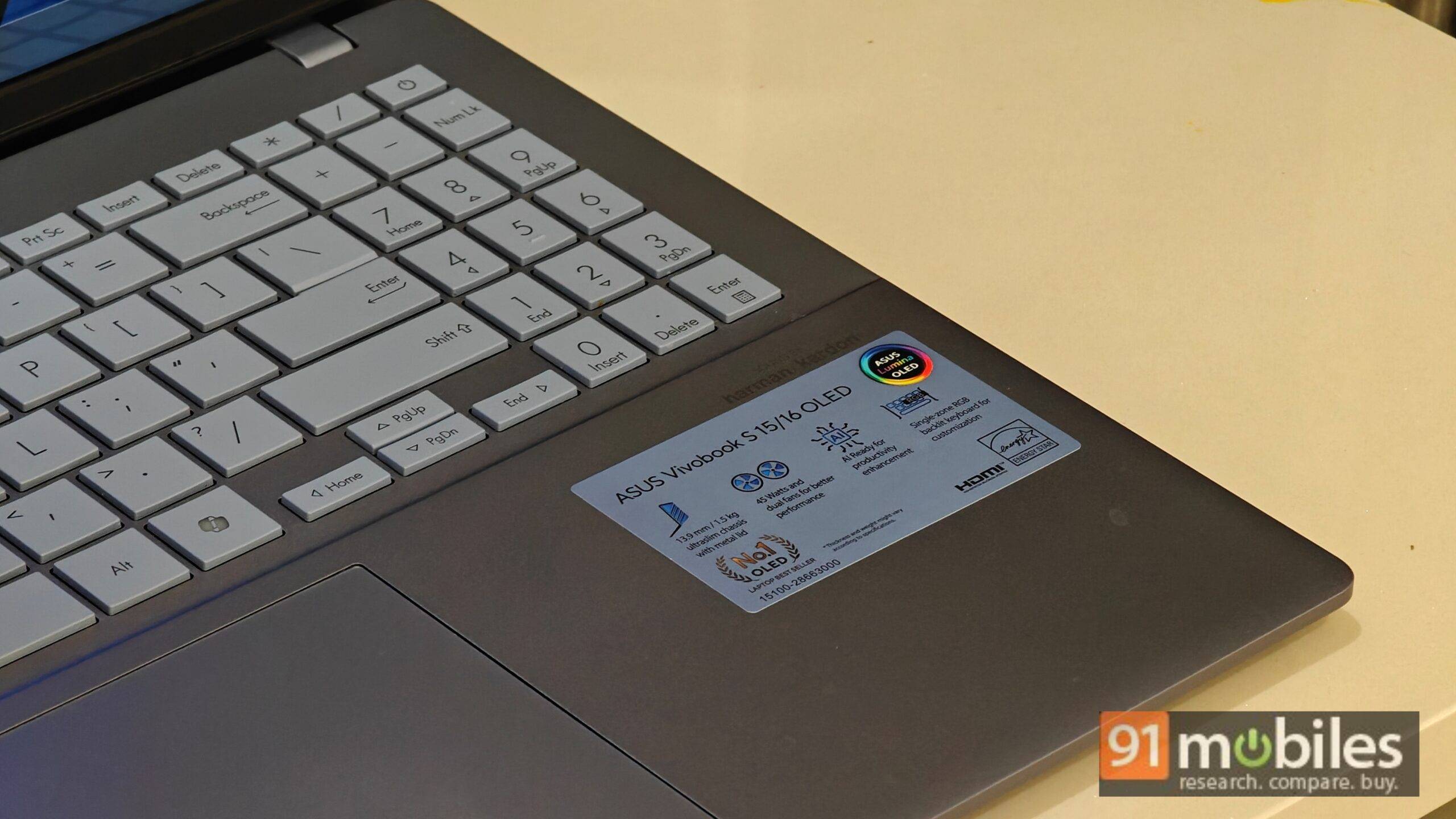
It also features single-zone RGB backlighting, allowing users to tweak the light’s colour scheme. The keys offer good travel and don’t wobble on touch. And, unlike the company’s more affordable Vivobooks, the key legends are clearly visible, even with the RGB backlighting enabled.
The trackpad offers a generous tracking surface, and click left and right mouse buttons. It is positioned a smidge off-centre, and its placement may take some time to get used to. During the first few days, I repeatedly brushed my palm against its edges and had to consciously remind myself not to do so. On the upside, the unit has a capable webcam supporting facial recognition and Windows Studio effects.
Performance
The ASUS Vivobook S 16 OLED is backed by Intel’s Core Ultra 7 155H processor. I’ve tested many machines powered by this processor and have always been impressed with its capabilities. The Vivobook S 16 OLED is no different, and it can comfortably crunch through most office workflows involving project management and communication apps like Slack, Asana, Microsoft Teams, Basecamp, and more.
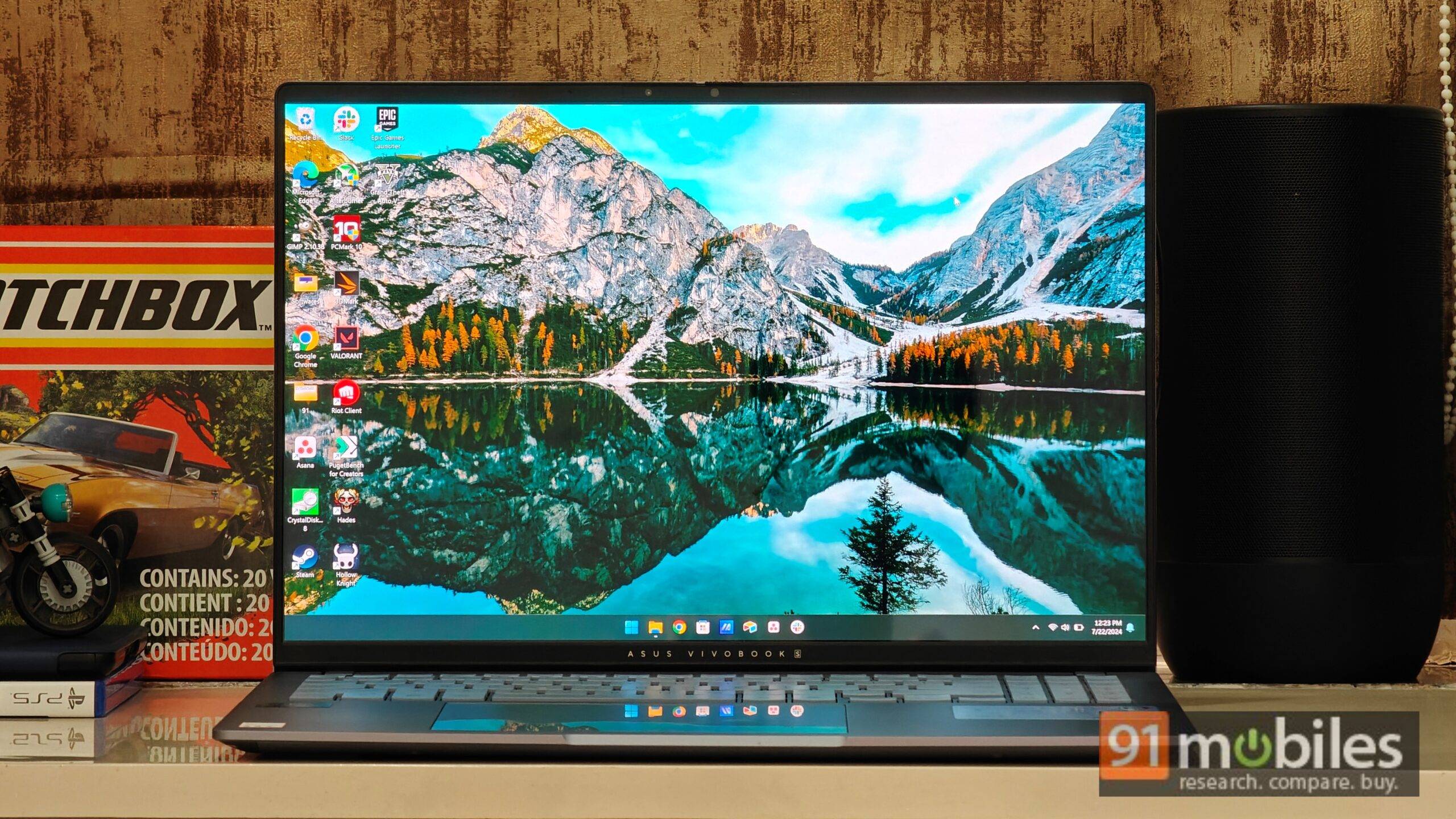
It should be noted that the Core Ultra 7 155H processor is usually reserved for pricier laptops. While the Vivobook S 16 OLED is not inexpensive, it does undercut devices like the HP Spectre x360 or the Samsung Galaxy Book4 Pro, both of which also come with an OLED display and the Core Ultra 155H processor. As such, the laptop performs similarly to pricier notebooks. You can refer to the chart attached below to see how the S 16 OLED fares against the competition.
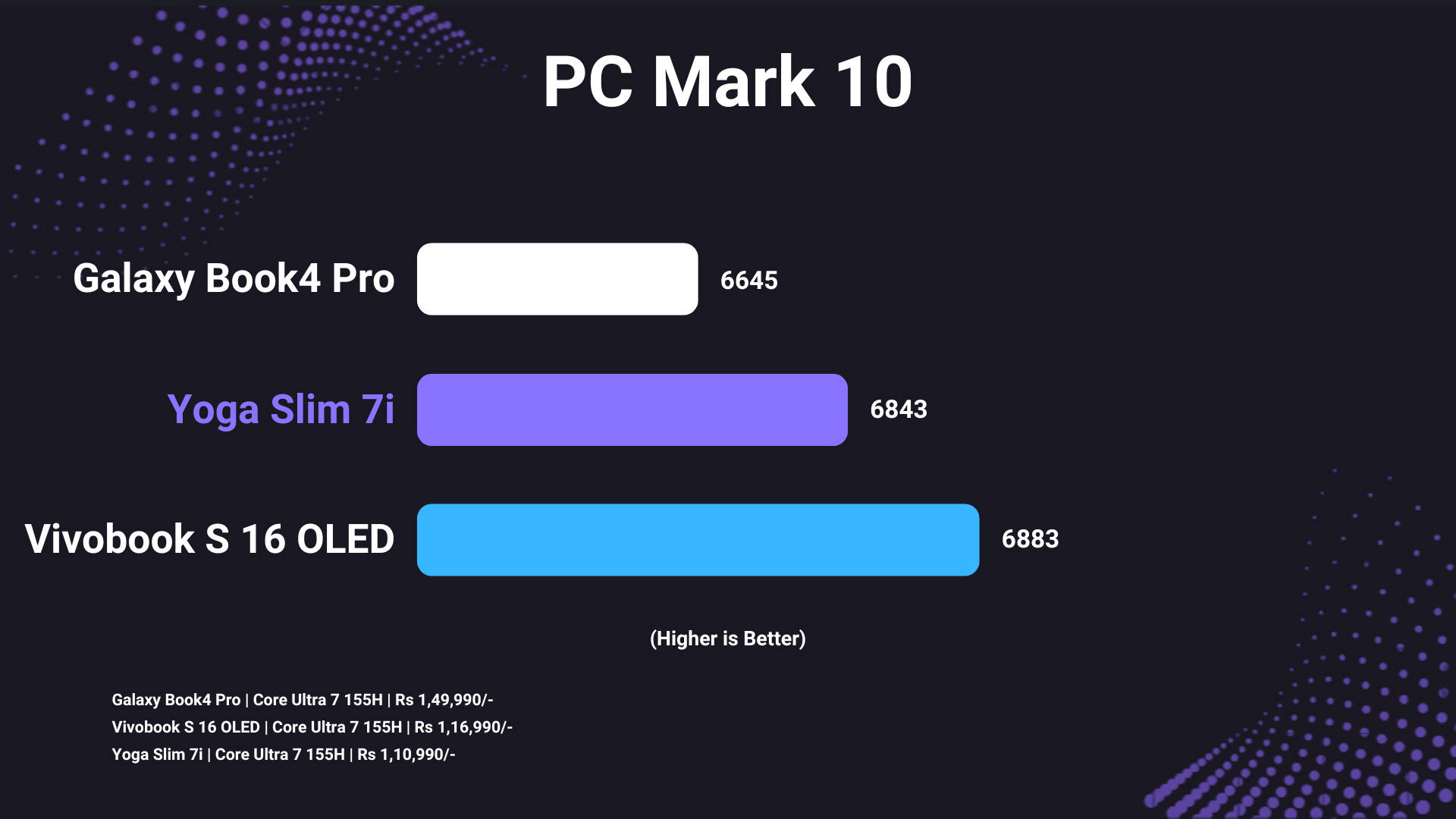
As can be seen from the charts, the laptop’s performance is on par with other machines utilizing Intel’s Core Ultra 7 155H Meteor Lake chip. And, while it’s not a gaming laptop, the Vivobook S 16 OLED can run some games, too.

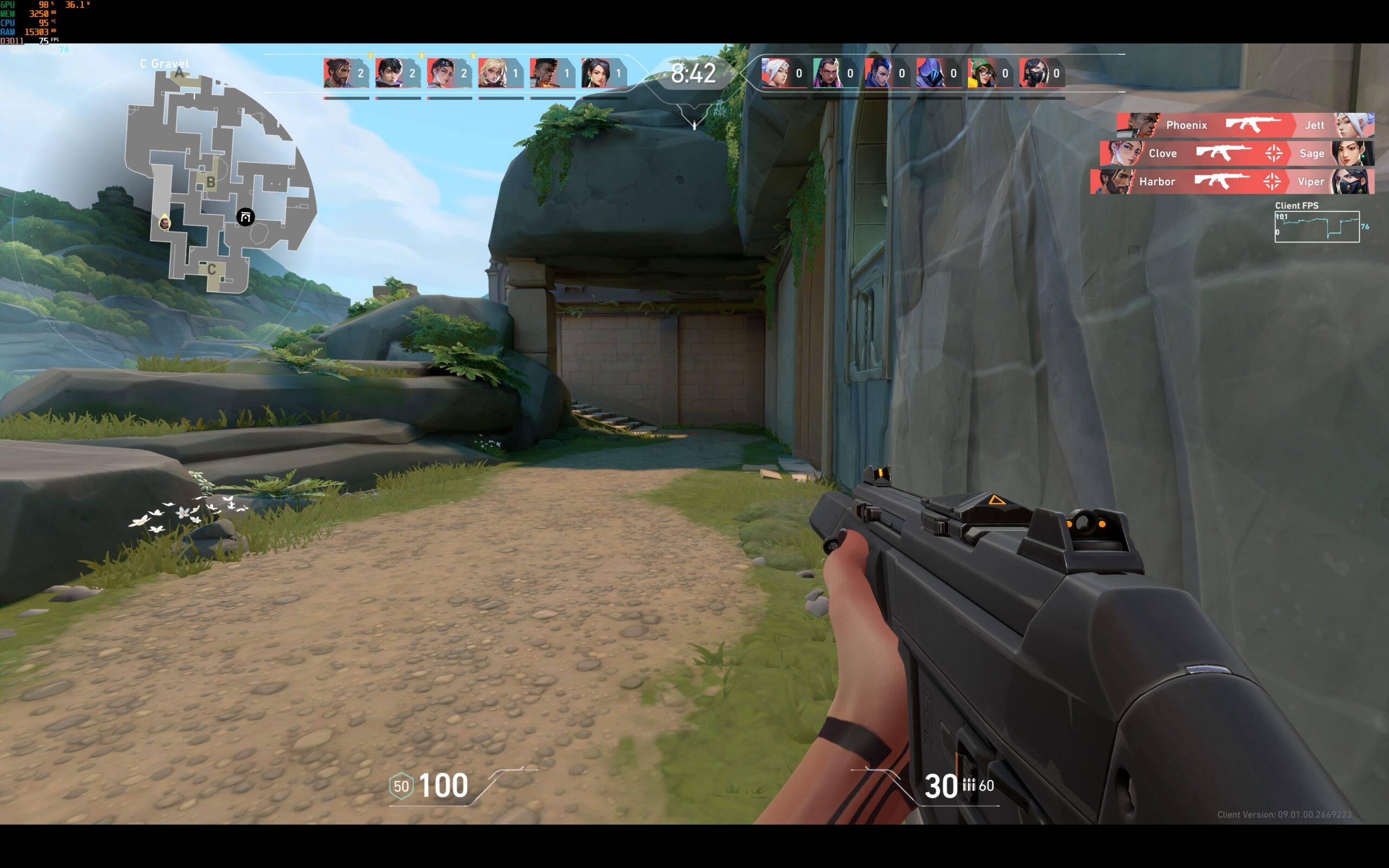





In particular, I tested the laptop with Valorant, GTA 5, and some other lighter titles. While it’s not recommended to game at the laptop’s native 3K resolution, lighter titles like Hollow Knight and Hades can make the most of the laptop’s pixel-dense display. More demanding games like GTA 5 run better at 1200P resolution, though. You can check the slider attached below for more insights into the laptop’s gaming chops.
While all that’s fine and dandy, I expected more from the Vivobook S 16 OLED in the battery department. In particular, the laptop lasted a little over six hours in our battery drain test. Competing machines from Lenovo and Samsung managed to run for well over eight hours in the same test. 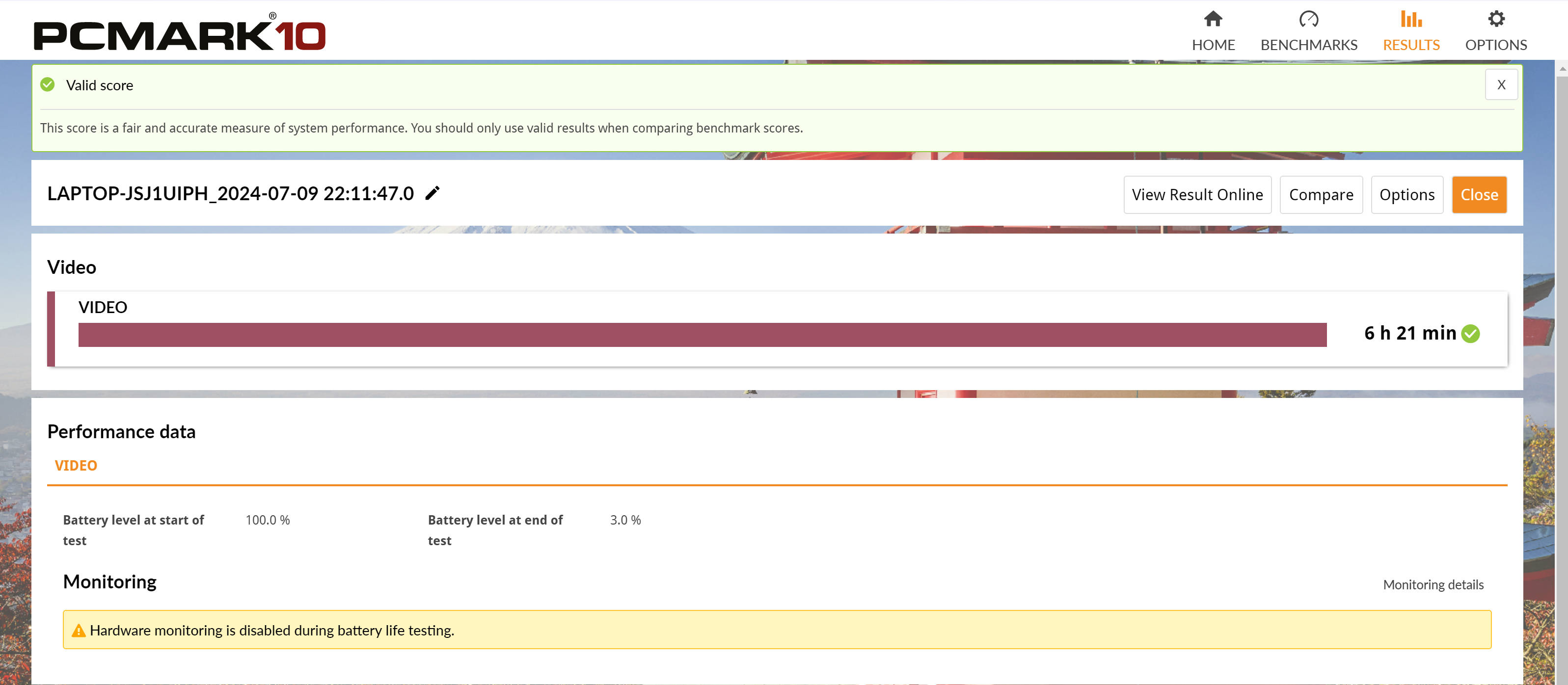
Verdict
The ASUS Vivobook S 16 OLED retails for Rs 1,16,990 in India. For its asking price, the device gets a lot right, offering a stunning display, great performance, and a lightweight, albeit durable, design. While you could get a better bang for your buck by opting for the Yoga 7i, you will miss out on a high-res display that refreshes at 120Hz. Correspondingly, those in the market for a dependable laptop with a top-notch screen will find a lot to like here.
Editor’s Rating: 8 / 10
Pros:
- Great performer
- Gorgeous display
- Lightweight and durable
Cons:
- Battery life could’ve been better