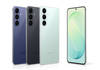
The Redmi Pad SE 4G is the latest entry-level budget tablet from the brand, and as the name suggests, it supports 4G. You might think it’s just a 4G version of the Redmi Pad SE (review), which also got launched recently. But that’s not really the case and the two tablets are actually quite different. The Pad SE 4G has a more compact design, with an 8.7-inch display and a smaller 6,650mAh battery. I’ve spent some time with the Redmi Pad SE 4G and will break down what works and what doesn’t for this tablet.
Table of Contents
Design and display
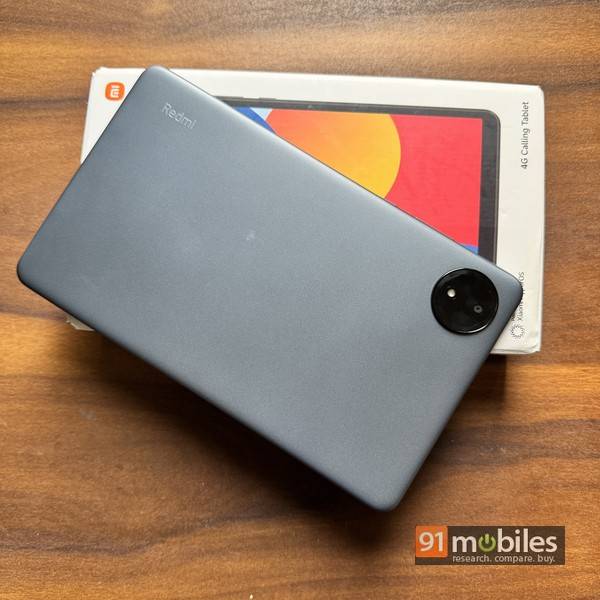
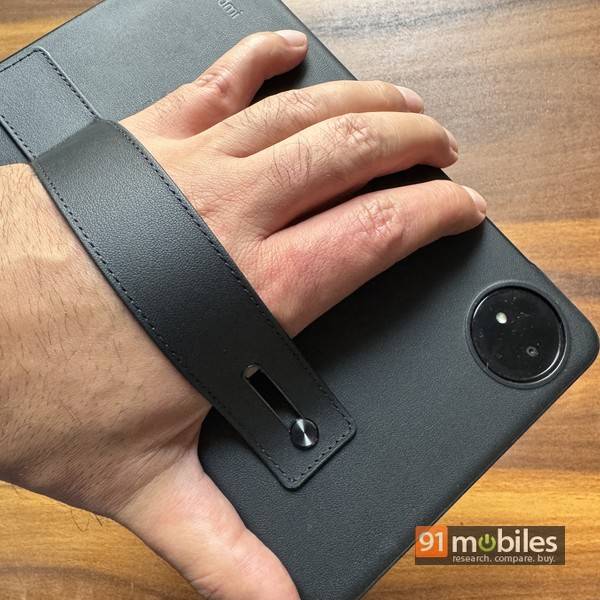
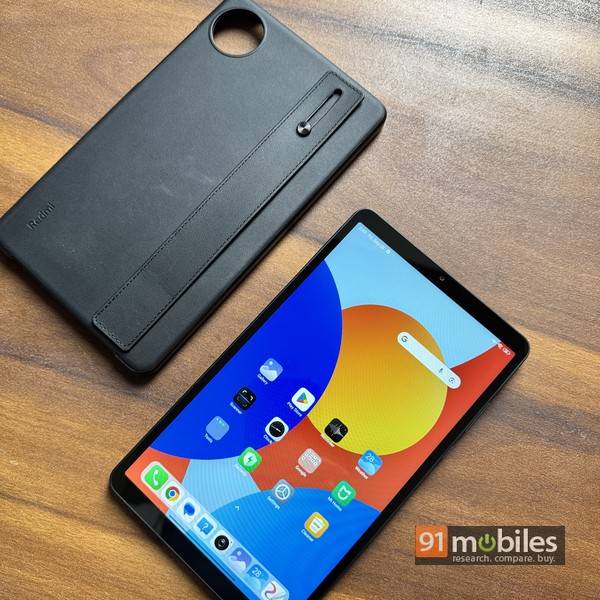
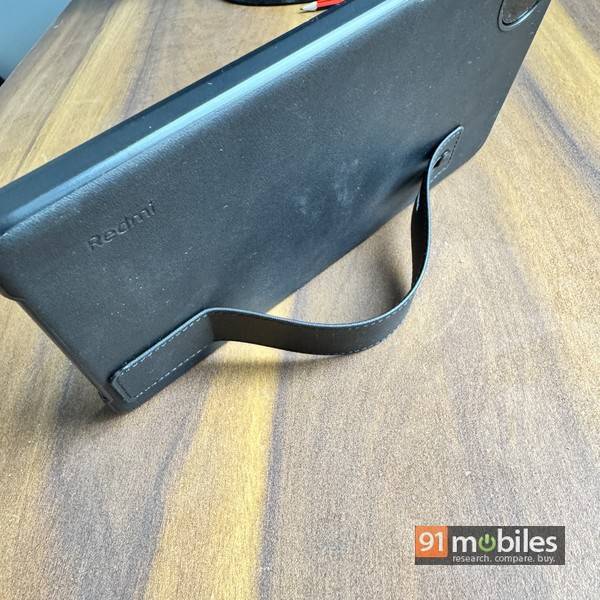
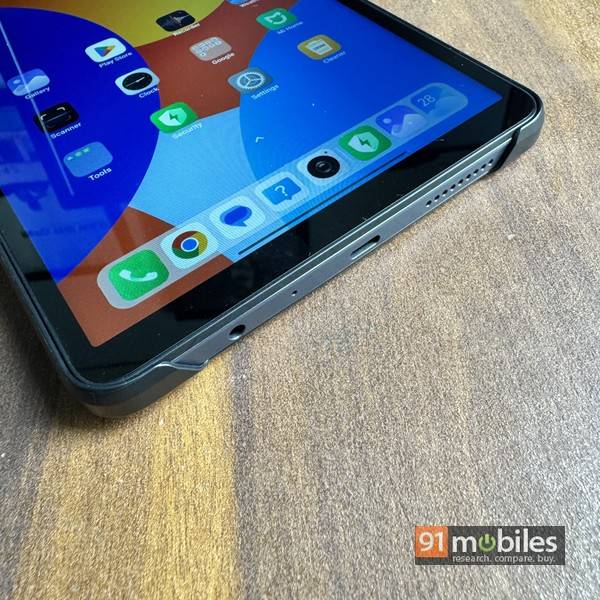
As I mentioned, the Redmi Pad SE 4G is more compact, with a thickness of 8.8mm and a weight of about 375g. It’s IP53 rated, and gets some points for that. It’s easy to handle due to its small size and well-balanced weight, so it doesn’t feel awkward in your hand. The back is made of polycarbonate with a matte finish. It can pick up smudges if your hands are sweaty, but a quick wipe fixes that easily. The tablet comes with dual stereo speakers, an IR blaster, a Type-C charging port, and a 3.5mm headphone jack.
Performance and software
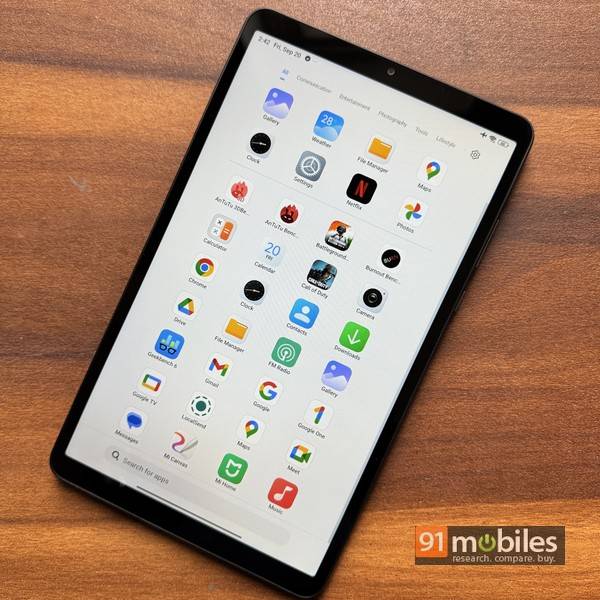
As a budget tablet, I didn’t expect too much from the performance, and the Redmi Pad SE 4G delivered about what I anticipated. The MediaTek Helio G85 SoC powers the tablet, along with 4GB of LPDDR4X RAM and 128GB of eMMC 5.1 storage. If the built-in storage isn’t enough for you, it supports microSD cards up to 2TB. This tablet is really ideal for simple tasks like browsing, social media, and streaming since it doesn’t have the power for heavy-duty work.
| Benchmark | Score |
| Geekbench | Single-core: 408, multi-core: 1404 |
| AnTuTu | 2,71,078 |
| Burnout benchmark (CPU throttle) | 73 percent (the higher, the better) |
There were a few moments of lag, but overall, the experience was smooth. You can do some light multitasking, but the 4GB RAM limits performance. Games like BGMI and COD: Mobile will run, but only on their lowest settings if you want playable frame rates (around 40 FPS or more).
Cameras and 4G connectivity
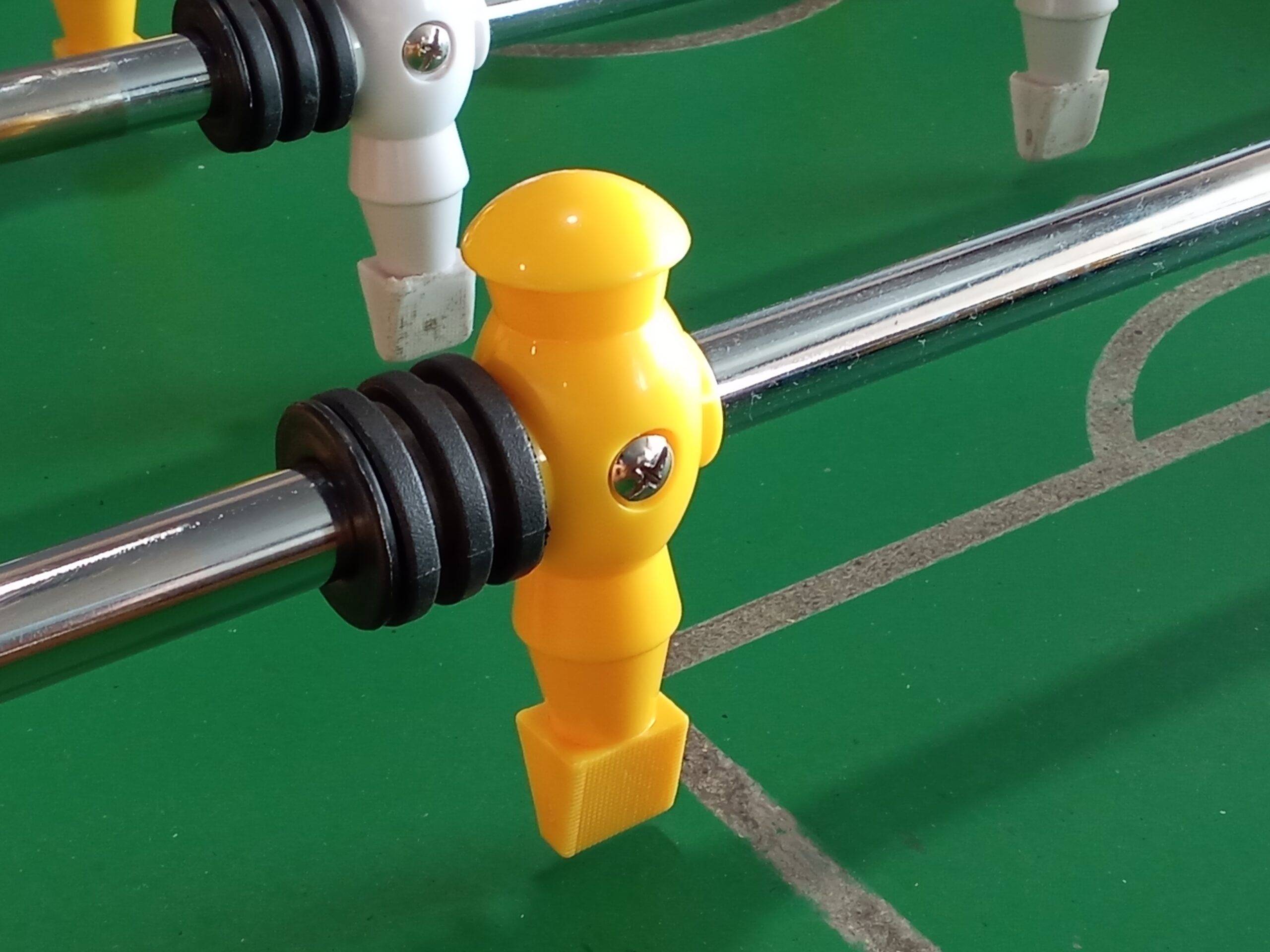
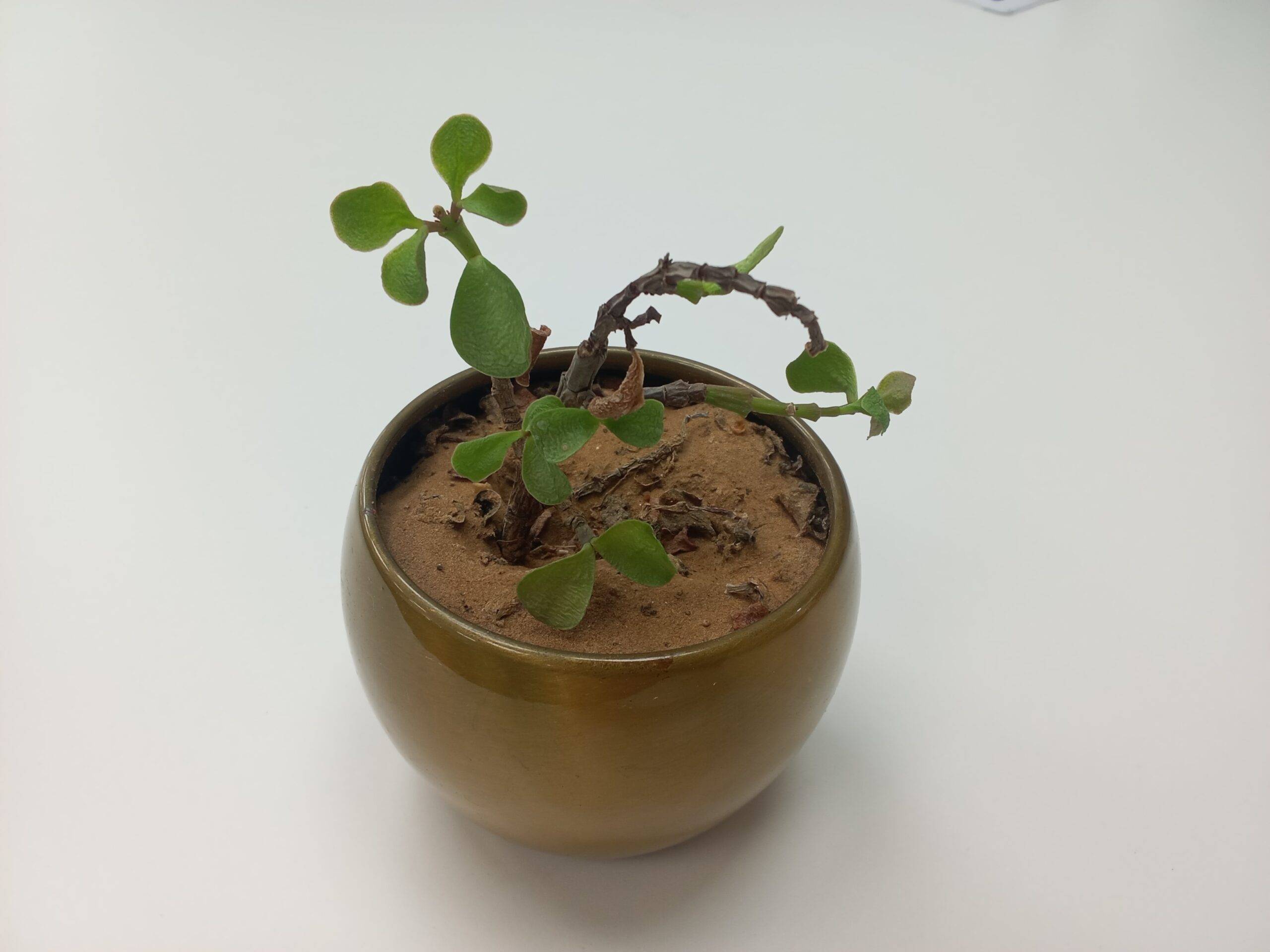
Cameras aren’t typically a highlight in tablets, especially budget ones, and they’re mostly included for practical use. The Redmi Pad SE 4G follows this trend with an 8MP rear camera and a 5MP front camera. Both cameras are serviceable and can shoot Full HD videos at 30FPS. The images tend to look washed out, and the white balance isn’t quite right, so these cameras are best suited for video calls or capturing documents rather than for photography.



The Redmi Pad SE 4G, as the name suggests, supports 4G, so you can use it for calls and easily stay connected to the internet. The calling experience is generally good, but in crowded places, it can be a bit tricky to hear the other person clearly since the volume isn’t very loud. In terms of 4G data speeds, the tablet performs well, pretty much on par with my smartphone, so you won’t face any internet speed issues. While it might not make the most sense as a primary device, it can be an option for kids at home as a platform for content and e-reading. Since it can take calls, it lets you reach them whenever you need to.
Battery and charging
A 6,650mAh battery fuels the Pad SE 4G and comes with 10W charging support, and there’s charger included in the box too. For a tablet, the battery is just marginally better than some newer affordable smartphones like iQOO Z9x, and the larger display drains it pretty quickly. The tablet registered 11 hours and 12 minutes in the PCMark battery benchmark test, which is a decent score for a display this large. In our lab tests, the tablet’s total battery drain after 1.5 hours of gaming was 27 percent.
So if you’re playing games, you can expect a battery life of around 5-6 hours. In my usage, the device can easily last two days with casual use and an entire day for heavy users. The paired 10W charger is a little slow as expected and takes 2 hours and 50 minutes to recharge the device from 20 to 100 percent capacity.
Verdict
The Redmi Pad SE 4G comes in two storage options: 4GB+64GB for Rs 10,999 and 4GB+128GB for Rs 11,999. For a budget tablet, it packs in a lot of features that should satisfy most users. You get a good 8.7-inch display with a smooth 90Hz refresh rate, great speakers, a dependable battery that lasts a full day, and a smooth software experience. To top it off, the 4G support adds extra versatility, making it a good option for anyone in the market for an affordable tablet.
That said, there are a couple of downsides: its brightness can be a bit lacking outdoors, and it takes a while to charge. Competing tablets include the Samsung Galaxy Tab A9 and the Lenovo Tab M10. The Galaxy Tab A9 has a slightly better chipset, though its 4G version is pricier, while the Lenovo Tab M10 offers a better display but comes with a smaller battery.
Editor’s Rating: 8 / 10
Pros:
- Satisfactory display with 90Hz refresh rate
- Good Dolby Atmos speakers
- Battery life lasts an entire day
- IP53 water and dust resistance
Cons:
- Brightness feels lacking outdoors
- Charging takes a long time