Samsung Galaxy XR headset launched globally with hand-tracking and Android XR


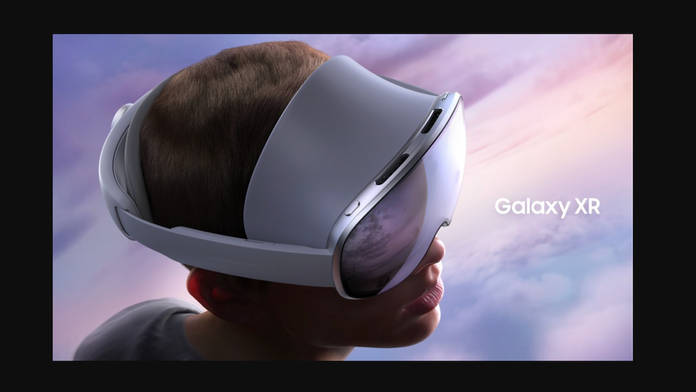
Samsung has introduced the Galaxy XR, an extended reality (XR) headset, which will compete with the likes of Apple’s Vision Pro. The Galaxy XR is priced at USD 1,799 (almost Rs 1.57 lakh), which is almost half the cost of the Vision Pro at USD 3,499 (Rs 3.07 lakh). The Galaxy XR has been made in collaboration with Google and Qualcomm and is powered by the new Android XR platform, which enables it to run all Android apps as well as specialised XR experiences.
It has two micro-OLED screens, each with a resolution of 3,552 x 3,840 pixels. That gives it nearly 27 million pixels, just a bit more than Vision Pro’s 23 million. The refresh rate is up to 90Hz, versus the Vision Pro’s 120Hz. The Galaxy XR, however, provides a wider horizontal field of view at 109 degrees, versus Vision Pro’s slightly less. This design offers crisp and engrossing imagery for applications such as gaming, content watching, and virtual workspaces.
Show Full Article
Six external cameras handle tracking and input in the form of inside-out positional tracking and hand inputs. Two more cameras enable video passthrough, enabling users to perceive their environment with little delay. The headset also supports 3D photo and video capture. Within, four eye-tracking cameras allow for accurate eye movement detection and an iris-based security lock, just like Apple’s. Samsung intends to merge comfort and usability with the headset, weighing 545 grams and an additional 302-gram external battery pack to reduce head fatigue. The interpupillary distance is adjustable, and optical inserts for glasses wearers are provided.


Galaxy XR is powered by Qualcomm’s Snapdragon XR2+ Gen 2 chip and packs 16GB of RAM and 256GB of storage, which is the same as the Vision Pro’s base model. The headset supports Google’s Gemini AI for native voice experience with natural voice interactions that help perform tasks such as real-time searches, directions, and content suggestions. The Galaxy XR also supports Circle to Search, which allows users to circle an object in order to search quickly or get AI support while gaming.
Battery life is approximately two hours under mixed use, a bit shorter than the Vision Pro’s claimed 2.5 hours. Like Vision Pro, Galaxy XR takes external battery packs that can be replaced or charged while wearing the headset. Galaxy XR has Wi-Fi 7 and Bluetooth 5.4 for connectivity, features six microphones for voice commands and ambient sound capture, and spatial audio via internal two-way speakers.
In comparison to the Vision Pro, Samsung’s headset provides a cheaper alternative with comparable features. And while the 90Hz refresh rate is a slight downgrade from Vision Pro, the higher pixel density and wider FoV could make for a surprisingly immersive experience, especially for gaming. The Galaxy XR’s greater field of view and reduced weight may make it more comfortable for prolonged use. Also, the open Android XR platform allows users to have access to a larger app pool and more universal AI options via Google’s technology. Apple, by comparison, targets its highly integrated ecosystem with smooth compatibility between its devices.


For consumers, Galaxy XR is a convenient extended reality solution for recreation, productivity work, and creative operations. You can view several sports transmissions in a virtual environment, edit 3D videos with Adobe’s Project Pulsar, or navigate new locations through Google Maps with AI guides. The ergonomic features and AI assistance are designed to maximise comfort and interaction for prolonged use.
Samsung’s Galaxy XR is now available in the US and Korea, with wider availability expected soon. Samsung’s future plans include developing AI-powered glasses with lifestyle brands, just like competitor Meta, which is also pretty active in the XR space with its Meta Ray Ban Smart Glasses and Quest headsets.
Samsung’s Galaxy XR is a new entry into the extended reality headset market, dominated by players such as Apple, Meta, Sony, Lenovo, and including newer entrants such as Xreal. Apple’s Vision Pro is known for its high-end aesthetic and close ecosystem fit, whereas Meta’s Quest VR lineup is popular because it emphasises gaming and business use. Sony and Lenovo target gamers and business markets with high-quality hardware and immersion tech. Firms such as Xreal are meanwhile working to bring down AR devices’ prices and make them more mainstream.
We will have to wait and see whether Samsung brings the Galaxy XR to India. If it does, you can expect the headset to cost well over Rs 1.5 lakh. As a first iteration, the Galaxy XR might attract enthusiasts who want to own Samsung’s first mixed reality headset. It might also attract those who were also disappointed that Apple did not release the Vision Pro in India.