MediaTek Dimensity 9000 vs Qualcomm Snapdragon 778G

Share  

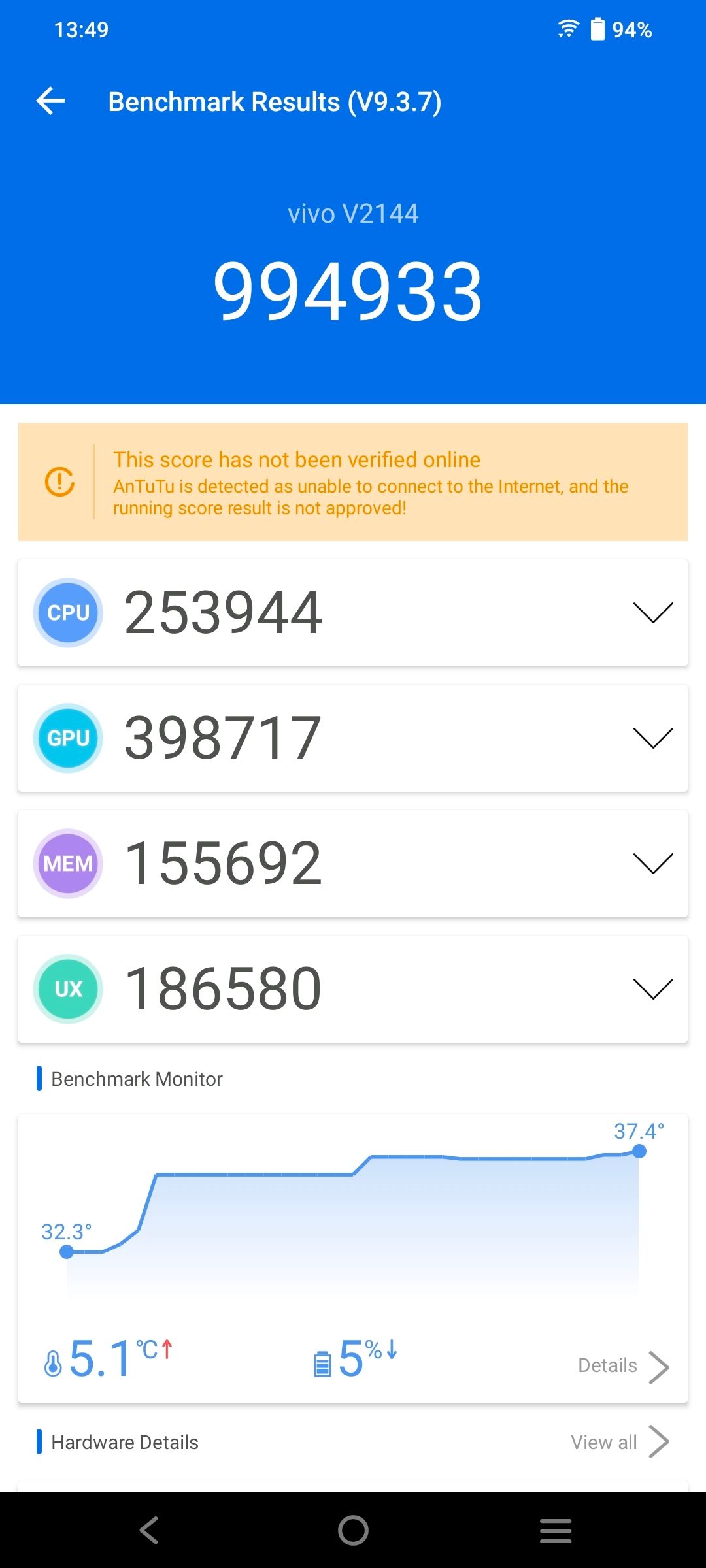
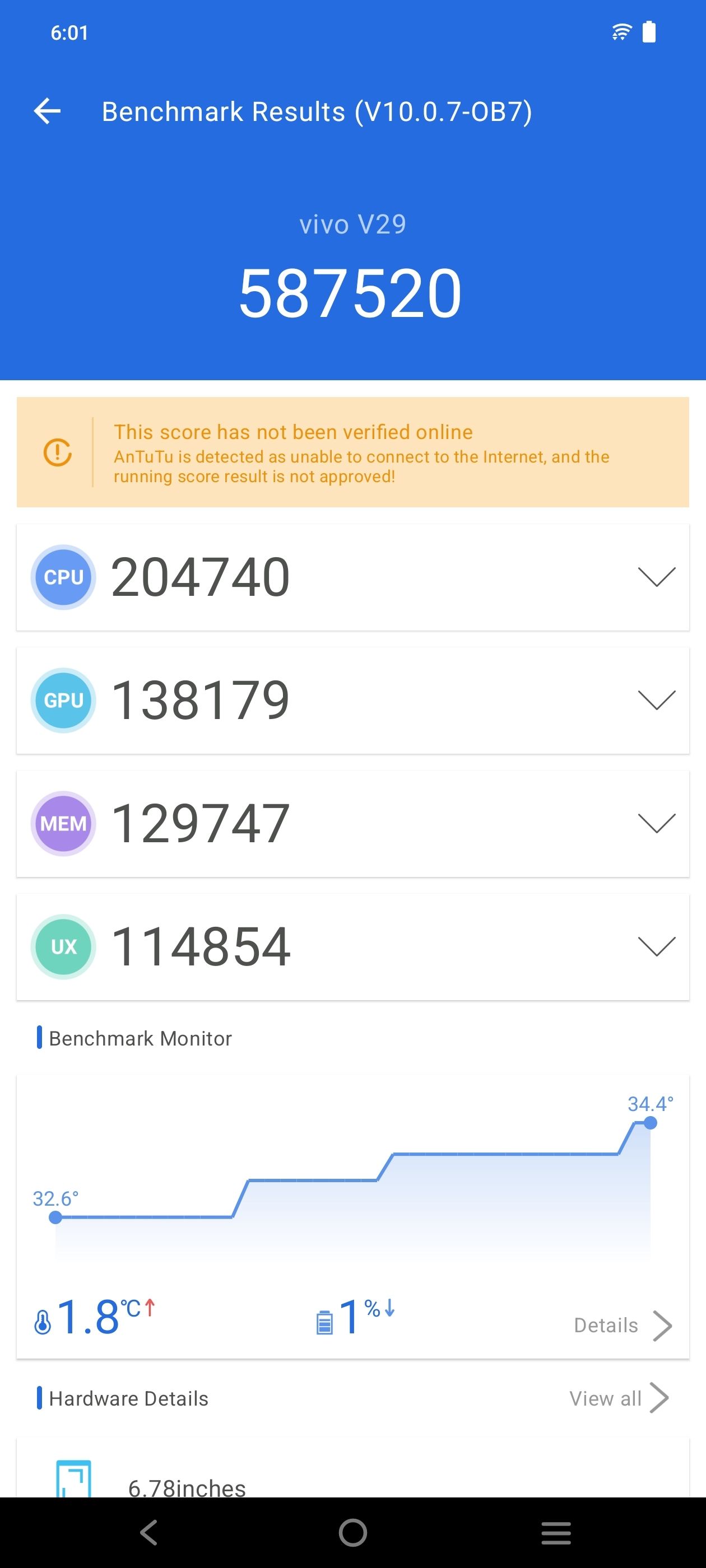
Based on benchmark performance, MediaTek Dimensity 9000 achieves a higher total AnTuTu score of 994,933 (tested by 91Mobiles), compared to Qualcomm Snapdragon 778G's 587,520 (tested by 91Mobiles), making MediaTek Dimensity 9000 the more powerful processor.

... read more

Summary

Release Date

Nov, 2021
May, 2021

CPU

Octa core
(3.05 GHz, Single Core + 2.85 GHz, Tri core + 1.8 GHz, Quad core)
Octa core
(2.4 GHz, Single Core + 2.4 GHz, Tri core + 1.8 GHz, Quad core)

Process Node

4 nm
6 nm

GPU

Mali-G710 MP10
Adreno 642L

Memory Type

LPDDR5X
LPDDR5

AnTuTu Score

994,933
587,520

Geekbench Score

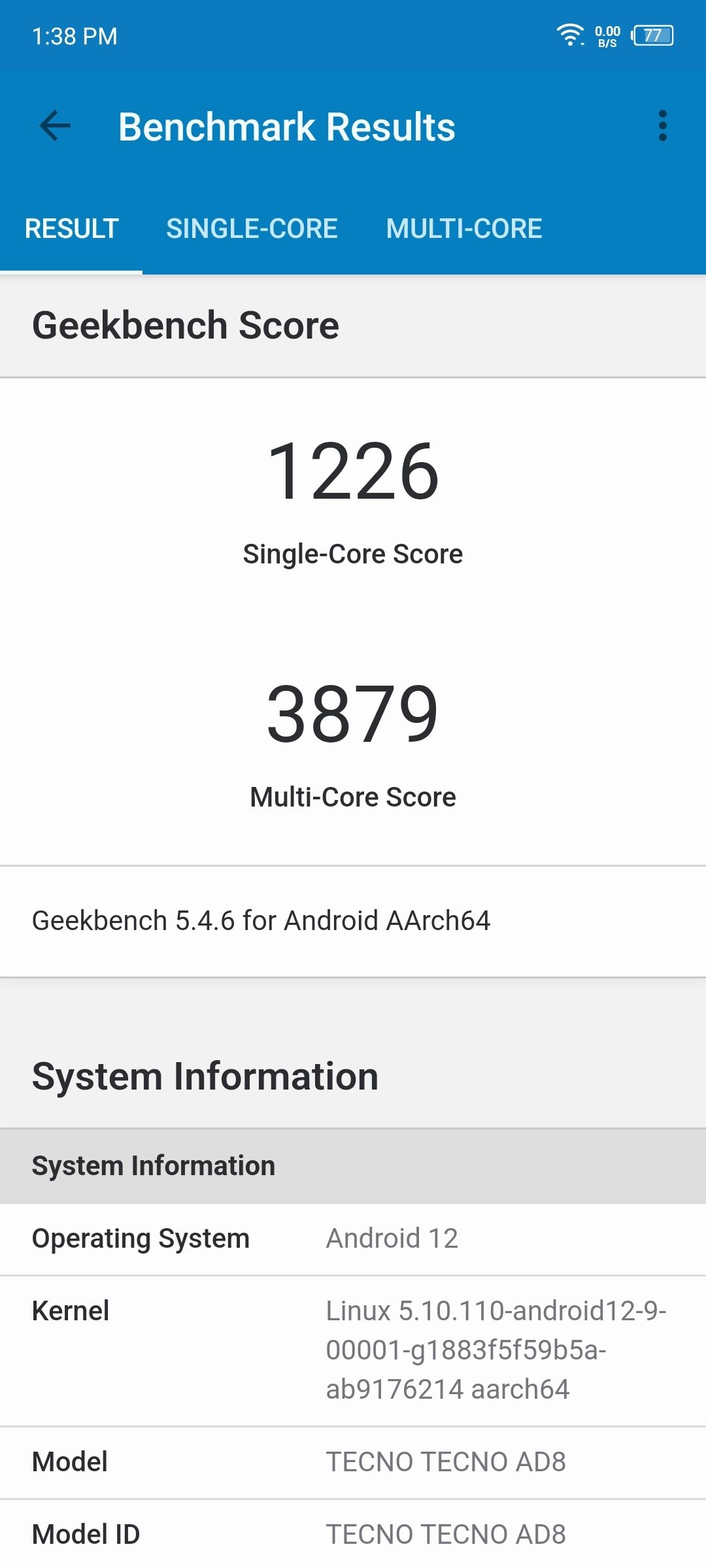
1,226/3,879
1,022/2,957

Phones Powered by These SoCs

Benchmark

AnTuTu (The higher, the better)
AnTuTu measures CPU, GPU, memory and overall performance in different scenarios
MediaTek Dimensity 9000
MediaTek Dimensity 9000 994,933
Qualcomm Snapdragon 778G
Qualcomm Snapdragon 778G 587,520
CPU
253,944
204,740
GPU
398,717
138,179
Memory
155,692
129,747
UX
186,580
114,854
Geekbench (The higher, the better)
The Geekbench test shows raw single-threaded and multithreaded CPU performance
Geekbench Single Core
MediaTek Dimensity 9000
MediaTek Dimensity 9000 1,226
Qualcomm Snapdragon 778G
Qualcomm Snapdragon 778G 1,022
Geekbench Multi Core
MediaTek Dimensity 9000
MediaTek Dimensity 9000 3,879
Qualcomm Snapdragon 778G
Qualcomm Snapdragon 778G 2,957

Benchmark Screenshots

AnTuTu Score:

General

SoC Brand

MediaTek
Qualcomm

Title

MediaTek Dimensity 9000
Qualcomm Snapdragon 778G

Model No

MT6983
SM7325

Manufacturing

TSMC
TSMC

CPU

Total Cores

Octa core
Octa core

CPU

Octa core (3.05 GHz, Single Core, Cortex X2 + 2.85 GHz, Tri core, Cortex A710 + 1.8 GHz, Quad core, Cortex A510)
Octa core (2.4 GHz, Single Core, Cortex A78 + 2.4 GHz, Tri core, Cortex A78 + 1.8 GHz, Quad core, Cortex A55)

Architecture (The higher, the better)

64 bit
64 bit

Process Node

4 nm
6 nm

Instruction Set

ARMv9-A
ARMv8.4-A

L2 Cache

1 MB
2 MB

L3 Cache

8 MB
N/A

GPU

GPU

Mali-G710 MP10
Adreno 642L

GPU Clock speed

848 MHz
550 MHz

Pipelines

10
2

Shading Units

64
256

Total Shaders

640
512

FLOPS

1085.4 Gigaflops
563.2 Gigaflops

Vulkan Version

1.3
1.1

OpenCL Version

2.0 FP
2.0 FP

OpenGL Version

N/A
ES 3.2

DirectX Version

N/A
12.1

AI

NPU

APU 590
Hexagon 770

Memory

Memory Type

LPDDR5X
LPDDR5

Memory Speed

3.75 GHz
3.2 GHz

Bus

4x16 Bit
2x16 Bit

Memory Max bandwidth

60 Gb/s
25.6 Gb/s

Memory Max size

24 GB
16 GB

Storage Type

UFS 3.1
UFS 3.1

Camera

Image Signal Processor (ISP) Name

N/A
Spectra 570L

ISP Bit Depth

18-bit
14-bit

Max Camera Sensor Supported

320 MP
200 MP

Max Video Capture Resolution

UHD @ 60 FPS
UHD @ 30 FPS

Slow Motion Video Capture

N/A
HD @ 240 FPS

Video Capture Formats

MP4
HDR10, HDR10+, Hybrid Log Gamma (HLG)

Display

Max On-Device Display Resolution

QHD+
FHD+ @ 144 Hz

Max External Display Resolution

N/A
UHD @ 60 Hz

Max Refresh Rate

180 Hz
144 Hz

HDR Support

Yes
Yes

Color Depth

N/A
10 bit

Multimedia

Video Playback Resolution

UHD @ 60 FPS
UHD @ 30 FPS

Video Codecs

H.264, H.265, AV1, VP9
H.264, H.265, VP8, VP9

Audio Codecs

AAC-LC, MP3, HE-AACv1, HE-AACv2, FLAC
AAC, AIFF, CAF, MP3, MP4, WAV

Connectivity

Modem Name

N/A
X53

5G Support

Yes
Yes

Peak Download Speed

Up to 7000 Mbps
Up to 3700 Mbps

Peak Upload Speed

Up to 2500 Mbps
Up to 1600 Mbps

Wi-Fi Version

6E
6E

Wi-Fi Standard

a, ac, ax, ax 6GHz, b, g, n, n 5GHz

Bluetooth Version

5.3
5.2

Navigation

BeiDou, Galileo, Glonass, GPS, NavIC, QZSS

User Feedback