Review Summary
Expert Rating
A big battery is an easy feature to appreciate, especially when you don’t have to think about charging your phone every night. That’s the promise of the Ai+ Nova 2 Power, which launched in the sub-Rs 20,000 segment in India a few weeks ago. Starting at Rs 17,999 for the 6GB + 12GB variant, its star feature is the 7,000mAh battery alongside the usual 120Hz display, a MediaTek Dimensity 7100 chipset and Android 16-based software, but without the unwanted clutter of pre-installed apps.
There’s a lot to like about that combination on paper. After using the phone, though, I found that while the phone has its highs, its strengths don’t extend equally. The battery life is great, the clean software is a welcome touch, but the phone is on the heavier side, the display is not as sharp as you’d want it to be, and the cameras struggle in demanding conditions. The Nova 2 Power gets a few important things right, but stops short of a more rounded experience.
Table of Contents
Quick verdict
I would definitely consider the Ai+ Nova 2 Power if battery life is my main concern and I’m willing to live with a heavy phone. The clean software is a plus, and the ultrawide camera gives me another option when taking photos. However, the HD+ screen, inconsistent touch response and incomplete photography make it harder to recommend as an all-rounder.
Design: looks better than it feels
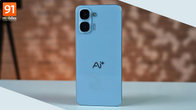
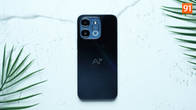
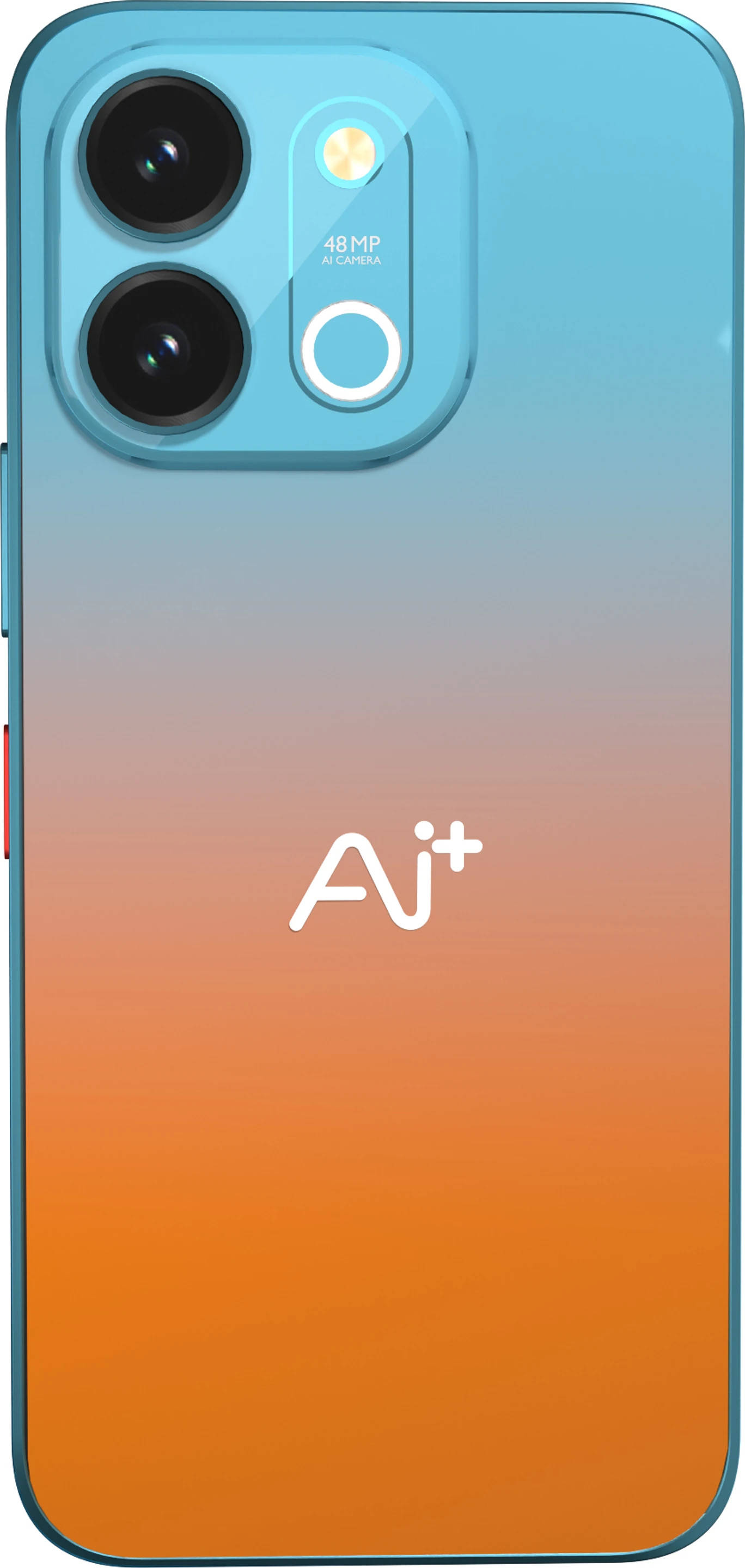
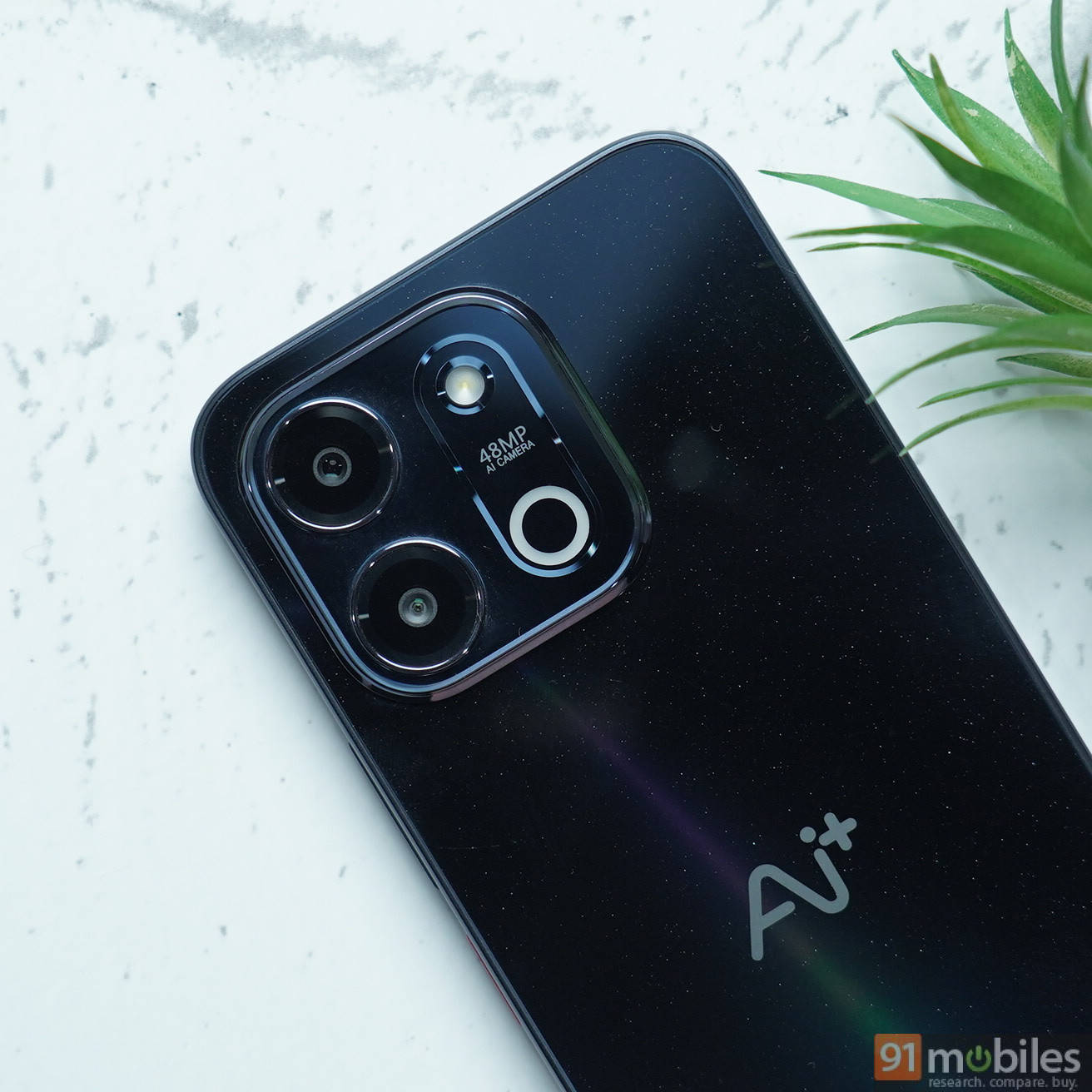
The first thing I liked about the Nova 2 Power was its thoughtful aesthetics. I got the glossy Midnight Black finish, which looks good from a distance. The starry effect catches the light, and the colour-changing panel adds something different to an otherwise usual design. However, the in-hand feel reminds you of the segment you’re working with, as the polycarbonate back doesn’t have a premium feel to it. Up close, the fingerprints are hard to ignore. The back picks them up quickly, so keeping it looking clean takes more effort than it should.
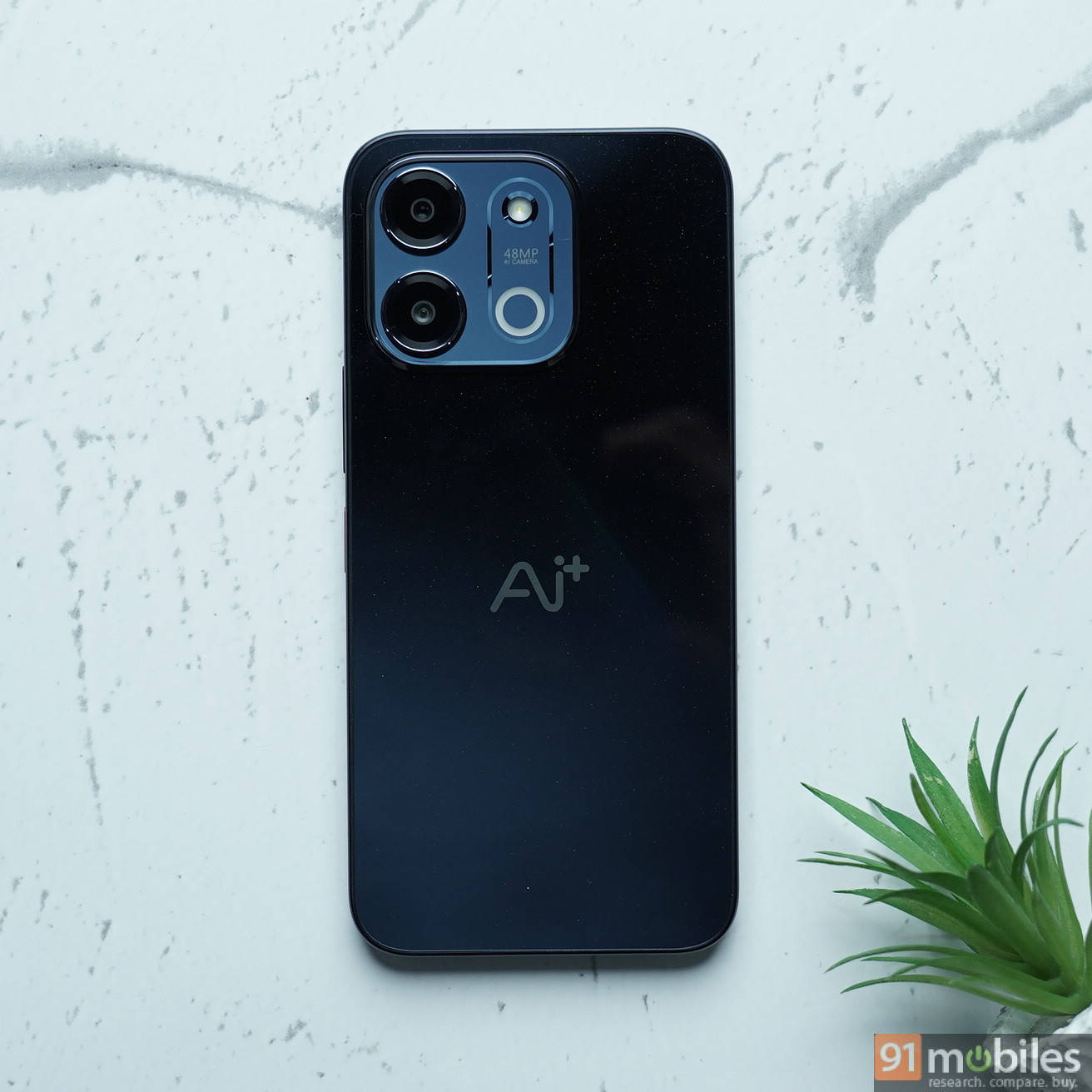
The weight was harder to get used to. At 222 gms, the Nova 2 Power is hefty, and the top-heavy balance makes one-handed use awkward. I found myself adjusting my grip to reach across the screen, and holding the phone for long periods wasn’t particularly comfortable. That’s not something a spec sheet can tell you, but it matters when you’re using a phone throughout the day.
The camera module also protrudes noticeably, and the individual lenses stick out enough to make me cautious about putting the phone down without a case. The phone also wobbles on a flat surface. The transparent TPU case included in the box is useful here, though it doesn’t change the fact that this is a bulky device.
Ai+ has added a NxtHalo Ambience Light under the flash, which gives the phone a little visual distinction. I can see why it might appeal to someone who likes these small touches, but I didn’t find myself getting much use out of it, and would rather keep it off as it can be distracting at night. When the phone is face down, a notification sound already tells me when something has arrived. The light is a nice extra, not a feature I’d miss.
The side-mounted fingerprint scanner is quick and accurate, but only when it wants to be; at other times, you’ll find yourself scrambling to remember your PIN. The power and volume buttons are smooth; there’s a hybrid SIM slot with microSD card support, plus a USB-C port and stereo speakers. Ai+ also includes a 33W charger in the box, which we’ll get to later. There’s no 3.5 mm headphone jack, though, which is worth keeping in mind if you still use wired earphones.
Display and audio: smooth scrolling can’t hide the soft text
The 6.75-inch LCD gave me plenty of room to browse, read and watch videos. The 120Hz refresh rate is decently smooth, and colours look reasonable for a budget LCD. Indoors, I had little trouble using the screen for everyday tasks, but outdoors it was less comfortable. The screen worked well enough in the shade, but direct sunlight made it harder to read. Peak brightness is around 450 nits, which explains why the display doesn’t have much room to spare on a bright day. Viewing angles are acceptable, though brightness and colours shift slightly when you look at the screen from the side.
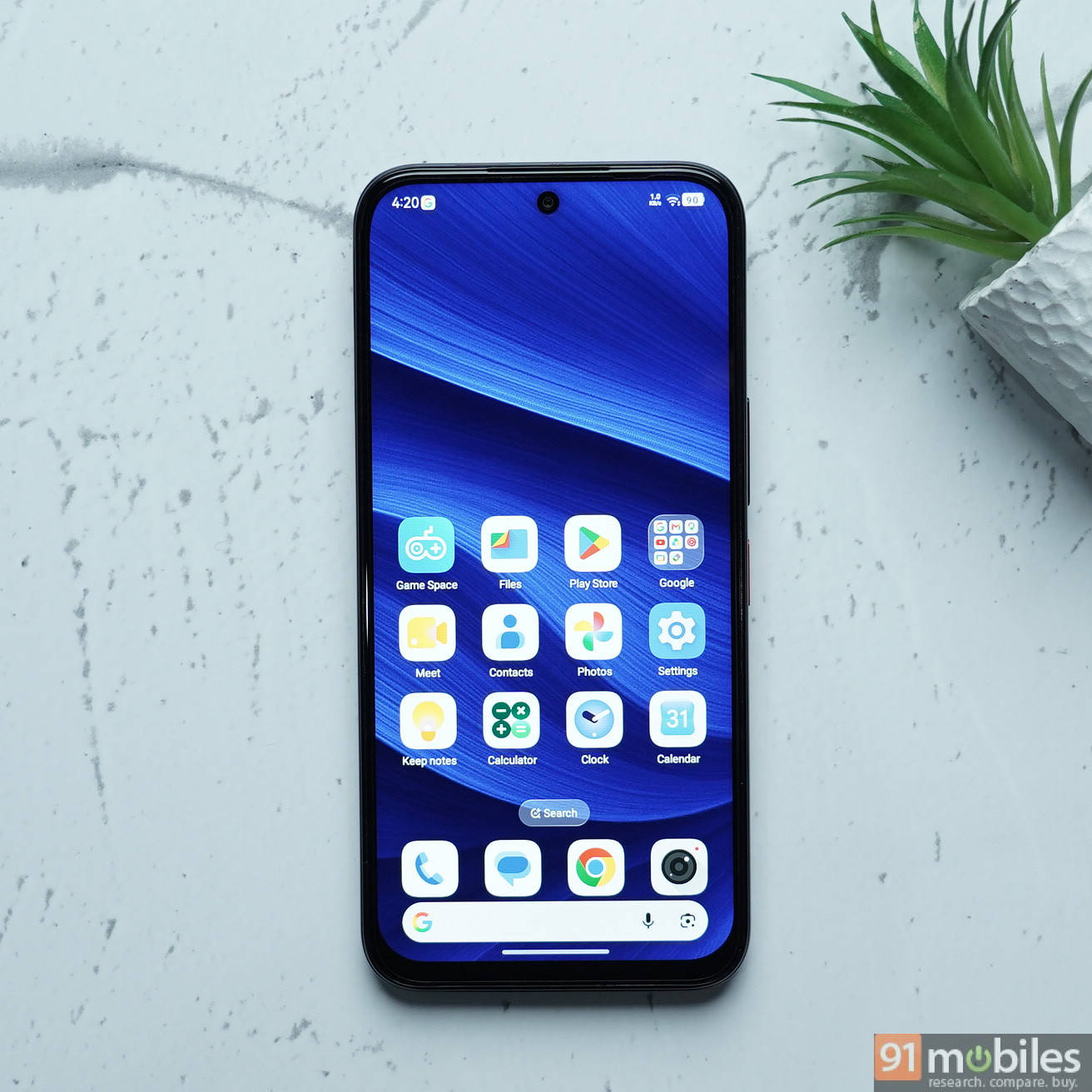
The resolution is where I openly wish Ai+ had spent a little more time, thought and $$$. At HD+, the panel doesn’t look particularly sharp at this size. I noticed it most while reading articles and looking at smaller text, where the edges aren’t as crisp. Videos are watchable, but fine details don’t look as defined as they would on a Full HD+ screen, obviously. It’s not a deal-breaker on its own, but at close to Rs 20,000, I think a sharper panel would have made the phone easier to recommend. I don’t completely blame Ai+ here, though, as most OEMs have started cutting corners with the display and cameras, thanks to the memory prices crisis.
Ai+ has given a 120Hz screen, which is more or less standard now, but there’s a caveat. Scrolling can look smooth, but I still noticed occasional stutters and small jumps when switching apps or moving through heavier feeds. That made the display feel less consistent than what its refresh rate suggested.
Coming to audio, the stereo speakers are loud enough for watching videos without reaching for earphones. Dialogue was clear at moderate volume, which is what I care about most when watching something casually. For music, the sound felt a little bottom-heavy, with weak bass, and the vocals became sharper and more boxy as I turned the volume up. At maximum volume, there was some distortion, and I could feel the vibrations through the back of the phone while holding it. The speakers are serviceable, but nothing I’d use to judge the phone favourably.
Performance and software: the little delays add up
The MediaTek Dimensity 7100 is capable of handling everyday use, and the Nova 2 Power generally manages messaging, browsing, video streaming and switching between lighter apps without much fuss. The phone comes in 6GB and 8GB RAM options, with storage fixed at 128GB. Its benchmark results are actually pretty good for the segment, and we found it to be the leader in most performance tests in the segment.


As evident, the Dimensity 7100 scores well in synthetic benchmarks, but the phone doesn’t always feel as responsive in everyday use. I suspect the issue could lie in software optimisation, particularly how the interface handles animations, touch inputs and app switching. RAM management could also be a factor when several apps are running in the background, although I can’t pin the delays on that alone. Whatever the cause, the benchmark scores don’t quite translate into the consistently smooth experience I’d expect from a 120Hz display. That’s what makes the experience a little puzzling. The phone can feel perfectly fine one moment and sluggish the next. I don’t expect a budget phone to match a flagship for speed, but I do expect routine interactions to be predictable.
Gaming is more encouraging, provided you keep expectations in check. Casual matches in BGMI and Call of Duty: Mobile remained playable. During longer sessions, though, I noticed occasional frame-rate dips and stutters, especially when the action got intense. If you play a few matches to pass the time, the phone should do. If gaming is a regular part of your day, I’d look for something with more consistent performance.
The phone didn’t get excessively hot in our tests. After 30 minutes of Call of Duty: Mobile, the temperature rose from 26.1°C to 30.8°C, while BGMI took it from 26.9°C to 31.2°C. Battery drain was 8 percent and 7 percent, respectively. Those temperatures are manageable, but the occasional performance dips remained noticeable.
Software is one area where Ai+ has made a good decision. NxtQ v1, based on Android 16, comes without third-party bloatware or system-level promotional ads. I really appreciate not having to spend time uninstalling unwanted apps or switching off promotional notifications after setting up a new phone.
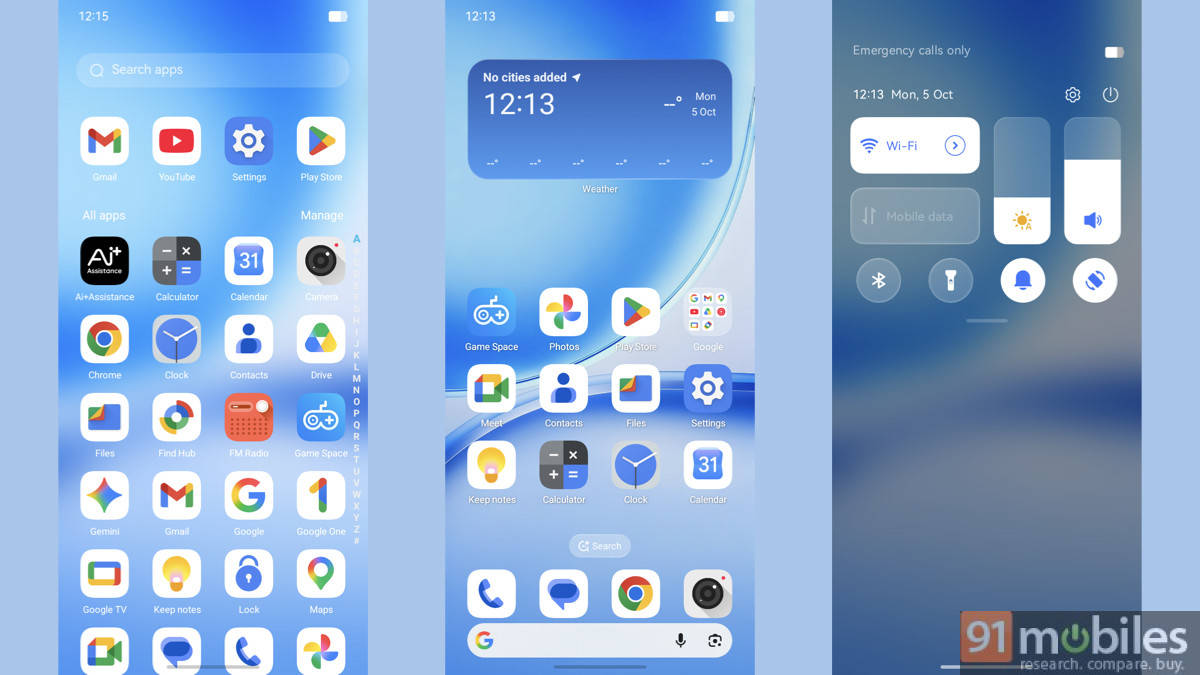
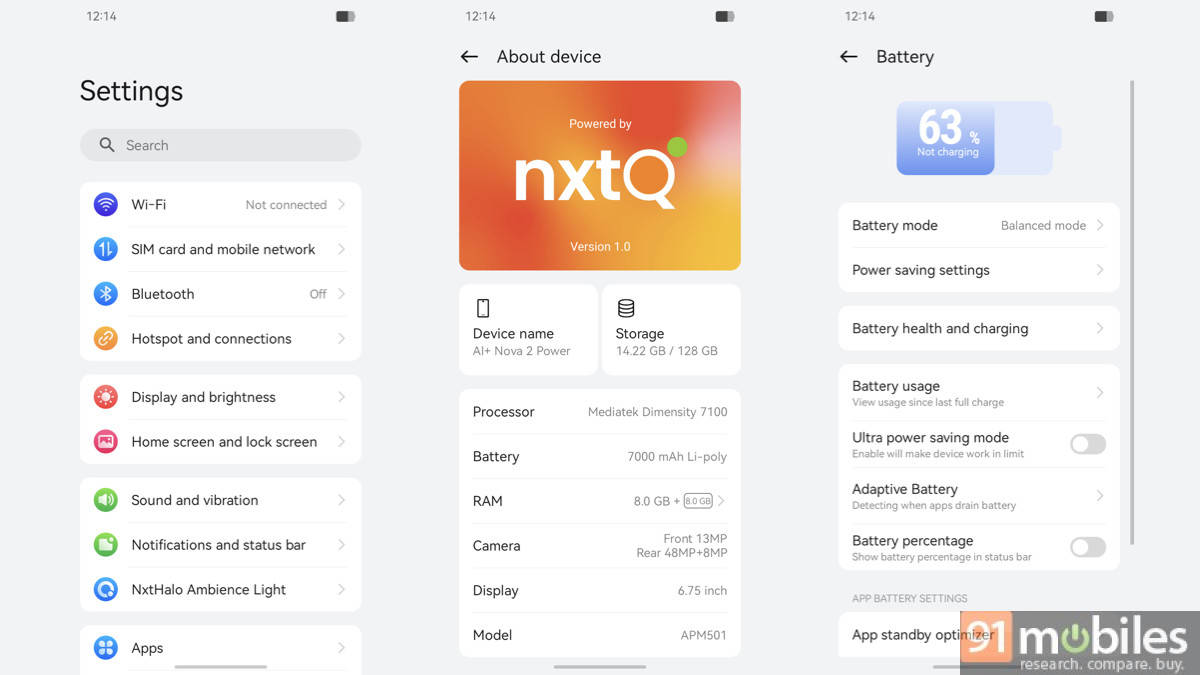
The interface borrows some visual cues from Vivo’s OriginOS, more so in the control centre and rounded cards, though the feature set is much simpler. You get standard Android tools such as split-screen and picture-in-picture, along with NxtPrivacy Dashboard and NxtSafe Space. Google’s Gemini and other standard Google tools are also available.
I don’t mind that the software is relatively simple. In fact, I’d take a clean interface over a crowded one full of features I rarely use. What needs work is the polish. The inconsistent animations and occasional glitches make the experience feel unfinished. Ai+ has promised one OS update and quarterly security patches, which is the bare minimum the segment offers, but some companies push that to two, which would’ve been better for longevity.
| Smartphone | Pre-Installed Apps | Software Support |
| Ai+ Nova 2 Power 5G | 30 | 1 Year Security Updates |
| Lava Virat V1 Pro 5G | 31 | 1 Year OS Updates + 2 Year Security Updates |
| Tecno Spark 50s 5G | 51 | 2 Years Security Updates |
Battery and charging: the phone’s strongest argument
The 7,000mAh battery is what impressed me most about the Nova 2 Power. I didn’t have to keep checking the remaining charge through the day, and two days of use is realistic with moderate usage. For people who spend long hours travelling (which I did while using the phone), work outdoors or simply don’t want to charge every night, that kind of endurance has real value.
Our YouTube playback test used 6 percent battery over an hour, with brightness and volume set to 50 percent. In the gaming tests, BGMI used 7 percent over 30 minutes and Call of Duty: Mobile used 8 percent. We couldn’t get a reliable PCMark battery result because the test crashed overnight, so we wouldn’t put a benchmark figure on the phone’s endurance.
The trade-off is recharge time. Ai+ bundles a 33W charger, which took two hours and 23 minutes to charge the battery from 20 to 100 percent. I don’t mind charging less often, but when I do need to top up, it is a long wait. The other consideration is weight. A 7,000mAh battery is useful, but it contributes to a phone that already feels bulky. I think some people will gladly make that compromise. Personally, I’d want the rest of the experience to be more consistent before accepting the extra weight without hesitation.
| Smartphone | Battery Capacity | Charging Support | Charging time (20% to 100% ) |
| Ai+ Nova 2 Power 5G | 7000 mAh | 33W Fast Charging | 2h 23m 53s |
| Lava Virat V1 Pro 5G | 6000 mAh | NA | 2h 25m 48s |
| Tecno Spark 50s 5G | 6500 mAh | 45W Fast Charging | 1h 0m 14s |
Camera: useful in daylight, less dependable after dark
The Nova 2 Power has a 48MP Sony IMX582 primary camera, an 8MP ultrawide and a 13MP front camera. Having an ultrawide is useful and not so common at this price point, and it’s a useful addition if you like photographing buildings, landscapes or groups of people. After trying the cameras, though, I wouldn’t buy this phone specifically for photography.
Check out the camera samples from the Ai+ Nova 2 Power here:

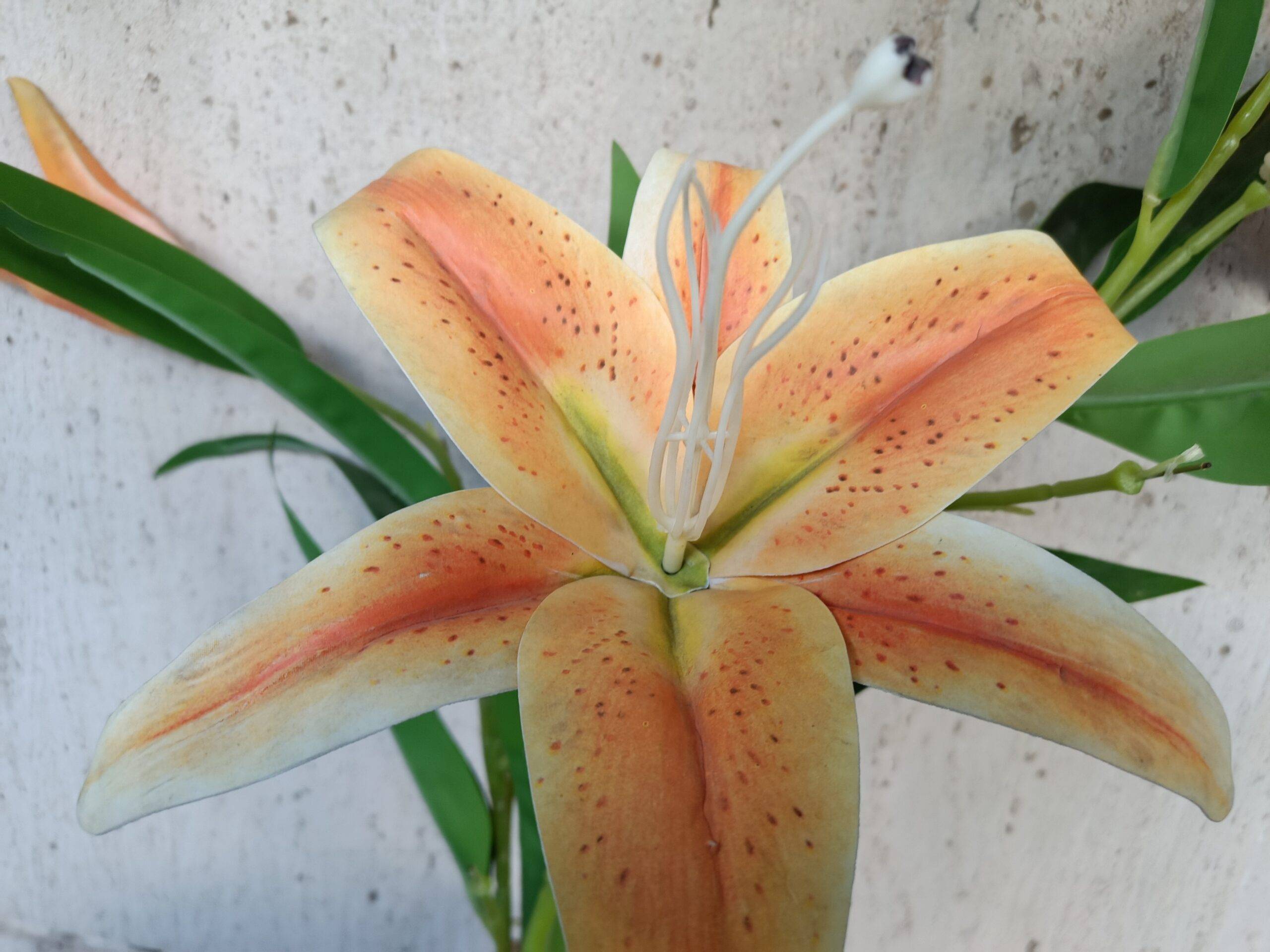
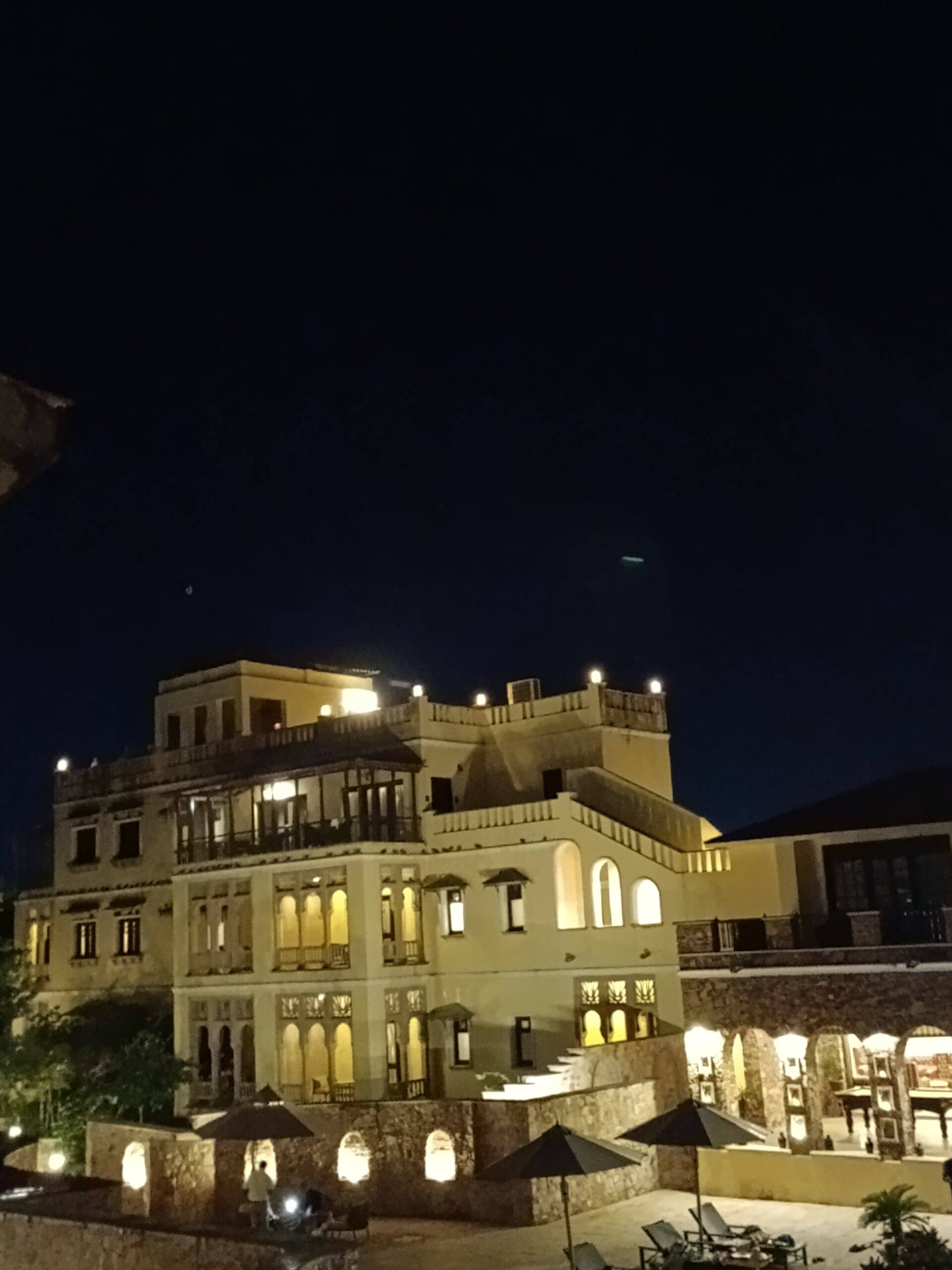
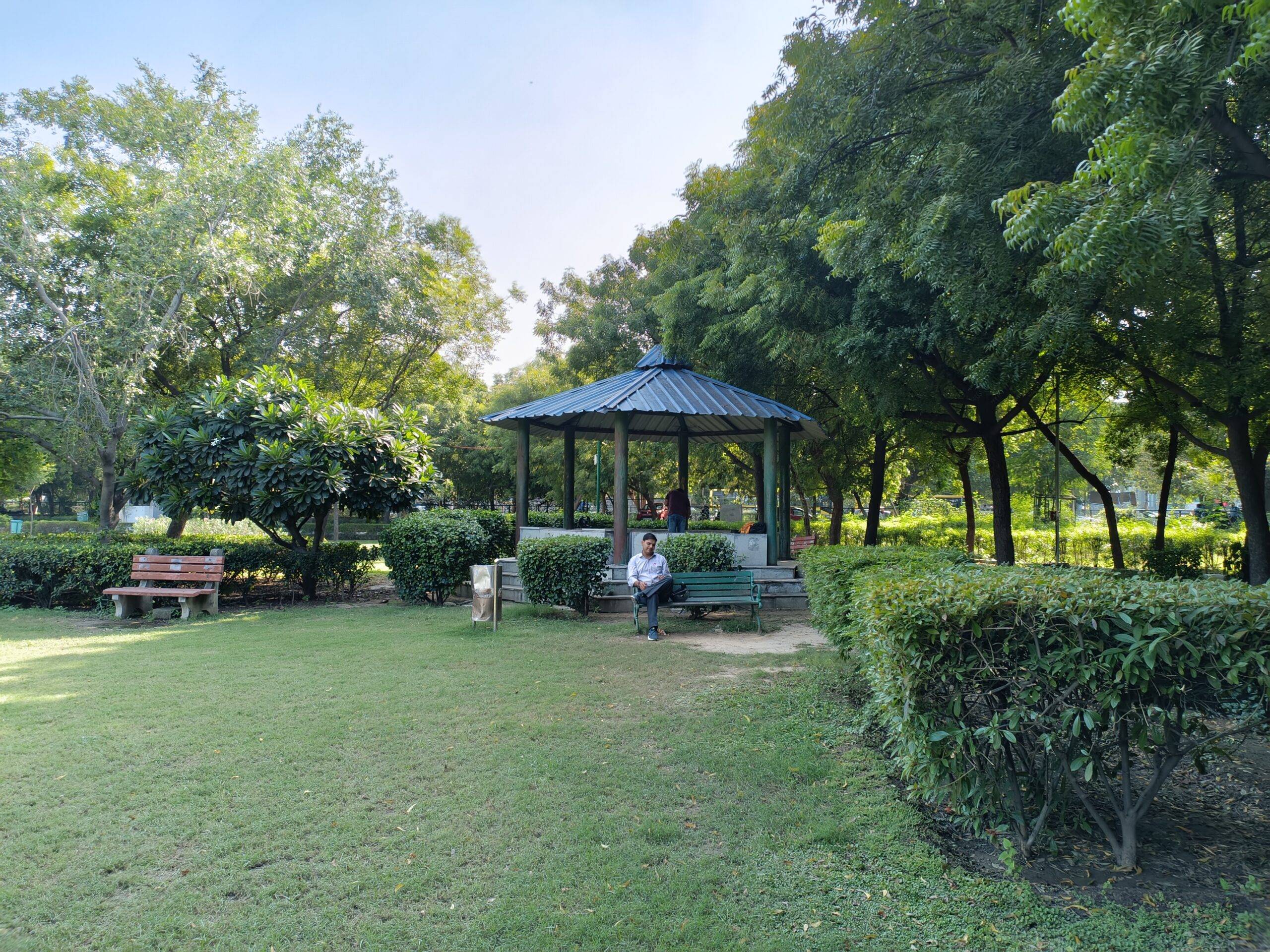
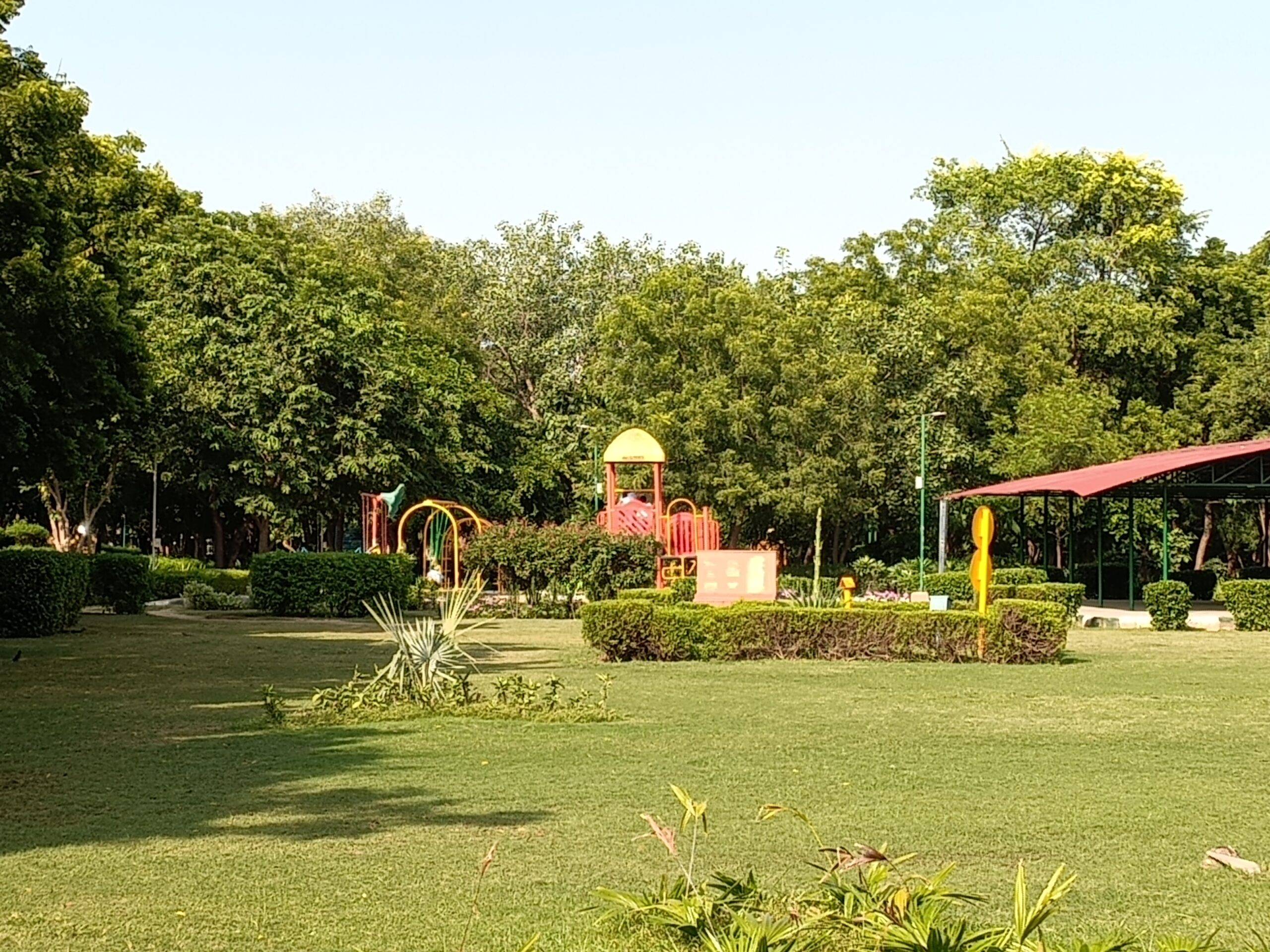
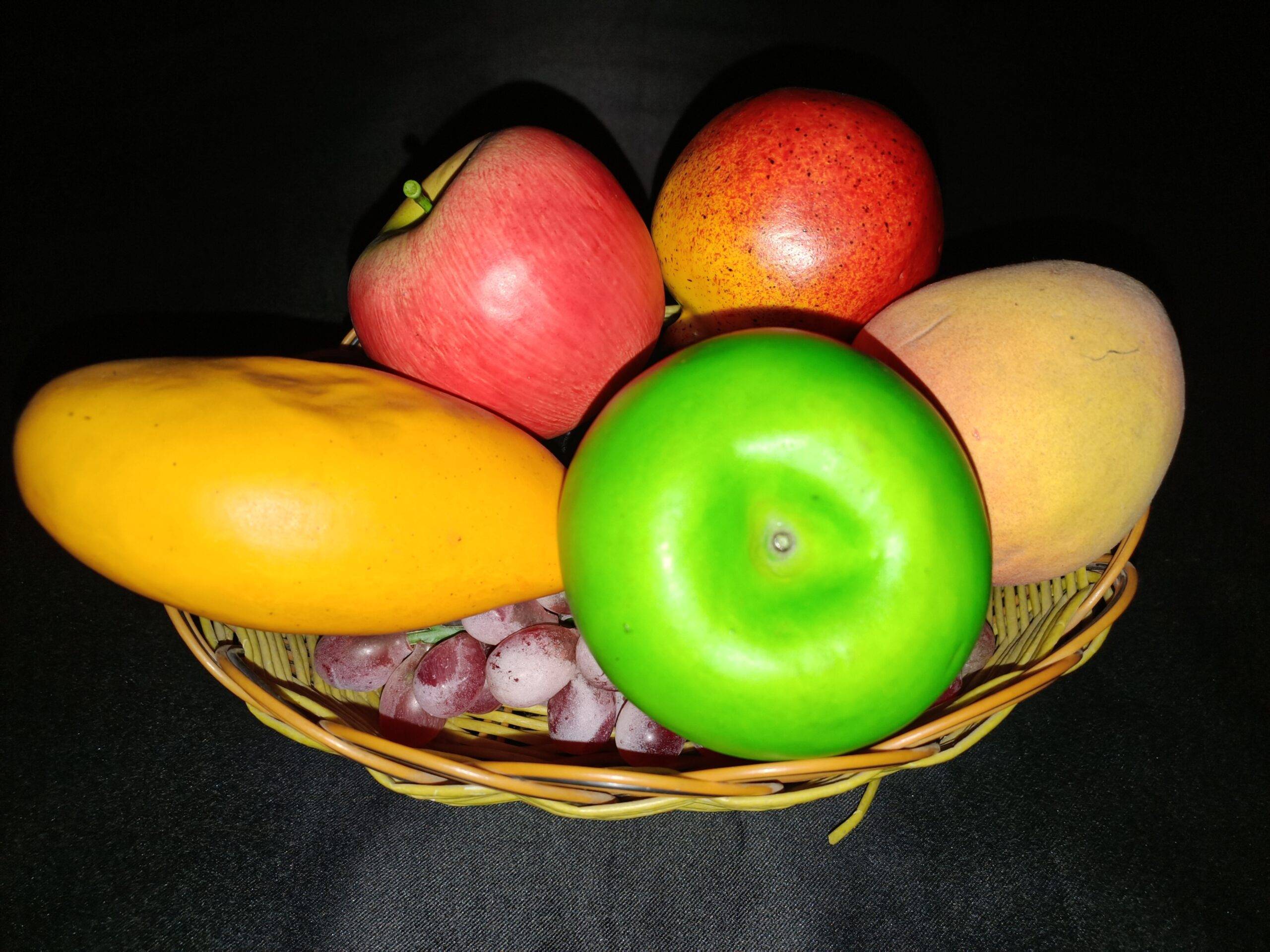
Daylight
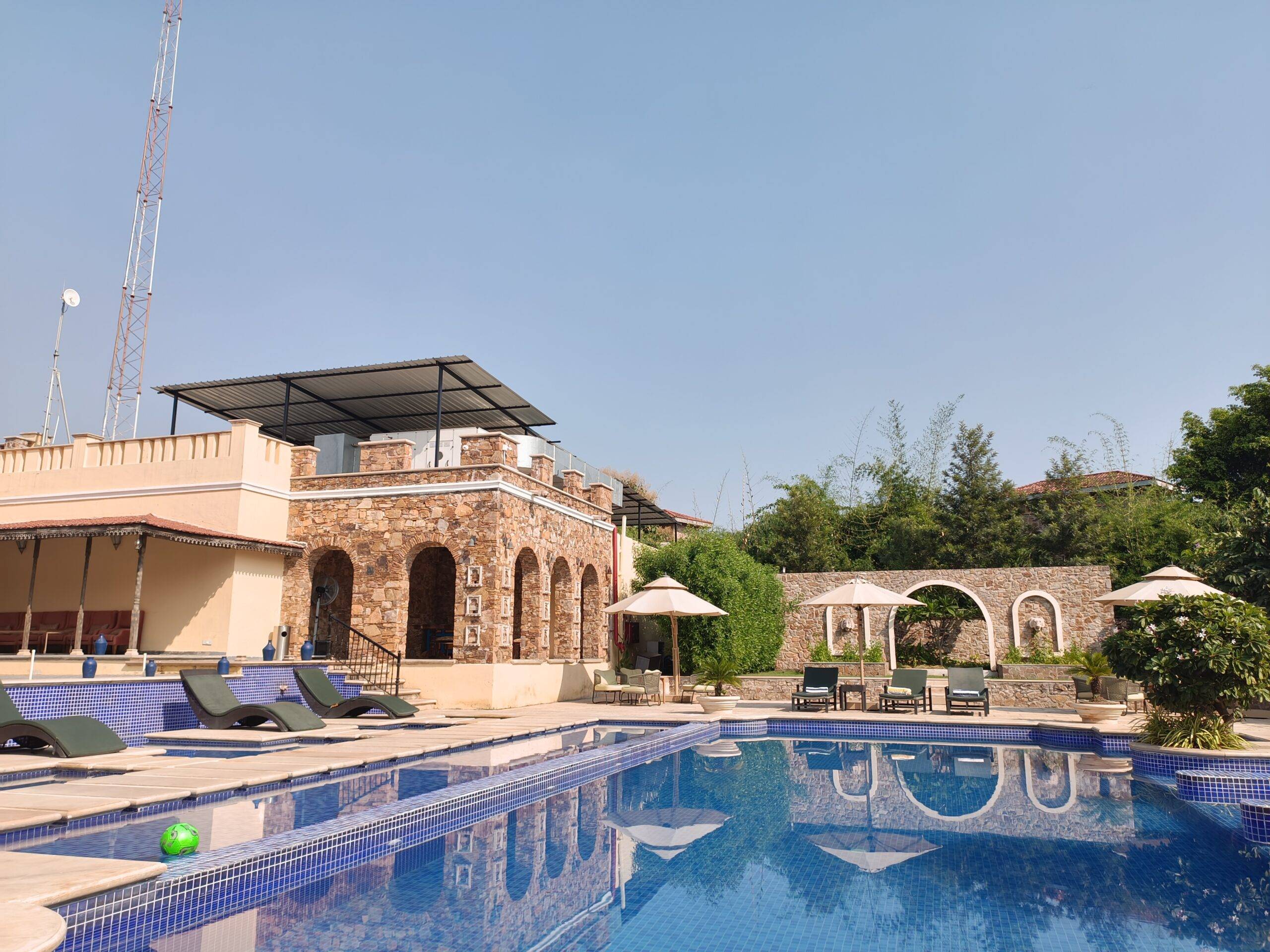
In daylight, the main camera produces usable photos with reasonably vivid colours. The pictures look pleasant at first glance, although some colours can be a bit oversaturated and bright areas can lose detail. The camera does the job for casual photos, but it doesn’t leave much room for cropping or examining finer details. We took the Ai+ Nova 2 Power around with the Lava Virat V1 Pro and here are what the results look like.
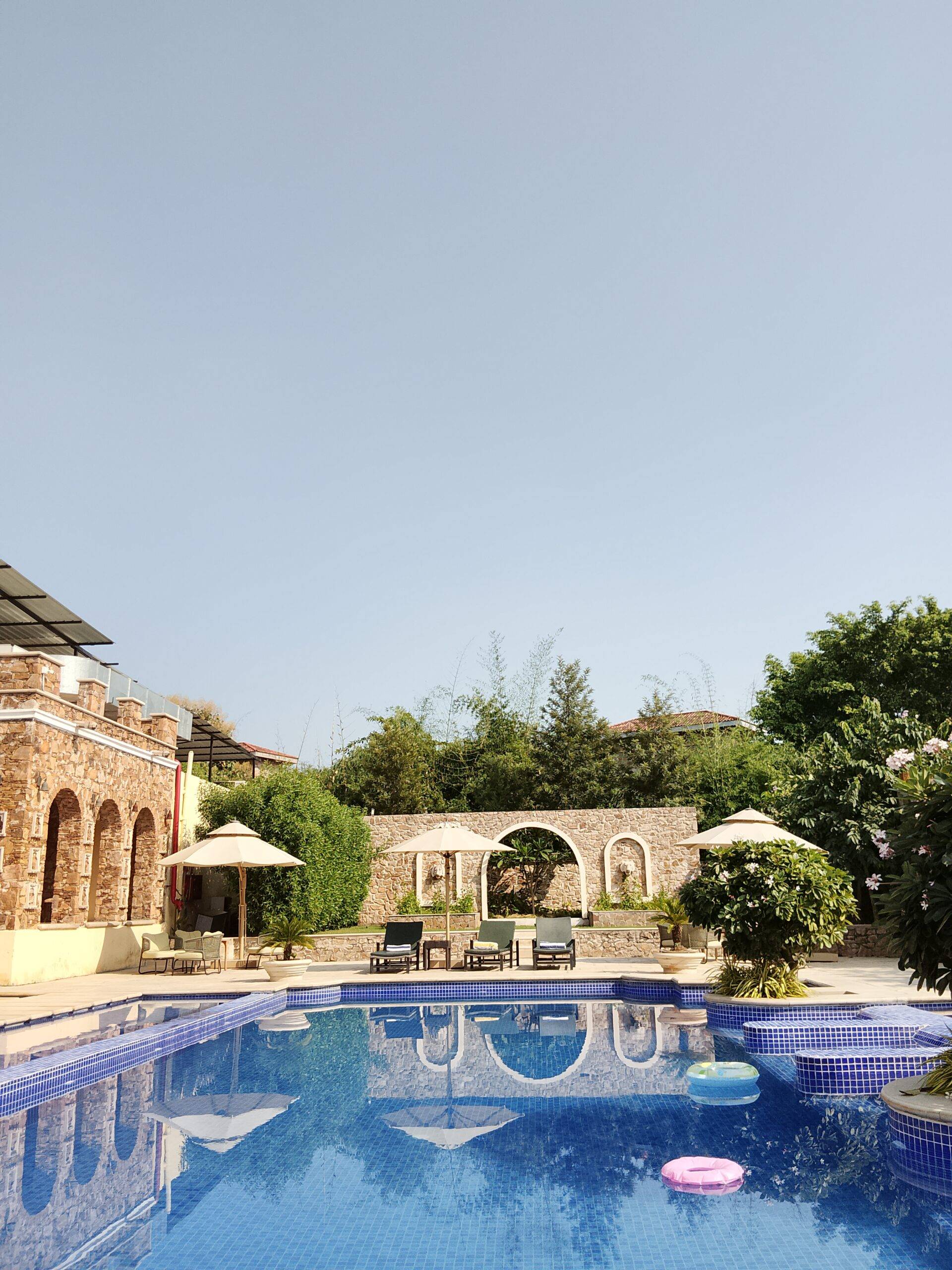
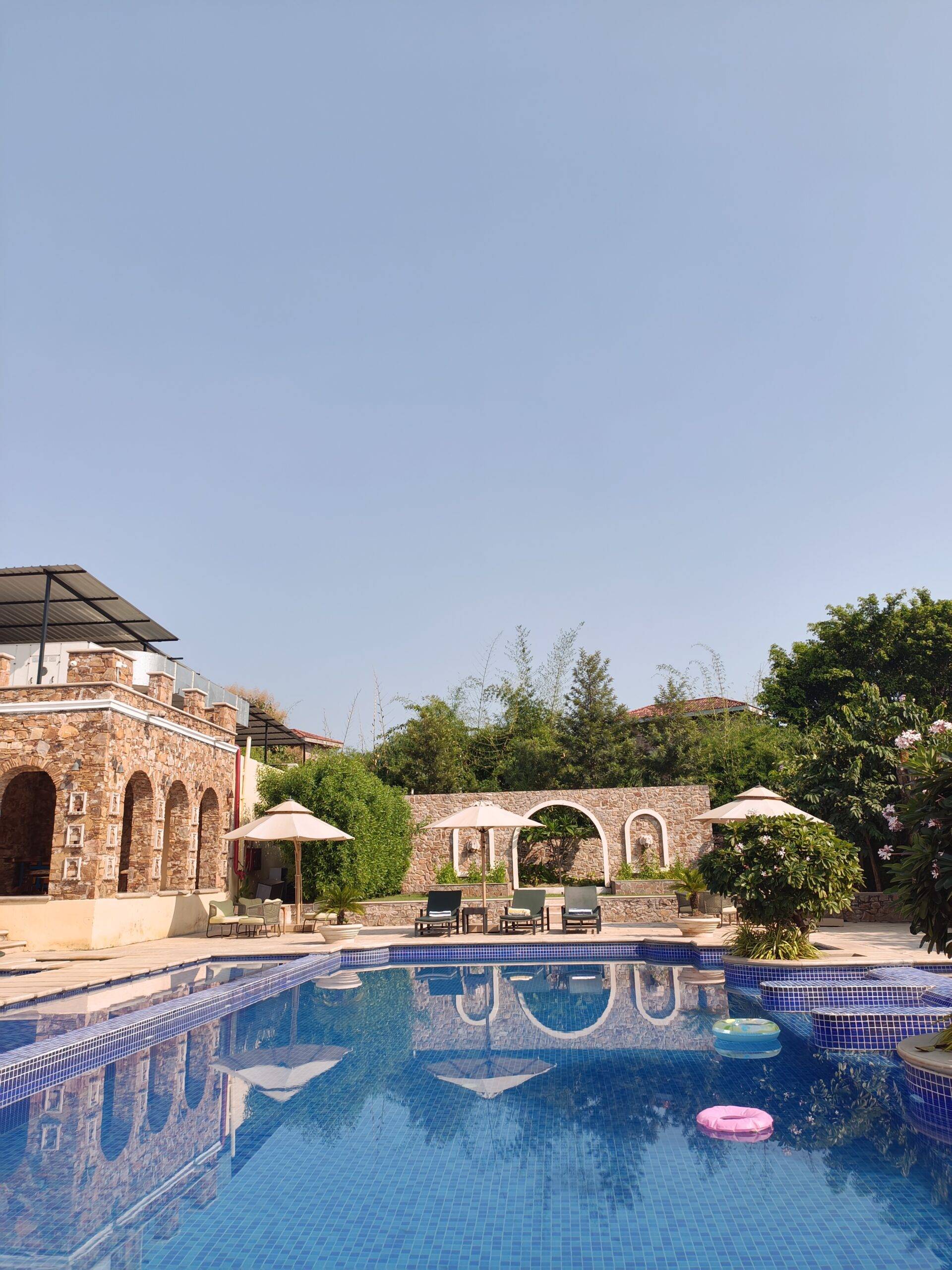
The Ai+ Nova 2 Power captures a brighter image, with more vivid blues in the pool and better visibility in the shaded foliage. The Lava Virat V1 Pro’s shot looks slightly warmer, with the stonework appearing more yellow, but it retains a similar level of detail across the scene. The differences are subtle here, though the Ai+ image has a little more punch, while the Lava’s exposure looks more restrained.
Ultrawide
The addition of an ultrawide lets me fit more into a frame, which is useful when space is limited or I want to capture a wider view of a scene. Compared to the results from the main lens, the UW image looks softer, especially around finer details, and the dynamic range isn’t as good as it is on the main camera. It’s a useful second camera, but I wouldn’t expect the same quality from both lenses.
There’s no ultrawide on the Lava Virat V1 Pro, so we couldn’t compare the shots.
Portrait
Portraits are more hit-and-miss. I noticed inconsistent edge detection around hair and clothing, where the background blur can bleed into the subject. The effect doesn’t always look convincing, so you’d want to double check the result before sharing it on social media. The front camera is adequate for casual selfies and video calls, but it isn’t a reason to choose the Nova 2 Power over another phone.
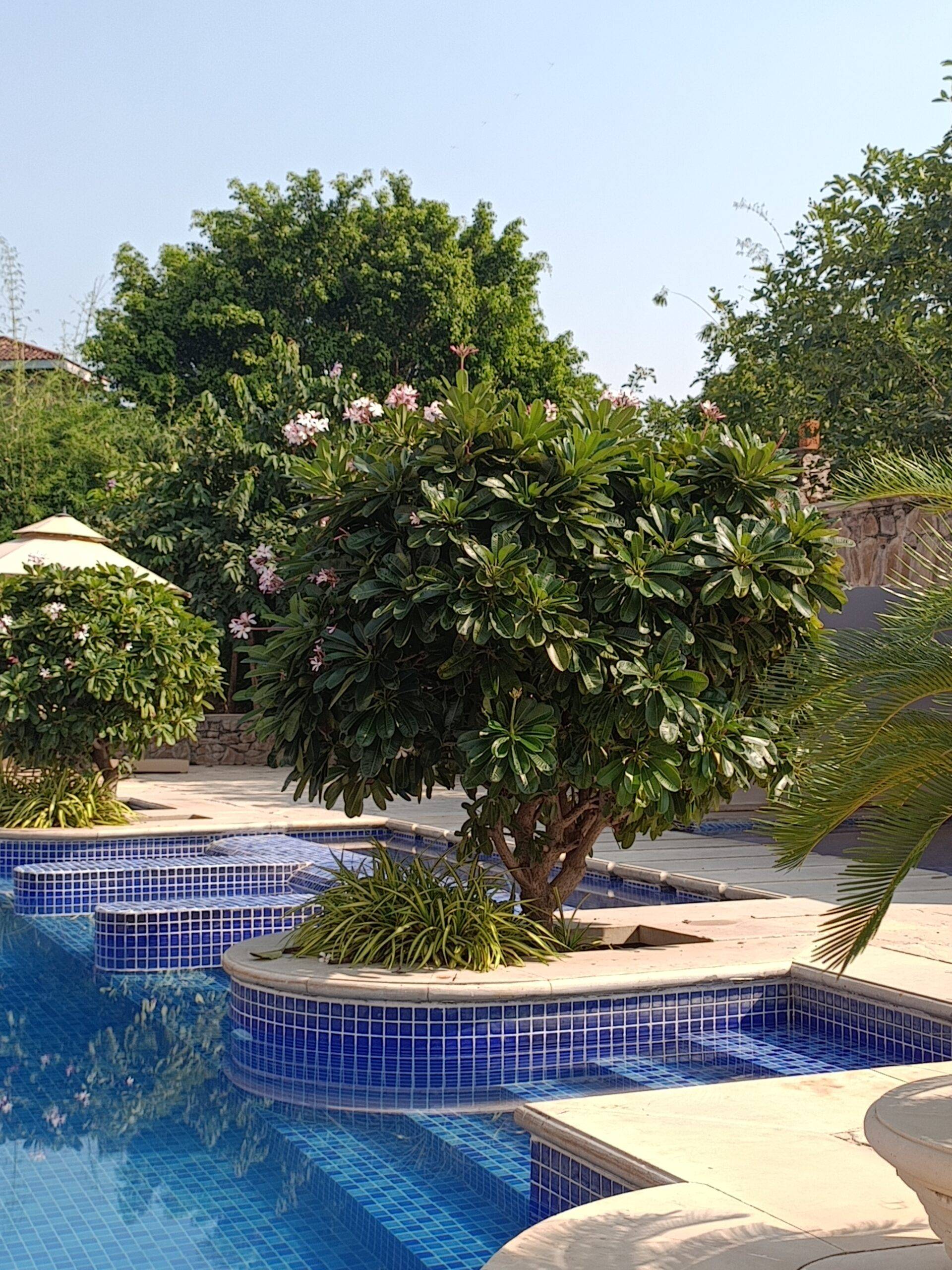
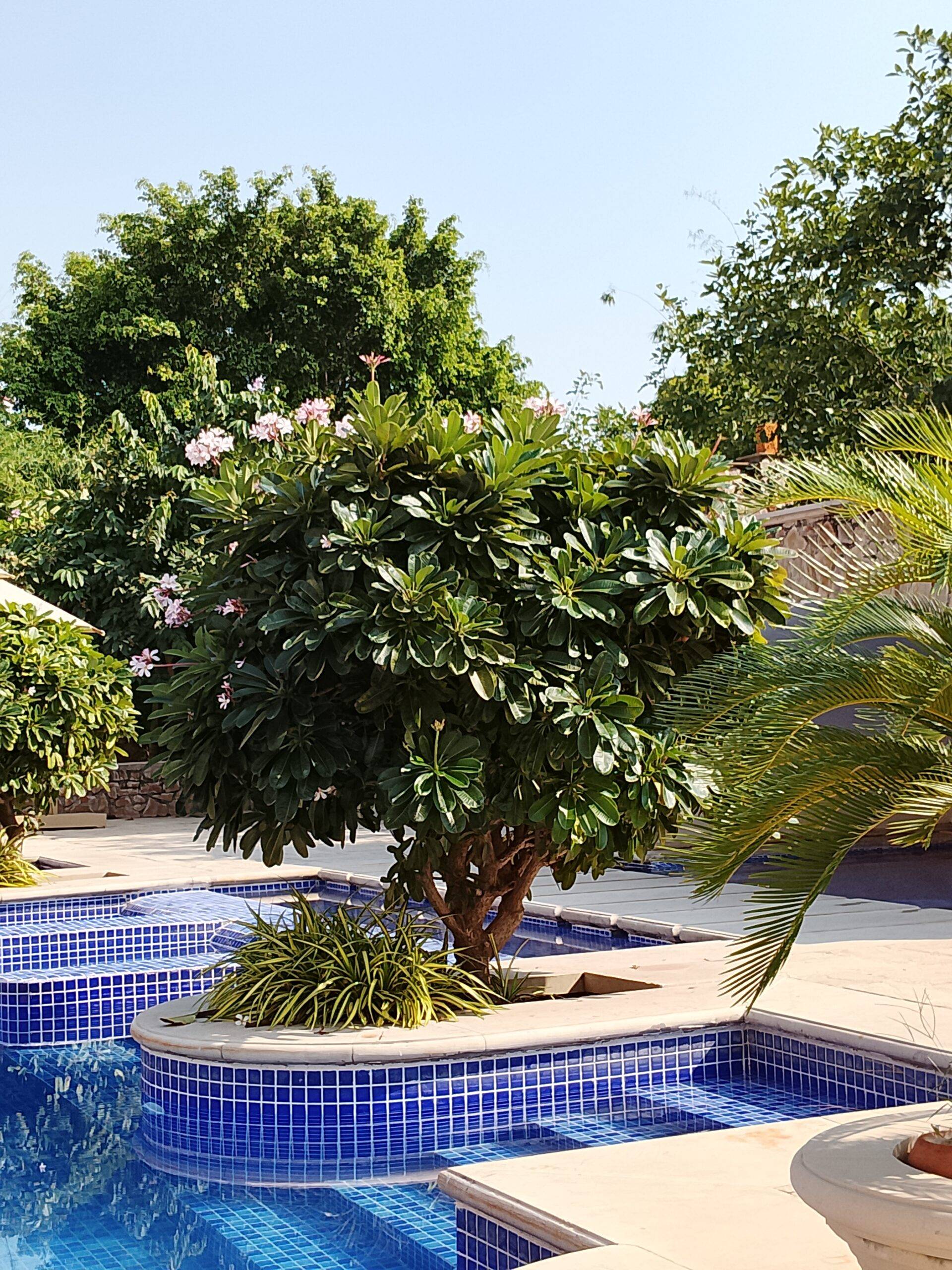
Here too, the Ai+ Nova 2 Power’s image looks brighter overall, with more vivid greens and stronger contrast in the pool tiles. The Lava Virat V1 Pro captures a slightly wider view of the same scene, but its image looks darker, particularly in the foliage and shaded areas. The Ai+ shot has more punch, though the difference in exposure also makes some of the sunlit surfaces look a little washed out.
Low light
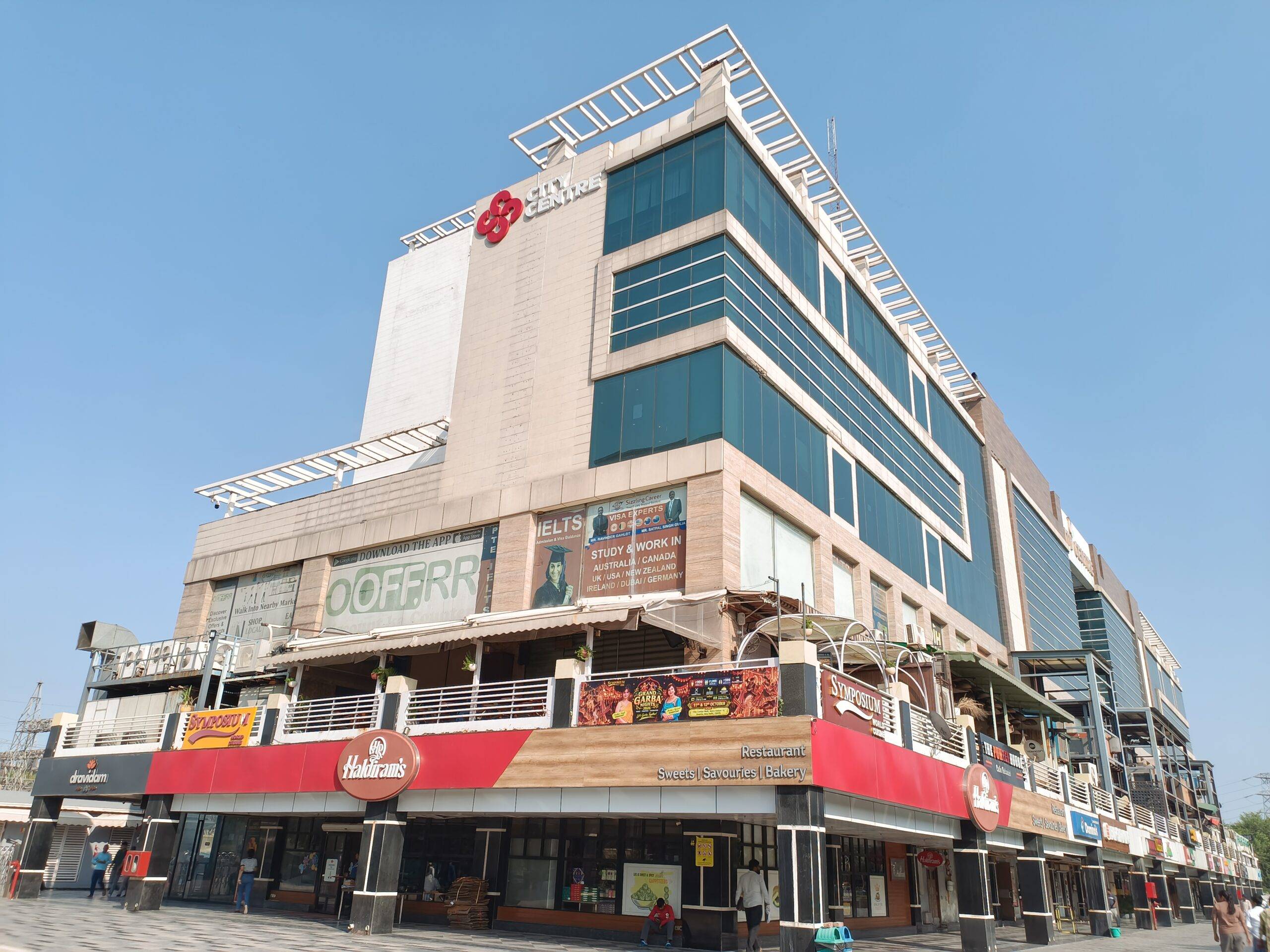
Low light photography exposes the limitations more clearly. Images look soft and noisy, and bright lights can create prominent flare. Night mode brightens the scene but it doesn’t recover the detail lost around bright light sources. I found night mode useful for making a scene more visible, but it doesn’t transform the final image.
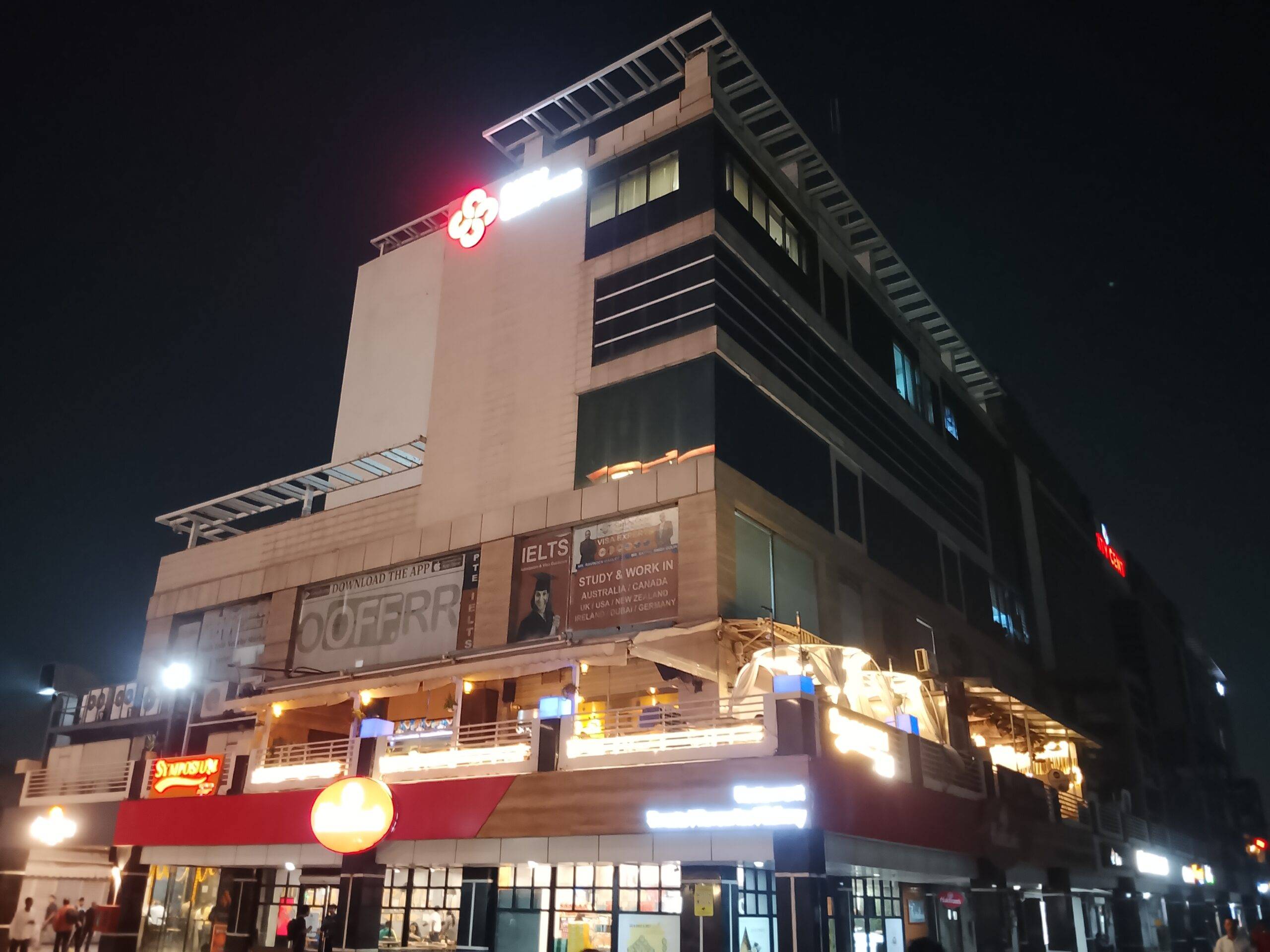
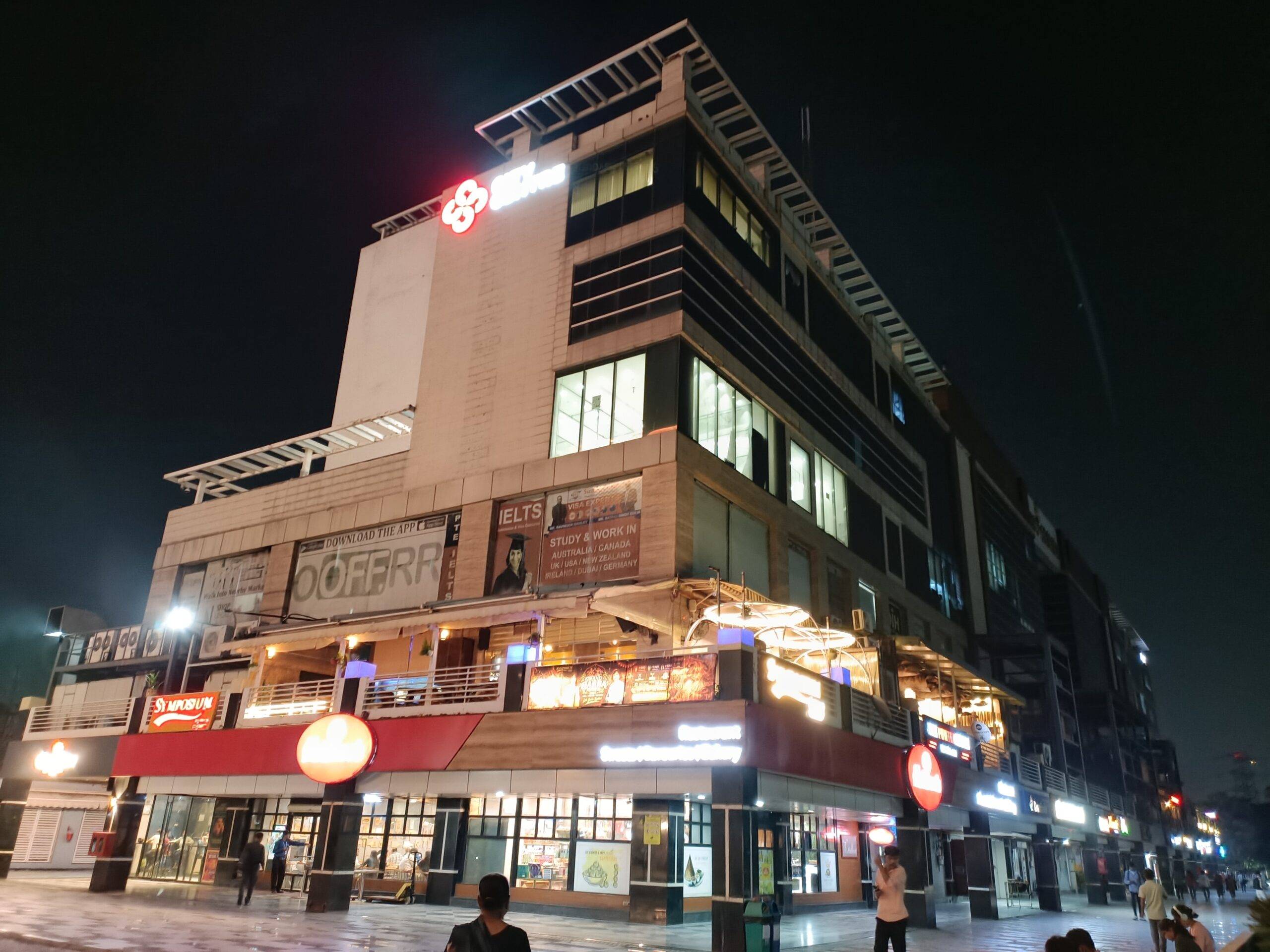
The Ai+ Nova 2 Power brings out more detail, while the Lava Virat V1 Pro’s shot is marginally darker. However, both images show blown-out highlights around the illuminated signs, and neither handles bright lights too well.
Selfie
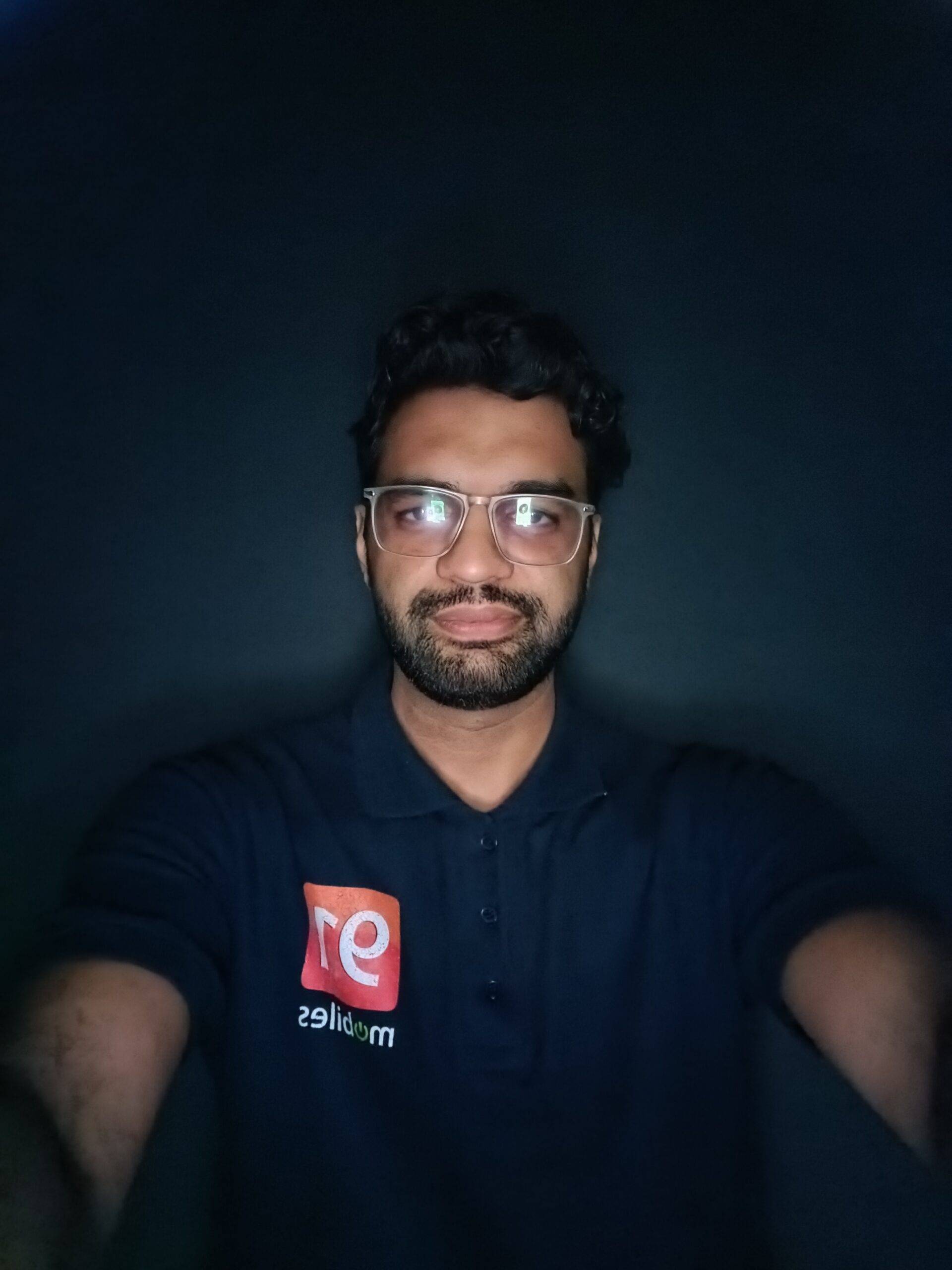
The 13MP front camera of the Ai+ Nova 2 Power captures decent selfies in good lighting, with reasonable facial detail and natural-looking colours. Facial textures are visible, and the images don’t look excessively smoothed, though finer details could be sharper. Overall, the camera is good enough for casual selfies and video calls, but I wouldn’t expect it to handle tricky lighting as well.


The Lava Virat V1 Pro captures more facial detail, while the Nova 2 Power’s selfie looks softer. The Ai+ handles the bright sky reasonably well, but the Lava’s image has a more balanced exposure on the face, with slightly better definition in skin texture. Both retain some detail in the background, though the sky is washed out in the Lava shot. Overall, I’d give the Lava the edge for selfie detail, while neither produces a particularly strong result with the bright sky behind the subject.
Video
Video recording is fairly basic. The rear camera supports up to 2K at 30fps, while the front camera records at up to 1080p at 30fps. There’s no 4K or 60fps option, and stabilisation is limited. Handheld footage can look shaky, especially while walking. For occasional clips, that’s manageable. If you regularly record video or take a lot of photos after sunset, the camera setup will feel restrictive.
Final verdict
The Ai+ Nova 2 Power makes a strong case for itself in one specific area. Its 7,000mAh battery lasts long enough to take charging off my mind for much of the day, and the clean software is a welcome change from phones that come loaded with unwanted apps. I also like having a dedicated ultrawide camera, even if its results are noticeably weaker than those from the main sensor.
But the 222-gm body isn’t comfortable for everyone, the HD+ display looks soft, and inconsistent touch response can make simple tasks annoying. The cameras are fine for casual daylight shots but less convincing for portraits and night photography. Charging is slow, and the lack of a clear long-term software update commitment doesn’t help.
The Lava Virat V1 Pro (review) is worth considering in the same segment. At Rs 15,999, it offers a similar 6.75-inch HD+ 120Hz LCD, a 6,000mAh battery, a 50MP main camera and clean Android 16-based software. In our review, it lasted over 14 hours in the PCMark Battery Drain test from 100 to 20 percent, and took just over two hours to charge from 20 to 100 percent. The Ai+ has the larger battery, but the Lava costs less and also includes a 3.5 mm headphone jack and IP64 protection.
If you’re willing to spend a little more, the Realme P4x (review) brings a Full HD+ 144Hz display, a faster Dimensity 7400 Ultra chipset, a 7,000mAh battery and 45W charging. The Moto G37 Power is another option if you want a large battery with clean software and a brighter display.
At Rs 17,999, I find it difficult to recommend the Nova 2 Power without an “ummm” before my statement. If a bank offer brings it below Rs 17,000, and battery life matters more to you than display sharpness, camera quality or consistently smooth performance, it becomes easier to make a case for it.
Editor’s rating: 7.7/10
Reasons to buy
- The 7,000mAh battery can comfortably last two days with moderate use.
- The clean software avoids third-party bloatware and system-level promotional ads.
- The dedicated ultrawide camera is useful for wider scenes and group photos.
Reasons to skip
- The 222-gm body feels heavy.
- The HD+ display lacks sharpness on a screen this large.
- Portraits and low-light photos are inconsistent.
 | vs | 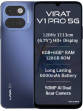 |
| vs | 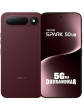 |