IPL is back, FIFA World Cup 2026 is around the corner, and with titles like GTA 6 and shows such as House of the Dragon Season 3 lined up, there’s no shortage of visually rich content to look forward to. To make such content truly enjoyable, one needs to invest in a TV that not only manages fast-paced content but also excels at delivering an immersive cinematic and gaming experience. The Hisense E7Q Pro proves to be one such offering, at least on paper, and that too at a relatively affordable price.
Hisense E7Q Pro 55-inch: key specifications
- Panel Type: 55-inch QLED
- Resolution: 4K Ultra HD (3840 x 2160)
- Brightness: 330 nits (typical)
- Refresh Rate: 144Hz, up to 240Hz HSR
- OS: Vidaa, 8 years of software updates
- HDR Support: Dolby Vision, HDR10+, HLG
- Sound: 20W Output with Dolby Atmos
- Connectivity: 3x HDMI (supports HDMI 2.1 features), Dual-band Wi-Fi, 2x USB 2.0, Bluetooth v5.0, AV Input, Headphone jack, Ethernet, digital audio out, Bluetooth 5.0
- Gaming Tech: VRR, ALLM, Game Bar
- Special Features: Filmmaker mode, Karaoke Mode, MEMC
Do these specifications translate into equally impressive real-world performance? We put that to the test in our review of the Hisense E7Q Pro 55-inch TV. Read on.
Table of Contents
Design
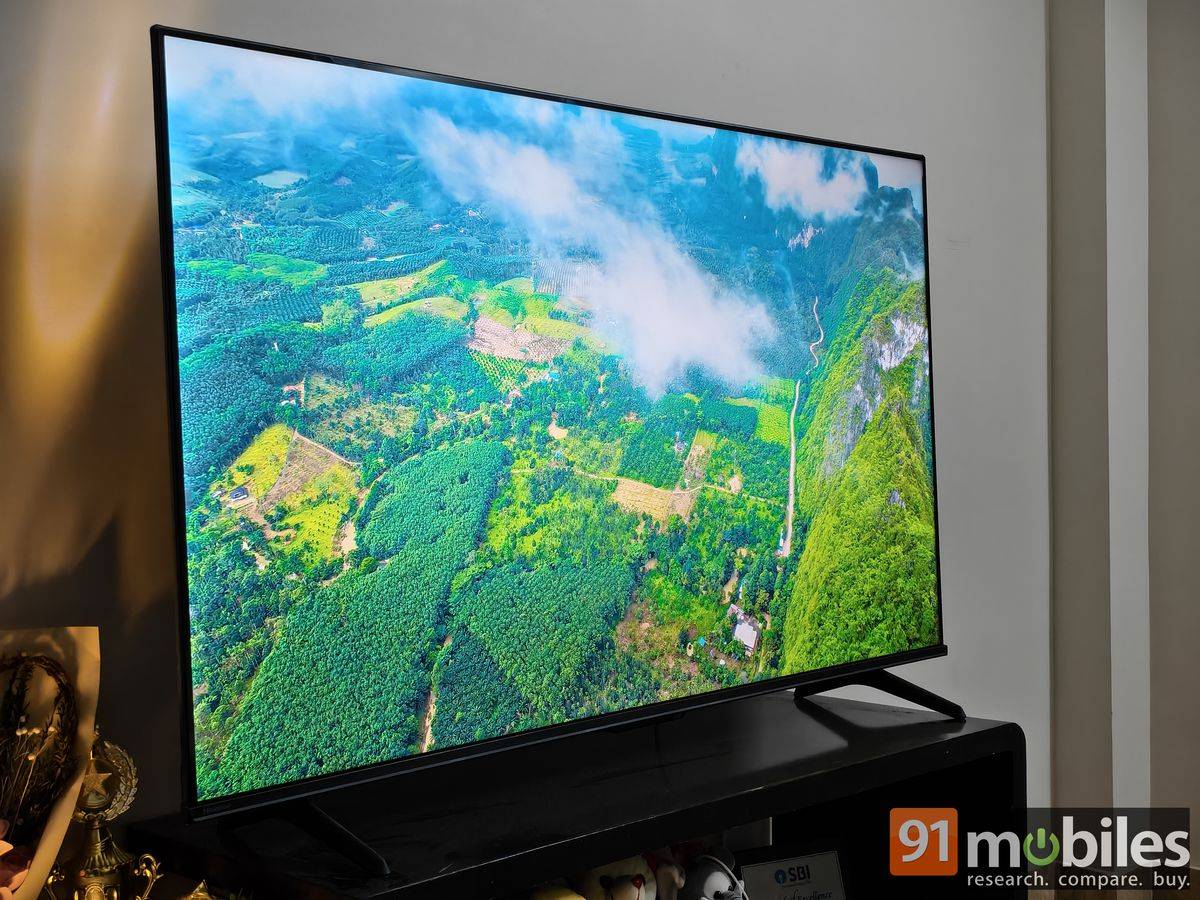
The Hisense E7Q Pro doesn’t exactly turn heads with its design, but it still feels contemporary thanks to its slim profile and razor-thin bezels on three sides. Even the bottom chin is relatively restrained, especially when compared to some competing options. You can either wall-mount the TV, at an additional cost, or use the bundled stand for a tabletop setup.
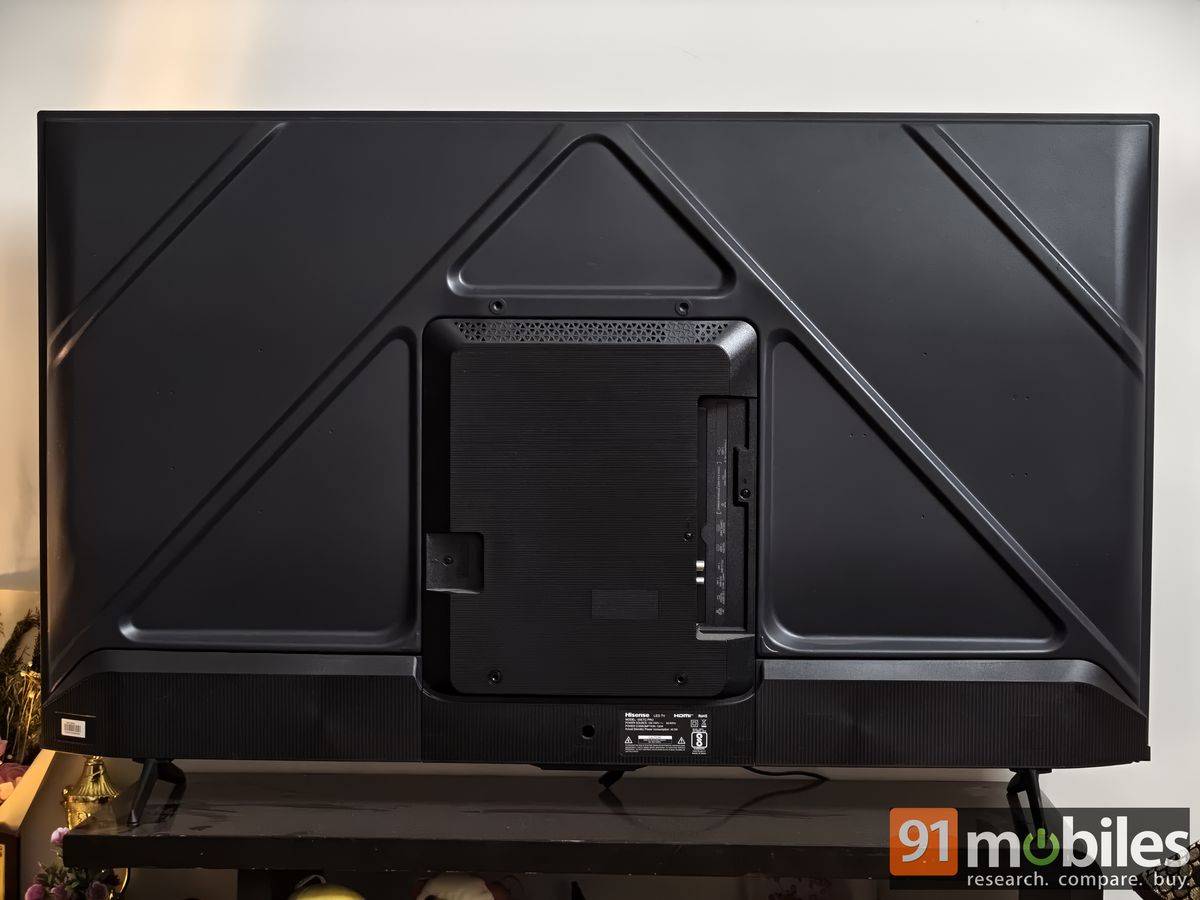
The stand is made of plastic, which has been the general theme of the TV anyway, but sturdy enough to support the TV’s roughly 11kg weight. That said, it doesn’t entirely eliminate wobble, and a slight nudge is enough to set it in motion. You may want to be mindful of this if you have young children or pets around.
Ports accessibillity
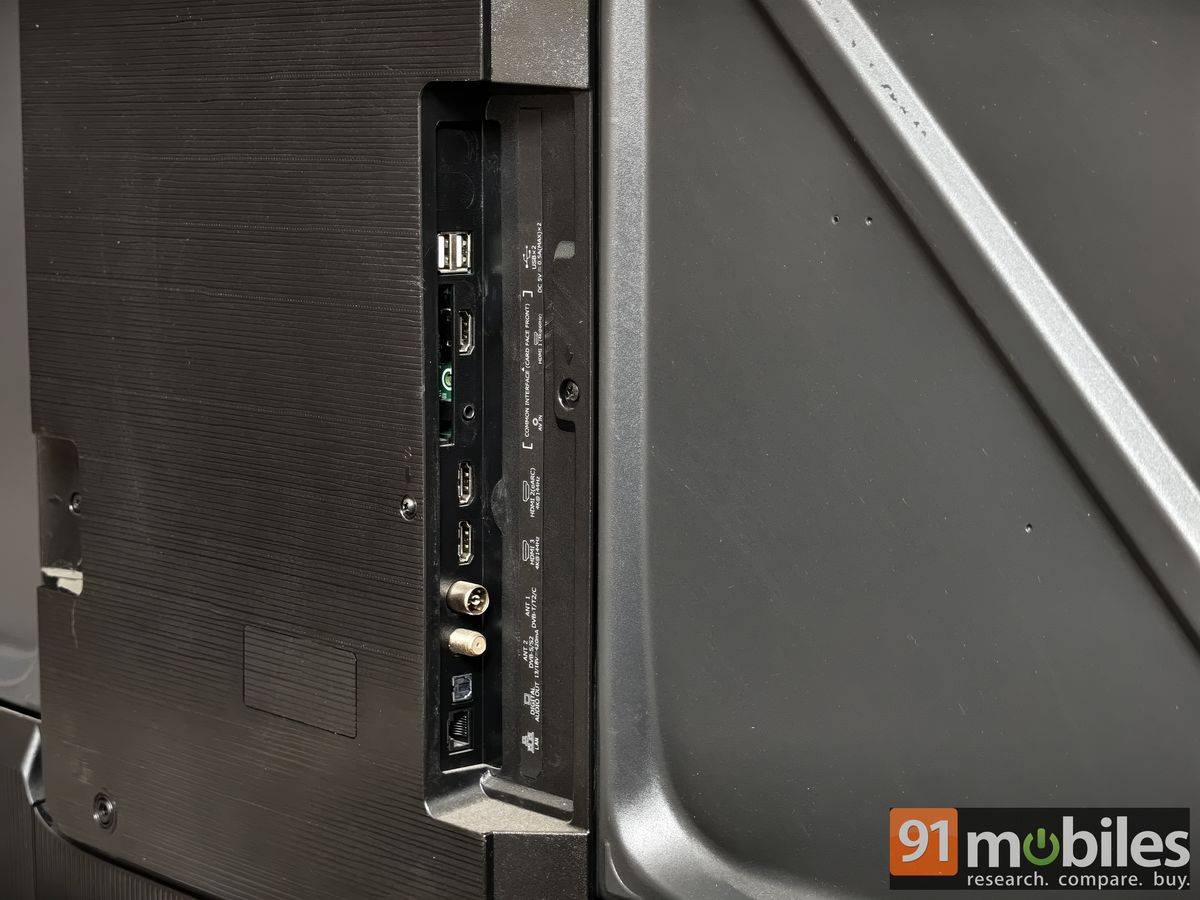
The ports are positioned facing the right edge of the TV, making them fairly convenient to access in a tabletop setup like mine. However, things may not be as straightforward with the wall-mounted setup. The ports sit around the middle section of the rear panel, and there’s very little clearance between the body and the wall, making it hard to reach them.
Remote usability
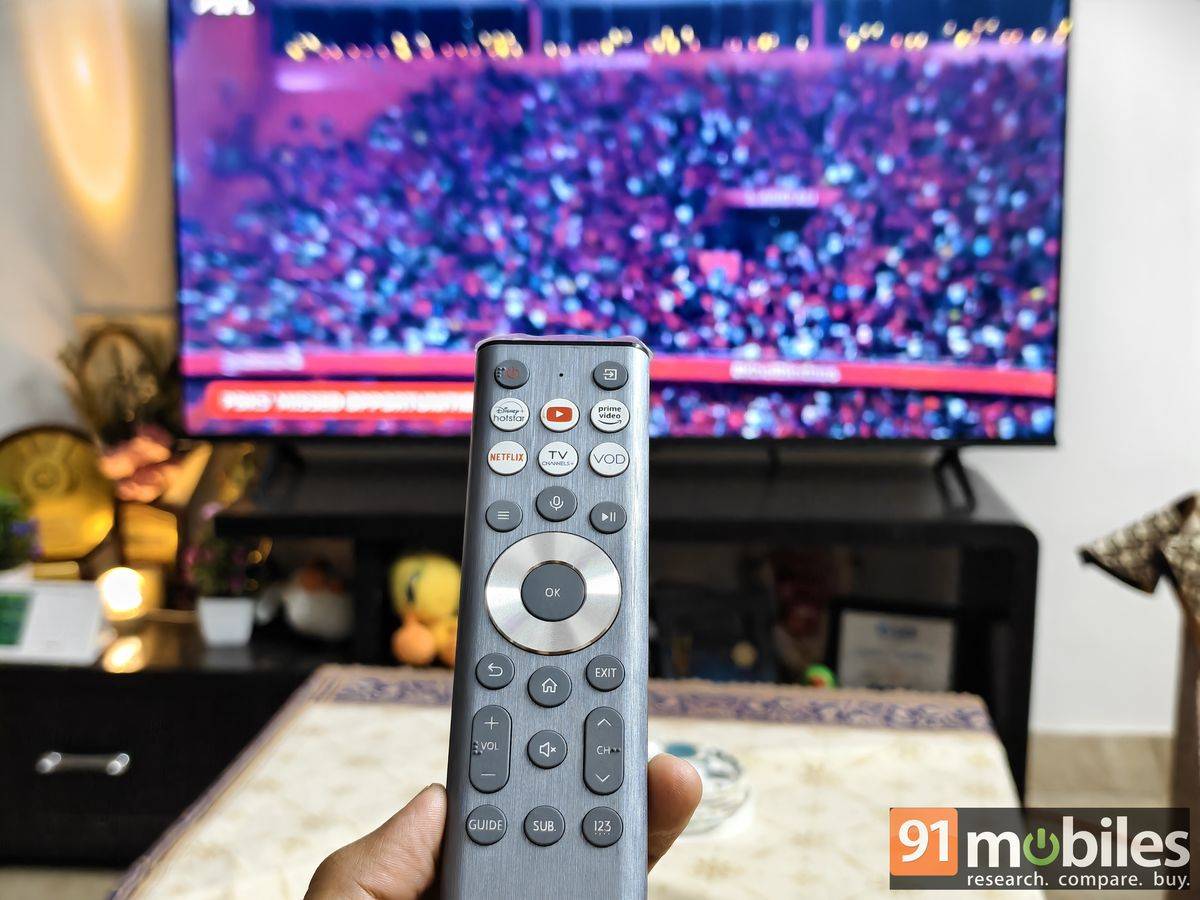
The Hisense E7Q Pro remote is surprisingly eye-catching. Instead of the usual black finish with generic white circular and elongated buttons that you get in the segment, Hisense has opted for a muted grey tone paired with a silver circular dial and matching hot keys. The rest of the buttons blend neatly into the body’s colour, giving the remote a more cohesive look.
It’s not the most compact remote around, but the rounded edges make it comfortable to hold and use. The buttons are well-spaced and provide satisfying tactile feedback, which enhances overall usability. It also relies on standard Bluetooth connectivity, so it works reliably even from a distance or with minor obstructions.
Software
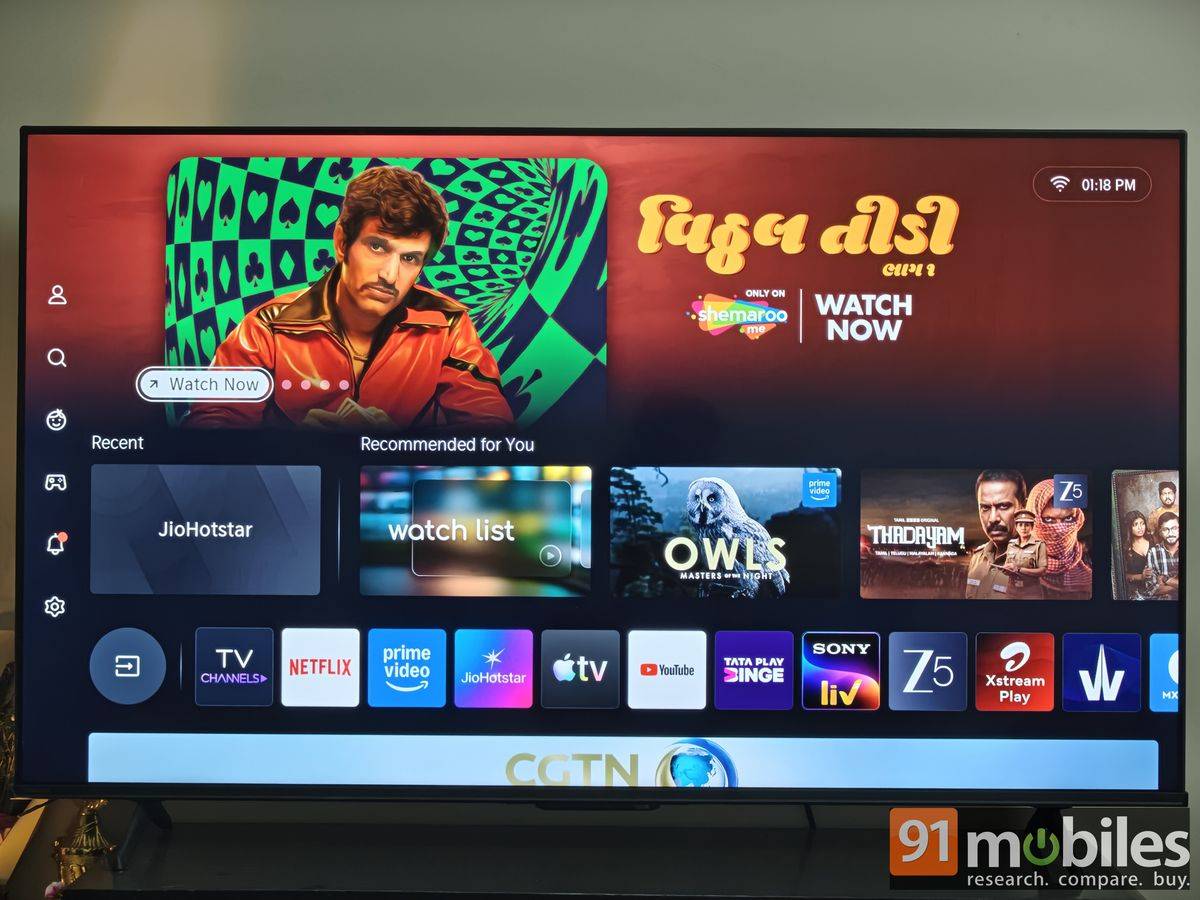
The Hisense E7Q Pro’s Vidaa OS feels like a breath of fresh air amid the sea of Google TV options. Credit where it’s due, the setup is refreshingly straightforward, with no mandatory logins or endless terms and conditions to get through. You can start using the TV without creating an account, which is a welcome change at a time when most platforms push for data access in the name of “better” recommendations.
In day-to-day use, that simplicity works in its favour. The experience feels clean and fuss-free, and honestly, I didn’t miss those personalised recommendations while using the TV. There will still be recommended content based on your viewing habits, but it feels less intrusive than the one synced to an account.
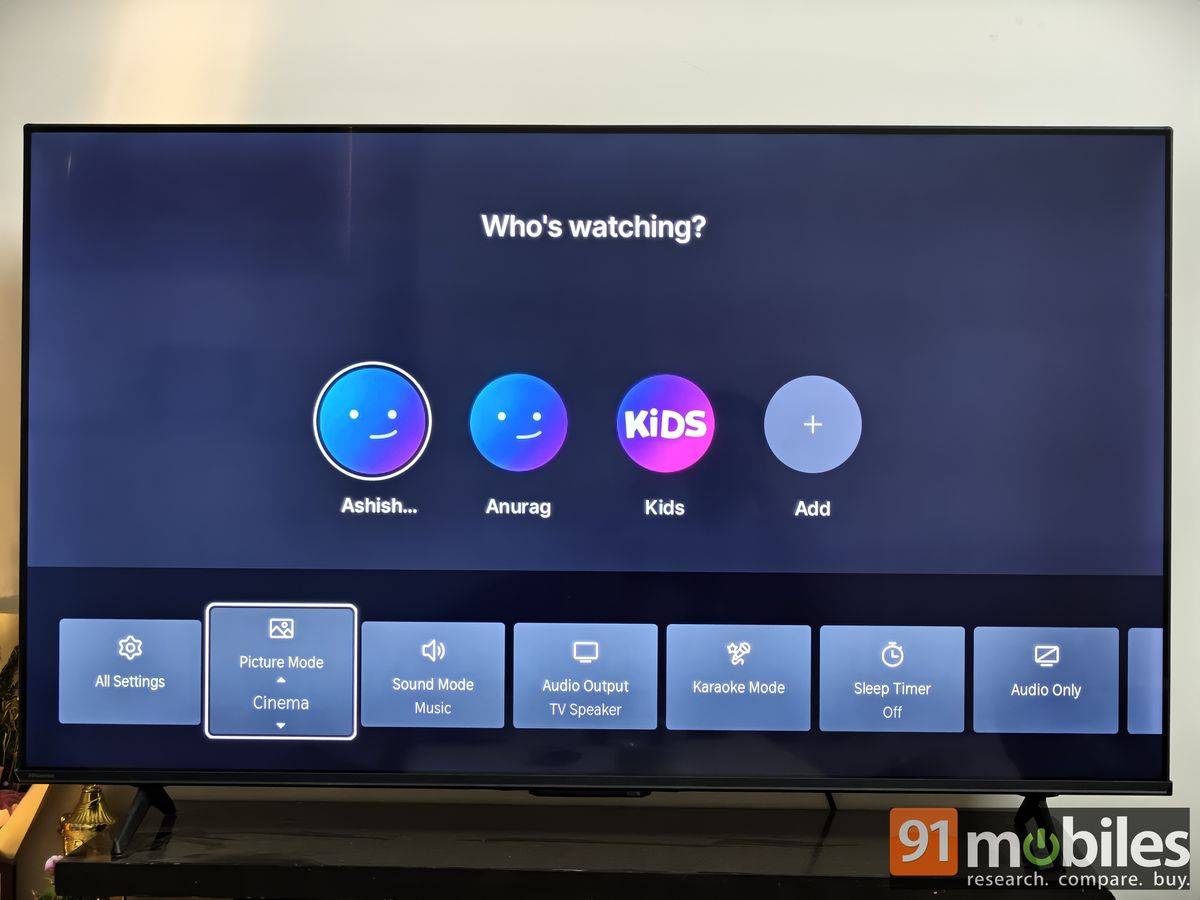
However, the software looks slightly dated with a static grid of app icons. It could benefit from a bit of modernity with round menus, subtle transparencies, smooth animation, and better content discoverability. That’s my only qualm with the other easy-to-use and content-rich platform. Out of the box, the TV comes preloaded with popular streaming apps like JioHotstar, YouTube, Prime Video, and Netflix. There’s also a dedicated app store for downloading additional apps, and in my usage, the selection felt comprehensive, on par with what most users would expect from the Google Play Store.
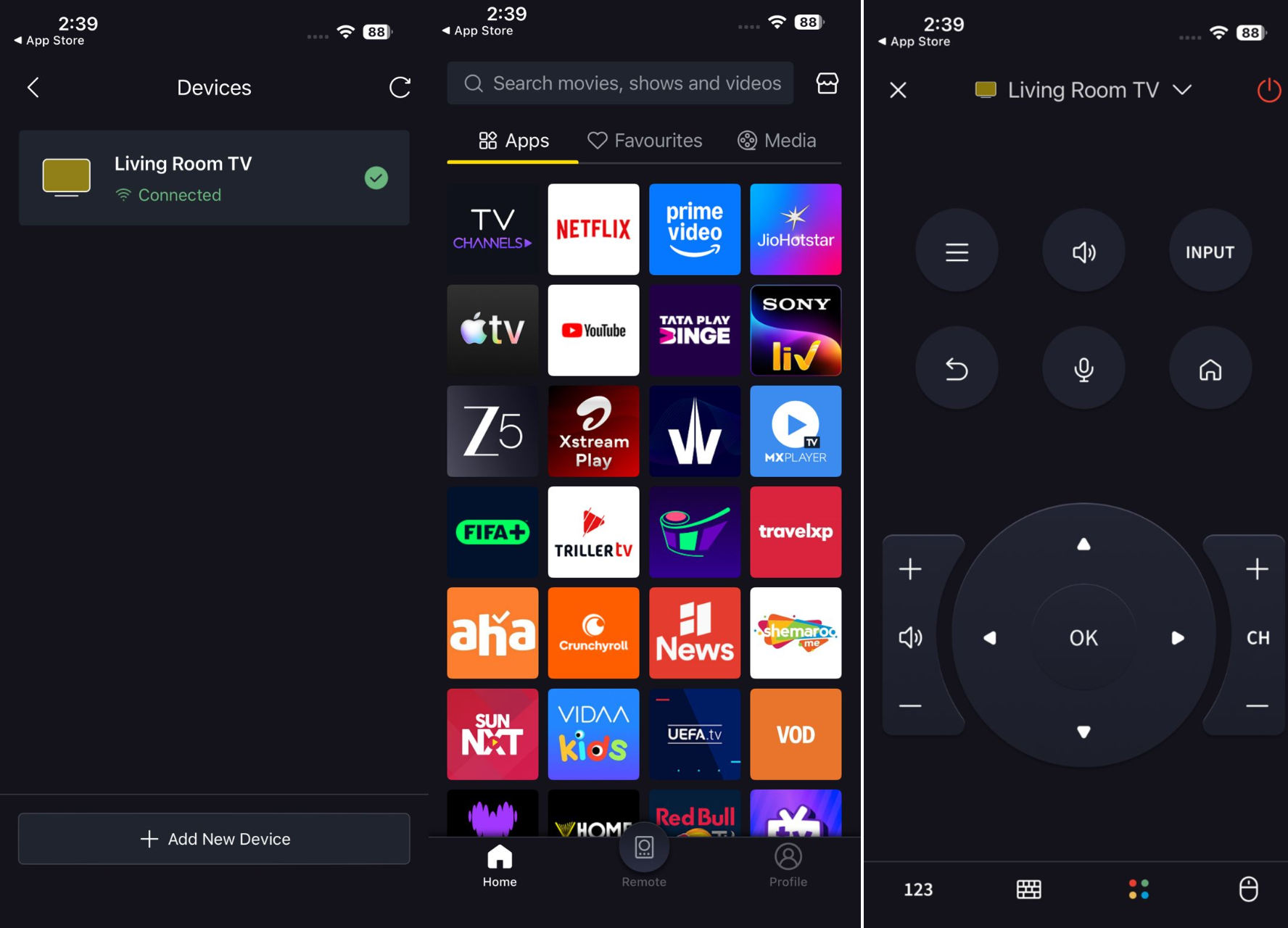
The TV supports hands-free use with voice control and Alexa integration. Additionally, it has a dedicated app, VIDAA Smart TV, available on both Android and iOS, which allows you to control the TV, browse apps, search for content, and even cast media. The Hisense E7Q Pro is also promised up to 8 years of software support, which is unheard of in the TV segment.
Visuals
Coming to the meat of the matter: the Hisense E7Q Pro’s picture quality. The TV features a 55-inch QLED panel with a promising set of specifications, including 4K Ultra HD resolution, HDR10+ support, up to a 144Hz variable refresh rate, Filmmaker Mode, MEMC, Dolby Vision, and a suite of AI-backed picture enhancements.
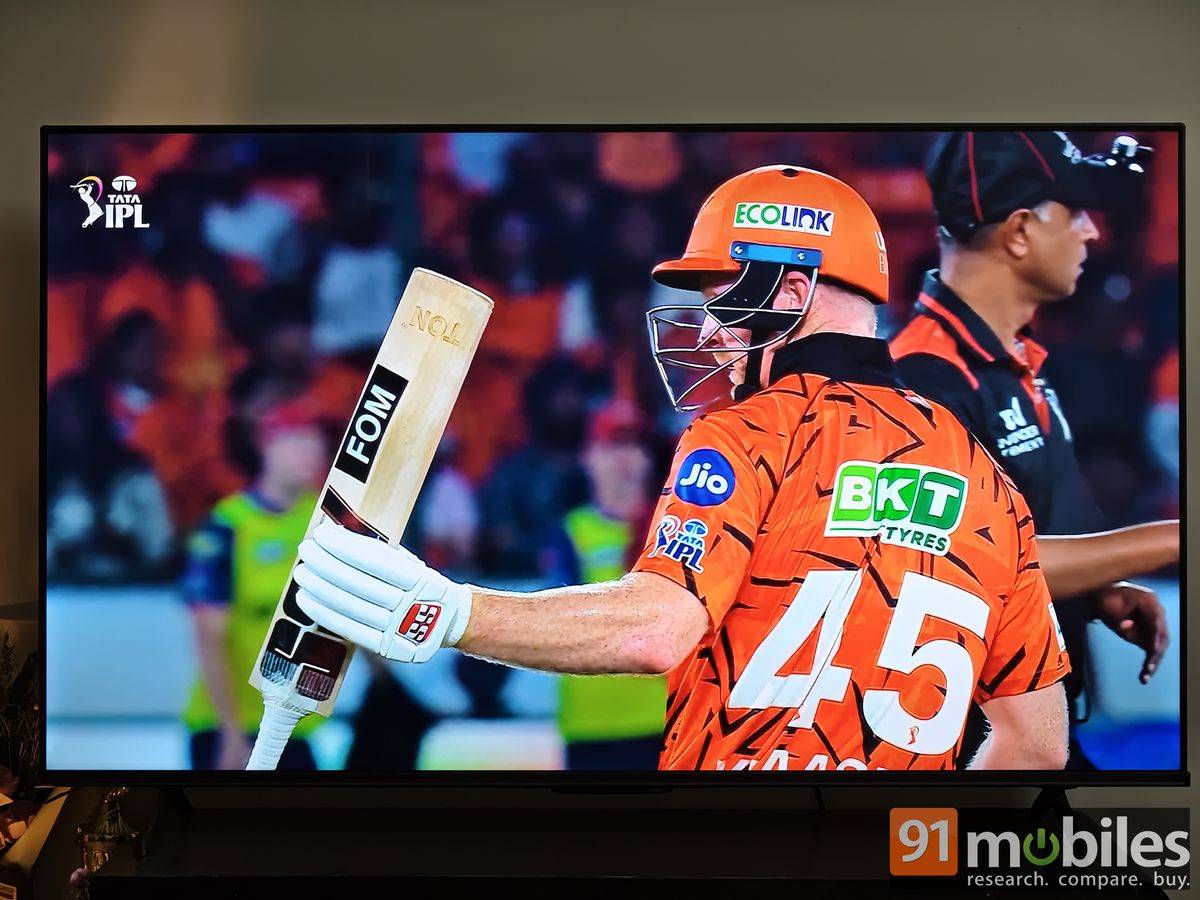
During my testing, I kept AI Picture Optimisation and the energy-saving mode disabled. However, in the brief period I tried the optimisation feature, it thankfully avoided the excessive sharpening that often plagues lower-resolution content. That said, it did push colours slightly towards the oversaturated side, which ultimately made me prefer using the TV with the feature turned off.
The TV also includes AI Sports Mode and AI Smooth Motion, both designed to reduce motion blur in fast-paced scenes. In my experience, though, the results were inconsistent. The Hisense E7Q Pro still exhibited noticeable artefacts and motion issues during fast-paced sports content, such as Cricket, Football, and Tennis, even after tweaking the motion settings.
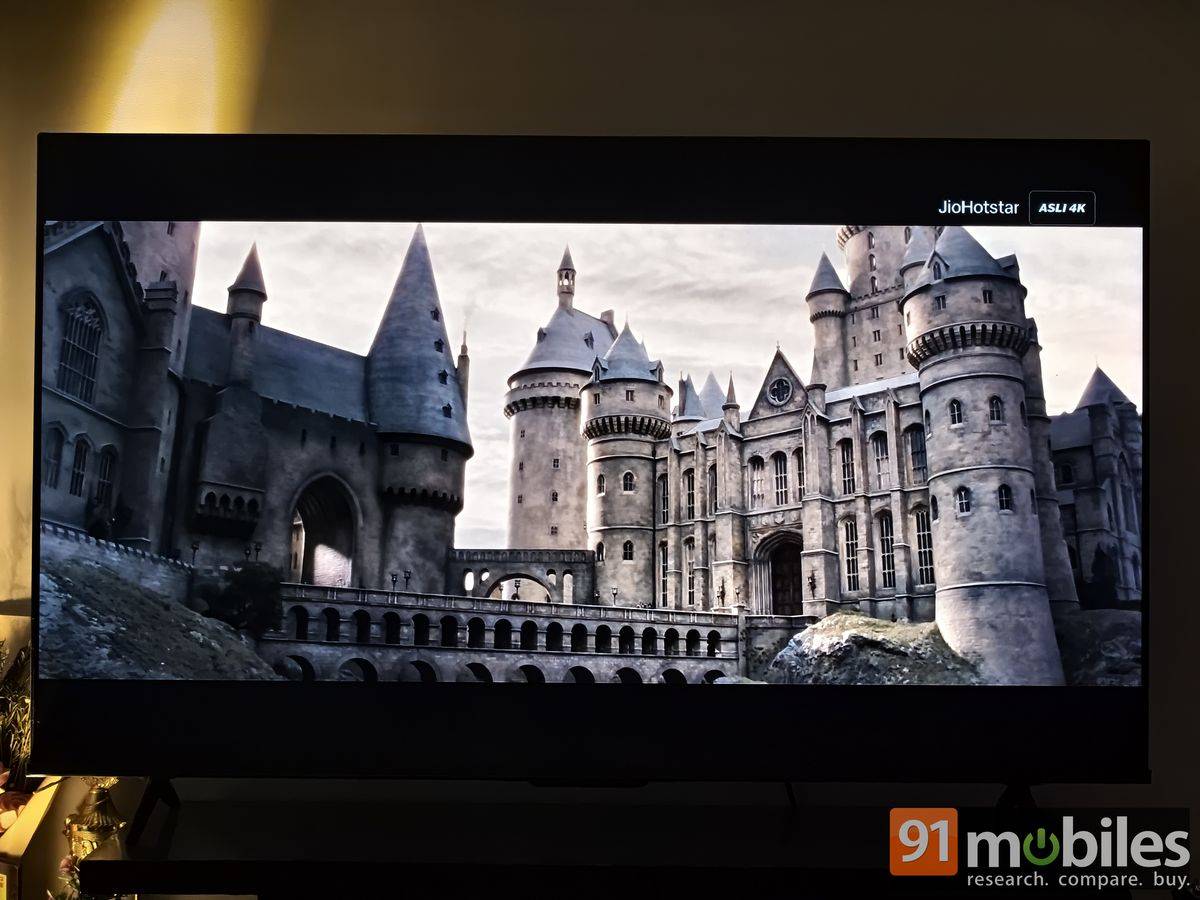
For instance, the warmer lighting and rich wooden interiors in Harry Potter and the Sorcerer’s Stone looked livelier without appearing artificially boosted, while the bright office spaces and colourful startup culture in Silicon Valley retained good contrast and detail. Even sitcoms like Friends benefited from the mode, with skin tones and the iconic warm lighting of the apartment sets appearing more pleasing and less washed out compared to the Standard preset.
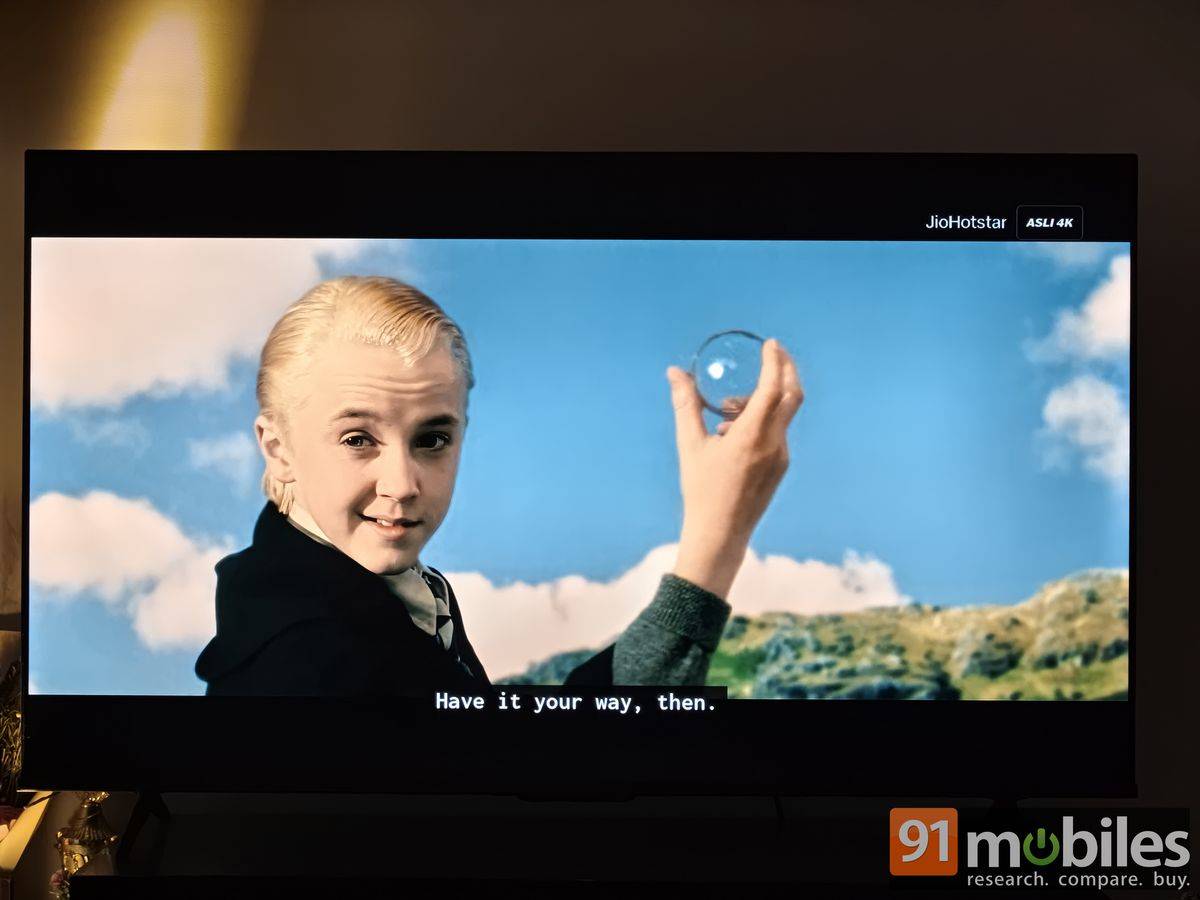
However, if you prefer deeper blacks and better highlight retention in darker scenes, Filmmaker Mode and Cinema Mode are the presets to go for. There isn’t a dramatic difference between the two, as both lean towards warmer tones and prioritise a more cinematic presentation. This worked particularly well while watching darker scenes from the Harry Potter movies, where the TV managed to preserve shadow detail. While the screen didn’t match those inky blacks of an OLED panel, it was sufficient for the pricing and ensured an immersive viewing experience in dimly lit rooms.
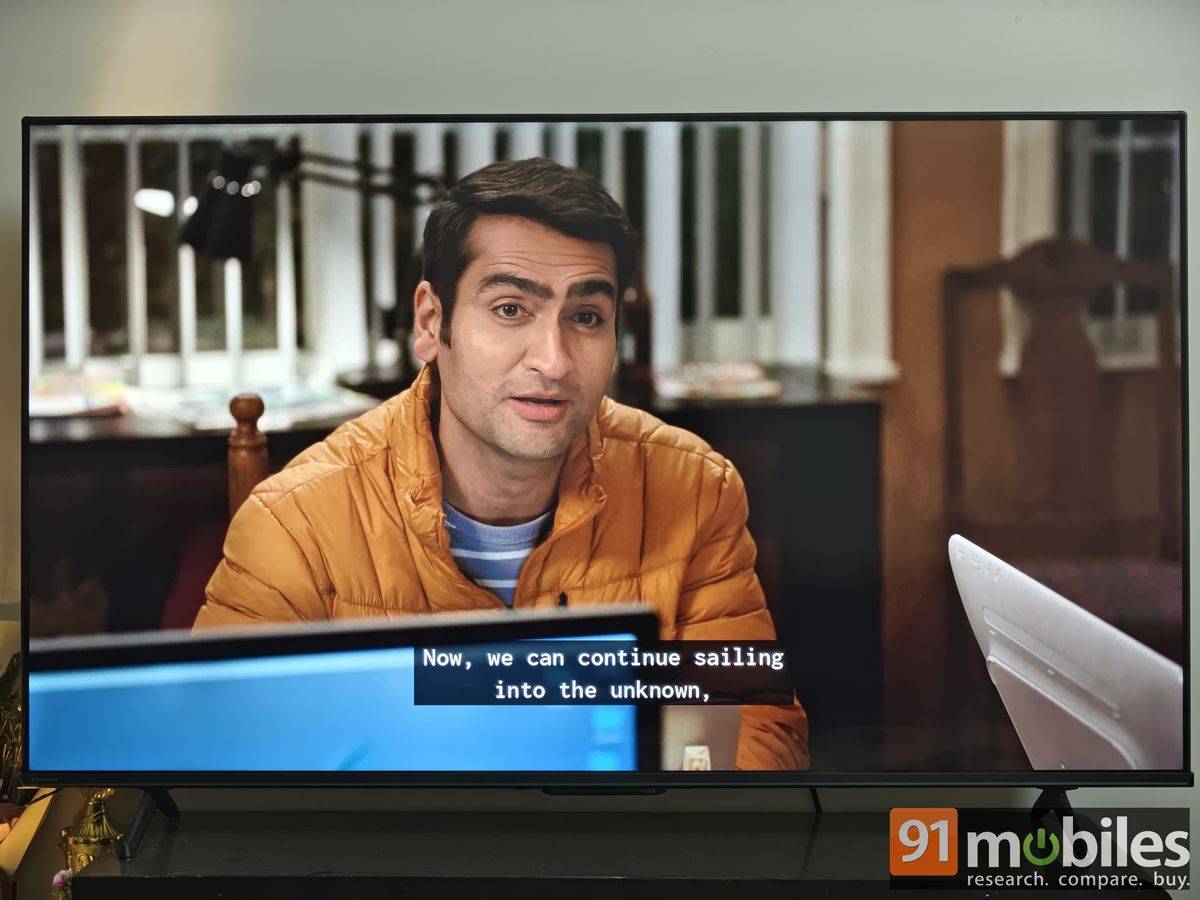
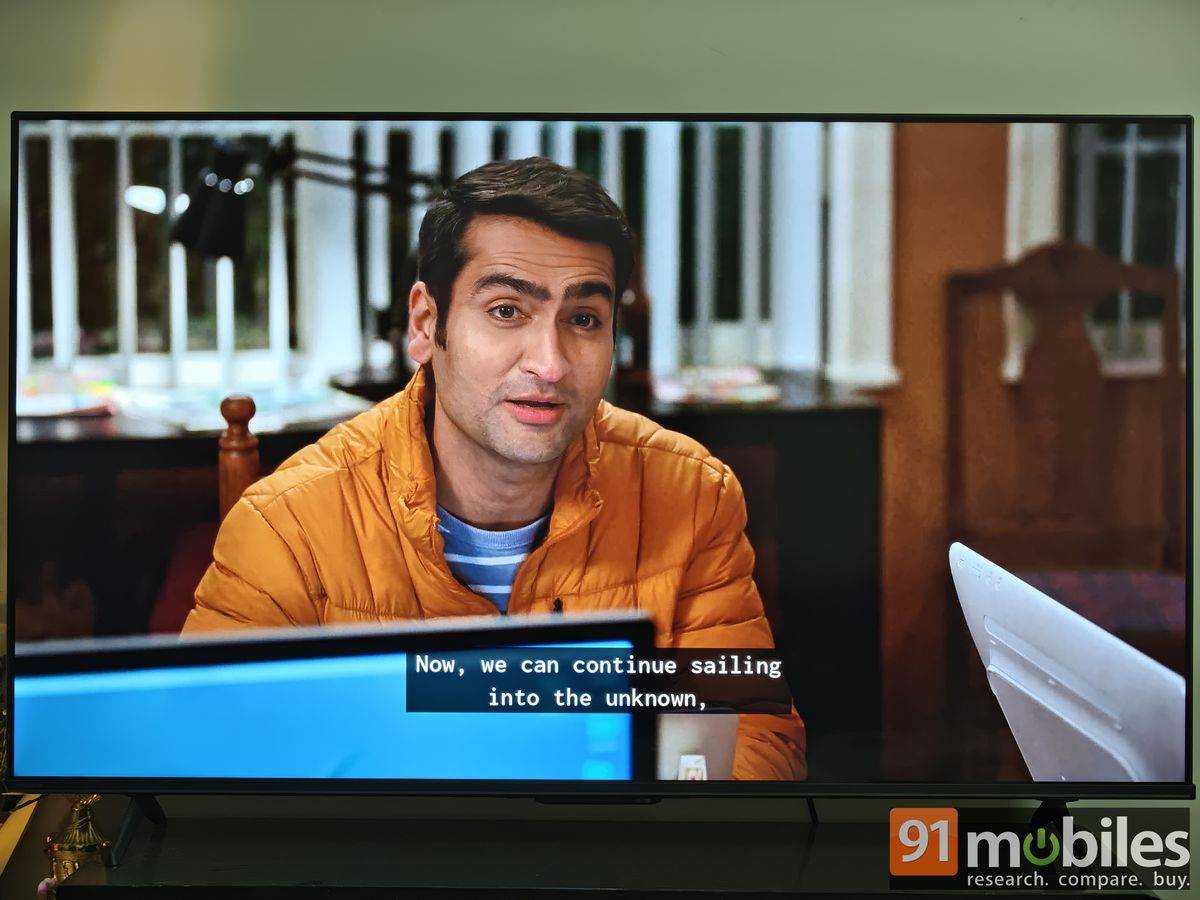
Both modes lose some of their charm in brighter environments, owing to its modest 330 nits brightness. Colours begin to look slightly muted, and the overall image lacks the vibrancy and punch offered by the Dynamic preset.
Gaming
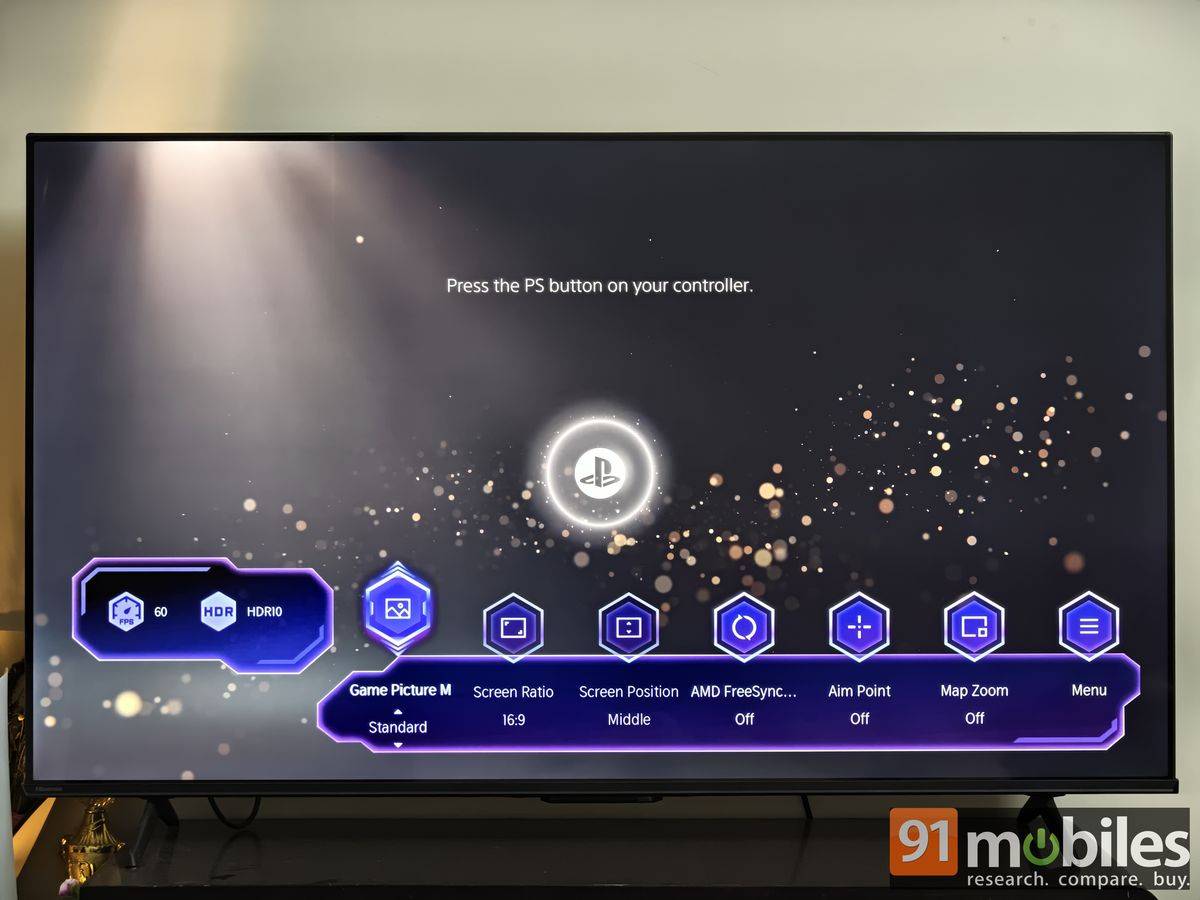
I hooked up a PS5 to the Hisense E7Q Pro to test its gaming performance. I’m not a particularly active gamer, nor do I maintain a massive library of titles, so my testing was limited mainly to FC 24 and Dirt 5. Of the two, Dirt 5 ran at 120 fps, while FC 24 remained capped at 60 fps. It appears that the panel’s advertised 144Hz refresh rate is only available in select supported titles, with games such as Black Myth: Wukong among the few that can fully take advantage of it.
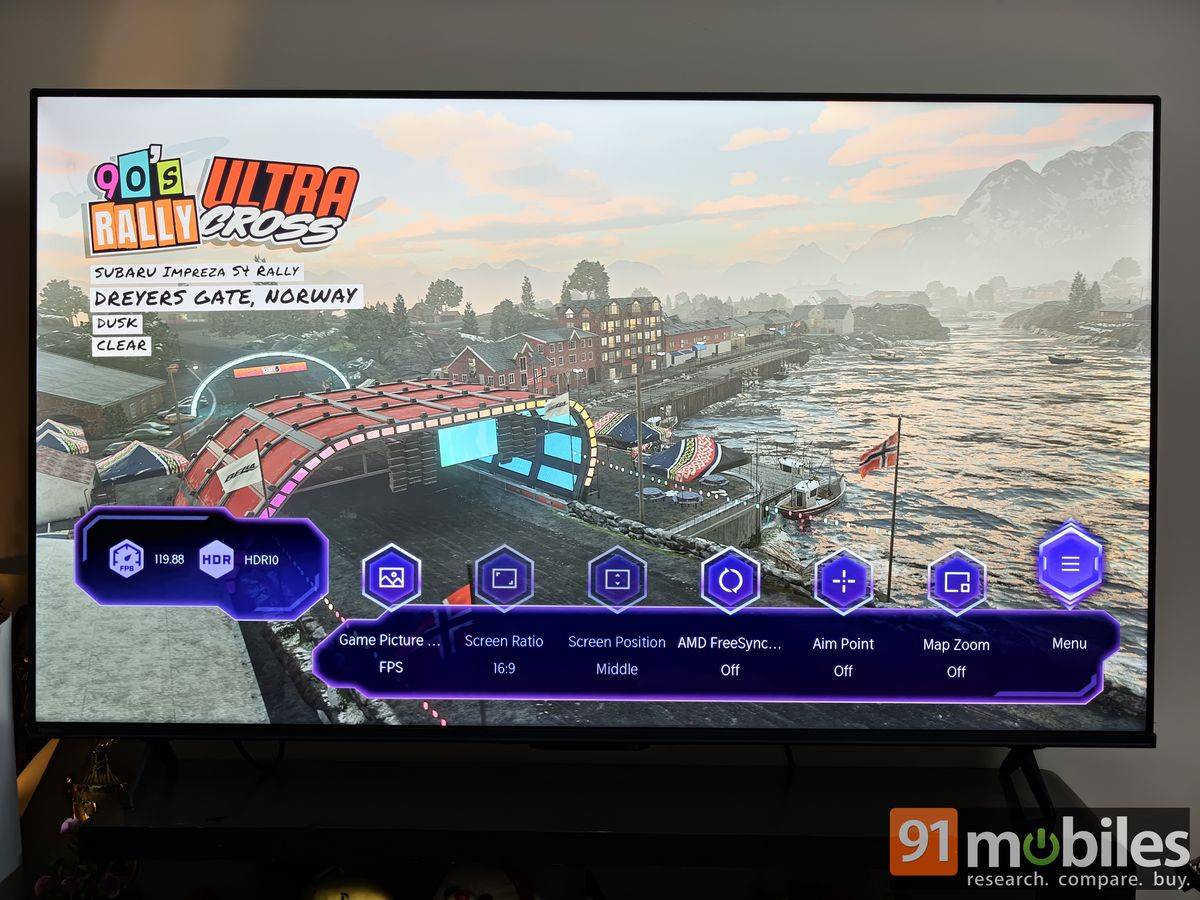
The TV also includes a dedicated Game Mode interface that appears as a compact pop-up overlay rather than a full-screen menu. It’s straightforward to navigate and provides quick access to gaming-related settings without interrupting gameplay, making on-the-fly adjustments fairly convenient.
The games looked stable on screen, with no noticeable jittery animations, artefacts, or motion issues. In fact, the HDR processing looked significantly better than what I experienced on the Croma 4K Pro QLED series TV (review). The Hisense TV also made racing in Dirt 5 more immersive, with improved highlights in both bright and shadow-heavy areas.
Audio
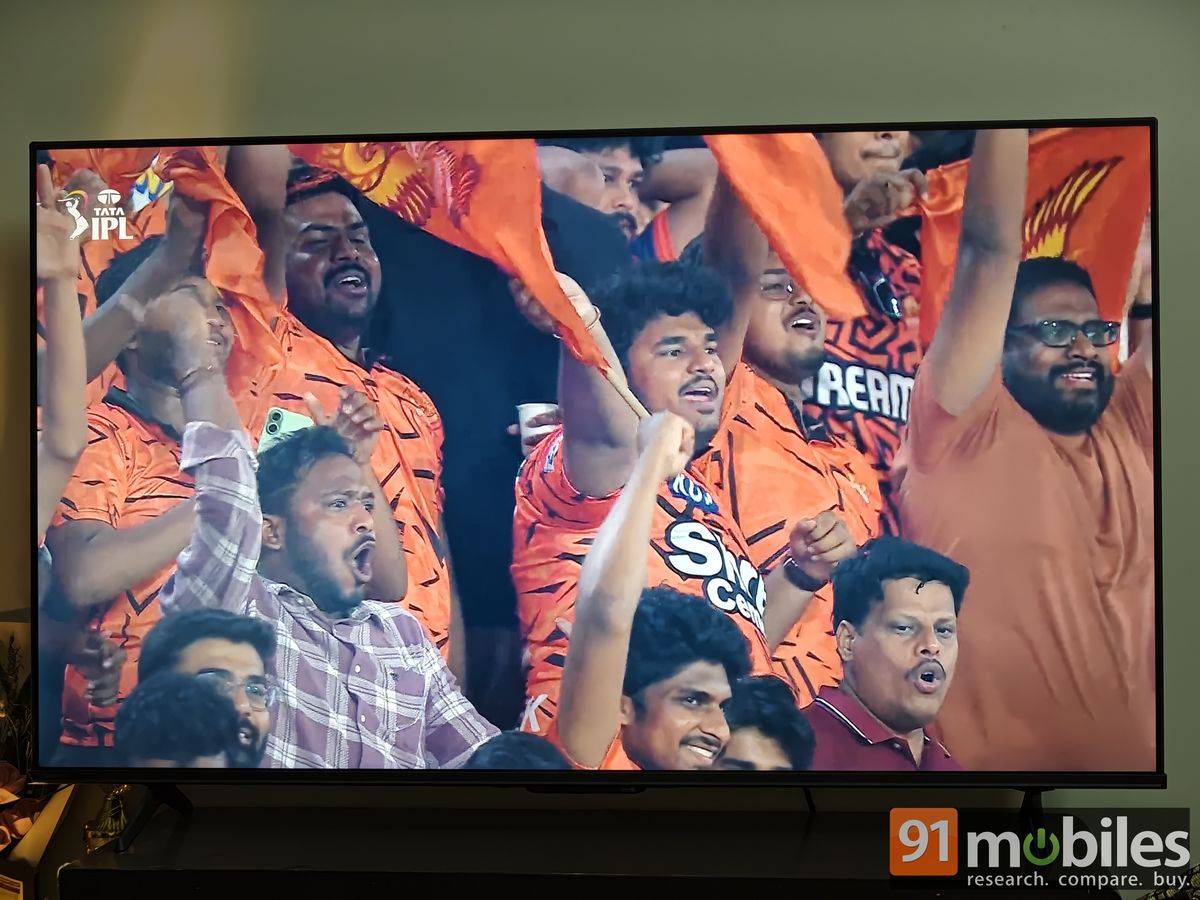
The Hisense E7Q Pro features a pair of bottom-firing speakers with a combined 20W output, and Dolby Atmos and DTS:X support. Despite that, the TV sounds ordinary at best. It lacks depth for a more immersive listening experience, but that’s something that most TVs lack. Hisense could have done better by offering more powerful speakers, especially since competitors in the segment have moved to 40W or higher output for richer, fuller audio.
Investing in a good soundbar or home theatre is recommended if you are looking for more than just a casual listening experience from the smart TV.
Verdict
Overall, the Hisense E7Q Pro positions itself as a strong value-oriented 4K TV that offers many modern features, especially for gaming and general entertainment. It delivers an enjoyable experience in everyday use, with vibrant colours in well-optimised picture modes and a generally smooth, responsive feel when paired with consoles. Filmmaker Mode also helps retain a more natural, cinematic look in darker viewing conditions.
However, its strengths are tempered by a few clear limitations. The 144Hz capability, while impressive on paper, isn’t consistently usable across all games. HDR performance is also held back by relatively modest peak brightness, which becomes more noticeable in brighter rooms. Motion handling can occasionally lack refinement during fast-paced sports content, leading to slight inconsistencies in smoothness.
Audio performance is another area where the TV feels fairly basic, lacking the depth and clarity that more premium models offer. On the software side, Vidaa OS remains straightforward and easy to use, but it does feel somewhat dated in design and overall fluidity compared to newer smart TV platforms.
Taken as a whole, the E7Q Pro is best viewed as a well-rounded, feature-rich option for its price rather than a high-end performer. For users prioritising value and functionality over top-tier refinement, it remains a sensible and capable choice. The Hisense E7Q Pro is currently listed on Amazon.in at Rs 37,999.
Editor’s rating: 8/10
Pros
- Satisfactory picture quality
- Good HDR performance
- 144Hz panel with VRR for gaming
- Clean, easy-to-use Vidaa OS
Cons
- Motion handling during sports could be better
- Average speaker output