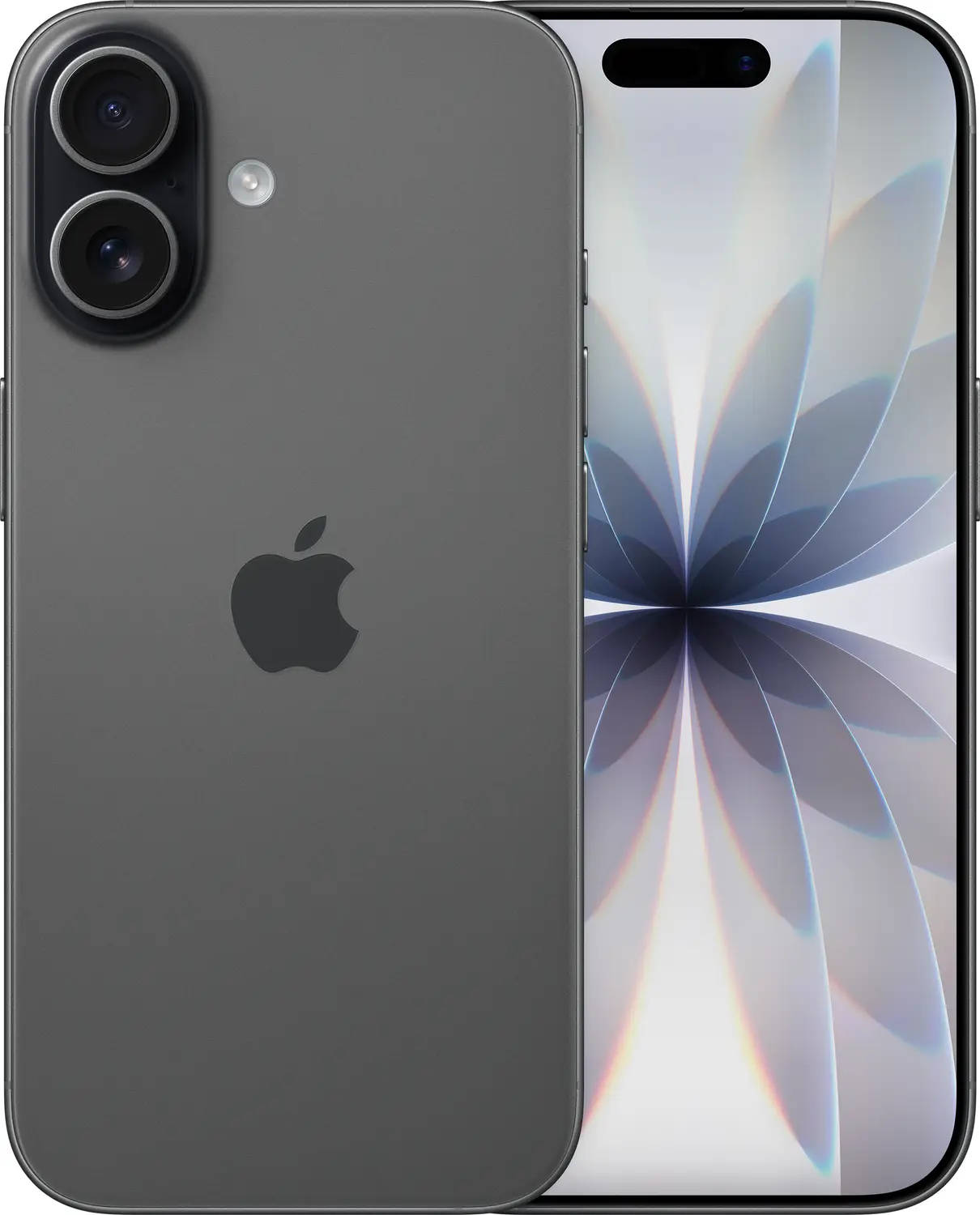
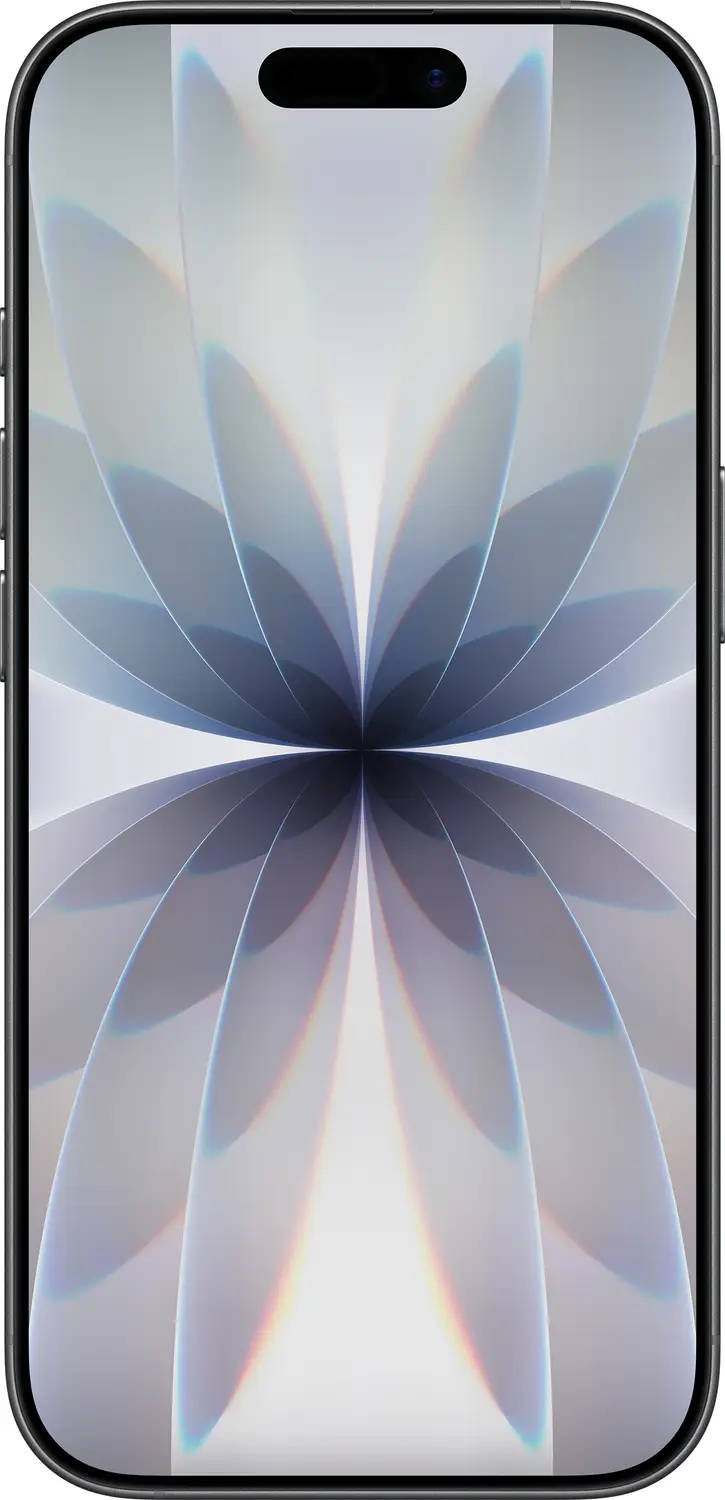
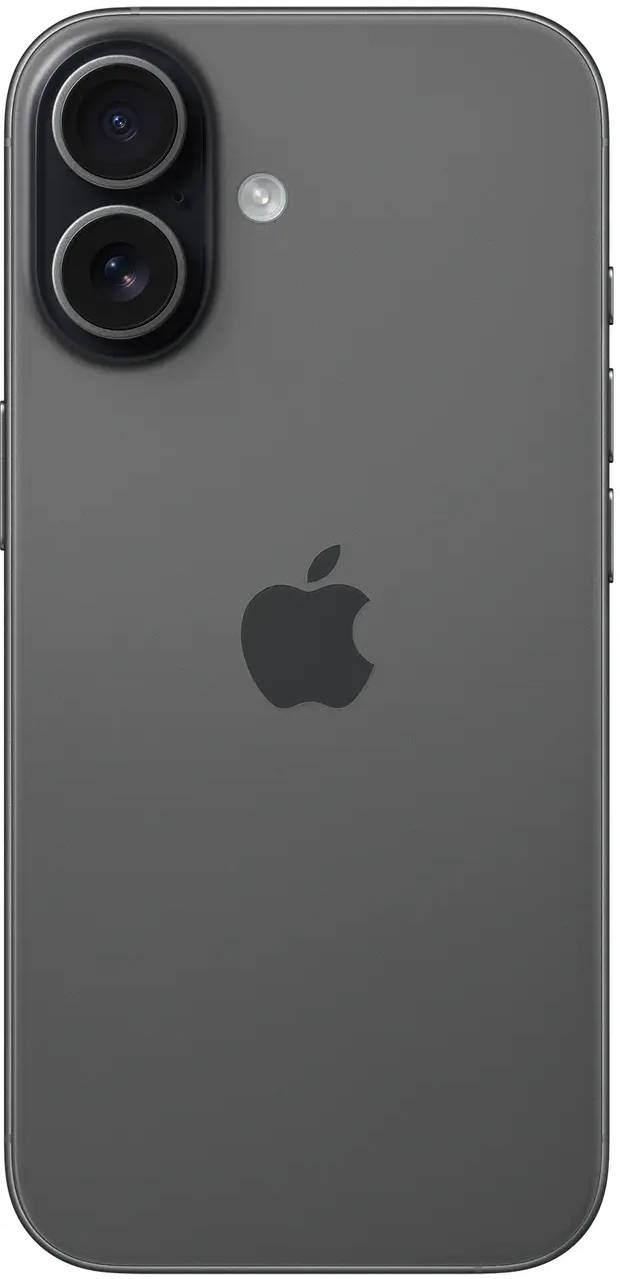
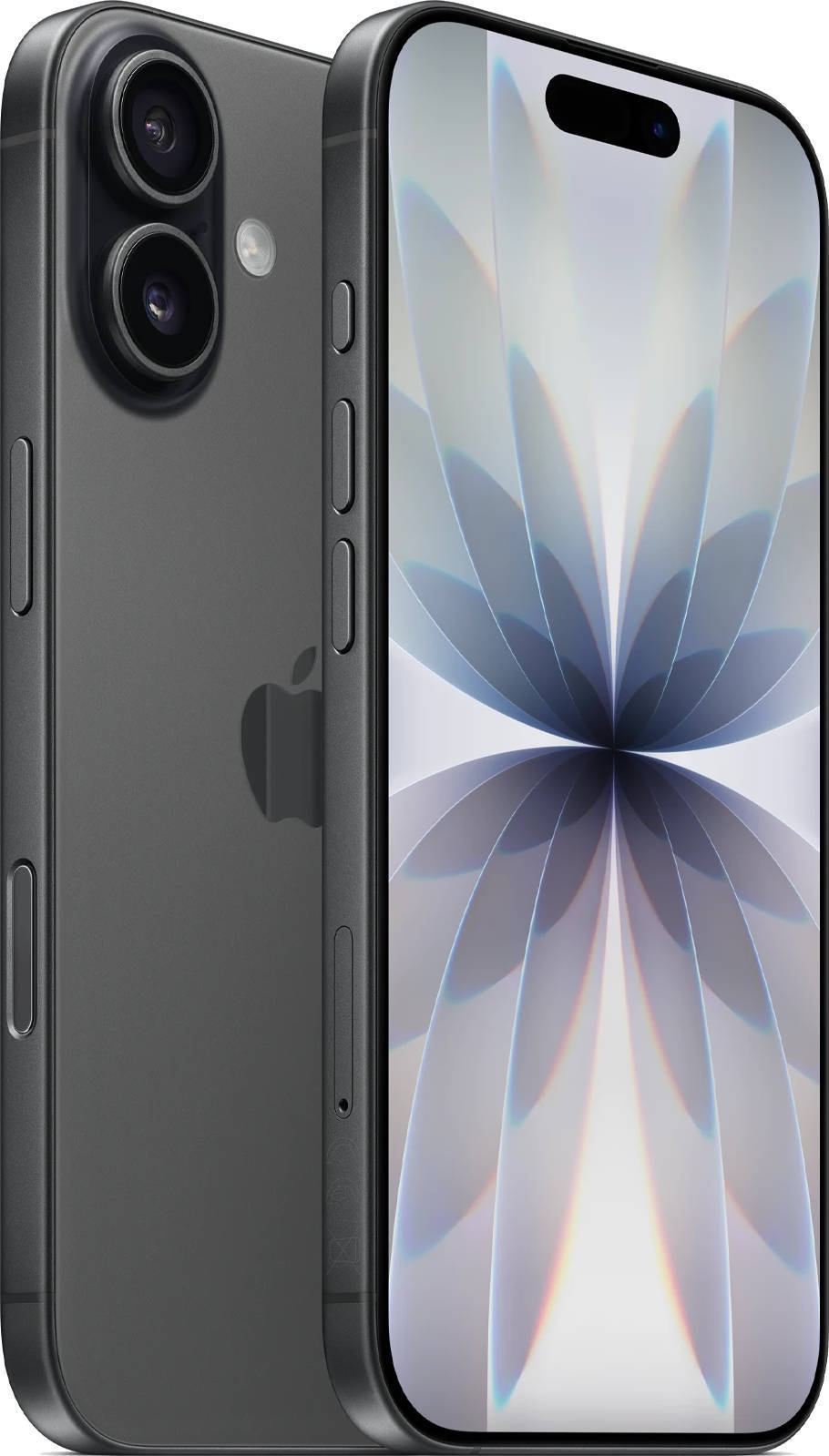
We’ve got the new iPhones in the house, and most of my colleagues were lining up to check out the iPhone Air’s slim profile or the iPhone 17 Pro Max’s aluminium unibody design in that eye-catching Cosmic Orange. It’s a microcosm of how the iPhone 17 series is being perceived globally, with all eyes on the Air and Pro models. The long queues outside Apple Stores in India on day one made that clear, with buyers gravitating towards the Pro variants as they sold out quickly.
Understandably, the base iPhone 17 has slipped into the background, not drawing as much attention – the lesser diva of the lot. I do find this surprising, though, since it might actually be the most sensible buy in the lineup. More on that in my full review. For now, I’ve chosen the base iPhone 17 for review for two reasons: I reviewed the iPhone 16 last year, which gives me a good baseline to measure what’s changed, and I genuinely feel this is the most practical, value-driven iPhone for most people. My full review will take a week or so, but until then, here are my first impressions of some of its key features. I’ve also added a few polls to see what you, our readers, most want answered in the final review.
Table of Contents
Familiar design, unlike Air and Pro models
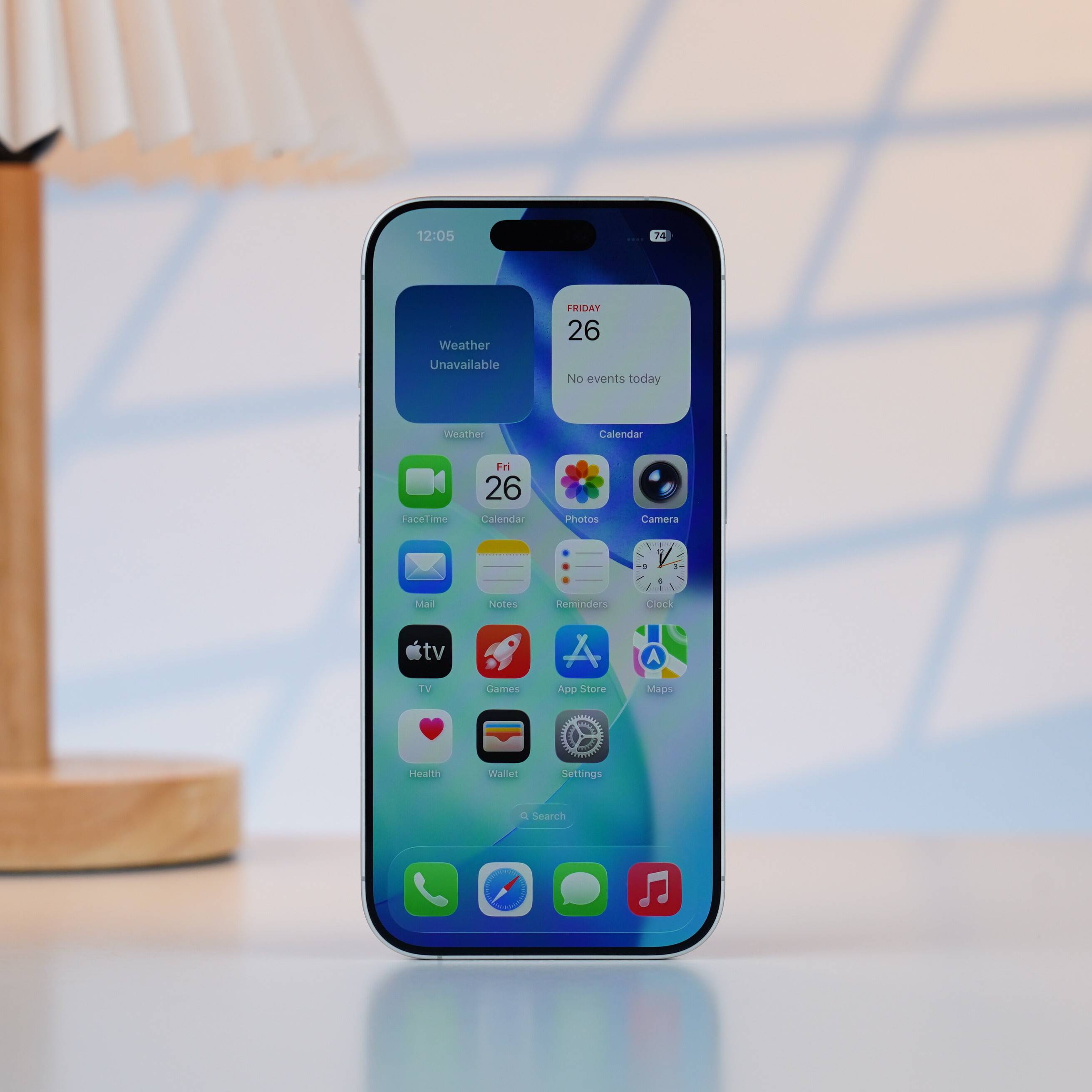
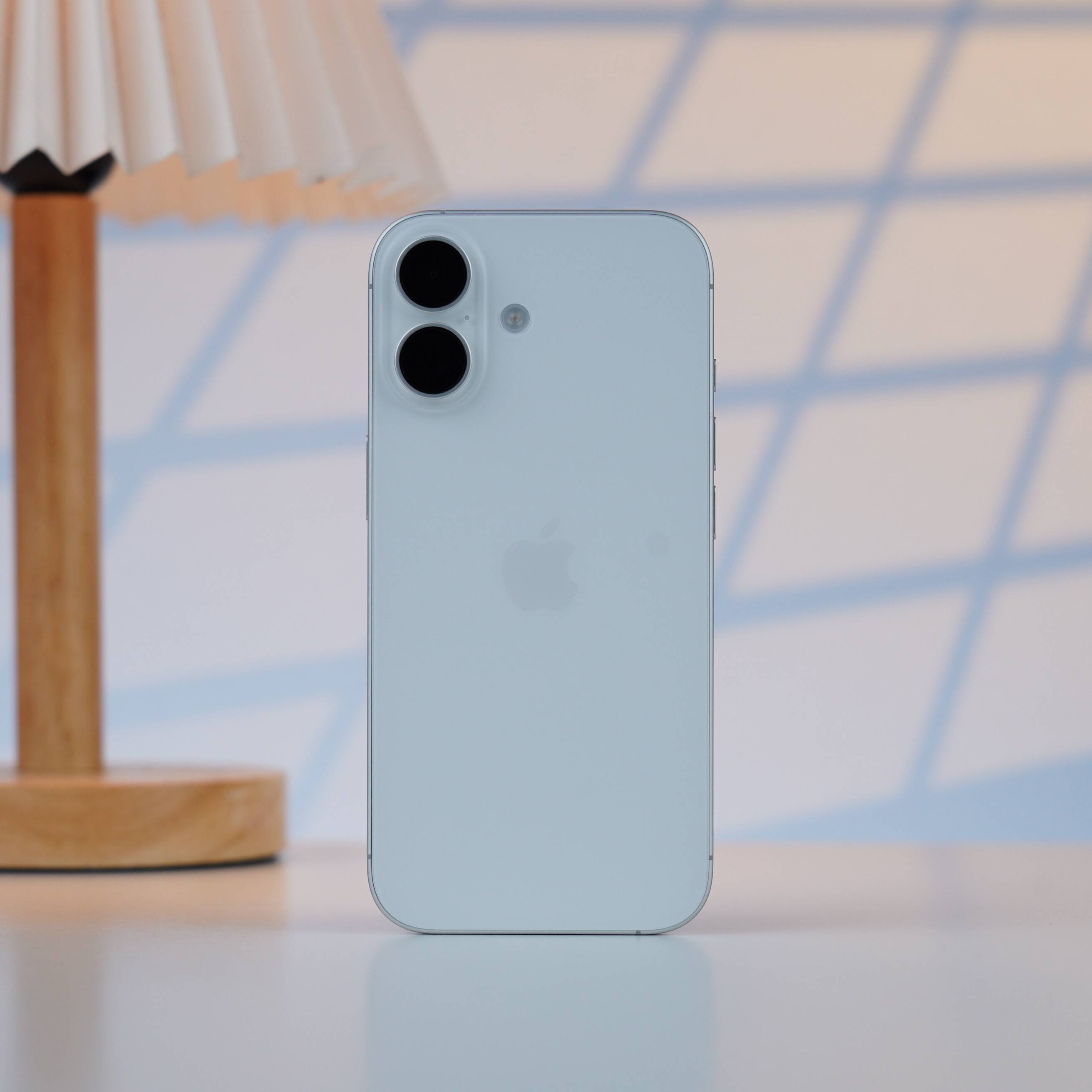
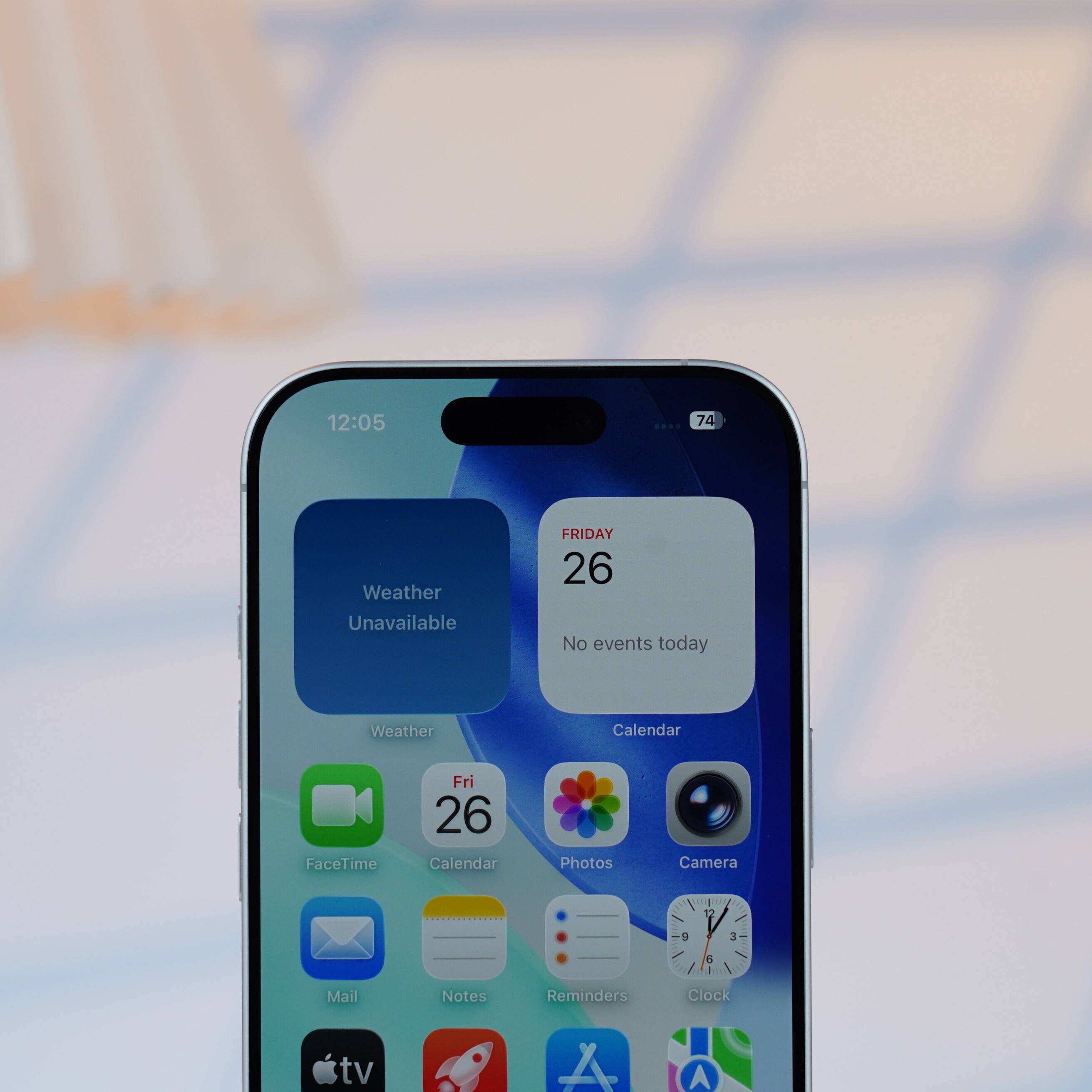
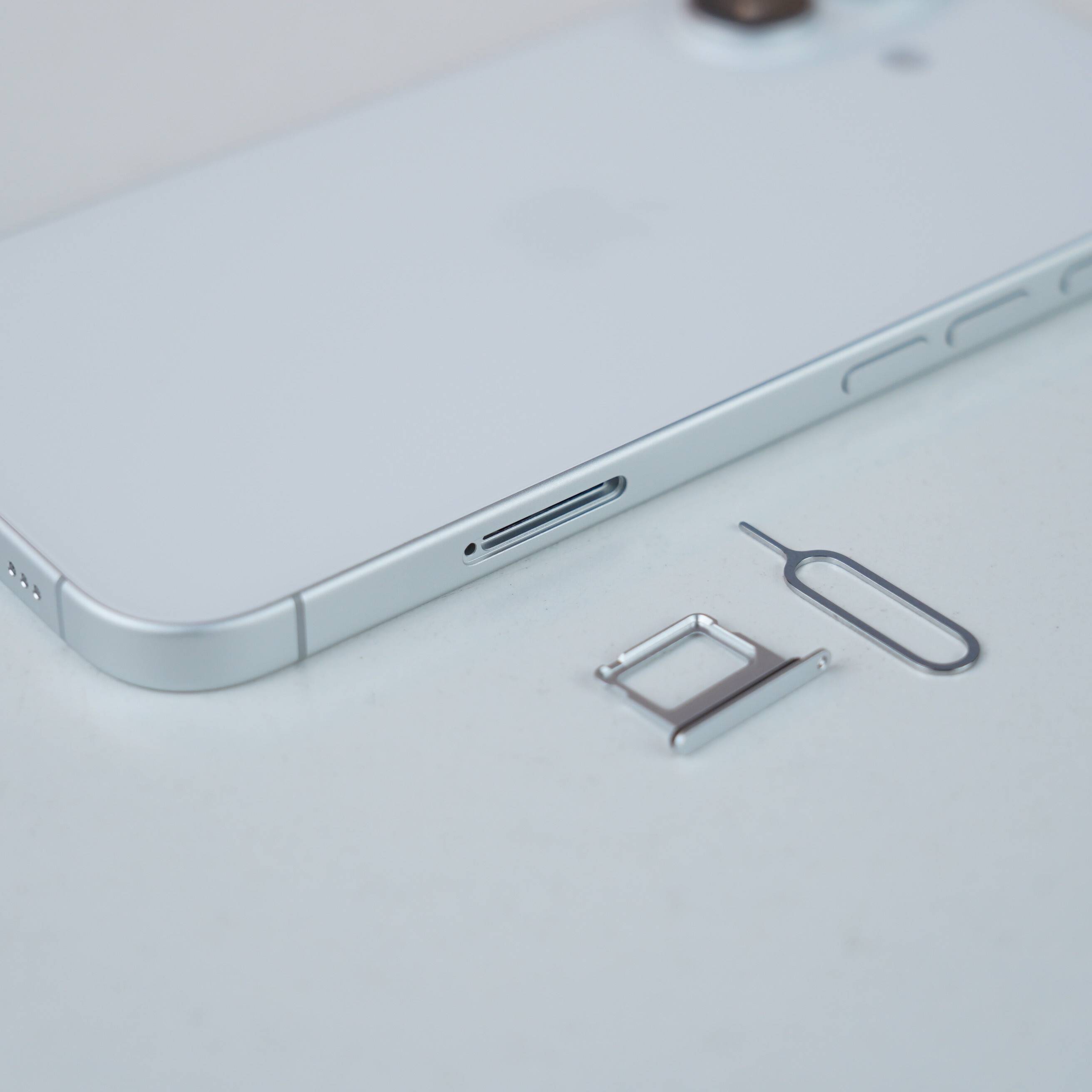
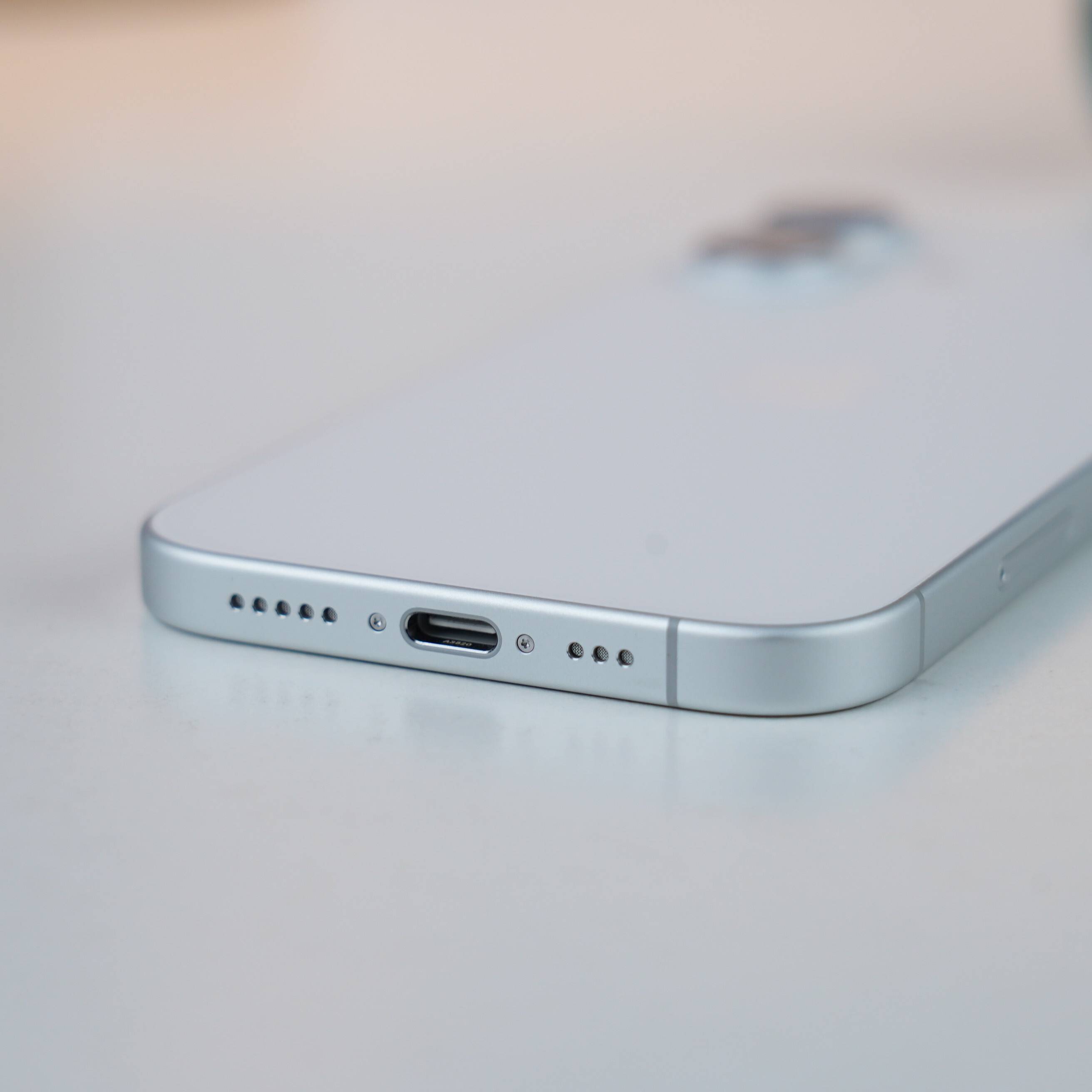
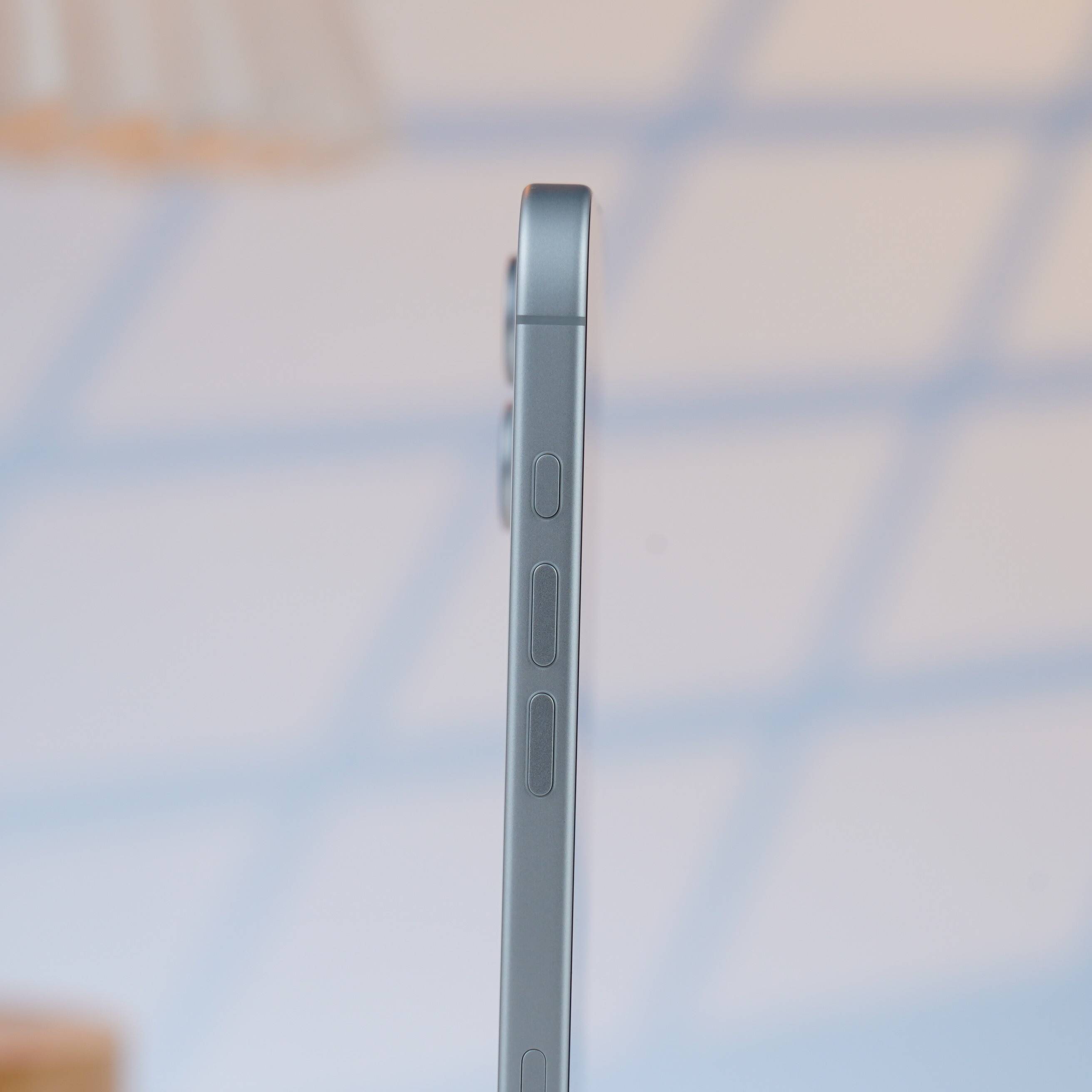
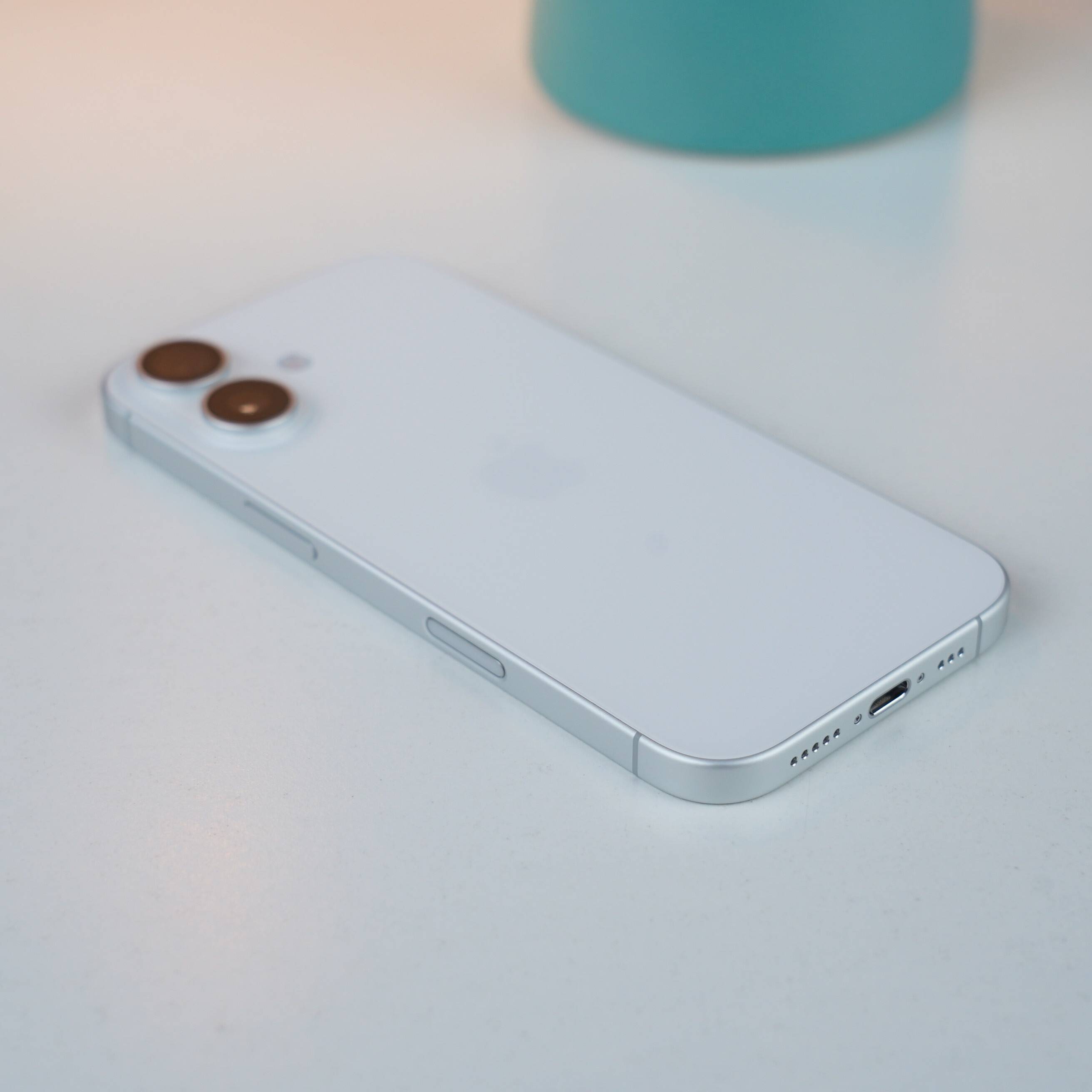
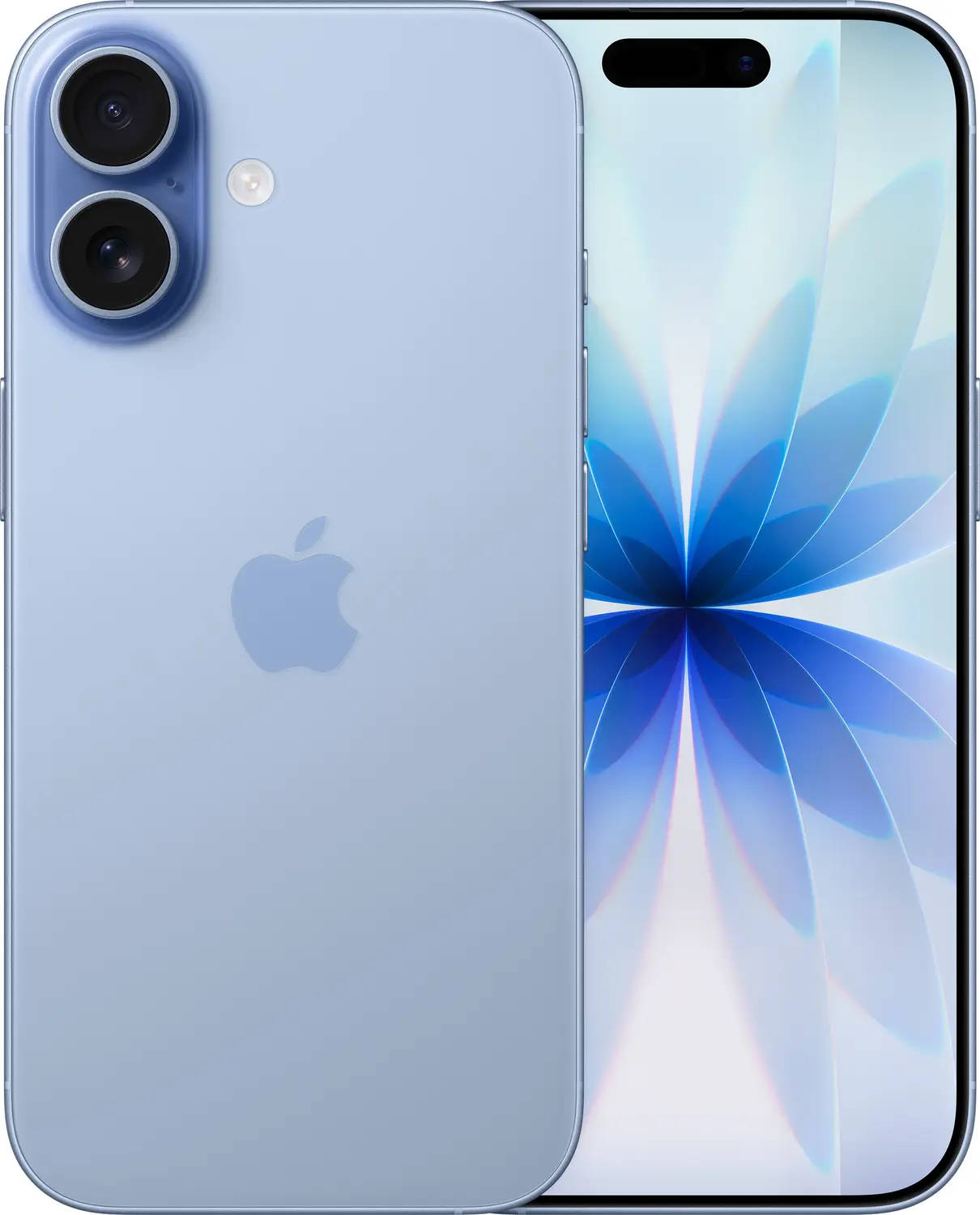
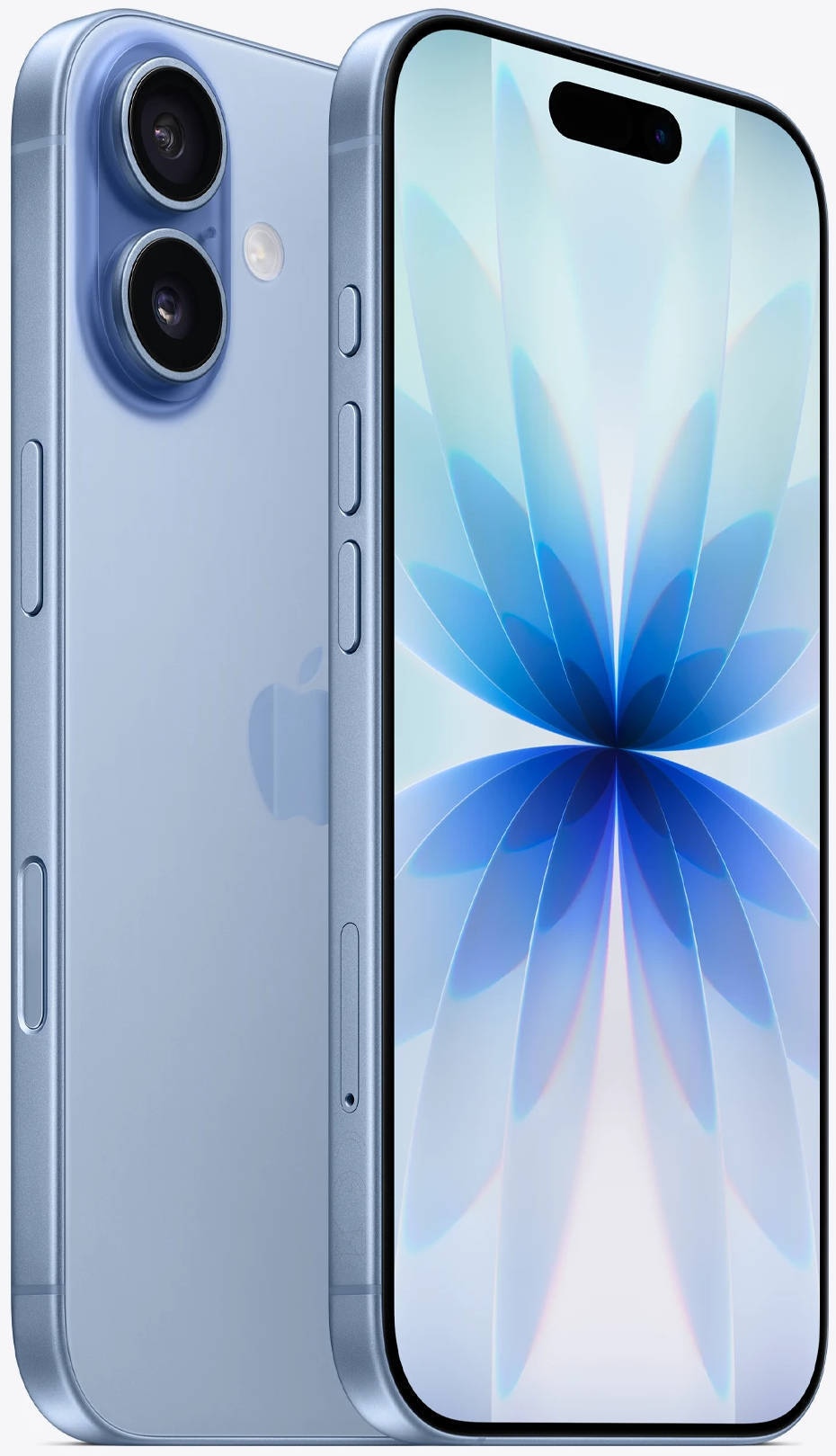
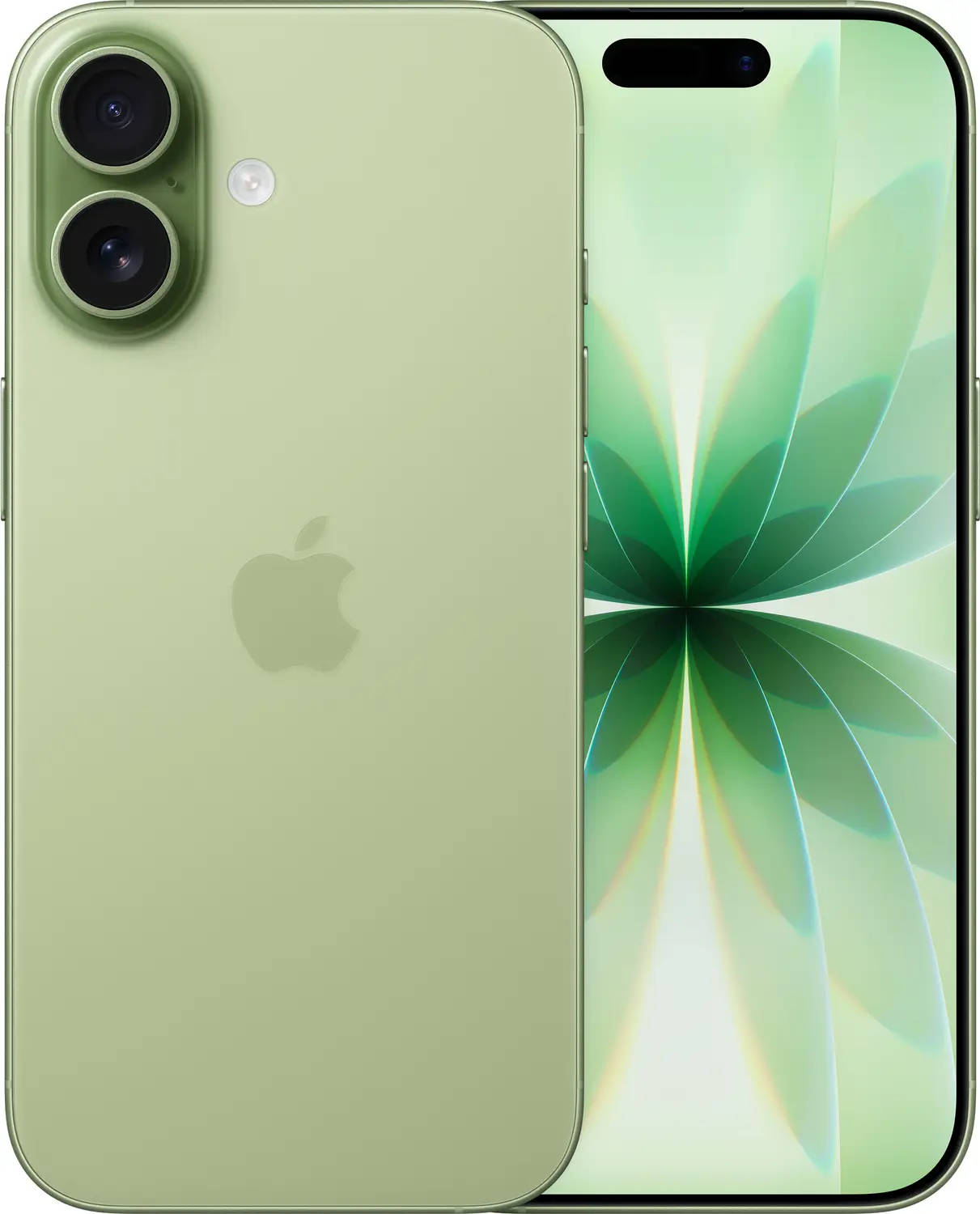
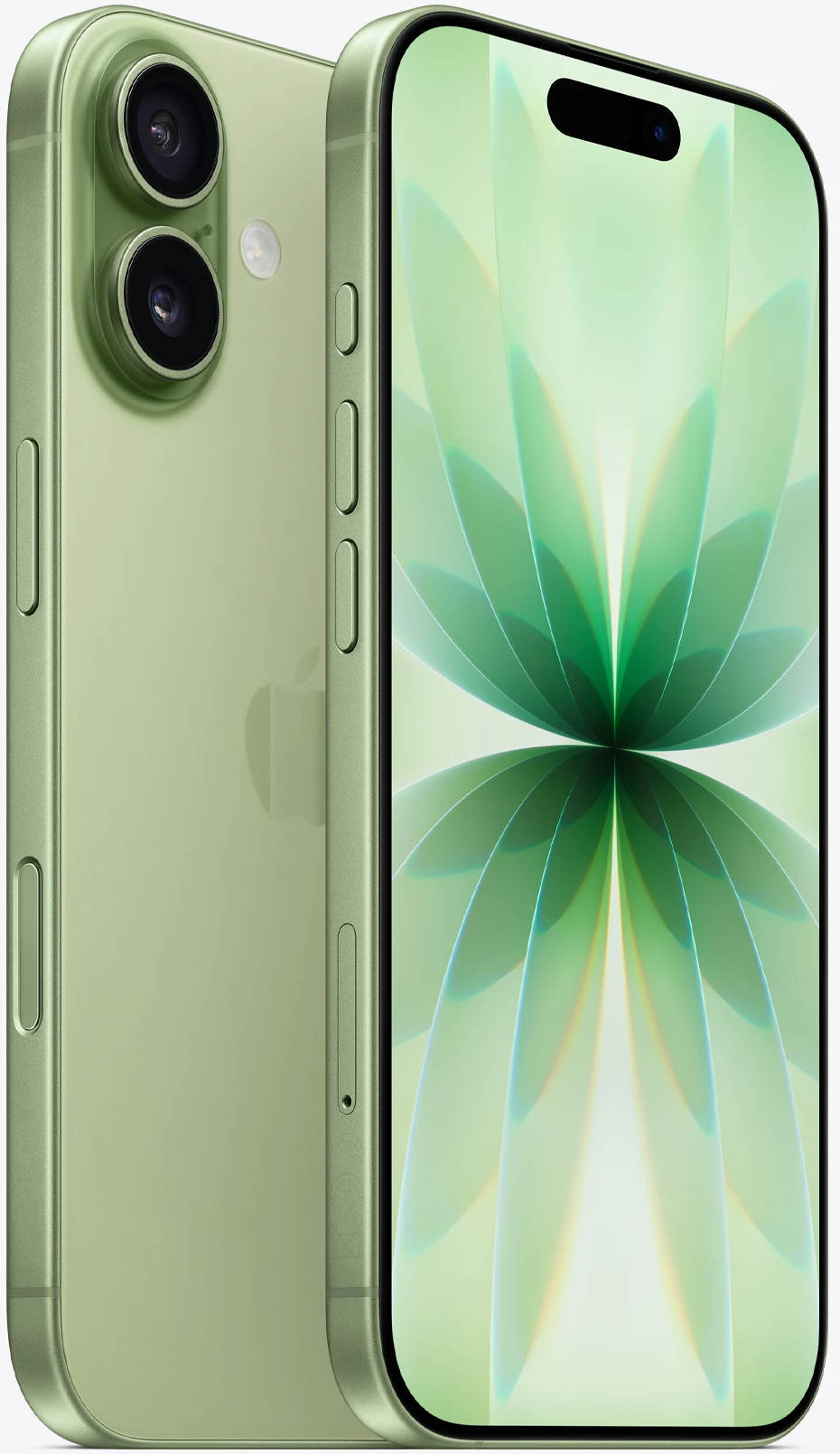
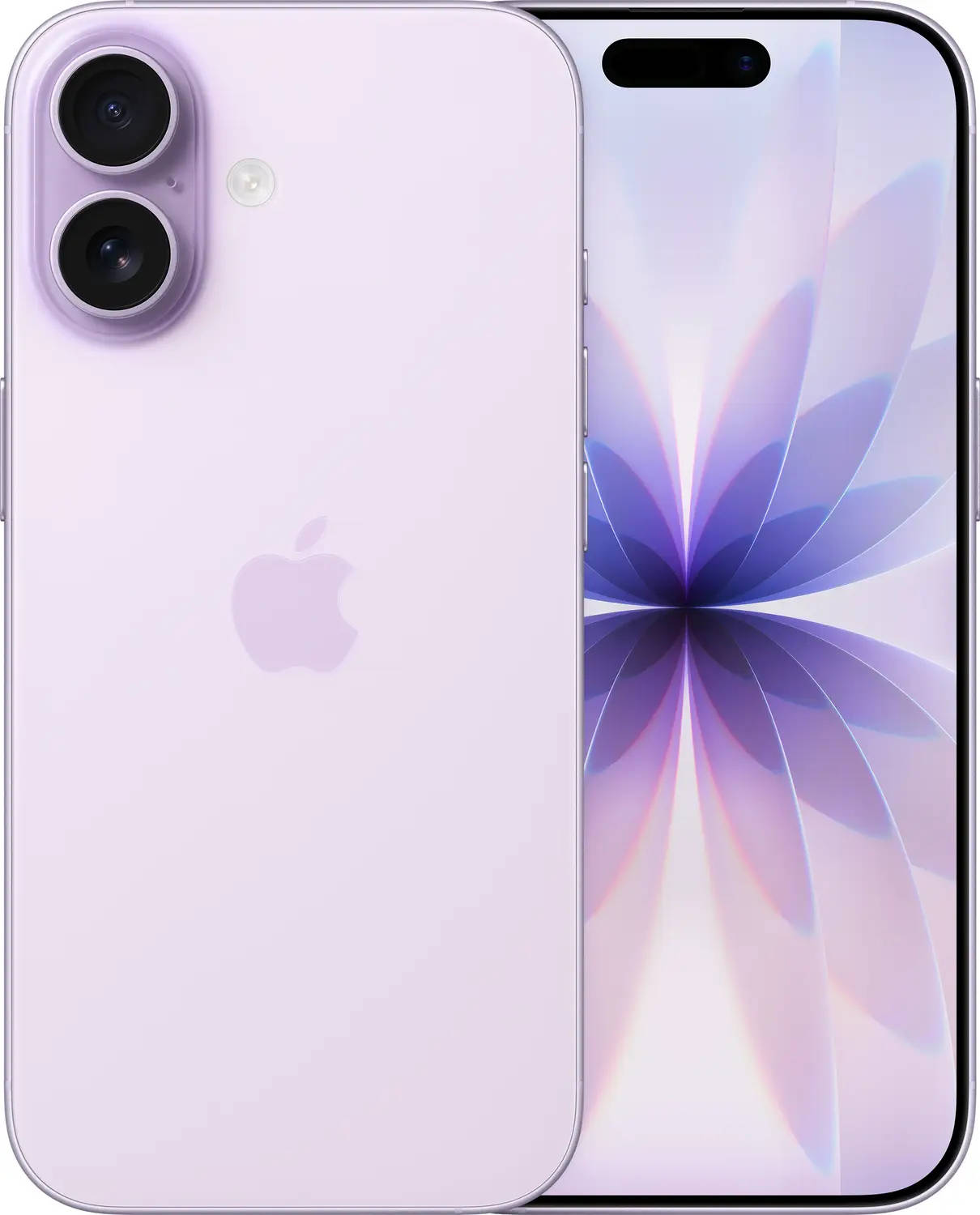
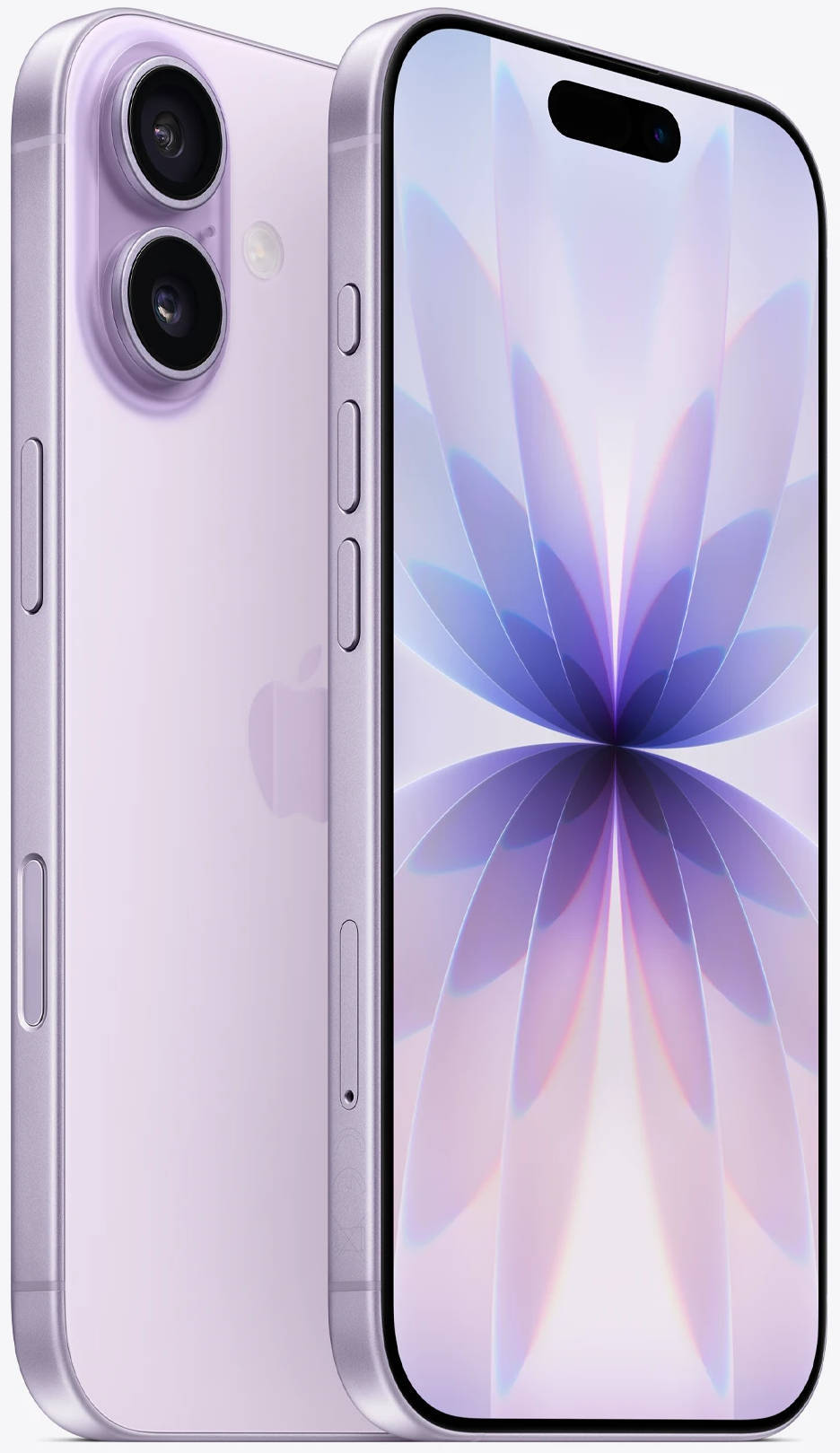
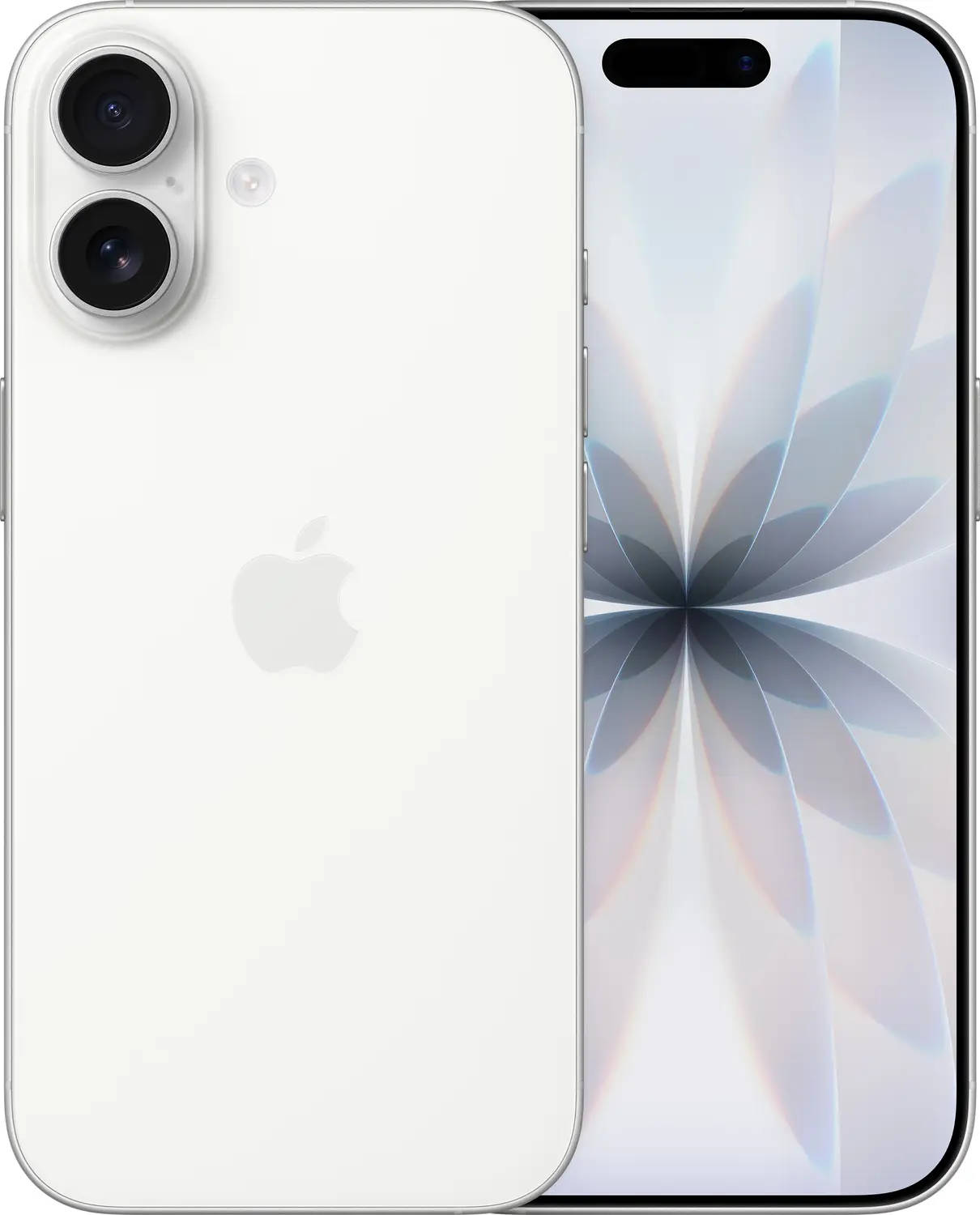
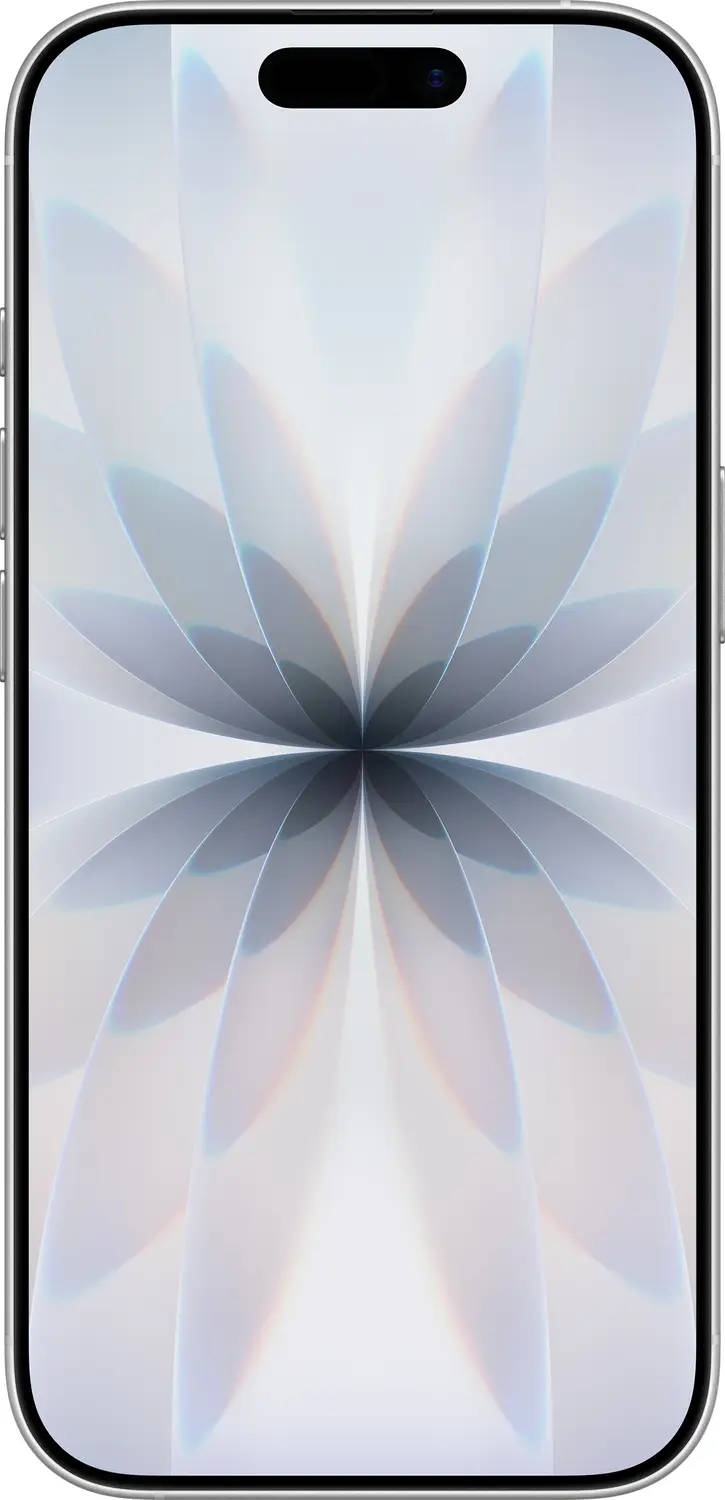
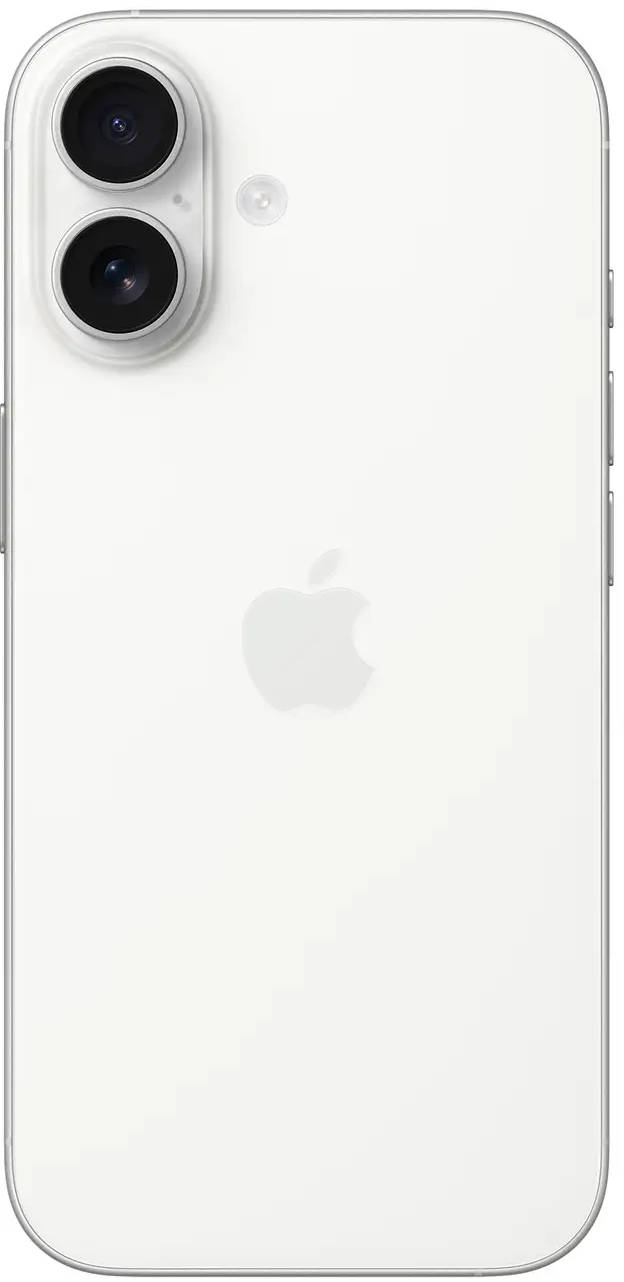
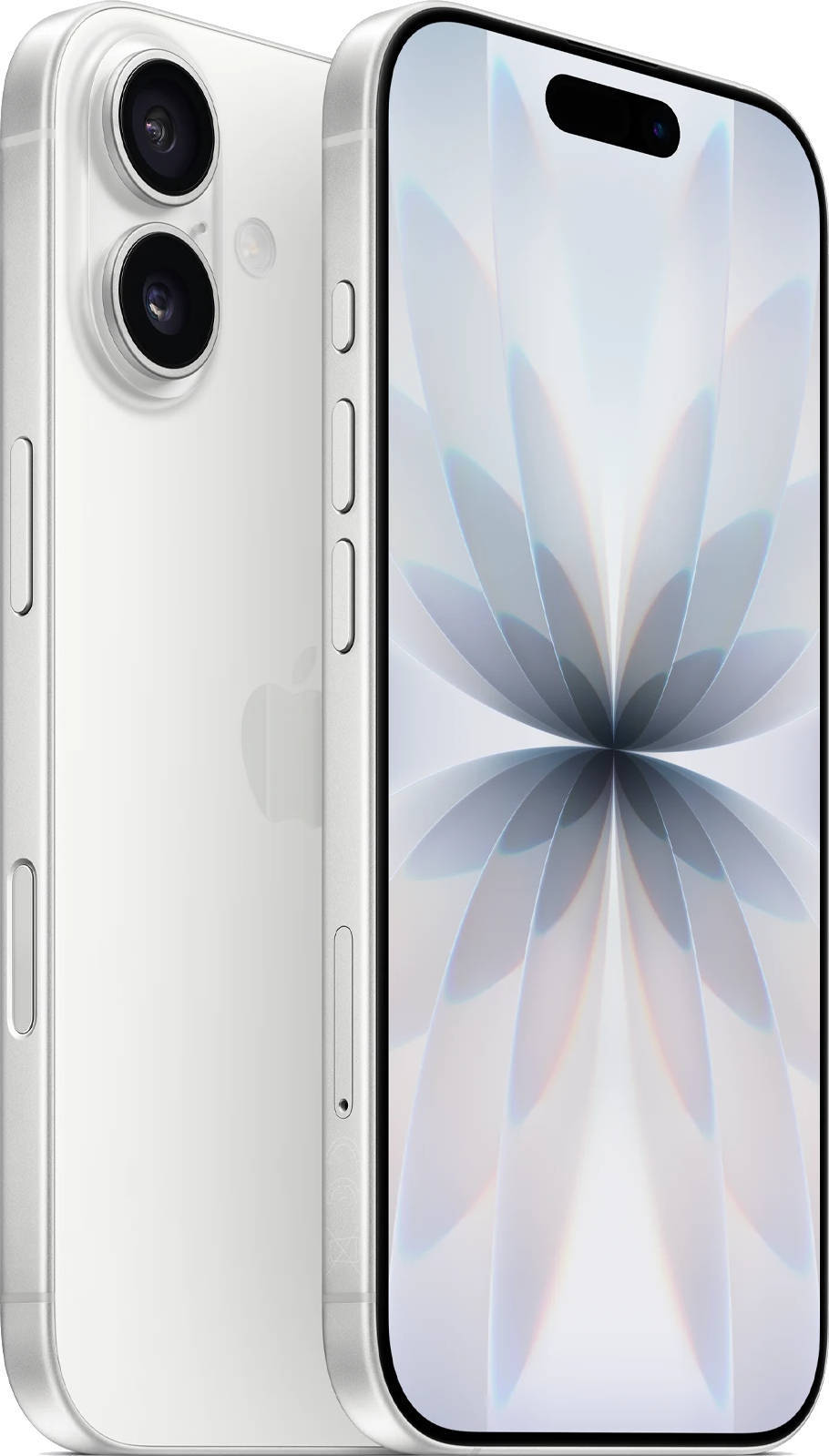
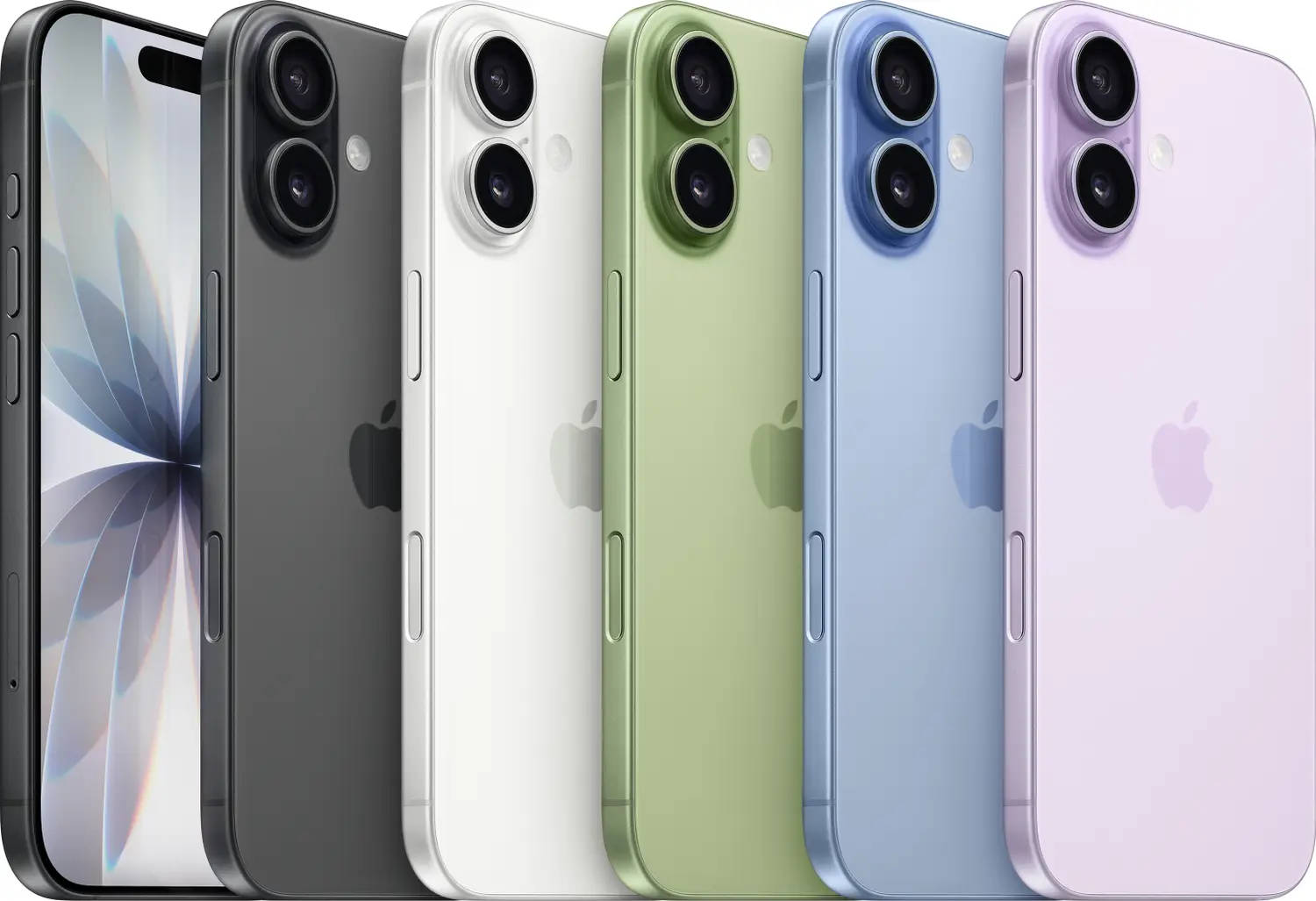
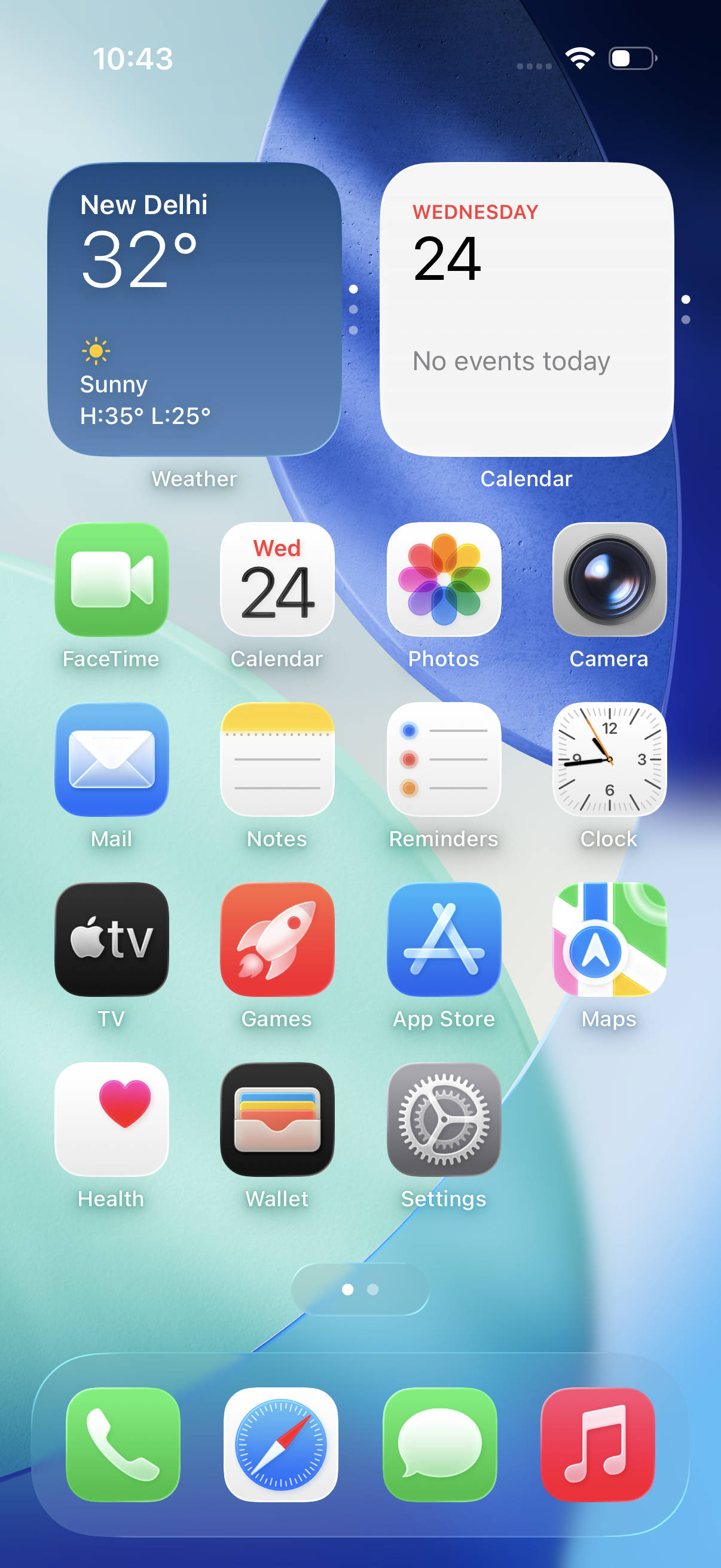
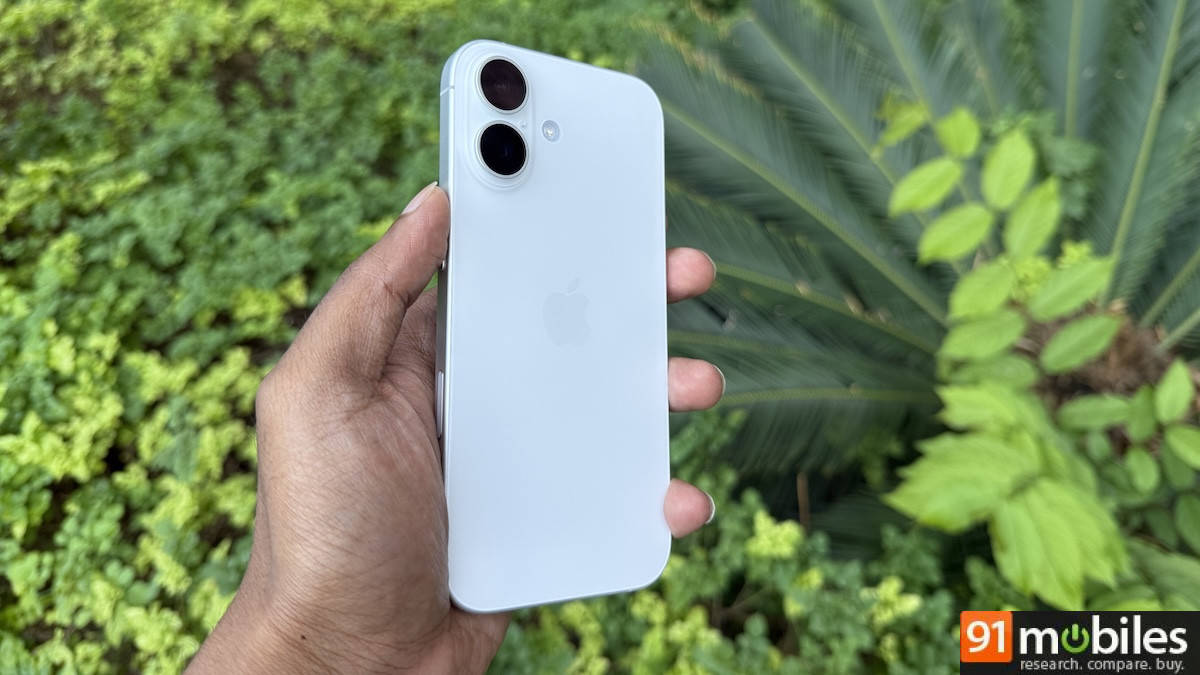
The iPhone 17 is the only model in this year’s lineup that carries forward a familiar design. Place it next to the iPhone 16, and the two look almost identical. The only differences are subtle: new colour options (Sage, Lavender, and Mist Blue) and slightly slimmer bezels around the display. From a distance, though, no one will know whether you’re holding an iPhone 16 or iPhone 17, especially if you’ve chosen Black or White, like the review unit we received.
An overdue display upgrade
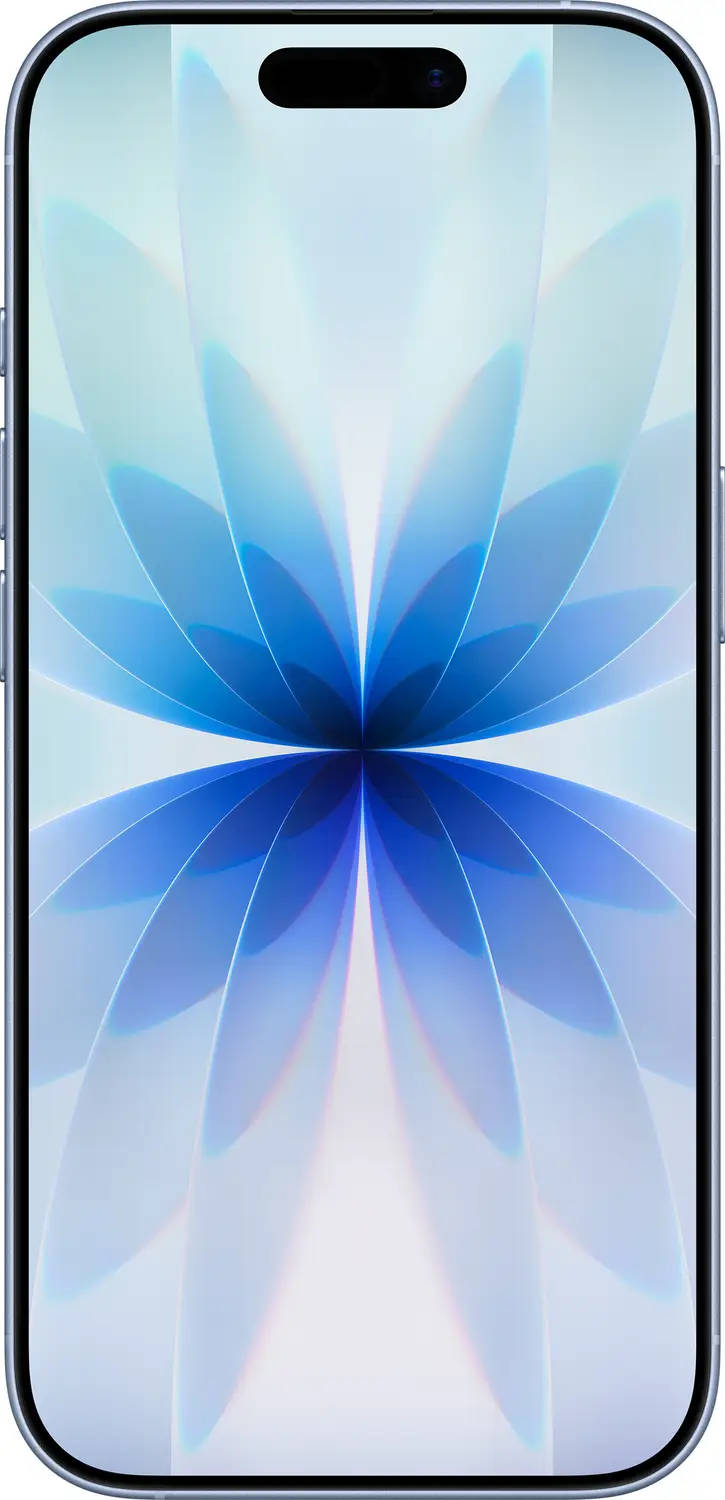
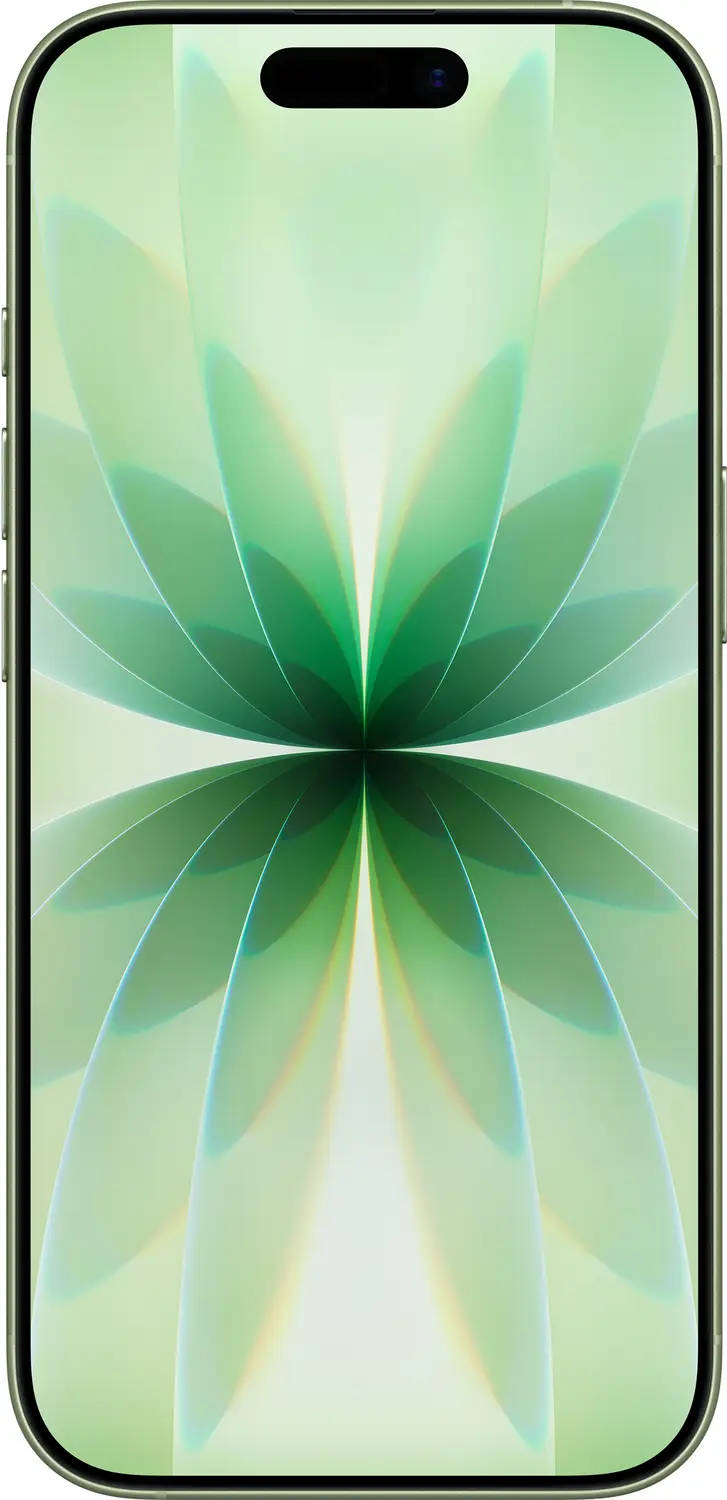
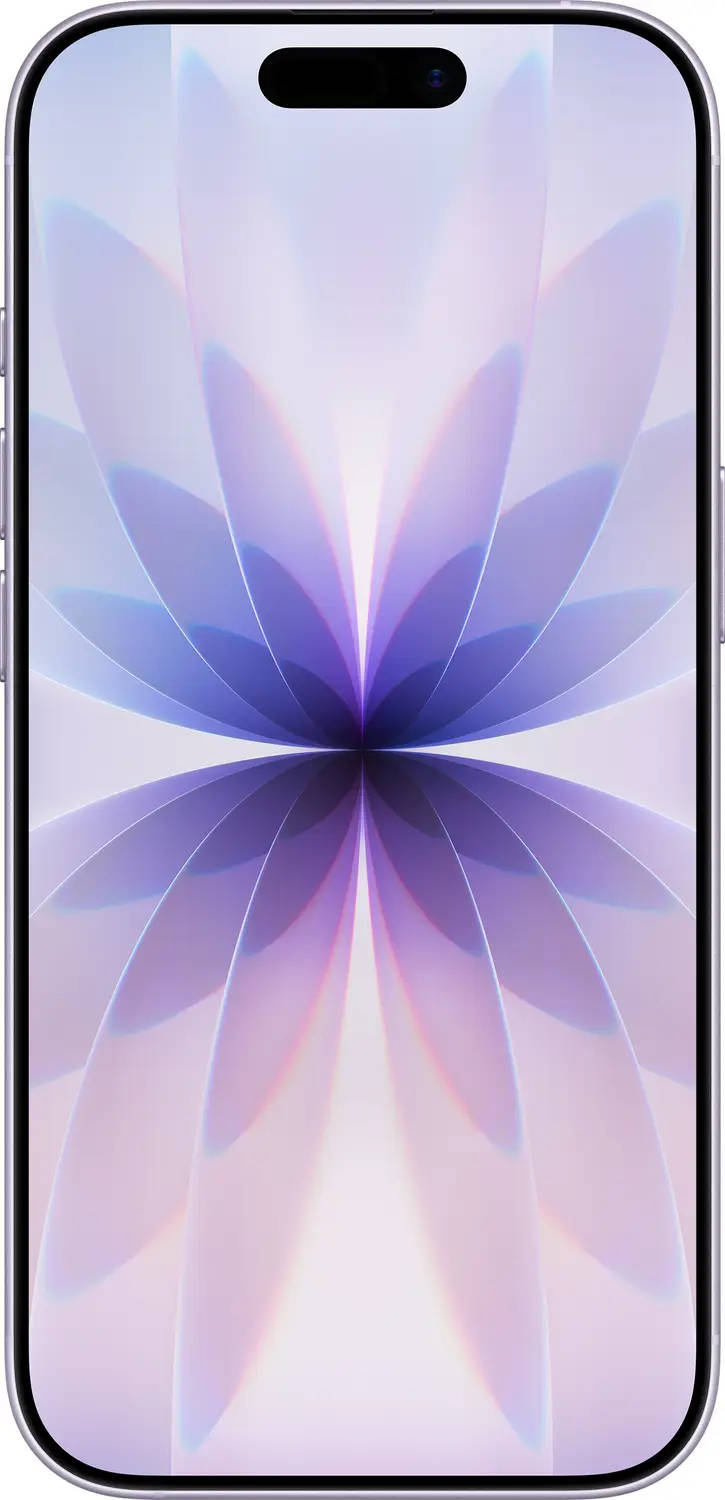
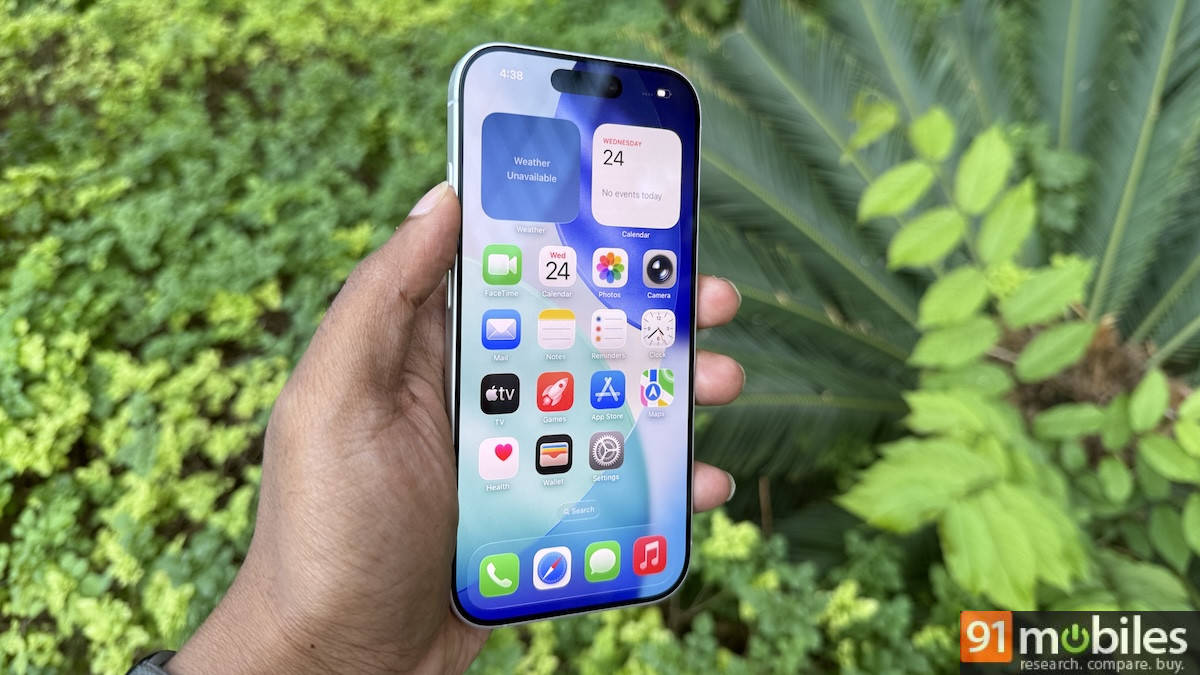
For the first time, the non-Pro iPhone finally gets a 120Hz ProMotion display, and honestly, this was long overdue. Every budget Android phone these days has some form of high-refresh-rate panel, so it always felt odd that Apple kept the base iPhone stuck at 60Hz. The jump makes the iPhone 17 feel much smoother and more responsive in day-to-day use.
A19 under the hood
As expected, the iPhone 17 comes with Apple’s newest chipset, the A19. Apple claims up to 40 percent better CPU performance and as much as 80 percent higher GPU performance compared to the A16 Bionic found in the iPhone 15. That’s a big leap, although it’s worth noting that this is still the cut-down version of the A19 Pro that powers the Pro models. So, if you want the absolute best numbers, you’ll still need to look higher up the lineup.
Interestingly, the iPhone 17 doesn’t get Apple’s new C1X modem that’s found on the Air, but it does benefit from the N1 wireless chip for better connectivity.
Dual Fusion cameras & Center Stage step up the game
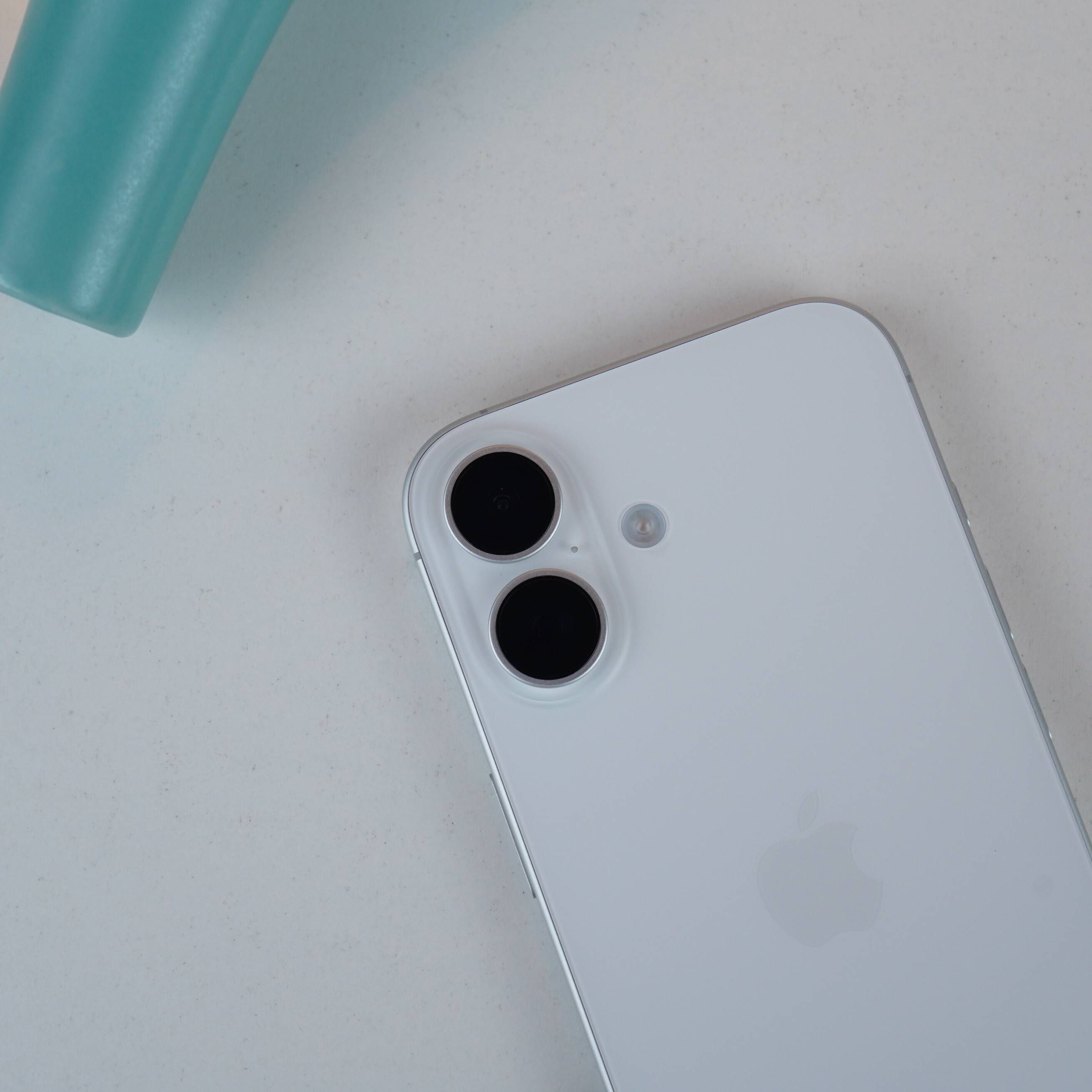
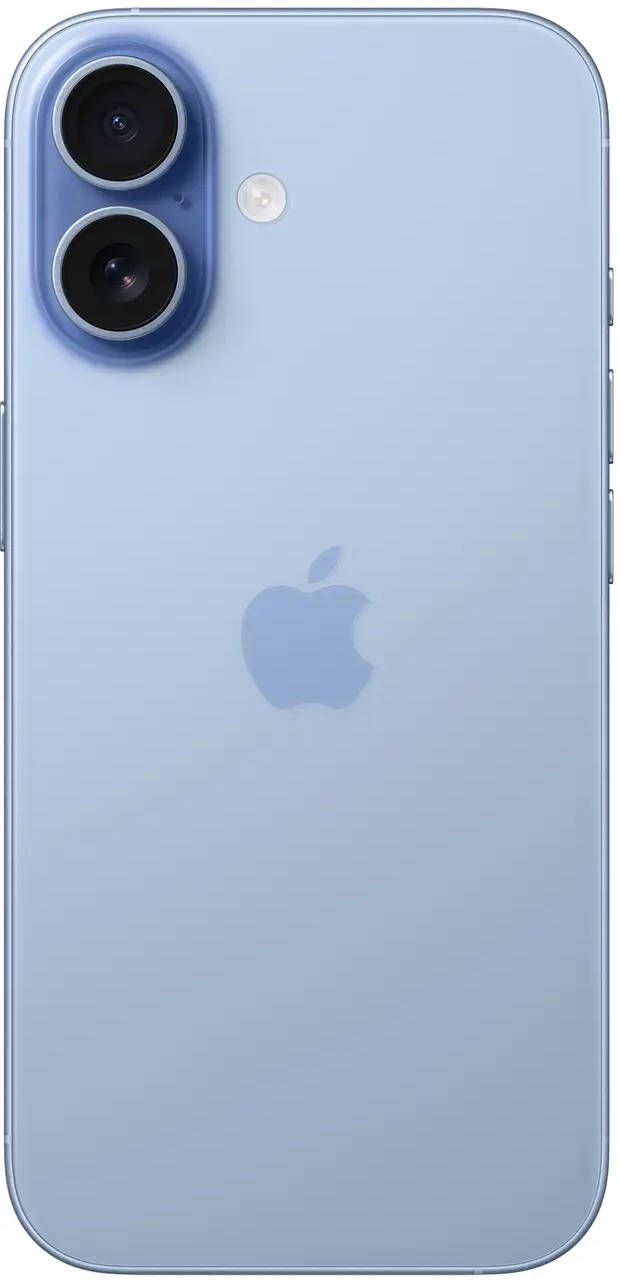
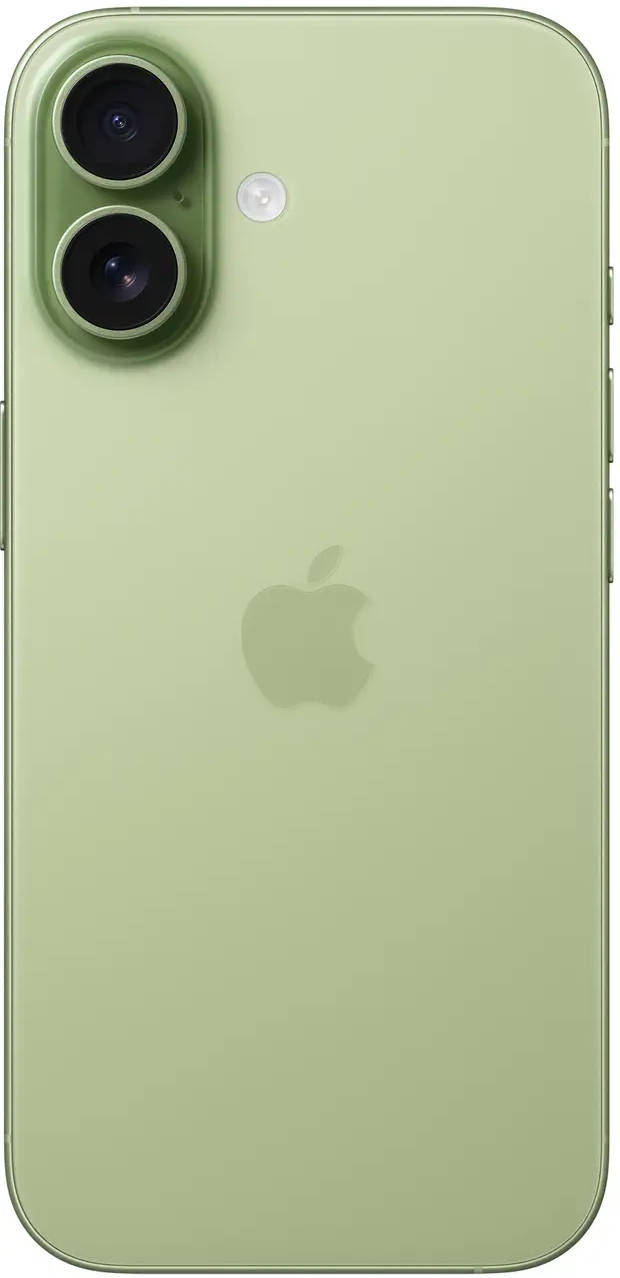
The cameras are where things get really interesting. The iPhone 17 introduces a new Dual Fusion camera system with two 48MP sensors: a primary wide-angle and a new ultra-wide. This should result in sharper ultra-wide photos and improved macro capabilities compared to the iPhone 16, which only featured a basic 12MP ultra-wide camera. I haven’t tested this enough yet to share a verdict, but on paper, it’s a meaningful step up.
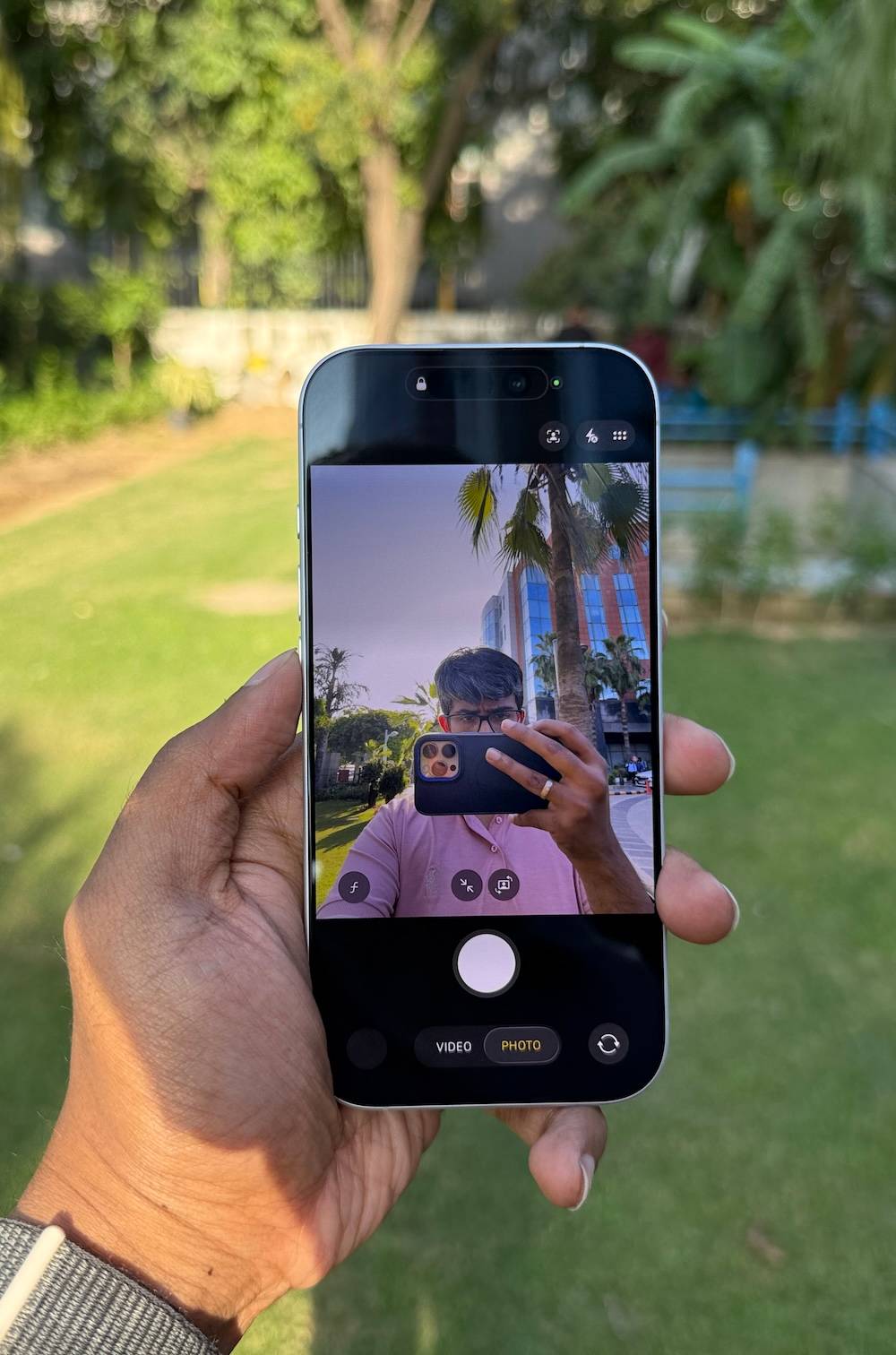
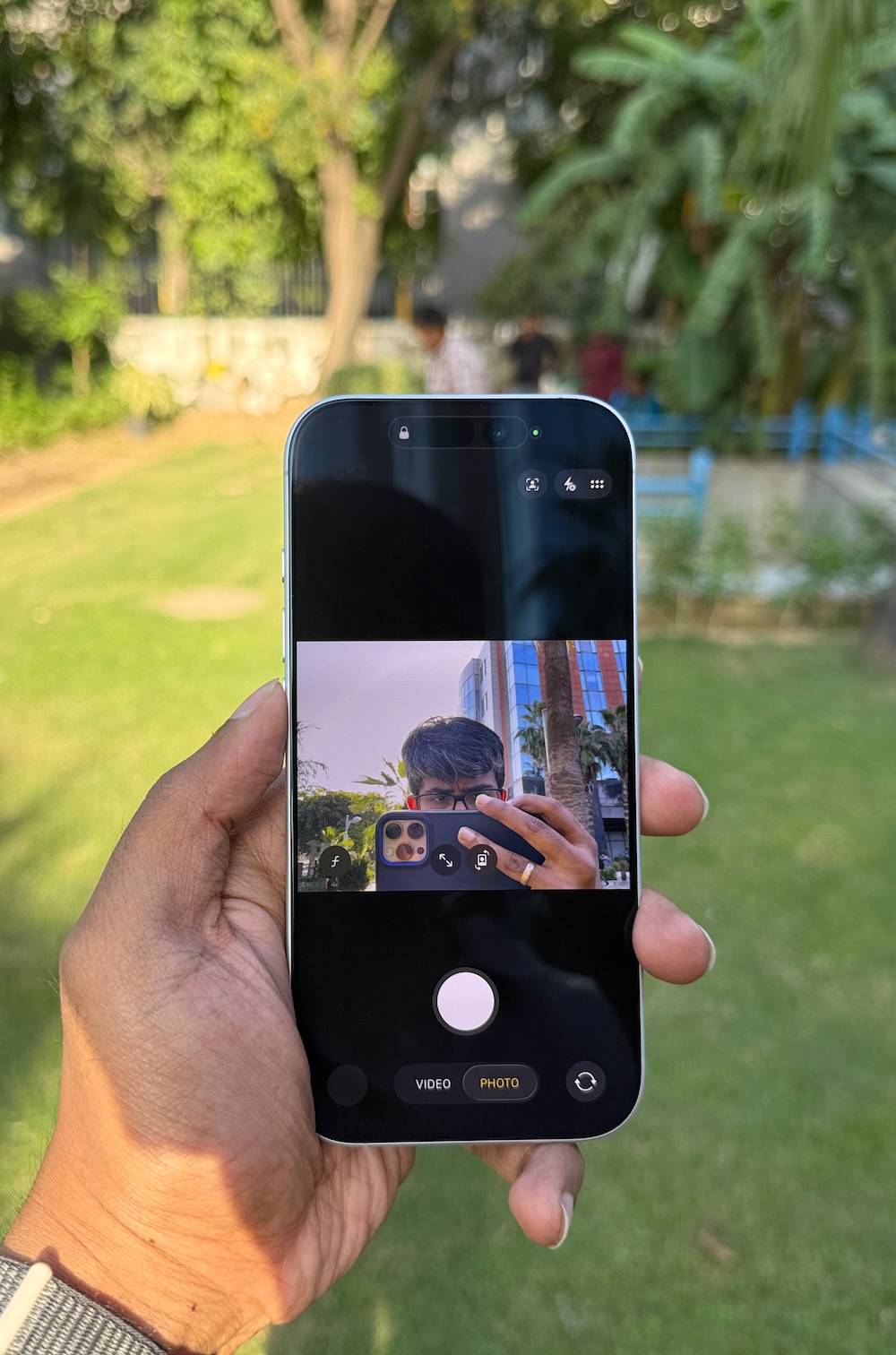
The selfie camera has also been upgraded to an 18MP Center Stage sensor, which can capture in both portrait and landscape without requiring you to rotate the phone. It also automatically widens the frame when more people enter, and the new Dual Capture mode lets you shoot with the front and rear cameras at the same time – handy for vlogs or reaction-style videos.
Bigger battery, faster charging
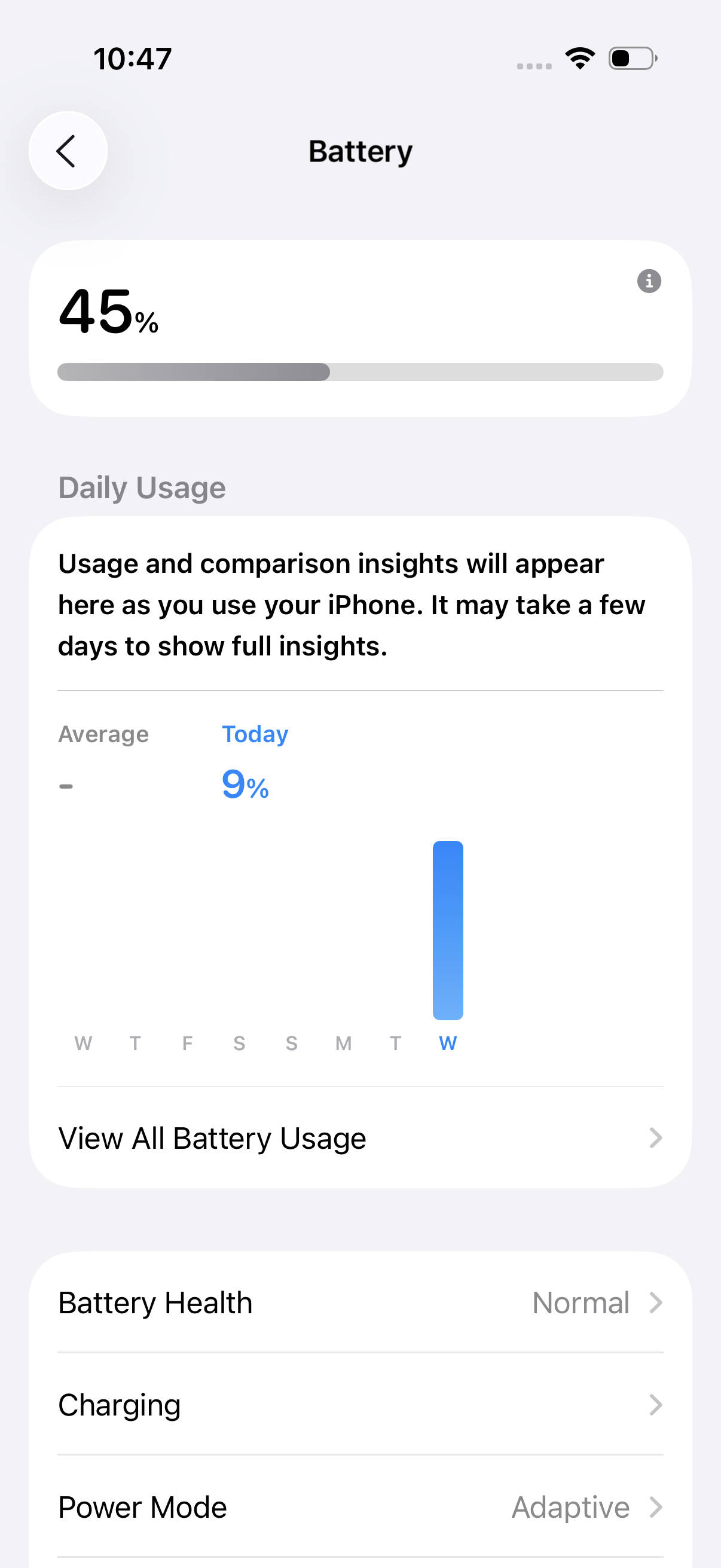
The iPhone 17 also packs a slightly larger battery than its predecessor. Combine that with the efficiency gains of the A19, and Apple claims longer endurance overall. Charging is faster this year, too, both wired and wireless. I’ll need a few charging cycles to see how big the difference feels in real life, but this could finally address one of the long-standing pain points of non-Pro iPhones.
First thoughts
The iPhone 17 might not grab headlines like the Air or Pro models, but it quietly fixes many of the frustrations with previous base iPhones. The 120Hz display finally makes it feel like a modern flagship, the brighter panel and always-on mode are nice quality-of-life upgrades, and the new Dual Fusion cameras sound like a genuine step up, particularly for ultra-wide shots. Add the A19 chip and a slightly larger battery with faster charging, and the iPhone 17 starts looking like the most sensible buy in this year’s lineup.
Of course, I’ll need more time to test whether the battery can truly last longer, if the cameras deliver consistent results across conditions, and how much of a difference the A19 chip makes in sustained performance. But my early takeaway is simple: if you want an iPhone that feels fresh and capable without straying into Pro-level pricing, the iPhone 17 might just be the model most people should consider this year.
It also feels intentional that Apple is keeping the iPhone 17 understated while shining the spotlight on the Air and Pro models, which is a classic brand move to upsell while still giving the base model enough upgrades to remain appealing. At the same time, the adoption of 120Hz displays, larger batteries, and more versatile cameras shows Apple aligning with broader Android-driven trends, ensuring even its entry model keeps pace with what users now consider standard.
Apple iPhone 17 Images