There’s a very specific kind of self-awareness that comes with buying an iPhone. You know Android phones are doing more interesting things. You know Apple is late to features it then markets as if it invented them. You’ve probably made this criticism yourself more than once. And then, you still end up buying the iPhone.
Six months into using the iPhone 17 Pro Max and years into the Apple ecosystem, I’ve stopped trying to justify that contradiction. This isn’t about Apple leading every category, because frankly, it doesn’t. It’s about Apple being predictable in a way that it’s comforting. At Rs 1.5 lakh, the phone won’t dazzle you every day the way you’d expect it to at that price, but it also won’t give you reasons to doubt it. Here’s what I feel about burning that hole in my pocket six months later, and whether there are any regrets.
Table of Contents
The size: a truce, not a resolution
Let’s start with the part I still haven’t fully made peace with: the size. The Pro Max form factor remains sort of impractical for consistent one-handed use, and no amount of time changes that. Even with Apple’s reachability feature compressing the screen downward, typing with one hand never gets comfortable. If you’re hoping it’ll eventually grow on you, there’s a good chance it won’t. Five-plus years with a Pro Max has taught me that you don’t adapt to the size so much as stop consciously reacting to it. You adjust your grip, switch to two hands without thinking, and eventually the friction just stops registering.
The reason I keep choosing it anyway is the same reason it’s this large in the first place. I consume a lot on my phone — videos, articles, doomscrolling sessions that start responsibly and end somewhere around 2 am — and the bigger display genuinely makes all of that better. HDR content still has a “wow” factor six months in, and outdoor brightness has improved noticeably over older iPhones, even if premium Android phones still do better under harsh sunlight. The subtle curves along the edges help more than expected, too. No accidental touches, and the slight contouring makes the phone surprisingly comfortable to hold for long periods.
That said, the “iPhone pinky” is real. Long Netflix sessions in bed eventually become a grip-adjustment workout. At this point, I consider it a tax for choosing the biggest iPhone.
The display also benefits from Apple’s software tuning in ways that sound boring until you’re living with them. True Tone, Reduce Bright Effects, Dim Flashing Lights — these are the kind of features that don’t make headlines but quietly improve daily life. Reading long articles at night feels gentler. ProMotion is another one: I stop noticing it entirely until I pick up an older standard iPhone, and then everything feels like it’s moving through syrup. However, nothing to gloat about, as 120Hz is the bare minimum Apple can do for us at that price, so let’s not glorify that.
The size also creates inconveniences that reviews rarely mention. The phone doesn’t fit in many bags. This sounds trivial until you’re dealing with it pretty regularly. For women, especially whose bags already seem to have been designed around phones from the 2000s, it remains a bafflingly unsolved problem. Six generations of oversized Pro Max phones, and neither Apple nor the bag industry has found a middle ground. Respect, I suppose, for the commitment.
The Camera Control button sits exactly where your fingers naturally rest, which makes it easy to reach but equally easy to trigger by accident. I pressed it constantly without meaning to in the early weeks. Eventually, muscle memory takes over, and it becomes more useful than intrusive, but it’s still a learning curve Apple probably could have avoided with slightly different placement.
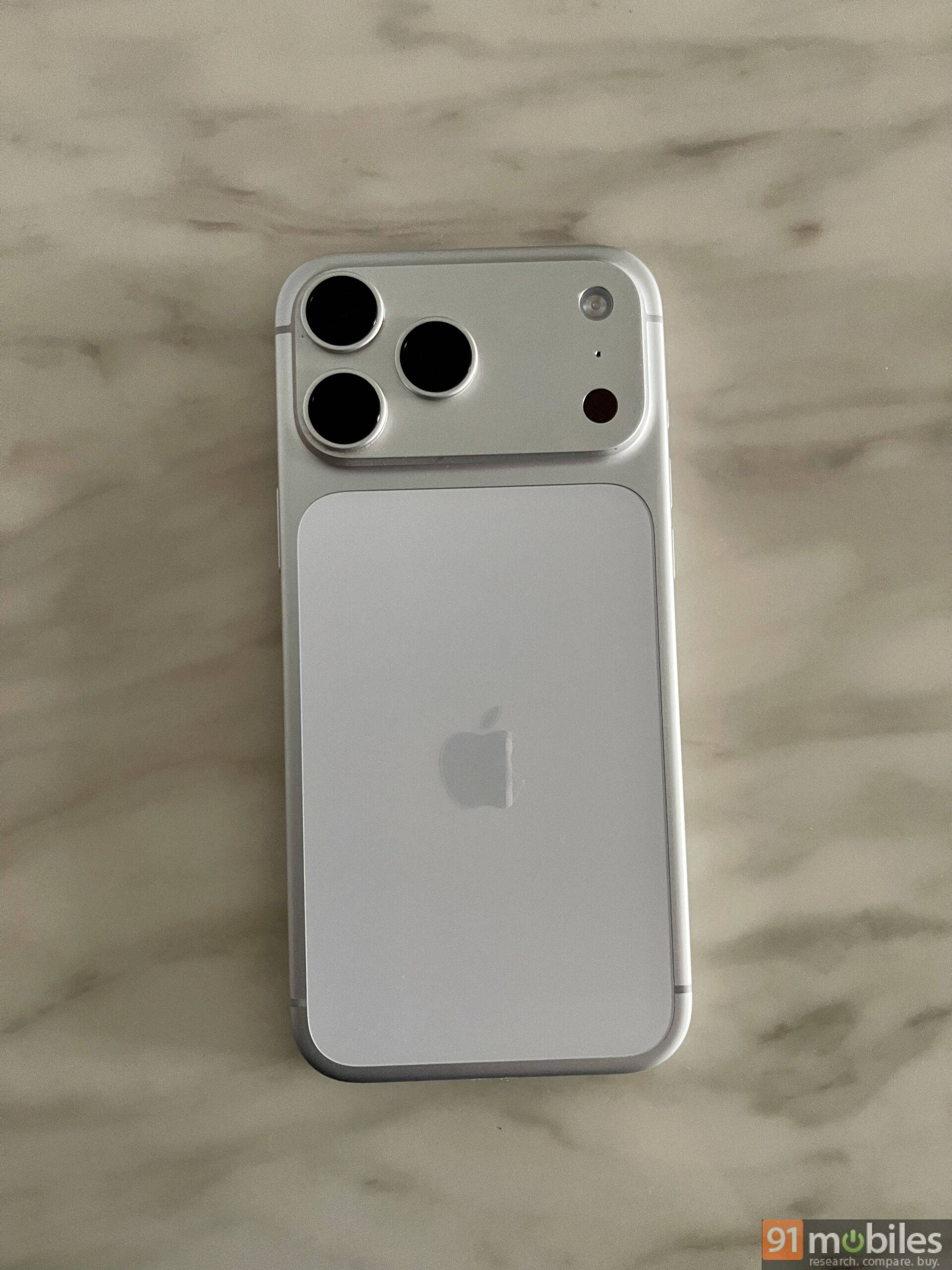
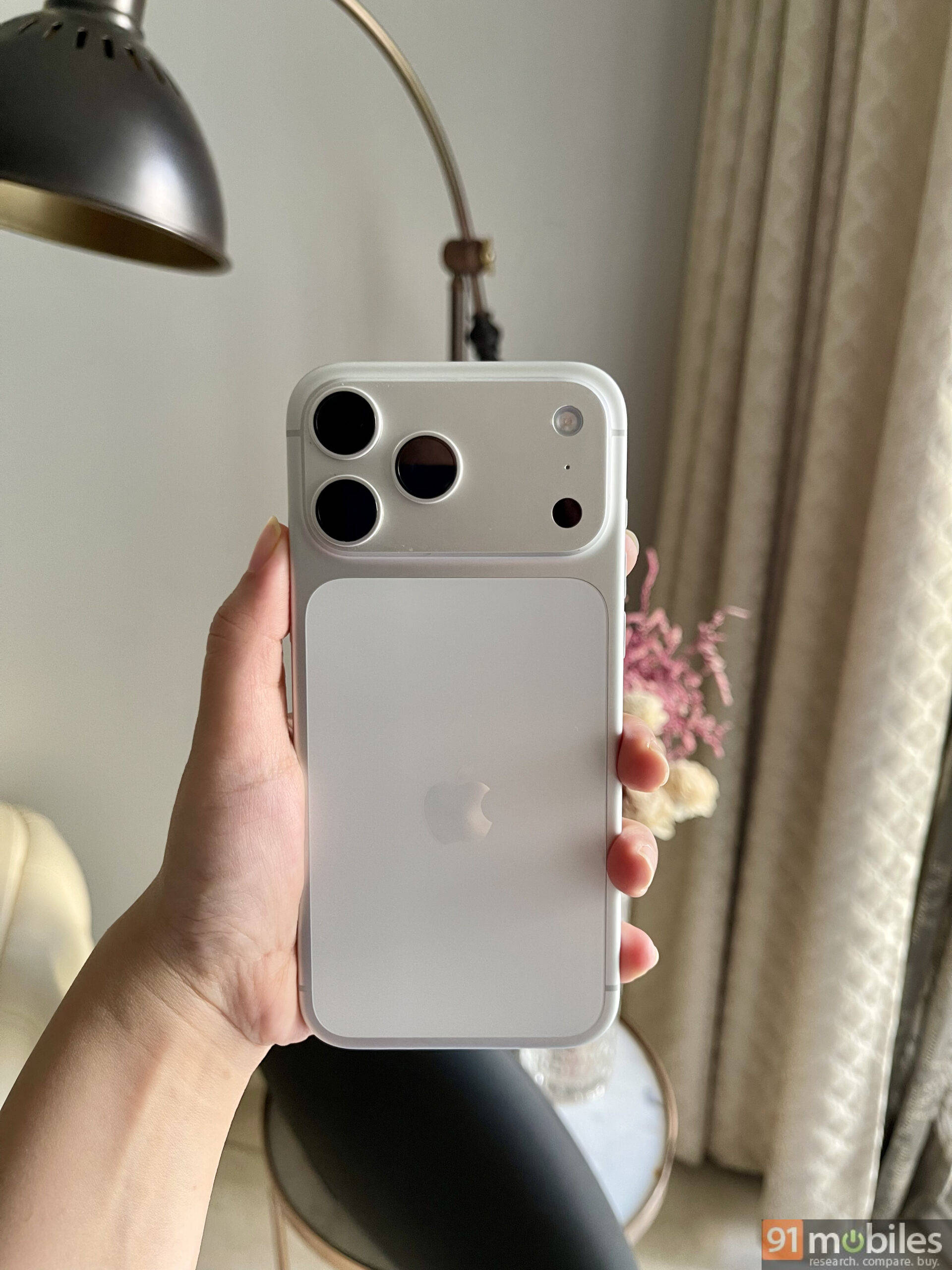
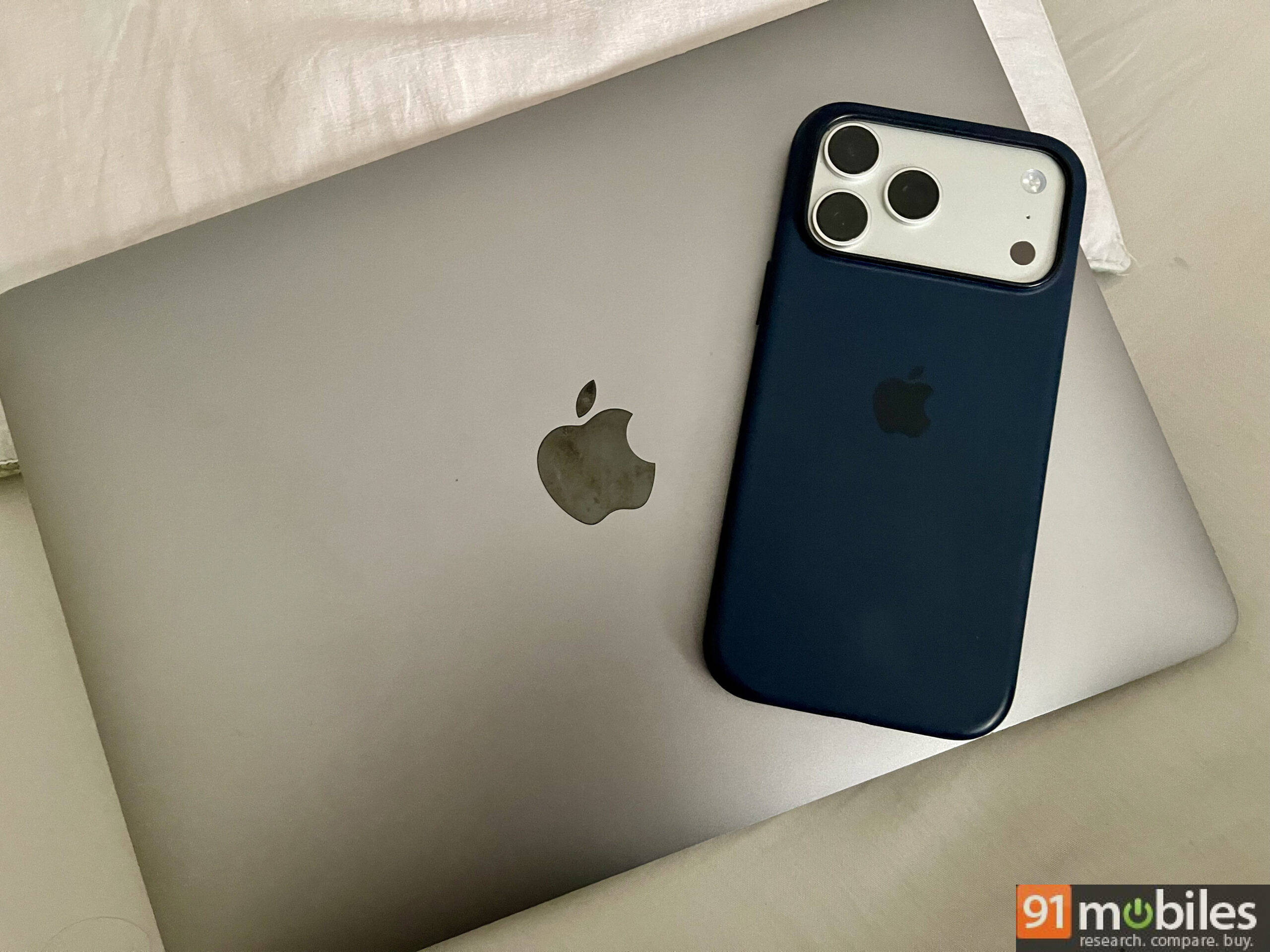
The camera plateau was harder to warm up to aesthetically. Compared to older iPhones, it feels visually louder. The two-tone rear, with a camera block on one side and matte, lighter-toned aluminium on the other, isn’t something I’d call elegant at first sight. But like most things with this phone, and even as our iPhone 17 Pro Max review after launch noted, it grows on you. Call it design Stockholm syndrome if you like. That said, I’d prefer a more uniform back. Maybe that’s what the iPhone 18 Pro Max is for.
Coming to the colour, I chose the Silver variant particularly because early reports flagged chipping and scratching around the camera module on darker colours, where the exposed metal underneath is more noticeable. I’d be lying if I said I didn’t notice them first-hand on demo models too. But my Silver variant, six months later, looks pretty clean — no scratches, no dents, no looseness in any of the buttons. That, I’ll admit, is partly luck and partly the Apple Silicone Case with MagSafe, which I’ve been using from day one.
But my Silver variant, six months later, looks pretty clean — no scratches, no dents, no looseness in any of the buttons.
The case deserves a proper mention. It adds grip, ages well without turning sticky, and eliminates those small moments of panic that inevitably come with carrying a Rs 1.5 lakh slab of glass and metal. Using the phone without it now feels vaguely irresponsible. Quietly, it’s one of the better accessories Apple makes.
The camera: dependable, but occasionally dramatic
The camera doesn’t try to impress you with every shot, let’s be honest. What it does instead is show up consistently, and after six months, I’ve come to value that more than occasional brilliance.
In good light, shooting feels almost thoughtless. I don’t compose carefully for every frame, and I don’t review each shot afterwards. Whether it’s a burst of a moving subject or a quick click mid-walk, there’s a reliable baseline quality that makes most photos usable without effort. The main camera handles this with ease. The photos are sharp without looking aggressively processed, skin tones are natural, and exposure is stable even across bursts. Shooting with it feels confident.
Low light changes the dynamic, though not always for the worse. The phone can produce well-exposed images in genuinely difficult conditions, but it asks for cooperation. I’ve caught myself holding still for an extra second while shooting indoors or at night, instinctively giving the processing the time it needs. When subjects are moving, that pause becomes more costly, and I usually take a second shot just in case. The results are good, often very good, but computational photography becomes visible at this point. Textures smooth out, details flatten slightly, and the final image has that polished, slightly constructed quality.


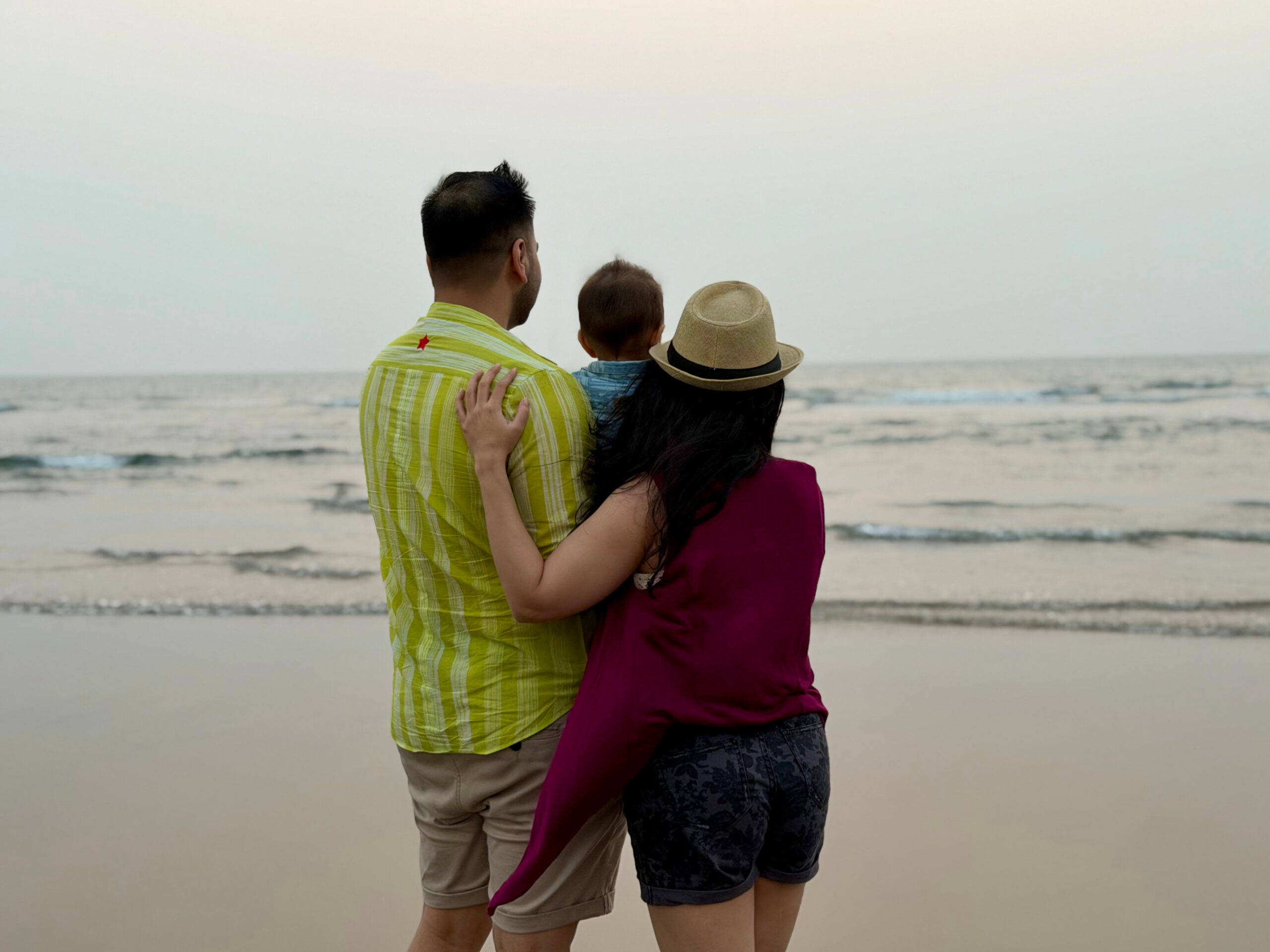




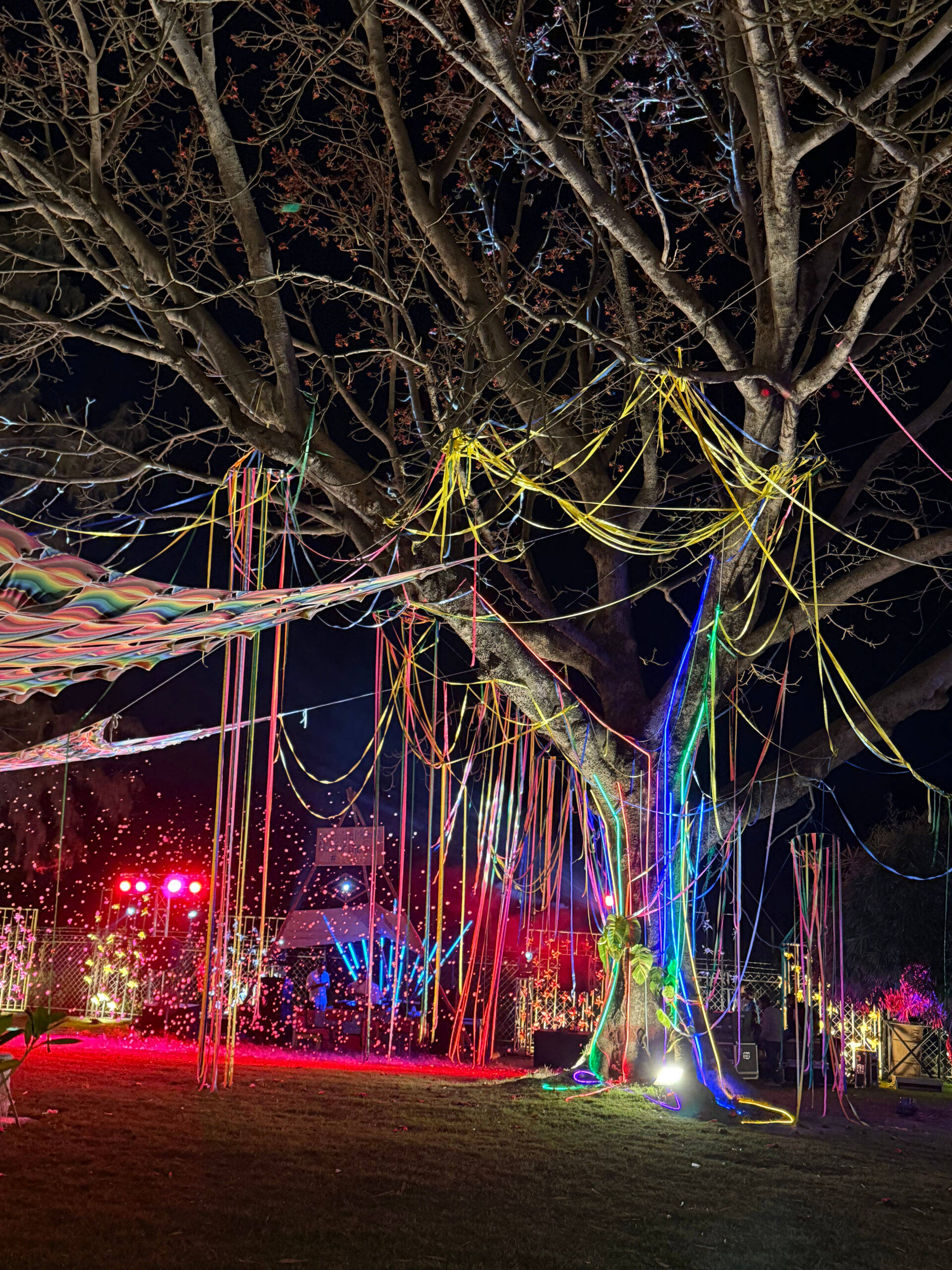




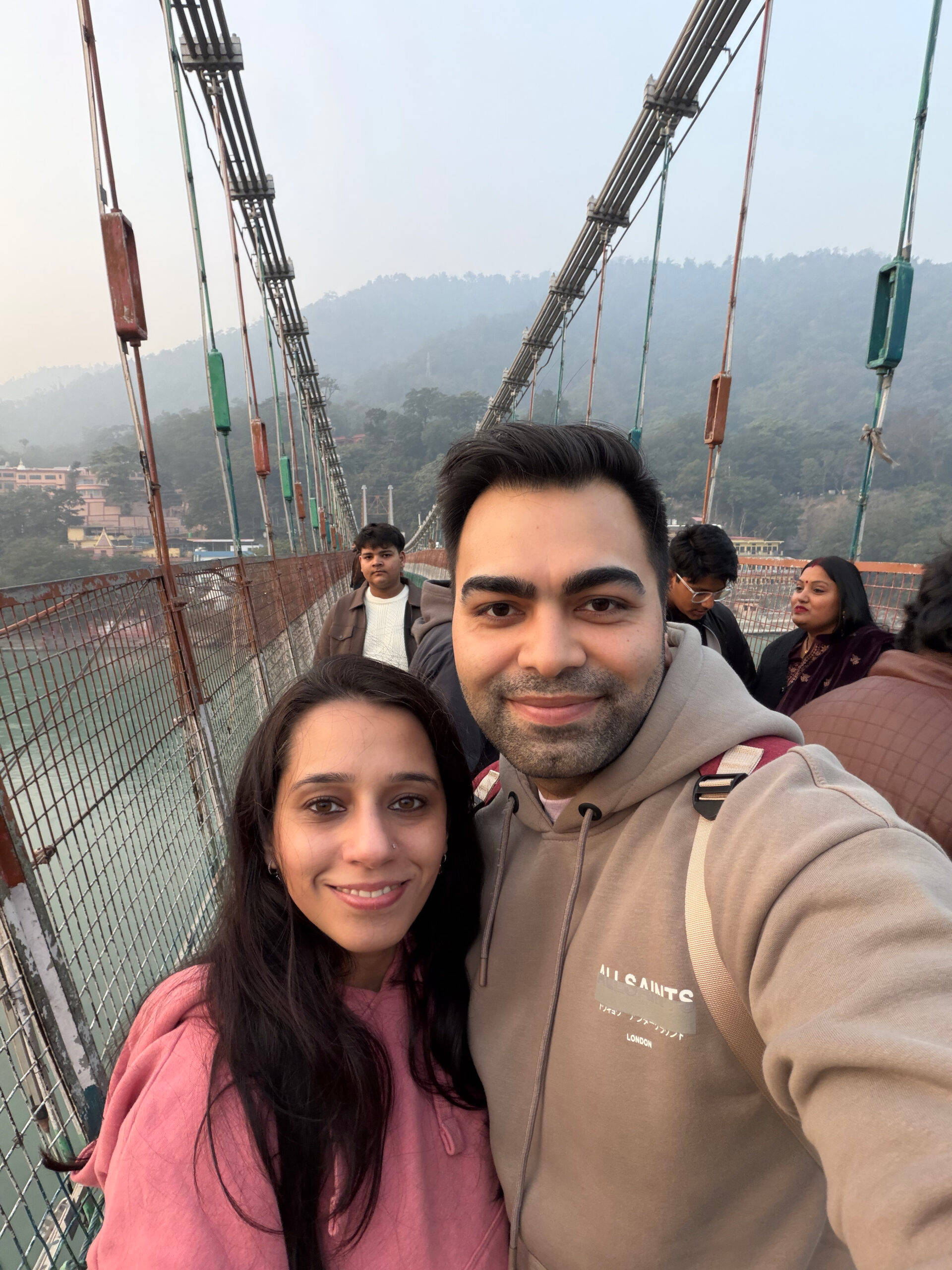
The ultrawide is useful without being exceptional. Colours stay consistent when you switch lenses, but edge sharpness drops noticeably. It’s the lens I reach for when I need the framing, not when I care about fine detail.
The telephoto is where the upgrade over older iPhone Pros feels most tangible. The added reach genuinely changes what you can photograph — distant subjects, landscapes from flights, candid moments from across a room. On the iPhone 12 Pro Max, shots that previously required heavy digital cropping are now actually frameable. Push the zoom further, though, and softness creeps in quickly.
The front camera deserves more credit than it typically gets. Centre Stage sounds like a gimmick until you live with it. Selfies and video calls feel less self-conscious because you’re not constantly adjusting yourself into the frame; they simply follow you. It removes a friction point I didn’t realise was bothering me until it was gone. In low light, the front camera follows the same pattern as the rear, though. The results look fine at a glance, but a close inspection reveals smoothing and loss of detail.
Video is where the phone feels the most polished and dependable. Stabilisation while walking is absurdly good to the point where movement almost disappears from the final footage. The microphones also do a surprisingly clean job in noisy environments, separating voices from surrounding chatter without making audio sound artificially isolated. The weak spots show up mostly in low light. Switching between lenses while recording still causes a noticeable dip in sharpness and introduces extra noise, especially when moving from the main camera to the ultrawide. Longer 4K recording sessions also warm the phone up after a few minutes.
Over time, I’ve stopped evaluating the camera shot by shot and started understanding its behaviour instead. In good light, it’s effortless. In low light, it asks for patience. That feels like a reasonable deal.
Battery, speakers, and performance: the luxury of not thinking about it
The highest compliment I can give the battery is that I’ve stopped thinking about it.
On moderate-to-heavy days, the phone comfortably gets through the day and often into the next. Push it harder with gaming or extended media sessions, and it becomes a reliable one-day device. However, the drain is steady and controlled, with no sudden percentage drops that send you scrambling for a charger. After a while, you stop checking the battery icon because you already know roughly where it’ll be.
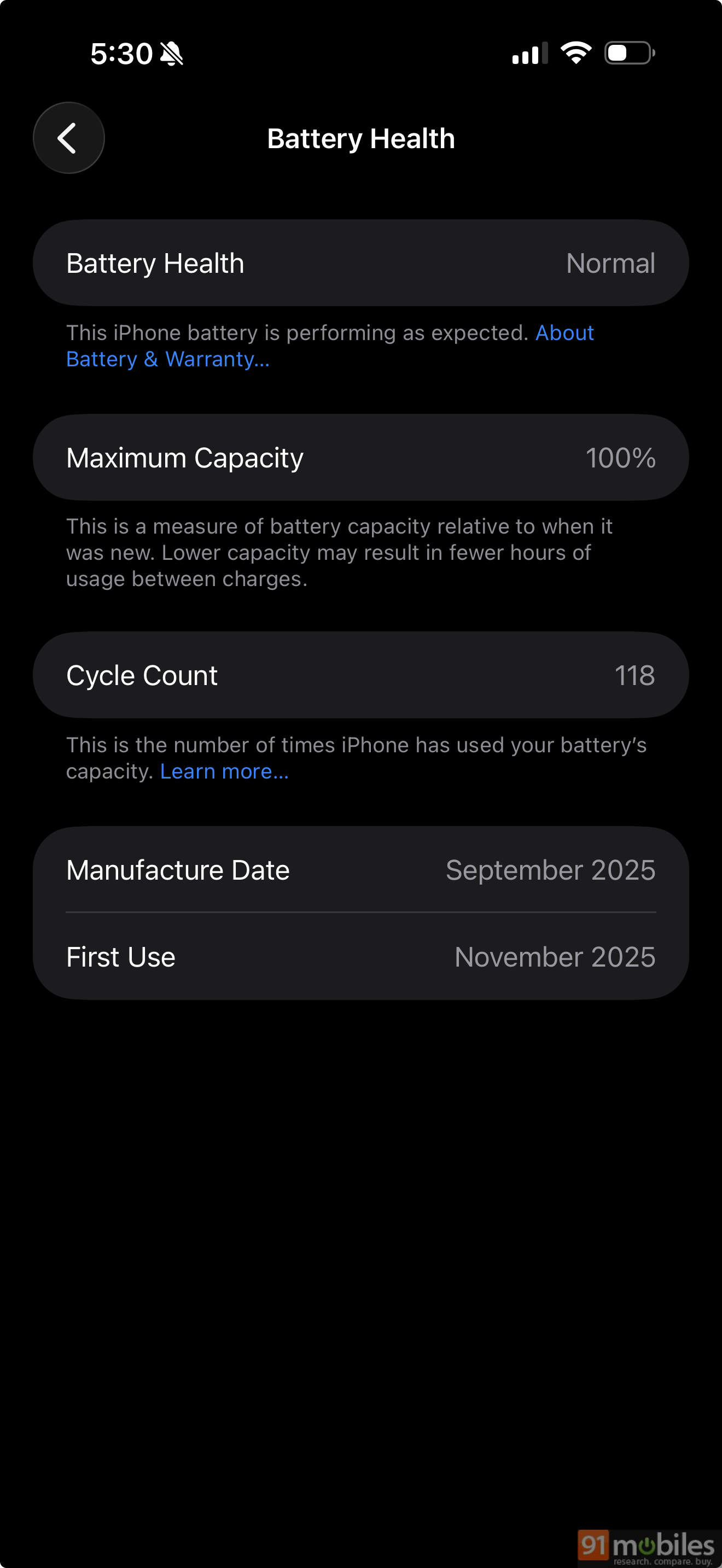
Six months in, battery health sits at 100 percent after 118 cycles, which I’ll attribute at least partly to keeping it between 20 percent and 80 percent as a habit. One caveat worth knowing: the 80 percent charging limit isn’t a hard stop. Leave the phone plugged in long enough, and it will creep slowly past the limit toward 100 percent. It’s not a significant issue, but if you’re relying on the cap strictly for longevity, it’s worth being aware of.
Six months in, battery health sits at 100 percent after 118 cycles.
Charging speed is a meaningful improvement over the iPhone 12 Pro Max, even if Android flagships are still playing an entirely different sport. The faster top-ups are, the more planning anxiety they reduce. Heat during charging is mostly resolved, too — credit to the new vapour chamber — though peak Indian summers do warm the phone slightly. That feels less like a hardware flaw and more like physics doing what physics does. The only other time the phone warms up noticeably is during extended AI app usage.
The speakers have improved more than I anticipated. They’re noticeably louder, clearer, and fuller; vocals are cleaner, stereo separation is genuinely immersive, and there’s no distortion even at high volume. I find myself watching content directly on the phone instead of reaching for earbuds far more often now. That, probably more than any spec sheet, tells you something.
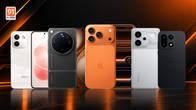
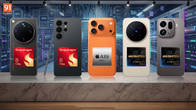
Performance has nothing substantial to report, which is exactly what you want. No lag, no crashes, no restarts. The phone behaves exactly like it did on day one. However, we’ve seen a number of Ultras take stage post the debut of the 17 Pro Max, and here’s how numbers stand:


Looking at the numbers alone, the iPhone 17 Pro Max is clearly outscored by newer Android flagships, especially devices built around Qualcomm’s latest Snapdragon 8 Elite Gen 5 chipsets. On paper, that gap looks massive. In actual day-to-day use, though, I genuinely would not have guessed it. Six months in, the phone still feels absurdly fluid. Apps open instantly, multitasking is effortless, animations remain smooth, and there hasn’t been a single moment when the phone has felt slow or overwhelmed. That’s the funny thing about iPhones sometimes, they benchmark like they’re losing the race while behaving like they never got the memo.
Software: where Apple still feels behind
The hardware earns its asking price, but the software is where the questions begin. Apple Intelligence exists, but six months later, it still doesn’t feel particularly intelligent. At Rs 1.5 lakh, I’d want Siri to understand me with the contextual fluency that something like ChatGPT already offers. Instead, Apple’s AI features frequently feel half-finished.
The Clean Up tool works okay, just okay, in simple scenarios, but upper mid-range Android phones regularly produce cleaner results in complex and simple ones both. Priority Notifications sounds better in theory than it works in practice. Alerts are filtered and stacked, but the logic isn’t consistent enough to trust. I’ve missed messages that mattered while less important ones got surfaced. It’s useful as a rough filter, not reliable as a system.
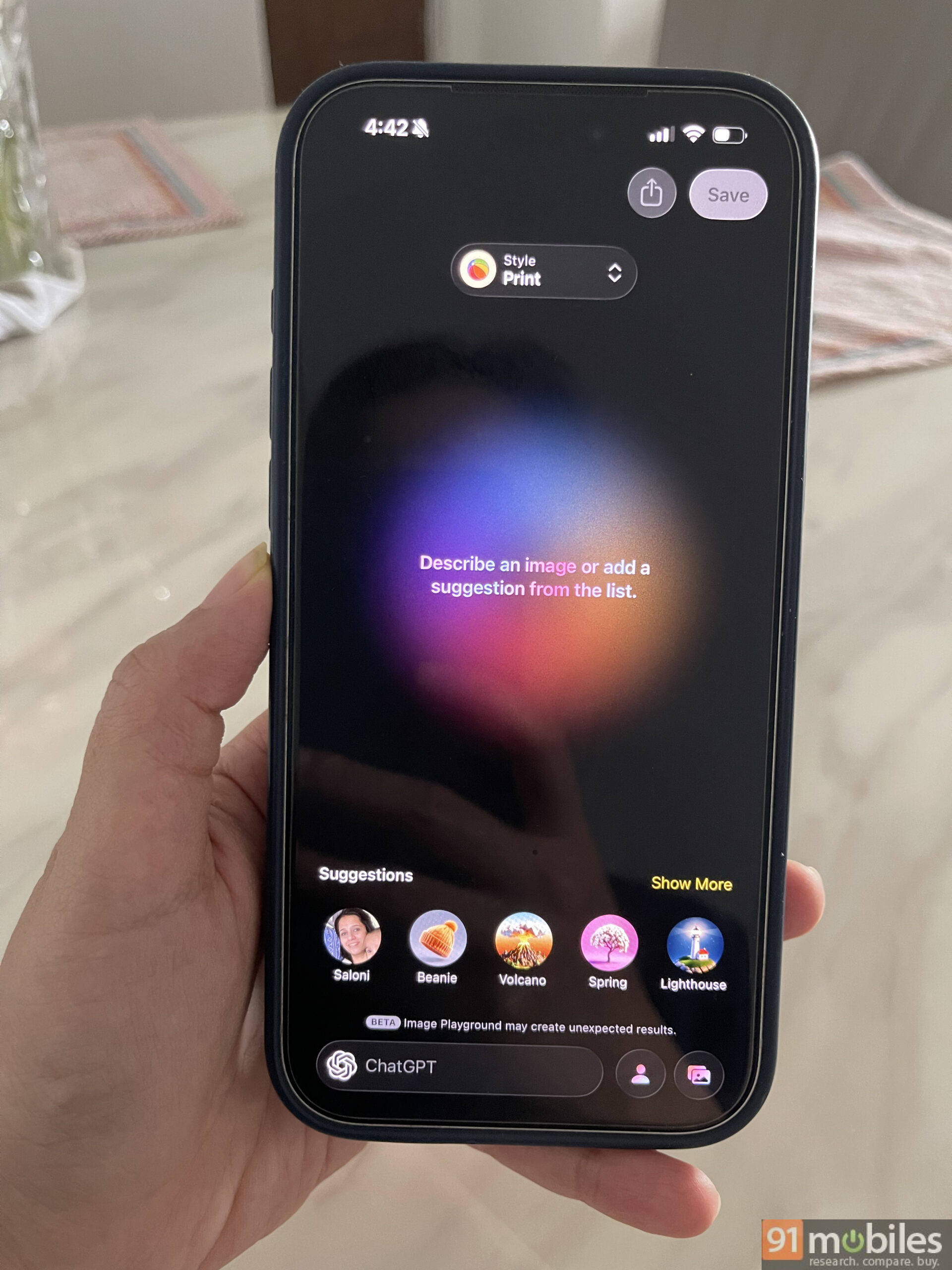
iOS 26’s redesign also took time to settle with me. Liquid Glass initially felt like a stark visual departure, almost Android-like in its emphasis on transparency and customisation, to the point that I delayed updating from iOS 18 longer than I usually would. As Apple added more controls for visual intensity, the interface started to feel familiar again. However, what I realise is Apple’s software identity is no longer built purely around simplicity. It’s trying to combine that simplicity with the flexibility Android users have had for years. Surprisingly, it mostly works, but it’s clearly a transition.
At Rs 1.5 lakh, I’d want Siri to understand me with the contextual fluency that something like ChatGPT already offers.
Some features still feel stronger in keynote demos than in real life. Eye Tracking and Live Captions are technically impressive, but six months in, I almost never use them. They feel like groundwork for something in the future rather than features for right now, especially in India. The Visual Intelligence shortcut with the ChatGPT integration works as intended, but we’ve had Google Lens do that for a while, so I wouldn’t be wowed there.
The genuinely useful software addition is call screening. Unknown numbers are filtered automatically, and I almost never deal with a spam call directly anymore. In India, where voicemail itself isn’t particularly practical, this one feature has improved daily life. Transcription, on the other hand, is inconsistent to the extent that I never started relying on it.
The ecosystem: the actual reason people stay
At some point during your iPhone journey, you realise the phone is only half the product. What Apple actually sells is continuity, and it remains the most underrated part of this purchase. AirDrop is probably the feature I’d miss most if I switched. Sharing files, photos, links, and videos between Apple devices is so instinctive by now that I barely register it as a feature. Universal Clipboard, Continuity, automatic syncing, all of it fades into the background until you use something else and suddenly notice how much friction you’d been quietly spared. Happened to me while I switched to an Android upper mid-ranger for a short while, and then quickly went back to my OG daily driver.
The AirPods experience captures this well. Pausing audio on the iPhone and seamlessly continuing it on an iPad without manually reconnecting anything still feels quietly clever every time.
The frustrating side of the ecosystem is that it’s excellent internally and deliberately awkward externally. AirDrop is magic within Apple’s world. Universal file sharing with anyone outside it remains unnecessarily clunky by comparison. Samsung, Google, and others are slowly closing this gap, which makes Apple’s walls feel more intentional than inevitable.
Final take
After six months, the excitement around the iPhone 17 Pro Max hasn’t disappeared. It’s just transformed into something quieter: familiarity. Strangely, that’s the more impressive outcome. This isn’t the most feature-packed flagship on the market. It isn’t the most ambitious. Apple Intelligence still feels undercooked, Siri still needs to grow up, and there are Android phones doing objectively more interesting things at similar prices.
But here’s what it has done: nothing has broken. Nothing has slowed down. The camera shows up, the battery shows up, and the ecosystem pulls everything together seamlessly. Backups, transfers, continuity across devices, all of it just works in a way that’s easy to take for granted until you’ve experienced the alternative. At some point, admiration stops mattering as much as trust, and this phone has earned the latter completely.
It’s a bit like that relationship where you’re clear-eyed about the drawbacks but too settled in the comfort to seriously consider leaving. Six months in, the iPhone 17 Pro Max hasn’t given me a reason to. If I lost it tomorrow, I’d probably buy the same one again. Thanks, iCloud, for making that decision even easier than it should be. And honestly, that’s the most Apple-user answer possible.