Smart rings have been around for some time now, but we haven’t really taken off in a big way. You may have noticed several celebrities, including Will Smith, Jennifer Aniston, and Prince Harry, wearing these health-tracking wearables, but have you considered buying one? There is enough intrigue in the market, but most people are unclear about which smart ring is the right fit for them and whether they actually need one.
Are smart rings better at health tracking than other wearables? Do we need to charge smart rings daily? Do smart rings track data while offline? All these are valid questions, and I’ll answer all of these questions with regard to Noise’s latest smart ring below.
Here you’ll find out whether the Luna Gen 2 smart ring is the best health-tracking wearable you can buy. To recall, when we reviewed the first-generation Luna Ring back in 2023, we pointed out that while the ring was a good effort in the right direction, there were certain areas where it needed improvement. Let’s find out whether the Luna Gen 2 smart ring manages to get rid of these issues or falls short.
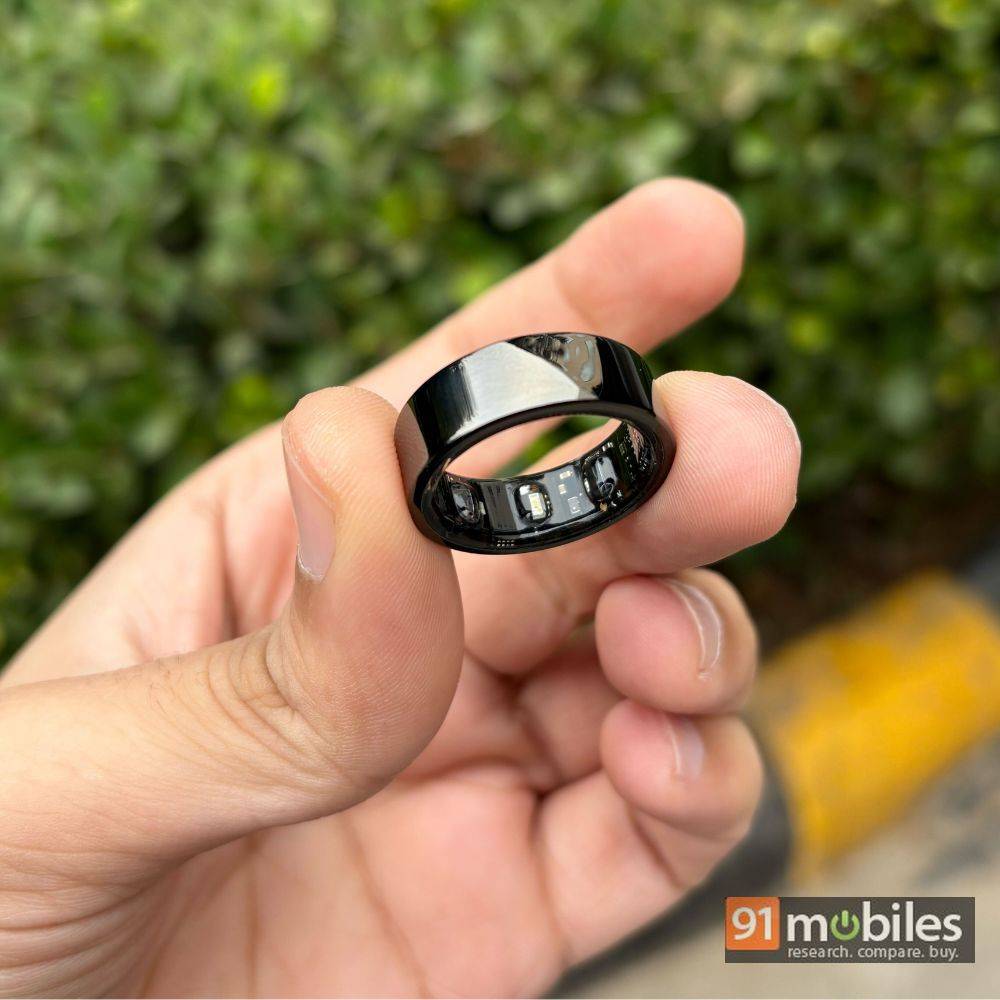
Luna Gen 2 smart ring is currently available for purchase in India at Rs 24,999 and comes in five colour options: Stardust Silver, Lunar Black, Rose Gold, Midnight Black, and Sunlit Gold.
Table of Contents
Stylish and minimalistic design makes a return
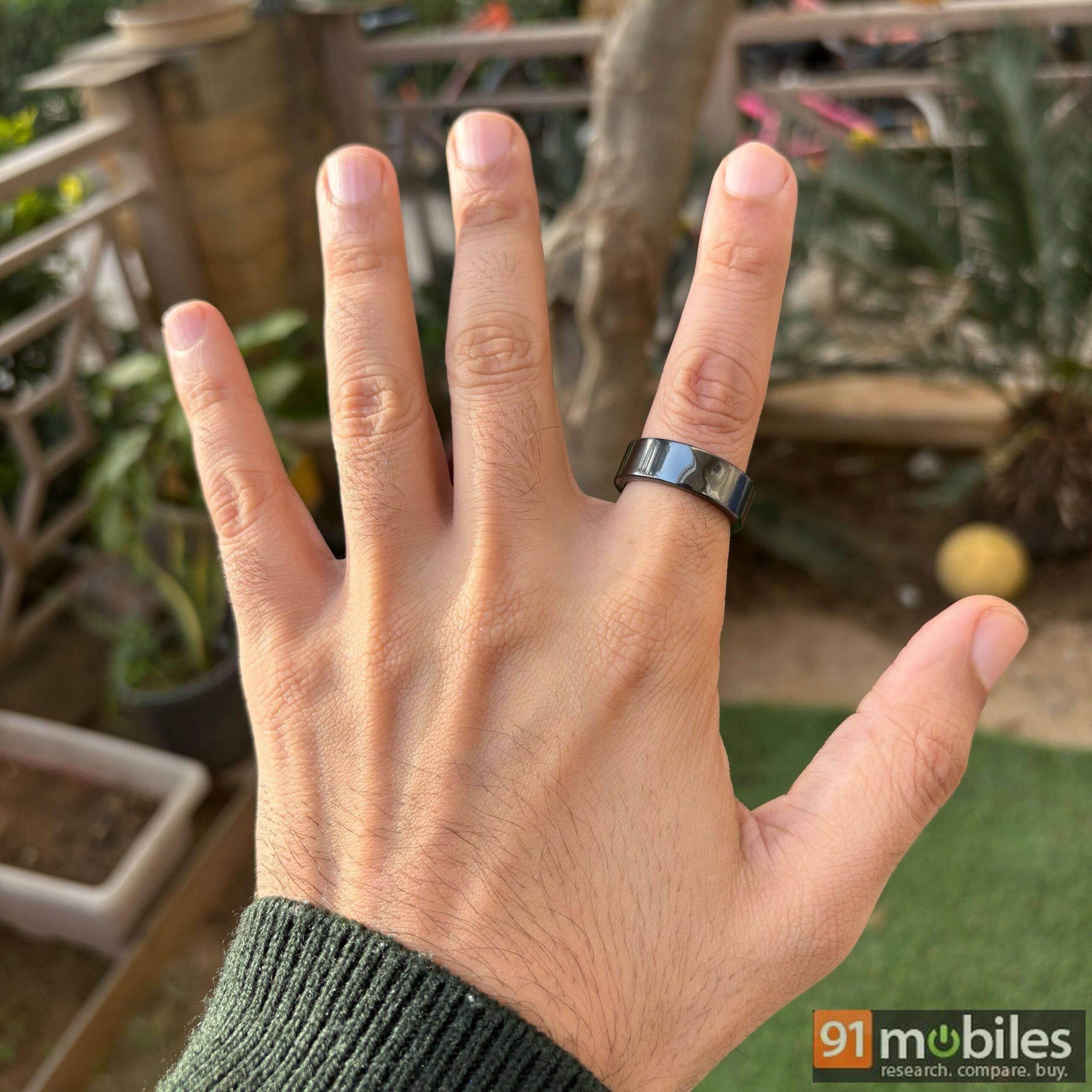
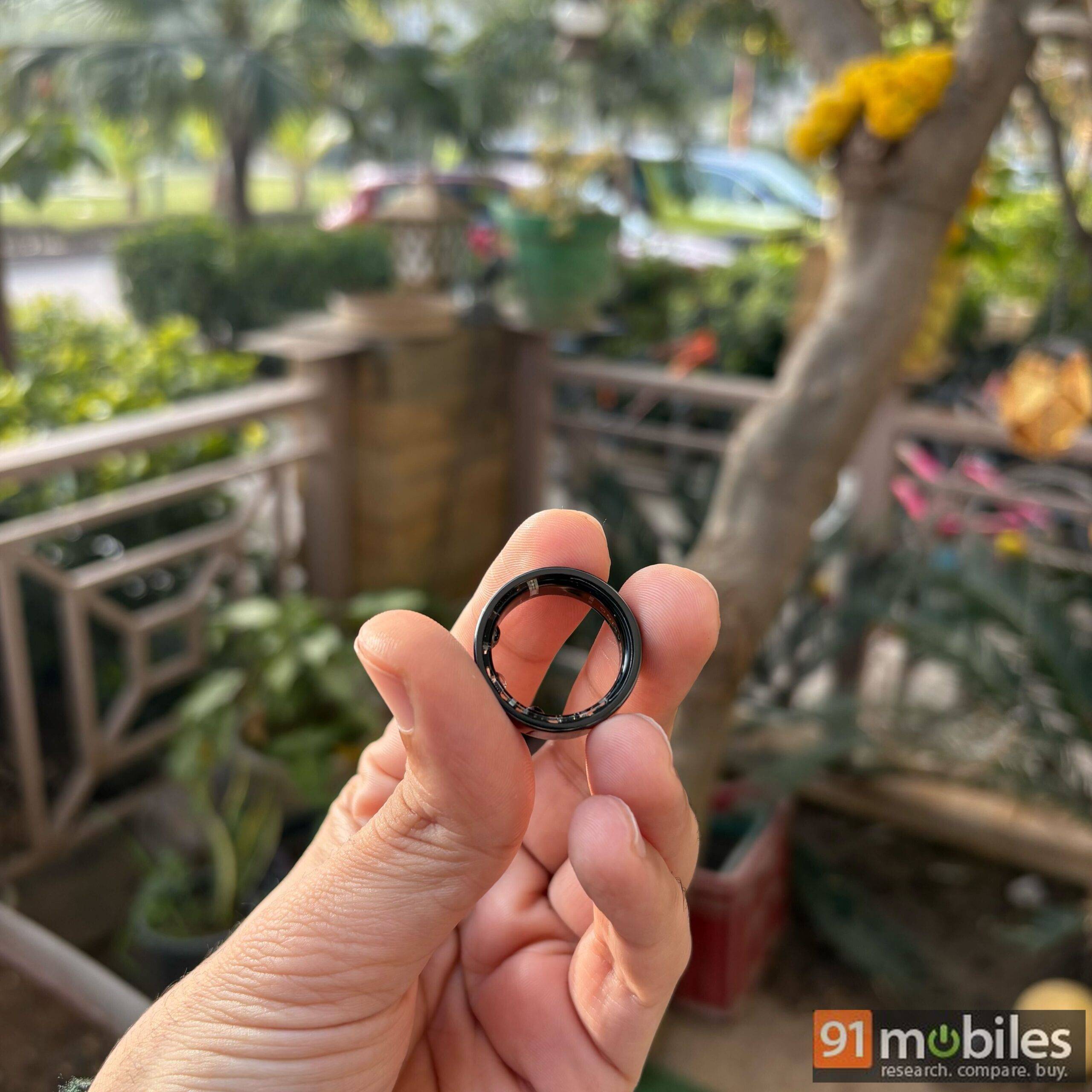
Luna Gen 2 smart ring follows the design philosophy of ‘don’t fix if it ain’t broken’. While most first-generation products struggle to get the design right, the first Luna Ring was fundamentally sound in this department. This is why the Luna Gen 2 smart ring is nearly identical to the first-generation ring. While the brand claims that the ring is now 10 percent smaller and probably feels ever so slightly lighter, as I said, it is nearly identical. But this is not something that should bother you, as the ring is still lightweight, looks elegant, and most importantly for someone like me, minimalistic.
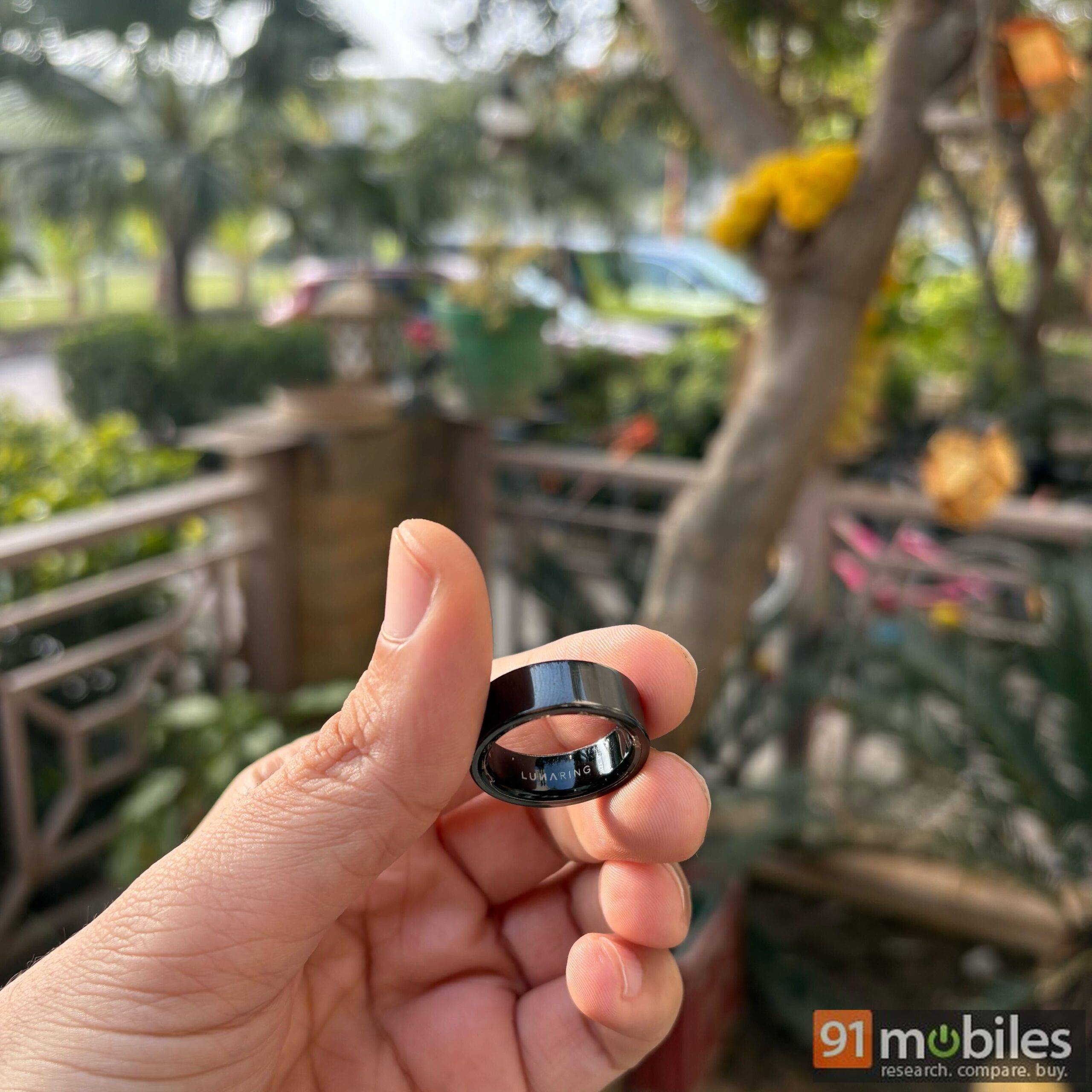
Much like the first generation, the buying process for Ring 2 also starts with you receiving a sizing kit (if you’re not already aware of your size). I found the size 10 to be the perfect fit for me. When you are choosing the right size for yourself, please make sure that you wear the trial ring for an entire day and night at least, so you’re not stuck with a size that feels a bit tight or too loose.
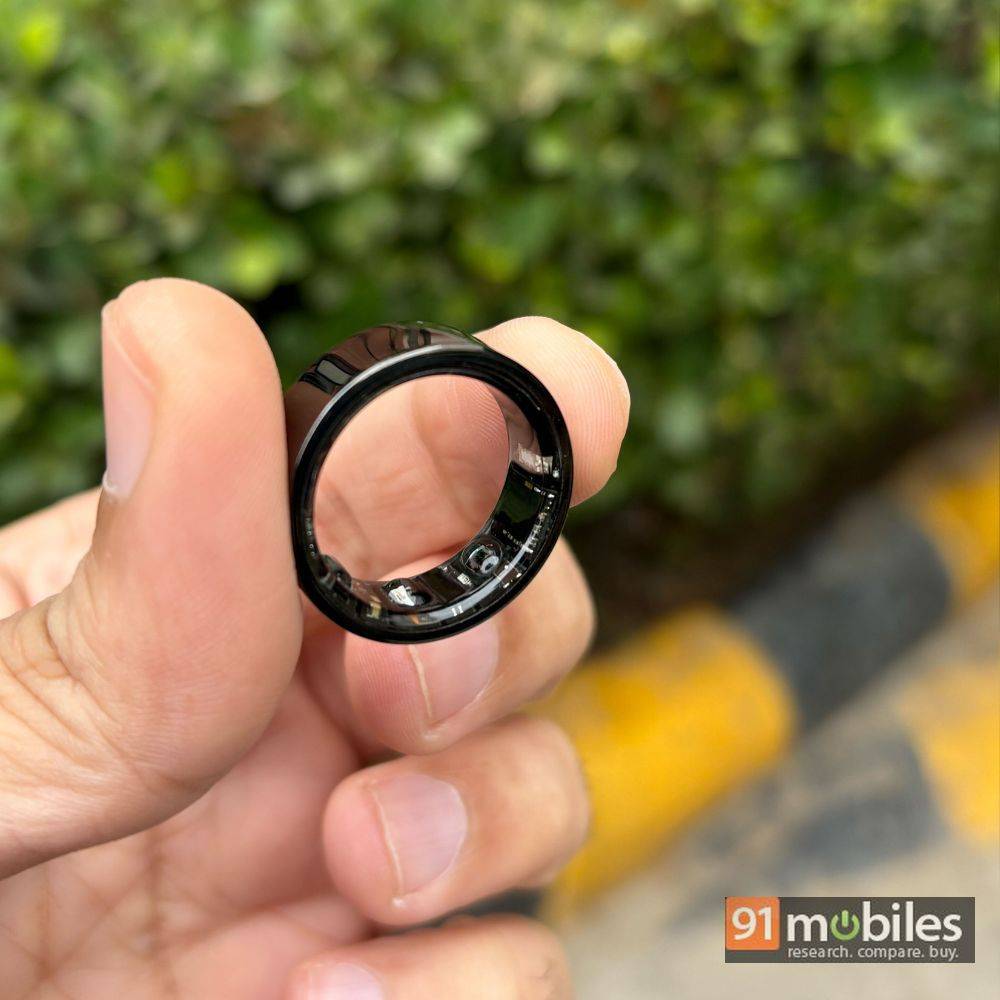
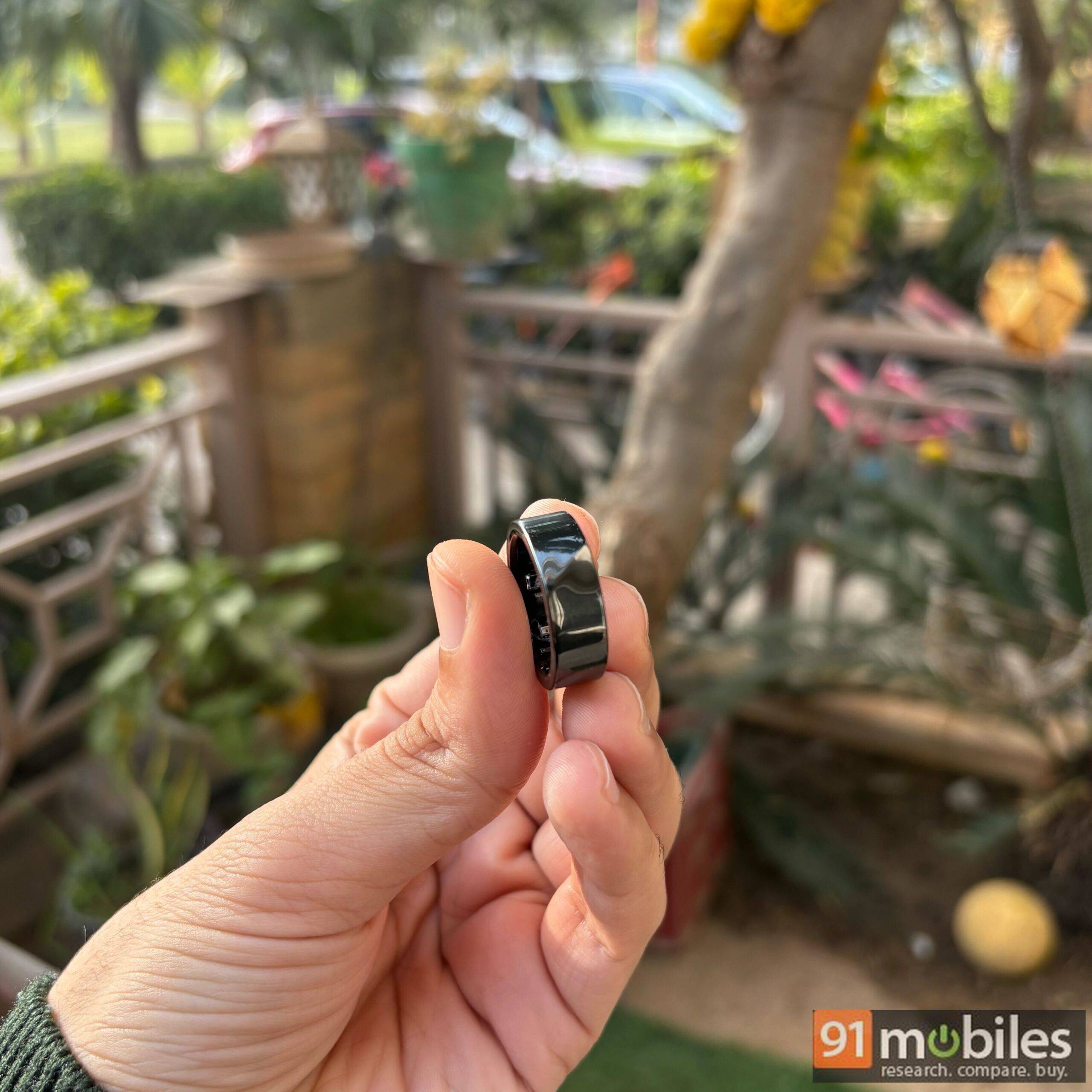
I went ahead with the Midnight Black option (metallic finish), but you can go for even more subdued Lunar Black (matte finish). If you want more options in metallic finishes, you can choose to go for Stardust Silver, Sunlit Gold, or Rose Gold. While I really liked the metallic finish on the Lunar Black variant, it is important to note that it is a fingerprint magnet.
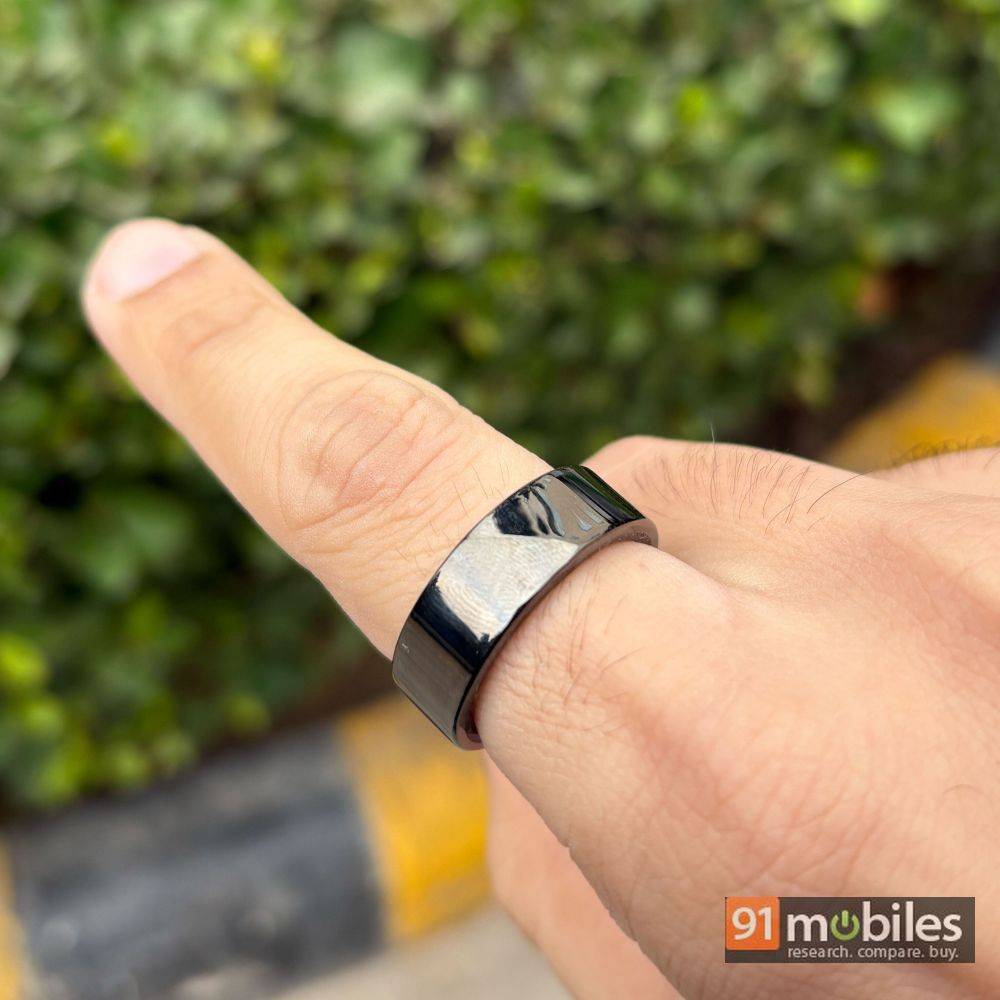
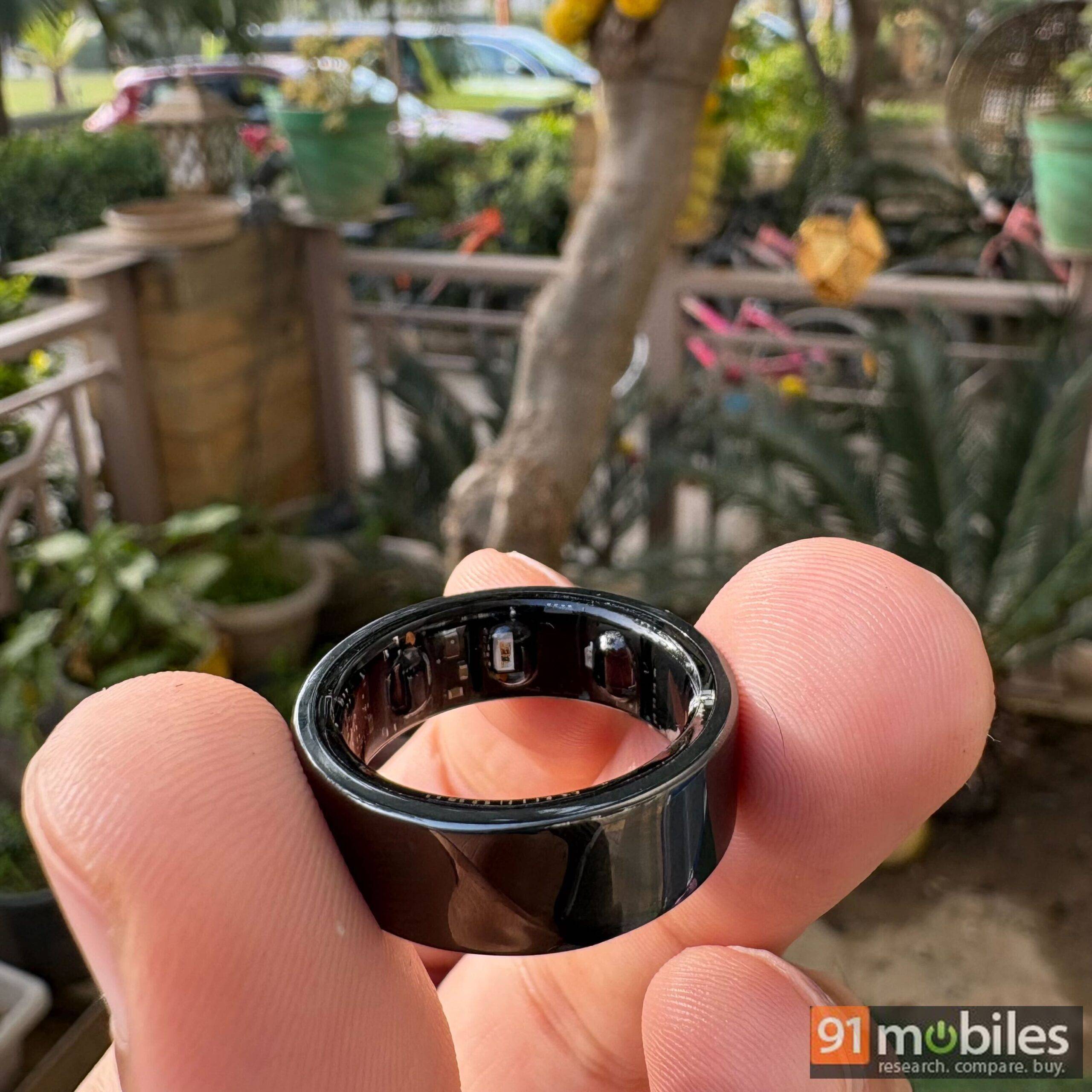
The design aspect of the ring that impressed me the most was the ridge on its surface. Not only does it give the ring its signature look, it also helps you align it properly on your finger without even looking at it. In order for the sensors to correctly pick up the readings, you need to wear the ring in such a manner that the bottom part of your finger rests on the sensor bumps (present on the inner side of the ring). As these sensors are present exactly opposite to the ridge, all you need to ensure is that the ridge is on the top side of the ring when you’re wearing it. This meant that I could wear the ring in the ideal way without even looking at it.
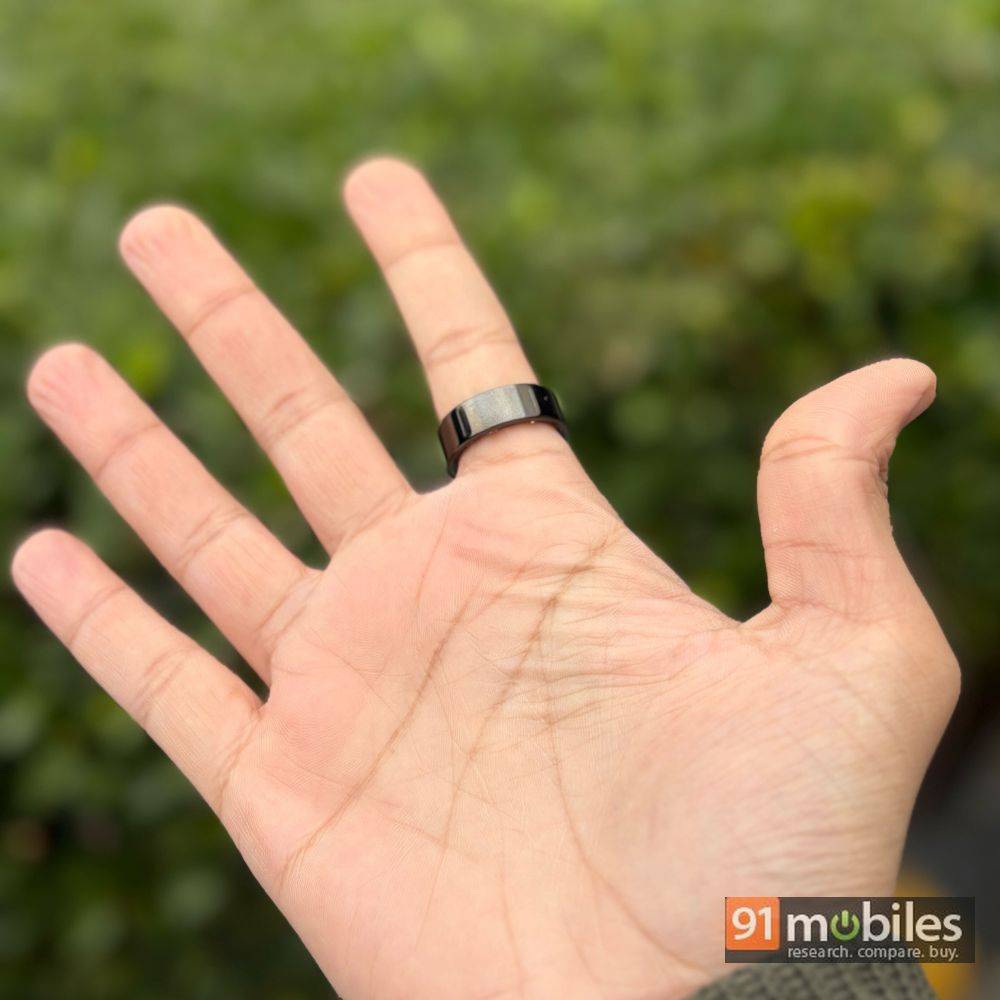
Due to the lightweight and thin design, the Ring 2 never felt uncomfortable in my hand. This meant that I could easily wear the ring overnight for sleep tracking (something I’ve never been able to do with a smartwatch, as I feel uncomfortable leaving it on at night).
As far as durability is concerned, the durable titanium build with PVD coating is water-resistant and holds up really well to daily use. While in the beginning, I was a bit cautious while picking things up and doing things with my hand with the ring on, soon I felt confident in the durability. At the time of writing this review, having used the ring for a month, I don’t have a single permanent scratch on the ring despite relatively rough usage.
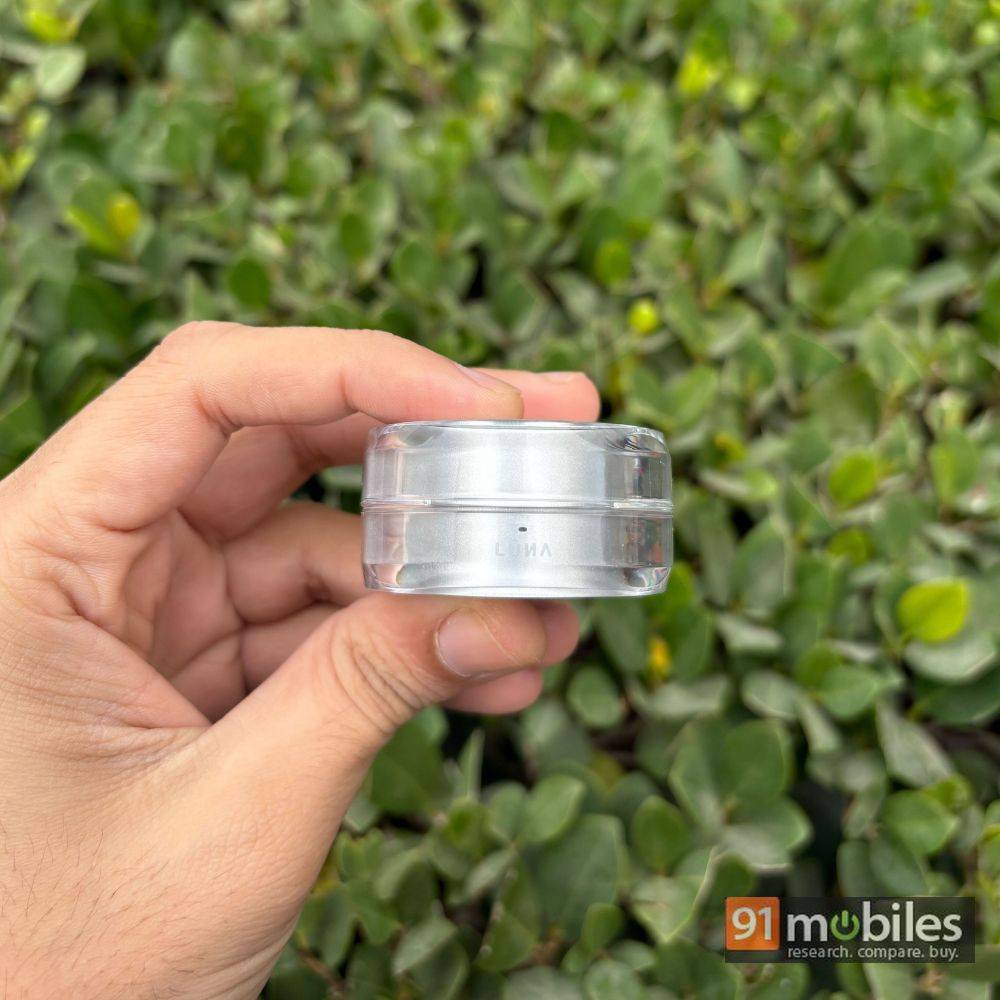
One major improvement with Ring 2 is the inclusion of a charging case. The first ring had a charging pad, but the case included with the Ring 2 makes it look like a fancy piece of jewellery.
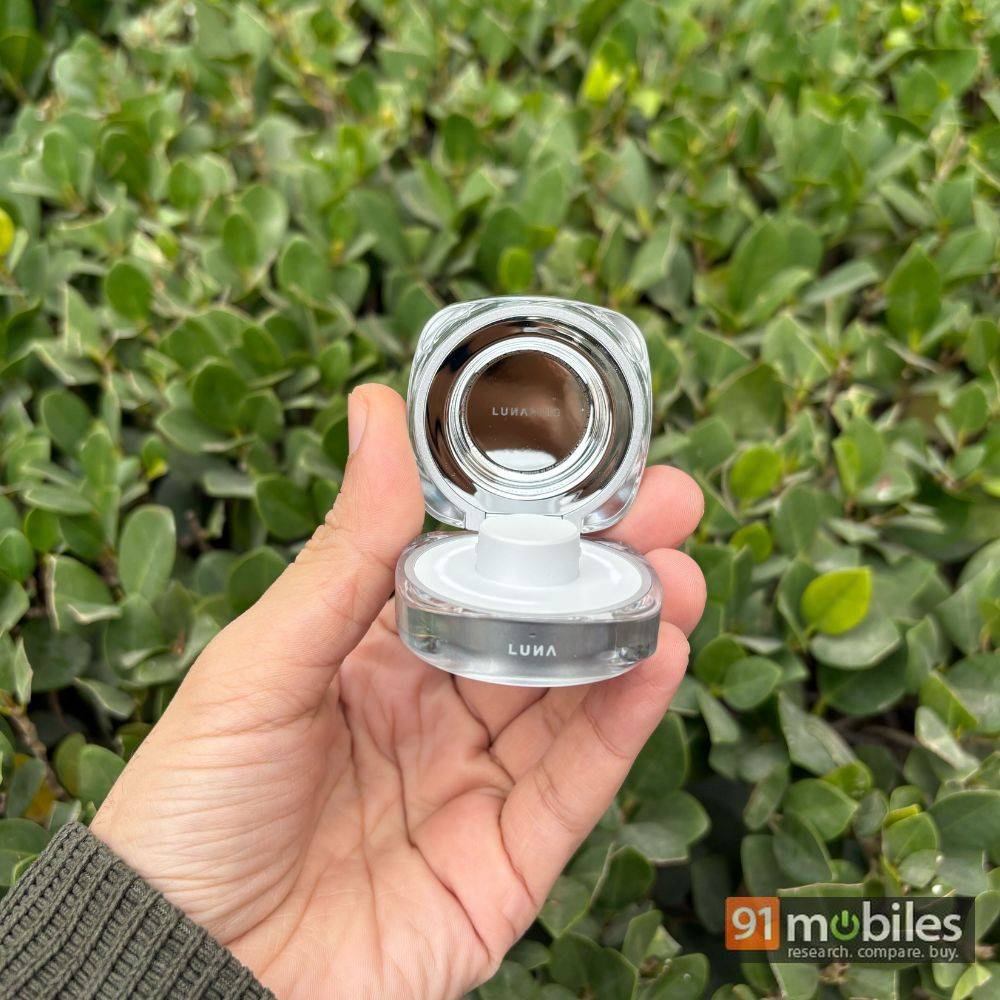
But not just aesthetics, the charging case increases the battery life of the ring substantially. While a lot of people had alignment issues with the charging pad that was clubbed with the first ring, the case included with Ring 2 solves that issue effectively.
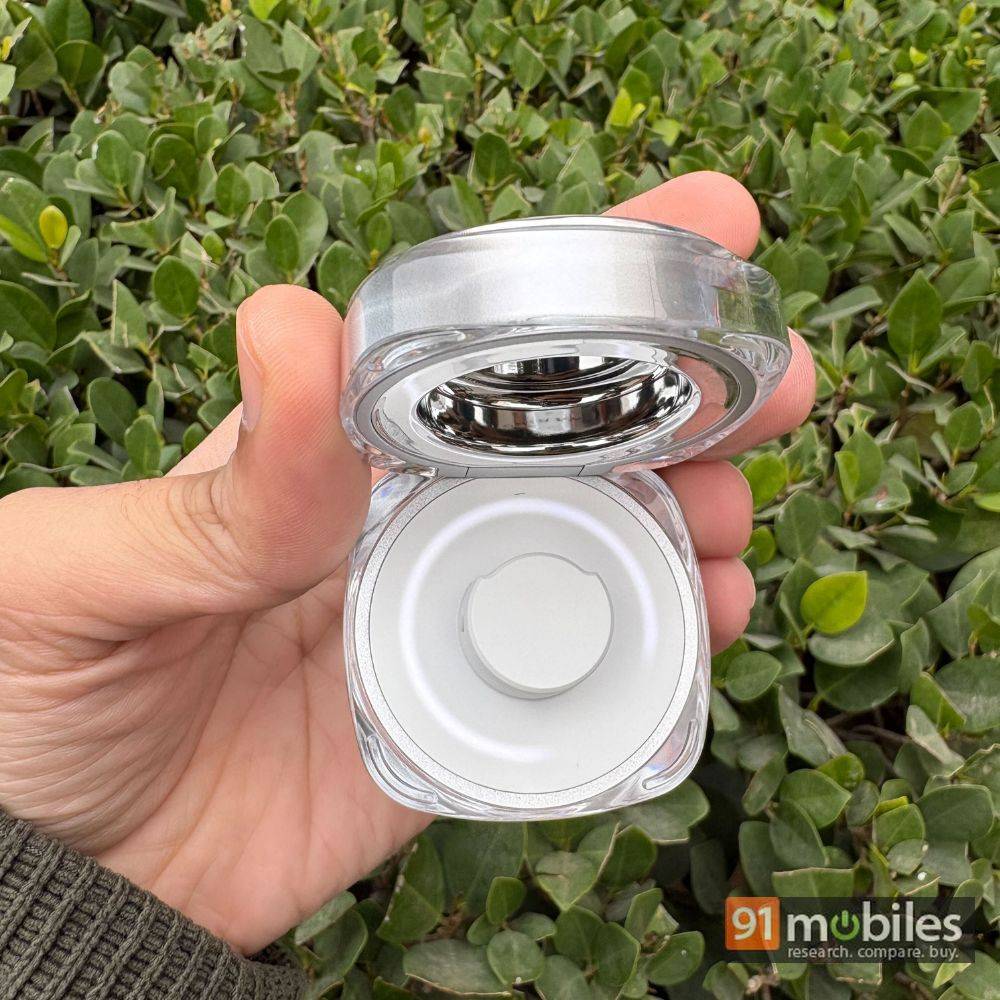
The case even indicates its battery life through a light ring inside, and I’d say that the person who thought of this deserves a raise. It simply looks amazing.
App and Health tracking performance
One of the defining decisions taken by Noise with the Luna Ring series is that the brand does not charge any monthly subscription fee for accessing health metrics. While you might think that after paying a reasonable price for the hardware, you should be eligible for free health tracking (like you do with smartwatches), this is not the case with some other smart rings in the market (as of early 2026). For context, the Oura ring requires a monthly subscription of around $6 (~₹550) while the Ultrahuman Ring Air has some advanced features behind a paywall. Although the Galaxy Ring offers health tracking features for free, Samsung has indicated that some of the AI features might be charged in future. All this on top of the premium price that you already have to pay for the Galaxy Ring. Clearly, Luna Ring 2 is the best of the lot for those of you who want no added expenses.
To get the data regarding sleep, readiness, and your overall activity via the Ring 2, you need the Luna Ring app (powered by the brand’s proprietary AI engine LifeOS), which is available on both Android and iOS. LifeOS engine is said to turn biometric data into actionable health guidance. While I had a minor hiccup while syncing and updating the Ring initially, forgetting the device through Bluetooth settings and syncing again solved the issue.
Let’s first discuss the biggest improvement that the Ring 2 has received via an update just a couple of months back – on-demand tracking of key health biomarkers. While there are several rings in the market that passively measure SpO₂, skin temperature, heart rate, and stress levels, with Ring 2, you can now measure these biomarkers anytime, on demand. This feels like a crucial update, as I found myself manually checking these biomarkers on demand pretty much every single day. Once you’ve used the on-demand tracking of these metrics, it will be very hard for you to switch to a wearable that tracks these biomarkers passively.
Coming to the accuracy of the measurements, let me discuss each category one by one. I’ll start with sleep tracking, as I think there is no better wearable than a smart ring to track your sleep. I have personally tried wearing smartwatches/fitness bands overnight, and honestly, it is not a comfortable experience. In comparison, wearing the Ring 2 overnight was a breeze. In fact, after using it for two weeks, at times I even forgot that I had the ring on my finger.

For sleep tracking, the app shows you your time in bed, REM sleep, deep sleep, and efficiency of sleep (out of 100%). It also shows you your nighttime movements (high, mid, and low). It also tells you how much sleep you need vs how much sleep you managed to get. With the help of REM sleep and deep sleep measurement, it lets you know the time of your restorative sleep in any given session as well.
As far as tracking is concerned, I had a couple of issues with the tracking at first because the ring failed to identify a nap I took and even struggled to register an incident where I had woken up and got myself a glass of water before going back to sleep. However, the tracking improved over time, and the app confirmed with me the next time I took a nap and added it to my sleep time. While I was not sure about the efficiency score that was assigned to my sleep in the first couple of days, I was fairly satisfied with the scores that were being assigned on a consistent basis after this initial period.
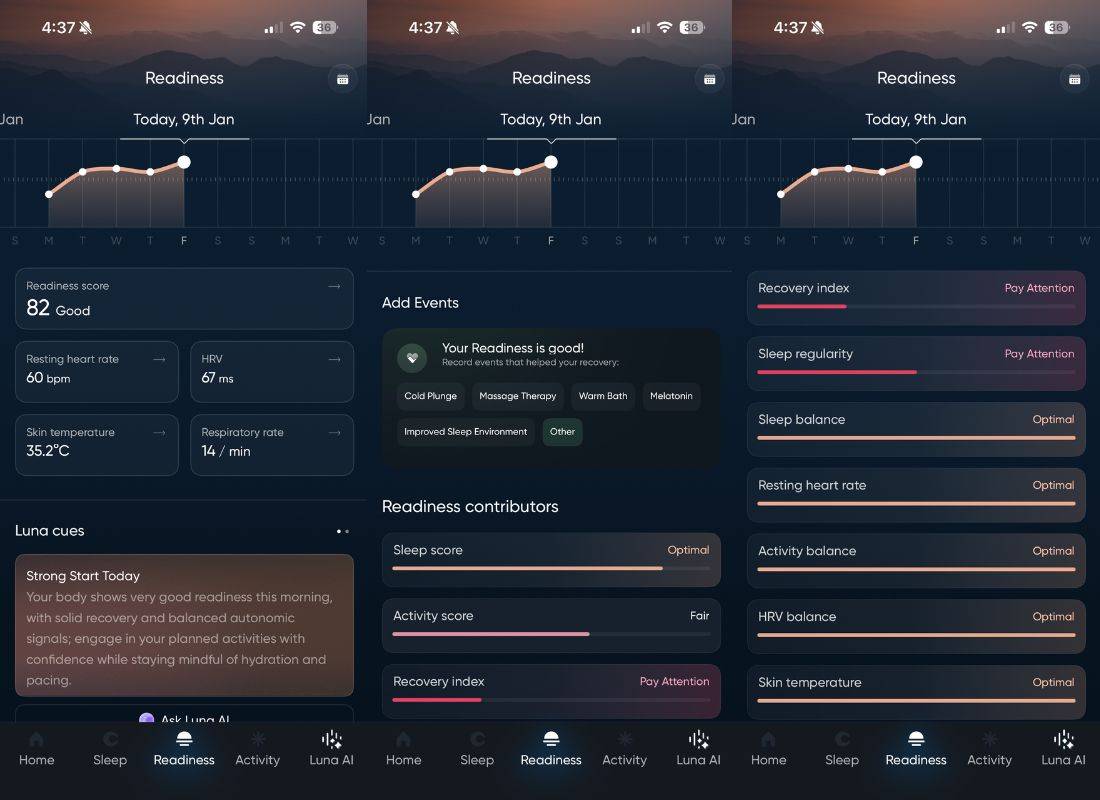
Apart from the sleep score, the app takes into account your resting heart rate, HRV (Heart Rate Variability) balance, Activity Score, Recovery Index, Sleep regularity, Sleep Balance, and Skin temperature to provide you with a Readiness score out of 100.
Your readiness score essentially indicates how ready your body is for daily tasks and whether it needs more rest or activity.
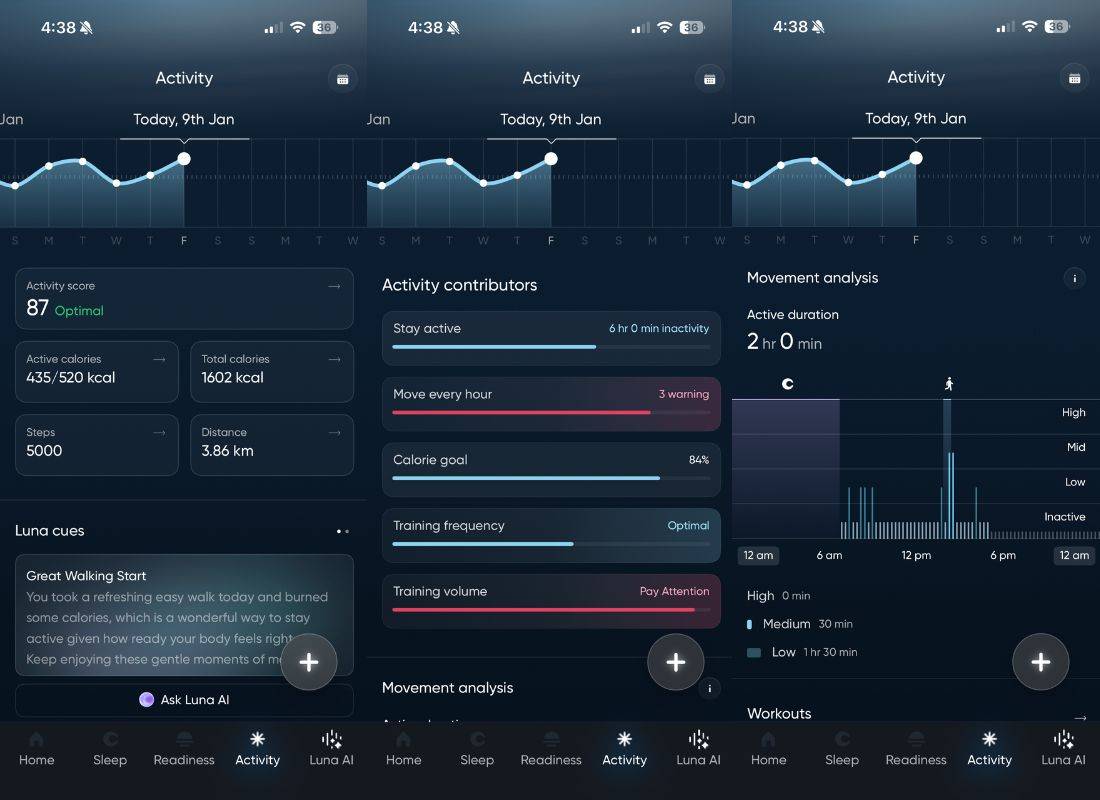
Finally, the Activity score takes into account the number of hours that you have been inactive, your calorie goal, training frequency, training volume, and your workouts. This score lets you know whether your body needs more activity or movement, and how active/inactive it is in comparison with previous days/weeks.
In terms of step tracking, I was surprised by the ring’s performance. To be as precise as possible, I manually counted my steps up to 1,000 and checked how close it was to the number tracked by the ring. As it turned out, the ring tracked my steps to be 1,003. Such a low margin or error meant that I could trust the ring to accurately measure my steps throughout the day.
The difference between the ring and a pulse oximeter when it came down to SPO2 tracking was 1% on average, which again is quite impressive. I didn’t have any device to measure my skin temperature, but the readings from the ring looked just about right.
Stress tracking is the only aspect of this ring that I’m not convinced about. There were instances where the stress should have been noted to be higher, but wasn’t; there were moments where I felt completely relaxed, but the stress score was shown to be reasonably high.
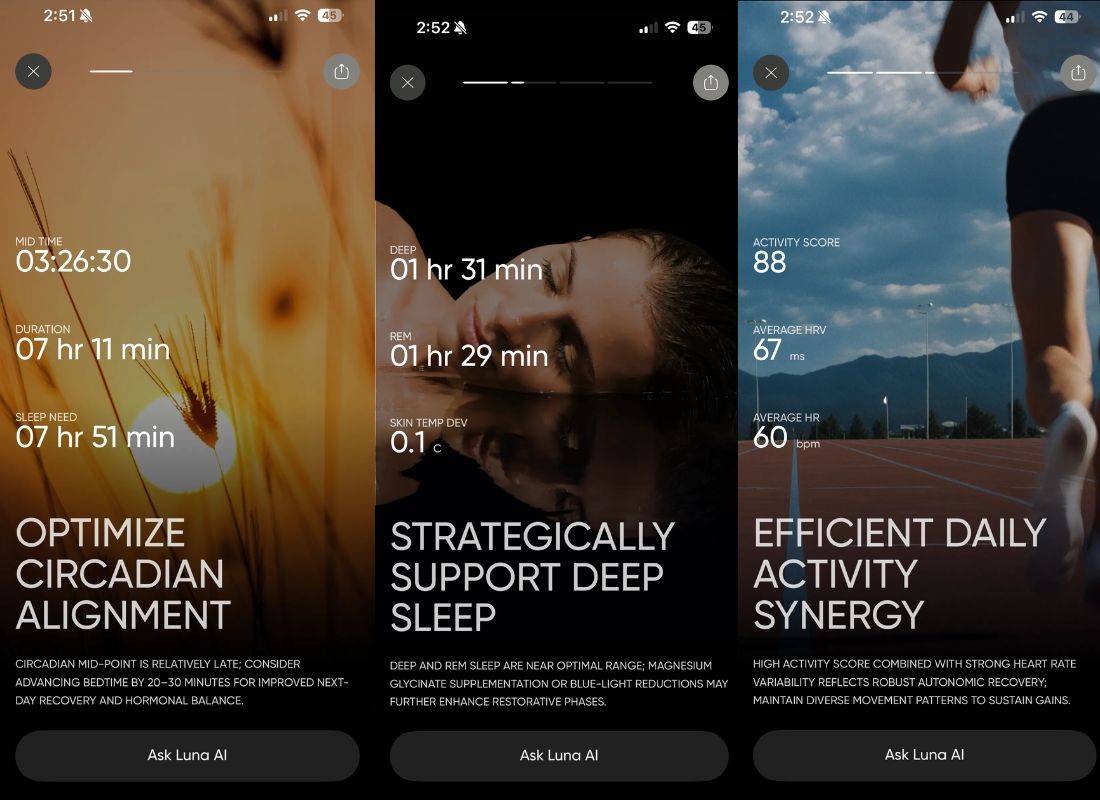
Finally, let’s talk about Luna AI. On the basis of your activity score, readiness score, and your sleep metrics, the AI assistant in the app is capable of setting up a workout and diet plan for you. While the brand has opted for the ‘AI’ buzzword, the assistant essentially answers only a small batch of preset queries and develops a health digest based on some preset ranges that your biomarkers fall in. I’m not saying that the assistant is not effective, because it most certainly is providing useful suggestions; however, the brand can definitely steer away from the AI branding.
One of the notable additions with Ring 2, which we mentioned was absent when we reviewed the first ring, is that you can now sync your health data with Google Fit, Apple Health, and even third-party apps like Clue.
As far as connectivity features are concerned, the Ring 2 utilises low-powered Bluetooth signals to sync data between the ring and your phone. One misconception some people have is that you need the phone close to your ring at all times for health data to be tracked. This is not the case. The moment you bring the ring back to your phone and enable Bluetooth, your offline data is synced with it automatically.
Battery life is more than sufficient
Noise claims a battery life of up to 5 days for the Ring 2 without the case and 30 days with the case. In my usage, I got around 4 and a half days of battery without the case and while I could not test the full battery with the case, it does some very likely in my 20 days of use that the battery life with the case could easily be up to 30 days.
Luna Ring 2 is pricey, but a worthy upgrade
The Luna Ring 2 is a major improvement over its predecessor in every conceivable way and builds on a solid foundation. The ring itself has an elegant, minimalistic design with high durability, and now comes with a case that offers it a battery life of up to a whopping 30 days. The on-demand tracking of biomarkers allows you to not just rely on passive tracking but actively keep track of measurements that matter to you. Despite all these improvements, I would still say that one of the best aspects of owning the Luna Ring 2 is that it offers free access to your health data for life. Unlike Oura Ring or Ultrahuman (partial data access for free), you don’t have a paywall restricting health data.
Having said all this, the Ring 2 doesn’t offer higher accuracy than some of the more affordable wearables and struggles in particular with stress tracking. If you can look past these aspects and a price tag of Rs 24,999 (reasonable for the category but still high for health-tracking), this is a fashionable wearable that attracts attention and conveniently and accurately tracks a lot of health metrics.
Editor’s rating: 8.5 / 10
Pros:
- Impressive build quality
- Compact aesthetic case
- Free access to health tracking data
- Fairly accurate on-demand biomarker tracking
Cons:
- Stress tracking is not precise
- Pricey