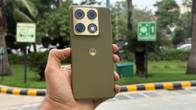
Motorola positions the Motorola Signature as a clean, premium return to the slab-style flagship space, and on paper, it absolutely delivers. A Snapdragon 8 Gen 5 chipset, a large LTPO AMOLED display, capable 50MP cameras, and a slim, lightweight design give it all the ingredients of a modern Android flagship. It looks competitive, well-specced, and sensibly priced for what it offers. And this is exactly what we said in our review.
After spending some time with the phone, though, it became clear that none of those elements is what defines the experience.
The design, while sleek and premium-looking, fades into the background quickly. The performance, while excellent, feels no different from other flagships in daily use. The cameras are versatile and dependable, but conservative. What actually shapes how the phone feels day after day is something far less visible: the software.
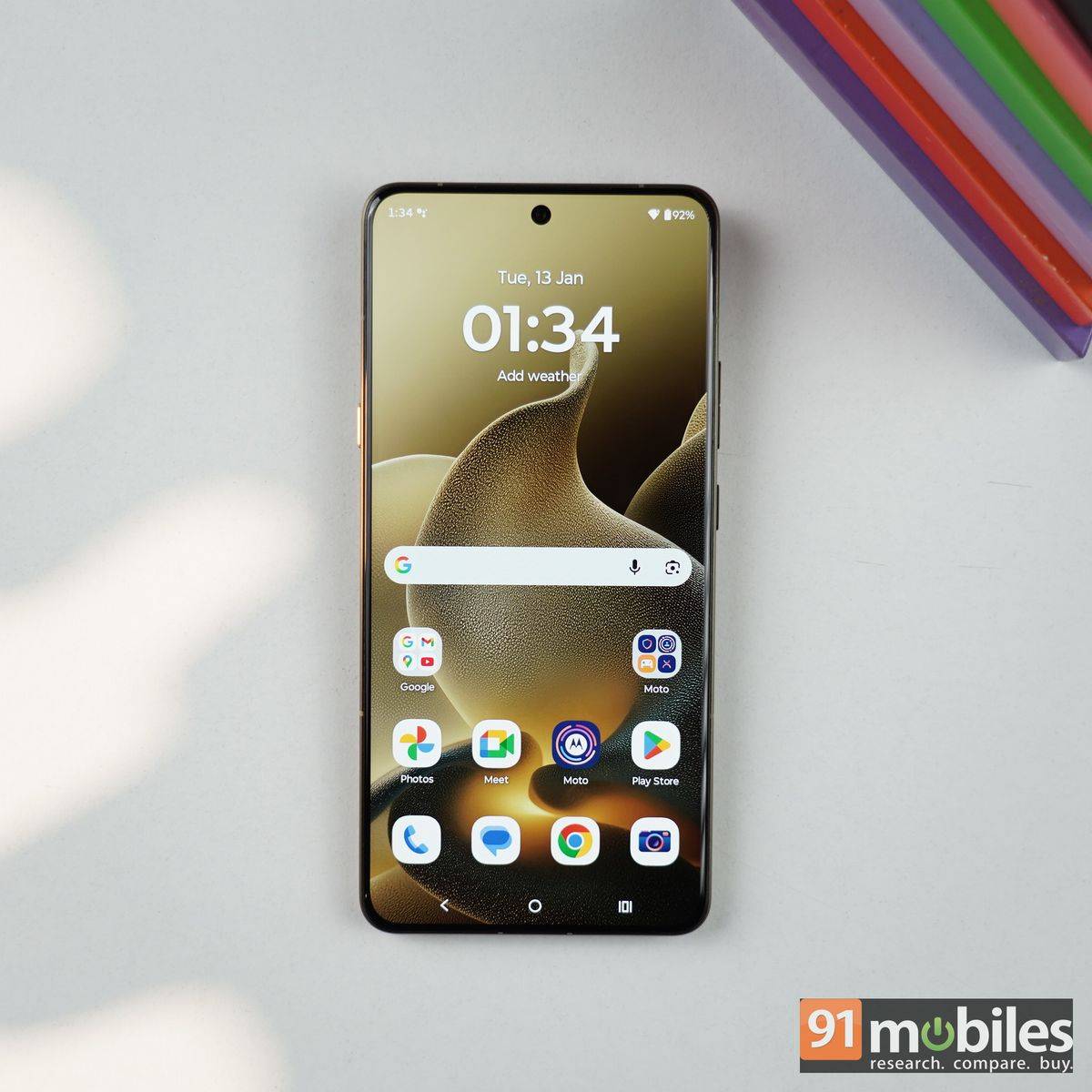
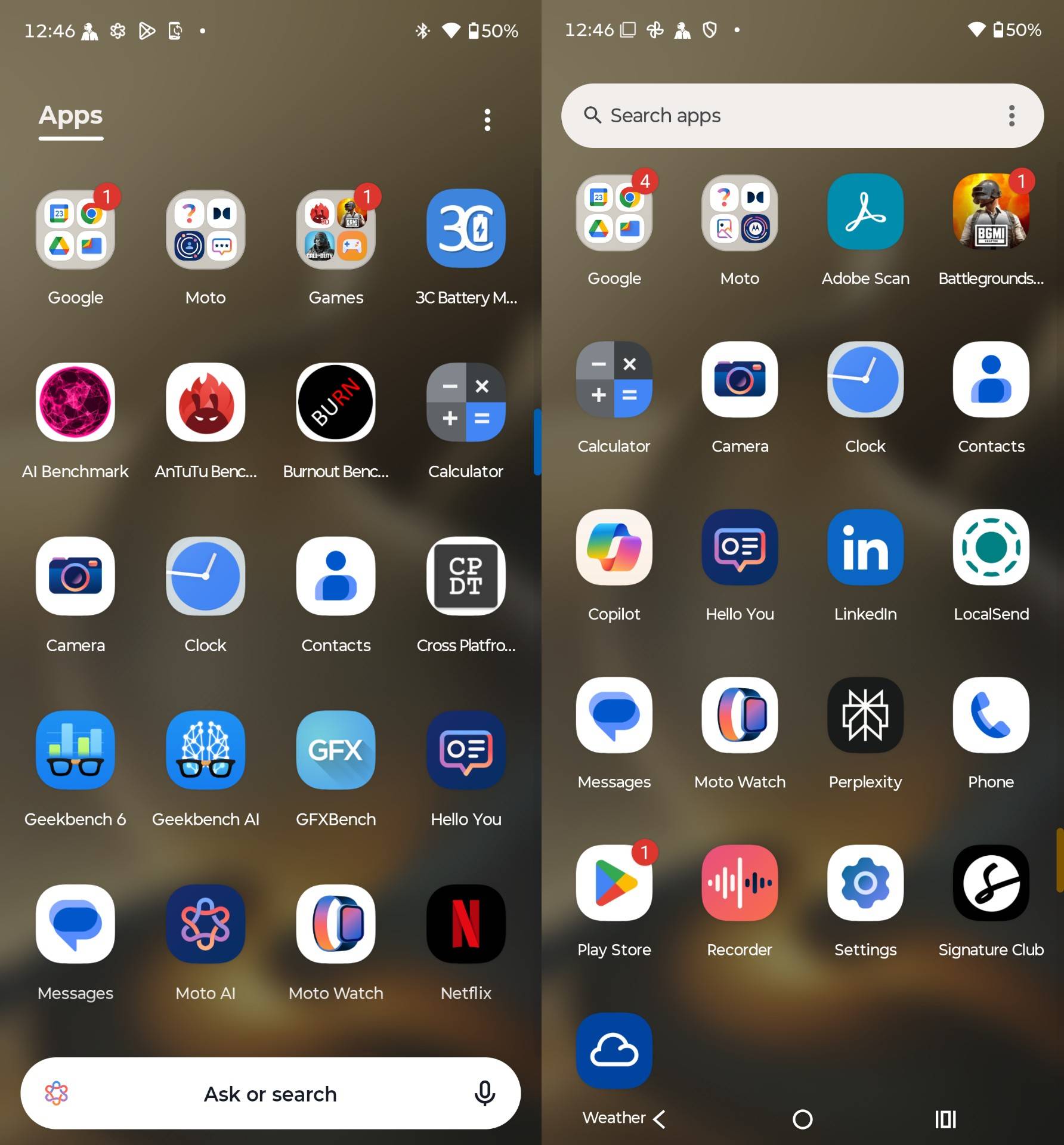
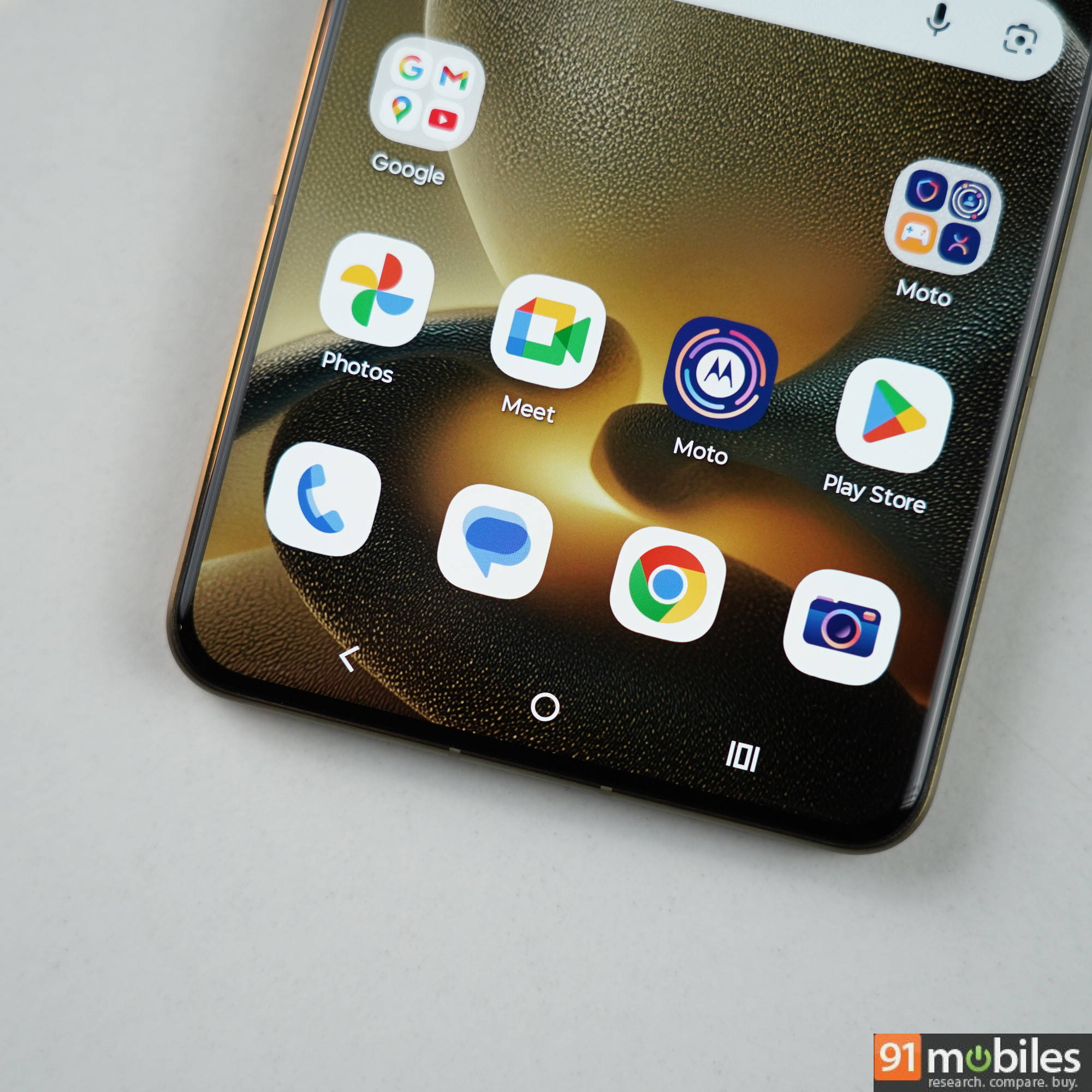
With just 38 pre-installed apps, the Signature looks and feels uncluttered, which is exactly what you want to see from a premium flagship. Animations are restrained. Menus are predictable. Nothing feels buried or unnecessarily redesigned. Over time, this creates a sense of calm that’s hard to quantify but easy to appreciate. You spend less time managing the phone and more time just using it.
Battery capacity will eventually feel average. Camera processing will age as newer imaging pipelines take over. Even flagship chipsets flatten out once performance ceilings are reached. Software, however, is what you live with every single day. And knowing that the Signature’s interface will remain supported and secure well into the next decade gives it a kind of durability that raw hardware can’t match. In fact, the chipset could show signs of ageing well before the software does.
What increasingly separates a good phone from a frustrating one is how well it ages experientially.
Moto AI follows the same philosophy. Features such as notification summaries, note transcription, and image generation are available, but they don’t dominate the experience. Motorola also gives users access to Gemini, Perplexity, and Copilot, but none of them feel aggressively baked into the system. You can use them if they add value to your routine, or ignore them entirely without penalty. I personally like this approach because it doesn’t try to shove AI features down your throat, yet it’s still within reach.
But none of them undermine the core experience in the way bloated software or inconsistent updates would.
Flagship smartphone development has reached a point where performance, display quality, and even camera hardware have plateaued for most users. What increasingly separates a good phone from a frustrating one is how well it ages — not physically, but experientially. In this regard, the Motorola Signature prioritises consistency, clarity, and longevity.
The Motorola Signature is one of the most well-rounded flagships under Rs 60,000 right now. It delivers on many fronts without making severe compromises in any area. But after using the phone for a few days, it’s the software that impresses me most, and the confidence that it won’t become obsolete anytime soon, that matters most. Provided, of course, Motorola keeps its promise of pushing out software and security updates consistently for the next seven years.
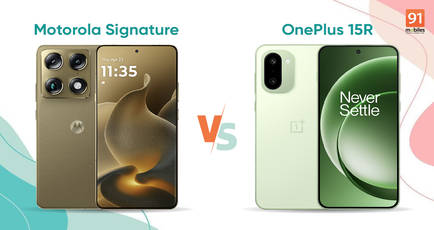
Motorola Signature vs OnePlus 15R: Which Snapdragon 8 Gen 5-powered smartphone should you opt for?

Vivo X200T vs Motorola Signature: which Rs 59,999 phone offers better value?

Motorola Signature goes for sale in India today: here’s why you should (and shouldn’t) buy it