Won’t deny, I’m a bit nostalgic to host this brand back in my listening room. Having owned several of their genre-defining AV receivers back in the early 2000s and even the Integra Research processor/power amp duo, the Muse Y-50 had big, nostalgic shoes to fill. The question was whether the new Onkyo under the Premium Audio Company umbrella, itself a subsidiary of Gentex Corporation, could translate eight decades of Japanese audio heritage into something that makes sense for the streaming era. Spoiler: It largely can.
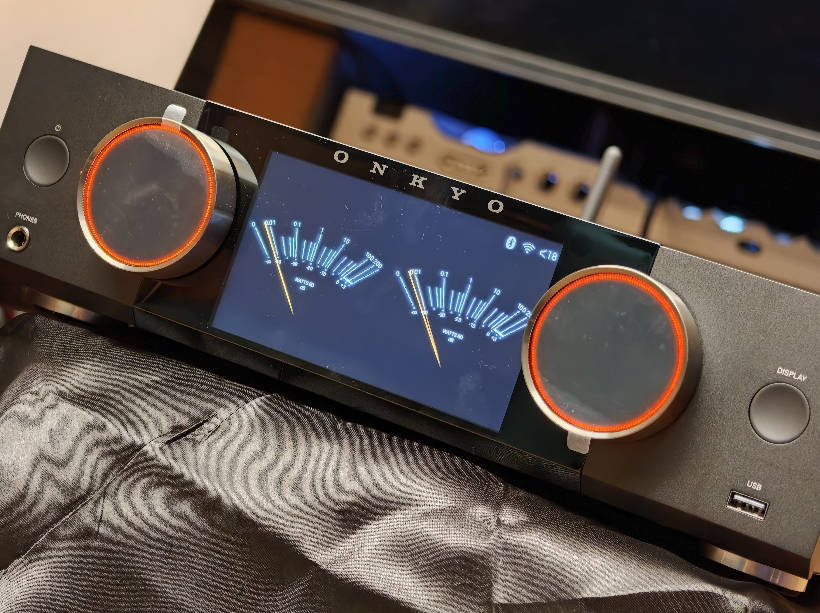
Table of Contents
Design (8.5/10)
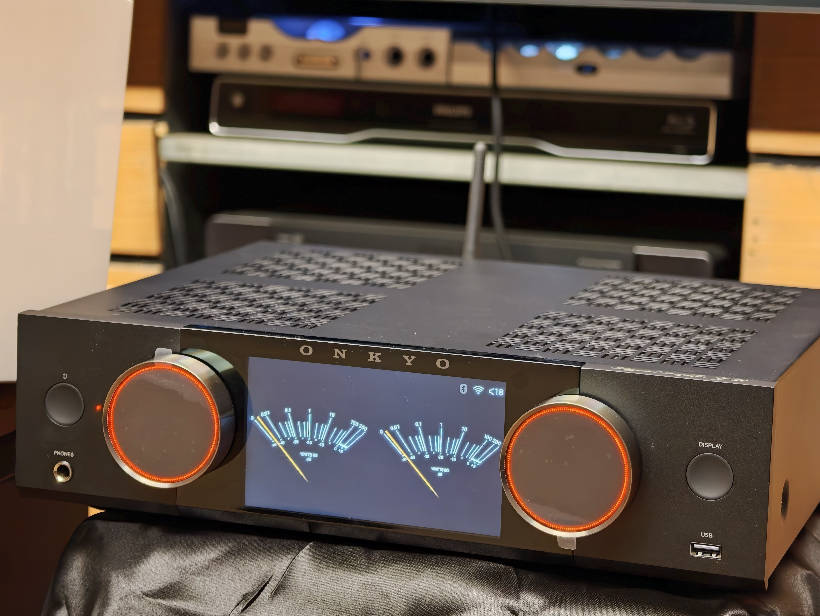
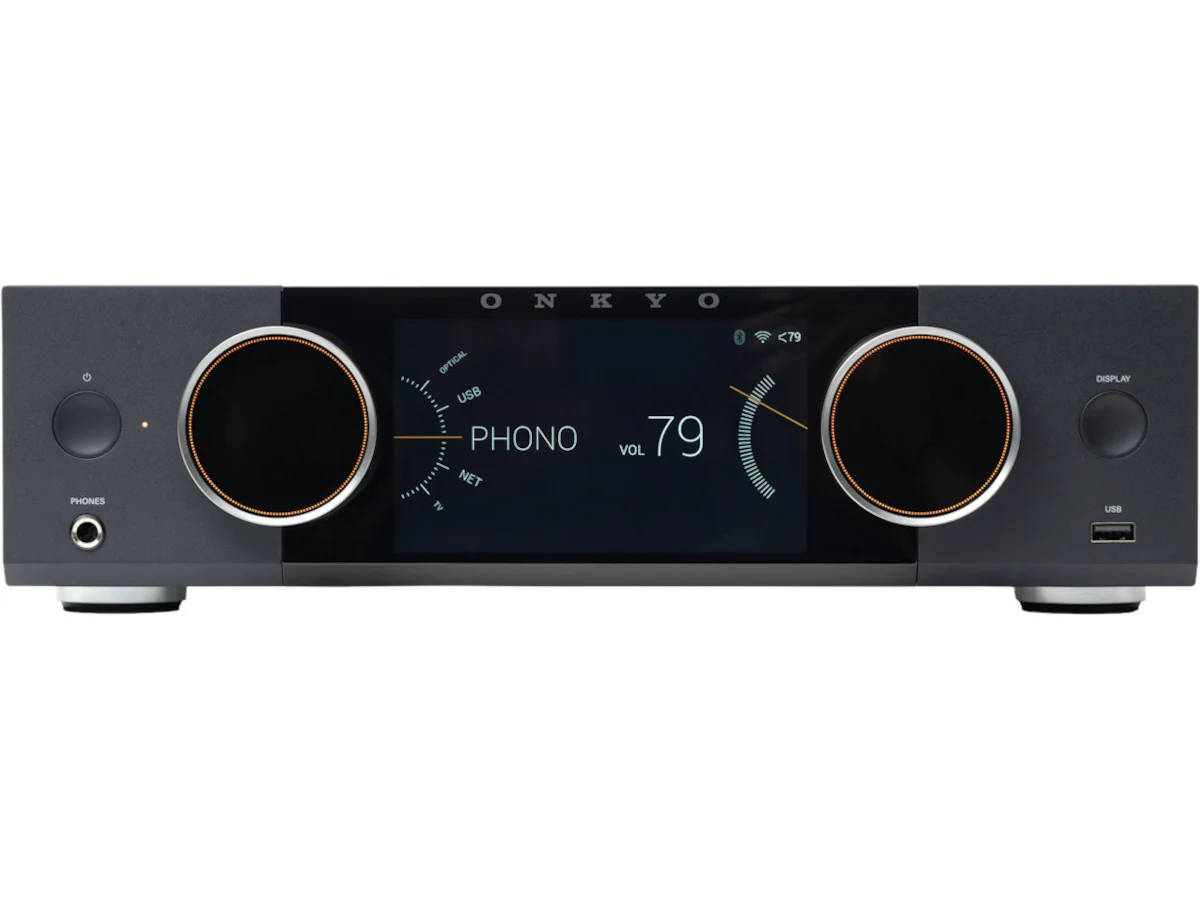
I like the modern aesthetic, with two large dials tastefully illuminated around the edges, anchored by a large 5.5in display in the centre. Although with its resolution and on-screen keyboard, it really should’ve been a touchscreen and not just a display. The left dial handles input selection with indentation, while the volume knob is the free-wheeling kind, and the display also doubles up as a VU meter since…why not! Everyone wants them these days and is quickly becoming the Gen-Z audiophile aesthetic. They are amplitude dependent and not signal, so the louder you push, the more they dance.
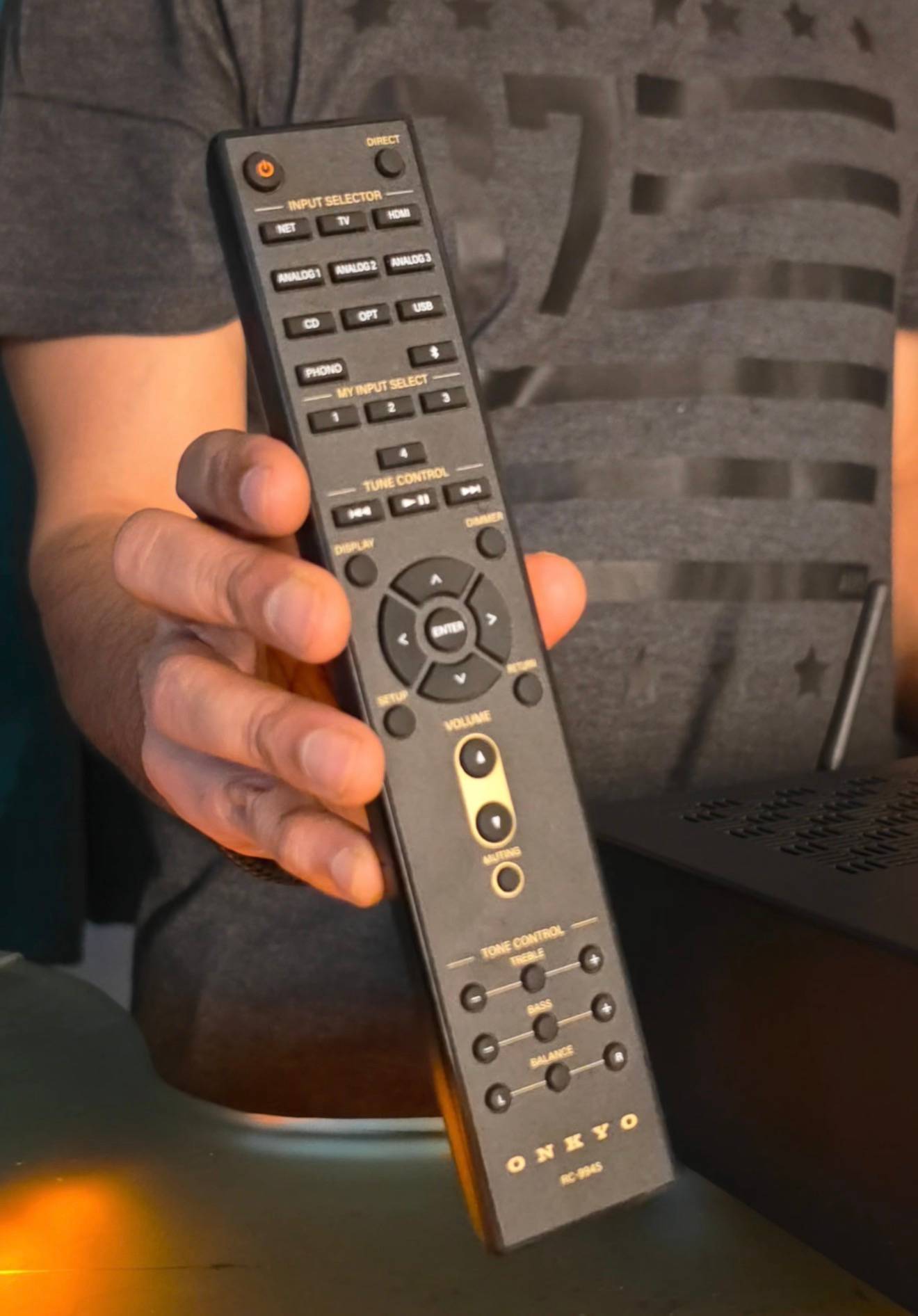
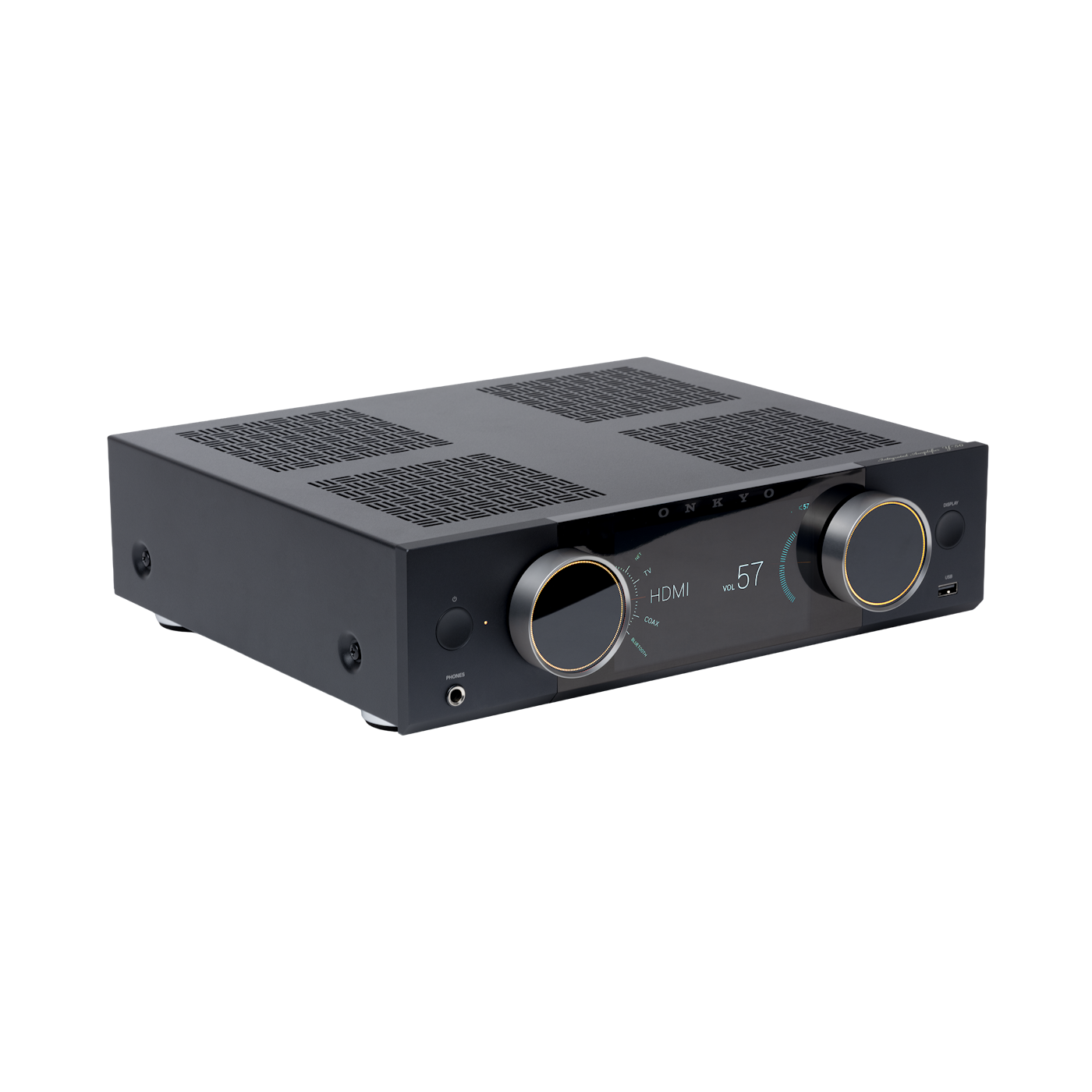
Build quality is genuinely impressive for the price. The aluminium front panel gives it the kind of solidity you’d expect from something costing considerably more, and the distinctively patterned San Kuzushi ventilated top plate serves as a nod to Japanese craft tradition and works to elevate it above generic slab territory. One gripe that hasn’t aged well: the remote is decidedly very 90s, crammed with more buttons than the cockpit of a regional jet. For a unit this modern, it feels like an afterthought bolted on from a different decade.
Technology (9/10)
Axign Class-D module is relatively new and not seen on many home-audio products yet, but they have been using the professional industry as their proving ground, which is even more demanding when it comes to dynamics, reliability and efficiency. But what about the refinement and microdynamics, you ask? In a word, excellent. The rated power output of 250W @4ohms is legit as the dynamics piled on during the massive brass and bass of Junun’s self-titled banger of an opener from 2015.
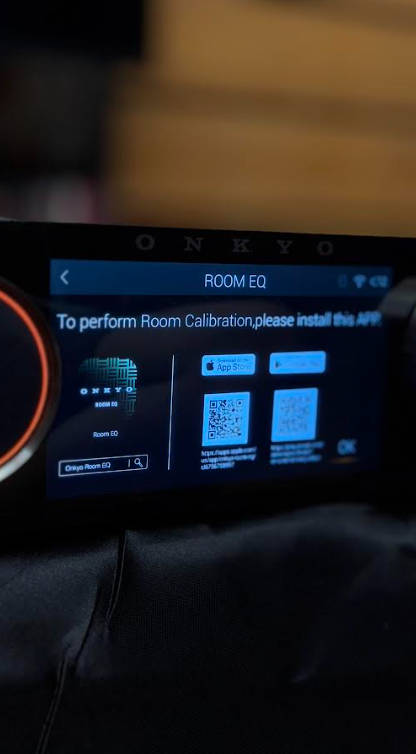
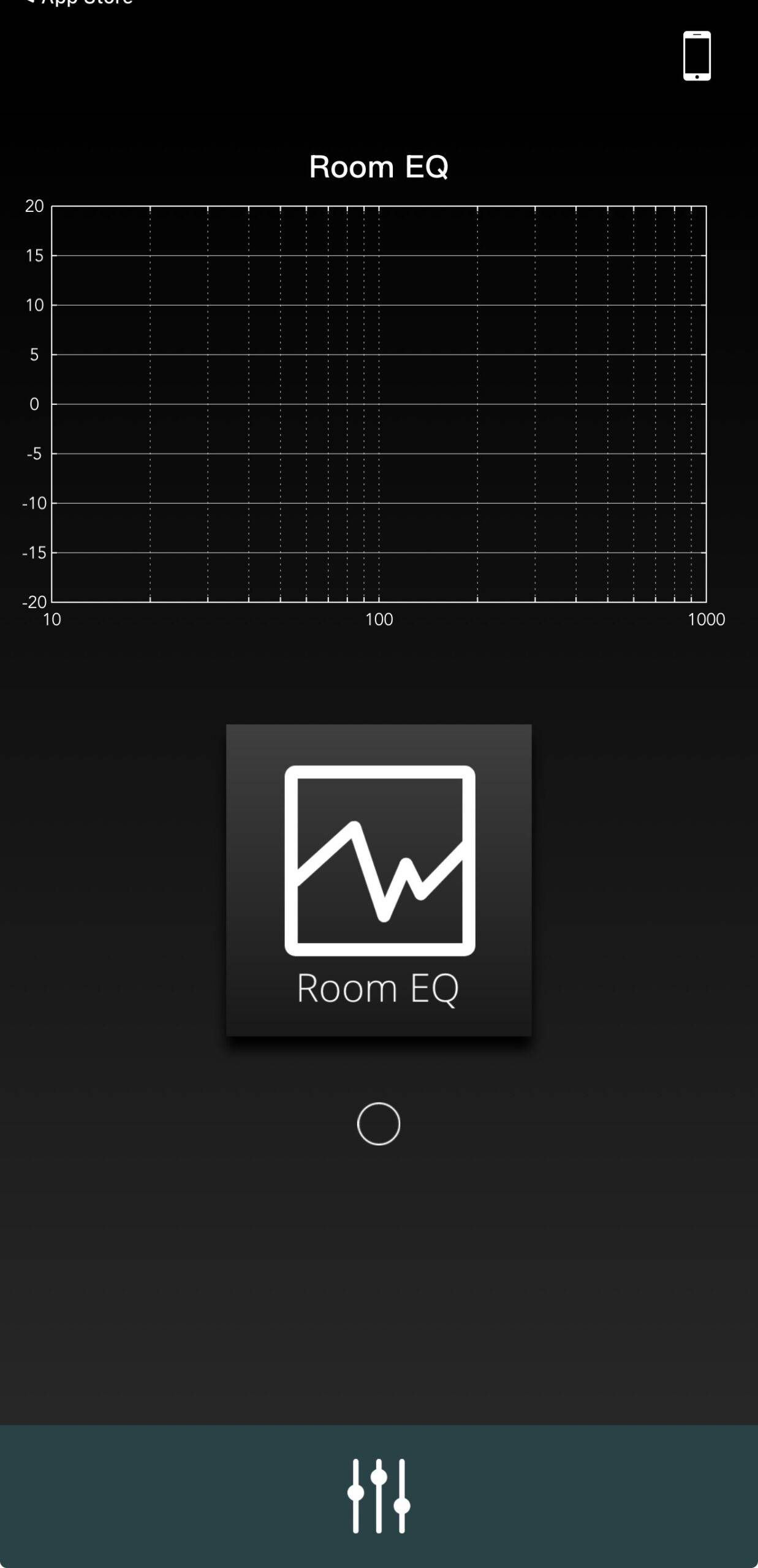
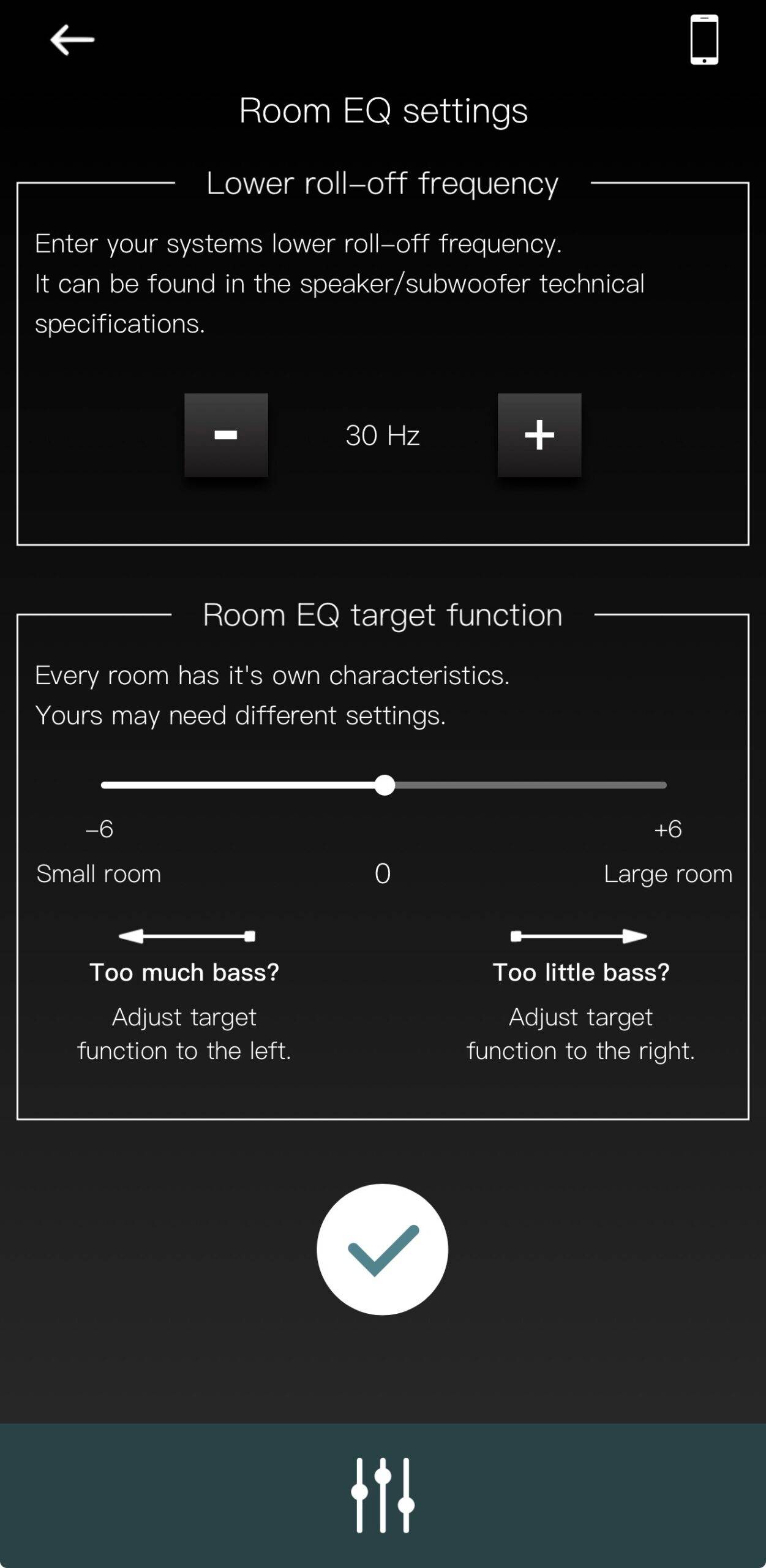
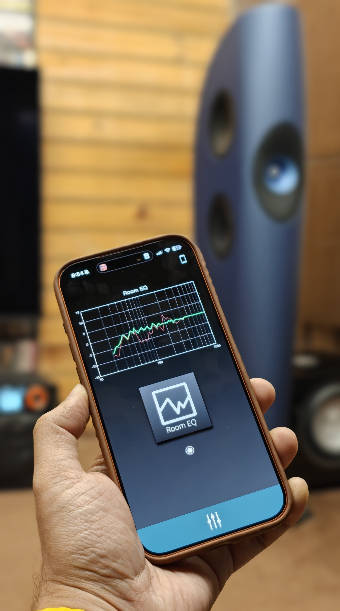
The Y-50 also features a proprietary room-calibration system developed for the Muse Series dubbed Onkyo Room EQ. It uses your phone’s built-in mic to correct minor aberrations in the frequency response caused by room modes and to flatten some of the peaks and nulls, in theory giving you a more accurate sound. In practice, too, it did serve well by boosting a supposed dip around the lower midbass that my room displayed around 80-90Hz. In essence, it sounded like a “loudness” button engaged, making the sound fuller with more body at lower volume, but I realised over a longer duration and more demanding tracks, I preferred the leaner presentation with Room EQ off. Of course, this is the classic “as per taste” argument, and the variables are infinite with every room, speakers used, personal preference of sound and everything in between.
Connectivity (9.5/10)
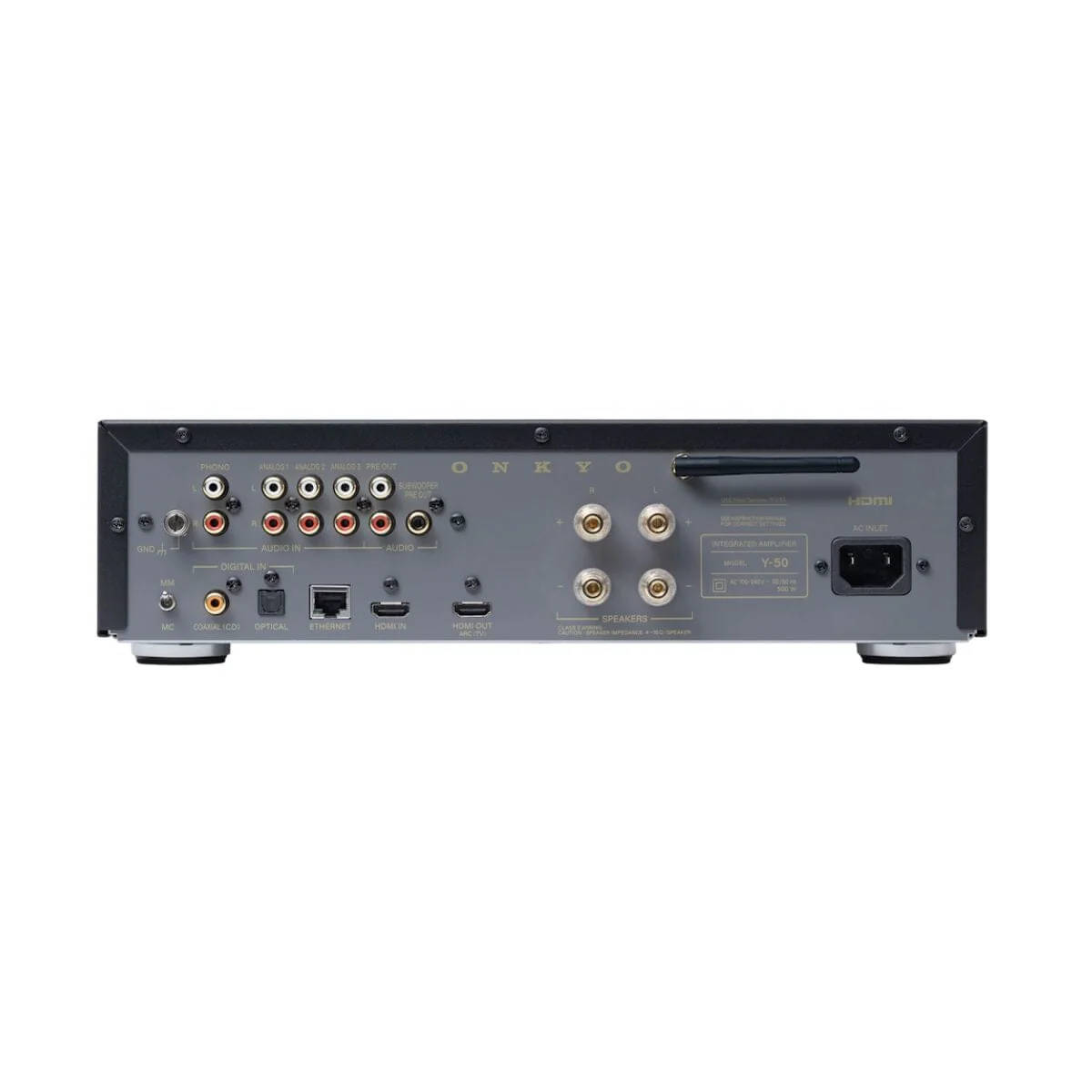
The Y-50 is impressively well-stocked at the back. Three pairs of RCA analogue inputs, a coaxial and optical digital input, HDMI in with full 4K/120p and 8K/60p support, HDMI ARC, a dedicated MM/MC phono stage, USB-A for storage playback, a subwoofer output, pre-out, and a 6.3mm headphone jack. That’s a lot of doors into this box. Both Ethernet and Wi-Fi are on board for network duties, which is the correct answer.
App is basic but functional, and if you go past its dated UI, it’s actually fast and logical…like the virtual volume dial that pops up without interfering with the album art. Clear and large input source selection buttons and a no-nonsense tone control menu. Streaming service support is comprehensive: Spotify Connect, TIDAL Connect, Qobuz Connect, AirPlay 2, and Google Cast. The AirPlay 2 inclusion is a meaningful differentiator from rivals at this price
Performance (9.2/10)
There was no sign of top-end grain, sterility or flatness of the image, all the things that are typically associated with Class-D amplification. Everything I played from Deep Purple’s newest, which is no cadaveric spasm but a full-on assault in the classic rock sense, to the polished production of Don West, the Y-50 sounded energetic, poised and muscular. Rated at 250W into 4 ohms, it had no trouble driving the big KEF Blade 2 Metas with their difficult load and eight woofers in totality to control. Long hours of listening are totally possible with the Y-50 if your setup follows some basic rules of proper setup.
You will be treated to a solid centre image, a wide spread of image, and even reasonable depth, something Class D would find especially challenging in the past. The Axign post filter-feedback tech really cleans up the signal to the point where it starts sounding both musical and modern, without any harshness. In the real world, it’s so refined that no music lover should even bother with obsessing over the amplifier topology and just buy it for what it is. The only real shortcoming, and that too in A/B comparisons with a much more expensive Class AB amplifier, was the lack of as much “body” or three-dimensionality to large acoustic instruments. It’s a very modern presentation of sound, and while it’s not necessarily a drawback, it may be the only thing traditionalists miss about their big and burly toroidal transformer-based amps.
Verdict
In terms of value, at Rs. 2,59,800, the Y-50 is steeper than the WiiM Amp Ultra, but it also has much more muscle to drive even more demanding speakers and the bonus of being AirPlay 2 compatible. The remote deserves a rethink, though, and that display really ought to be a touchscreen, but these are quibbles around the edges of something that is otherwise impressively coherent. Onkyo hasn’t just returned — it’s returned with a point to prove, and the Y-50 makes that case convincingly. This isn’t your dad’s hi-fi, and there’s no reason to get nostalgic about it.
Editor’s Rating: 9/10
Pros
- Commanding power easily drives large speakers
- Plenty of physical and wireless connection options
- Useful display features analog-like VU meters
Cons
- Large screen completely lacks touch capabilities
- Included remote control is excessively cluttered
- Bluetooth limits streaming to basic codecs