Smart rings have always focused on health and wellness categories, and no other smart ring takes that more seriously than Oura. The brand is synonymous with smart rings because they were the first to do it in 2013. Fast forward to 13 years, and the Oura Ring 4 is smarter, better, and more discreet than any other smart ring I have reviewed. Yes, the tech has evolved, but I am still coming to terms with how efficiently this inconspicuous gadget has synergised with my life.
With my two weeks of regular use, I still feel this is not enough to give me the full picture of its membership benefits, but I have got a good grasp of whether you should consider this for your journey towards better health and habits. Bring out your reading glasses, folks, because this in-depth review will cover everything about the Oura Ring, its membership, and even help you understand the difference between this, the Gabit Smart Ring, Ultrahuman Ring AIR, an Apple Watch, and a Whoop band.
Table of Contents
Who is the Oura Ring 4 for?
If your Instagram feed is just a bunch of fitness folks doing a one-kilometer run after every set, then congratulations, you’re a Hyrox junkie, and Whoop or Apple Watch are probably your favourite products. However, if you spend time in yoga classes, pilates, boardroom meetings, and macha cafes, then the Oura Ring 4 may appeal to you in more ways than one.
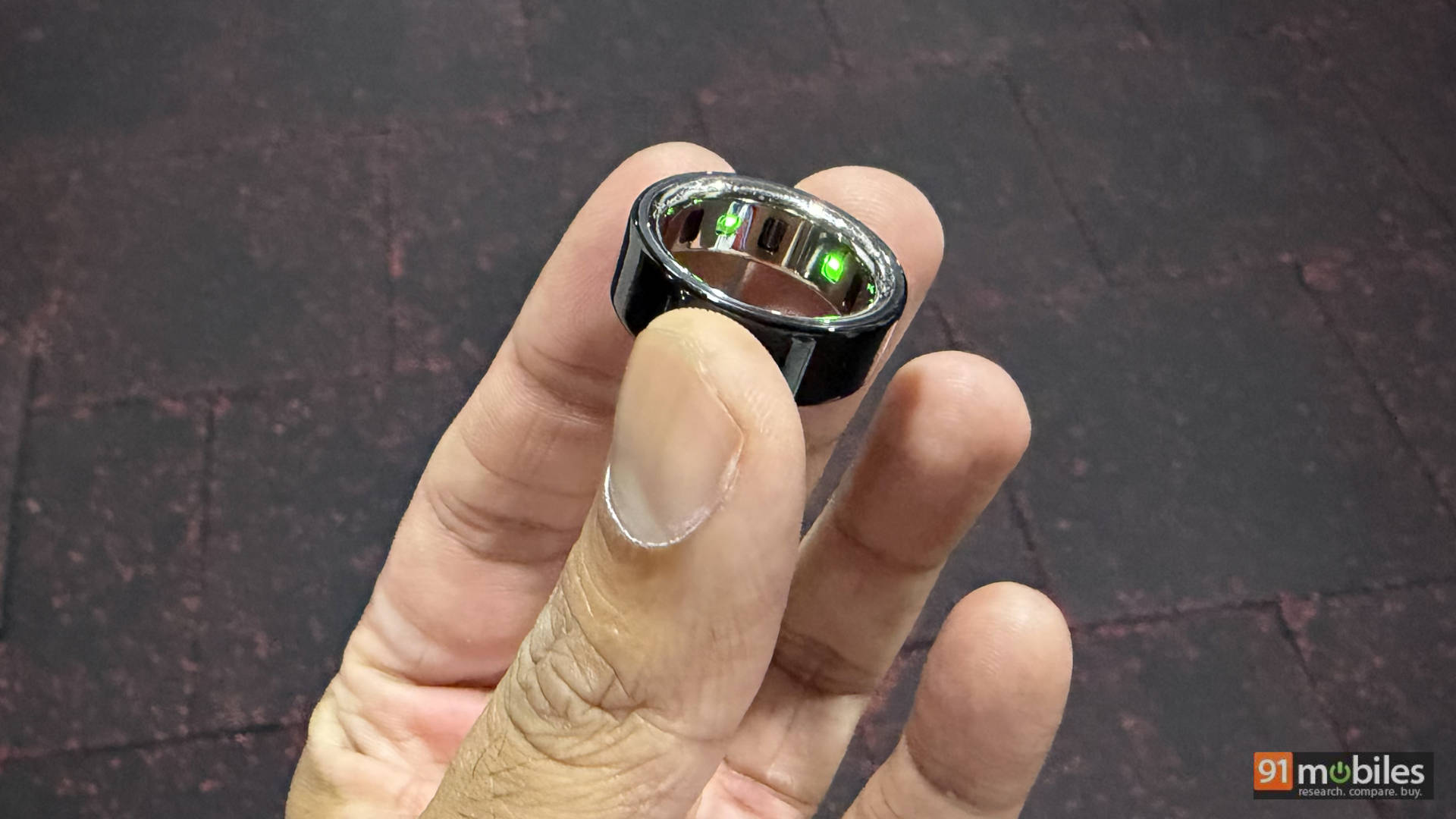
Is this better than the Oura Ring 3? Well, this time it’s a full titanium build, which means even the inner lining is made from non-allergenic uncoated titanium. The Gabit Smart Ring and the Ultrahuman Ring AIR both use transparent resin for the inner lining, which makes them feel a bit cheaper than the Oura Ring 4. However, the Oura Ring 4 is almost as thick as the competition, with 2.88mm thickness, but the inner lining doesn’t have bumps like the Oura Ring 3 and Gabit, so this one fits better and feels more comfortable to me.
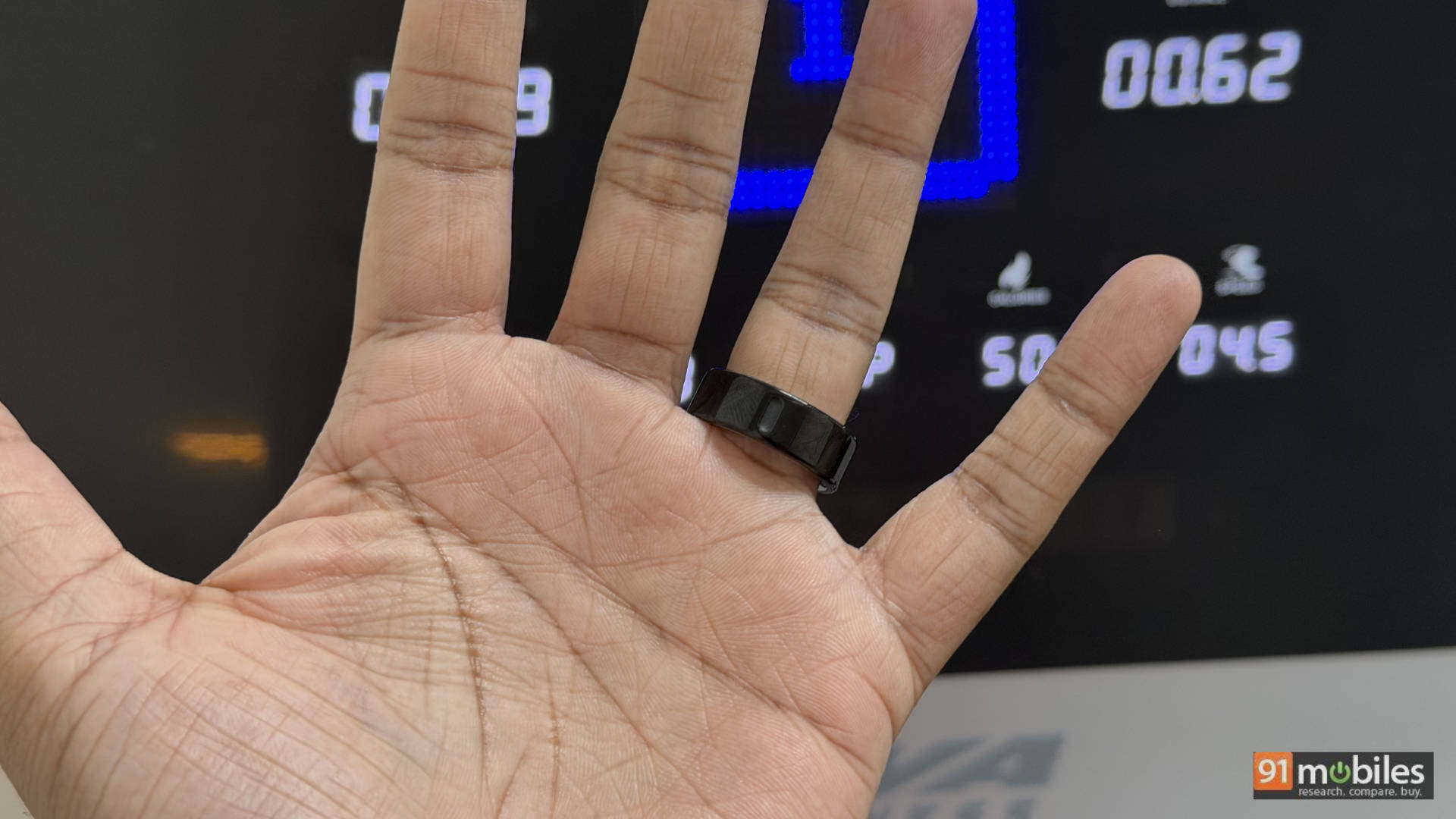
My female friends found it a bit too chunky because of the thickness, so it’s better to order the sizing kit from Amazon or Croma first and then figure out if you don’t mind the thickness of the ring. The sizing kit costs Rs. 999, over and above the cost of the ring and its monthly subscription, which we will get to in a bit. You can maybe save a grand and head to the nearest Croma store and try the ring for free before buying.
How to wear the Oura Ring 4?
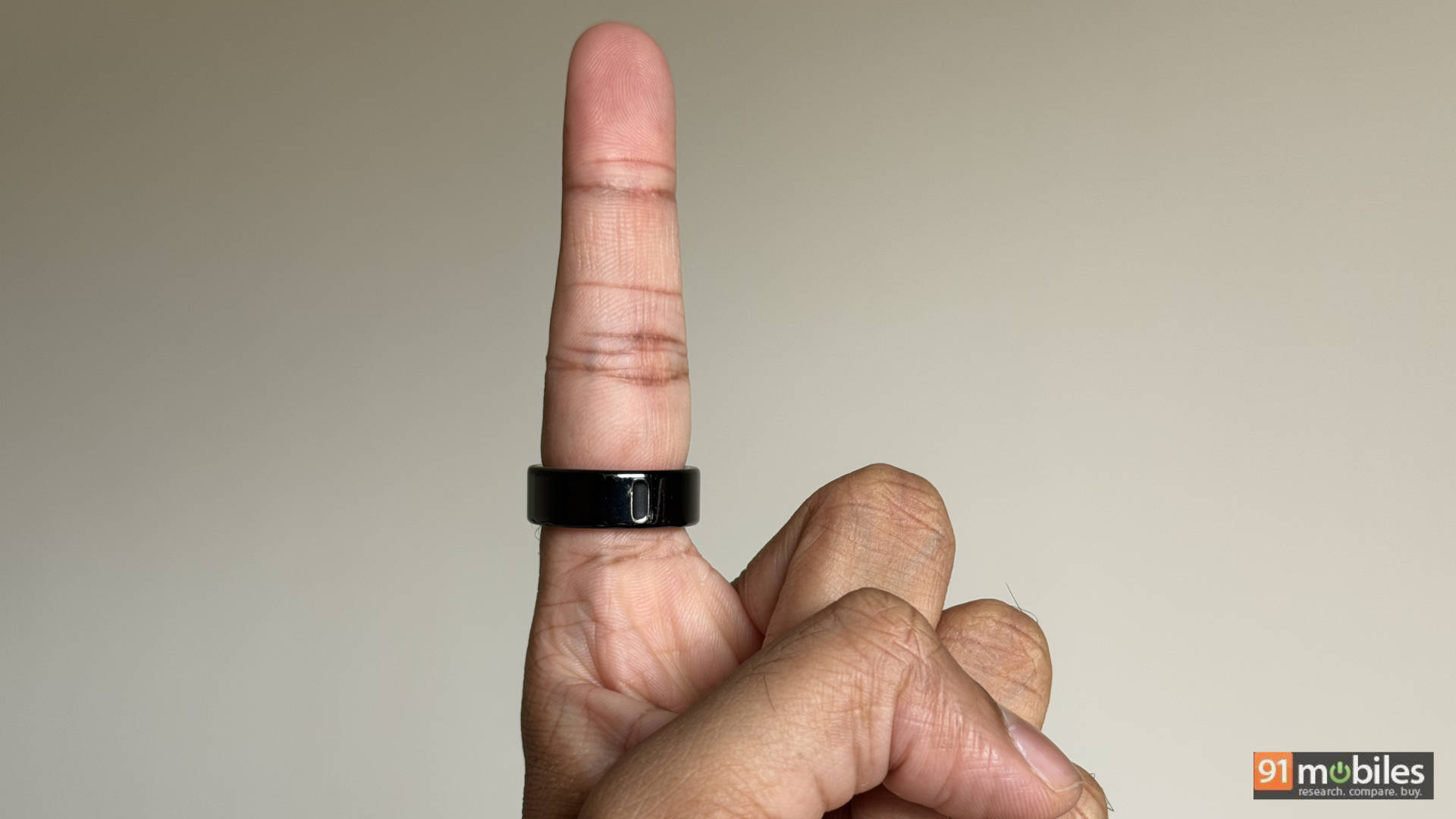
Oura told us that the ring works best when you wear it on either the index, middle, or ring finger because most of the blood and heart information passes through these three fingers accurately. Once you wear the dummy ring from the sizing kit, make a fist so that there are no gaps on the top of the ring. That’s how you know it’s a perfect size.
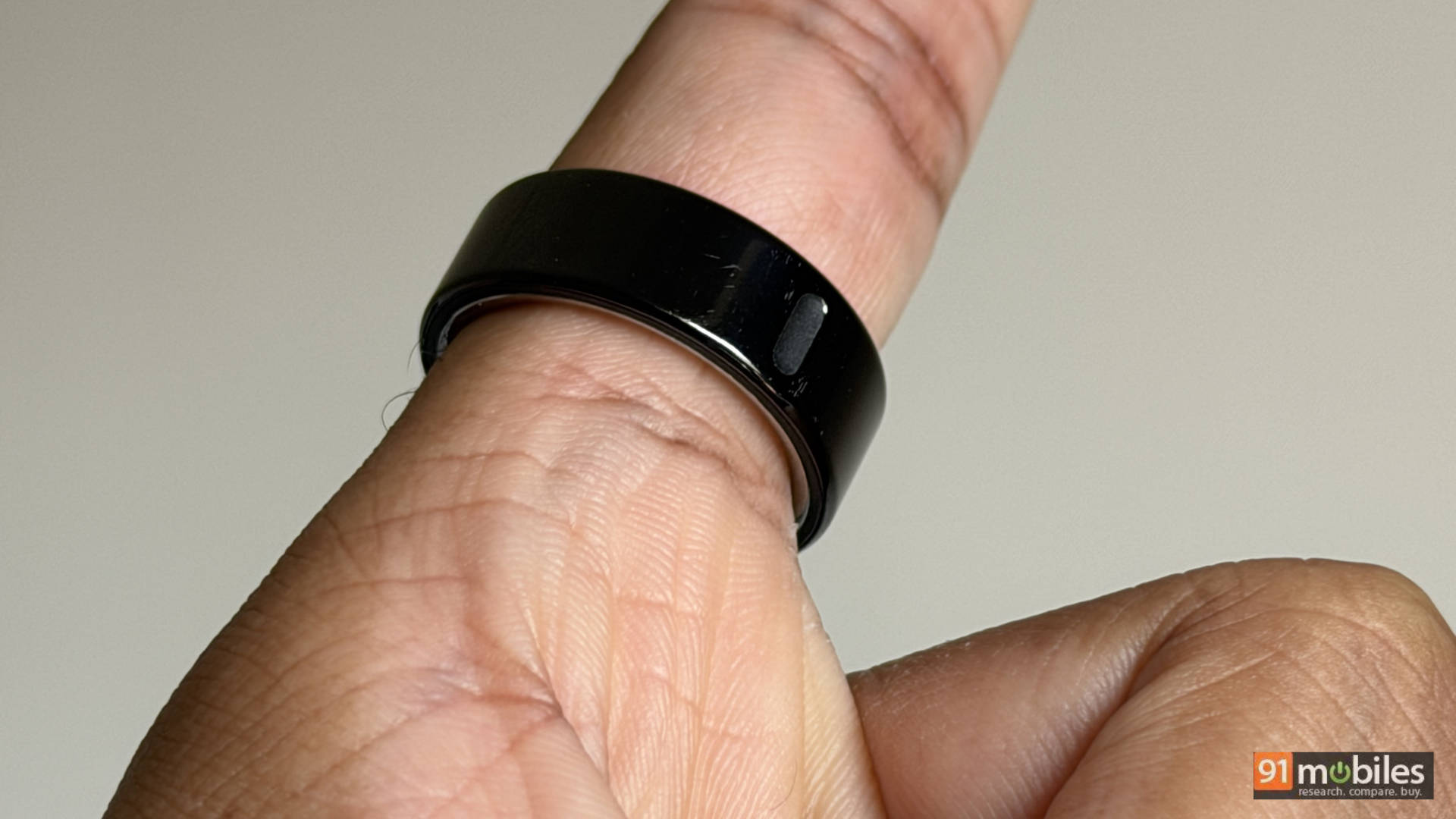
I moved my size 8 ring from the ring finger to the index finger because I naturally have a gap between my index finger and the middle finger when my palm is open, so the thickness of the Oura Ring 4 doesn’t bother me now, and the gap also disappears on the index finger when I make a fist.
Inside the box and sizing kit
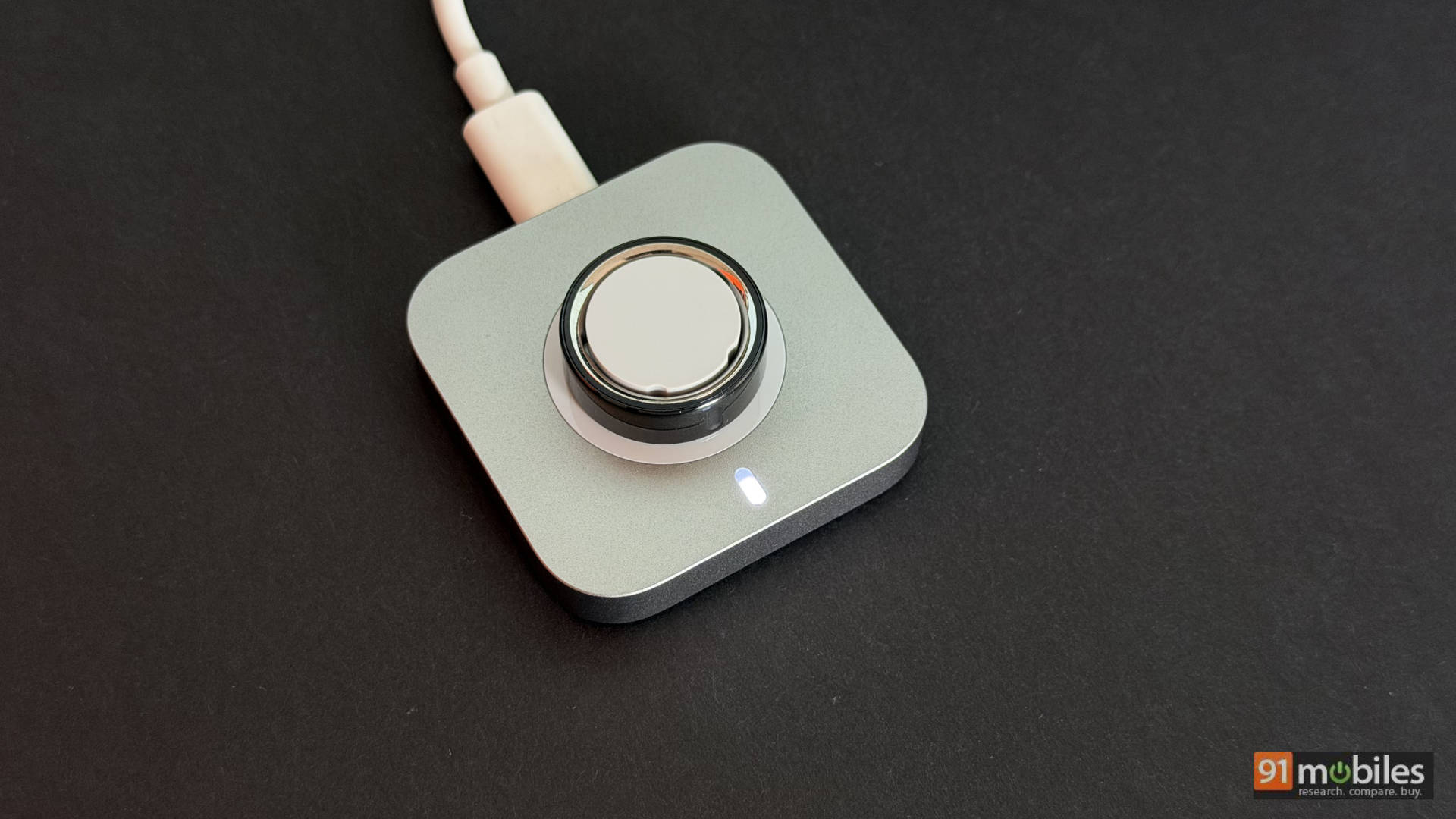
Inside the box, you get a USB-C cable, the ring, and a size-specific charger. This is the first time Oura is offering the ring in 12 different sizes from 4 to 15, and all of them have a clean aesthetic with a tiny dimple on one side, which helps you quickly identify the right way to place the ring on the charger, and also which side of the ring should be bottom-facing when wearing. Both of these bits are as important as your sleep. The tiny dimple removes the guesswork from charger placement and sensor positioning on your finger.
But don’t worry if you fidget with your ring because the Oura Ring 4 has Smart Sensing, which means it can understand the structure and skin tone of your finger. This helps the sensors automatically adapt to find the best signal path for continuous and accurate data, even if you shift it out of alignment.
Build quality: A tank with silk seats
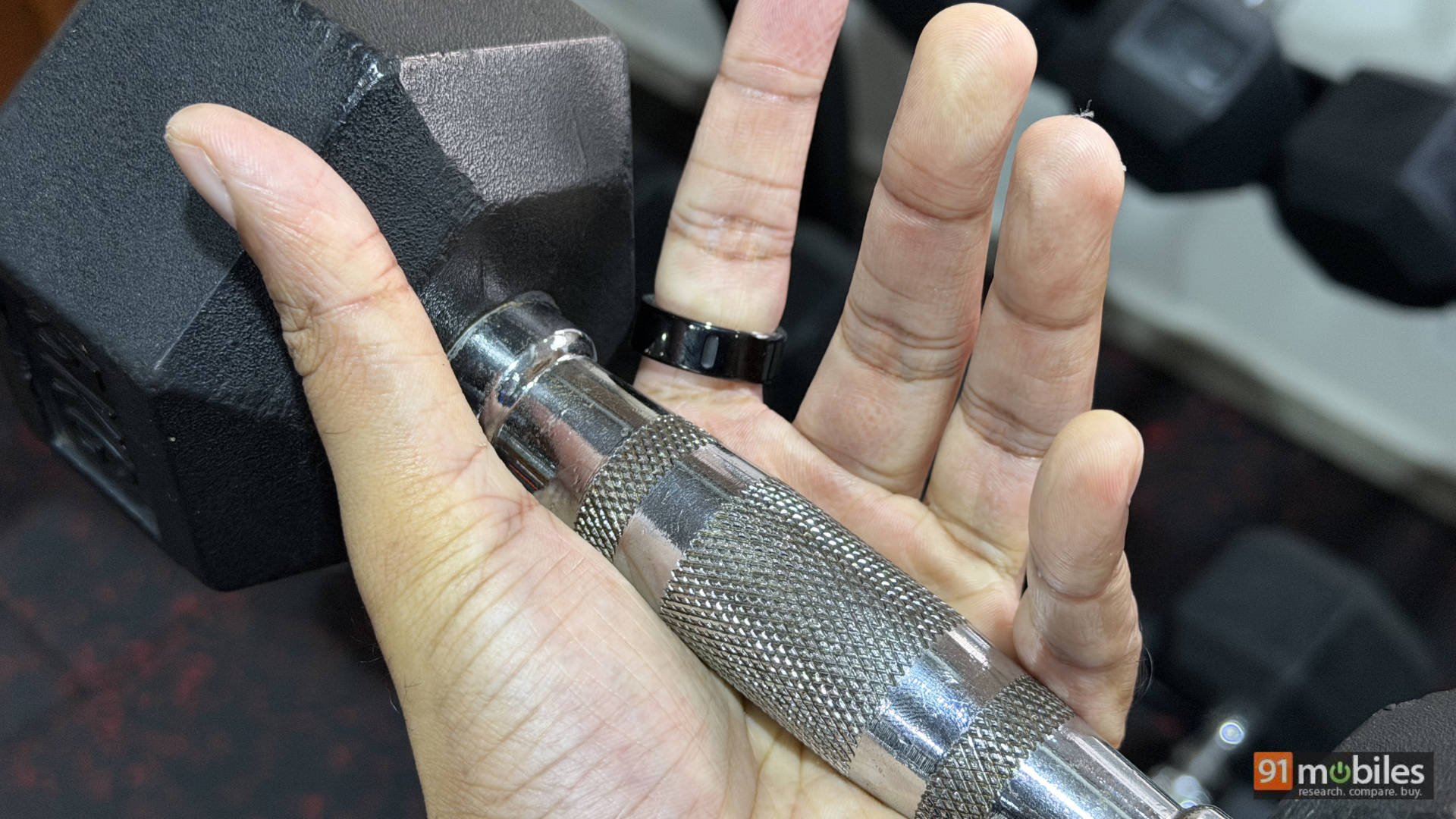
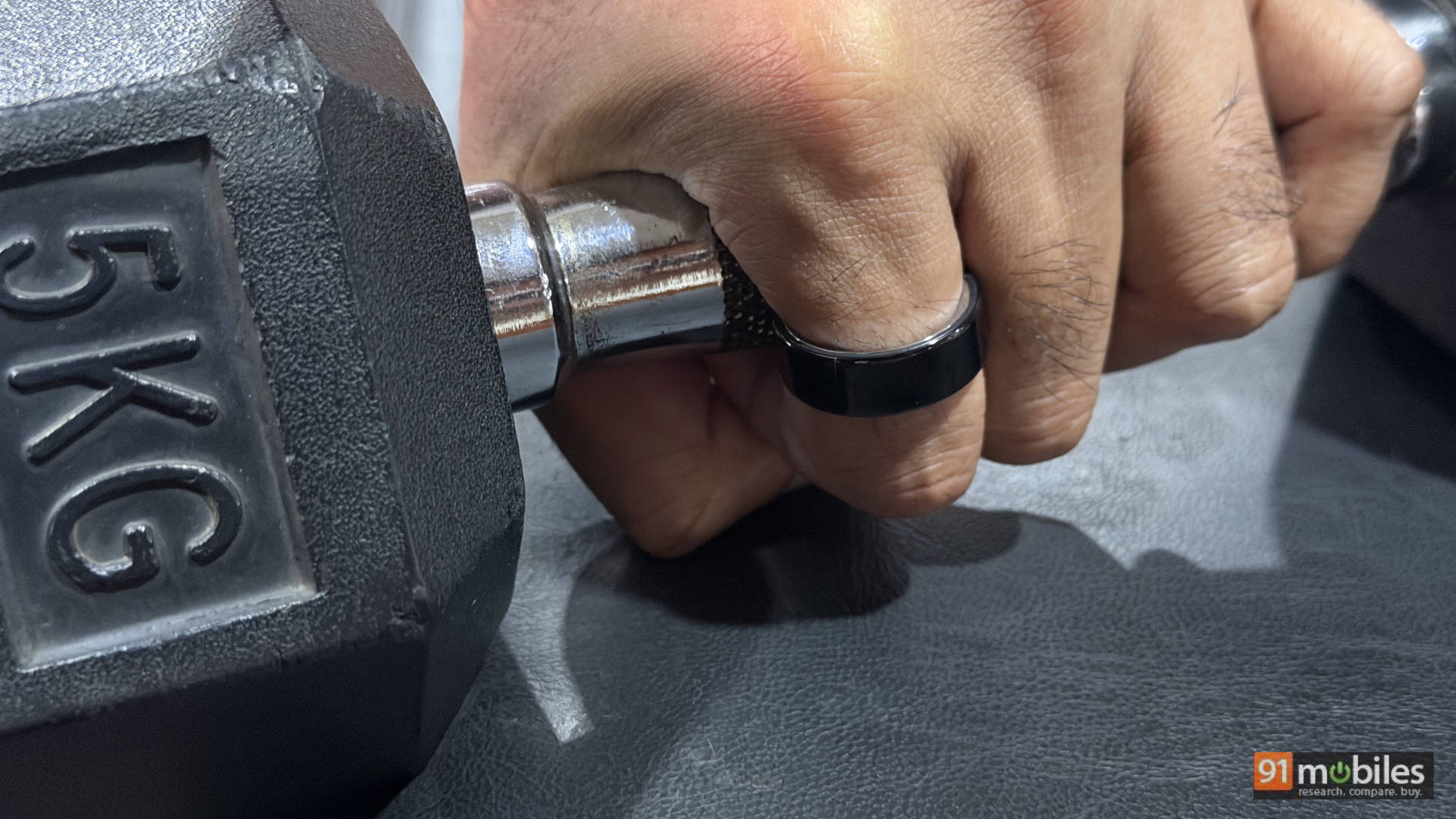
The titanium build is impressive, and even with a few dumbbell workouts, the scratches were almost negligible. This thing can take a beating and some. I am sure in a year the scratches will add up from my gym routine, and Oura explicitly says that the ring is not for heavy weight training. Mild weight training is fine as long as you’re not facing discomfort. My training doesn’t exceed 20kgs of dumbbell weight at the moment, so I don’t have any issues while working out with the ring, but I do constantly check for scratches, which is a sign that this is not a gym rat’s gadget. In comparison, the Ultrahuman Ring AIR during our testing showed more scuff marks easily.
I have the Black finish, which looks and feels very close to a piano finish that you see in cars these days. I would’ve picked the Stealth colour variant if I had the option because the Stealth is more similar to a matte finish, and we all love matte finish, right? Well, if you’re into matching aesthetics with your pendant and earrings, the Gold and Rose Gold colourway is good, but in the sunlight, I could barely tell them apart.
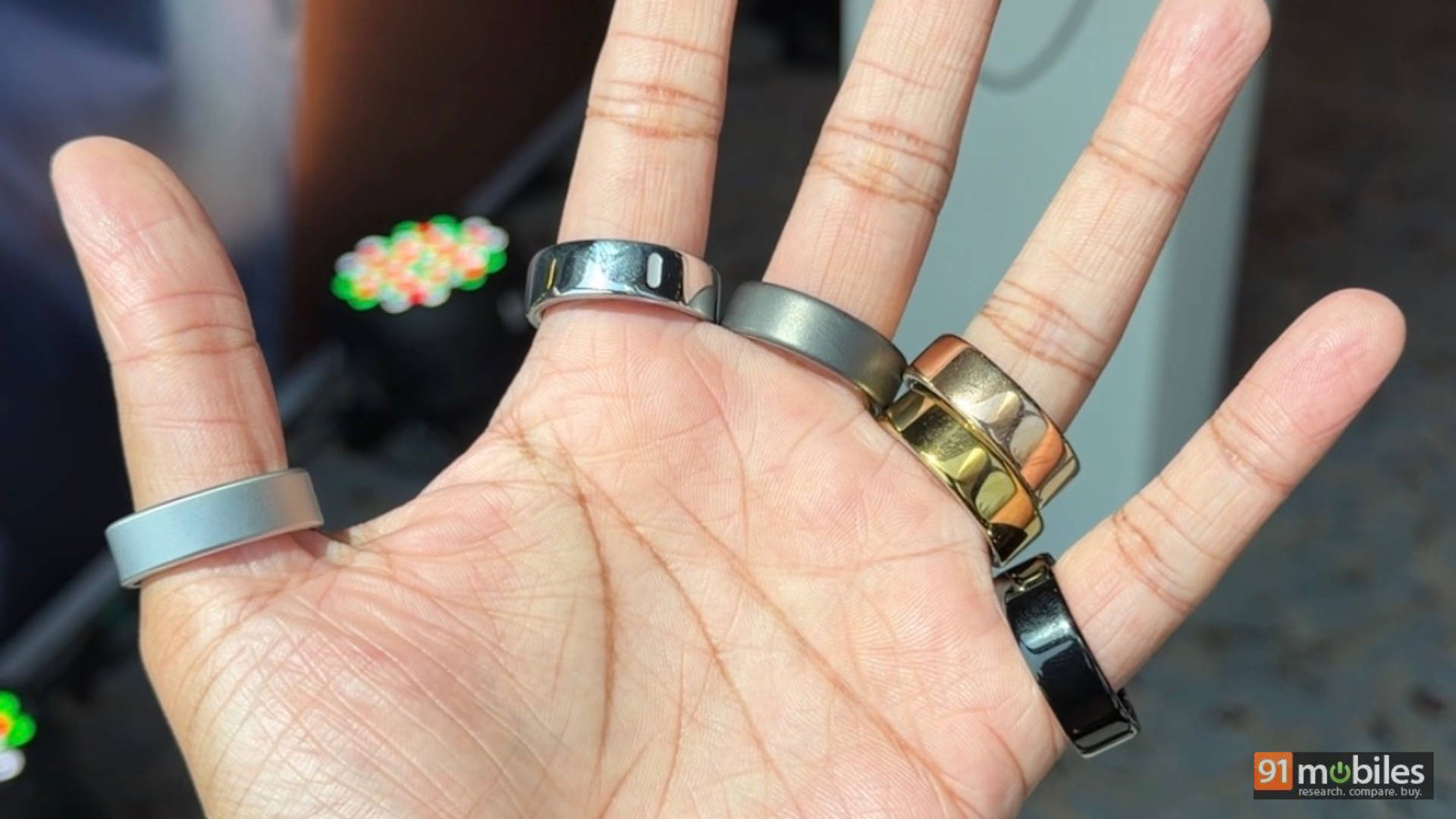
And if you’ve set your heart on the Gold and Rose Gold versions, then good luck. Oura is charging a premium for those colours. The Silver and Black are priced at Rs. 28,900; meanwhile, the Stealth, Brushed Silver, Gold, and Rose Gold are for an eye-watering Rs. 39,900. That additional Rs. 11,000 is just for a different colour. All of them are made from titanium with PVD (physical vapor deposition) coating, except the Stealth, which uses DLC (diamond-like carbon) coating. There is no real gold, and according to angry Redditors, the Gold and Rose Gold chip off over a year or so on the Oura Ring 3 and expose the titanium’s natural finish underneath. My ring hasn’t lost its sheen in the two weeks of regular usage, but I shall report back in a year.
Performance: Mind, body, and wallet
For a device this tiny, the Oura Ring 4 excels at tracking sleep and heart rate really well. It’s as accurate as my Garmin Epix Gen 2, but if you want medical-grade accuracy, then a chest strap might do a better job than any smart wearable. You already know this, which is why you’re reading a smart ring review in the first place.
According to Oura, the Ring 4 has some serious benchmarks under its belt compared to research-grade sensors. Resting heart rate and variability score upwards of 98% on accuracy, while the temperature sensor can detect baseline deviations as low as 0.13℃. While we don’t have the right devices to test those claims, the HRV and temperature sensor accuracy allow the Oura Ring 4 to detect your sleep stages with great precision.

The Oura Ring 4 not only detects how many hours I spent in deep sleep but also explains them in simple sentences. So, besides the sleep graph, which shows the entire data, the Oura app also tells you how much energy you can expect for daily tasks and exercises, and dynamically adjusts your target calorie burn for the day. It’s very similar to what Whoop does with their app.

The Oura Ring 4 can also assimilate the temperature, HRV, breathing rate, and sleep patterns to detect illness signals up to 2.5 days before COVID-19 symptoms are reported. Even continuous temperature monitoring can help detect hormonal shifts related to ovulation and pregnancy. I haven’t gotten around to feeling sick just yet, but we will update this review if Oura’s claim stands in the future.
However, unlike the Apple Watch Ultra and Garmin Epix 2, the Oura Ring 4 cannot track speed, pace, or step/pedal cadence for runners and cyclists, and even swimmers. So it really falls deeply in the wellness category, where it’s more for tracking sleep, recovery, stress, and fatigue like Whoop.
App: Gated greatness
For Rs. 599 a month, Oura will let you see the full breakdown of your own health and body statistics, something Gabit, Ultrahuman, Garmin, Apple, and Samsung don’t do with their smart devices. In an ideal world, the Oura Ring 4 should be able to tell you these metrics on-device without a subscription fee because smartwatch brands and even homegrown brands like Gabit and Ultrahuman do it, but Oura has artificially hidden in-depth sleep analysis, activity tracking, and personalized insights behind the subscription.
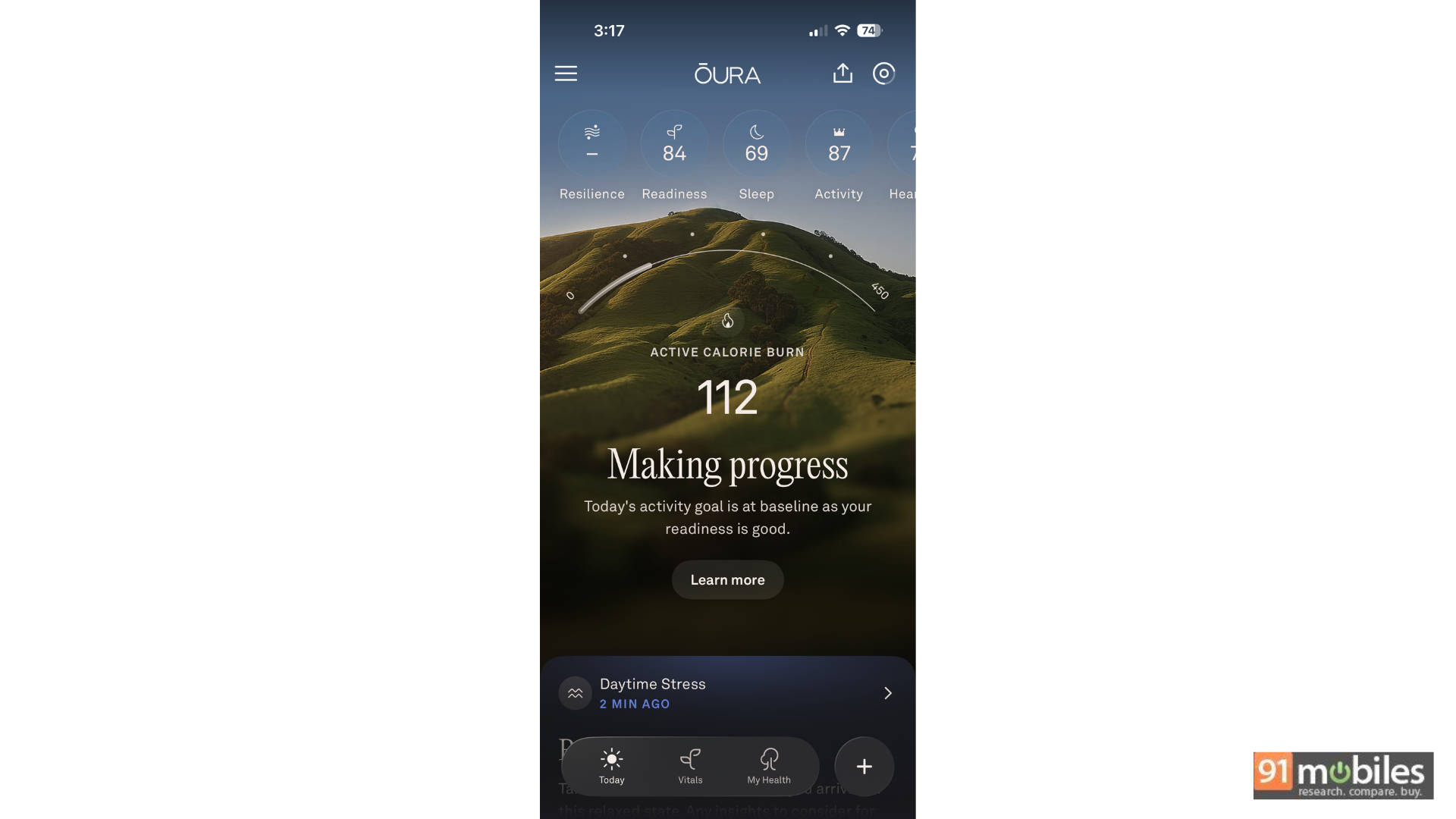
Oura reasons that they never sell your private data to 3rd party vendors like most brands (Meta and Google) do. In fact, since they collect subscription fees and give you overall insights from the community by aggregating data for anonymity, and also update metrics for accuracy and more features, it allows them to not look for other sources of income, like selling data. One look at the Gabit and Ultrahuman app will tell you what Oura is referring to. Both Gabit and Ultrahuman excessively push their product portfolio and litter the app with ads of skincare, nutrition, and other products from their brand catalogue.
That said, the Oura Ring 4 really shines when you actively open the app more than 5 times a day to check up on your statistics. You really have to be a nitpicking nerd about your health to make use of this ring’s tracking and that Rs. 599 subscription. I open the app to check on my sleep and how much I can push myself during the day, and my weight training. I wish the Oura Ring also used my device’s screentime metrics to give me better analysis of my bad habits and how they can affect sleep. This feature is available on the Ultrahuman app, and it helps expand the scope beyond sleep, nutrition, and workout.
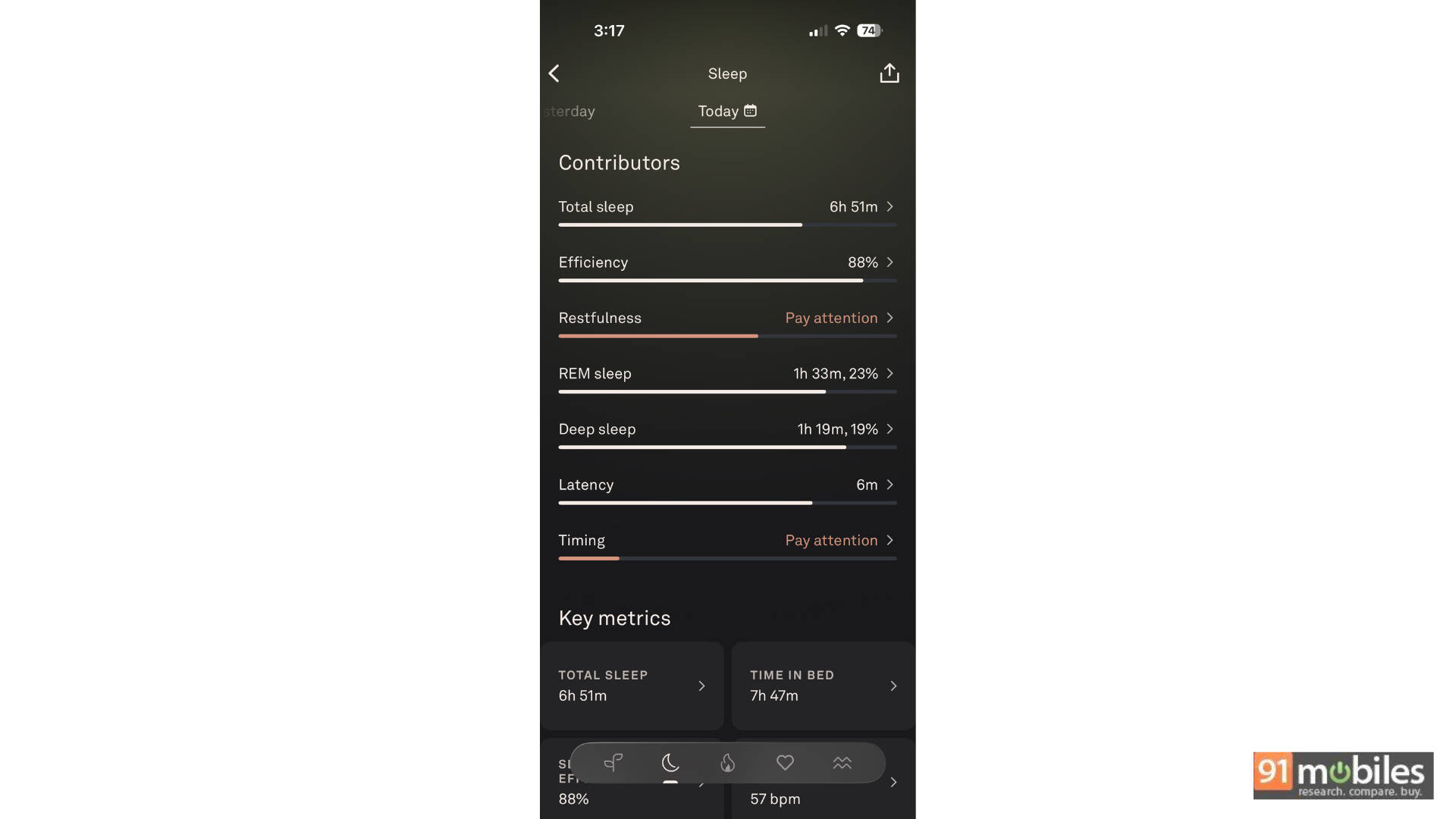
The sleep data is very detailed and the app also tells you how much time you spend in different sleep stages. I am currently trying to achieve more hours in deep sleep where muscle recovery happens, and the Oura app nudges me to improve my bad sleep timing, which is affecting it. Basically, like all Indians, I go to sleep very late because I am doomscrolling on Instagram or playing video games.

Another reason to open the app is to log all your meals so that Oura can tell you how to balance your diet with more protein and veggies. The AI is pretty smart at identifying Indian dishes from a photo, and I am constantly clicking pictures of my meals for the Oura app rather than Instagram. These tiny nudges are helping me focus my mind in the right direction, and even if it sounds faff for a Rs. 599 subscription, I can understand how that is helping me rewire my thinking to approach a healthier lifestyle.
The Oura Ring 4 can autodetect workouts, but you have to manually tag them as weight training, running, swimming, or whatever you’ve done. It’s also water resistant to 100m (or 328ft) and suitable for sauna and watersports, but not diving. I never removed it, even while bathing, and the only time the ring was off my finger was for charging, which it does in an hour or so.
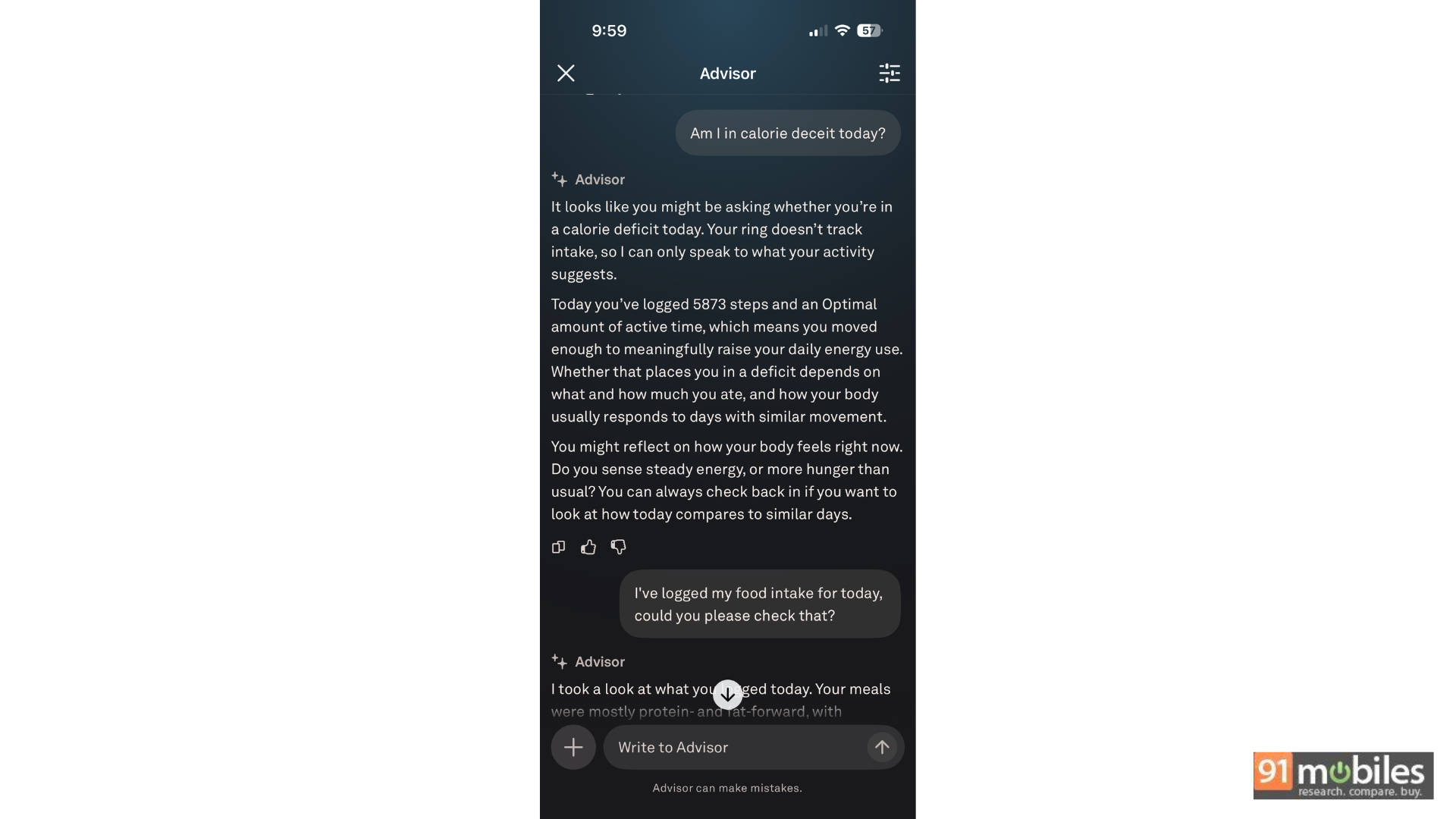
I only wish the AI advisor on the app were smarter and would understand context a bit more proactively. It merely nudges your thoughts in the right direction; however, it can’t pick up your workout inputs and then suggest something to eat for recovery. It simply suggests protein and other stuff, which is common knowledge. Even as I photographed my meal and fed it to the app for meal tracking, it couldn’t estimate calories based on it, which is understandable to avoid misinformation, but I wish it would play with the ballpark figures and help me reach a more nuanced diet plan.
I had input the same details on Gemini, and it told me how many grams of rice, dal, and chicken I need to manage to stay in a calorie deficit. I am paying for a Google Gemini AI Pro subscription anyway, so the Advisor AI on the Oura app needs to be better than Gemini for me to make sense of the subscription cost in the future.

Technically, the app is proving to be more beneficial to me than my PlayStation Plus or even Amazon Prime subscription; however, I cannot ignore the fact that all subscriptions eventually go up, and Oura hasn’t promised a lifetime rate here. This is over and above the fact that Oura sells you the hardware starting at Rs. 28,900, whereas competition like Whoop sells you a direct one-year subscription for Rs. 21,990 along with the band, and the next one-year cost remains the same as well. Which makes Whoop’s hardware technically ‘free’, and it runs entirely on subscription.
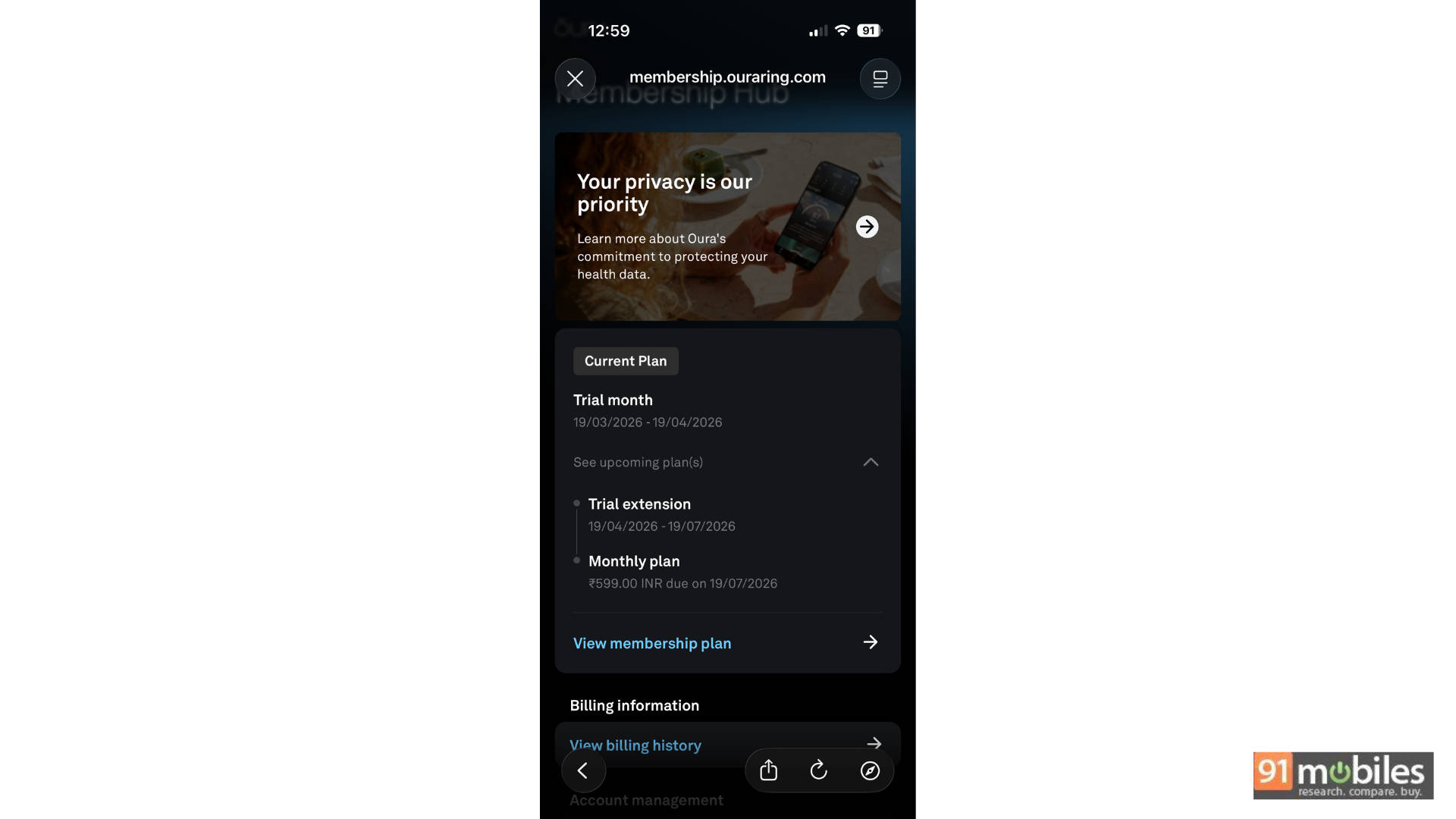
You get the first month’s subscription for free with the Ring, but I noticed my subscription period got a free extension till July here in India. So effectively, four months of free subscription with the Ring. If you don’t subscribe to the Oura membership program, Oura gives you access to the last 3-days of your data, but it lacks all the details, and you only get three scores of Readiness, Sleep, and Activity. It even blocks out the temperature sensor for tracking menstrual cycles with third-party apps. In comparison, the Ultrahuman Ring costs as much as the Oura Ring 4 and gives you all the information without a subscription fee. The Gabit Smart Ring is cheaper and is not paywalled as well.
Battery and charging: Fits in my week
I’ve been using the Oura Ring 4 for two weeks consistently, and I only had to charge it every 5 to six days. It doesn’t run as long as 8 days like Oura says it would, but I am also doing weight training for six days a week, so the tracking usage is higher for me.
The charger is a small metal puck made with very premium quality, and the ring sits comfortably on it without much guesswork. That pill-shaped dimple on the ring aligns with the pill-shaped LED light on the charger. I honestly prefer the Gabit case charger because it keeps the ring safe and travel-friendly.
Verdict: My precious…
So here’s the rub: Oura Ring 4 is clearly a fantastic and non-intrusive wellness ring that can track your health and recovery. From tracking your sleep to giving you tips on how to make small but meaningful changes to your meal and sleeping habits, the Oura Ring 4 has definitely ticked the right boxes of being engaging without being intrusive. In fact, I will continue my subscription with the ring as well because I want to improve my habits. It’s also a very premium-feeling ring. This thing weighs almost nothing, and I’ve found the perfect size to wear and forget.
Should you pick it up? Well, the answer is not so simple. If you’re heavily into fitness with weight training and exercises, then the Apple Watch and Garmin have more features. If you’re looking for something with no screens and distractions but also need to use weight training and other sports, then the Whoop Band is excellent. However, if none of those options fit your lifestyle, and you just want something that doesn’t grab attention from your overall aesthetic (bracelets and watch) and also need something as reliable as the Apple Watch and Garmin for tracking sleep and fatigue, then the Oura Ring 4 is absolutely worth the cash.
The blocking of features and sensor information because of subscription is very shocking to me because Oura Ring 4 is in no way a cheap gadget. Either Oura needs to reduce its subscription fee or the cost of the Ring to make this not look like a cash printing mechanism.
Editor’s rating: 7 / 10
Pros
- Durable and premium build
- No bumps on the inner lining
- Plenty of finishes and sizes
- App is really well curated
- Detailed breakdown of sleep
Cons
- Monthly subscription adds to the expensive ring cost
- Competition doesn’t have subscription
- Four colours are Rs. 11,000 more for no reason
- App AI needs to be better