I’ve tested plenty of budget and mid-range smartwatches over the years, often wondering how much better the top-end models really are. So when the chance came to review the Samsung Galaxy Watch8, I felt a mix of excitement and apprehension. Excitement, because it’s Samsung’s flagship wearable; apprehension, because its base 40mm Bluetooth variant is priced at Rs 32,999, a figure that demands serious justification in a market where budget and mid-range options have become impressively capable.
After nearly a week with the Samsung Galaxy Watch8, I can confidently say it’s one of the most impressive wearables I’ve used. That said, it’s not a one-size-fits-all device; it’s designed for a specific audience. Whether it’s the right choice for you depends entirely on your needs and priorities. In this review, I’ll break down exactly who should consider investing in the Galaxy Watch8.
Table of Contents
Designed for everyday use
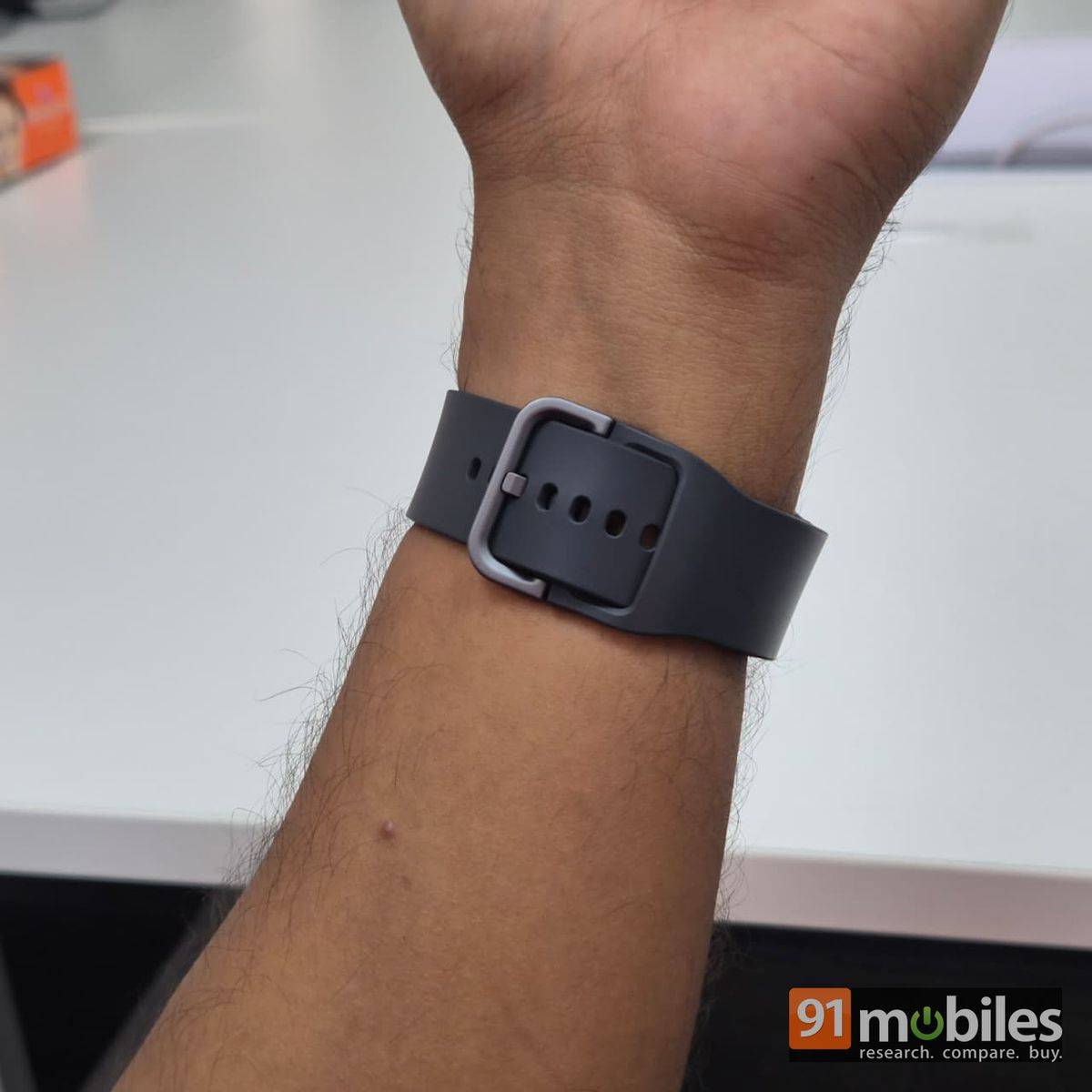
For lifestyle users, the Samsung Galaxy Watch8 is a compelling choice. It’s slim, lightweight, and styled to complement everything from casual wear to formal attire. That said, its circular dial, mounted on the squircle armour aluminium frame, looks striking and quickly grows on you. Samsung refers to this frame as a “cushion” design, which is identical to the Galaxy Watch Ultra, to enhance its durability.
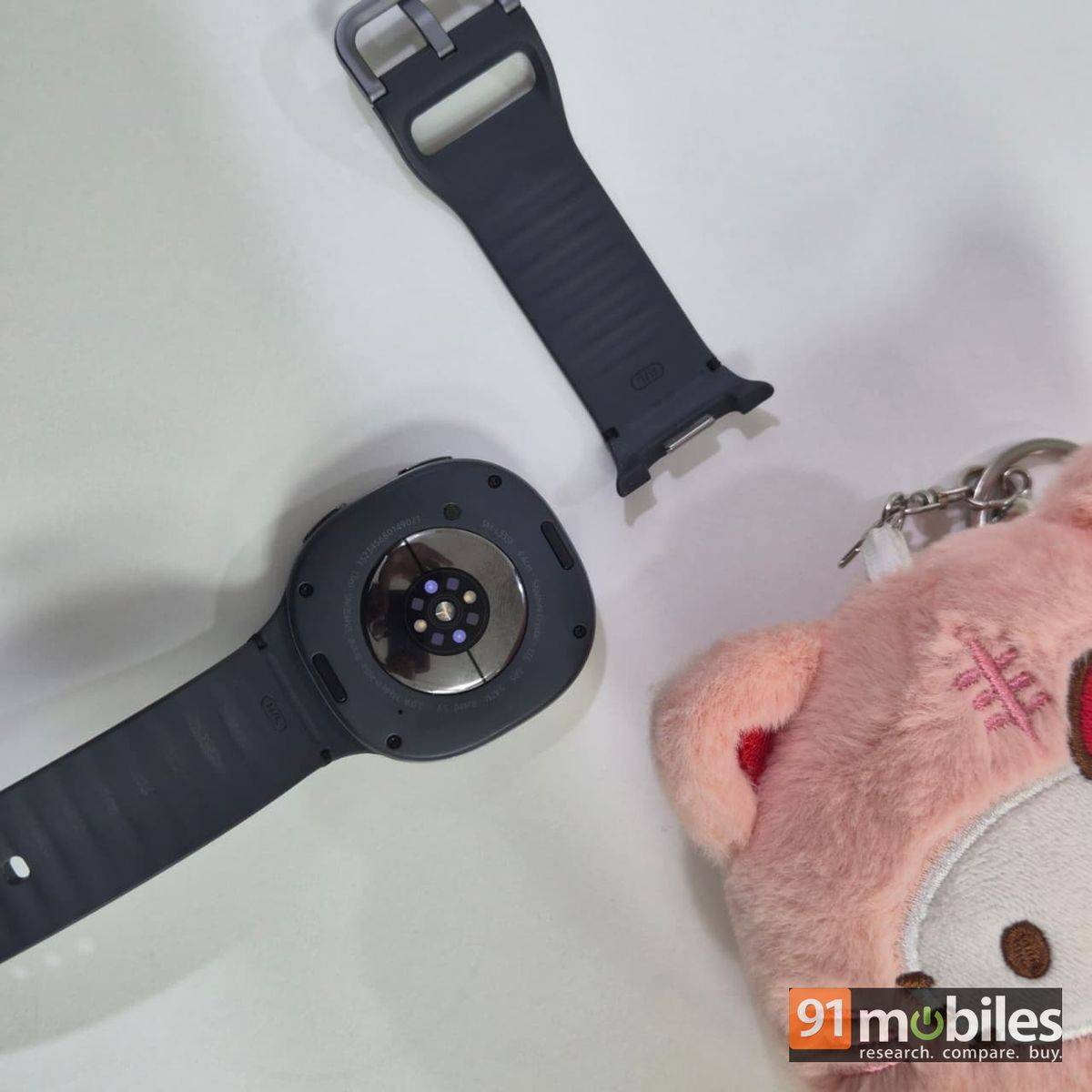
The Watch8 also uses the new Dynamic Lug System for the bands, which makes it easy to lock them into place and remove them with a press of a button. This setup is not only more convenient than the traditional spring-based mechanism but is also said to improve health tracking accuracy. However, the only trade-off is that you can’t use the older Galaxy Watch bands with the Watch8. Moreover, even though the Watch Ultra 2 comes with the same log system, its straps won’t fit either, as they are wider than those designed for the Watch8.
Be that as it may, my review unit came with silicone straps, which are soft to the touch and comfortable enough for all-day wear, but not particularly sweat-friendly. If you have sensitive skin, you might find yourself removing the watch to wipe away moisture during workouts. Samsung has introduced fabric bands (priced at Rs 2,999), which should be better suited for exercise and more breathable in sweaty conditions.
The durability of the Watch8 is identical to its predecessor, with a 5ATM + IP68 water and dust resistance rating, as well as military-grade MIL-STD-810H durability. This ensures the watch can be worn while swimming and when out in the rain.
Bright, crisp display
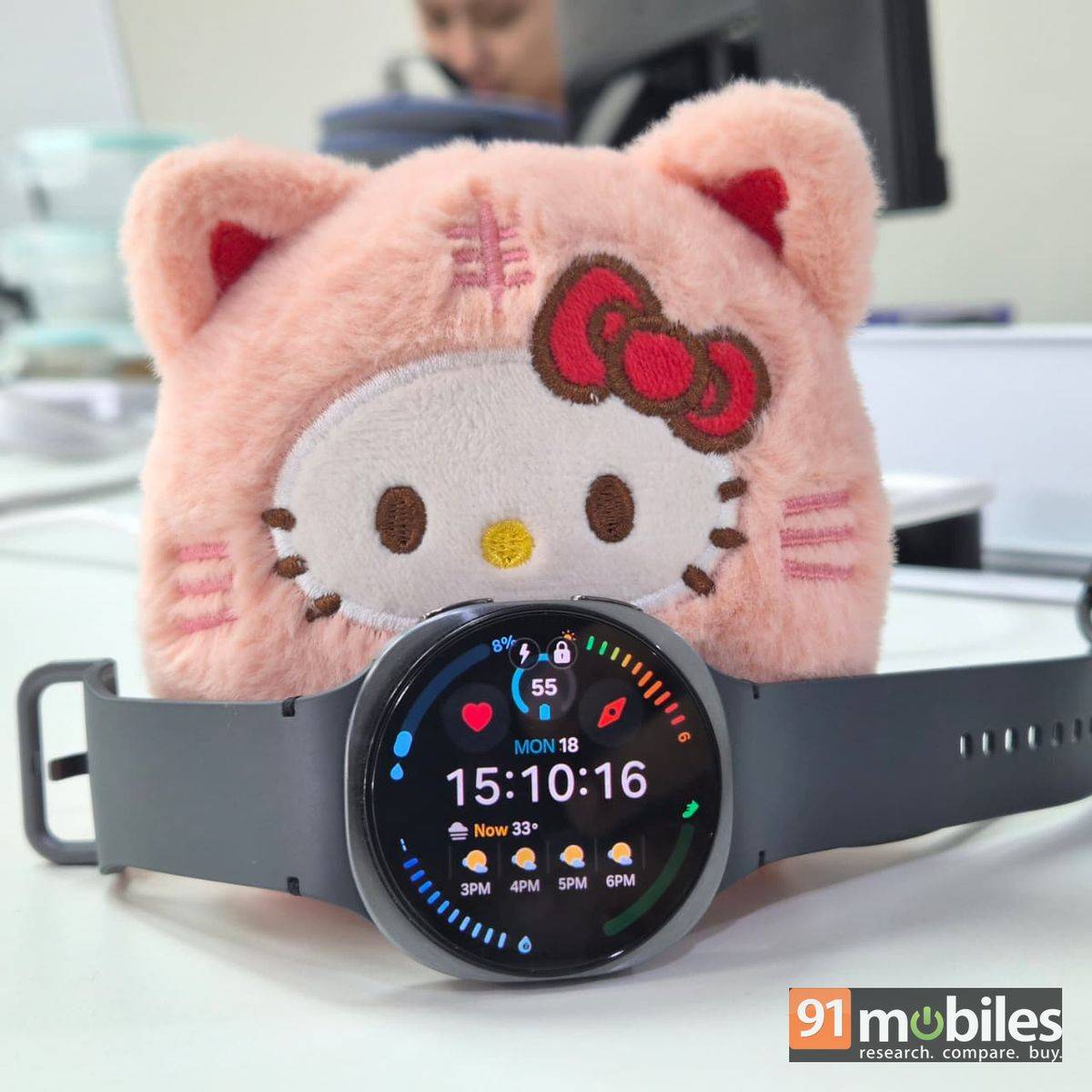
The Watch8’s Super AMOLED display, which offers 3,000 nits of peak brightness, is legible outdoors under direct sunlight. In my testing across various environments, I never struggled to see on-screen content. Truth to be told, though, Delhi’s skies weren’t as harsh as they usually are during peak summer time during my review period. However, the brightness levels match those of the Galaxy Watch Ultra, a model designed for extreme environments such as high altitudes where sunlight is at its most intense.
The Watch8’s display also inherits several features from its higher-end sibling, including Sapphire Crystal glass protection, which is highly resistant to scratches and impacts. I didn’t encounter any accidents severe enough to truly test its toughness, but after multiple workout sessions, the screen remained completely unscathed. Since it is a Super AMOLED panel, the colours look rich and vibrant, and the viewing angles remain excellent.
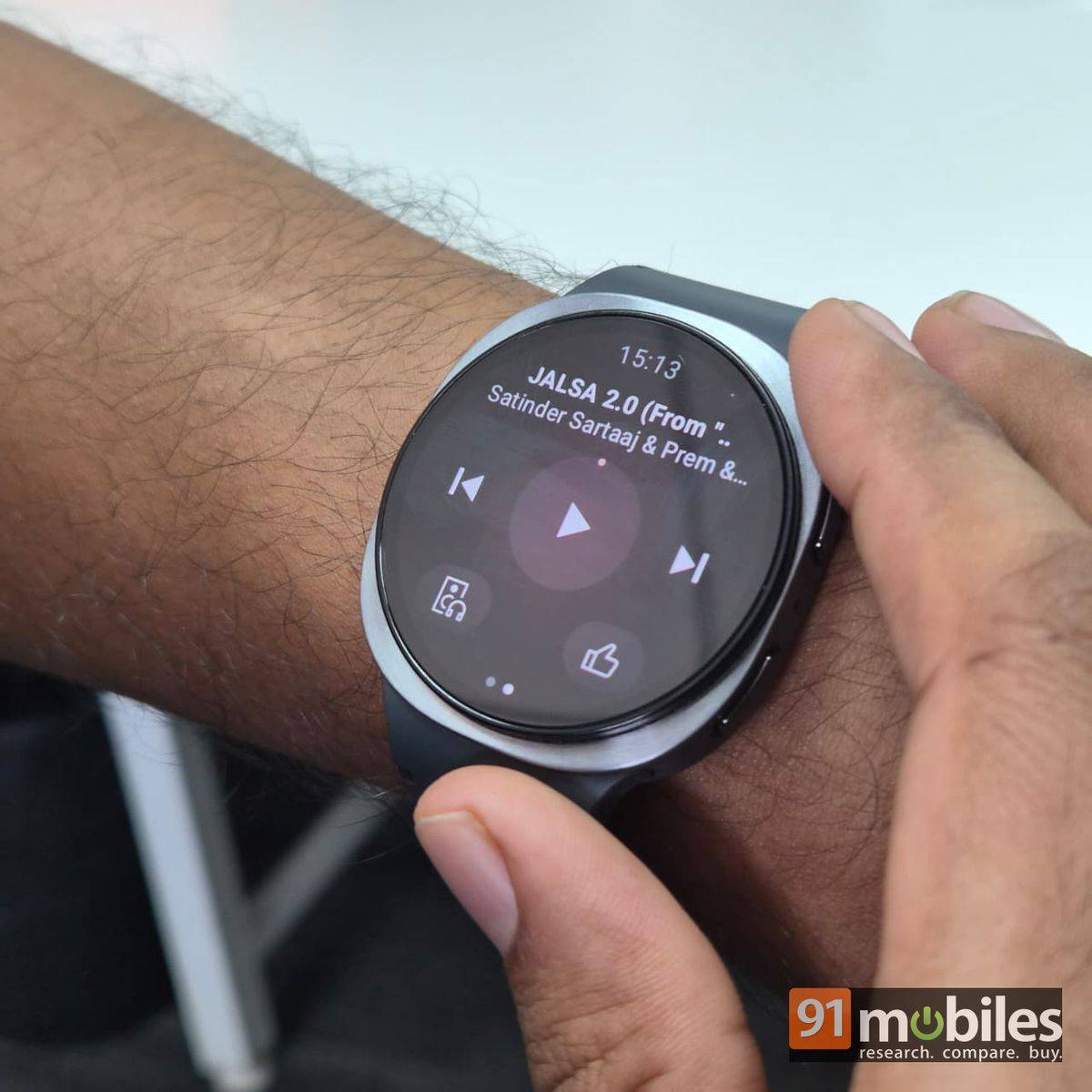
Similar to its predecessor, the Watch8 comes in two display sizes: 1.3-inch (40mm dial) and 1.5-inch (44mm dial). I tested the 1.5-inch variant with a 44mm dial, and despite my slender wrist, it never felt oversized or unwieldy.
Gemini on the wrist
Performance on the Galaxy Watch8 is equally impressive. Powered by a penta-core processor clocked at up to 1.6GHz and paired with 2GB of RAM, the watch delivers smooth, responsive day-to-day operation. The wearable also offers 32GB of built-in storage for offline music playback. Notably, the Watch8 is the first smartwatch to ship with Google Gemini preloaded. Activated via a long-press of the top button or hotwords like “Hey Google”, the AI assistant works for both offline and online tasks. From launching a workout mode and adjusting settings to providing directions to a nearby cafe on Google Maps and answering queries online, Gemini handles voice commands with ease. And if you’re using the LTE version, you don’t even need your phone nearby to fetch information.
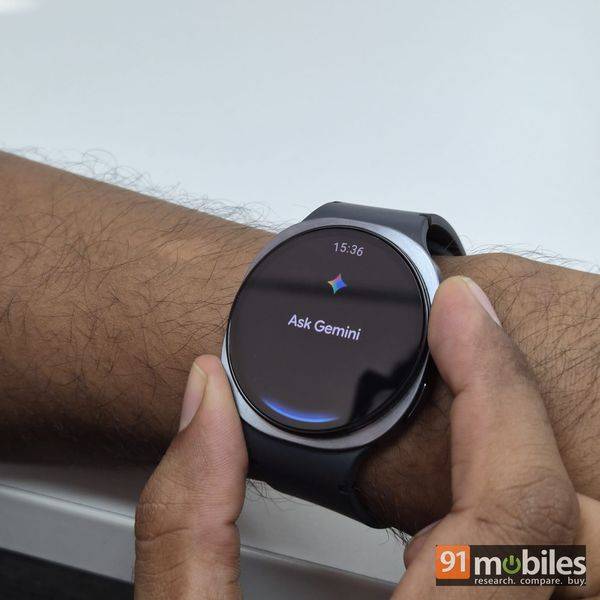
This is a genuinely useful addition, especially on a smartwatch where navigating menus on limited screen real estate can be cumbersome. That said, since it’s still new to smartwatches, it may take some time to get fully comfortable with it. In my experience, I often only turned to Gemini once I was already exhausted trying to complete a task manually, highlighting both its convenience and the learning curve it brings.
Comprehensive & accurate health-tracking
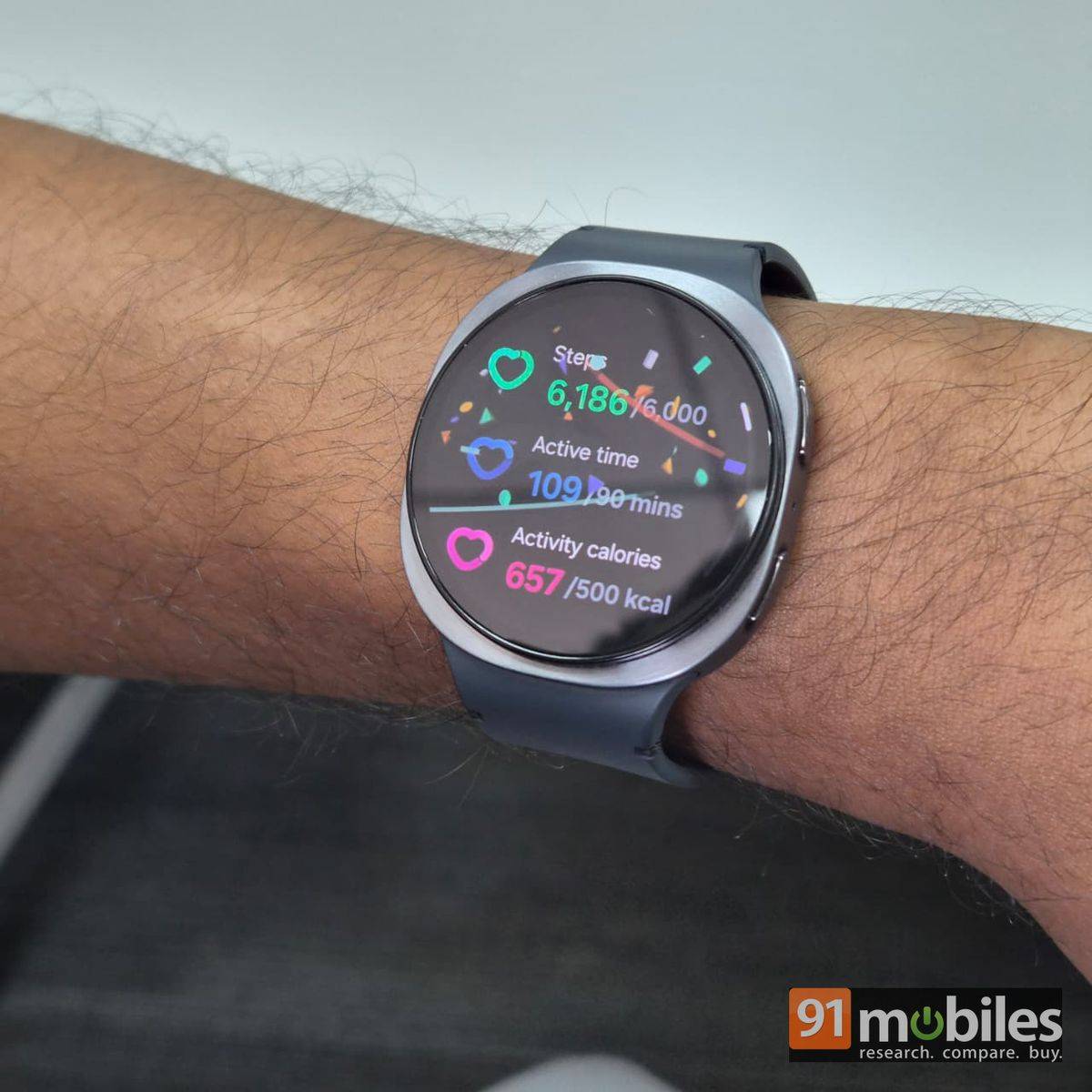
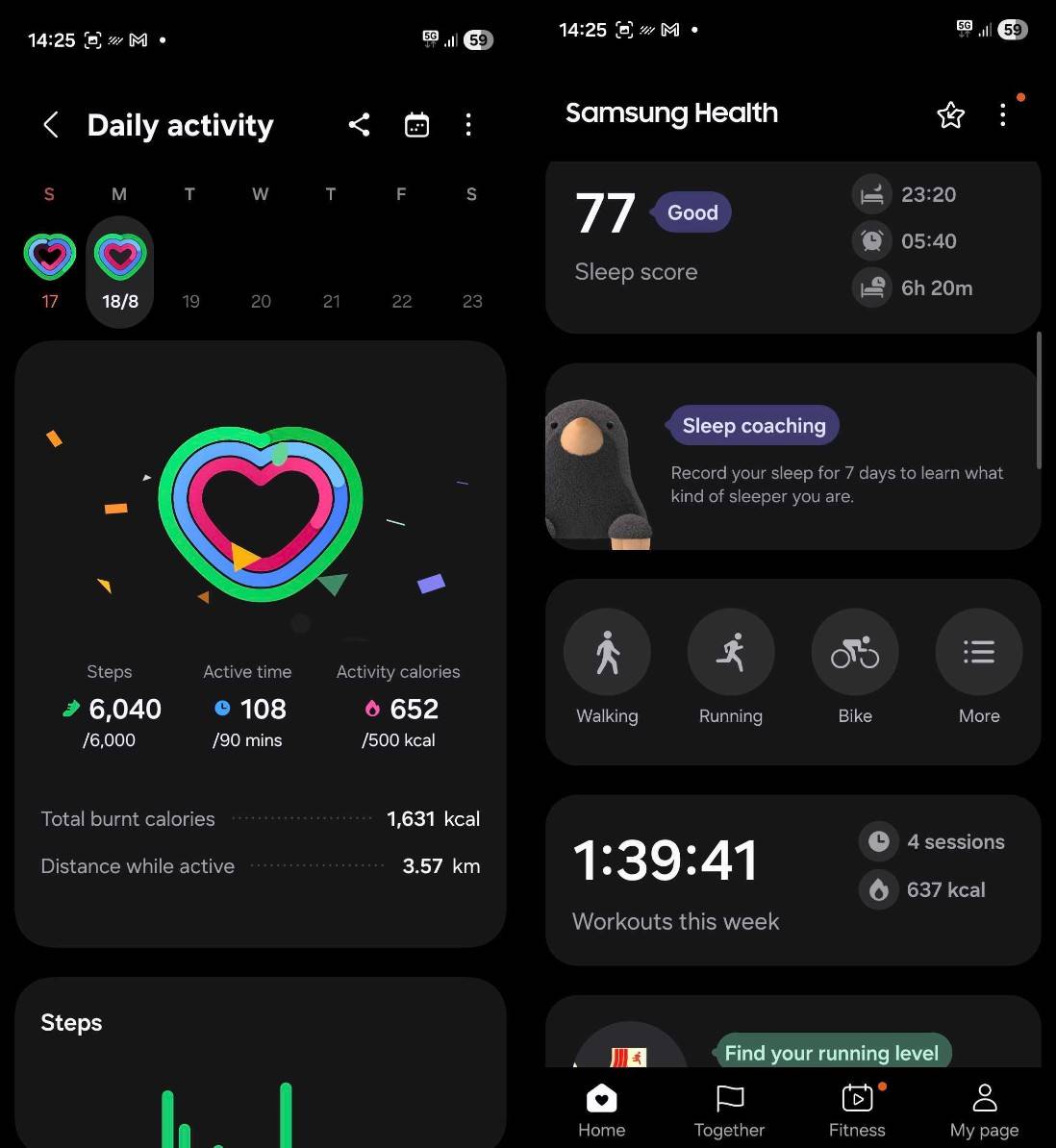
Moving on, the Watch8 proves fairly accurate across its wide range of health-tracking features. I used it to monitor my vitals throughout the day, during workouts, runs, and sleep. Step tracking was precise, with no false counts while walking, an issue I’ve often encountered with more affordable smartwatches. Additionally, the Galaxy Watch8 is comfortable enough to wear overnight, and its sleep tracking has been spot-on, even in detecting periods of wakefulness.
The sleep tracking also provides options to monitor snoring, blood oxygen levels, and skin temperature. However, these features must be enabled through the companion app, and activating them can naturally impact battery life. Additionally, recording snoring requires your phone to remain connected to a charger throughout the night, which could be inconvenient for some.
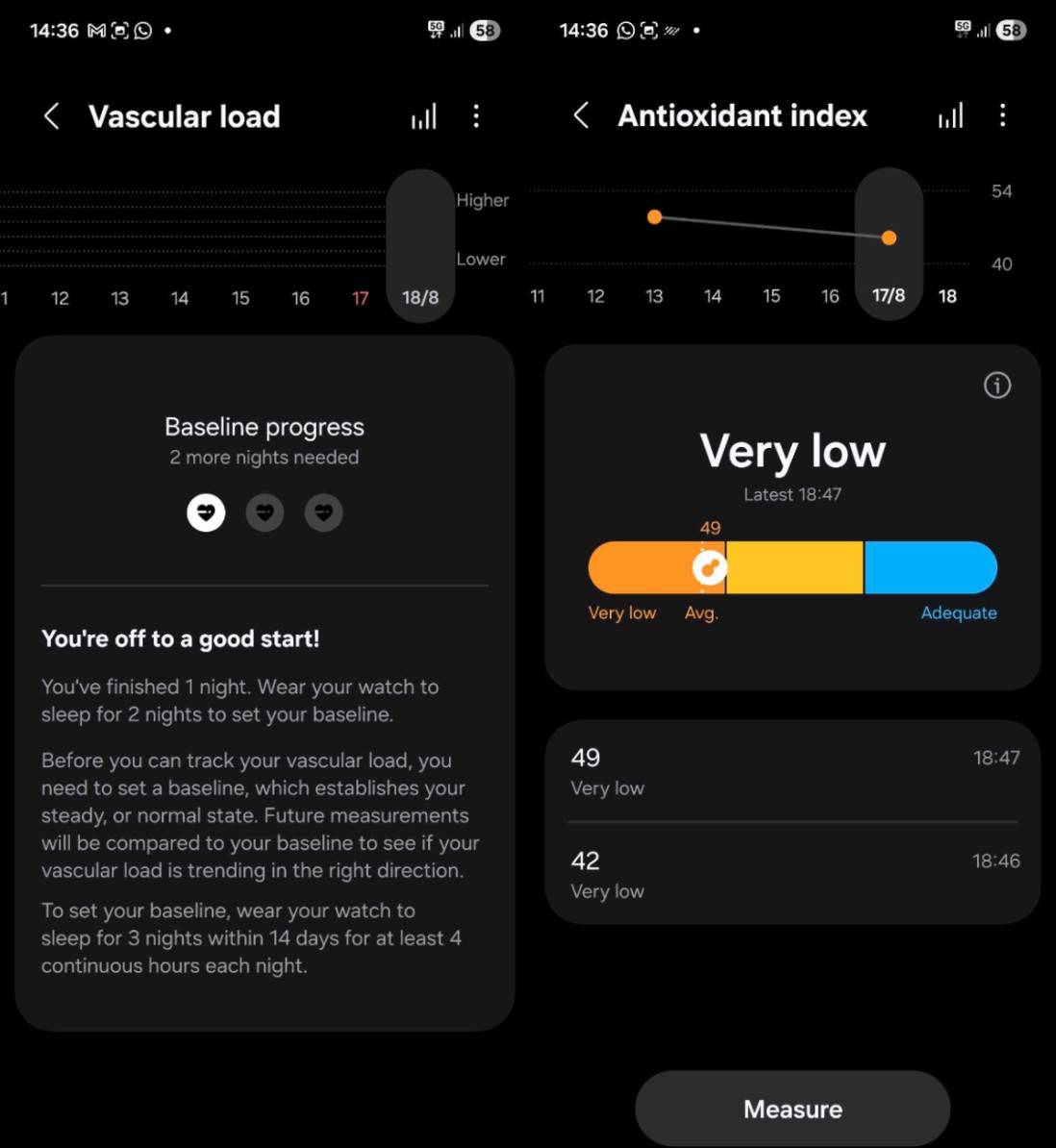
In addition to the Watch7’s health catalogue, Samsung has introduced a new Antioxidant Index, which estimates carotenoid levels in the blood, an indicator of dietary health linked to vegetable and fruit intake. The reading is taken by launching Antioxidant from the Samsung Health screen on the watch and placing your thumb on the rear sensors. Unfortunately, my result came back as ‘very low’, which is surprising given that my meals comprise ample vegetables and fruits.
While there’s currently no reliable way to cross-check the accuracy of this metric, the Watch8’s consistency with other health measurements gives some reason to take it seriously, though I’d still treat it as an indicative insight rather than a medical-grade assessment.
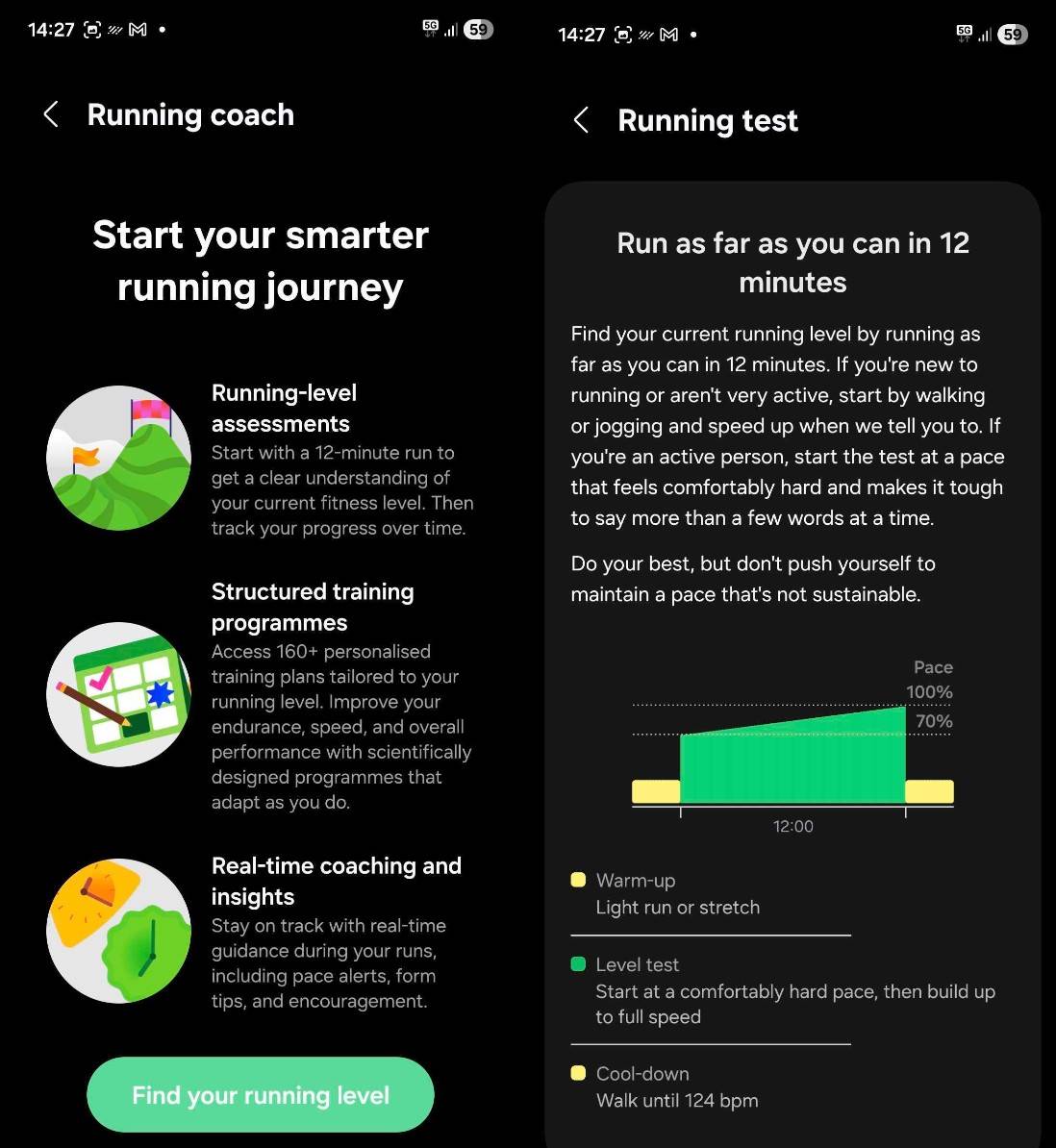
The Watch8 also introduces a new Running Coach, which analyses your runs and suggests improvements along with a tailored plan from over 160 options. To get things started, the wearable first asks for goals, which you can only input through the Samsung Health app on your smartphone, and complete a 12-minute test run. Based on this, a plan is assigned to you, and once you are close to mastering it, Samsung Health will switch you to another plan that better matches your capabilities. These can help you improve performance or even prepare for a marathon, if that’s your goal.
Furthermore, the Watch8 offers both Bedtime Guidance and Vascular Load. Bedtime Guidance uses the wearer’s past seven days of sleep data to recommend an optimal time to go to bed, while Vascular Load analyses how hard the heart is working during sleep. To begin, the watch records at least three nights of sleep (minimum four hours each) to establish your Baseline Load. Future readings are then compared against this baseline to determine whether the heart is overworked (pumping harder than usual) or underworked. Generally, the lower the load, the better it is for the wearer. The watch even provides suggestions to help stabilise your workload over time.
Be that as it may, the Watch8, like any other smartwatch out there, doesn’t recommend using its health metrics for diagnostics. This applies to its ECG and Blood Pressure monitoring as well.
Easy-to-use interface, with room for improvement
Coming to the software, the Watch8 runs Wear OS, which adds a user-friendly interface with access to a wide library of apps. On top of that, Samsung’s custom OneUI Watch skin integrates native apps and advanced health-tracking tools such as ECG and blood pressure monitoring. That said, the full feature set is reserved for those within Samsung’s ecosystem. iPhone users are left out entirely, with no companion app available, and even third-party Android smartphones face limitations with certain controls and features.
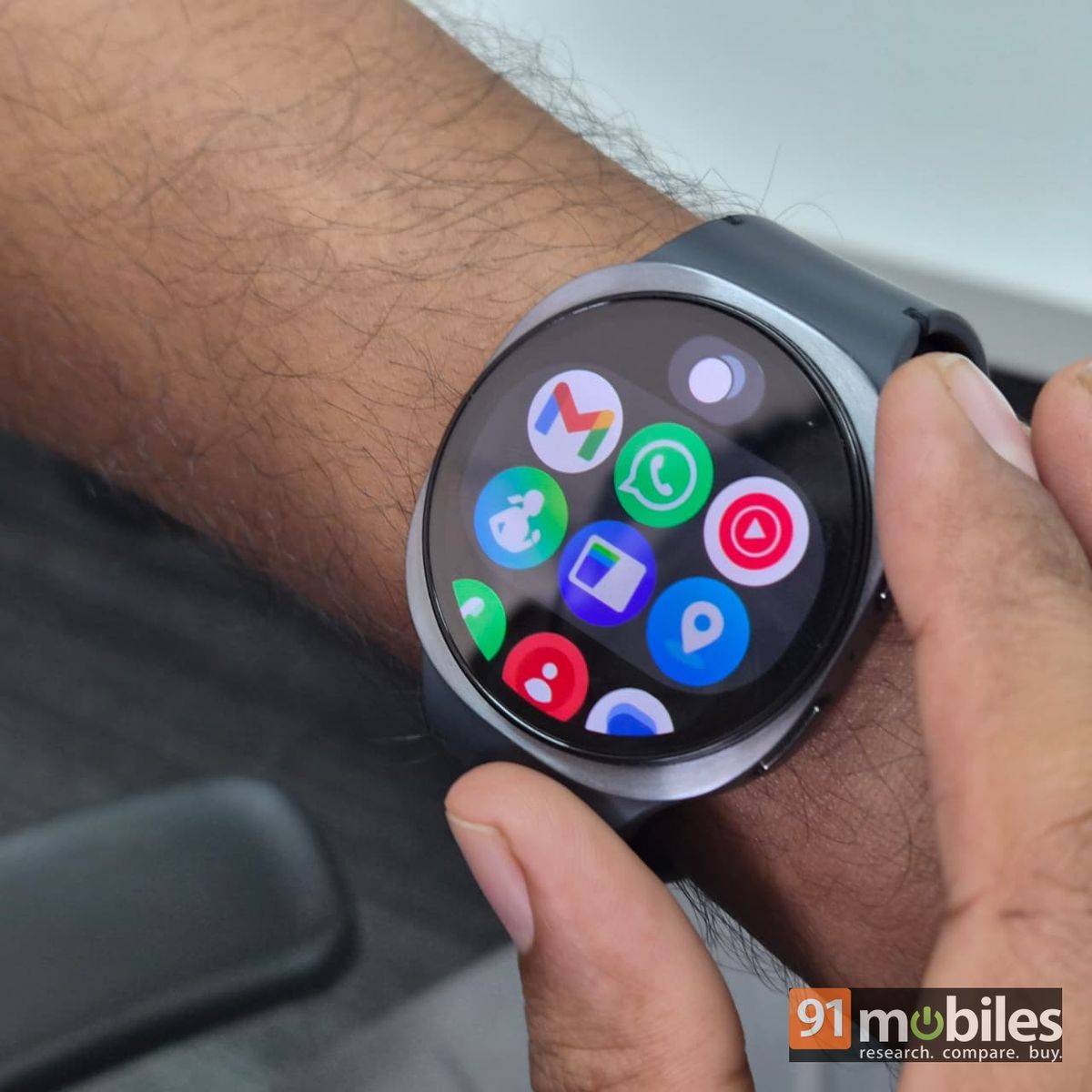
Moreover, the software still needs to mature before it can truly serve as a dependable standalone companion when your smartphone isn’t nearby. Even with LTE connectivity, I often found myself reaching for my phone to handle simple day-to-day tasks like starting a new message. The watch doesn’t offer a quick way to search for a contact manually. While you can use voice commands to pull up a contact, that isn’t always practical, say, on a crowded metro where speaking out loud isn’t an option.
Third-party apps, such as WhatsApp, are also not fully optimised for the Watch8. The messaging platform still can’t read images and allows users to place a voice call via the smartwatch itself.
Compatible apps (yes, plural!)
I tested the Samsung Galaxy Watch8 alongside the new Galaxy Flip7 (review). Pairing was effortless, thanks to the pre-installed Galaxy Wearable app on Samsung smartphones. That said, you will need a Samsung account to access the app. Once connected, the watch communicated seamlessly with the device, with data syncing smoothly in the background. Whenever a feature required extra permission or setup, the watch automatically redirected me to the corresponding app screen on the phone, making the process straightforward.
That said, I wish Samsung had allowed certain features to be enabled directly from the smartwatch itself. This would have made the Watch8 feel more intuitive, especially for first-time users. In addition, the sheer number of consent prompts required to access health features, while well-intentioned, can become overwhelming when you just want to get started.
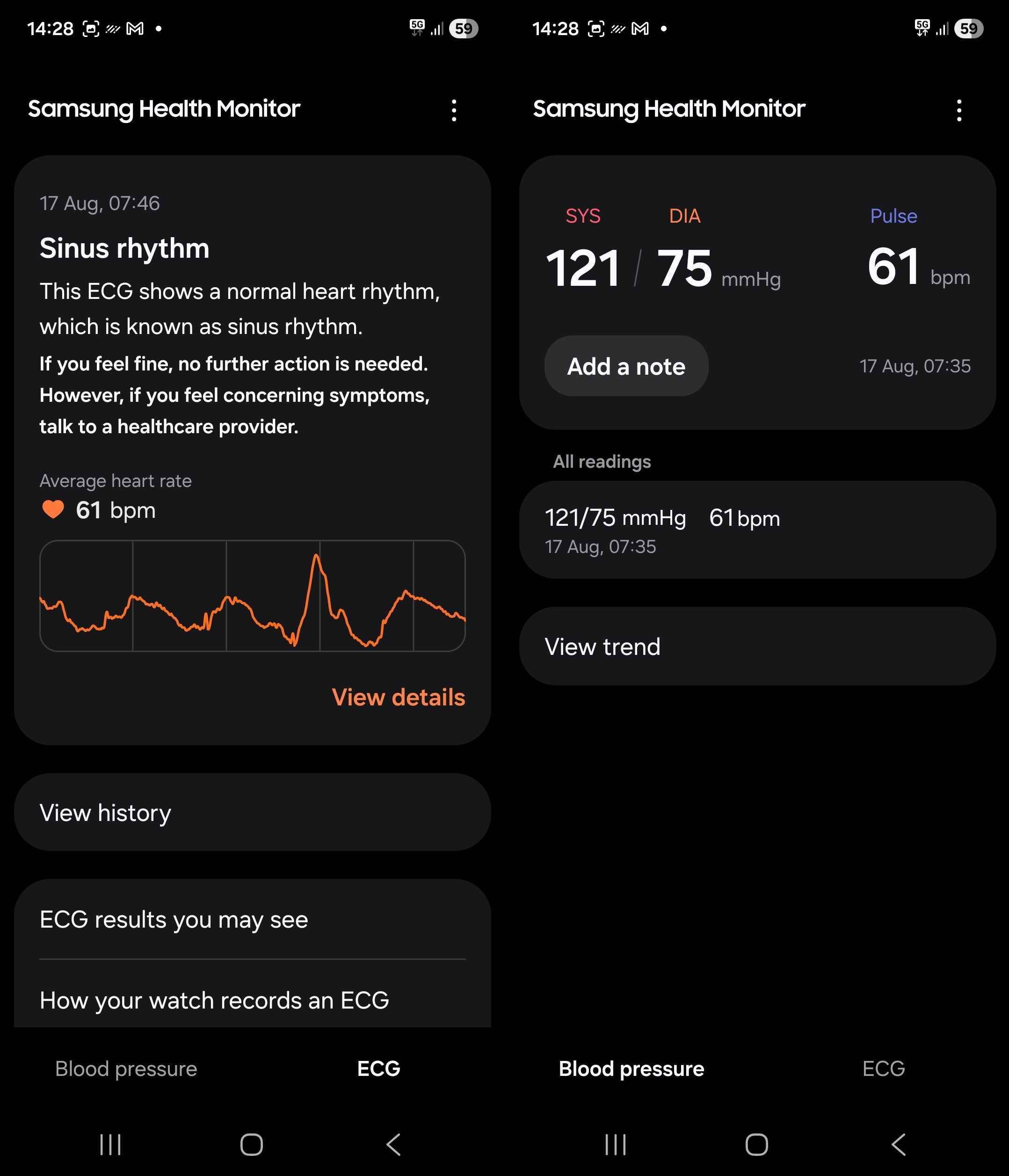
Moving on, unlike many smartwatches that consolidate everything into a single app, the Watch8 relies on three different apps. The Galaxy Wearable app handles pairing and general settings, while the Samsung Health app tracks vitals, workouts, sleep, and more. On top of that, users must download a third app, Samsung Health Monitor, to access advanced blood pressure and ECG features. These things can be overlooked, given how clean the UI looks.
Average speaker
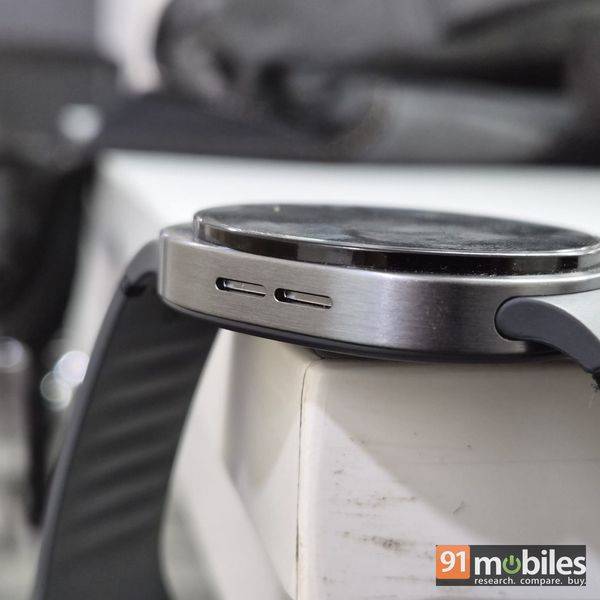
The Samsung Galaxy Watch8 comes with a built-in speaker positioned on the left spine. While the audio output is clear, the volume falls short for voice calls in outdoor environments. In quieter indoor settings, the speaker is serviceable; you can follow conversations without much trouble, but more often than not, you’ll find yourself cupping the watch closer to your ear to catch every word.
Battery life isn’t amazing
The Watch8 packs a 325mAh battery, which is 25mAh bigger than its predecessor. However, despite the battery bump, the backup remained ordinary. While the watch is claimed to last up to 40 hours with AOD (Always-on Display) off and 30 hours with AOD, the wearable could only last 26-27 hours, give or take, with my usage, which had every feature turned on from AOD to health-tracking features, LTE, music control, and more. This makes the wearable less approachable to users who are always on the go.
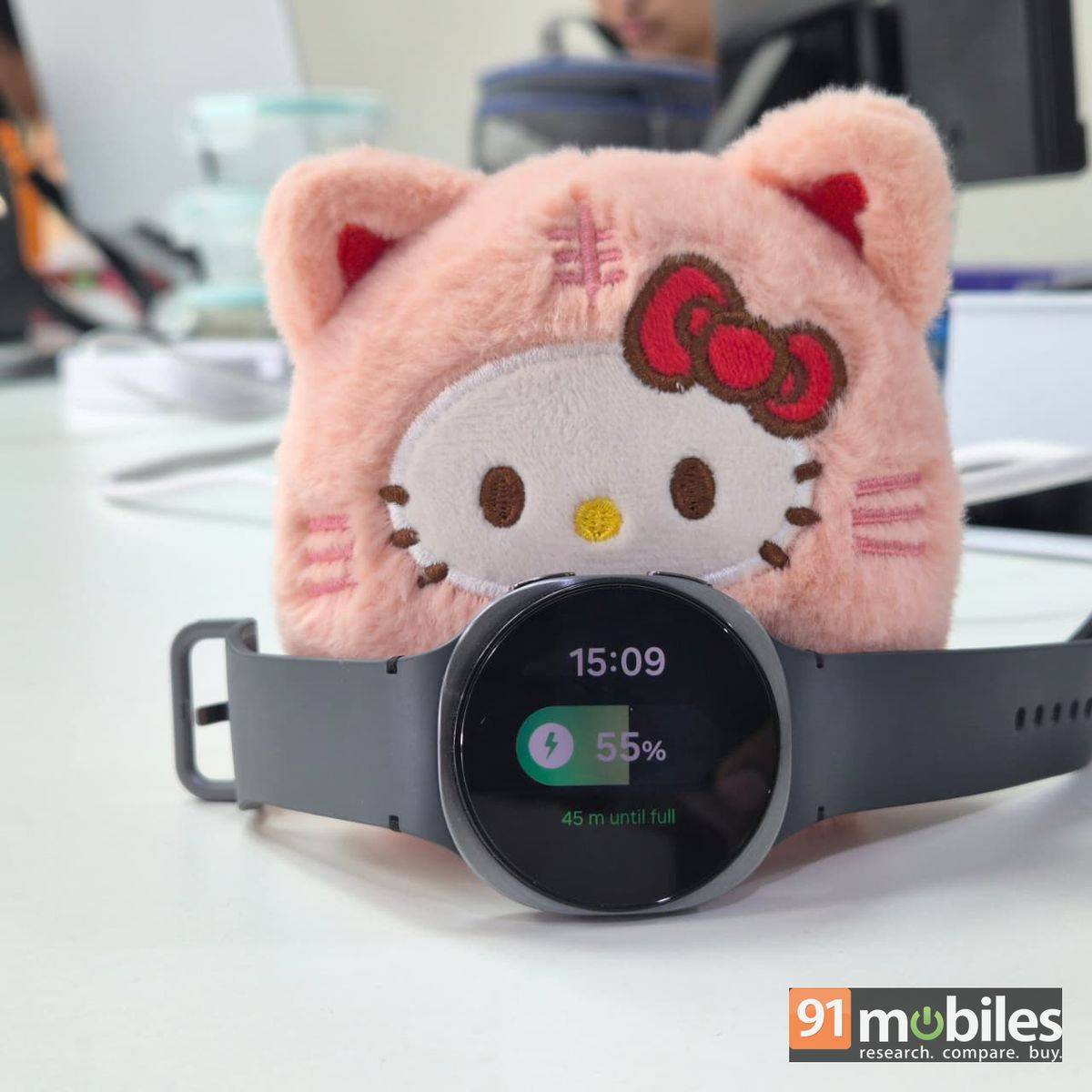
There are alternatives in the market that cost nearly a third of the Watch8’s price and can last for weeks on a single charge. It would have been overlooked if the Samsung smartwatch offered faster charging speeds. However, the Watch8 takes more than 90 minutes to recharge from near empty to full.
Verdict
The Samsung Galaxy Watch8 nails the fundamentals, with its bright AMOLED display, smooth performance, accurate fitness monitoring, and seamless integration within Samsung’s ecosystem. The addition of Google Gemini makes it smarter than most of its rivals, and the build quality ensures it feels every bit like a flagship wearable.
That said, the Watch8 isn’t without its compromises. Battery life could be an area of concern, and those who value multi-day use on a single charge may find better options among more affordable rivals. The onboard speaker also leaves a bit to be desired.
Still, for anyone already invested in Samsung’s ecosystem and upgrading from Watch6 or older smartwatches, the Watch8 strikes a fine balance of style, versatility, and robust health-tracking features, delivering where it matters.
Editor’s rating: 8 / 10
Pros
- Slim, lightweight design
- Bright display
- New fitness features, accurate tracking
- Google Gemini on your wrist
Cons
- Battery life could have been better
- Proprietary band mechanism
- Speaker needs improvement