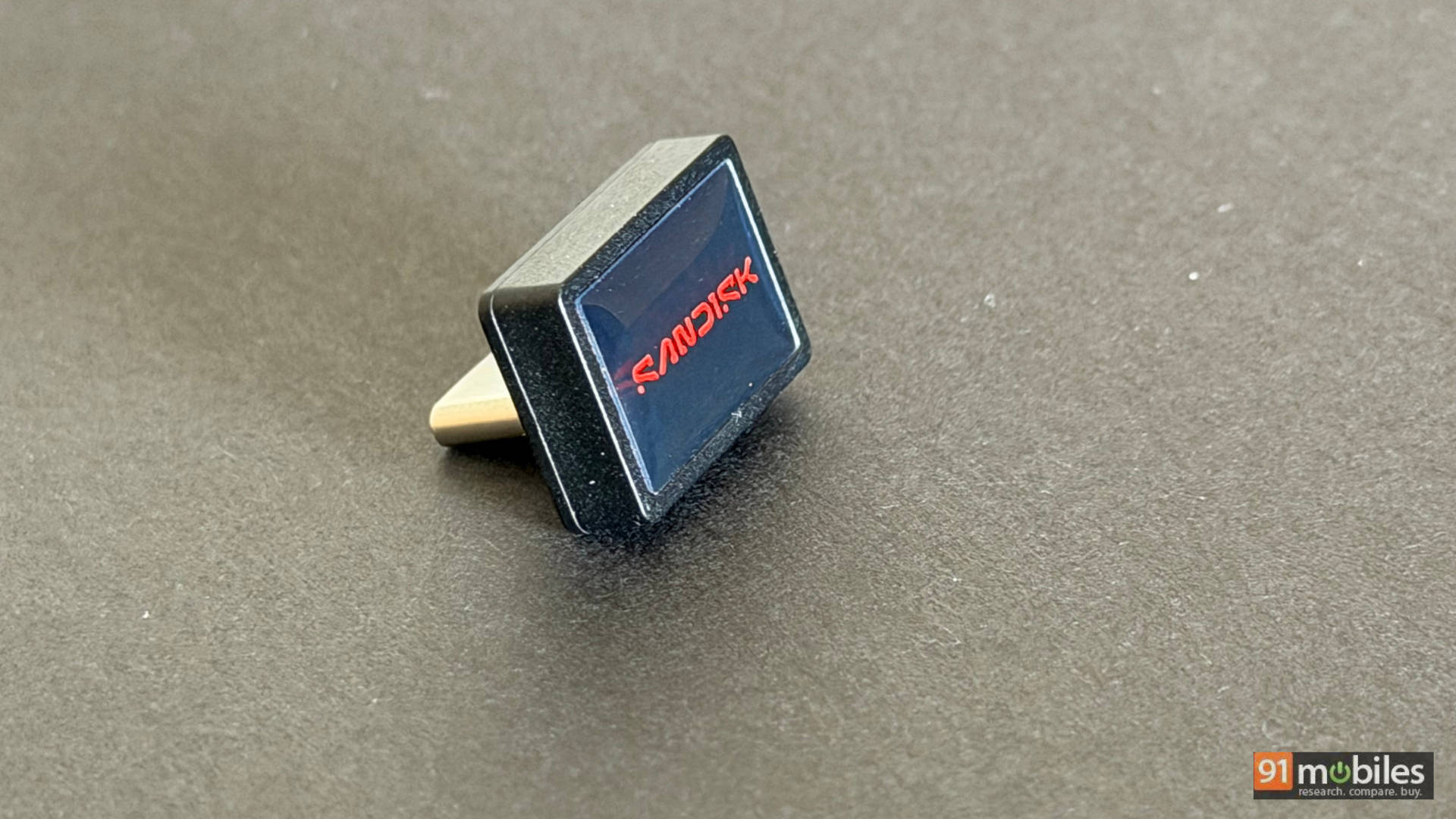
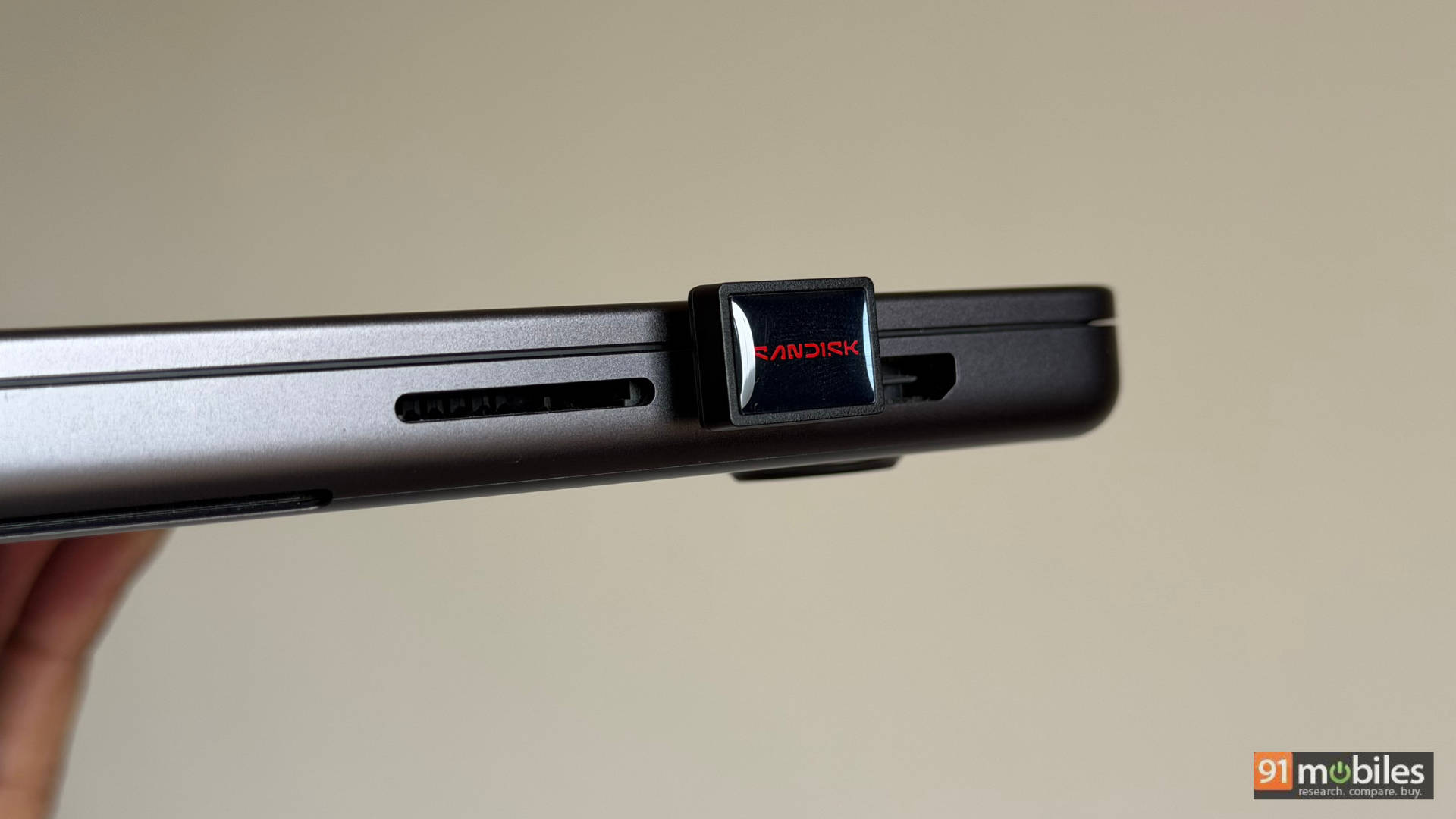
The existence of Sandisk Extreme Fit comes from the fact that everything in the small portable drive category has always managed to stick out like a sore thumb. Every pendrive I have sticks out by two to three inches from the port and can snap off with a gentle tug or pressure.
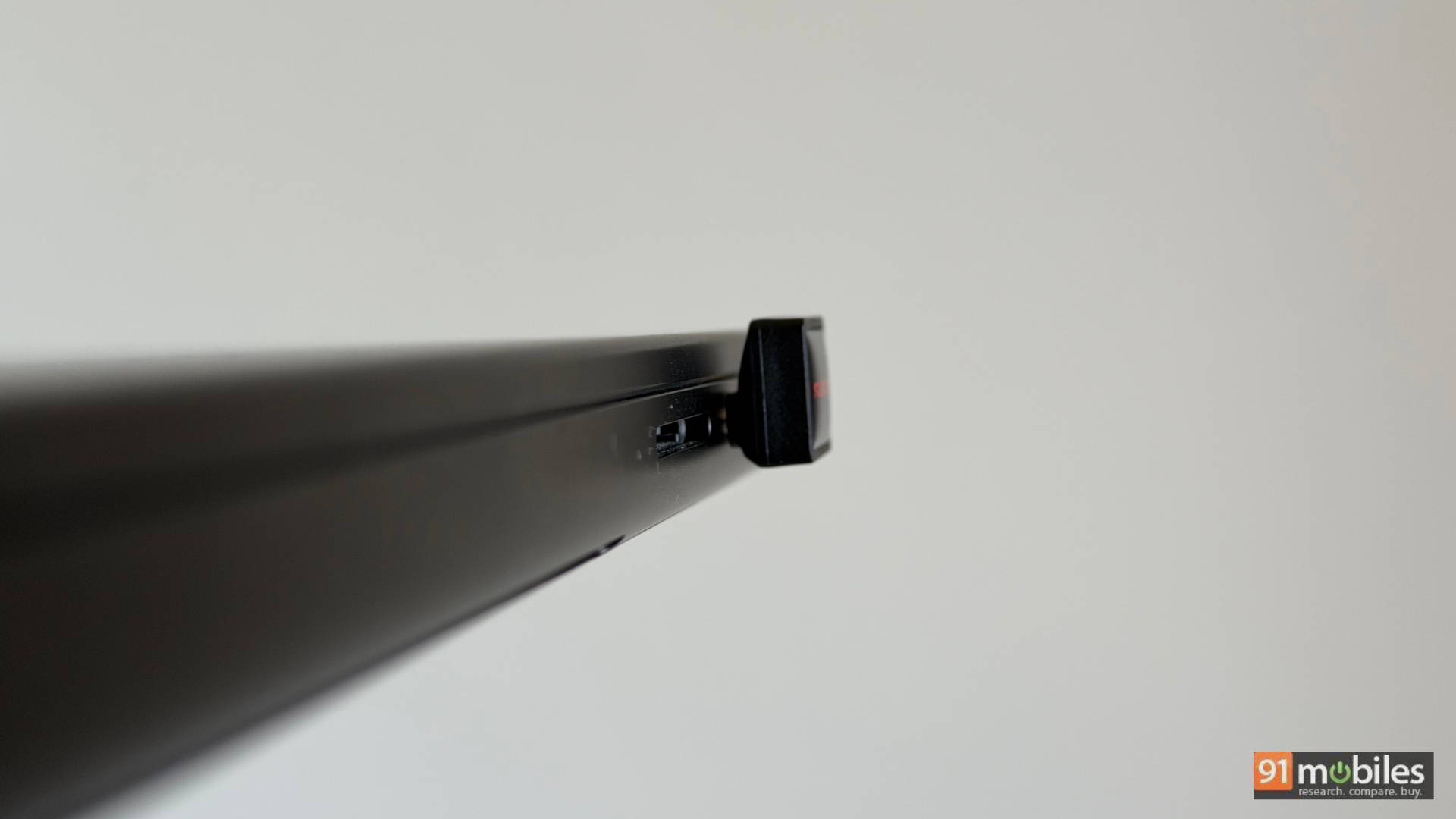
After having performed a funeral for my gaming headset dongle that is pretty much the size of a pendrive, I think the Sandisk Extreme Fit addresses a very specific problem. It sits so flush with the port that losing it in the deep trenches of your backpack is a bigger fear than keeping it connected to your device.
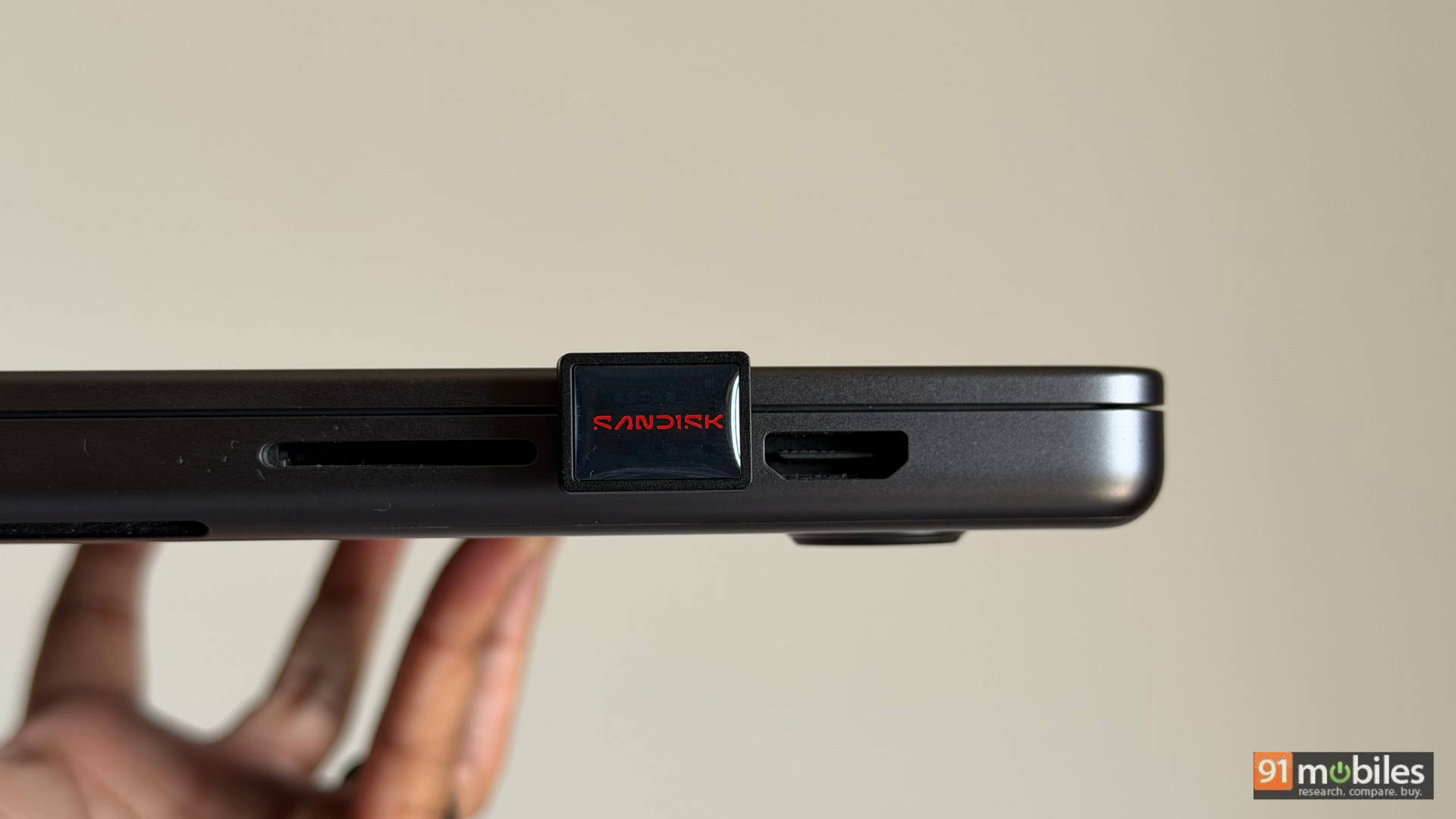
Table of Contents
Who is the Sandisk Extreme Fit for?
The Sandisk Extreme Fit comes in 64GB (Rs 2,049), 128GB (Rs 2,799), 256GB (Rs 4,899), 512GB (Rs 8,999), and 1TB (Rs 17,299) and has a footprint of your toenail. It’s incredibly minuscule and works as a plug-and-forget storage partner for your devices, especially Apple ones.
The Extreme Fit is more expensive than the traditional flash drives, and the specs are almost identical to the cheaper Sandisk Ultra Dual Drive, so you’re paying a premium for that “now you see it, now you don’t” form factor. It has a USB 3.2 Gen 1 speed of up to 400MB/s which is enough to work off on MacBooks and PCs for photo editing and heavy file usage.
Apple’s older MacBooks and iPads have notoriously started from 64GB and 128GB; this can be a nice alternative storage attachment for small files and general backups. However, you’ll be bandwidth-constrained if you don’t have a USB 3.2 Gen 1 port on your device. All current Macs that have an M-series chip in them have a USB 3.2 Gen 1 port as well. So make sure to glance over your laptop spec sheet before you pick this up.
Performance: Delivers as promised
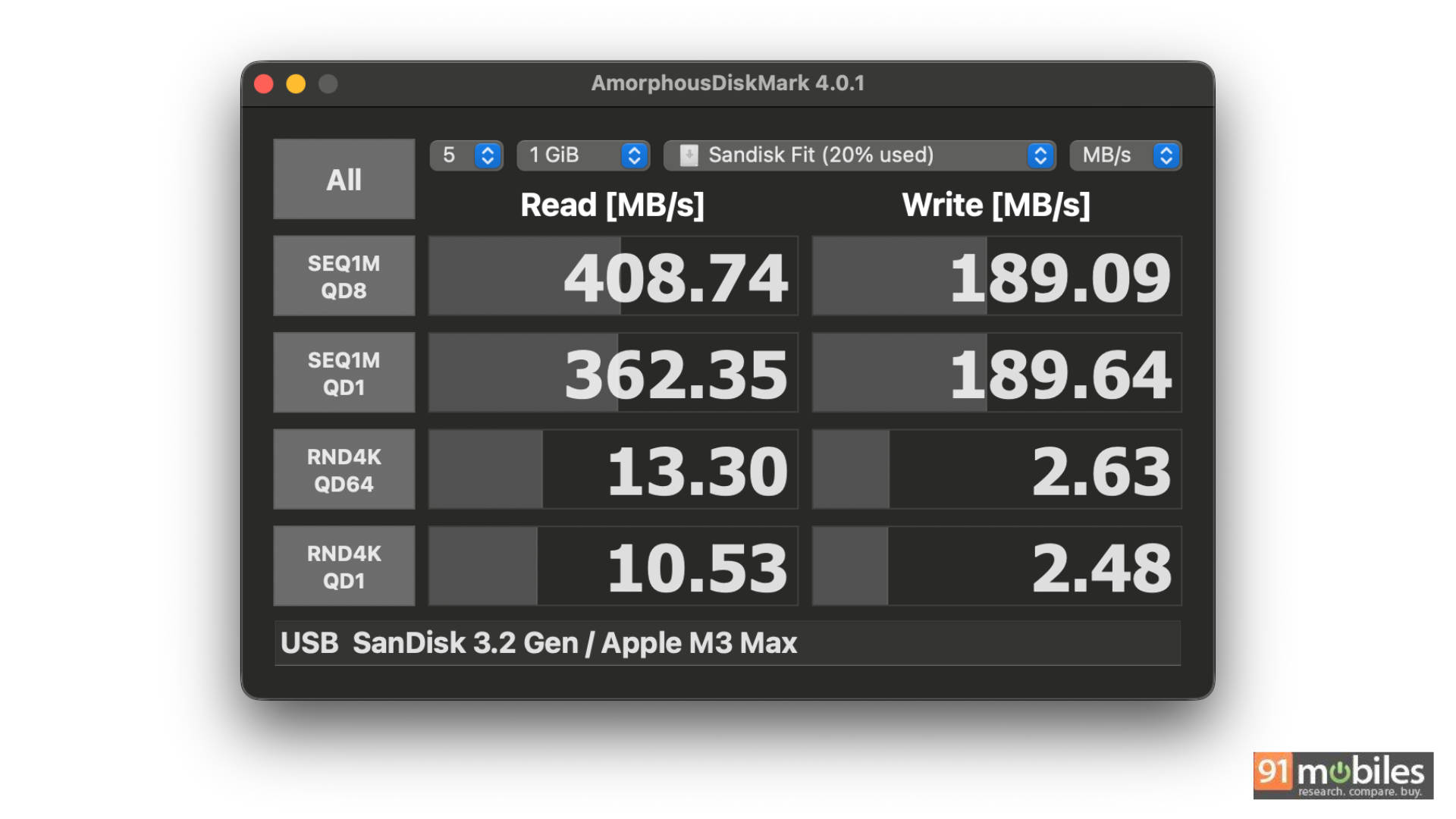
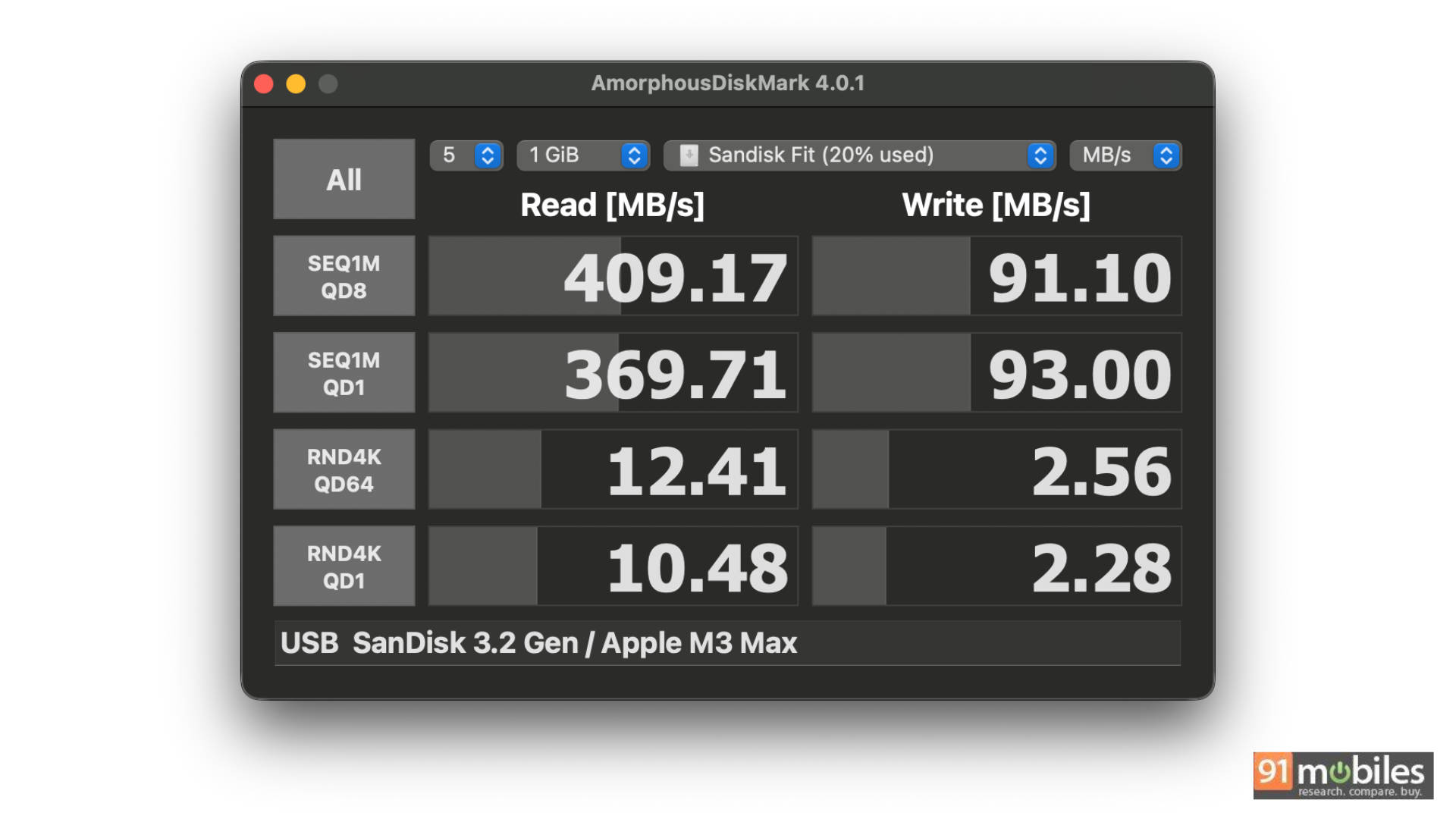
On the MacBook Pro with M3 Max, the Sandisk Extreme Fit hit the advertised Read Speed of 400MB/s in benchmarks. The Write Speeds suffer from thermal throttling between the first and the second copy from the Mac to the Sandisk Extreme Fit. Our tests show that copying data to the drive in quick succession can reduce its speed. The benchmark shows that as well. The first test has a 189MB/s and then the subsequent tests drop the write speeds to 90-95MB/s average.
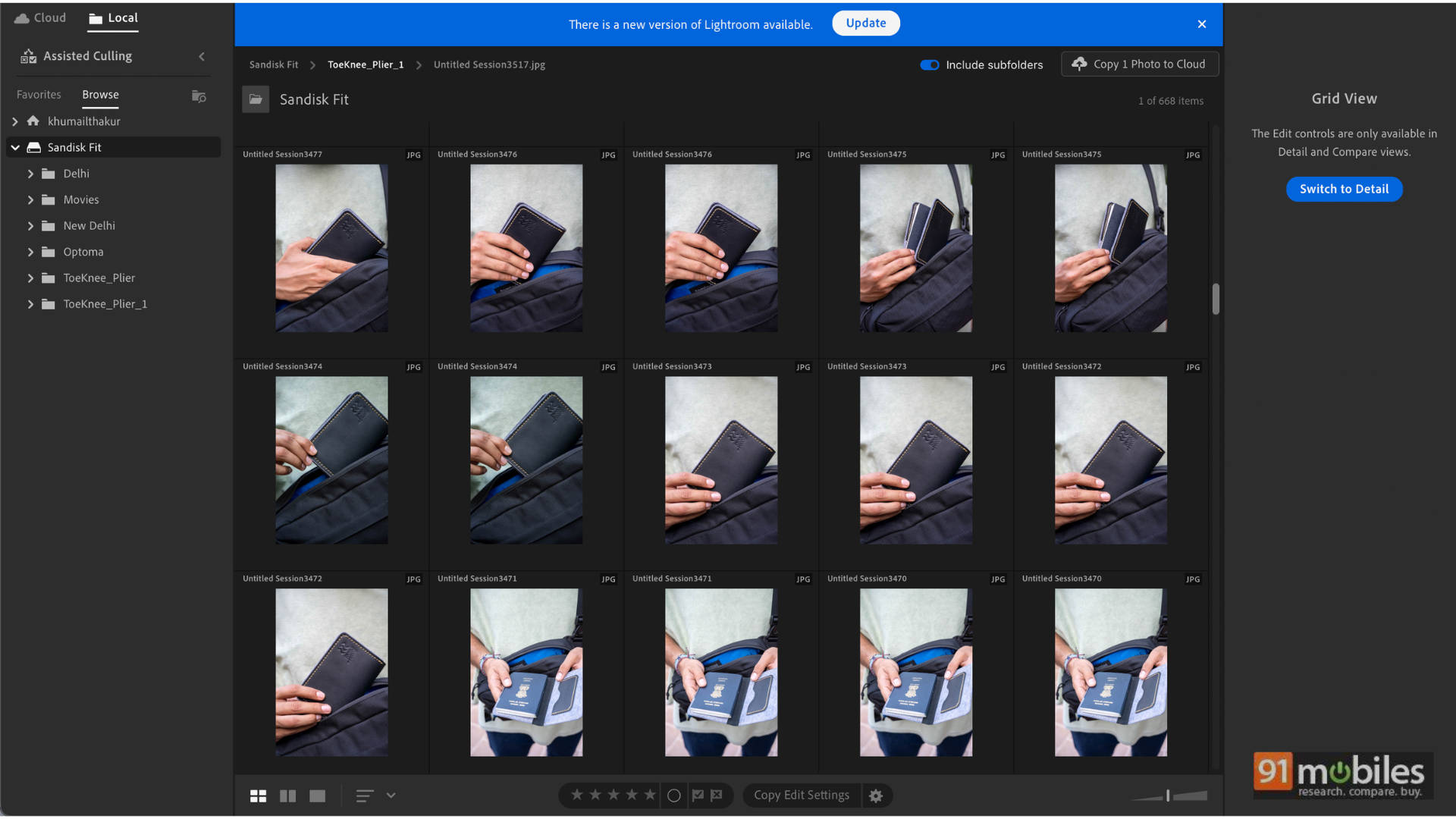
It is not as alarming as it sounds because this flash drive is not meant to write files repeatedly, but occasionally. In real-life usage, you can easily work off it. I edited a few JPEG photos in Adobe Photoshop directly from the drive for 30mins and it wasn’t a problem at all.
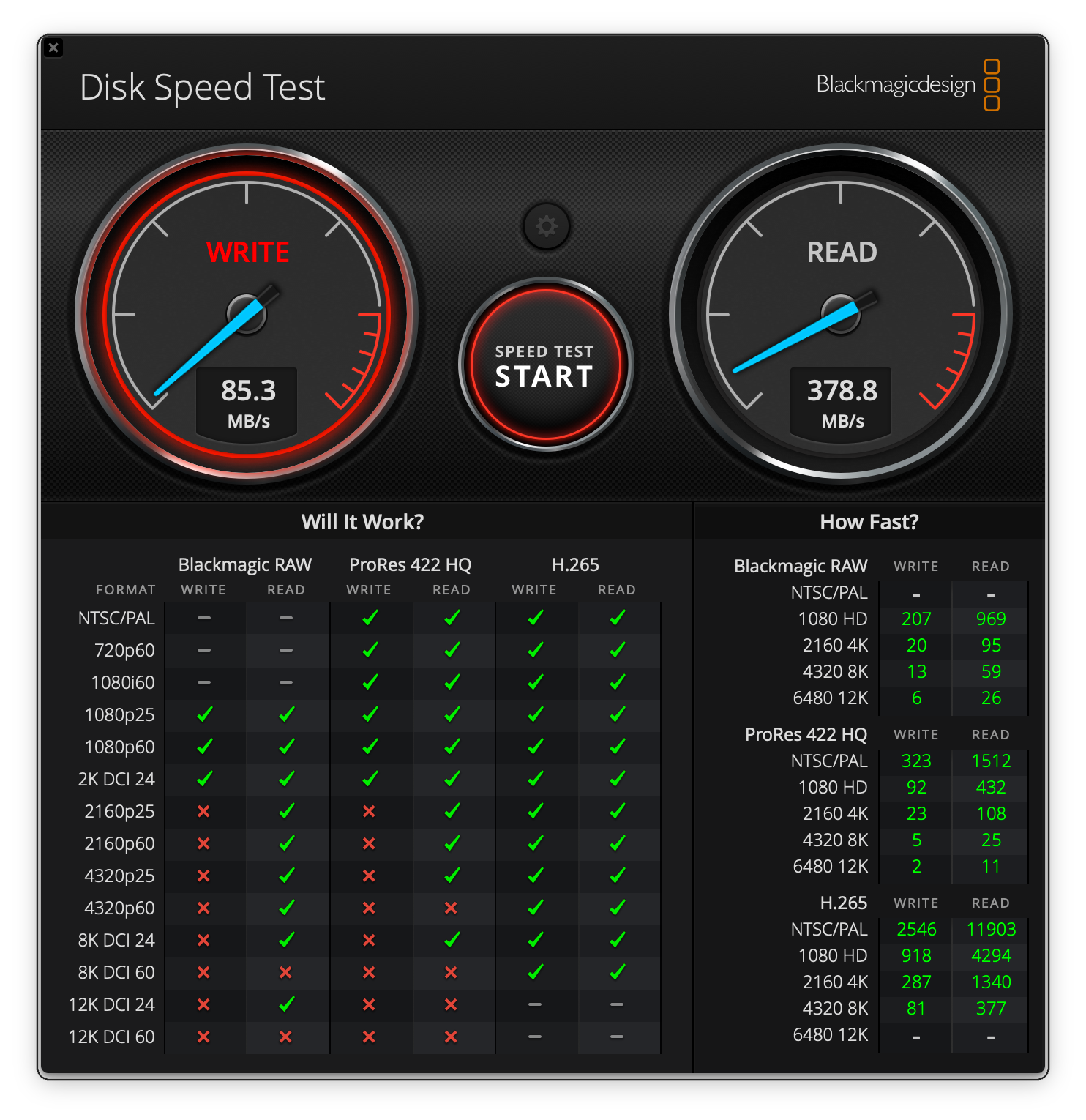
In our 5 GB Blackmagic Disk Speed stress test, the Sandisk Extreme Fit is averaging 85MB/s Write speeds and 378MB/s of Read speeds. It’s clearly meant for 1080p video editing and images with a smaller file size for Photoshop and Adobe Lightroom. You can even go up to 4K with your video edits in H.265 format, but not Blackmagic RAW or ProRes 422 HQ.
Verdict: Small but mighty
At the time of writing this, the Sandisk 1TB Portable SSD with 800MB/s read speed is going for Rs. 14,419 on Amazon. It’s a proper external SSD with rugged specs to take bumps and knocks in your bag. Evidently, all SSDs are much larger in size and faster in transfer speeds than the Extreme Fit, which may be a few thousand rupees cheaper at the time of writing this review. So you have to be extremely confident about opting for this minuscule drive for its unbelievable size over the competition.
Is it the best value? Honestly, no. You can grab a 1TB Portable SSD with double the speed for a few thousand rupees less. If you don’t mind a cable dangling from your laptop, go for the SSD. But if you want to expand the storage of your non-upgradable laptop without adding bulk, the 256GB and 512GB variants are the sweet spots. It’s pricey, and it runs a bit hot, but for the “set it and forget it” crowd, it’s a tiny miracle.
Editor’s rating: 7 / 10
Pros
- It’s incredibly small and won’t snag on your bag
- Built with laptops in mind
- Hits that 400MB/s mark reliably
- Plug and forget design
Cons
- Write speeds drop significantly when things get toasty
- Doesn’t work with the Sandisk phone app