

Movie
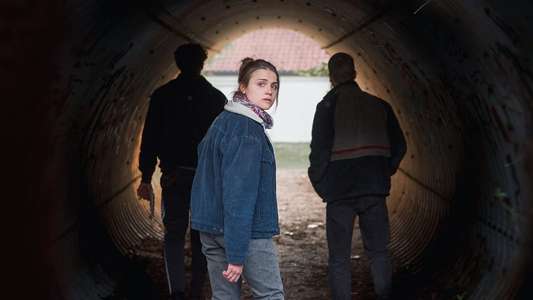
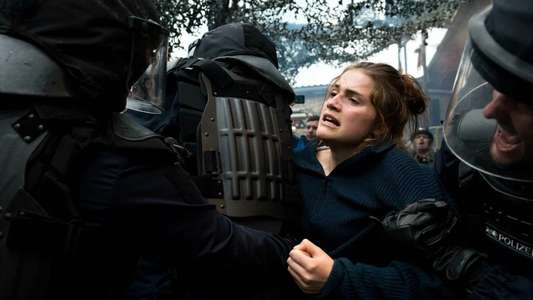
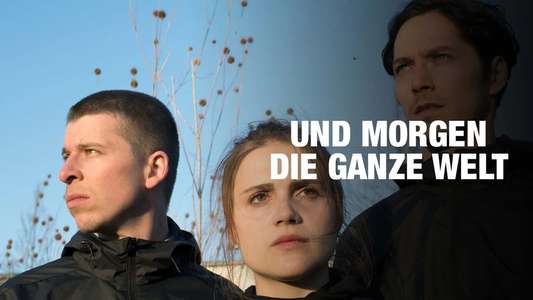
Luisa, a 20-year-old law student, joins a cell of the Antifa group when she and her friends Alfa and Lenor get to know about an upcoming attack planned by a local neo-Nazi gang. As they try to find out more, the three youngsters delve deeper into the scene linked to right-wing movements and their political connections, to the point where they will understand how much they are willing to go further, in order to defend their own beliefs.
Disclaimer: All content and media belong to original content streaming platforms/owners like Netflix, Disney+ Hotstar, Amazon Prime Videos, JioCinema, SonyLIV etc. 91mobiles entertainment does not claim any rights to the content and only aggregate the content along with the service providers links.
Luisa, a 20-year-old law student, joins a cell of the Antifa group when she and her friends Alfa and Lenor get to know about an upcoming attack planned by a local neo-Nazi gang. As they try to find out more, the three youngsters delve deeper into the scene linked to right-wing movements and their political connections, to the point where they will understand how much they are willing to go further, in order to defend their own beliefs.
Best Ensemble | 2020 | Mala
Best Direction Regiepreis | 2021 | Julia von
Best Film | 2020 | Julia von
Outstanding Feature Film Bester Spielfilm | 2021 | Fabian
Outstanding Feature Film (Bester Spielfilm) | 2021 | Julia von
Best Young Actor Bester Nachwuchsdarsteller | 2021
Best Feature | 2020 | Julia von
2020 | Julia von
When Luisa's father (Michael Wittenborn) says "those under 30 and not on the left, have no heart. Those over 30 and still on the left, have no brain." it's a direct reference to the 2004 movie The Edukators (2004).
Official submission of Germany for the 'Best International Feature Film' category of the 93rd Academy Awards in 2021, but did not end up being nominated.
The song "Wenn die Nacht am tiefsten ist, ist der Tag am nächsten" by Neonschwarz, part of the film's soundtrack, is a rendition of a 1975 song of the same name by famous Punk rock band Ton Steine Scherben, known for the highly political and emotional lyrics of vocalist Rio Reiser. They became a musical mouthpiece of new left movements, such as the squatting movement, during that time in Germany and their hometown of West Berlin in particular.
Director Julia von Heinz was herself part of the Antifa while she studied law in Bonn.
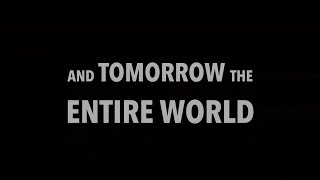
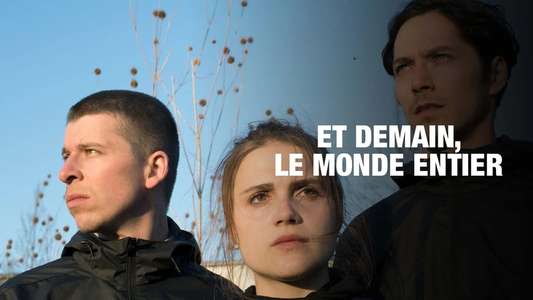
The movie's title is taken from the line "Heute gehört uns Deutschland, und morgen die ganze Welt" ("Today Germany belongs to us, tomorrow the entire world") from the national-socialist propaganda song "Es zittern die morschen Knochen".