
Movie |
England | Parrot
Disclaimer: All content and media belong to original content streaming platforms/owners like Netflix, Disney+ Hotstar, Amazon Prime Videos, JioCinema, SonyLIV etc. 91mobiles entertainment does not claim any rights to the content and only aggregate the content along with the service providers links.

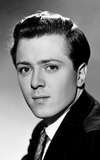
Best Supporting Actor | 1968 | Richard
Feature Film Classic | 1996
Top Ten Films | 1967
Best Sound Editing Dialogue | 1968
Best Music Scoring of Music Adaptation or Treatment | 1968 | Alexander
Best Art DirectionSet Decoration | 1968
Best Sound | 1968
Best Picture | 1968
Best Music Original Music Score | 1968 | Leslie
Best Film Editing | 1968
Best Cinematography | 1968
Best Motion Picture Comedy or Musical | 1968
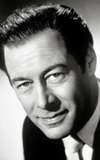
Best Actor Comedy or Musical | 1968 | Rex
Best Original Score | 1968 | Leslie
Best Original Song | 1968 | Leslie
Best Original Score Written for a Motion Picture or Television Show | 1968 | Leslie
Favorite Motion Picture | 1968 | Rex
Best Written American Musical | 1968 | Leslie
Best Edited Feature Film | 1968
Budget 18,000,000 USD
Box Office Collection 9,000,000 USD
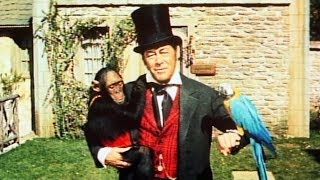
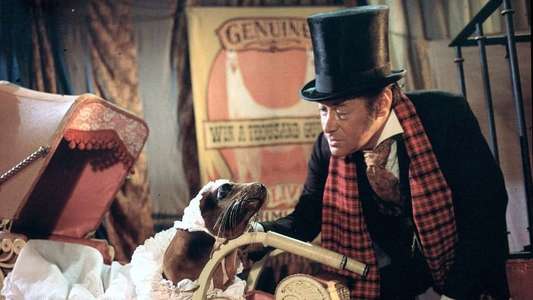
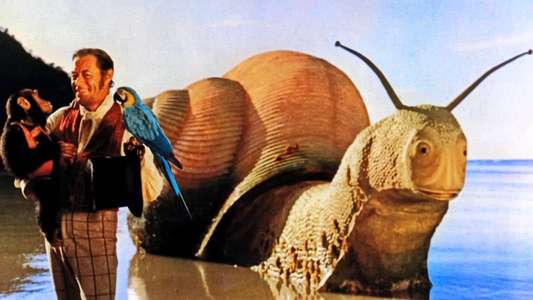
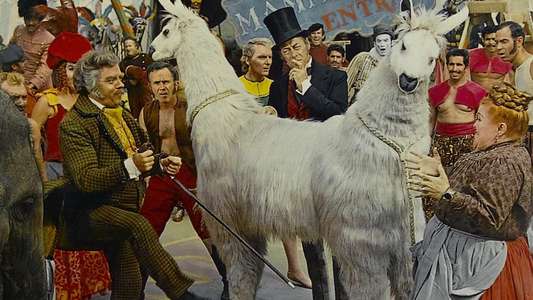
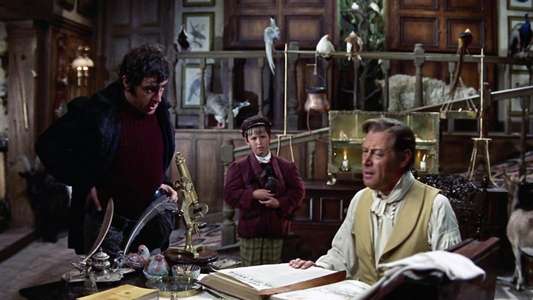
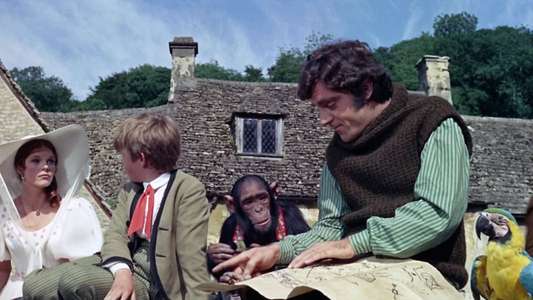
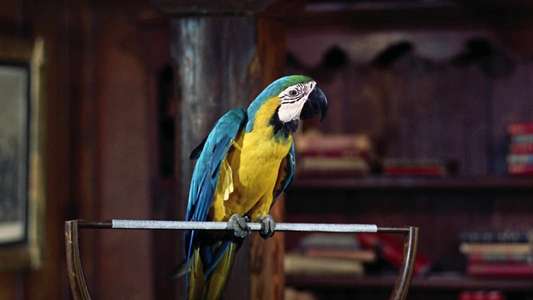
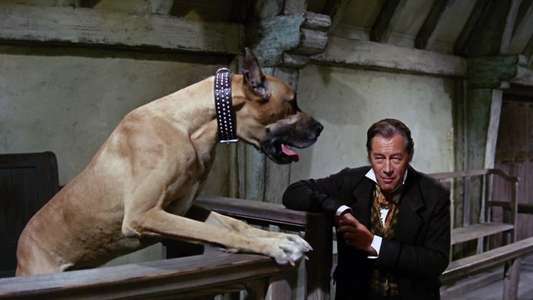
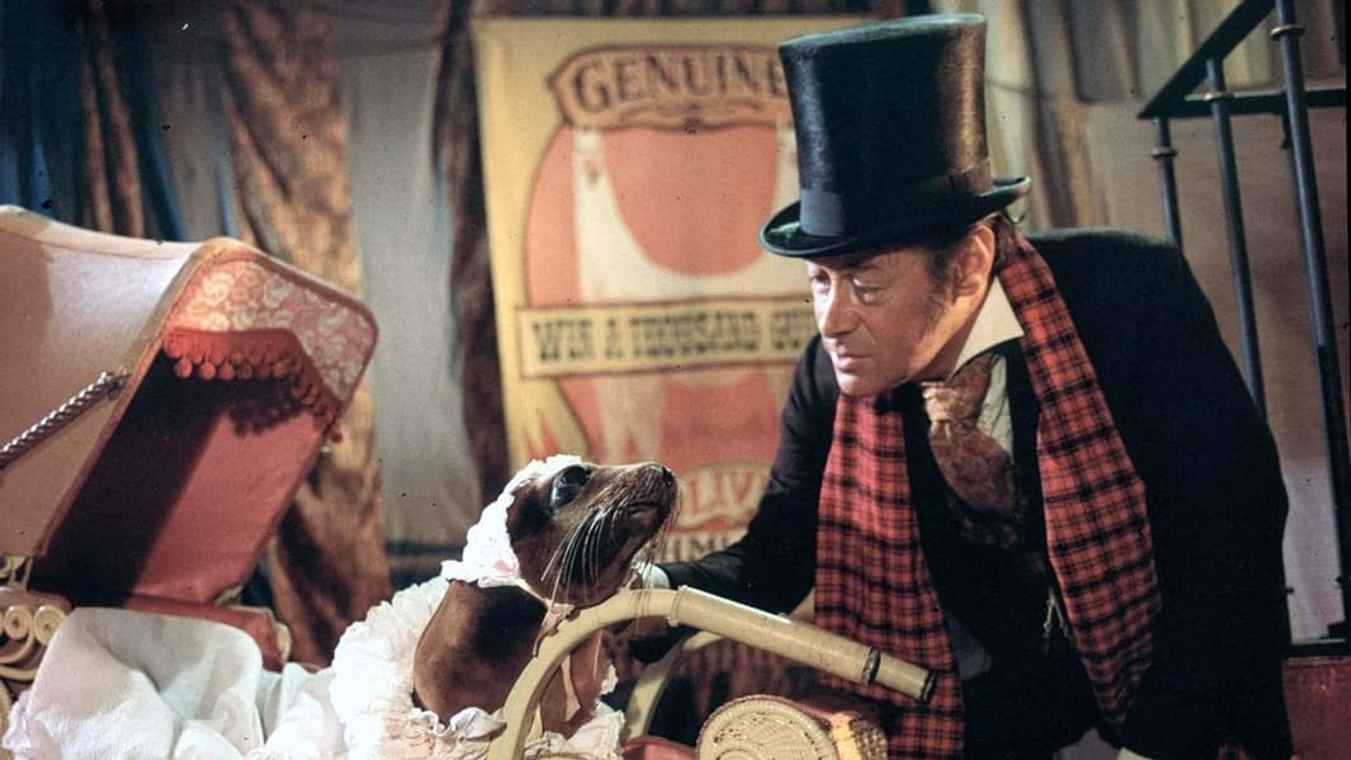
"The Reluctant Vegetarian" was one of the hardest scenes to film, mainly because of the number of animals that had to sit still for a lengthy period. The cast had hours of rehearsal and preparation before filming started. The first take went very well, until Sir Rex Harrison stopped singing. Director Richard Fleischer asked him why, and Harrison said he heard him yell "Cut!" Fleischer denied it, and they were starting to argue about it when both heard a voice yell "Cut!" The guilty party turned out to be Polynesia the Parrot. Harrison said "That's the first time I've ever been directed by a parrot. But she may be right. I probably can do it better."
This movie's massive critical and commercial failure effectively ended Sir Rex Harrison's career as a leading man on-screen. He continued to act regularly on stage.
Sir Rex Harrison behaved so badly on-set that he was nicknamed "Tyrannosaurus Rex".
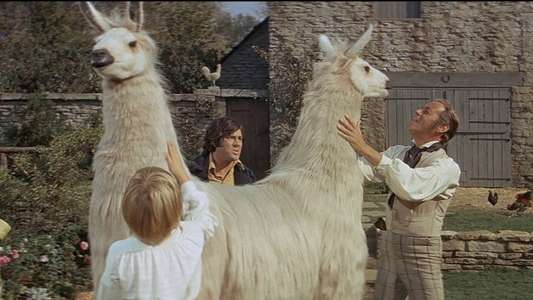
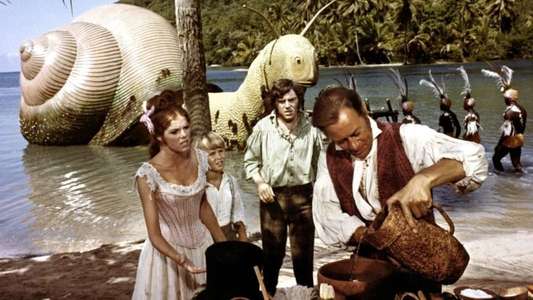
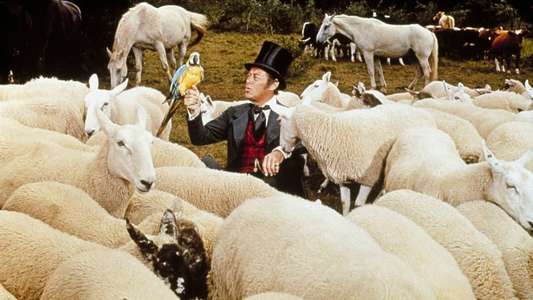
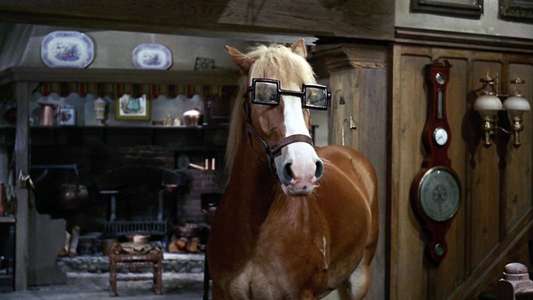
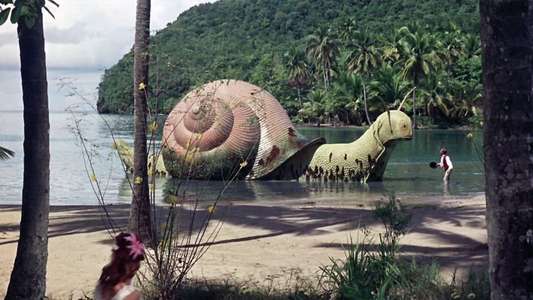
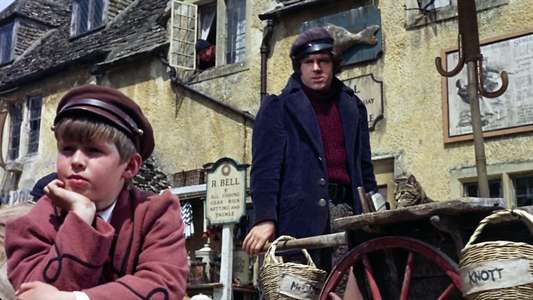
This movie set was no picnic. One of the fawns ate a quart of paint during a scene break, and had to have her stomach pumped. Gub-Gub the Pig had to be replaced several times during filming, because piglets grow very fast. Squirrels ate through several key pieces of scenery, requiring thousands of dollars in repairs. When Sir Rex Harrison sang in the field of sheep, he had to be sprayed down repeatedly for flies. The sheep urinated on him, forcing multiple retakes. One of the goats broke loose during a scene and ate director Richard Fleischer's script. The first several weeks of filming in Castle Combe were disrupted by torrential downpours, after the producers ignored detailed climate reports about the area's weather patterns. A disgruntled resident tried to blow up the set with a homemade bomb.
This movie was part of Twentieth Century Fox's attempt to duplicate the success of The Sound of Music (1965) by producing three expensive, large-scale musicals over three years. This movie, Star! (1968), and Hello, Dolly! (1969) were all released amidst massive publicity. All lost huge amounts of money. Several top studio executives lost their jobs, and the studio was in such dire financial straits that it only produced one movie in 1970. The studio finally recouped its losses in 1973, when The Sound of Music (1965) was re-released to theaters.
"Dr. Dolittle: I do not understand the human race/Has so little love for creatures with a different face./Treating animals like people is no madness or disgrace./I do not understand the human race."
"Polynesia: I speak over two thousand languages, including Dodo and Unicorn. Dr. Dolittle: Unicorn? Polynesia: I had a classical education."