
Movie |
Musical
Disclaimer: All content and media belong to original content streaming platforms/owners like Netflix, Disney+ Hotstar, Amazon Prime Videos, JioCinema, SonyLIV etc. 91mobiles entertainment does not claim any rights to the content and only aggregate the content along with the service providers links.
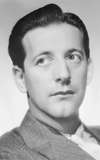
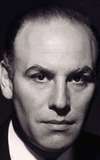
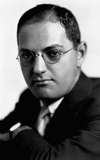
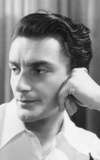

Best Music Original Song | 1942
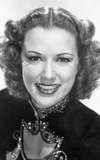
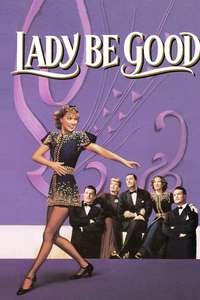
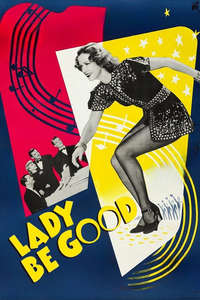
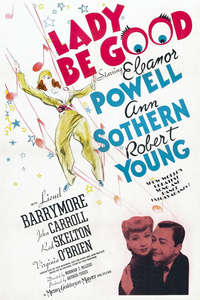
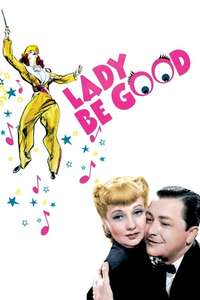
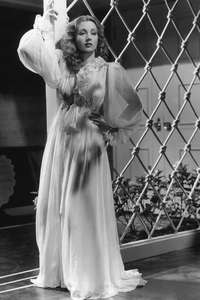
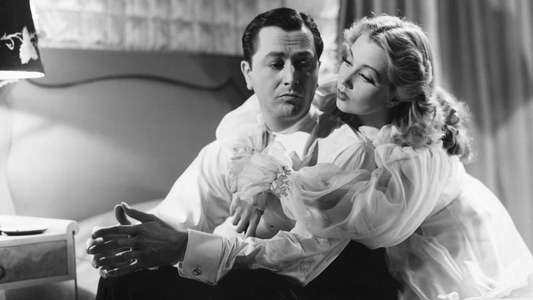
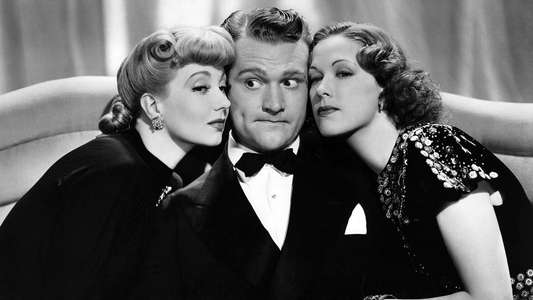
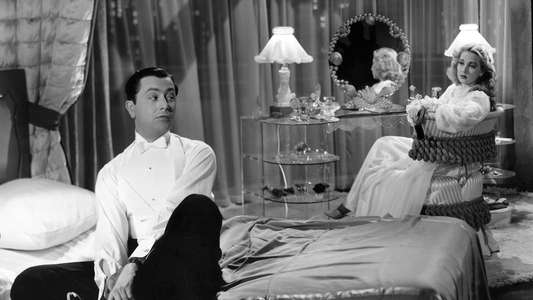
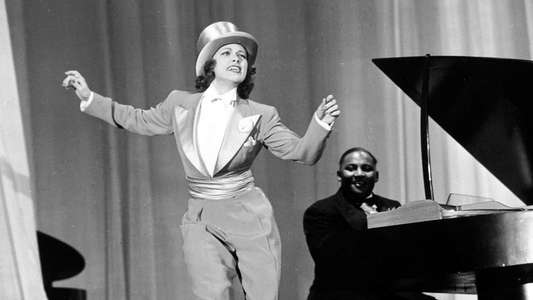
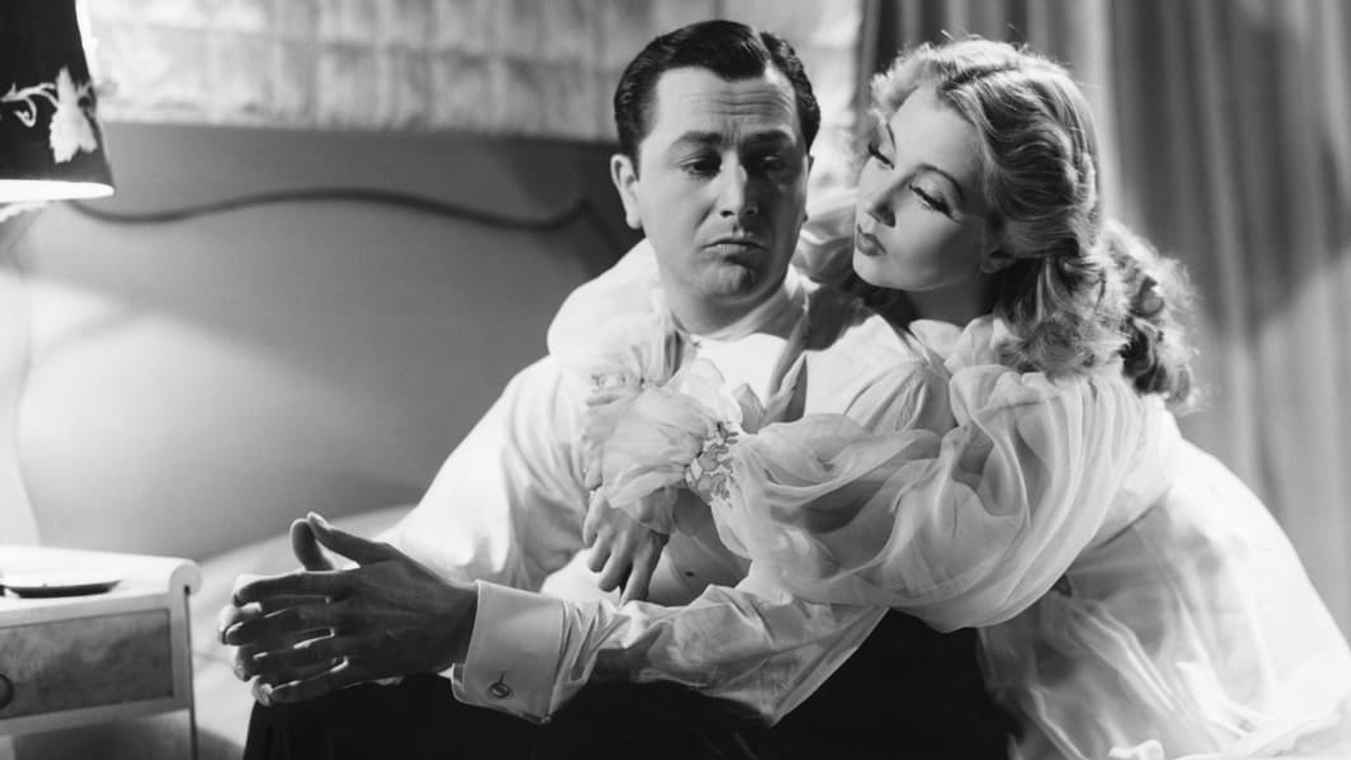
For Eleanor Powell's dance rendition of the song "Oh, Lady Be Good," MGM auditioned several dogs, but none were able to do the required tricks. Finally, Powell bought a dog from a prop man and trained it herself for several weeks so that the dance could be done as she wanted.
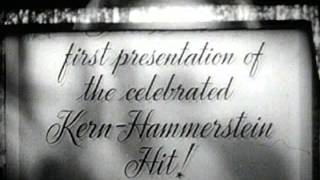
Originally, any song that appeared in a film was eligible for the Best Song Academy Award. However, Jerome Kern voiced his disapproval when he and Oscar Hammerstein II won for "The Last Time I Saw Paris," a song the duo wrote not for Lady Be Good (1941) but in heartfelt response to the news that the Nazis has occupied the beloved European capital. It wasn't until several months after its publication that producer Arthur Freed heard the tune and purchased the rights to interpolate it into Lady Be Good (1941). Kern would be influential in the Academy's ruling that only original songs composed expressly for a film would be eligible for the Best Song Oscar.
Original director Busby Berkeley was replaced during production by Norman Z. McLeod. Berkeley was kept to direct the musical numbers.
The title to this film was used for the ill-fated WWII Air Force B-24D bomber the "Lady Be Good", which disappeared over the Libyan desert on April 5, 1943 after overflying their air base in a sandstorm. The wreckage of the crash was found 15 years later in 1958 at which point it was discovered that the crew had parachuted out of the plane and had attempted to walk across the desert to safety. The remains of Lady Be Good's crew were found two years later in 1960.
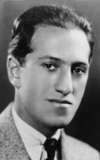
The original Broadway production of "Lady Be Good" opened December 1, 1924 at the Liberty Theatre, where it ran for a then-impressive 330 performances. The film version utilized a completely new storyline and retained only two of the show's George and Ira Gershwin songs, "Fascinating Rhythm" and "Oh, Lady Be Good," both of which were featured decades later in MGM's That's Entertainment, Part 2 (1976).
"Joe 'Red' Willet: When love flies out the window, it always leaves a scar."
"Marilyn Marsh: Say, Red. Joe 'Red' Willet: Yes? Marilyn Marsh: Why don't you open that little door and fly back into the clock."