
Movie |
New Zealand | Maori
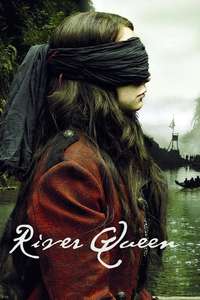
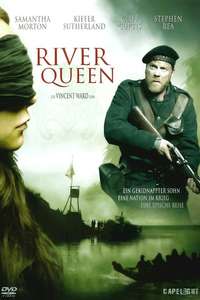
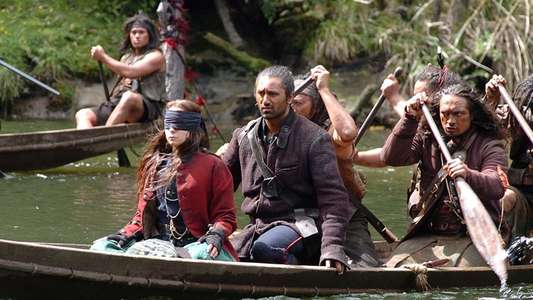
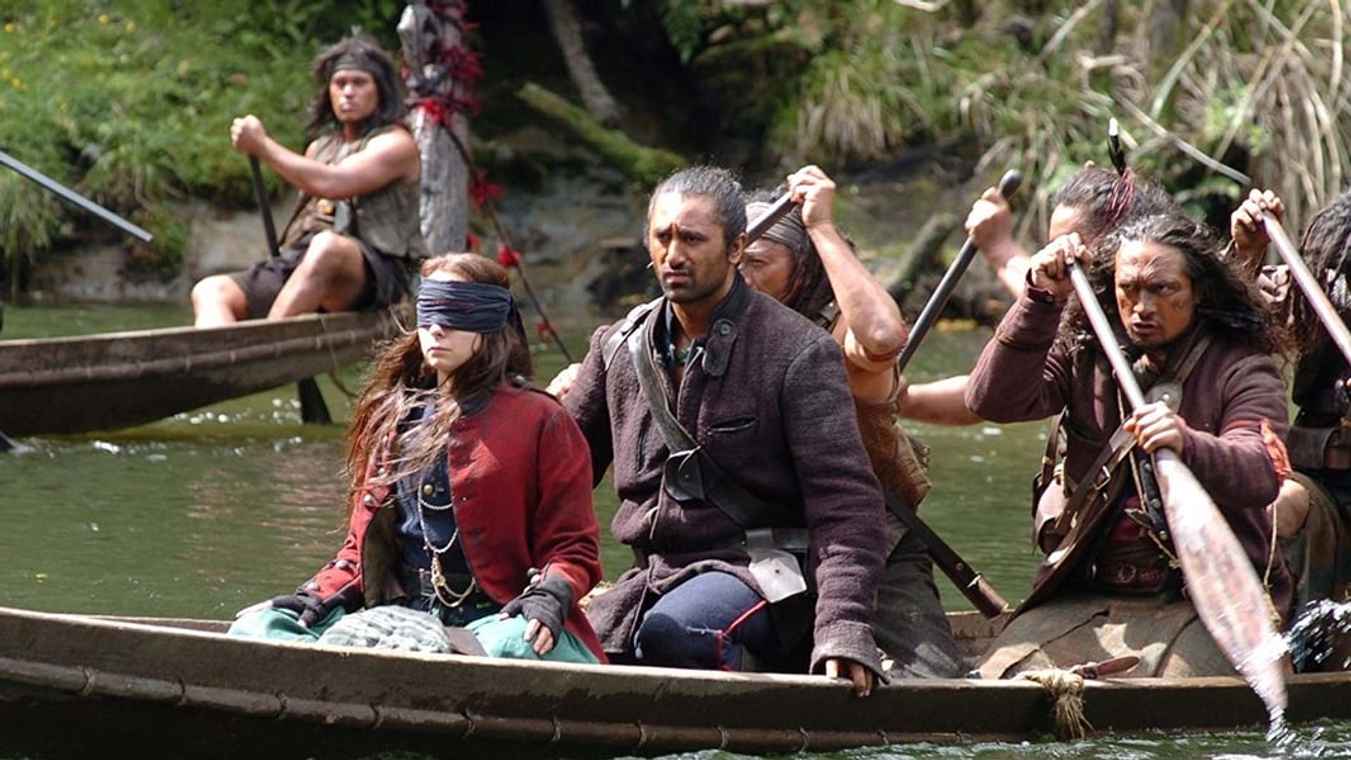
An intimate story set during the 1860s in which a young Irish woman Sarah and her family find themselves on both sides of the turbulent wars between British and Maori during the British colonization of New Zealand.
Disclaimer: All content and media belong to original content streaming platforms/owners like Netflix, Disney+ Hotstar, Amazon Prime Videos, JioCinema, SonyLIV etc. 91mobiles entertainment does not claim any rights to the content and only aggregate the content along with the service providers links.




An intimate story set during the 1860s in which a young Irish woman Sarah and her family find themselves on both sides of the turbulent wars between British and Maori during the British colonization of New Zealand.
Best Achievement in Cinematography | 2006 | Alun
Best Music | 2006
Best Film | 2006 | Vincent
Best Picture | 2006 | Chris
Best Performance by an Actor in a Leading Role | 2006 | Cliff
Best Performance by an Actress in a Leading Role | 2006 | Samantha
Best Performance by Actor in a Supporting Role | 2006
Best Film | 2006 | Vincent
In late-October 2004 Vincent Ward was removed from directing the film by the producers, and replaced by his cinematographer Alun Bollinger. Ward returned to the project when filming was completed.
Vincent Ward went to great lengths to obtain the opening and closing shots of diary pages in water, filming them by himself waist-deep in the River Thames in London during post-production.
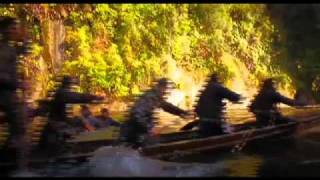
The film was shot on the banks of the Whanganui River and its tributaries, particularly the Manganui o te Ao at Ruatiti, as well as near the Rangitikei, Mangawhero and Patea rivers - all, by the magic of film, made to look as if they are parts of the same river.
Production Designer Rick Kofoed spent two years before filming started in consultation with director Vincent Ward over the film's design style. Ward compiled several large books of design references - photos, paintings and sketches from the period 1860s-1880s - which became the production's "Bible". Kofoed says the Whanganui River photography of the Burton Brothers was particularly useful as reference and he was also inspired by the feeling of paintings of iconic 19th Century artists Goldie and Lindauer.
The film's production designer Rick Kofoed said he felt from the beginning that this film is an important movie "because it's part of us as New Zealanders. We've seen it in pictures, but I don't think it's been defined that well in film, yet. The film is a good cross-section of New Zealand at that time and I hope it's refreshing in that it shines a new light on living styles and the shape of the country then. It's so different from anything else in its ruggedness and rawness. The scale of the landscape is so immense that the people look like ants and there's a feeling of struggle, of just holding on, almost slipping away off the edge of the earth. There's nothing glossy about it."