
Movie |
Life And Death | Suicide
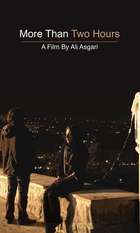
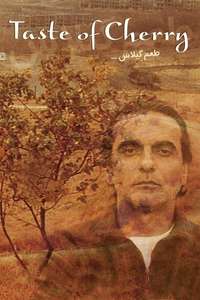
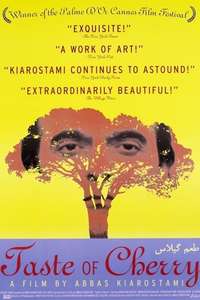
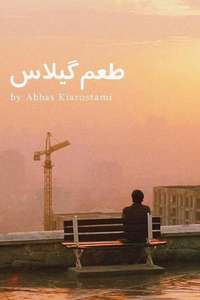
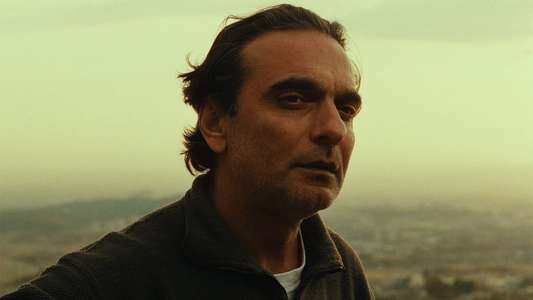
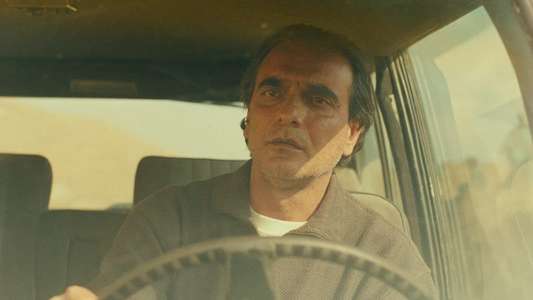
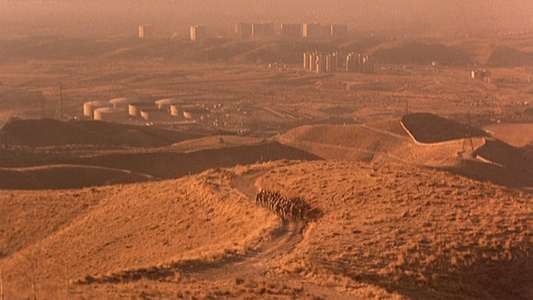
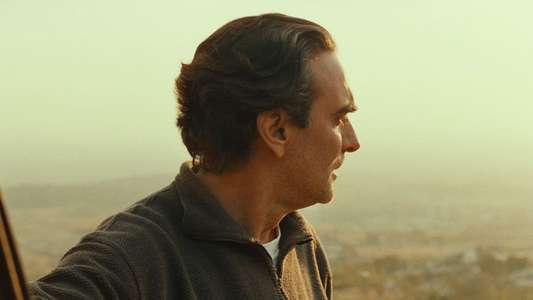
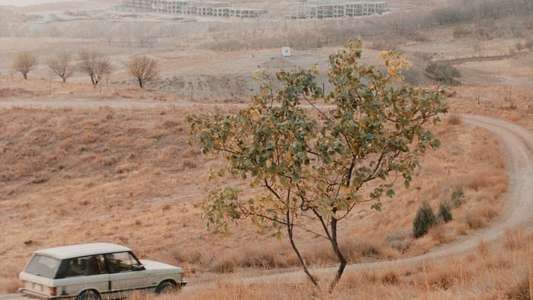
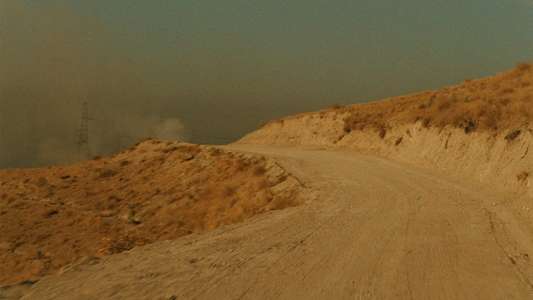
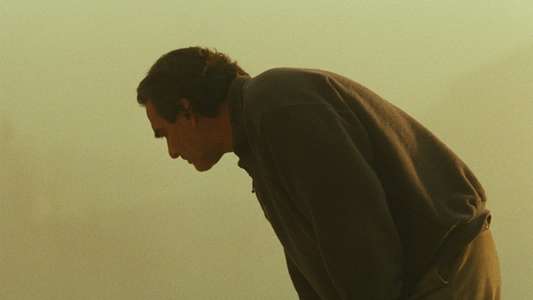
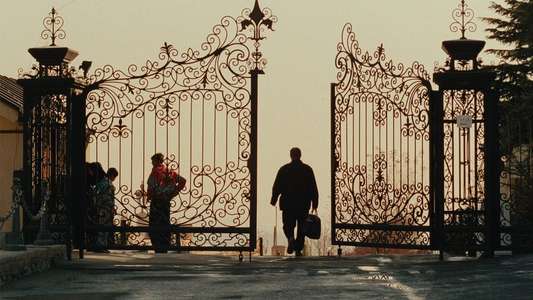
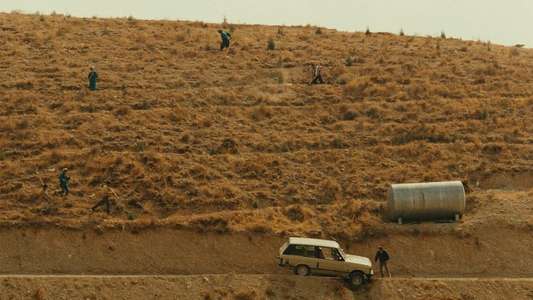
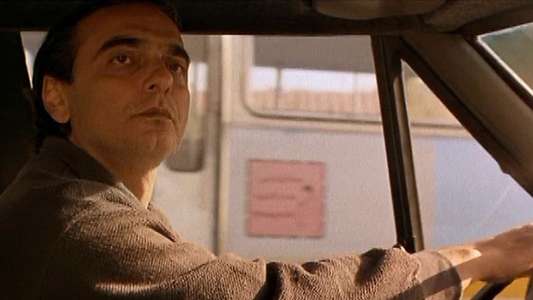
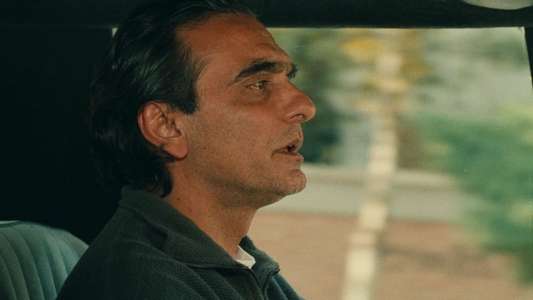
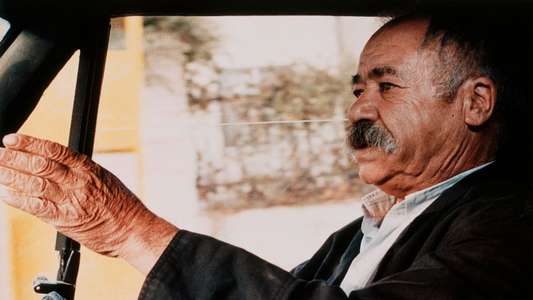
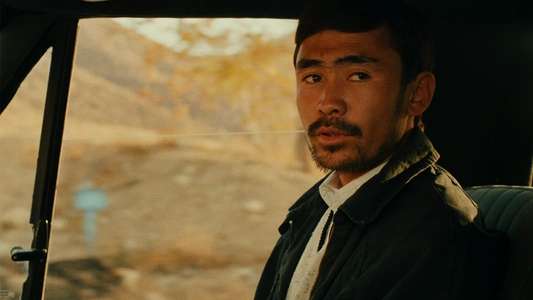
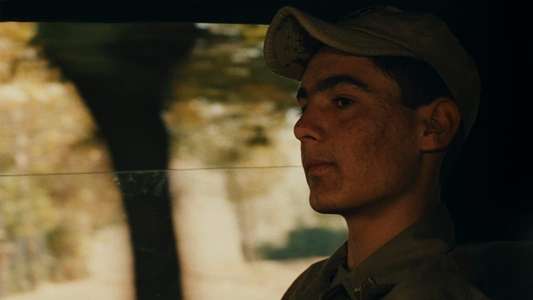
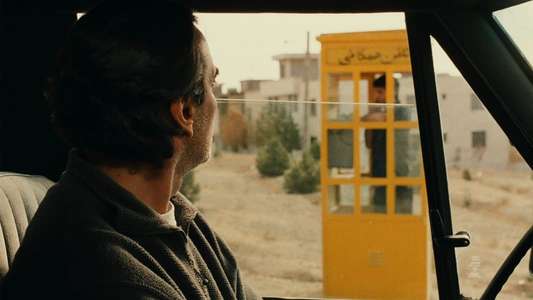
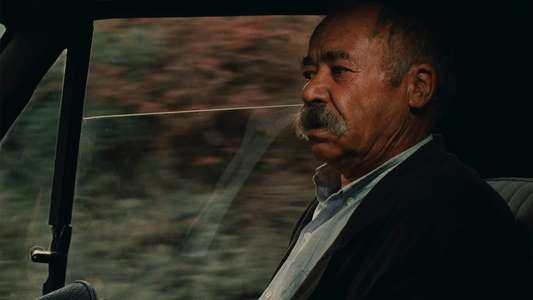
A middle-aged Tehranian man, Mr. Badii is intent on killing himself and seeks someone to bury him after his demise. Driving around the city, the seemingly well-to-do Badii meets with numerous people, including a Muslim student, asking them to take on the job, but initially he has little luck. Eventually, Badii finds a man who is up for the task because he needs the money, but his new associate soon tries to talk him out of committing suicide.
Disclaimer: All content and media belong to original content streaming platforms/owners like Netflix, Disney+ Hotstar, Amazon Prime Videos, JioCinema, SonyLIV etc. 91mobiles entertainment does not claim any rights to the content and only aggregate the content along with the service providers links.
A middle-aged Tehranian man, Mr. Badii is intent on killing himself and seeks someone to bury him after his demise. Driving around the city, the seemingly well-to-do Badii meets with numerous people, including a Muslim student, asking them to take on the job, but initially he has little luck. Eventually, Badii finds a man who is up for the task because he needs the money, but his new associate soon tries to talk him out of committing suicide.
Best Foreign Language Film | 1999
Best Foreign Language Film | 1998
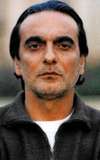
Best Actor | 1997 | Homayoun
Best Film of the Decade | 1999
Best Foreign Film Mejor Pelcula Extranjera | 1999 | Abbas
Best Foreign Language Film | 1999 | Abbas
Best Foreign Language Film | 1998
Best Film | 1997 | Abbas
Best Film | 1997 | Abbas
The film was shot without a proper script, relying on improvisations.
Abbas Kiarostami shot each of his actors separately with him either sitting in the driver's or passenger seat. He would instigate conversations with his non-professional actors and film the responses.
One of the favorite films of Agnès Varda.
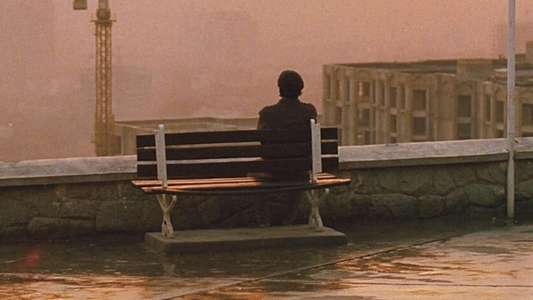
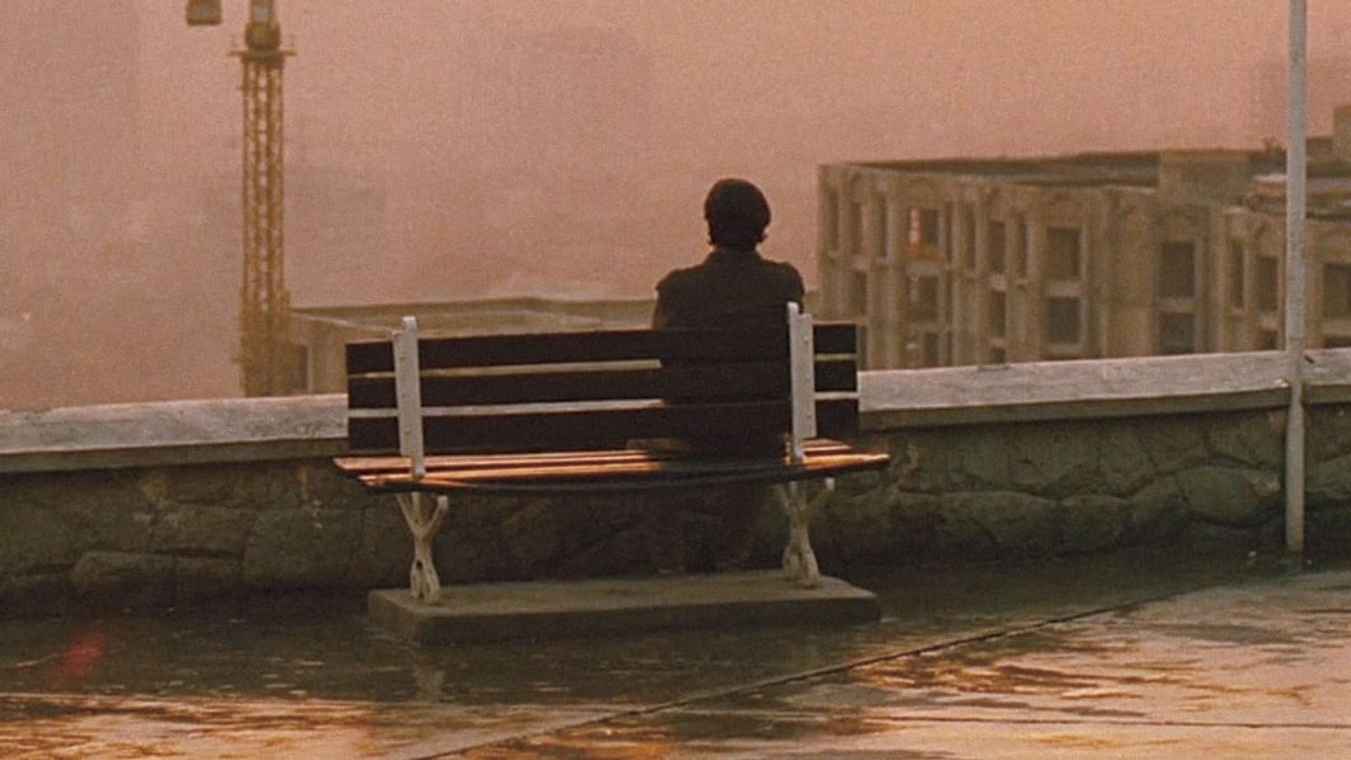
The film's coda was to a certain extent unplanned, according to an interview with Abbas Kiarostami. After they had filmed preliminary versions of the final scene, they did the final scene proper, but the lab accidentally destroyed these final reels. Kiarostami then decided that the off-focus and colors of the test reels worked, and used those instead.
The film's original title was "Journey to the Dawn".
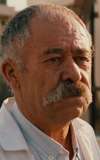
"Mr. Bagheri: If you look at the four seasons, each season brings fruit. In summer, there's fruit, in autumn, too. Winter brings different fruit and spring, too. No mother can fill her fridge with such a variety of fruit for her children. No mother can do as much for her children as God does for His creatures. You want to refuse all that? You want to give it all up? You want to give up the taste of cherries?"
"Mr. Bagheri: I'll tell you something that happened to me. It was just after I got married. We had all kinds of troubles. I was so fed up with it that I decided to end it all. One morning, before dawn, I put a rope in my car. My mind was made up. I wanted to kill myself. I set off for Mianeh. This was in 1960. I reached the mulberry tree plantations. I stopped there. It was still dark. I threw the rope over a tree but it didn't catch hold. I tried once, twice but to no avail. So then I climbed the tree and tied the rope on tight. Then I felt something soft under my hand. Mulberries. Deliciously sweet mulberries. I ate one. It was succulent, then a second and third. Suddenly, I noticed that the sun was rising over the mountaintop... What sun, what scenery, what greenery! All of a sudden, I heard children heading off to school. They stopped to look at me. They asked me to shake the tree. The mulberries fell and they ate. I felt happy. Then I gathered some mulberries to take them home. My wife was still sleeping. When she woke up, she ate mulberries as well. And she enjoyed them too. I had left to kill myself and I came back with mulberries. A mulberry saved my life. A mulberry saved my life."