
Movie |
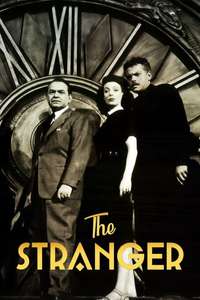
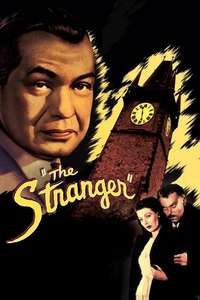
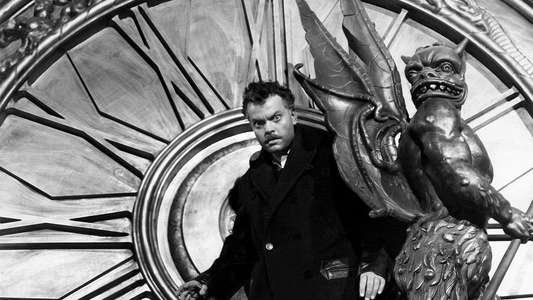
Clock Tower | Clock
Disclaimer: All content and media belong to original content streaming platforms/owners like Netflix, Disney+ Hotstar, Amazon Prime Videos, JioCinema, SonyLIV etc. 91mobiles entertainment does not claim any rights to the content and only aggregate the content along with the service providers links.

Budget 1,034,000 USD
Box Office Collection 3,220,000 USD
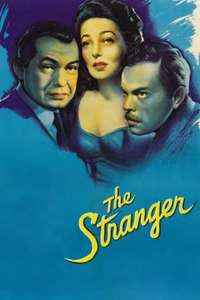
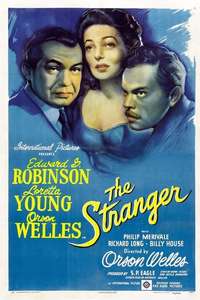
This was the first mainstream American movie to feature footage of Nazi concentration camps following World War II.
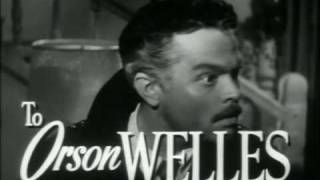
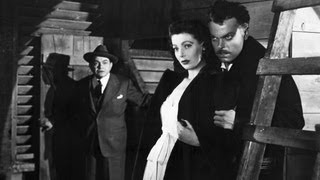
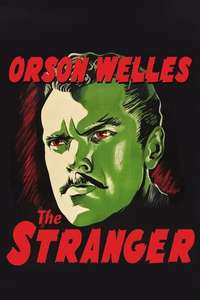
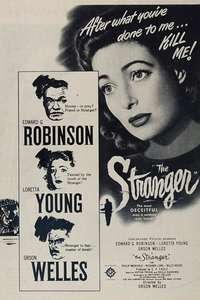
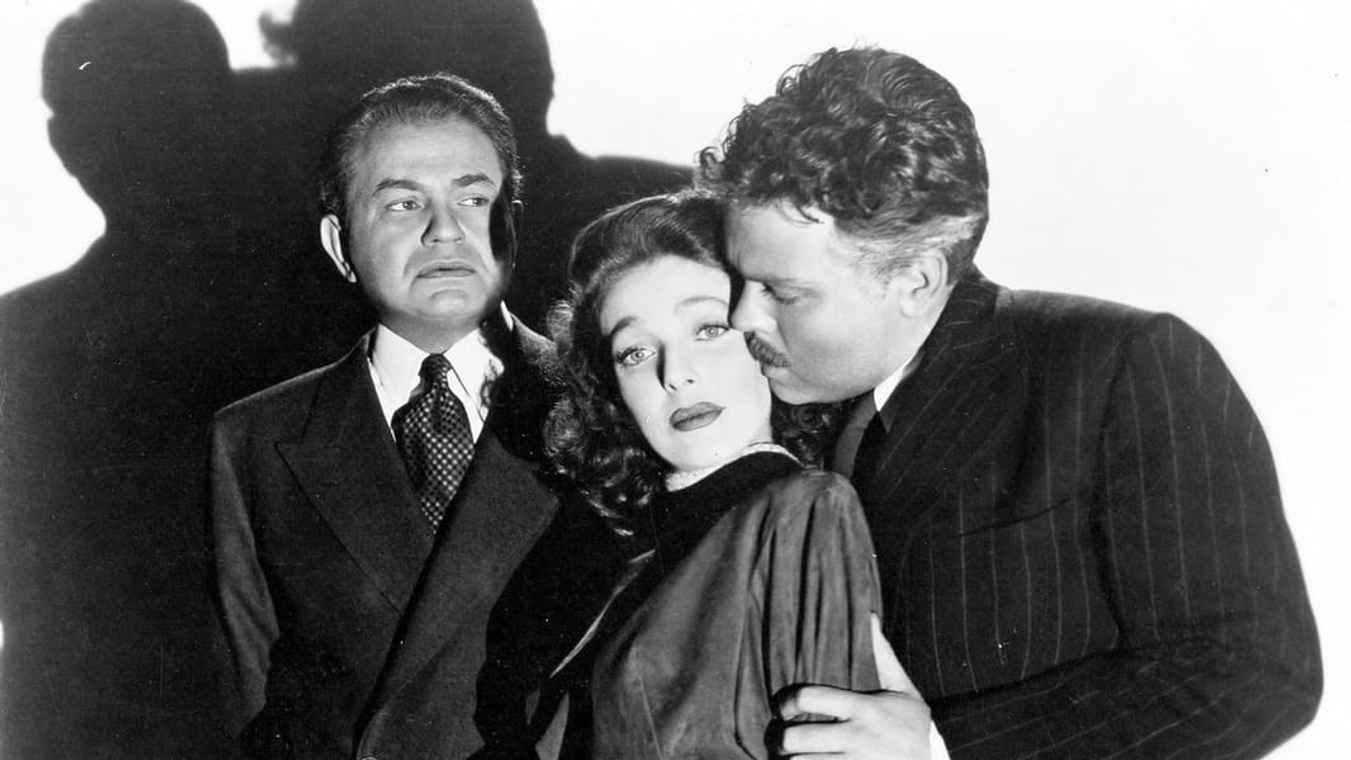
Knowing Orson Welles' reputation for long exposition scenes, International Pictures gave editor Ernest J. Nims the freedom to cut any sequences from the film he felt were unnecessary. To Welles' disgust, Nims ended up cutting almost 30 minutes of Welles' final version, including 19 minutes from the film's opening. The footage is believed lost, as even the original negatives have gone missing.
Though not as well remembered as some of Orson Welles' more original projects, this was the only film directed by Welles to show a profit in its original release.
A "Carthaginian peace," as mentioned by the characters, is used to refer to any peace treaty demanding total subjugation of the defeated side. It is based on the defeat of Carthage by Rome and the total destruction of Carthage thereafter. In modern times, it is often used to describe a peace settlement in which the terms imposed by the victor are overly harsh and designed to keep the loser subjugated for a long time, if not forever.
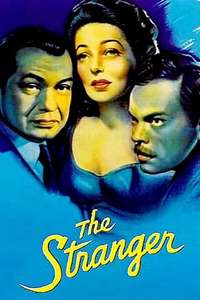
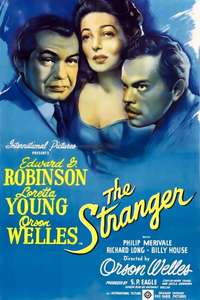
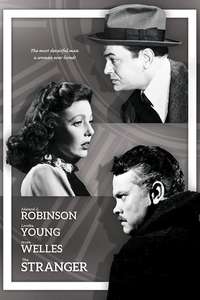
By this time in her career, Loretta Young, like older contemporaries Claudette Colbert and Jean Arthur, was photographed almost exclusively from the left side, or left three-quarters; never was this more evident than in this film.
"Mr. Wilson: Well, who but a Nazi would deny that Karl Marx was a German because he was a Jew?"
"Noah Longstreet: [to his sister just back from her skiing honeymoon] Did you remember to keep your knees together and your apparatus in?"