After years of delays, Pragmata is finally here. Capcom’s highly anticipated sci-fi action-adventure game dropped in April 2026 and shattered the one-million-units-sold mark in just two days. With a game this weird, ambitious, and visually dense, the big question was always going to be: is it going to melt our GPUs?
Well, I decided to put that to the test and see how the game performs across different hardware. Since Capcom built this entirely on their famously scalable RE Engine, I was especially curious to see if it maintains the buttery-smooth reputation of recent Resident Evil: Requiem and its excellent PC performance or not. From handhelds to custom-built high-end rigs, here’s how Pragmata performs.
Table of Contents
Game Settings and Features
Right out of the gate, Pragmata shows serious love to PC players. The game comes packed with the upscaling tech modern GPUs crave, including DLSS, FSR, and XeSS.
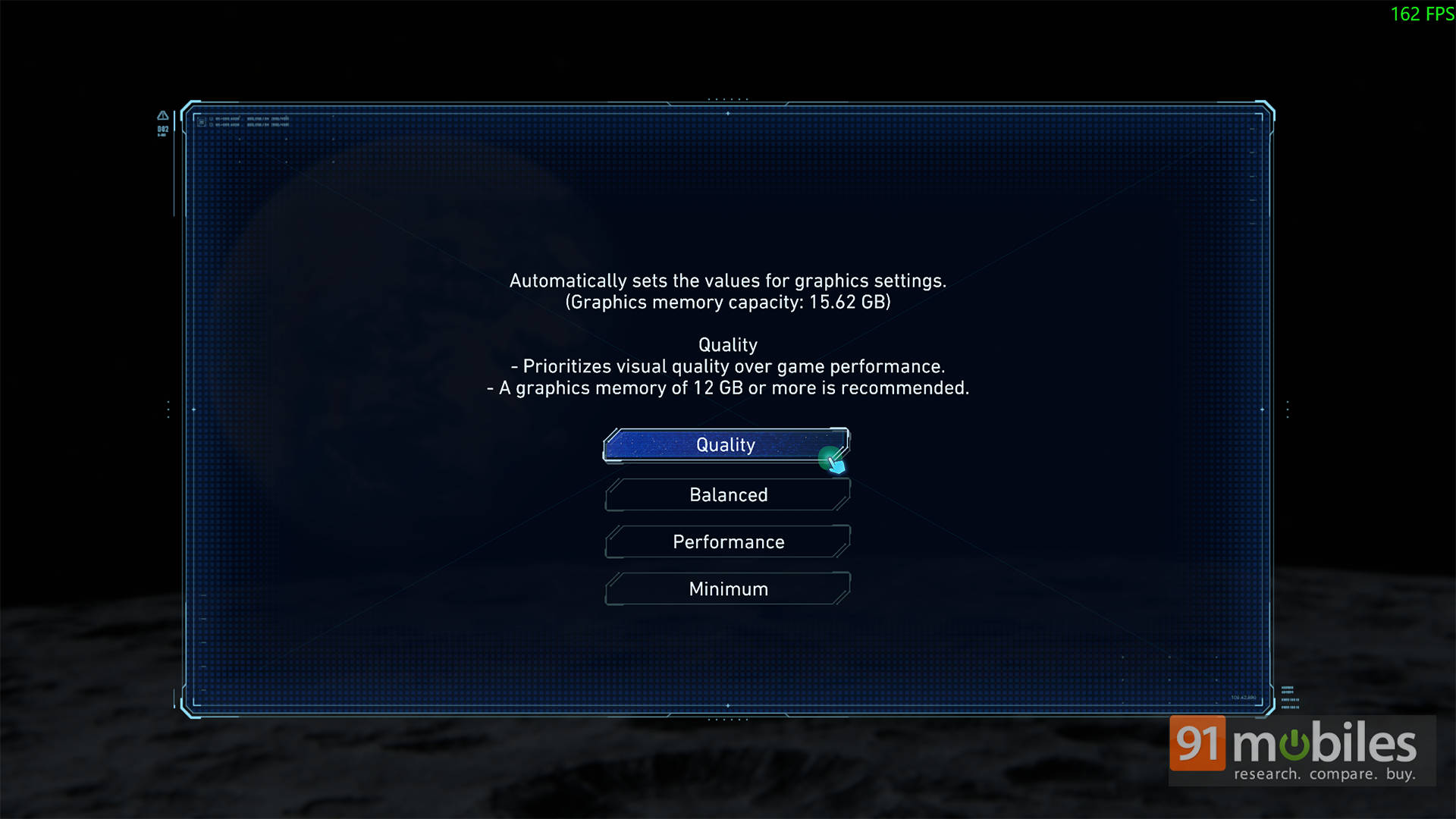
For those who prefer to keep things simple, there are easy-to-use performance presets ranging from Minimum to Quality. Power users can dive into the Graphics Quality Settings menu to fine-tune every detail. But if you want to get the absolute most out of this game, there are three specific settings you need to pay attention to:
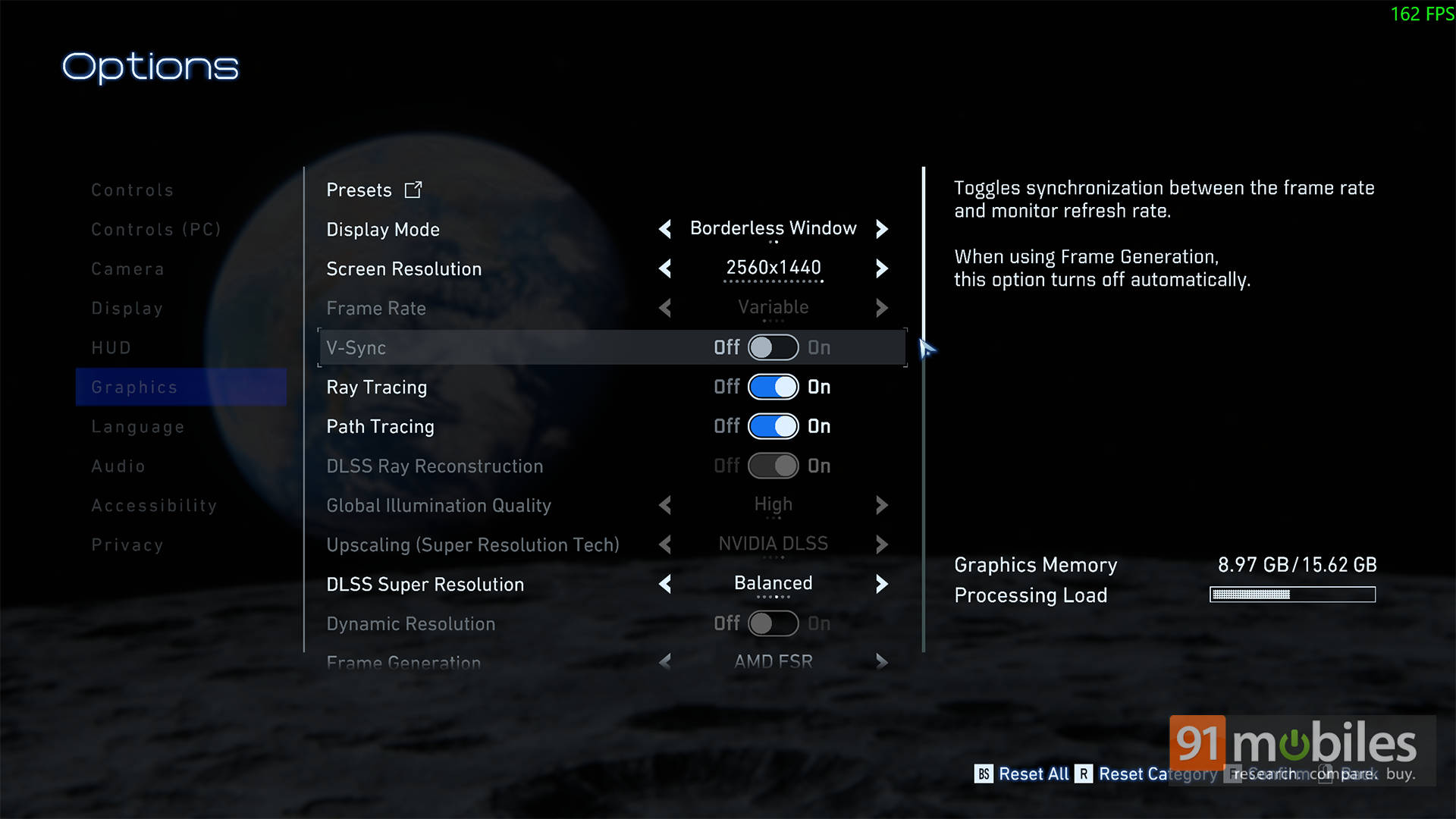
- Global Illumination: Lighting is one of the biggest performance drains on the lunar research station. Dropping Global Illumination from High down to Medium will save you roughly 11% in GPU performance without heavily sacrificing the game’s eerie atmosphere.
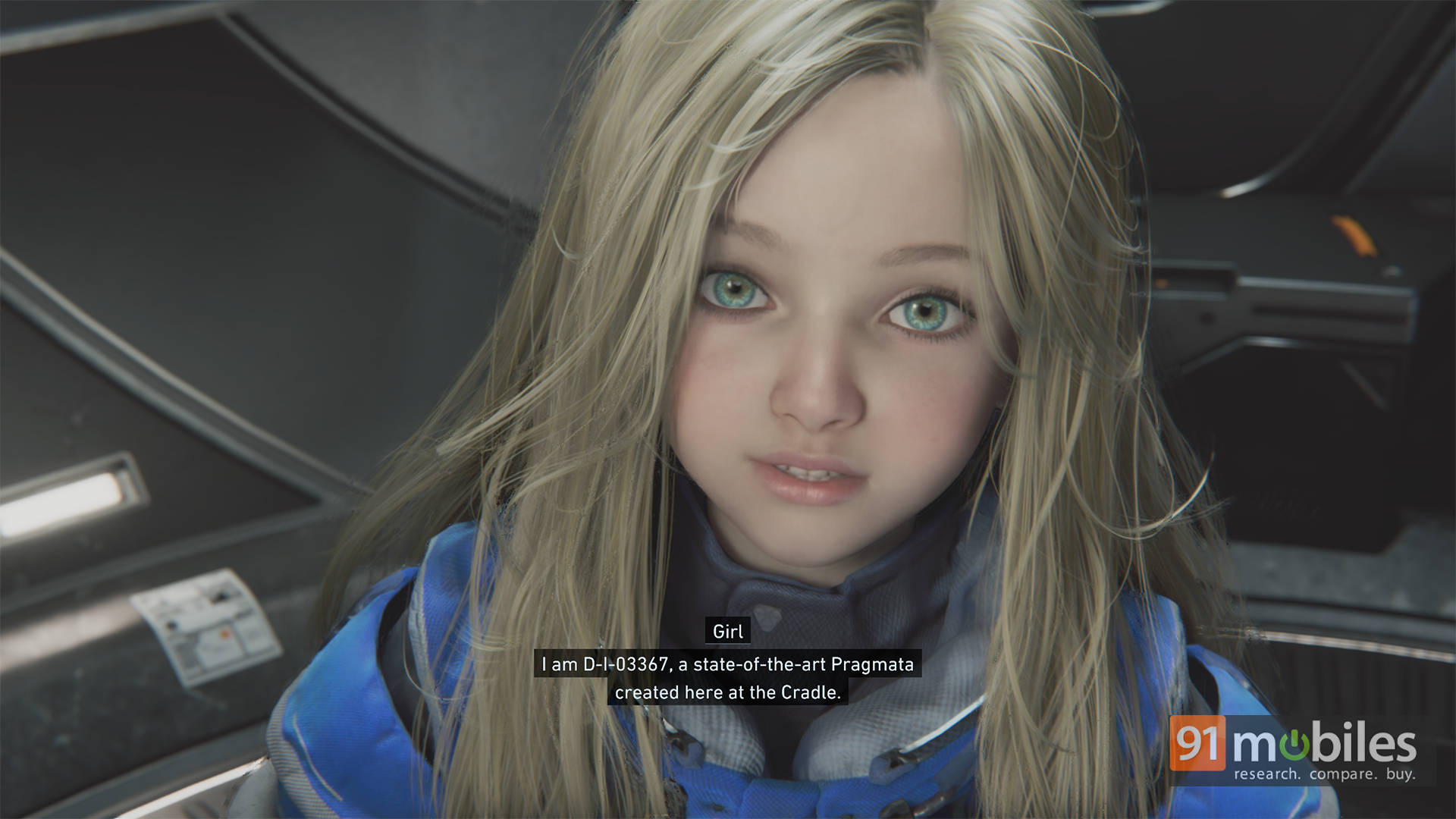
- Hair Quality: Like many modern games, Pragmata uses fancy hair strands that absolutely tank frame rates. Since Diana (the android girl) is the only main character with visible hair to render, leaving this on High just isn’t worth the performance tax. Drop it to Medium. That said, if you’ve got the horsepower, keeping it at High lets you truly embrace the effort gone into designing Diana.
- The Ray Tracing Catch: The metallic, reflective space station is a prime candidate for Ray Tracing and Path Tracing. But be warned: if your rig can’t handle maxed-out RT, turn it off entirely. Setting Ray Tracing to “Low” creates incredibly noisy reflections from indirect lighting, making indoor floors look like they are covered in digital raindrops.
Performance Analysis
Alright, let’s get down to how the game actually performs, shall we? To kick things off, I wanted to see just how well Pragmata could flex at its highest settings. I fired it up on a custom rig featuring an Intel Core i9-13900K, 32 GB RAM, and an NVIDIA GeForce RTX 5070. I went all out with the highest preset, maxed out the Path Tracing, and tested the game at 1440p.
Even at native 1440p with full Ray Tracing, the game comfortably hovers around the 75–85 FPS mark. Flip on DLSS Quality with Frame Generation, and you’re suddenly pushing past 140 FPS. The fast-paced shooting and real-time hacking puzzles feel incredibly fluid at these numbers. In an era where plenty of AAA games struggle to hit 60 FPS even on flagship hardware, Pragmata stands as proof of what happens when a studio actually spends time on engine optimisation.
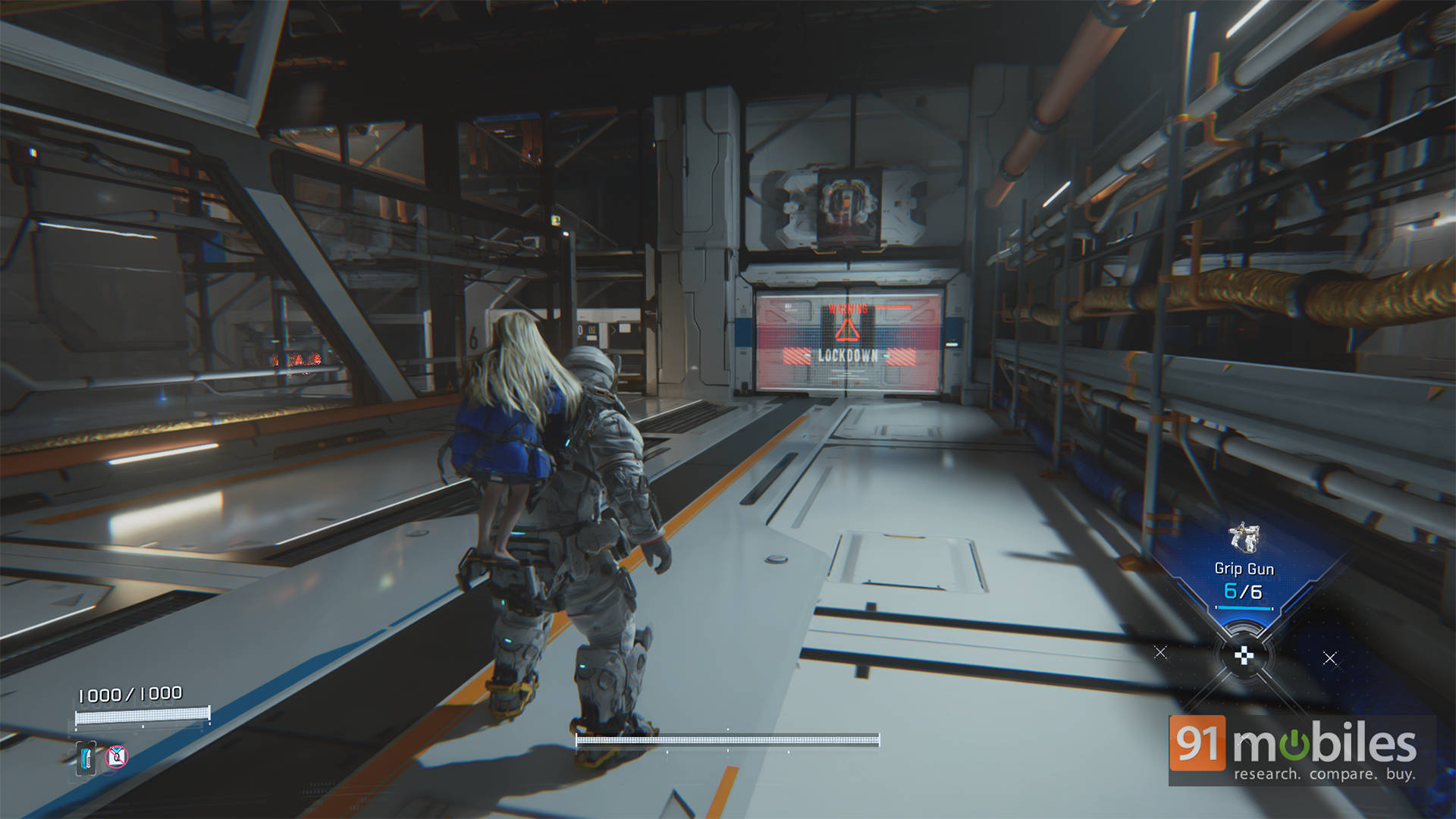
Of course, that’s on dream-tier hardware. So, I fired it up on a slightly more down-to-earth setup: an RTX 3050 laptop GPU. Testing at 1080p with Global Illumination and Hair Quality dialed back to Medium (and RT off), the game ran butter-smooth, easily sustaining 80+ FPS using standard DLSS upscaling.
Frame Pacing & Responsiveness
Here’s the kicker: there are no visual compromises when using upscaling. The reconstruction of fine details is so good that even high-speed motion stays razor-sharp. When you’re using your thrusters to fly around, dodging hostile IDUS robots, the geometry holds its texture and definition perfectly.
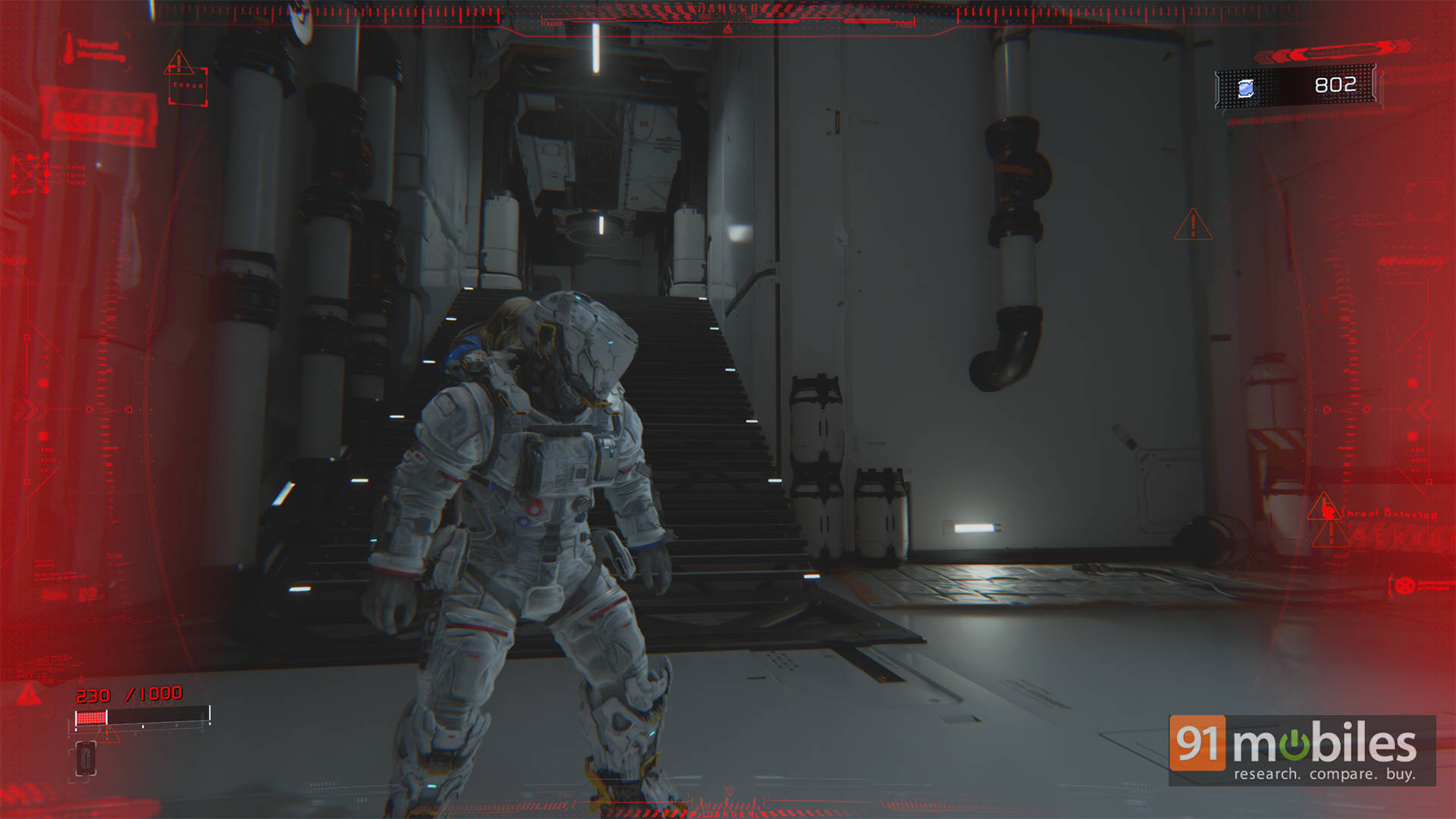
Additionally, Capcom’s engineering team deserves serious credit for their mastery of the RE Engine. There are no random frame drops, no stuttering when you expose an enemy’s weak point, and zero shader compilation hitches. Frame pacing remains consistently smooth throughout, even when the screen is filled with metallic debris and weapon fire. Everything feels snappy and cohesive, which is critical since the combat loop requires you to actively move and hack simultaneously.
Verdict: Spaced Out and Optimised
Pragmata is what happens when a developer takes their time to polish a game before pushing it out the door. The dynamic between Hugh and Diana is fantastic, and technically, the game is shockingly well-optimised. Seeing a game look this good while remaining entirely playable on the majority of hardware is rare in today’s AAA PC scene. Whether you are running a flagship RTX GPU or a mid-tier rig, the RE Engine scales brilliantly, provided you are smart about your settings.
Editor’s Rating: 9 / 10
Pros:
- Exceptional optimisation across all hardware tiers
- Beautiful art direction and lighting
- Snappy frame pacing with zero shader compilation stutters
Cons:
- High Hair Quality demands an unnecessary performance tax
- Setting Ray Tracing to “Low” causes aggressive visual noise