Before diving into the intricate details of The Blood of Dawnwalker, it is worth reflecting on what makes certain games stick with us long after the credits roll. Very few single-player, narrative-driven titles achieve a storytelling style so diverse that two friends playing the exact same quest can come away with entirely different experiences. The Witcher 3 achieved this brilliantly, taking the iconic Bloody Baron questline early on, where branching choices yield radically different outcomes without needing to hide behind spoilers.
Other games captivate us through narrative focus. God of War (2018) delivered immense emotional depth through a deceptively simple premise: a father and son travelling to the highest peak in the nine realms to scatter a mother’s ashes. Meanwhile, title mechanics can redefine how we interact with a game world entirely; the classic PS2 title Rise to Honor remains close to my heart for using the right analogue stick to execute all the slick action moves alongside Jet Li’s voice and likeness to deliver ultra-fluid Kung Fu combat.
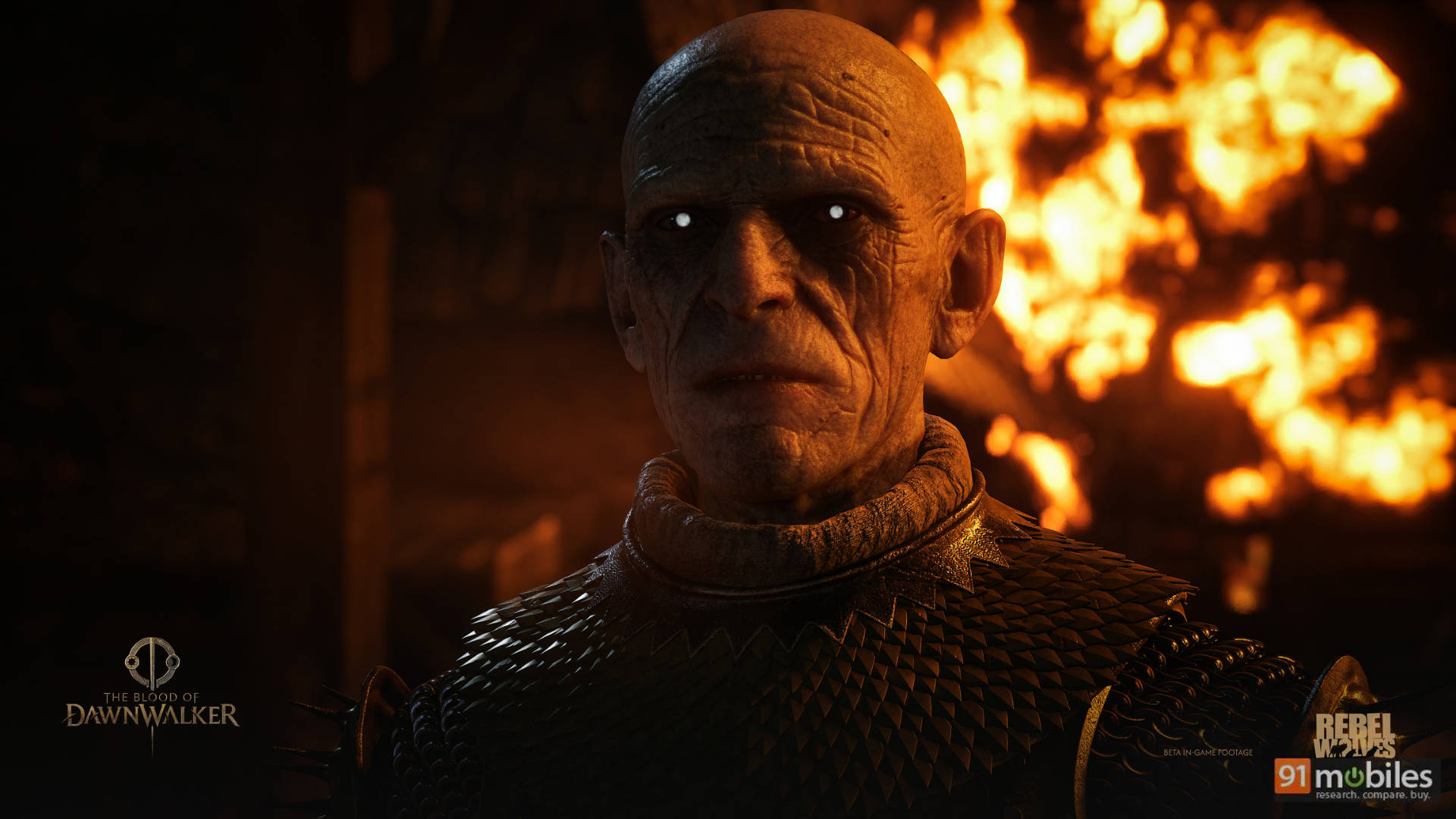
The Blood of Dawnwalker, developed by Rebel Wolves (a studio founded by former Witcher 3 game director Konrad Tomaszkiewicz) and published by Bandai Namco Entertainment, joins this rare group of games that leave a lasting mark.
Table of Contents
Story & Setting: A Carpathian Dark Fantasy
The narrative setup might sound familiar at first glance, but its execution is extraordinarily unique. The game takes place in 14th-century Medieval Europe, specifically set in the mysterious region of Vale Sangora within the Carpathian Mountains. A deadly plague is ravaging the land, but a clique of powerful vampires has emerged, using their blood to cure the human populace. In exchange, these vampires now rule the region, demanding blood as tribute.
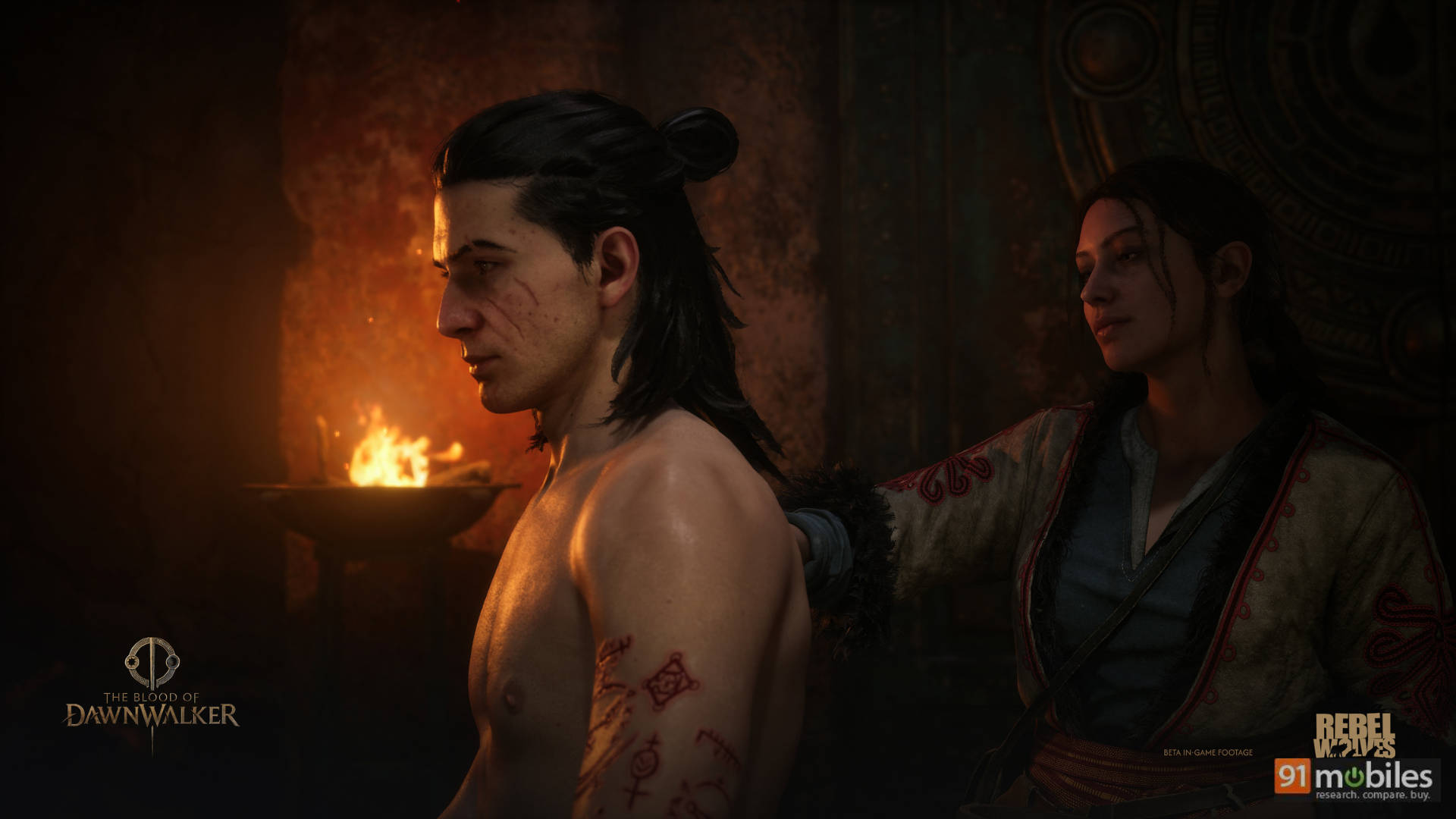
You step into the shoes of Coen, a young adult trying to navigate everyday life caring for his sick mother, looking after his siblings, and pining after a slightly older woman. When a routine trip to weekly mass goes wrong, Coen’s family is kidnapped by Brencis, the tyrannical vampire lord ruling Vale Sangora. Coen is turned into a “Dawnwalker”, a hybrid who is human by day and vampire by night.
While the baseline drive to rescue your family resembles the focused personal motivation of God of War (2018), the complexity comes from how the world responds to your dual nature and how you choose to navigate your journey.
The Dual Loop & Narrative Sandbox: Day, Night, and Time as a Resource
What makes The Blood of Dawnwalker truly special is its “Narrative Sandbox” design running on Unreal Engine 5. Your approach to quests dynamically changes based on whether you interact with the world as a human or a vampire:
- Daytime (Human Form): Villagers and quest-givers view you with trust. They open up, share vital information, and offer help.
- Nighttime (Vampire Form): The same NPCs may fear you, react with hostility, or refuse to speak to you altogether.
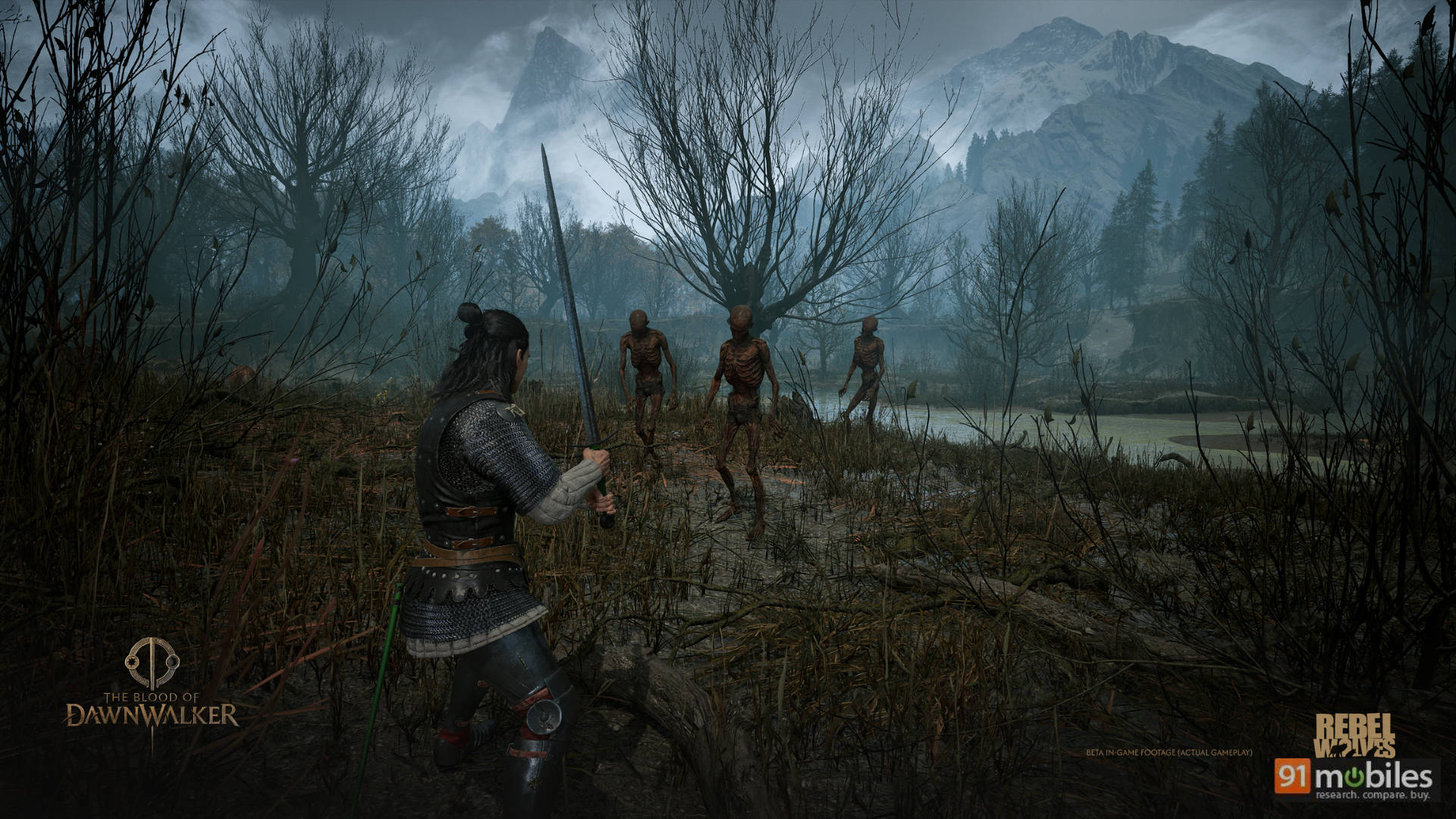
Unlike open-world RPGs like Horizon Zero Dawn or The Witcher 3, where the day/night cycle runs on a continuous background clock, time in Dawnwalker moves strictly when you undertake key activities or upgrades. You have a 30-day clock to rescue your family before the final confrontation. Because major quests and skill upgrades consume dedicated time slots, you cannot complete every single quest in a single playthrough. If you take too long or prioritise one task over another, certain side opportunities will permanently expire. This mechanic adds genuine stakes and massive replayability, forcing you to make tough decisions about how to spend your limited time.
Combat, Traversal, and Mechanics: Fluid Claws and Directional Precision
Combat in The Blood of Dawnwalker evolves traditional action-RPG mechanics into something far more engaging. Players can seamlessly alternate between two combat approaches:
- Omniattacks & Omniblocks (Traditional Combat): Standard light/heavy attacks, parries, and blocks for accessible, fast-paced fighting.
- Directional Combat: A deeper system allowing you to target and parry across four distinct directions (top, bottom, left, right) using directional inputs.
Mastering directional parries and attacks rewards you with reduced stamina consumption and tactical advantages. Reminiscent of the fluid control scheme in Rise to Honor, pulling off complex directional combos once you get the hang of it feels incredibly satisfying.
Form-Specific Loadouts & Skills
The game automatically manages two distinct loadouts without requiring manual menu switching:
- Human Form: You wield a sword, utilise witch-taught magical abilities to disorient foes or drain health, and consume food to heal.
- Vampire Form: You fight with devastating natural claws, unleash disorienting vampiric screams, and must feed on blood to regain health and stamina.
The skill tree is deep, split across Witchcraft, Swordmastery, and Vampirism paths categorised into Human, Vampiric, and Shared perks. A radial menu very similar to selecting Signs in The Witcher 3 allows you to trigger active abilities on the fly.
Traversal also shifts with the time of day. As a human, your movement is grounded. At night, your vampiric abilities allow you to scale structures in classic Assassin’s Creed fashion, reaching high vantage points to reveal map markers and points of interest that remain hidden during the day.
A Word of Caution: Drinking blood at night requires strategic restraint. If your bloodthirst triggers unexpectedly during a dialogue with a key NPC, you might accidentally attack them, completely altering your relationship and narrative path.
Visuals, Audio, and Technical Performance
Played on a 120Hz display, the pre-launch build offered a 30 FPS Quality Mode and a 40 FPS Balanced Mode, with a full 60 FPS patch scheduled for console release.
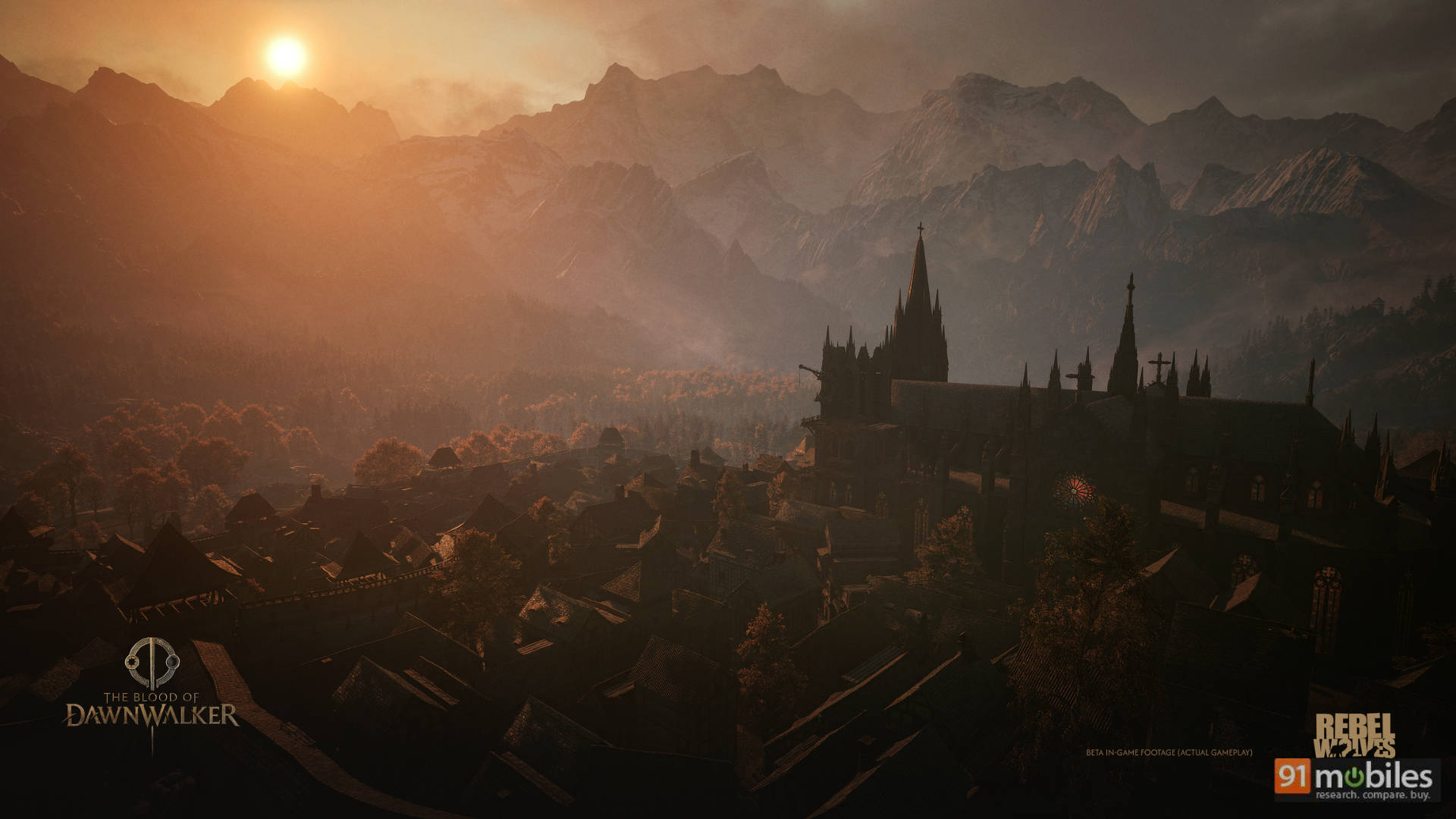
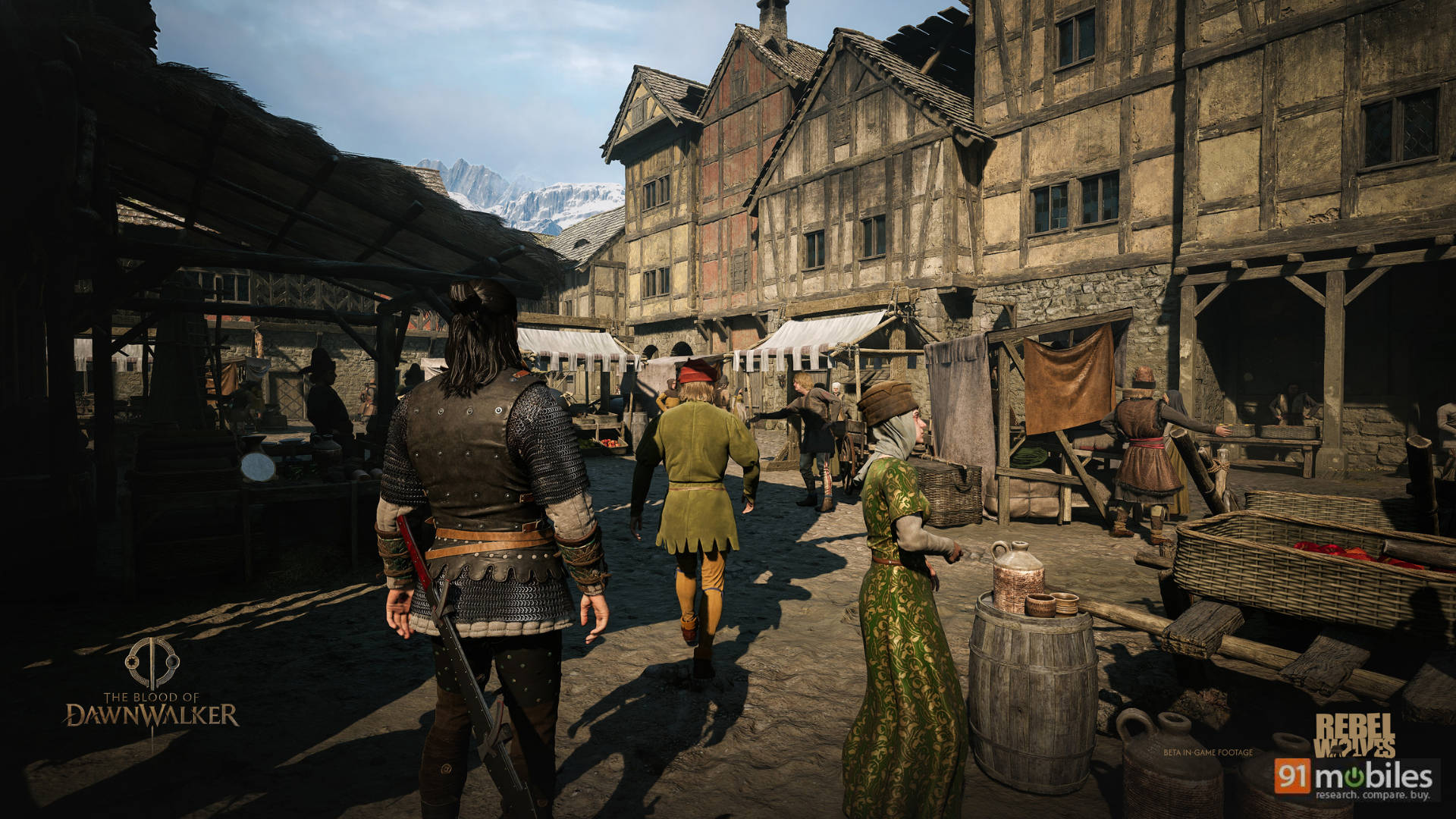
Visually, the environments from lush Carpathian mountain ranges and bustling medieval towns to dark underground caves are rich and atmospheric. While it may not push visual fidelity past every current-gen benchmark, the environmental scale and character design are top-tier. Minor visual pop-ins and slight graphical bugs were present in the review build, but they hardly distract from the overarching experience.
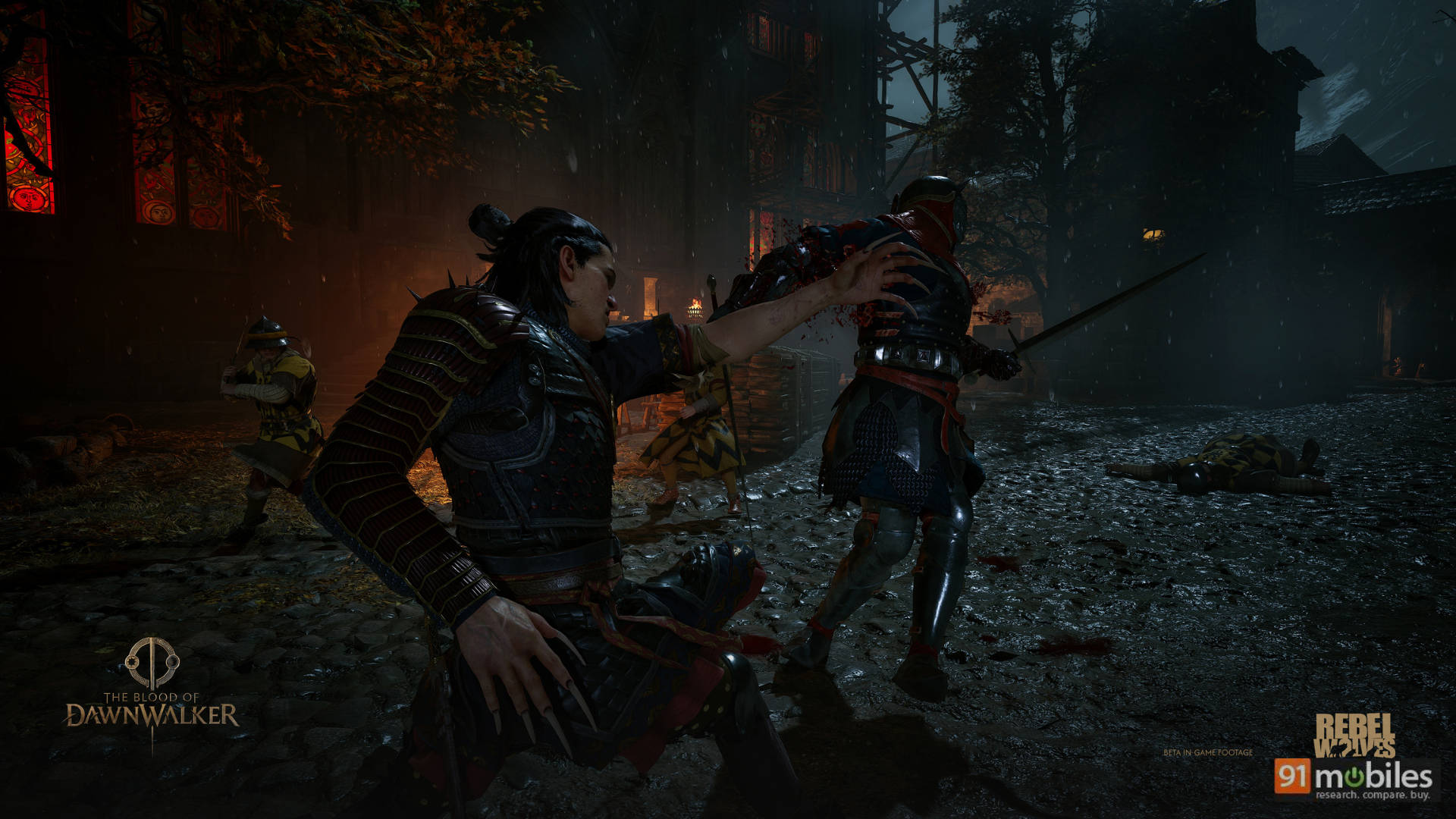
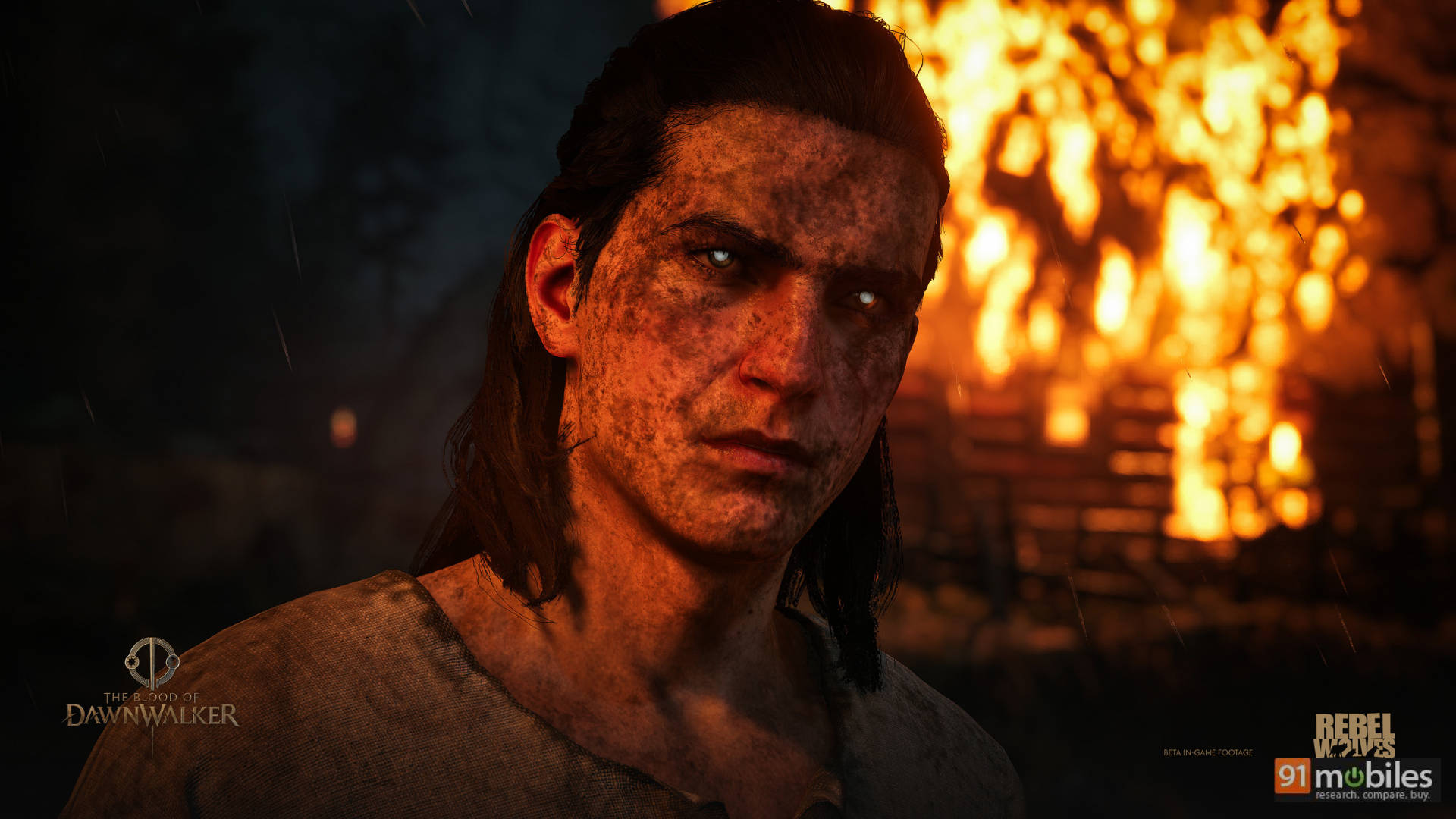
The voice acting deserves special praise. Coen’s voice actor delivers remarkable emotional depth and range, grounding a character trapped between humanity and monstrosity amidst branching dialogue choices.
Verdict
After spending 20 to 25 hours in Vale Sangora without yet hitting the end credits, The Blood of Dawnwalker stands out as one of the most compelling action RPGs in years. By combining the rich narrative freedom of The Witcher 3, the choice-driven weight of Cyberpunk 2077 and Mass Effect, and inventive dual-loop mechanics, Rebel Wolves has crafted a dark fantasy experience that begs to be replayed.
Aside from minor nitpicks such as a slightly outdated “Witcher Sense” inspection mechanic for looting rooms, the overall loop is an absolute triumph.
Editor’s Rating: 9 / 10
Pros
- Brilliant Dual Gameplay Loop
- Meaningful Time Management
- Satisfying Directional Combat
- Deep and fulfilling narrative
Cons
- Traditional Looting Mechanics
- Minor Technical Blemishes
More
- Developer: Rebel Wolves
- Publisher: Bandai Namco Entertainment
- Platforms: PS5, PC, Xbox Series X/S
- Price: Rs. 3,999 (on PS Store)
We played a review copy of Blood of Dawnwalker on PS5 provided by Bandai Namco