Sony’s recent announcement that it will cease physical disc production for new games starting in January 2028 is a watershed moment for the industry. While framed as a response to shifting consumer trends, the move heavily telegraphs that the PlayStation 6—which this timeline suggests will launch in 2028—will likely arrive without a built-in disc drive.
Unsurprisingly, the announcement has backfired badly. Gamers who value true ownership, the resale market, and media preservation have fiercely criticised the decision. However, the economic realities of the hardware business are undeniable. The current market conditions are incredibly hostile, and the odds are stacked against console makers trying to manufacture gaming hardware that remains affordable for the masses.

While the PC platform has operated as an overwhelmingly digital space for years without facing similar backlash, the fundamental difference lies in market competition. PC gamers benefit from a thriving, open ecosystem with multiple competing storefronts, including Steam, the Epic Games Store, and GOG, to name a few. This variety guarantees users have options, competitive pricing, and even DRM-free alternatives. In contrast, the PlayStation ecosystem is entirely closed. By removing the disc drive and eliminating the physical retail market, Sony is cementing an absolute monopoly over game distribution on its consoles. Without physical discs or third-party digital download keys, consumers will be forced to buy exclusively from the PlayStation Store, leaving them entirely at the mercy of Sony’s singular pricing and strict refund policies. This lack of alternative options makes it absolutely imperative for Sony to implement proactive, pro-consumer policies and do right by the players funding their ecosystem.
Table of Contents
The Economics of the Digital Era
When consumers buy games digitally, the economics heavily favour developers and publishers by removing the massive overhead of manufacturing, shipping, and retailer cuts. This model can be a lifeline for studios, and recent release strategies prove its viability.

Take Remedy Entertainment’s Alan Wake 2, which launched as a digital-only title on October 27, 2023. By delaying the physical release until October 22, 2024—nearly a full year later—the developer was able to recoup maximum development costs during the crucial first-year sales window before factoring in physical production expenses.
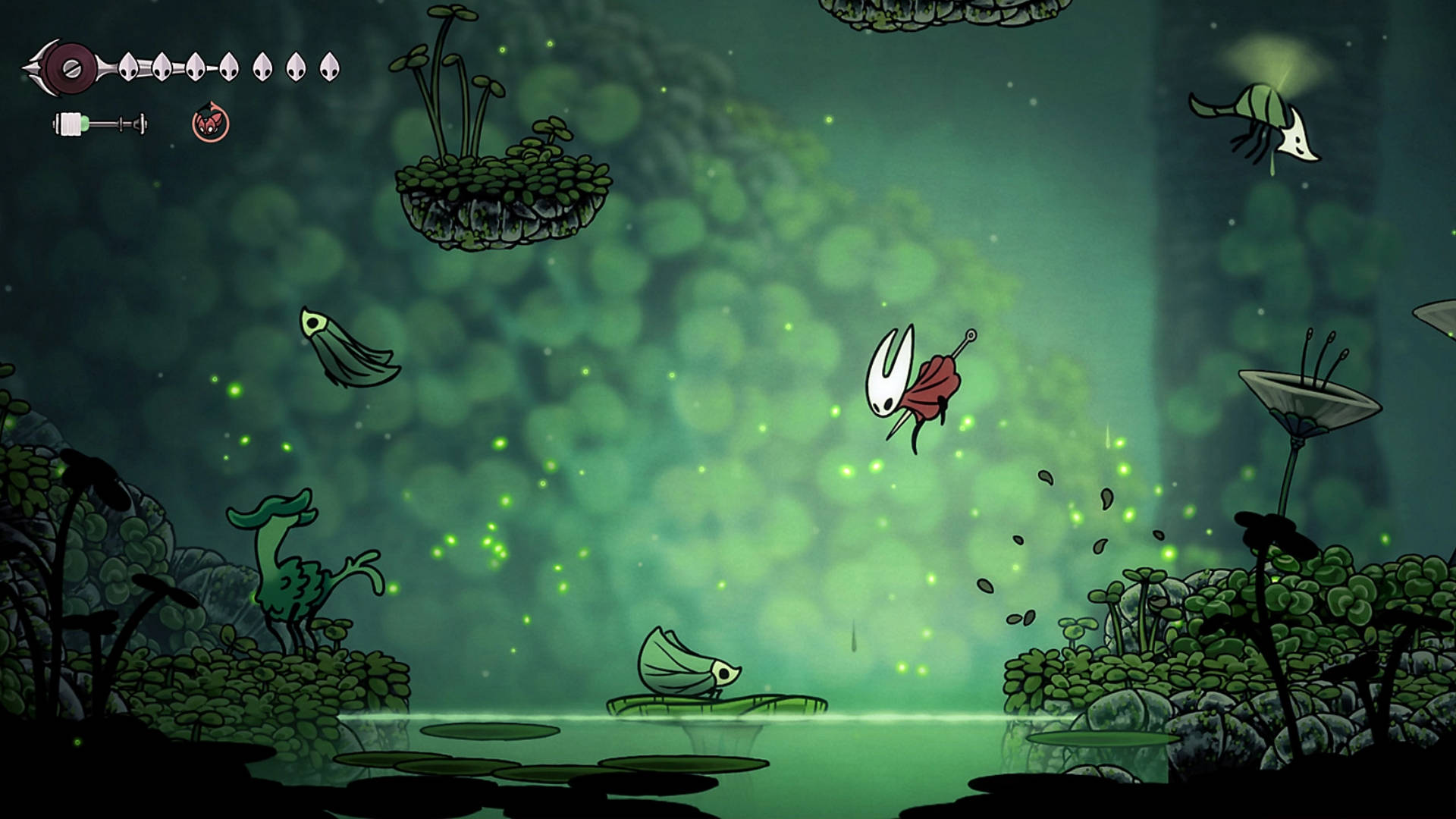
Similarly, the long-awaited indie darling Hollow Knight: Silksong launched worldwide on September 4, 2025, as a digital release. Official physical editions of the game are currently scheduled to ship more than a year later on October 16, 2026. The massive success of both titles highlights how prioritising a digital launch can help keep great artists afloat in an increasingly expensive industry.
5 Ways Sony Can Make Things Right
While the all-digital future may be inevitable, PlayStation cannot afford to alienate its core audience. If the PS6 is going to be a digital-centric platform, Sony must build bridges to make the transition consumer-friendly. Here is what PlayStation needs to do to do right by gamers:
- Disc-to-Digital Transfers: Sony needs a streamlined method for users to convert their existing physical games into a digital library. Allowing players to securely authenticate and back up their physical collections—similar to what Microsoft is rumoured to be exploring with Xbox’s “Project Helix”—would instantly alleviate fears of lost libraries.
- Comprehensive Backwards Compatibility: The PS6 should feature full backwards compatibility stretching all the way from the PS1 up to the PS5. If paired with the disc-to-digital transfer system mentioned above, players would finally have a unified, permanent home for their entire PlayStation history.
- Modular Disc Drive Options: If the base PS6 ships without a disc drive, Sony must offer an optional disc drive add-on at launch or ensure the console is compatible with the current detachable PS5 disc drive. Consumers deserve the choice to opt into physical media if they want to.
- Robust Family Sharing: PlayStation needs to take a page out of Steam’s playbook and implement a generous family sharing system. Allowing up to five friends or family members to securely share a single digital library would add immense value to the digital ecosystem and offset the loss of lending physical discs to friends.
- Universal Demos and Trials: Currently, the ability to play game trials on PlayStation is largely locked behind the most expensive tier of PS Plus subscriptions. Given Sony’s notoriously strict refund policy for digital purchases on the PS Store, the company must mandate or heavily incentivise free demos for titles. If players cannot resell a game they do not like, they must have the ability to “try before they buy.”
The Danger of Hubris

Ultimately, Sony is one of the longest-running and most successful console makers in the gaming landscape. Backed by a rock-solid foundation, a world-class hardware team, an unmatched stable of stellar first-party developers, and a deep, decades-long understanding of the console space, their market dominance often feels assured. However, history proves that PlayStation is not invincible. The arrogance of the early PS3 era nearly saw them lose the generation to the Xbox 360, and a failure to adapt to shifting market realities forced them to exit the handheld market entirely after the PlayStation Vita. As they push toward an all-digital ecosystem with the PS6, Sony must tread carefully. A legacy of great games will only carry them so far; if they fail to respect player choice and do right by their community during this massive transition, they risk leaving a massive opening for the competition to step in and take their place.