Review Summary
Expert Rating
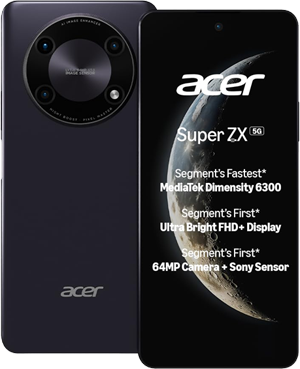
Acer has traditionally been known for its presence in the consumer PC space in India, but that seems to be changing this year. We’ve now got a couple of new smartphones making their way into the market, the Acer Super ZX Pro and the more affordable Acer Super ZX. Bengaluru-based electronics manufacturer Indkal Technologies has developed these Acer-branded devices.
In this review, we’ll be focusing on the Acer Super ZX, which offers a relatively balanced mix of features for its price. I’ll be going over what it gets right, where it falls short, and whether it’s worth considering for budget-conscious users. Let’s get started.
Table of Contents
Short verdict
The Acer Super ZX has a lot of value to offer for its price. It comes with a high-resolution 120Hz display, offers decent everyday performance, clean software, and has 33W fast charging with a braided cable. It is a good budget option for daily use, though its cameras struggle in low light, and battery life may not be enough for heavy users.
Functional design with a vivid display
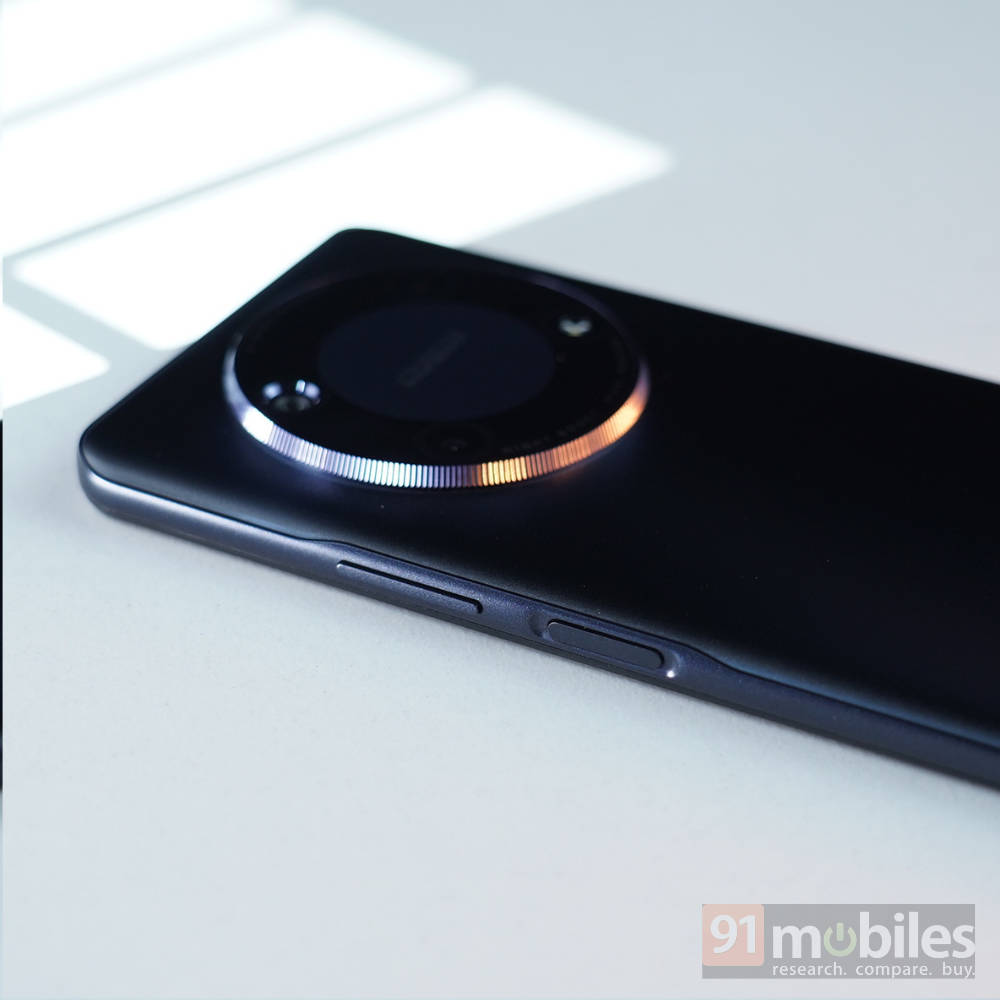
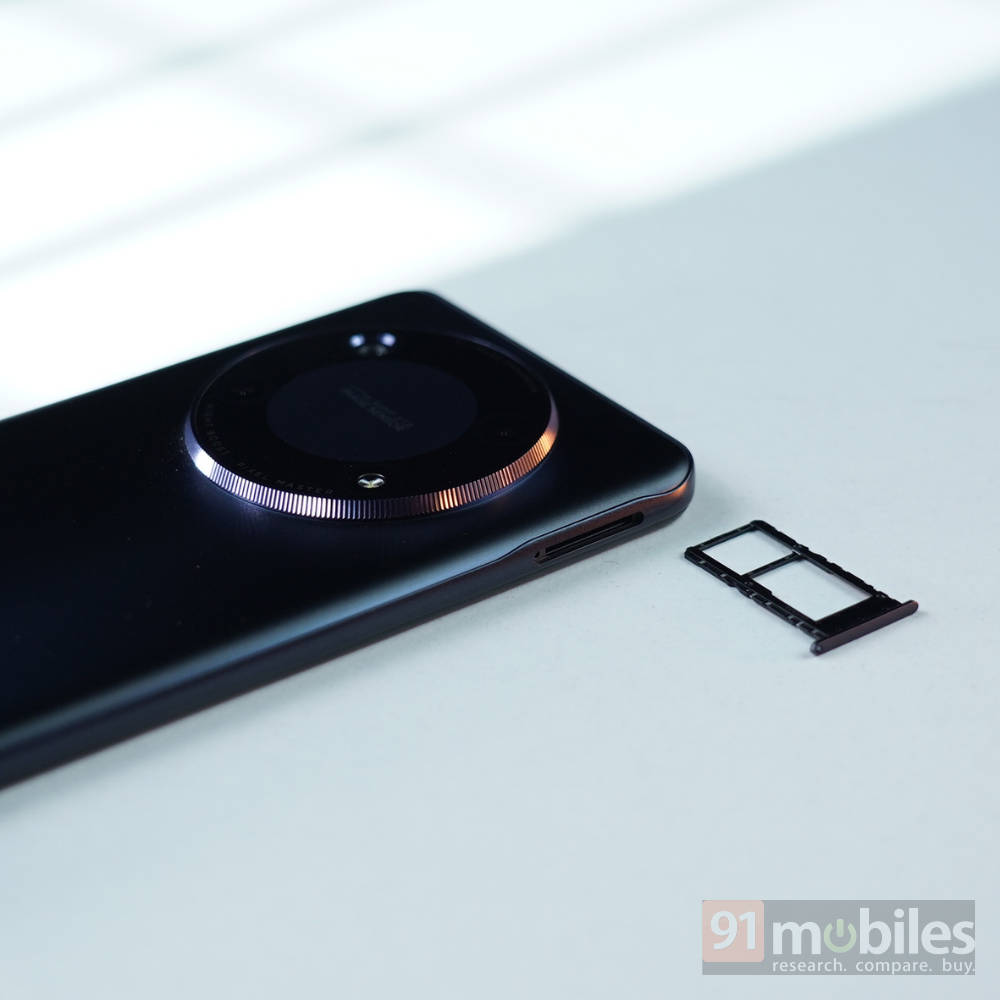
The Acer Super ZX keeps things fairly simple on the design front, except for the large circular camera module placed near the top centre. The rest of the back panel has a matte finish that catches light nicely at certain angles and does a good job of keeping smudges and fingerprints at bay. The curved edges add to the overall comfort, and the phone feels quite nice in hand, though I did find it a tad on the heavier side.
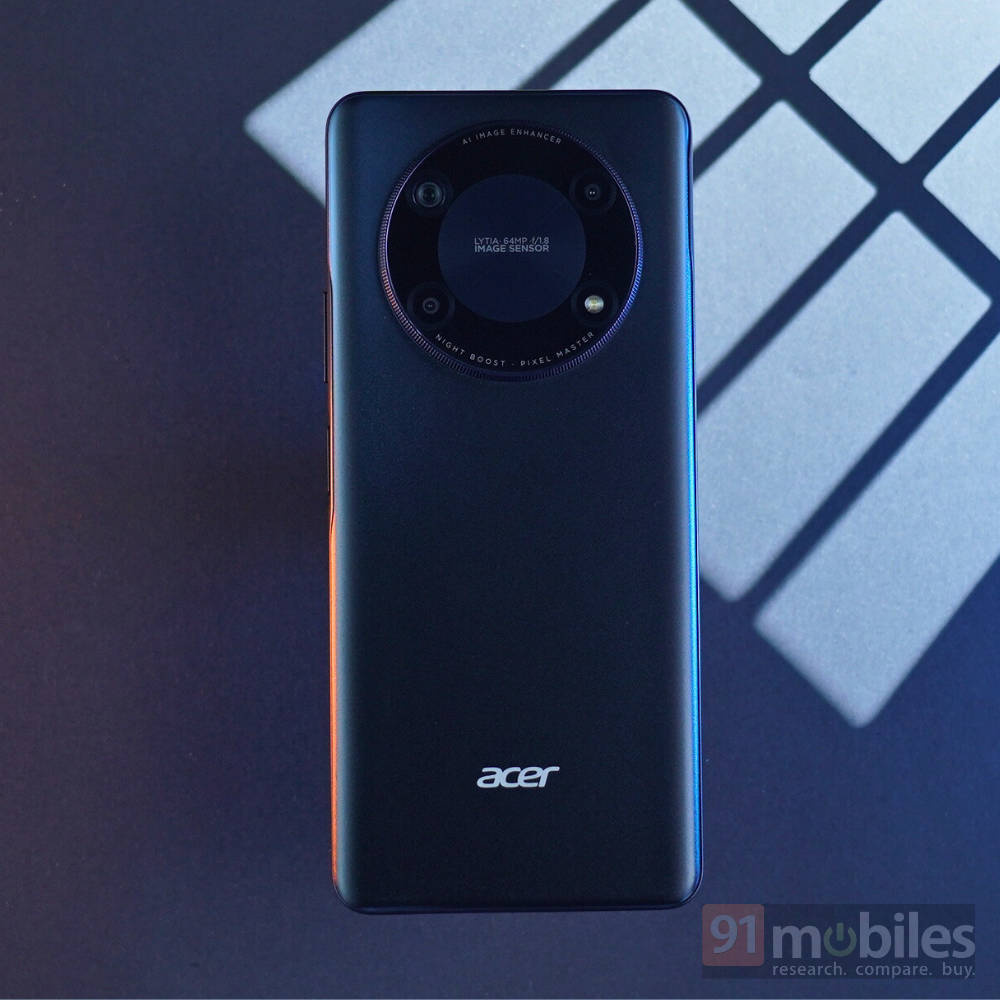
You get a stereo speaker setup, with the volume rocker and power button placed on the right, a 3.5mm headphone jack and USB-C port at the bottom, and the SIM tray on the left. The power button also doubles up as a side-mounted fingerprint scanner, and the placement feels natural and easy to reach. Overall, the design is functional and straightforward, and while it may not be particularly eye-catching, it gets the job done.
Up front, the phone features a 6.78-inch LCD panel with FHD+ resolution (2,460 x 1,080), 120Hz refresh rate, and a peak brightness of 800 nits. It is a fairly typical display for a sub-10K phone, though that FHD+ resolution makes it stand apart from the competition. Visuals look sharp, colours are vibrant enough, and the viewing angles are decent. Pair that with the loud stereo speakers, and you’ve got a decent setup for watching content or casual media use.
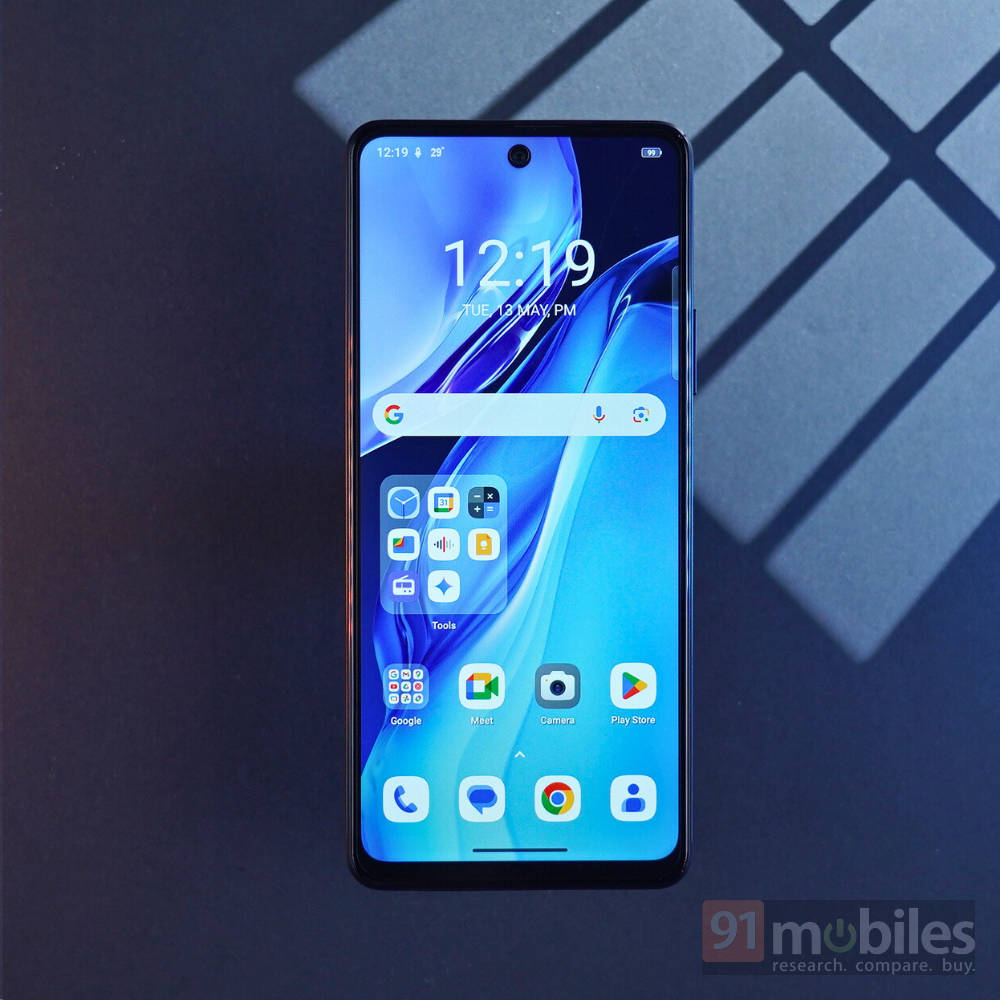
I did, however, run into a minor issue with outdoor visibility. Even with the higher brightness claim, the screen doesn’t quite hold up under direct sunlight, especially during peak summer. In our testing, it hit a maximum of 414 nits, which is in line with the average for this price segment, around 400 nits. So it’s not a dealbreaker, but rather a common limitation you’ll find with most budget phones.
Camera performance: a mixed bag
The Acer Super ZX features a triple rear camera setup that includes a 64MP Sony sensor, along with a 2MP macro and a 2MP depth sensor. On the front, there’s a 13MP selfie camera. In good lighting, the main camera delivers decent results with good dynamic range and contrast although the the images can be oversharpened at times. Colours are slightly boosted to look more vibrant, but not to the point where it feels unnatural. The selfie camera performs similarly well in daylight, offering punchy colours and decent detail, although it does have a tendency to oversaturate colours at times.
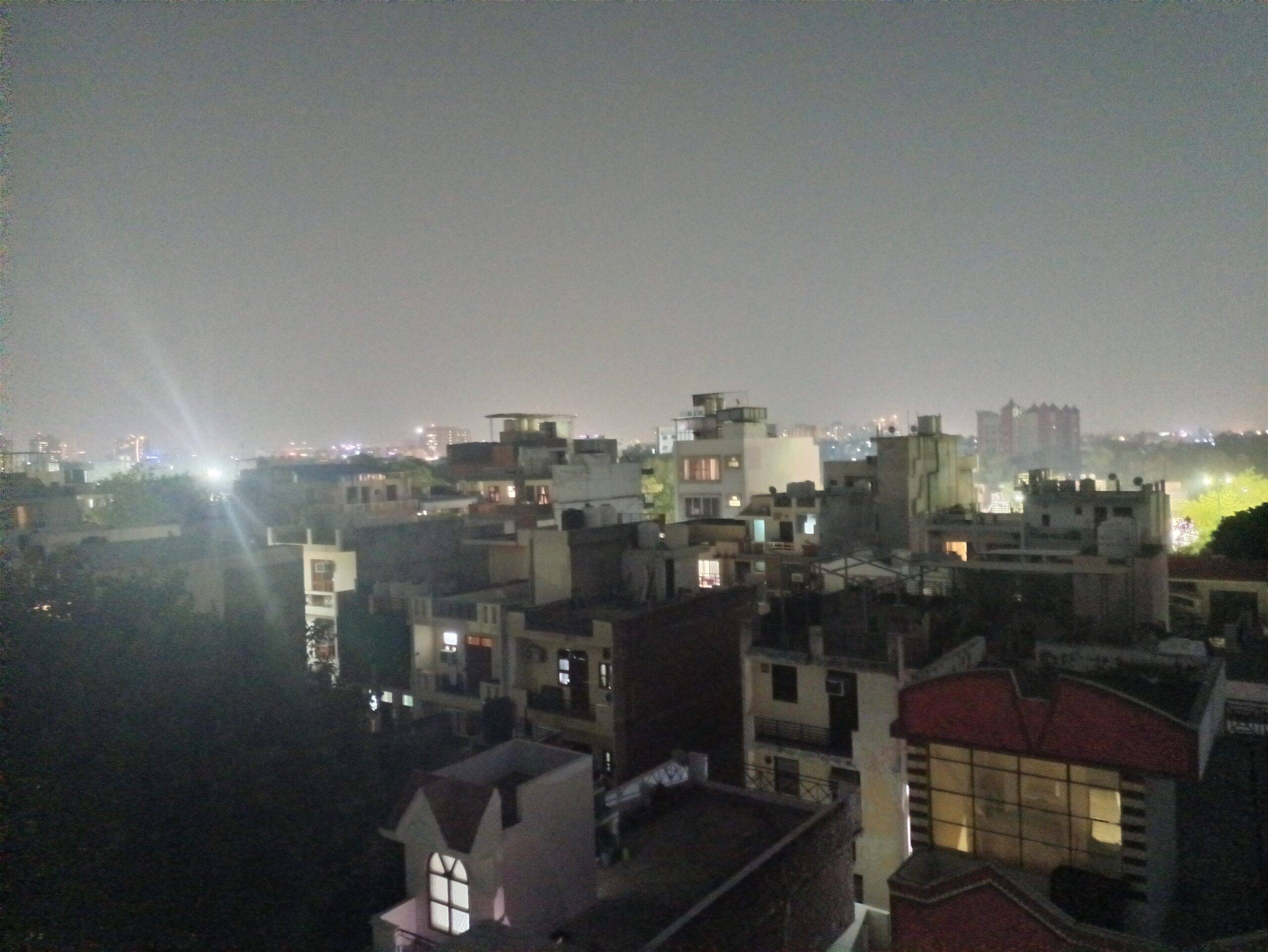
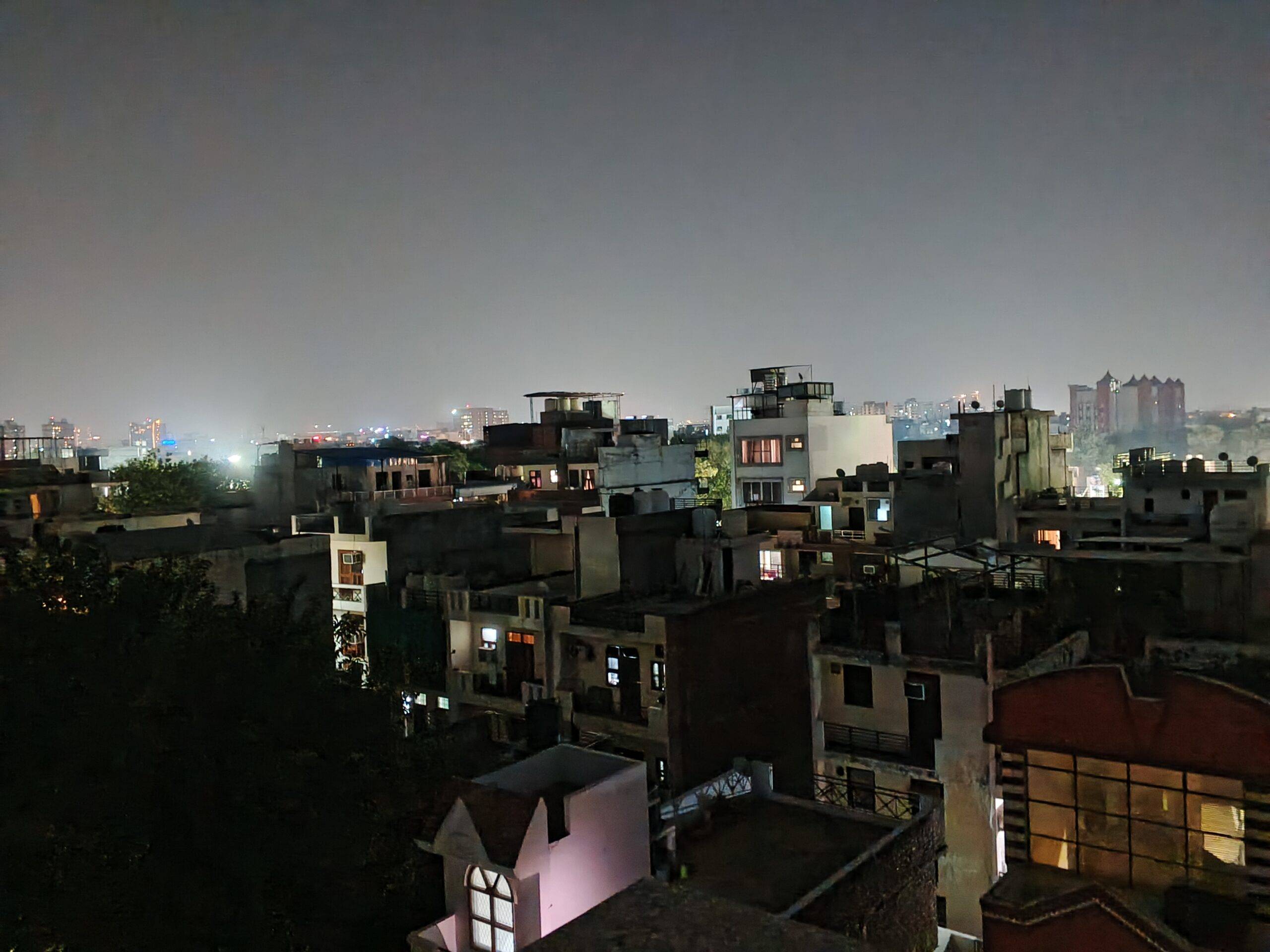
Low light, however, is where the camera setup begins to show its limitations, which isn’t too surprising given it is a budget device. Shots taken in dim environments turn out soft, with edge detection issues and a general lack of sharpness. Lens flares can also creep in, making night shots look less appealing. The selfie camera struggles in low light, too, with grainy output and poor clarity.

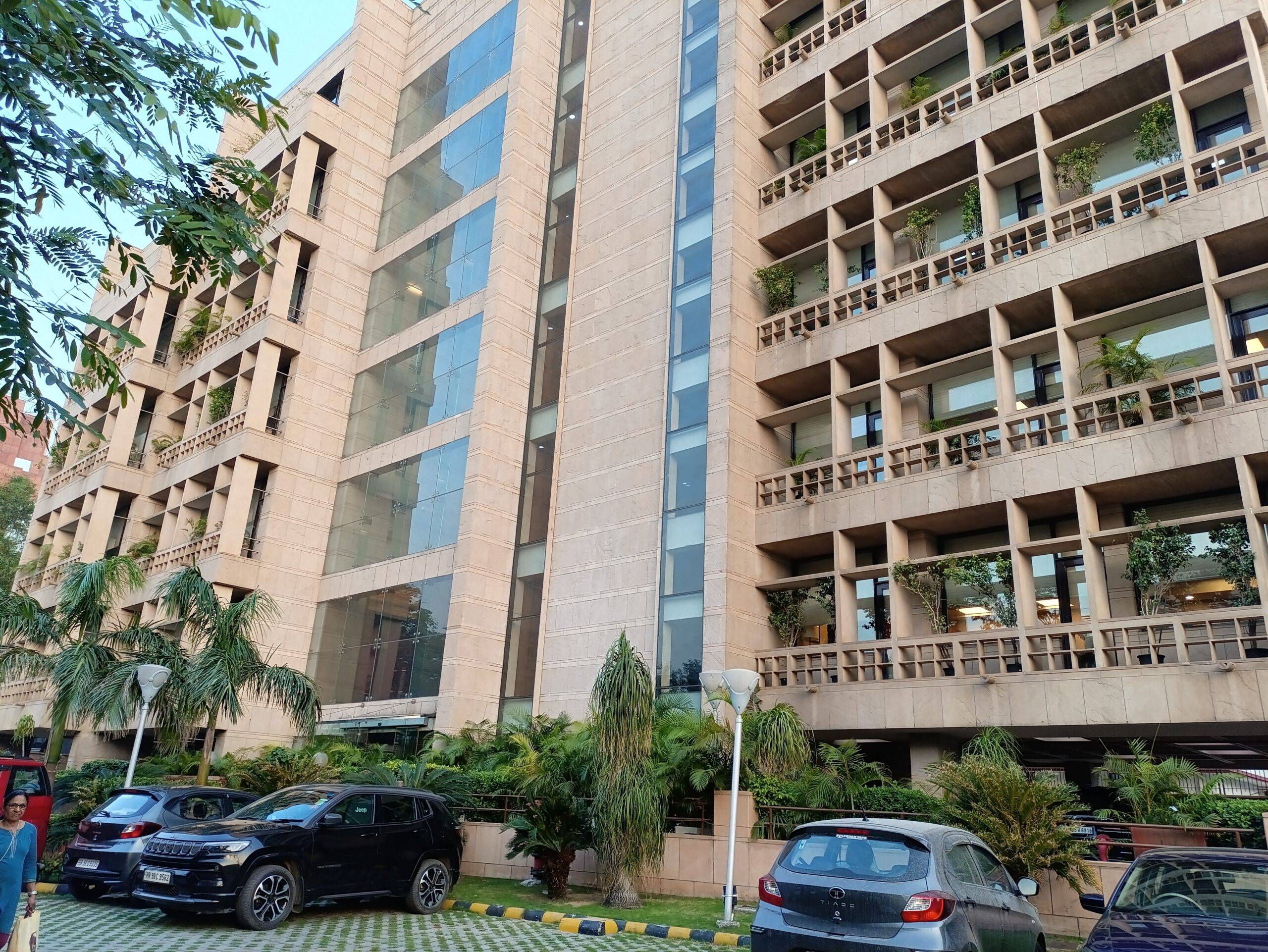



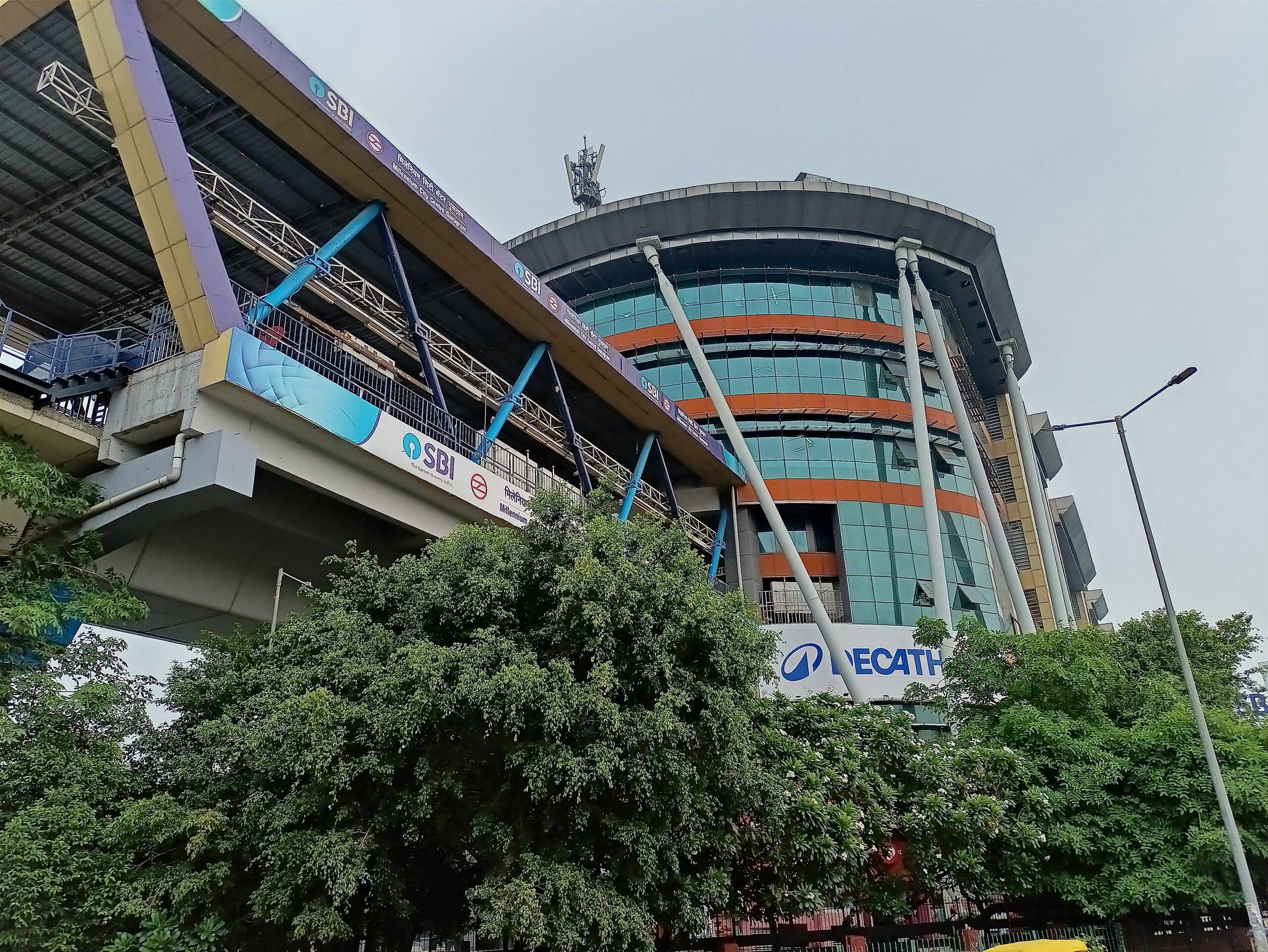
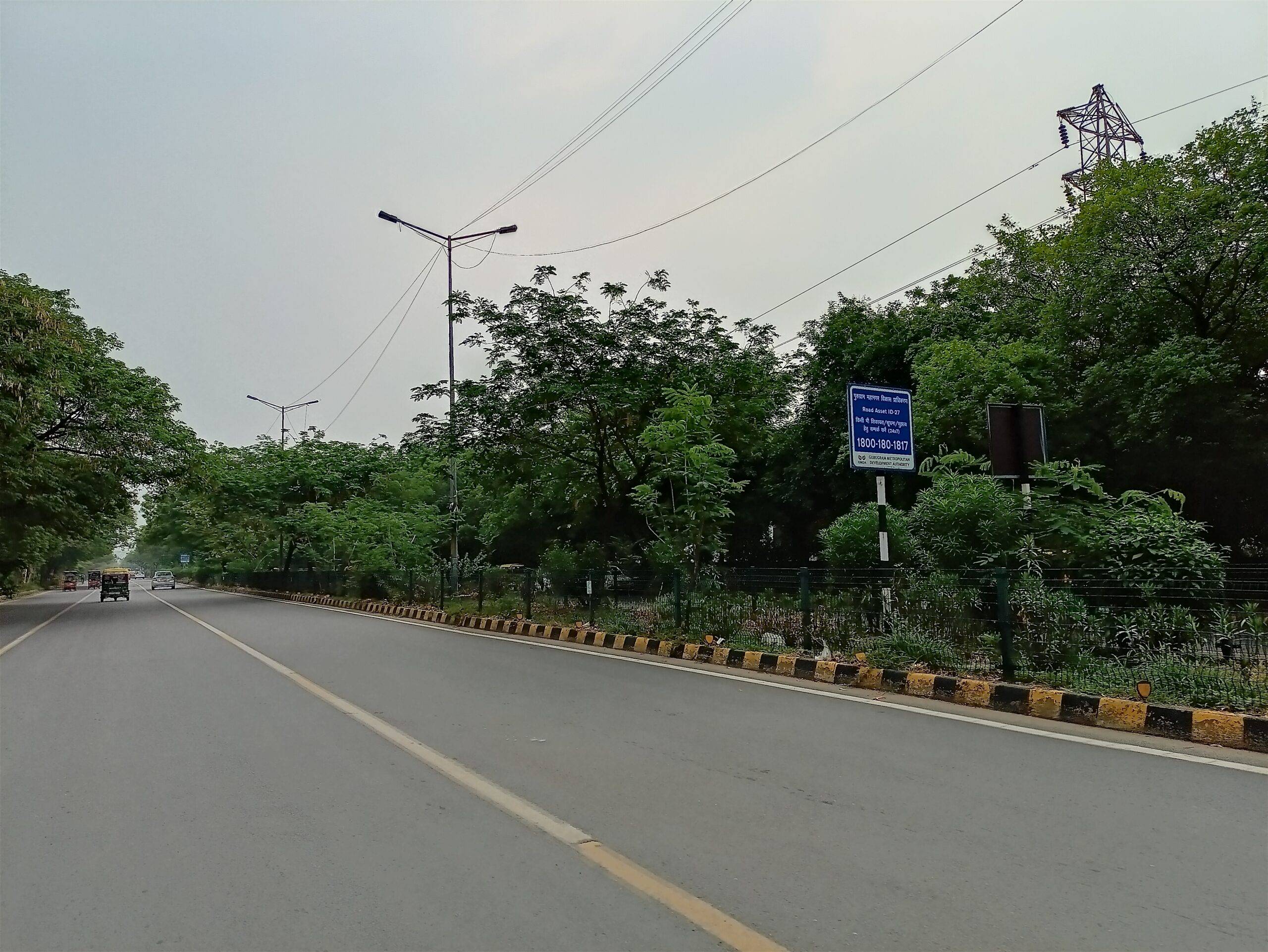

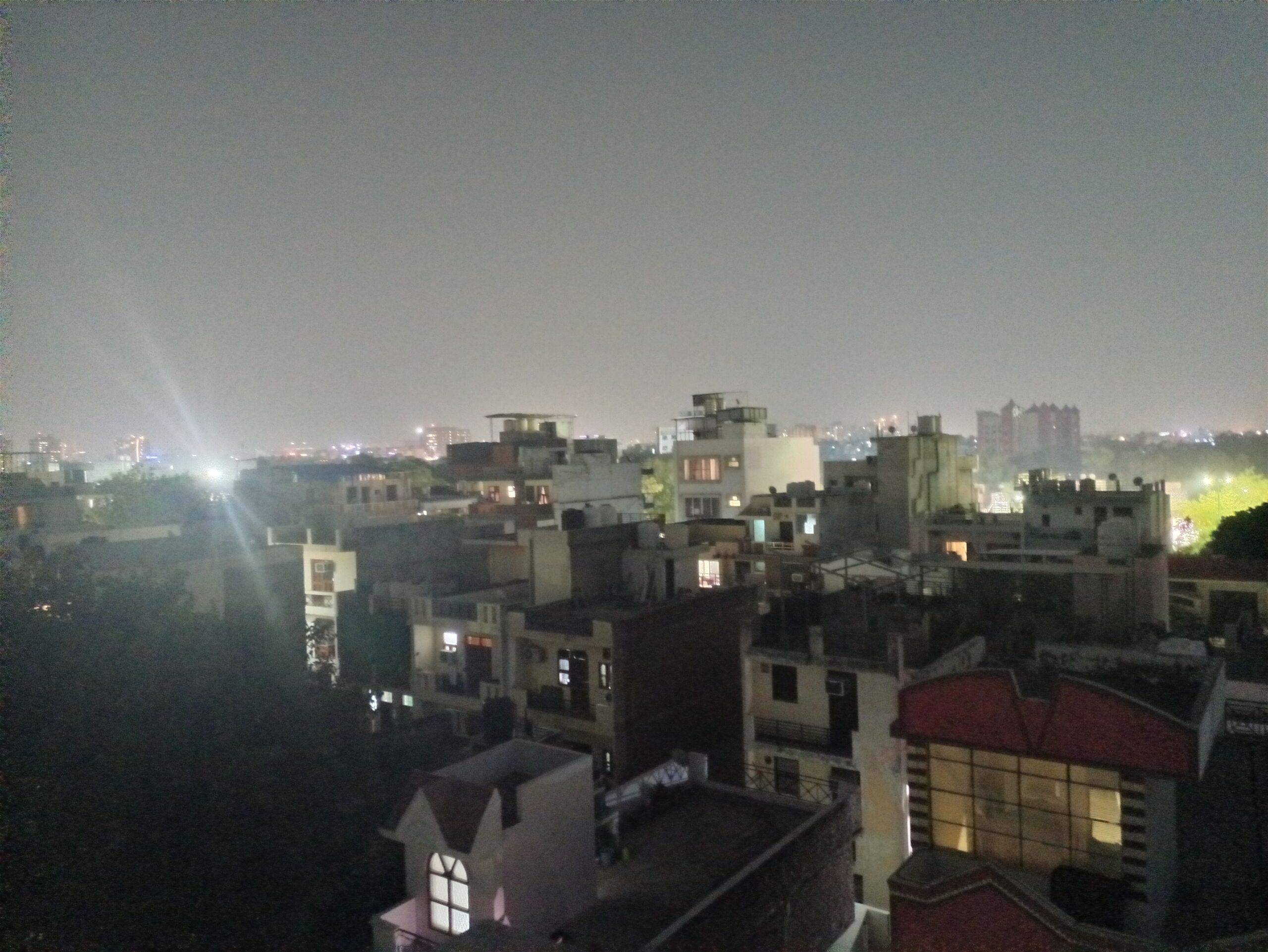


To get a better sense of how the camera system performs, I compared the Super ZX directly with one of its key competitors, the itel A95 (review). Check it out below:
Daylight
The regular daylight images of both phones turn out very different. The Acer Super ZX and itel A95 both have warmer colour profiles but the former’s colours are more vibrant, while the latter’s colours appear washed out. You’ll also notice the Acer’s image appears much sharper, while the itel’s image is quite soft, which makes it less appealing.
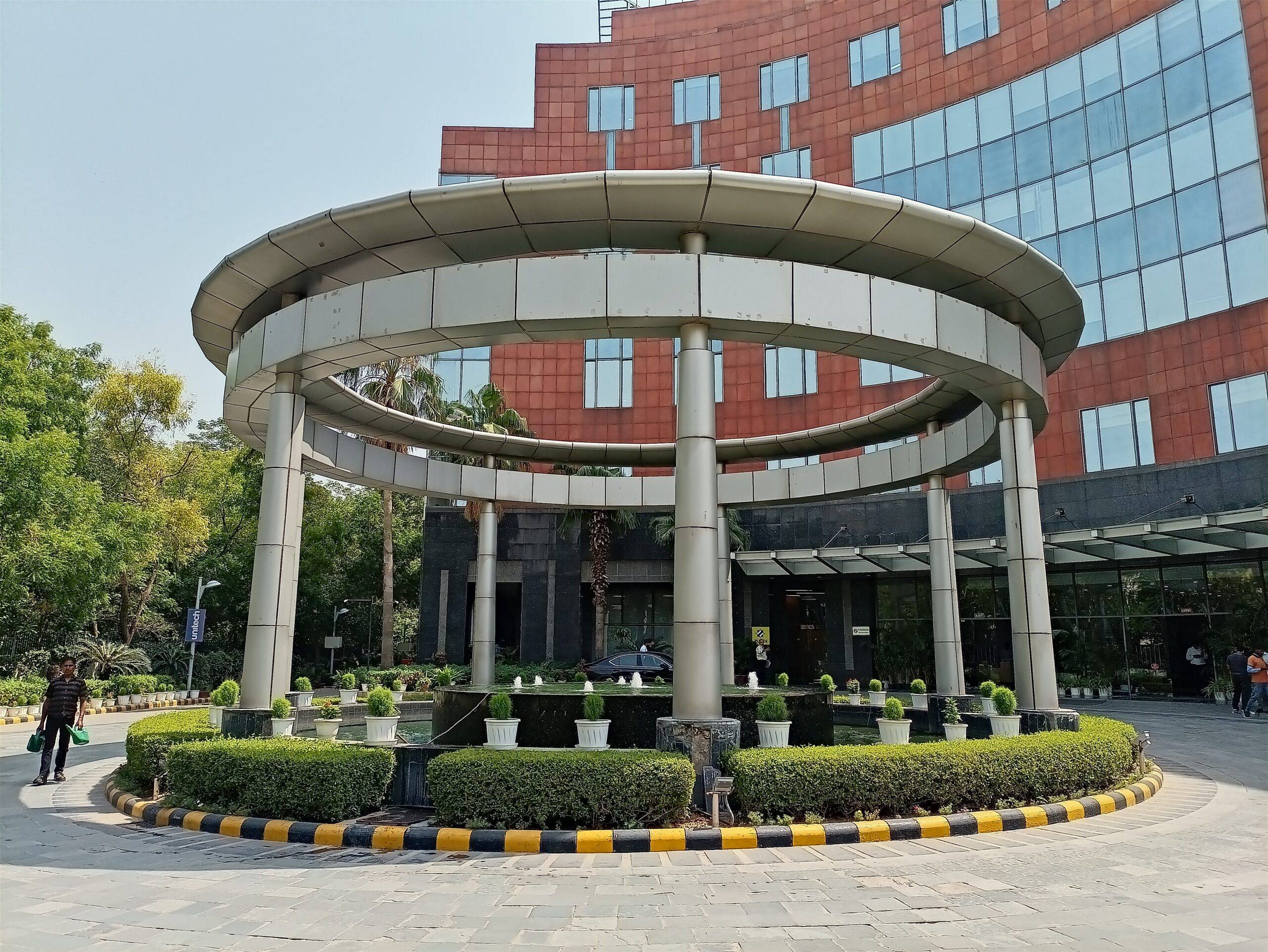
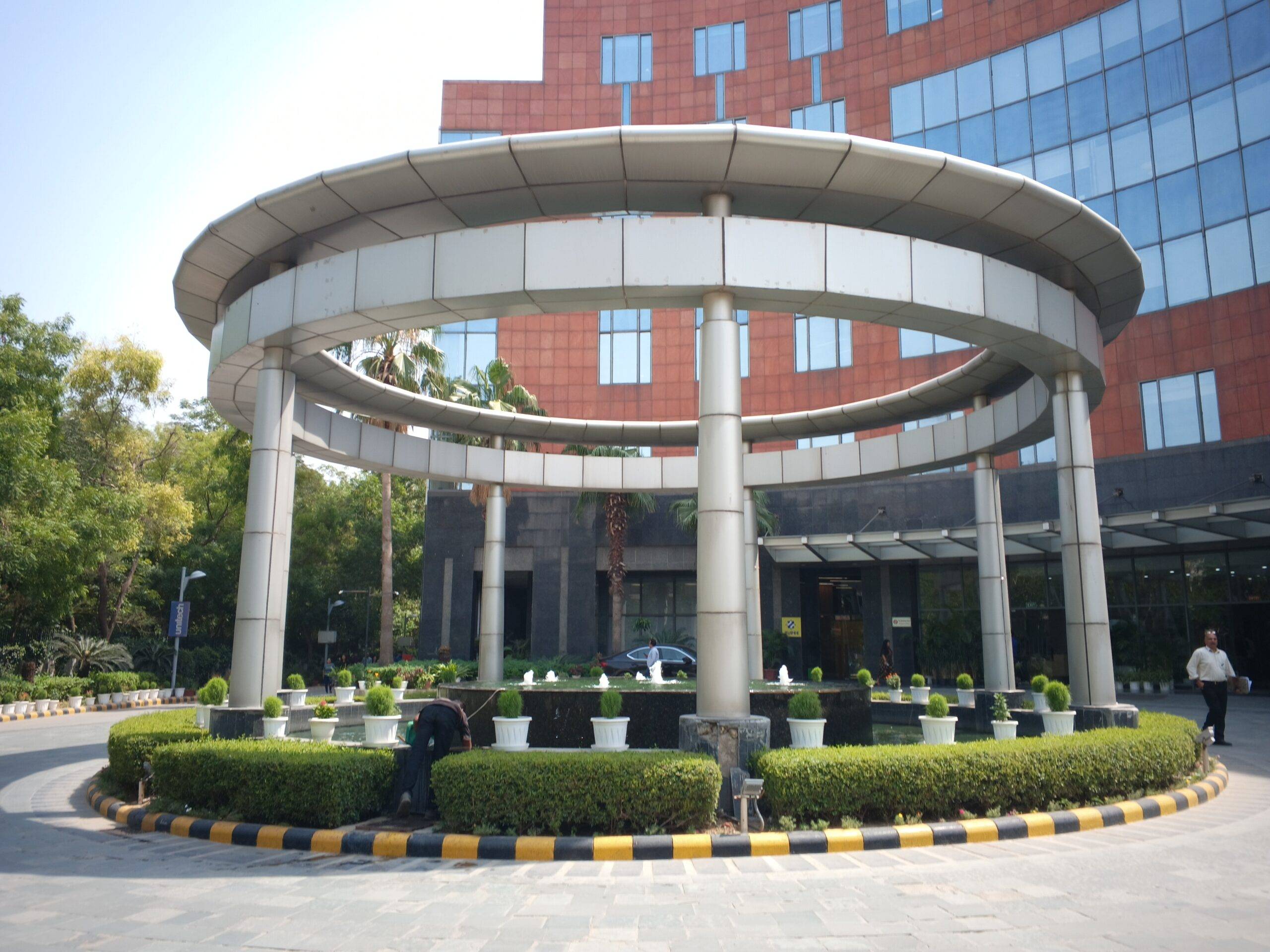
Portrait
In portrait shots, the colour science continues to differ between the two phones. The Acer Super ZX does a better job in representing the actual scene in terms of colours, while the itel A95 turns up the contrast and improves shadows. In terms of detail, both devices are quite close to each other, although the itel A95 does a marginally better job with facial details. The itel A95’s edge detection is also a smidge better than its competitor’s.


Selfie
The Acer Super ZX’s selfie is extremely vibrant, to the extent that the shot feels overprocessed. It is also a little lacking when it comes to factors like detail level, sharpness and clarity. The itel A95 does a better job here with more natural colour reproduction, better detail levels and higher clarity.


Low light
We tested the low-light performance of both phones with their dedicated night mode enabled. The difference in night shots between the two phones is, simply put, night and day. The itel A95 does better than the Acer Super ZX in basically every single metric, be it colours, sharpness, contrast level or lens flare control.
Performance that gets the job done
The MediaTek Dimensity 6300 chipset powers the Acer Super ZX, paired with up to 8GB of LPDDR4X RAM and 128GB of UFS 3.1 storage. It’s a fairly common SoC in this price range, and the performance here is in line with what you’d expect: smooth and reliable for everyday use.

I’ll attach a few key benchmarks results which were logged by our in-house smartphone testing team to give you a rough idea of the phone’s raw performance capabilities.
The phone handles routine tasks well, with little to no noticeable stutter. That’s partly down to the clean, stock Android-like software experience, which is free from third-party apps or unnecessary bloat.
It can handle casual gaming too, though you’ll want to manage your expectations. Games like COD: Mobile and BGMI run reasonably well, but only at lower graphics settings.
Clean, snappy OS
The phone runs Acer OS 15 based on Android 15 out of the box. As mentioned earlier, the interface is very close to stock Android. It’s lightweight, responsive, and helps the overall experience feel snappy, though visually, it might come across as a bit dated. The UI reminds me a bit of what ColorOS 13 looked like, with touches of older MiUI thrown in.
Acer has also packed in quite a few software extras. You get a handy sidebar with quick tools, an app lock feature, a smart island that works like Apple’s dynamic island, built-in call recording, and more. Acer does not menion the software support policy for this device, so I can’t comment on that. All things considered, the software experience is one of the highlights here: clean, responsive, and loaded with useful features that are rarely seen at this price point.
Fast to charge but may not last the day
The Acer Super ZX packs a standard 5,000mAh battery with support for 33W fast charging. You get a compatible charger in the box, along with a braided charging cable, which is a nice touch.
In day-to-day use, battery life is decent, though nothing particularly impressive. I was able to get about 6 to 7 hours of screen-on time with a bit of 5G usage thrown in. With more demanding use, that number dips further. Even with moderate usage, I often found myself plugging the phone in by the end of the day, so heavy users will definitely need to top it up.
The good news is that the 33W charging really helps. The phone takes just about 67 minutes to charge completely from 20-100 percent, which is quite impressive for a budget device. Most phones in this bracket usually take around an hour and a half or more, so this gives the Super ZX a good advantage.
Final Verdict
The Acer Super ZX starts at Rs 9,999 for the 4 GB + 128 GB variant and goes up to Rs 11,999 for the 8 GB + 128 GB model. Its main competition in this segment includes the itel A95 (review) and Redmi 14C (review). The itel A95 offers slightly better cameras and longer battery life compared to the Super ZX. The Redmi 14C performs a bit better overall, lasts longer on a single charge, and has a more refined design, though its display isn’t as sharp. The software experience feels more polished on the Super ZX too.
The Super ZX gets a lot right for a phone in this price range. You get a sharp, high-resolution 120Hz display, stereo speakers, and clean, bloat-free software that feels responsive in everyday use. Performance is good enough for daily tasks and light gaming, and the 33W fast charging is a welcome addition, especially with the braided cable included in the box.
The main drawbacks are the cameras and battery life. The primary sensor handles daylight shots reasonably well, but low-light results are underwhelming. Battery life is adequate for moderate use, though heavier users might need to charge the device by the end of the day.
Overall, the Acer Super ZX is a good option if you’re looking for a well-rounded budget phone with a high-resolution 120Hz display, smooth software experience, decent performance, and fast charging.
Editor’s Rating: 7.9 / 10
Reasons to buy:
- The phone features a vibrant, high-resolution 120Hz display that looks sharp and smooth.
- Day-to-day performance is quite good for the price. The phone handles multitasking and light gaming without much trouble.
- The software is clean with no unnecessary pre-installed apps, and the overall experience feels smooth and responsive.
- Charging speeds are fairly quick for this segment, and the inclusion of a 33W fast charger with a braided cable is a nice touch.
Reasons not to buy:
- The display isn’t very bright in outdoor conditions, which can make it harder to see clearly under direct sunlight.
- Low-light camera performance is underwhelming and details tend to get lost.
- While battery life is acceptable for moderate usage, it doesn’t quite hold up for heavy users.