Google has announced Gemini Intelligence for Android, a suite of AI features designed to automate multi-step tasks, generate custom widgets, and reduce everyday friction across apps. The announcement covers features rolling out in waves starting this summer with the Samsung Galaxy S26 and Google Pixel 10 series, with broader support for Wear OS, Android Auto, and Android-powered glasses and laptops arriving later in 2025.
Table of Contents
App automation that works across third-party apps
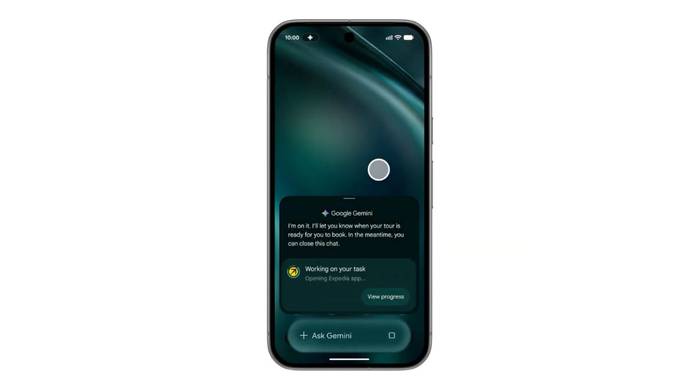
The headline feature is cross-app task automation. Gemini can now navigate apps on your behalf, such as booking a spin class, finding a course syllabus in Gmail, adding required books to a shopping cart, or building a grocery delivery order directly from a notes app. Visual context works here too: point Gemini at a travel brochure photo and ask it to find a matching Expedia tour for six people, and it handles the search in the background while surfacing progress via notifications. Google explicitly states that Gemini only acts on explicit user commands and stops the moment the task is done.
Gemini comes to Chrome on Android
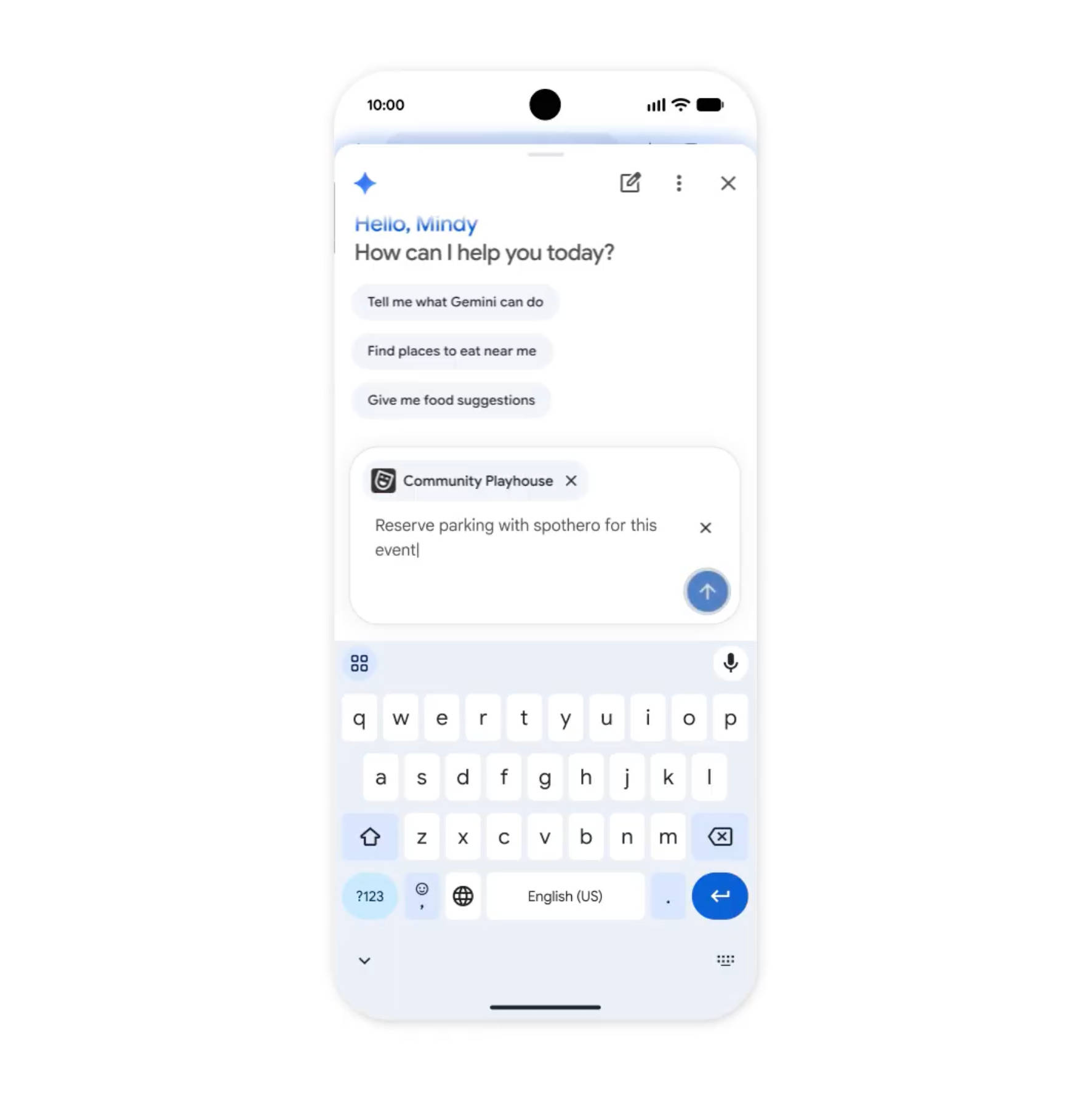
From late June, Gemini is arriving inside Chrome on Android. It can research, summarise, and compare content across the web, while a new Chrome Auto Browse feature handles form-heavy tasks, such as appointment bookings or parking reservations on the user’s behalf.
 Smarter autofill using your connected apps
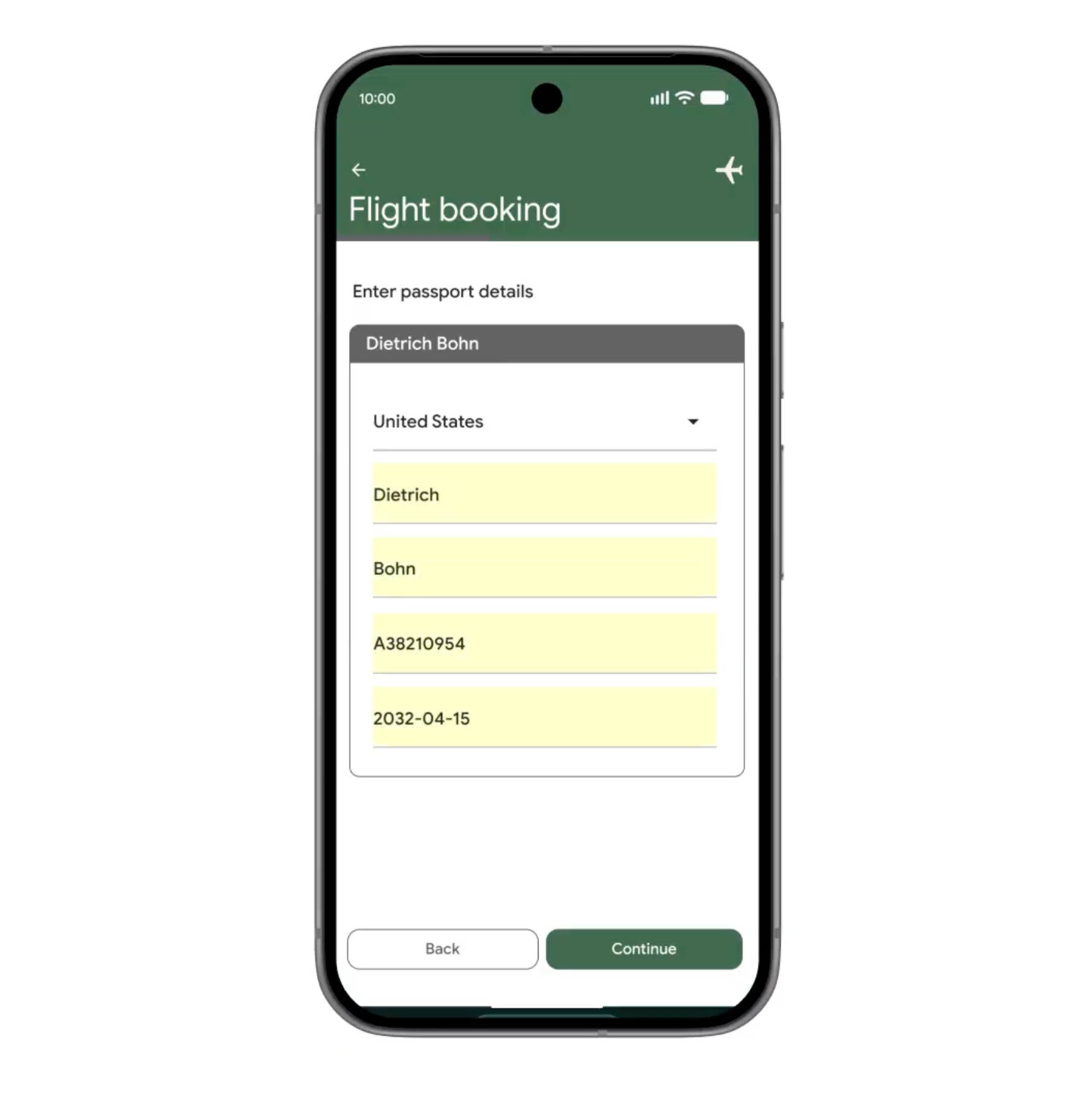
Autofill with Google is getting a Gemini upgrade. Rather than filling in only saved credentials and addresses, Android will now pull relevant information from connected apps to fill out complex forms automatically. The feature is strictly opt-in and can be toggled off at any point from settings.
 Rambler turns unpolished voice dictation into clean text
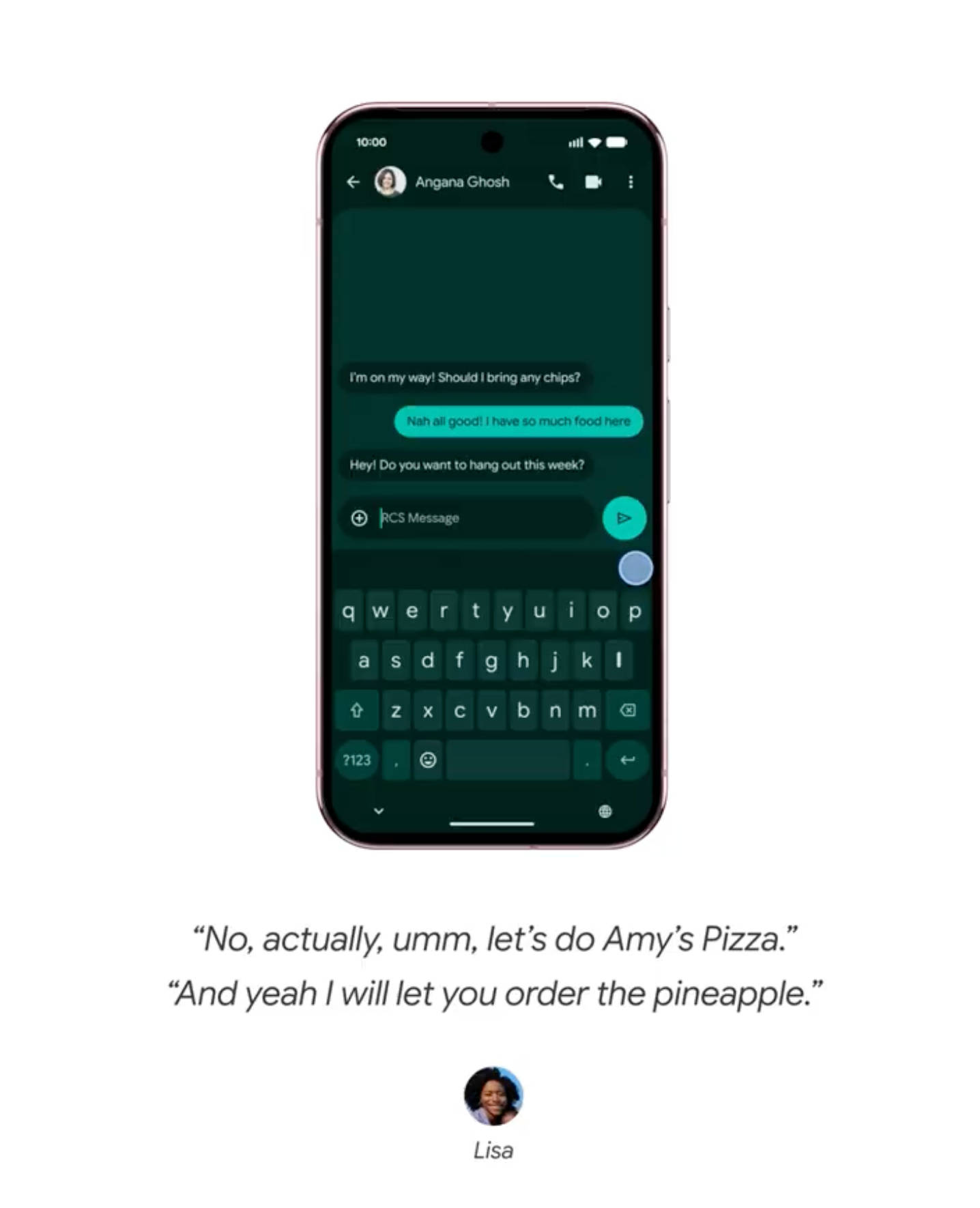
Gboard is adding a new feature called Rambler, which converts natural, filler-heavy speech, such as “ums” and repetitions, into concise, polished written messages. It works across multiple languages simultaneously, so code-switching mid-sentence between English and Hindi, for instance, is handled without breaking the output. Audio is transcribed in real time and is not stored.
Create My Widget: custom home screen widgets via natural language
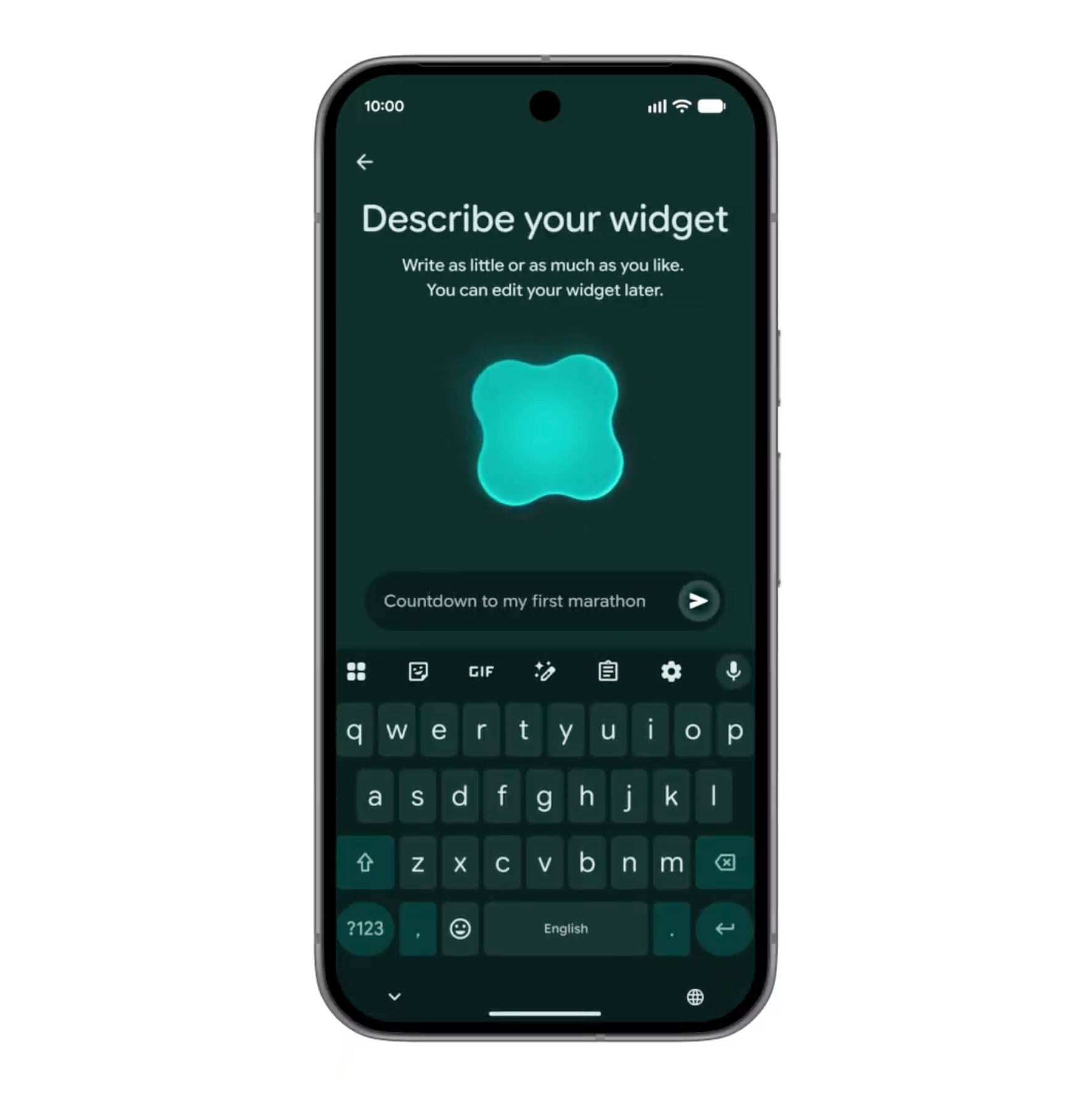
Create My Widget is Google’s first step into generative UI on Android. Users describe what they want in plain language, for example, “suggest three high-protein meal prep recipes every week” or “show only wind speed and rain,” and Gemini generates a functional, resizable widget for the home screen. The feature works on both Android phones and Wear OS watches, and sits within a broader updated design language built on Material 3 Expressive.