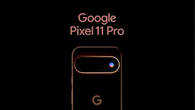
The latest Google Pixels are finally here and with them it brings a fresh wave of comparisons against the existing flagships. And what better way to kick it off than comparing the new Pixel 11 with perhaps the most famous flagship and its chief rival, the iPhone 17 (review). In this story, we’ll break down what both the phones have to offer and answer which flagship is more suitable for you. Check it out below.
Table of Contents
Pixel 11 vs iPhone 17: price in India
| Variant | Pixel 11 | iPhone 17 |
| 8GB + 256GB | NA | Rs 82,900 |
| 8GB + 512GB | NA | Rs 1,02,900 |
| 12GB + 256GB | Rs 89,999 | NA |
| 12GB + 512GB | Rs 1,04,999 | NA |
Pixel 11 vs iPhone 17: design
Let’s first talk of the design of both these phones and how they differ. The new Pixel 11 is thinner than its predecessor at 8.6mm and lighter at 197 grams. The iPhone 17, meanwhile, is just 7.95mm and weighs about 177 grams. From these specs alone you can surmise that the Pixel 11 will feel a bit chunkier compared to the iPhone in hand, although the difference here isn’t very drastic.
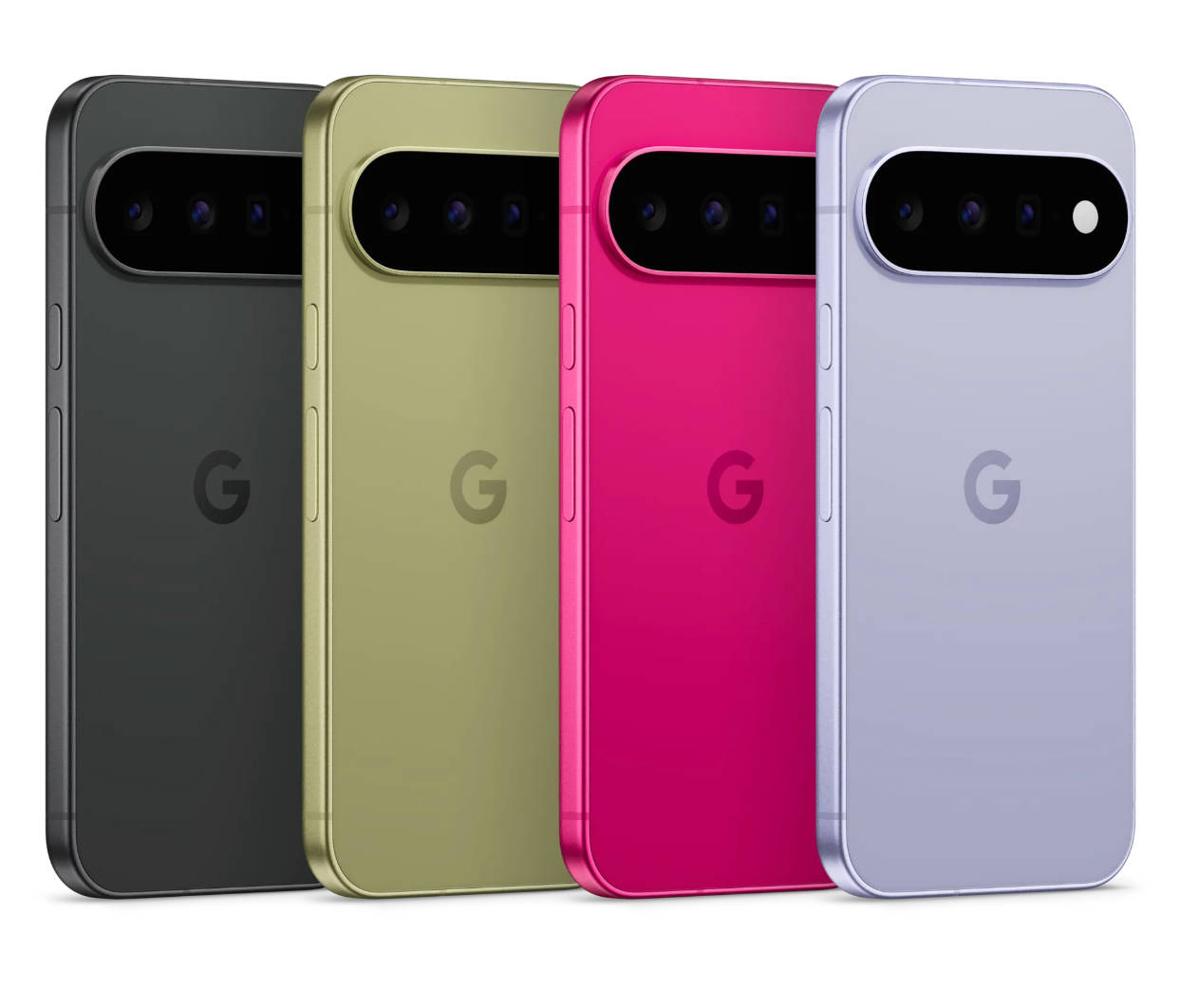
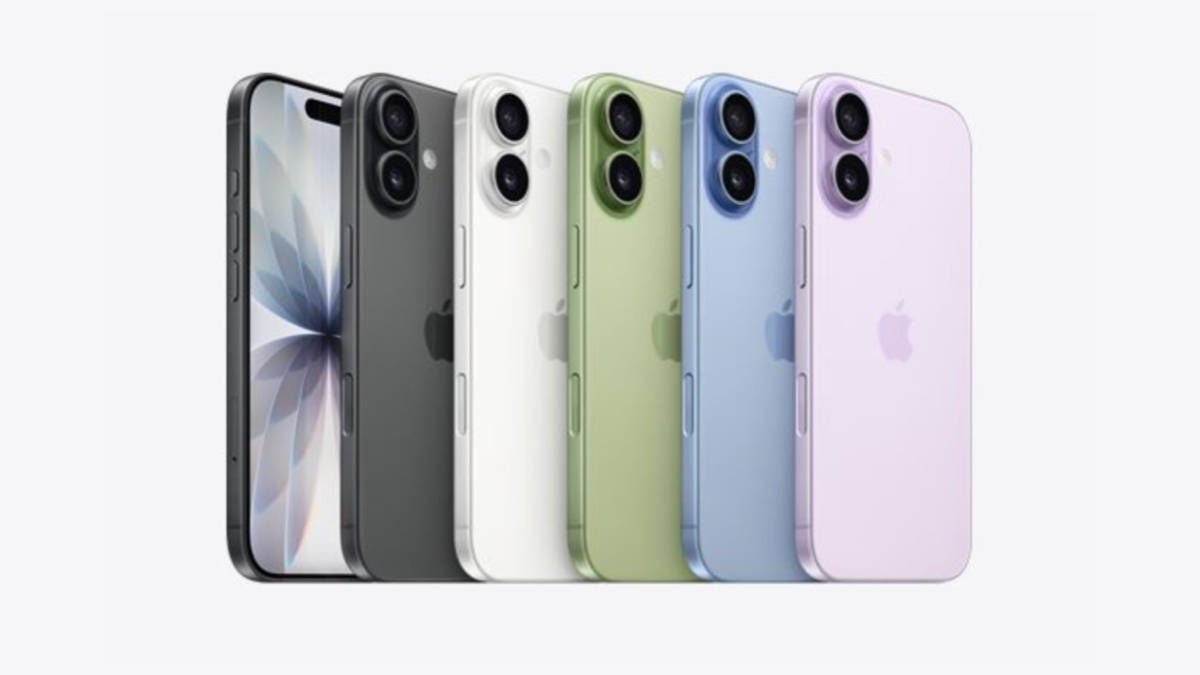
The Pixel 11 follows the iconic rear camera pill design and improves upon it by making it protrude less from the rear. The iPhone’s camera island sits a lot closer to the rear panel so it would wobble a lot less compared to the Pixel.
In terms of durability, the Pixel 11 comes with Corning gorilla Glass Victus 2 on both the front and the rear panel, along with IP68 certification. The iPhone 17, meanwhile, uses Ceramic Shield Glass 2 at the front and Frosted Glass on the back, also with IP68 protection.
There’s no real way to compare which one is more durable since they both offer pretty decent protection against accidental drops and scratches. You should choose a device based on what appeals more to you, like the aesthetics, weight, form factor, etc. Both of them are evenly matched here, with the iPhone being the more ergonomic of the two.
The Google Pixel 11 comes in Frost, Pistachio, Hibiscus, and Obsidian colour options, while the iPhone 17 comes in blue, pink, green, white, and black.
Pixel 11 vs iPhone 17: display
Moving over to the front, both smartphones feature virtually identical screen sizes, but there are a few key differences. The Pixel 11 comes with a 6.3-inch Actua OLED display with a resolution of 1080 x 2424 pixels.
The iPhone 17, on the other hand, comes with a 6.3-inch Super Retina XDR OLED panel with a slightly sharper 2622 x 1206 pixel resolution at 460 ppi. Both the phones offer a 120Hz refresh rate, so even the day-to-day experience won’t be all that different between the two.
Brightness won’t be an issue on either device, as both panels can hit up to 3,000 nits of peak brightness, making outdoor legibility under direct sunlight effortlessly clear on both phones.
Pixel 11 vs iPhone 17: performance
Google equips the new Pixel 11 with its custom Tensor G6 chipset, paired with 12GB of LPDDR5X RAM right out of the gate. Apple, on the other hand, powers the baseline iPhone 17 with the new A19 Bionic silicon alongside 8GB of RAM.
On paper, Google offers more RAM upfront, which gives the Pixel 11 a slight advantage when it comes to keeping multiple heavy apps open simultaneously in the background without aggressive closing.
The Apple A19 chip, however, is a better performer in raw CPU and GPU performance, delivering higher peak power and superior energy efficiency. It is a known fact that Google’s tensor lineup is yet to catch up to the current flagship chipsets from Snapdragon, MediaTek and apple in terms of raw power.
In daily use, you won’t notice any stutter or lag on either phone. Basic tasks like jumping between messaging apps, streaming high-res videos, and editing photos will feel exceptionally fluid on both.
Where you will notice the difference is under continuous heavy workloads or intense 3D gaming. The A19 inside the iPhone 17 runs will have a better output, whereas the Tensor G6, while vastly improved over its predecessor, prioritises Google’s on-device AI model processing and Gemini capabilities over raw power.
Pixel 11 vs iPhone 17: cameras
Turning our attention to optics, both phones use a dual-camera setup on the rear, but they differ slightly. The Pixel 11 comes equipped with a 48MP 1/1.56-inch primary sensor, a 13MP ultra-wide camera and a 10.8MP OIS 3x telephoto lens. For selfies and video calls, Google equips the front with a 10.5MP sensor.
The iPhone 17, on the other hand, sports a 48MP main “Fusion” camera paired with a 12MP ultra-wide lens. On the front, Apple has bumped up the selfie shooter to an 18MP sensor housed inside the Dynamic Island. Check out some camera samples from the iPhone 17 below:


On paper, both devices bring capable camera hardware to the table, with the Pixel’s main advantage being its separate telephoto lens, which could improve human shots and portraits.
However, specs alone don’t tell us how these sensors will manage in the real-world conditions. We’ll know more about how both camera systems actually perform during our full review.
Pixel 11 vs iPhone 17: battery
When it comes to power and charging, the Pixel 11 looks to be a clear winner on paper with a much bigger battery and more flexible charging options. Google packs a 4,985mAh battery inside the Pixel 11, giving it a huge advantage over the iPhone 17’s smaller 3,692mAh capacity.
The Pixel 11 also offers reverse wireless charging to top up accessories like wireless earbuds on the go, as well as a bypass charging mode that powers the phone directly during heavy gaming to keep it from overheating. It supports 30W wired charging and 25W Qi2 wireless charging.
The iPhone 17, instead, opts to support faster wired charging speeds. It supports up to 40W wired charging, while wireless charging matches the Pixel at 25W via MagSafe.
Pixel 11 vs iPhone 17: software
Software is where the two phones diverge the most, with Google heavily incorporating AI into its OS, while Apple focuses on a visually refreshed, streamlined OS.
The Pixel 11 runs Android 17 and is built around deeply embedded Gemini features that claim to tackle real-world tasks. Here’s a quick look at the new features on the Pixel 11:
- Rambler Voice Input, which strips out stutters and filler words (“ums” and “ahs”) during voice typing
- Proactive App Cards, which pull contextual info like flight details from Gmail directly into your chat threads
- Agentic Multi-Step Tasks, allowing Gemini to carry out complex actions like ordering food or booking a ride across 40+ apps.
- AI camera features like Magic Capture for instant unblurred stills and Live Audio-Visual Translation.
On top of all this, the Pixel 11 promises 7 years of software updates, the best currently in Android flagships.
The iPhone 17 comes with iOS 26, introducing a fresh, translucent Liquid Glass design alongside a more contained suite of Apple Intelligence features. Apple focuses on core utility features, like offering system-wide Writing Tools for proofreading and rewriting text.
You also have Visual Intelligence for quick screenshot lookups, basic cleanup, photo editing, and an updated Siri with better on-screen awareness. You also get quality-of-life additions like AI Call Screening, Hold Assist, and 3D lock screen effects.
While Apple delivers a polished, modern, and easy-to-use software experience, Google gives you a significantly more capable set of AI tools and systems right out of the box.
Conclusion
Ultimately, choosing between these two flagships comes down to what you want in your day-to-day smartphone experience. The Pixel 11 offers a much richer software suite paired with a clean, stock Android experience and Google’s latest AI features. It is an ideal pick for productivity-focused professionals and tech enthusiasts who love tweaking their devices and exploring new use cases.
Its raw performance, however, falls behind the iPhone 17, so you will likely miss the power when it comes to resource-intensive tasks like heavy mobile gaming or high-resolution video rendering.
The iPhone 17 (review), on the other hand, targets lifestyle users who want a phone that simply does everything right across the board. It delivers top-tier processing power and reliability, with plenty of options for users who eventually want to explore its deeper capabilities. Price-wise, Apple also holds the advantage here, starting lower at Rs 82,900, compared to the Pixel 11’s higher starting price of Rs 89,999, making the iPhone 17 a remarkably value flagship for its price point.