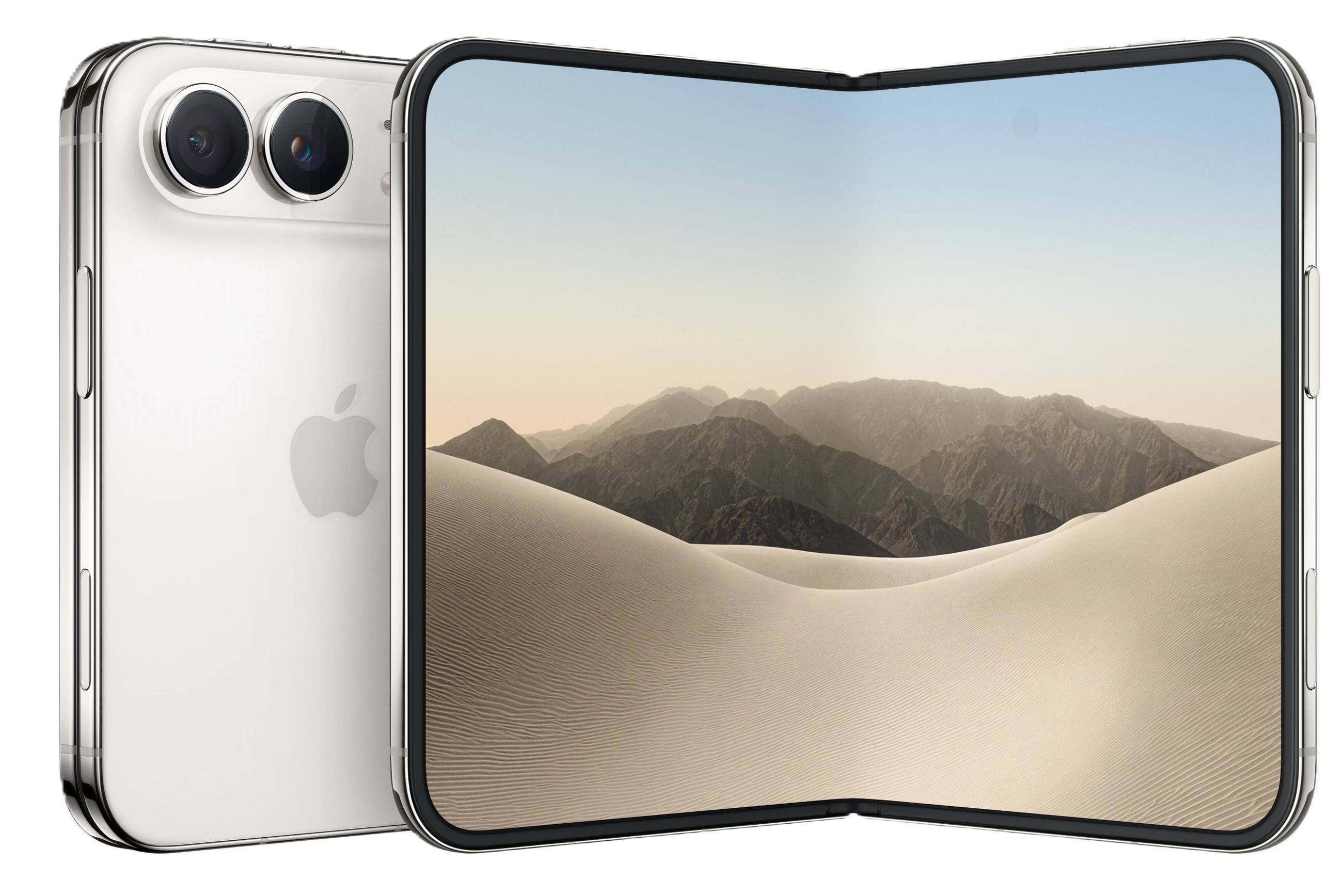
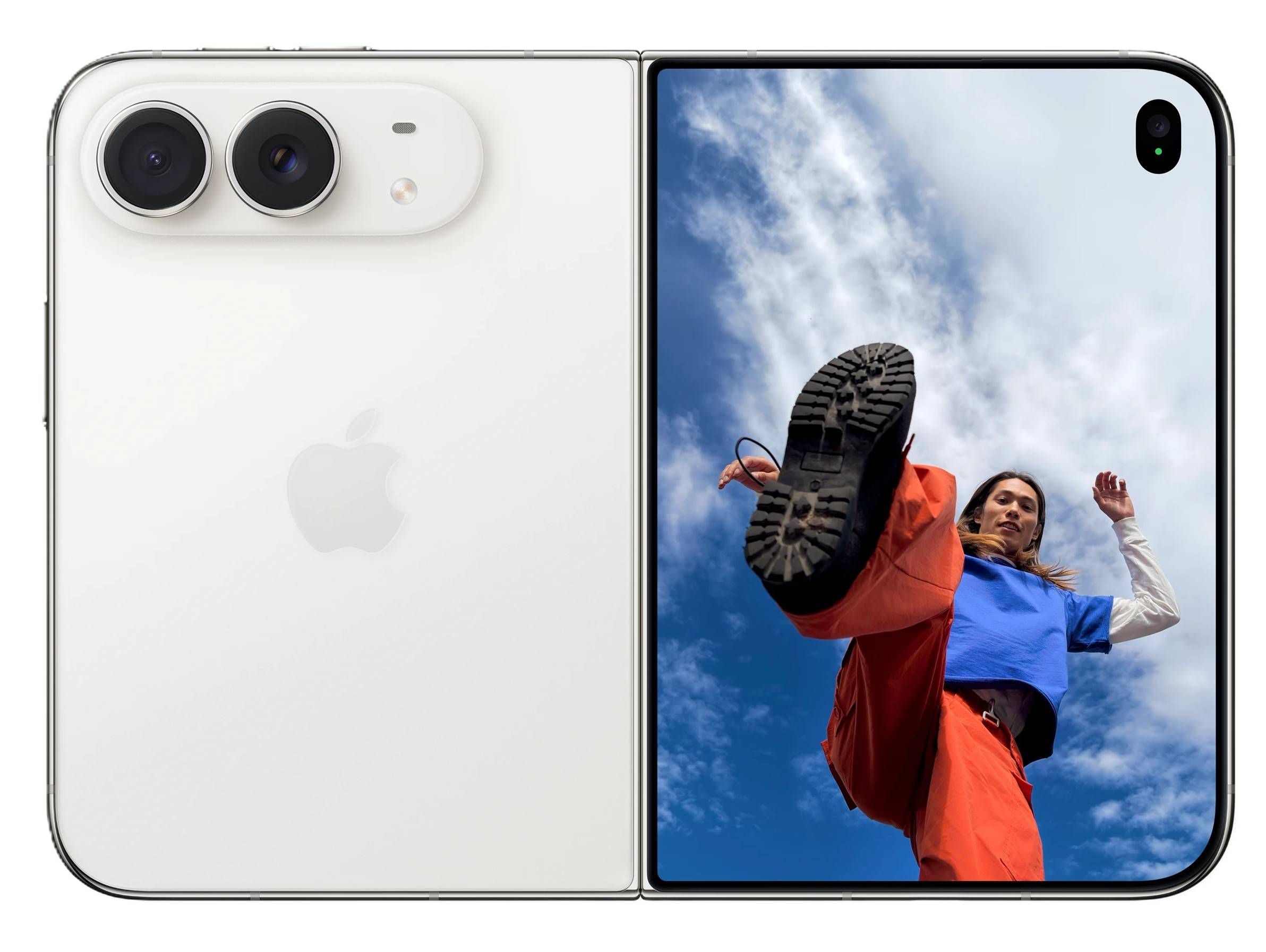
Somewhere between “should I buy this” and “should I buy a used car instead,” the iPhone Duo’s India price tag forces some uncomfortable math. Apple’s first foldable iPhone starts at Rs 2,99,900 for the base 256GB model, making it the first iPhone ever to sit right at the doorstep of Rs 3 lakh.
Now, every new iPhone comes with much fanfare, especially on the first sale day, which is October 23 for the iPhone Duo. Even as iPhones, new and old, get more expensive, we expect buyers to line up outside Apple stores worldwide to grab the latest iPhone. This is expected to be no different in India, despite being one of the most expensive countries in the world to buy an iPhone. While some might have the full Rs 3 lakh to pay for the Duo upfront, many will likely eye lucrative EMI options to soften the blow. Here’s what to expect if you’re planning to buy the iPhone Duo on EMI in India.
Table of Contents
iPhone Duo’s India price is significantly higher than its US pricing
First, the Rs 2,99,900 starting price alone is more than what most people in India spend on their first car down payment, and comfortably higher than the base variant of several two-wheelers on Indian roads. It’s also nearly double what the iPhone 18 Pro costs for a device that runs the same A20 Pro chip, and triple the revised price of the base iPhone 17.
It’s also worth putting next to the Duo’s US price. At USD 1,999, the base model converts to roughly Rs 1,90,200 at current exchange rates, meaning Indian buyers pay just over Rs 1.09 lakh more for the identical phone. Some of that gap is the usual story of import duties, GST, and Apple’s historical India markup, the same reason nearly every iPhone has cost more here than in the US since the very first launch. But it’s a bigger gap than usual, and on a phone this expensive, the difference alone is enough to buy a fairly capable Android flagship outright.
At USD 1,999, the base iPhone Duo converts to roughly Rs 1,90,200 at current exchange rates, meaning Indian buyers pay just over Rs 1.09 lakh more for the same phone.
To be fair, “the most expensive iPhone yet” is a headline that basically writes itself every year since the Pro Max name existed. What makes the Duo different is that it isn’t just the most expensive model in the lineup; it’s a genuinely new product category for Apple in India, with no direct predecessor to compare it against on price.
 What the EMI actually looks like

If you select the iPhone Duo’s Rs 2,99,900 variant, Apple’s own EMI calculator on apple.com/in breaks the number down into six tenure options, and the numbers tell their own story. For 3 or 6 months, Apple runs a genuine No Cost EMI: instalments of Rs 97,633/month or Rs 48,817/month respectively, with the total cost actually working out slightly lower than the sticker price (Rs 2,92,900) once cashback savings kick in. This, of course, varies slightly depending on the credit card you select.
Stretch the tenure out, though, and the math flips. From 9 months onward, interest applies at 14 to 15 percent per annum, and the “savings” shown are really just a flat Rs 7,000 cashback, not an interest waiver. At the far end, a 24-month plan brings the monthly instalment down to a psychologically friendly ~Rs 14,000, but the total cost over those two years comes to Rs 3,40,842, nearly Rs 41,000 more than what the Duo actually costs on the sticker.
A 24-month EMI plan brings the monthly instalment down to a psychologically friendly ~Rs 14,000, but the total cost over those two years comes to Rs 3,40,842.
Framed that way, ~Rs 14,000 a month for two years sounds almost reasonable, until you realise you’re not saving money by spreading the cost; you’re paying a premium for the privilege of spreading it.
None of this is really about whether the iPhone Duo is worth it. That’s a separate, more interesting conversation once review units are around. It’s more that Rs 3 lakh is a genuinely new psychological line for an iPhone in India, and Apple’s EMI calculator is a neat little case study in how “affordability” gets marketed: the number that grabs attention (~Rs 14,000/mo) is technically accurate, but it’s doing a lot of work to distract from the fact that the real cost of the phone just went up, not down. If you can pay upfront or clear it within 6 months, do that. Anything longer and you’re effectively taking a loan to buy a phone, dressed up as a “great way to save.”
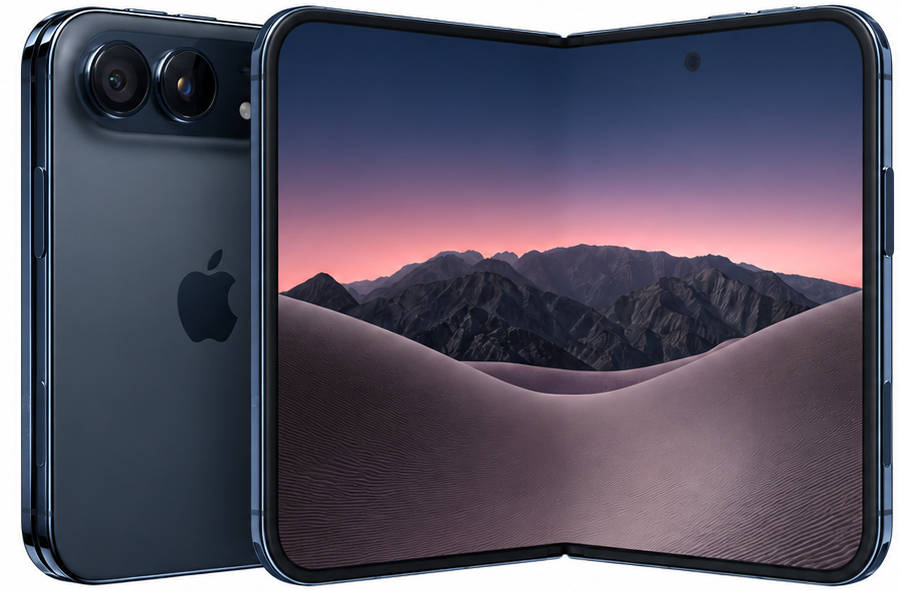
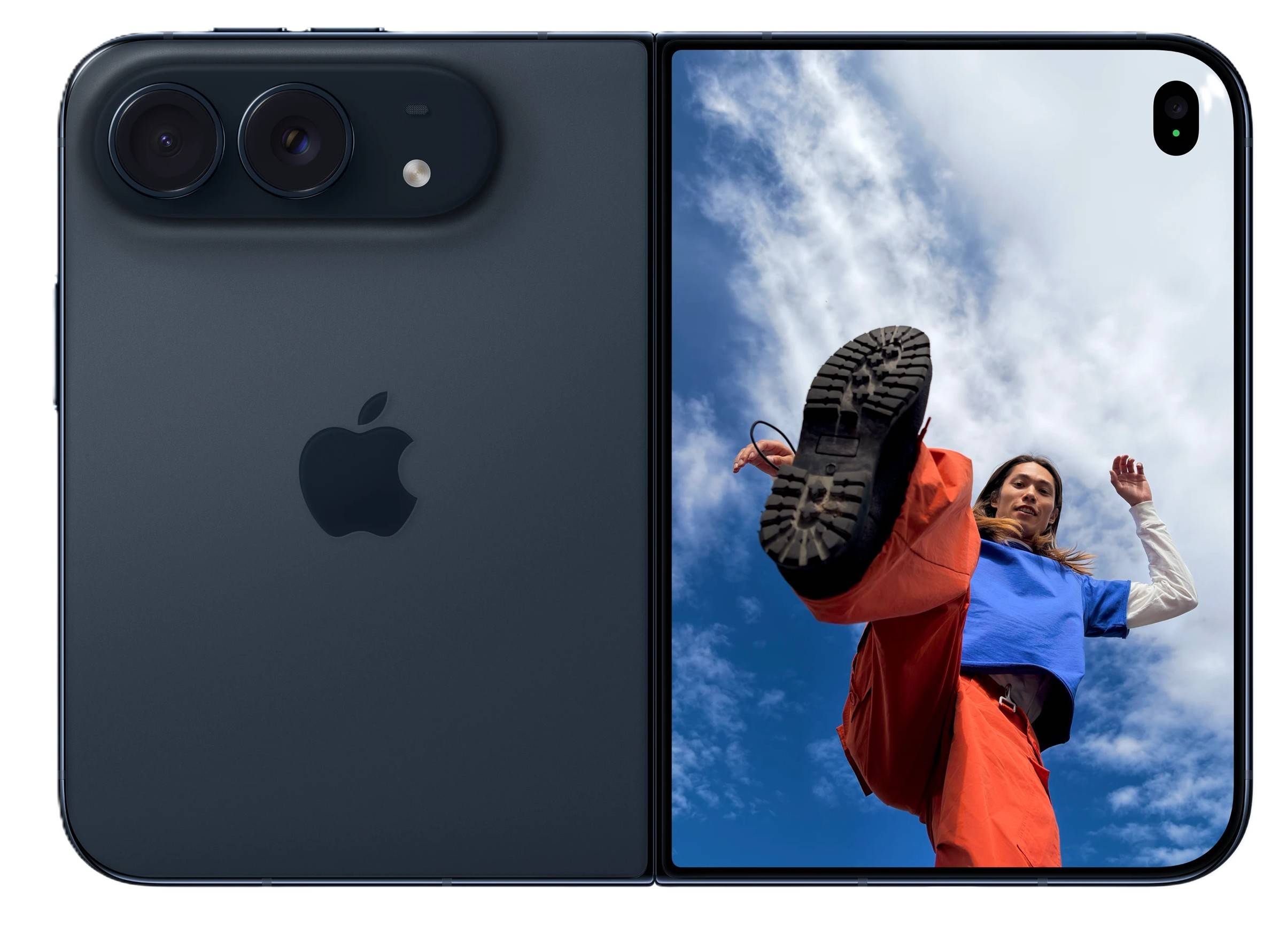
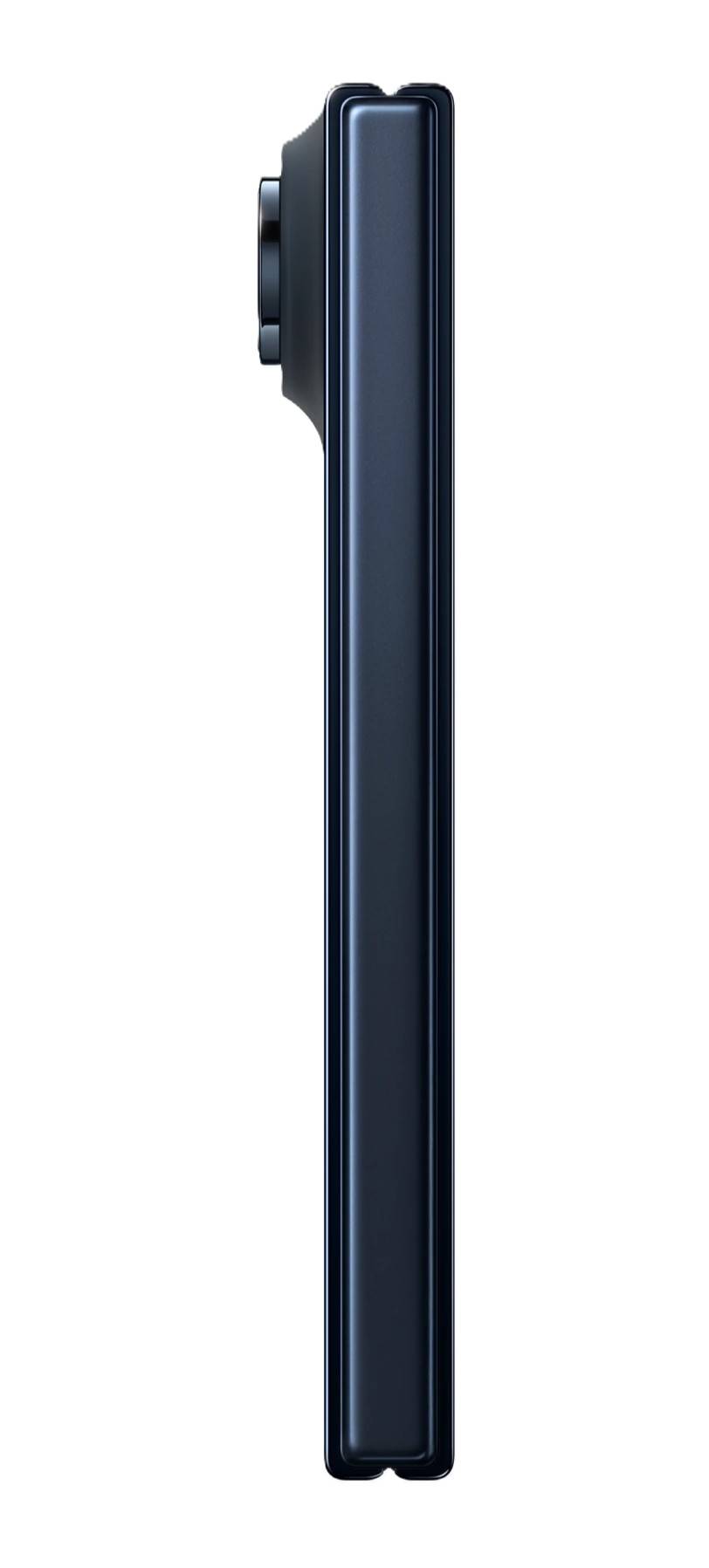
Apple iPhone Duo Images





| Expected Price: | Rs. 299,900 |
| Release Date: | 2026-10-23 (Expected) |
| Variant: | 12 GB RAM |
| Phone Status: | Upcoming Phone |