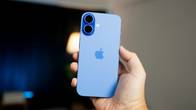
If you’ve been holding off on buying an iPhone 15 or iPhone 16, now might be the time to act. Older iPhones are about to get costlier, but not because of the global memory chip shortage. According to a Moneycontrol report, Apple is pulling its demand generation (DG) support for retailers and channel partners this week, a move that could push up the effective price of older iPhone models by around Rs 5,000.
Table of Contents
What is DG support, and why does it matter?
DG support is a backend incentive that brands use to help retailers offer discounts without touching the official MRP. In Apple’s case, it’s been quietly keeping prices on models like the iPhone 15 and iPhone 16 more competitive than their sticker prices suggest. Once that support is withdrawn, those unofficial price advantages disappear, and buyers foot the bill for the difference.
iPhone 17 is unaffected, and Apple hasn’t officially raised prices
Importantly, the rollback is limited to older and sustaining models. The iPhone 17 lineup is unaffected. An industry source told Moneycontrol that MRPs aren’t changing and that DG adjustments are always at Apple’s discretion, adding that Apple hasn’t raised flagship prices, unlike several of its rivals. Apple India did not respond to Moneycontrol’s queries.
This isn’t the first affordability hit Indian iPhone buyers have absorbed recently. Apple had already slashed cashback offers from Rs 6,000 to Rs 1,000, making the newer iPhone 17 lineup harder to justify on value. The DG rollback now puts further pressure on the mid-premium segment, where older iPhones typically do their best numbers.
Buyers could end up paying roughly Rs 5,000 more for the same devices once the support is removed.
According to Moneycontrol’s trade sources, some retailers are treating today as the last day to make purchases at DG-backed pricing. One retailer, speaking anonymously, warned that buyers could end up paying roughly Rs 5,000 more for the same devices once the support is removed. Consider this a heads-up for anyone eyeing a deal on last year’s models.
That said, the long-term demand impact may be limited. A significant share of smartphone purchases in India is made on EMI, which tends to soften the blow of upfront price hikes. So while the sticker shock is real, it may not meaningfully dent sales volume over time.
Android brands have been hiking prices, too
Apple’s move, although for different reasons, might not surprise buyers, as this isn’t an isolated trend. Across the Android side of the market, prices have been climbing since November. Pretty much every OEM, from Samsung and Xiaomi to Motorola and Nothing, has raised prices across a wide range of models, with hikes continuing into March. Industry insiders say this trend is unlikely to reverse anytime soon, with rising costs of memory and storage components cited as the primary driver.
As for older iPhones, the official MRP of these devices won’t change, but the on-ground pricing will. For buyers, that distinction might matter very little at checkout. Still, if you were planning to buy the iPhone 16 or iPhone 15, now might be the best time to do so.