


Review Summary
Expert Rating
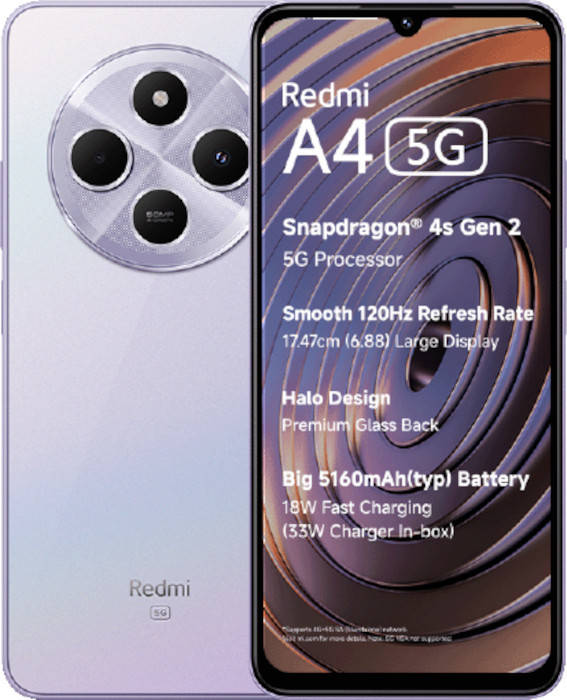
The budget smartphone segment has seen some exciting launches this year, with several impressive options hitting the market. The Redmi A4 5G is no different, with its capable Snapdragon 4s Gen 2 chipset and an affordable price tag of Rs 8,499. However, there’s a big caveat regarding its 5G support, which I’ll discuss in a bit. Let’s dive into this review to see what works in Redmi A4 5G’s favour and where it falls short.
Table of Contents
Verdict
The Redmi A4 5G is a decent option for users who want a reliable 5G smartphone with decent software support, excellent battery life, and satisfactory performance output. However, its lack of Airtel 5G support and average camera performance are factors worth considering before making the big decision.
5G connectivity
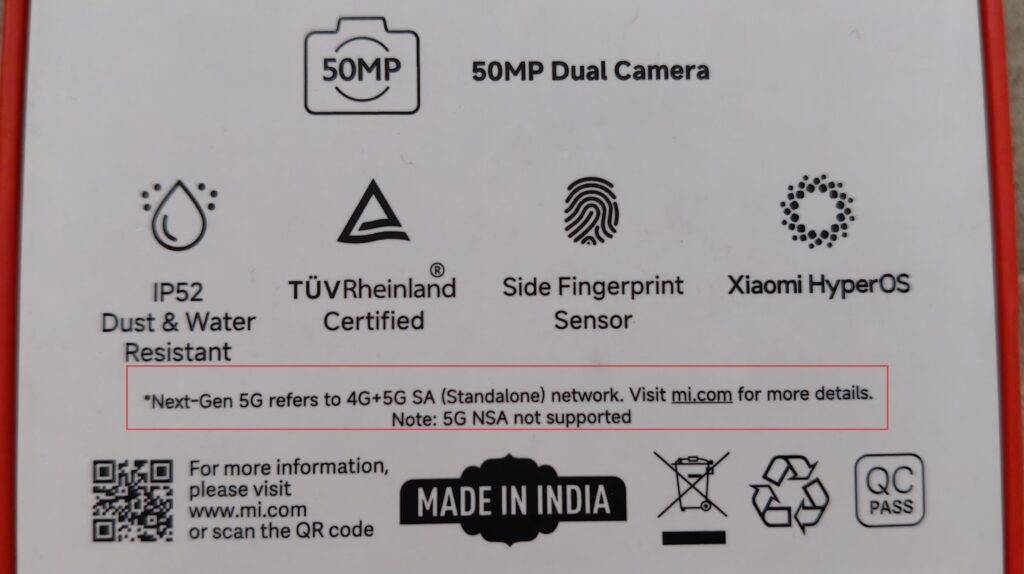
The Redmi A4 5G is positioned as one of the most affordable 5G phones in India, and rightfully so. However, there’s one particular issue with its 5G support. The device does not support NSA (non-standalone) 5G bands, which are used in Airtel’s 5G network. That means the phone will not offer 5G internet when used with an Airtel SIM card. The brand also mentions this limitation on the phone’s retail box, as you can see in the image above. On the other hand, Jio users can reliably enjoy high-speed cellular internet on this device.
Design and display
| Redmi A4 5G | Tecno Spark 30C | itel Color Pro 5G | |
| Thickness | 8.22 mm | 7.82 mm | 8.45 mm |
| Weight | 212.4 grammes | 189 grammes | 190 grammes |
| IP rating | IP52 | IP54 | NA |
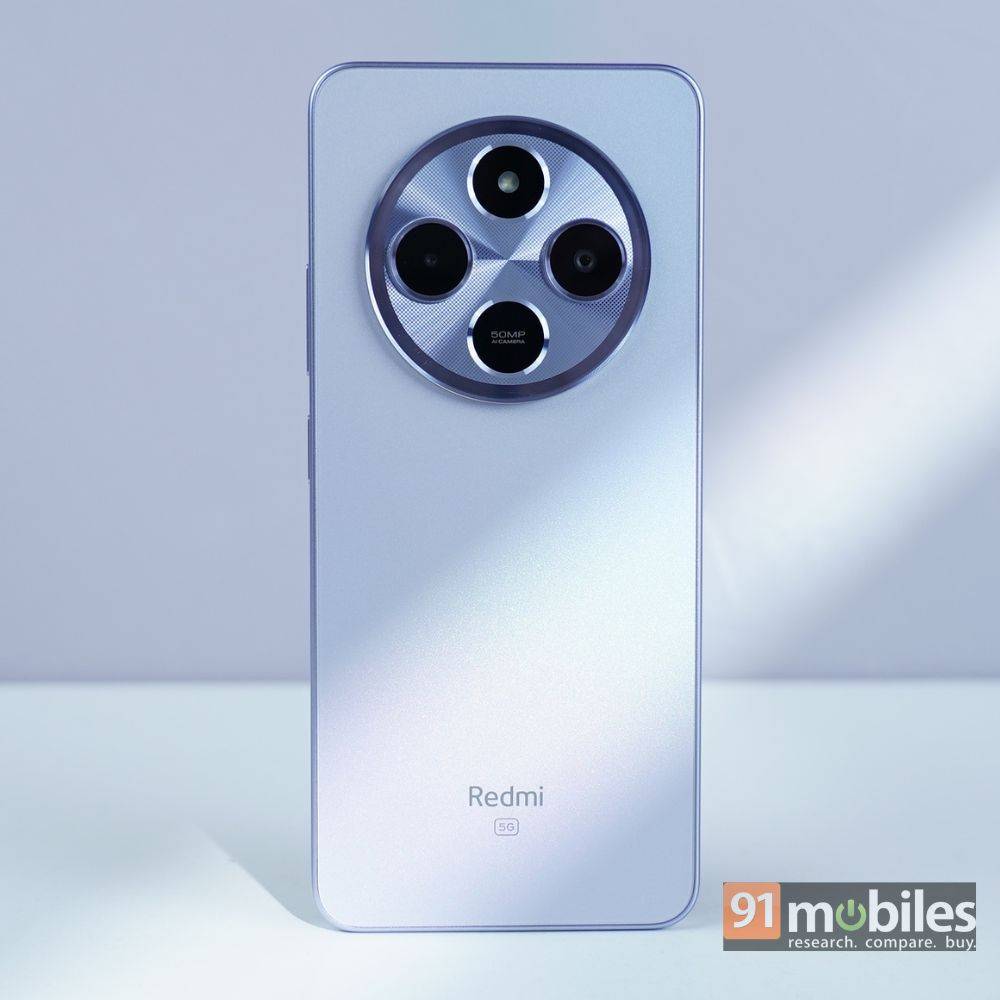
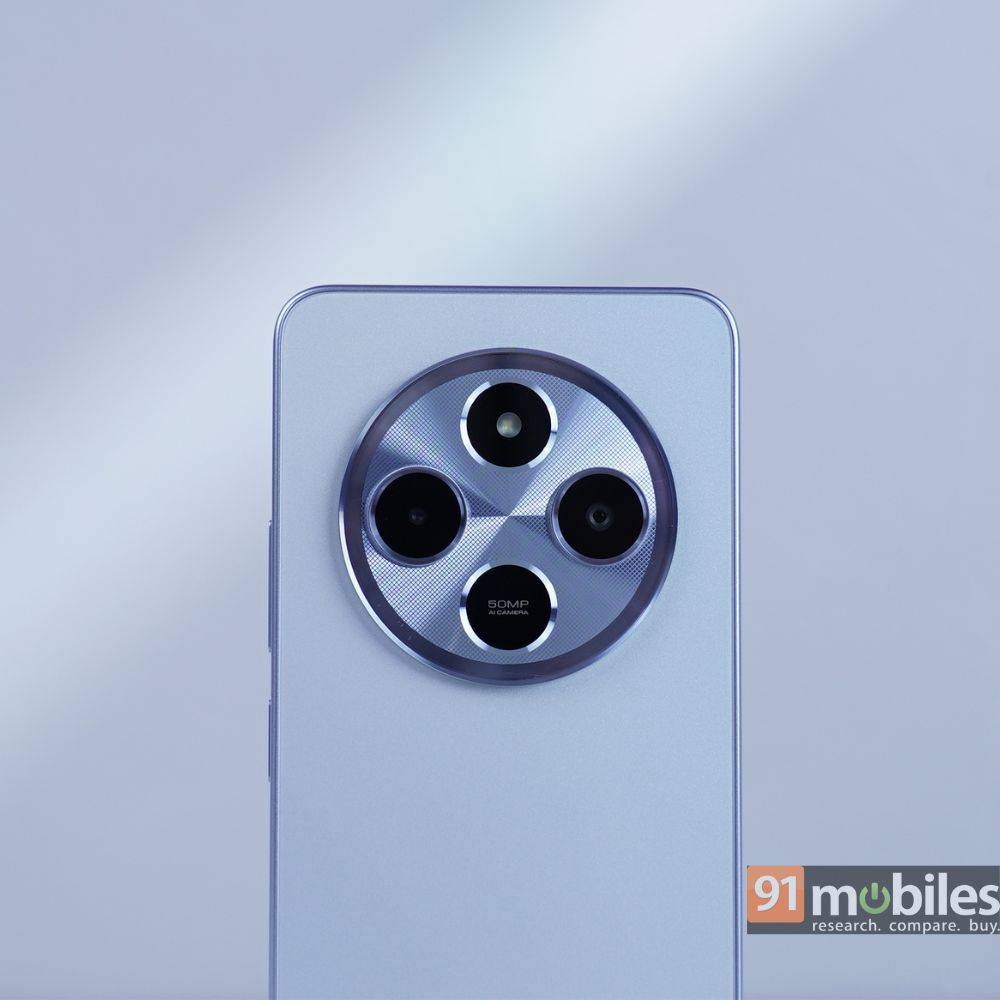
The Redmi A4 5G’s design feels nostalgic, taking me back to the Redmi Note 7, which launched in 2018—a phone I still use as a secondary device. It features the same waterdrop notch display with slightly thick bottom bezels, but the screen is now larger, as is the phone itself. Despite this, the device feels surprisingly premium for its price, thanks to its glass-like rear panel and the soft pastel “Sparkle Purple” colour, which I received for review.
| Redmi A4 | Tecno Spark 30C | itel Color Pro 5G | |
| Display size | 6.88-inch LCD | 6.67-inch LCD | 6.6-inch LCD |
| Brightness | 600 nits | 480 nits | NA |
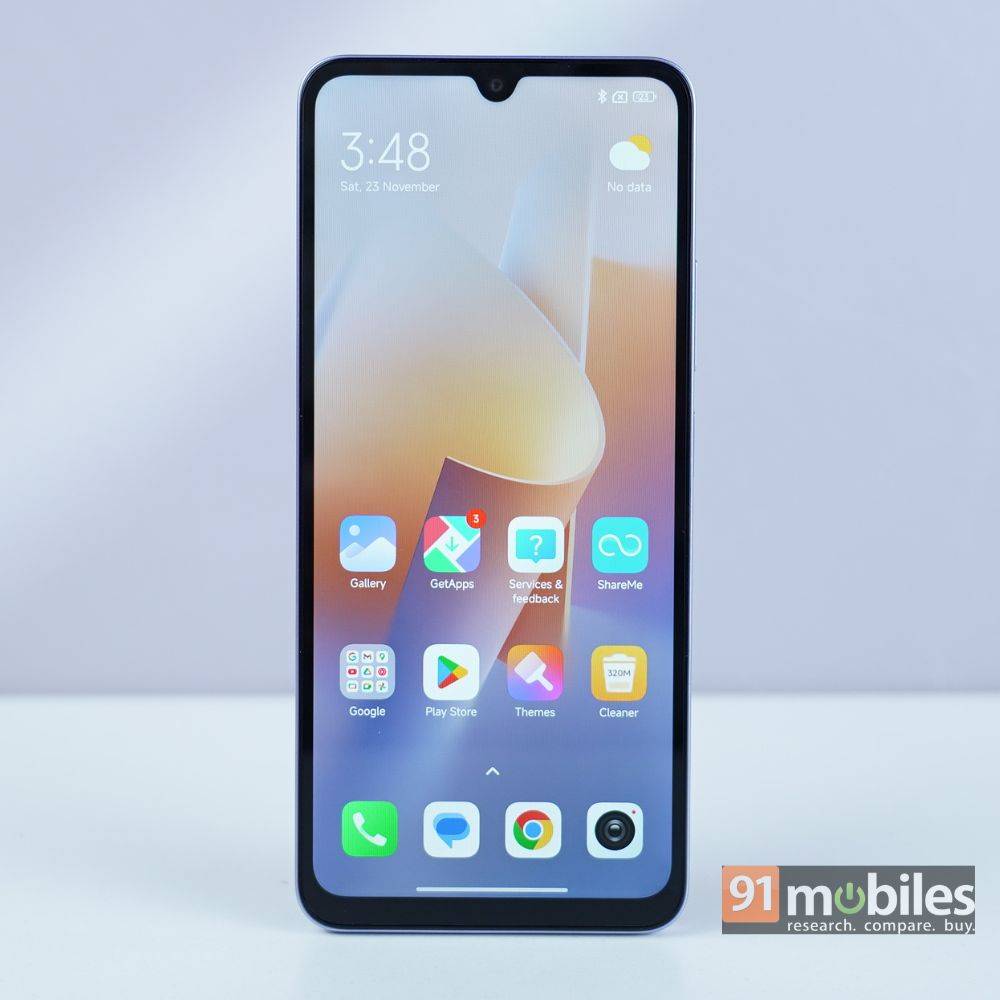
Coming to the phone’s display, it’s a big 6.88-inch LCD panel with an HD+ resolution (1640 x 720p), a 120Hz refresh rate, and 600nits peak brightness level. The display is pretty standard for the price, though it’s good to see 120Hz becoming the new norm for displays in the budget segment. The brightness still feels a little low for outdoors, but it’s noticeably brighter outside than the other phones I compared it with. The visual experience is decent for its price, though the audio could be better since the device only comes with a down-firing bottom speaker.
Cameras
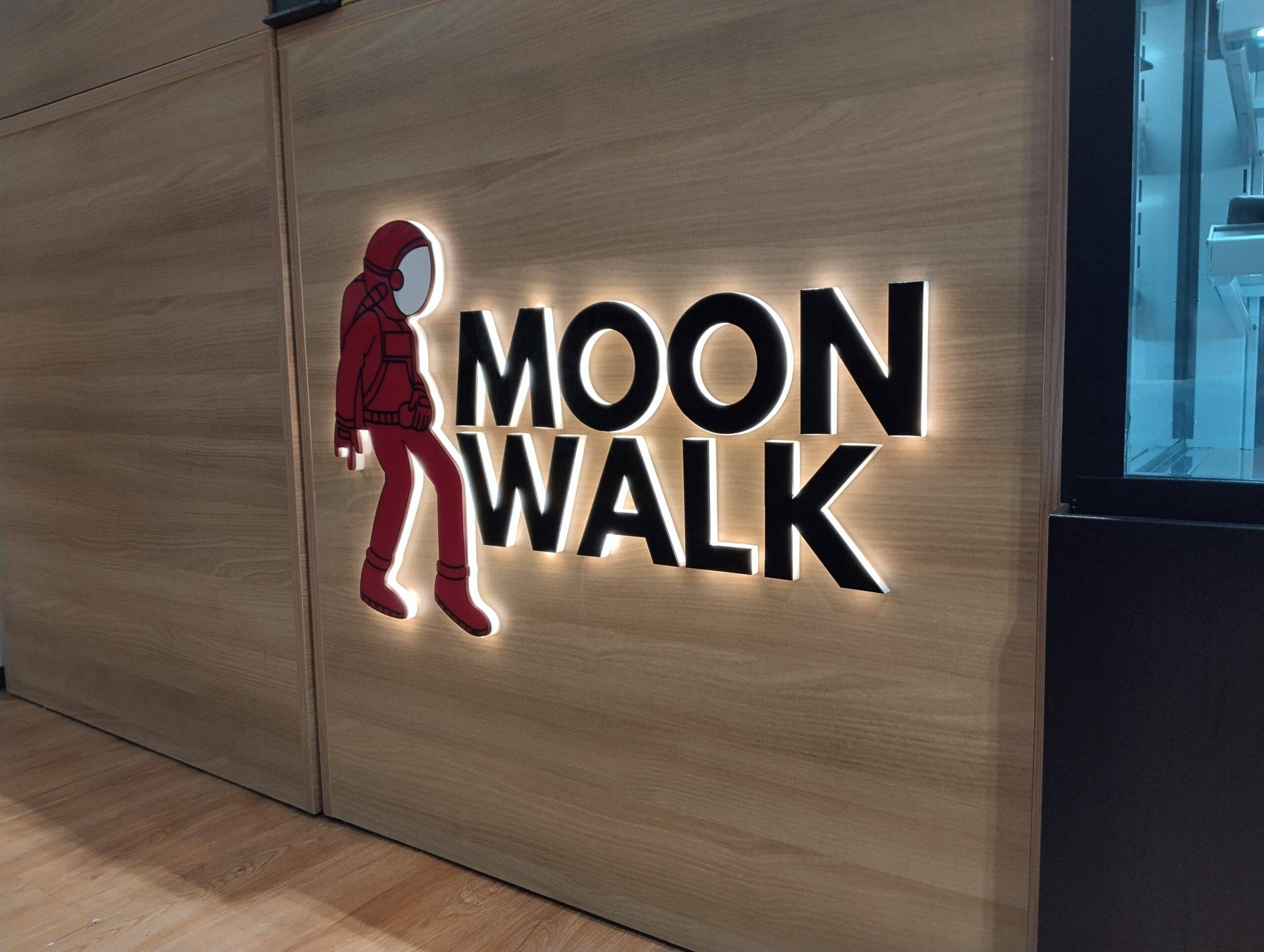



Daylight
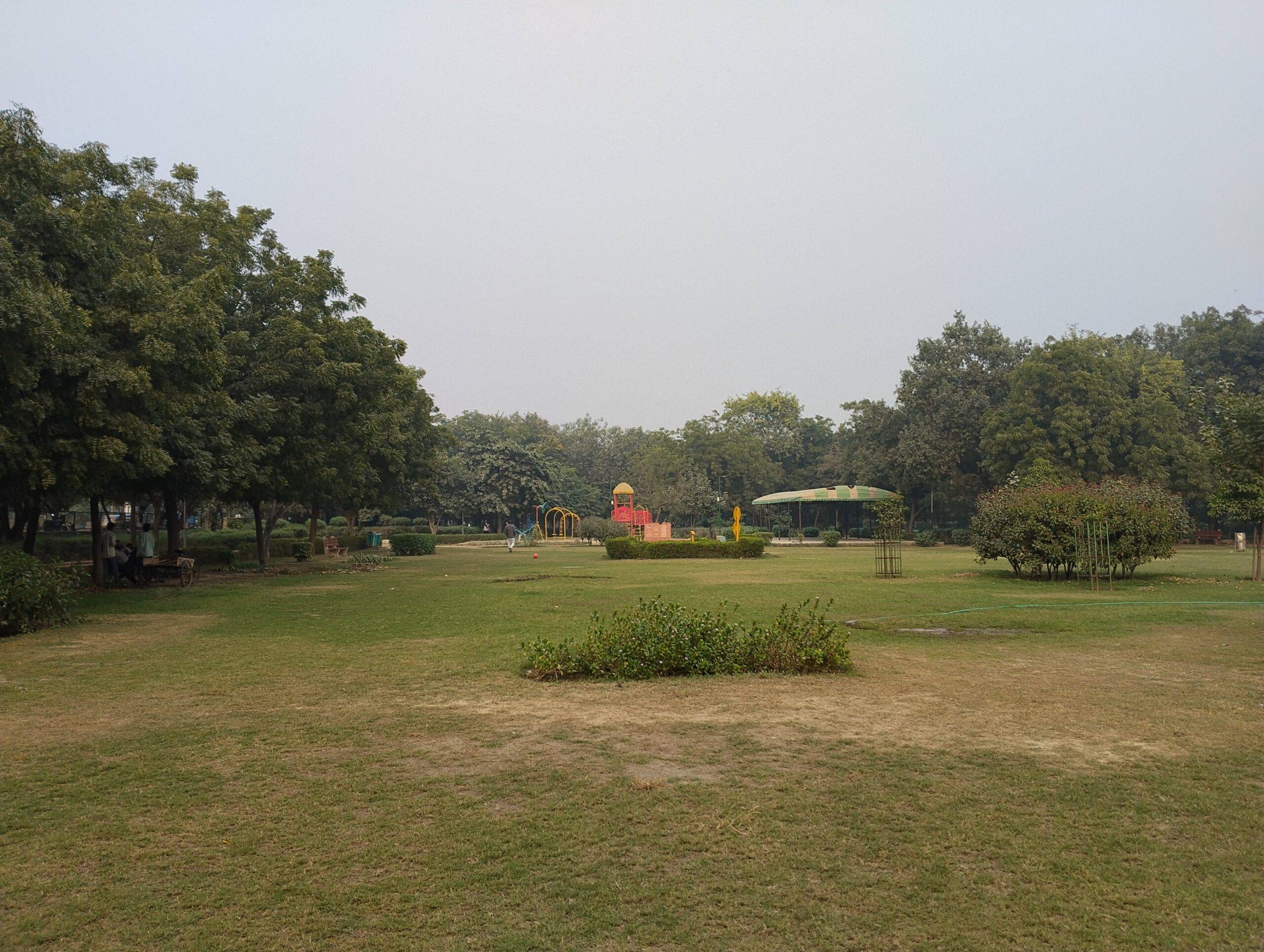
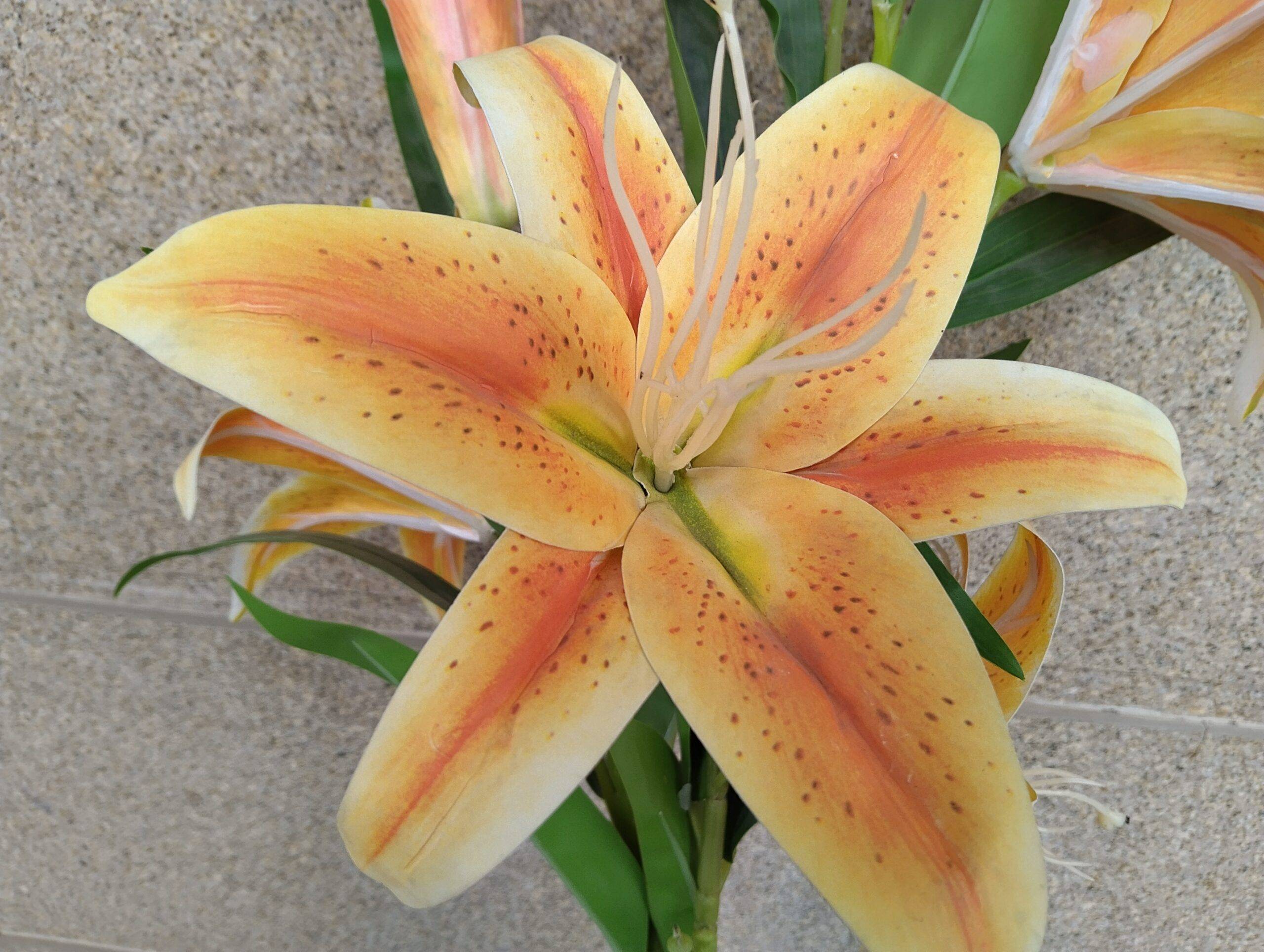
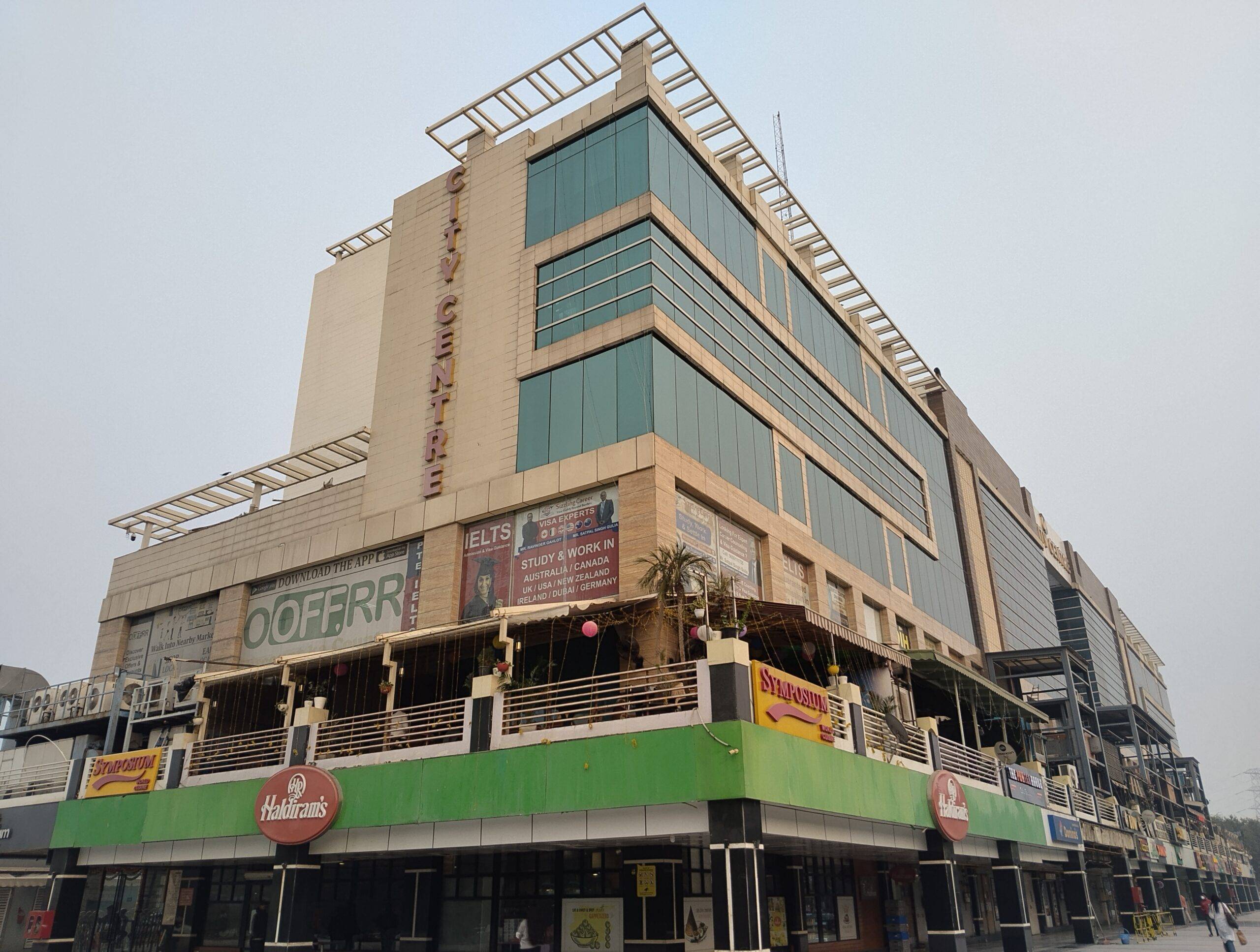
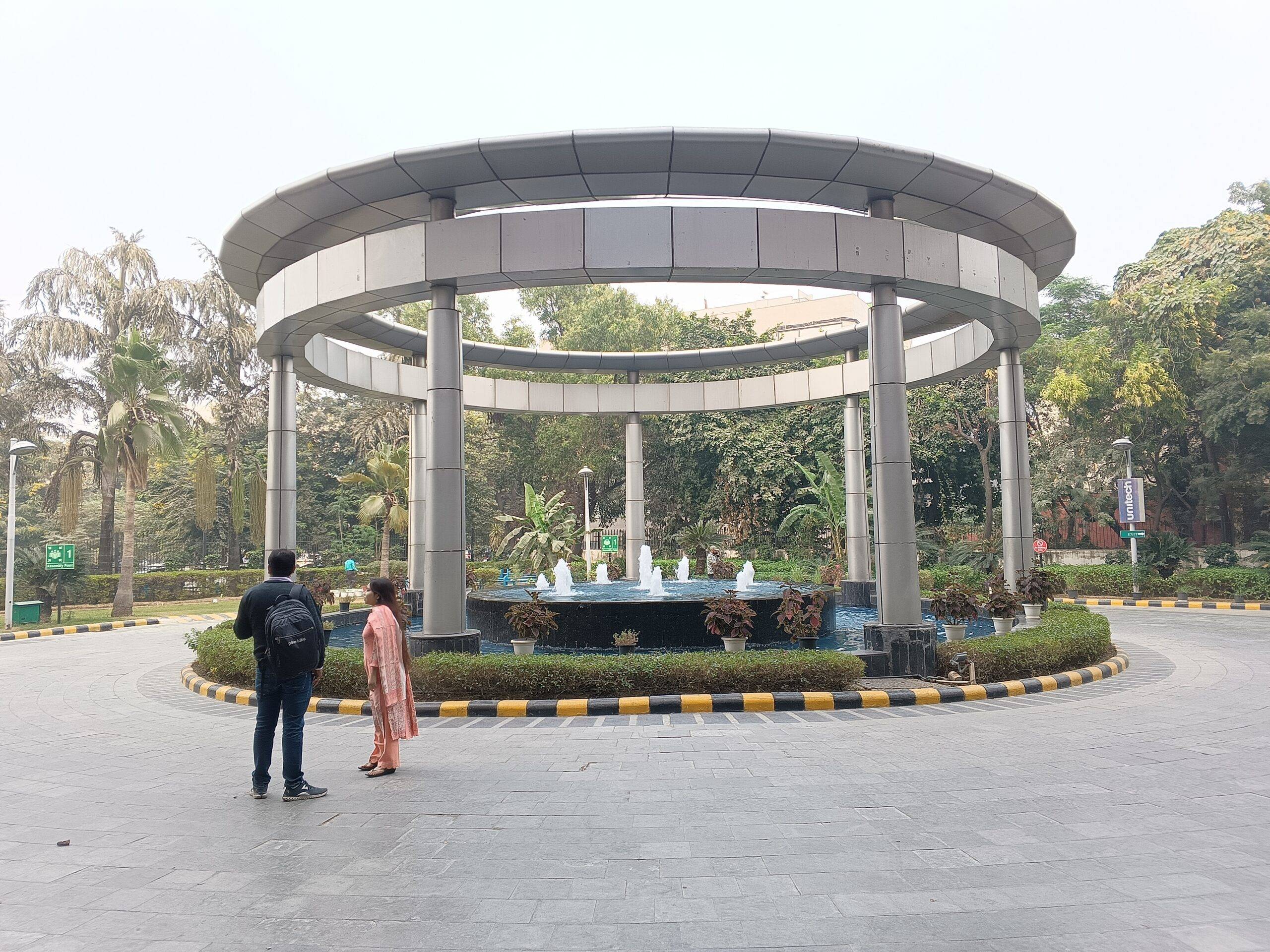
Comparing the daylight shots of the Redmi A4 5G with the Tecno Spark 30C (review), you’ll notice the latter’s image has a lot more contrast. The colours appear better, and the details are also superior compared to the Redmi A4 5G. To be fair, the Redmi A4’s daylight shot is closer to the actual scene with the hazy view owing to the ever-present smog in Delhi NCR. That said, if you prefer social media-ready shots, the Tecno Spark 30C does a better job.
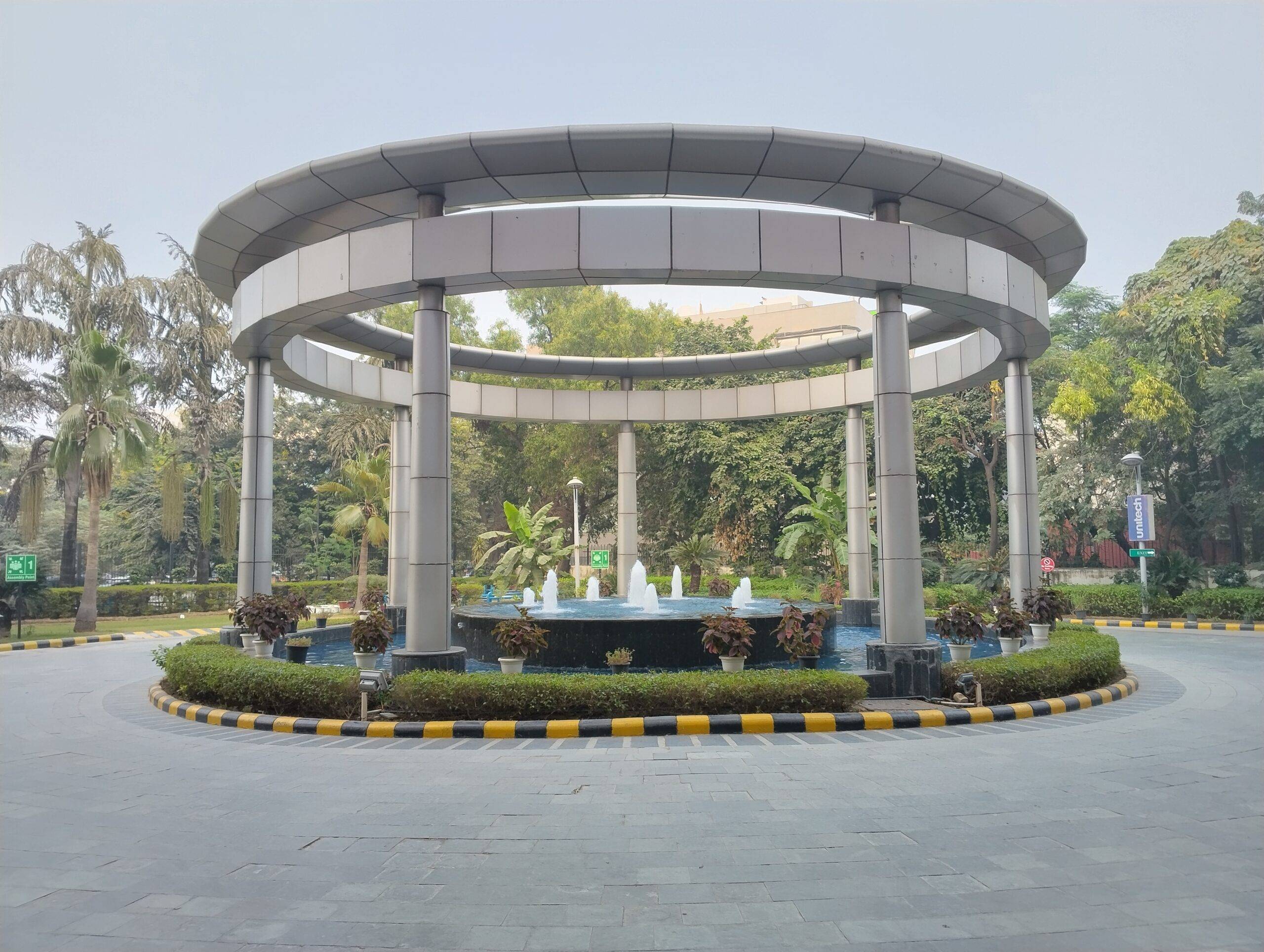
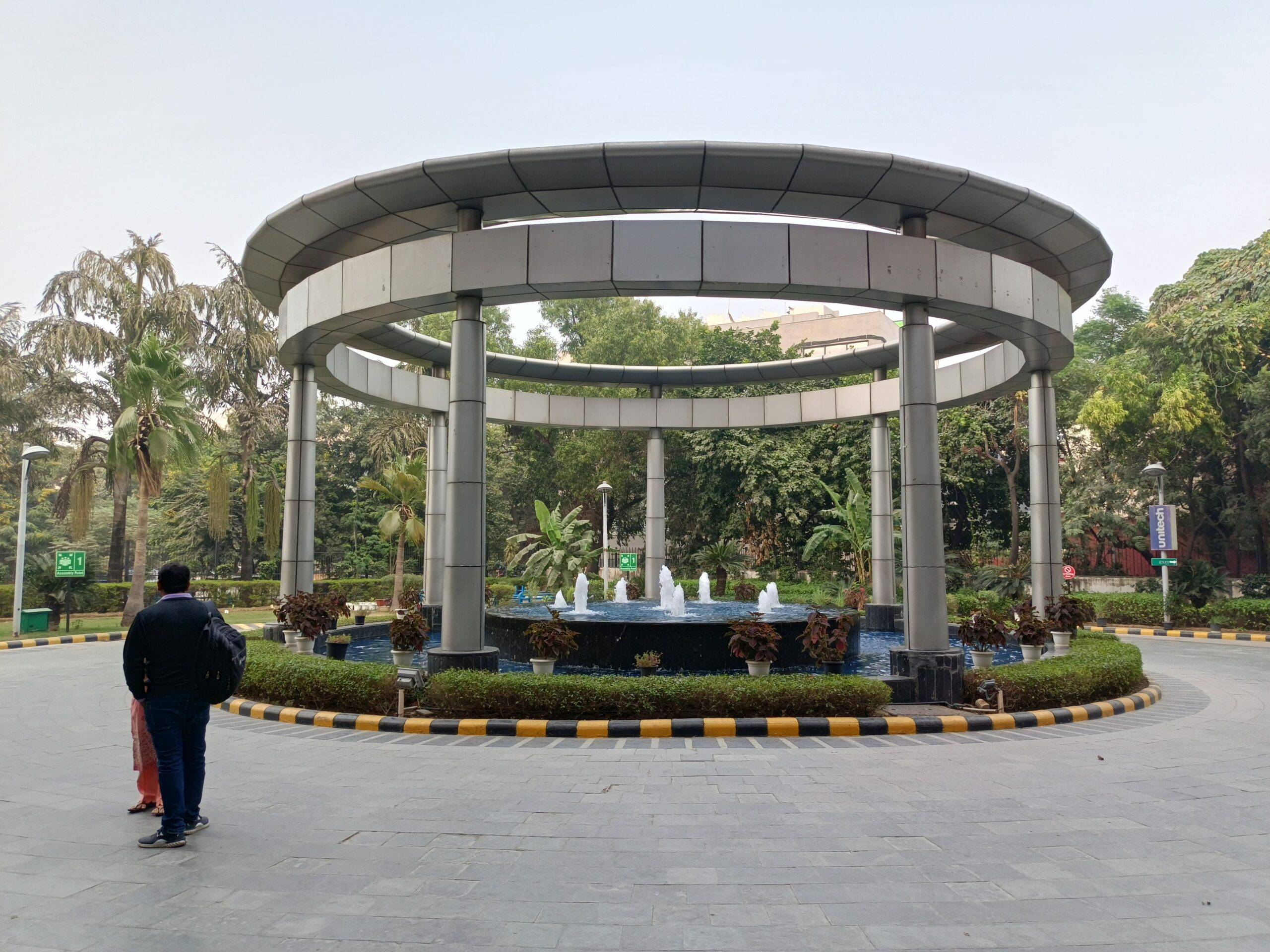
The itel Color Pro (review) takes a much sharper image compared to the Redmi A4 5G, almost to an extent where it appears overprocessed. Although the former’s colour reproduction reflects the actual scene better, the Redmi A4 5G, in this case, has slightly boosted colours to make its image stand out.
Selfies
The Redmi A4’s selfie camera shows its limitations when compared directly with the Tecno Spark 30C. The former’s image may look quite appealing, but when zoomed in closer there’s a significant noise level, while the Tecno Spark 30C preserves details much better.


The itel Color Pro does a decent job of reproducing the accurate skin colour of the subject, while the Redmi A4’s image features a slight saturation. In terms of details, the itel Color Pro still maintains the lead compared to the Redmi A4.

Low-light
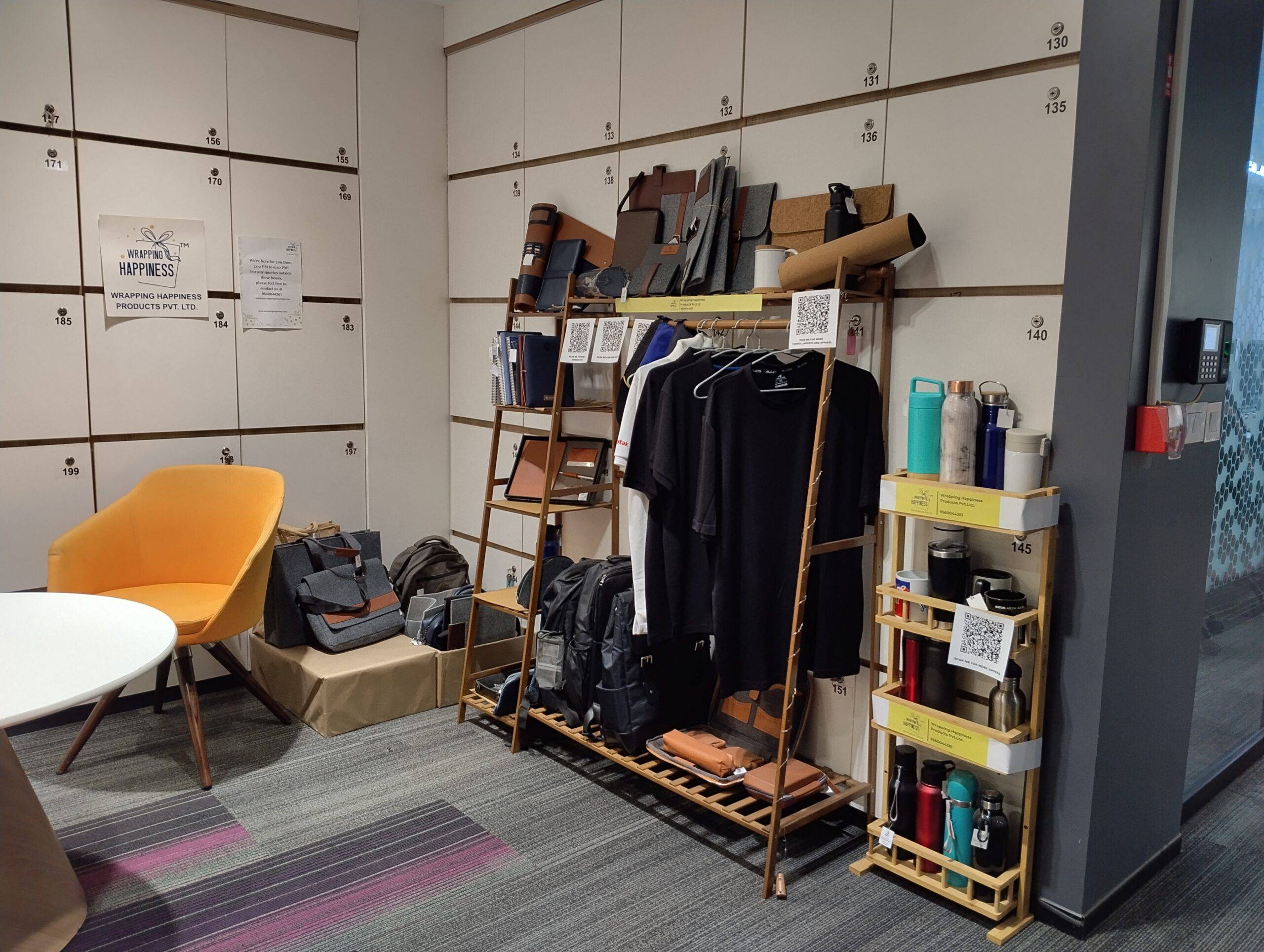
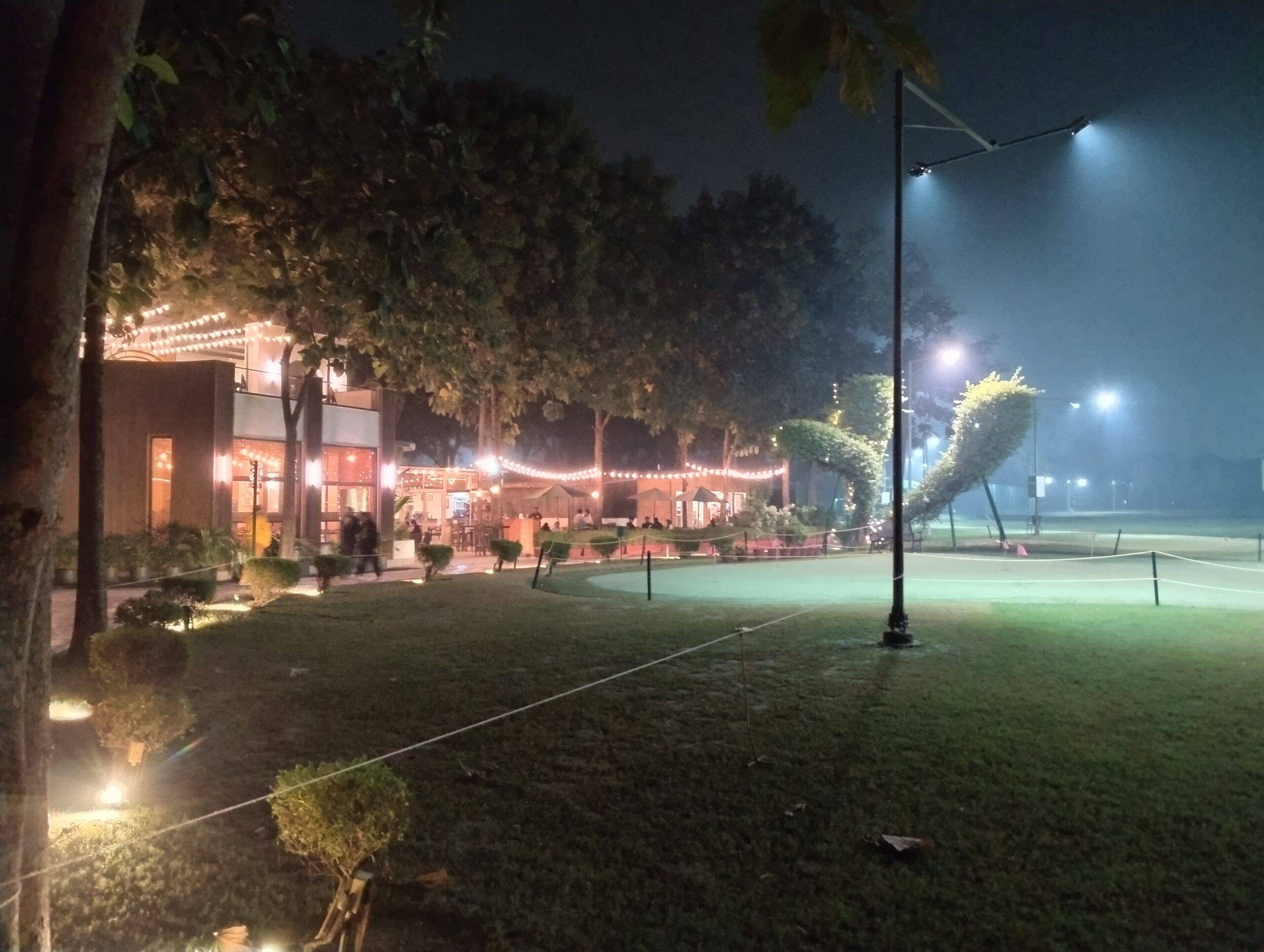
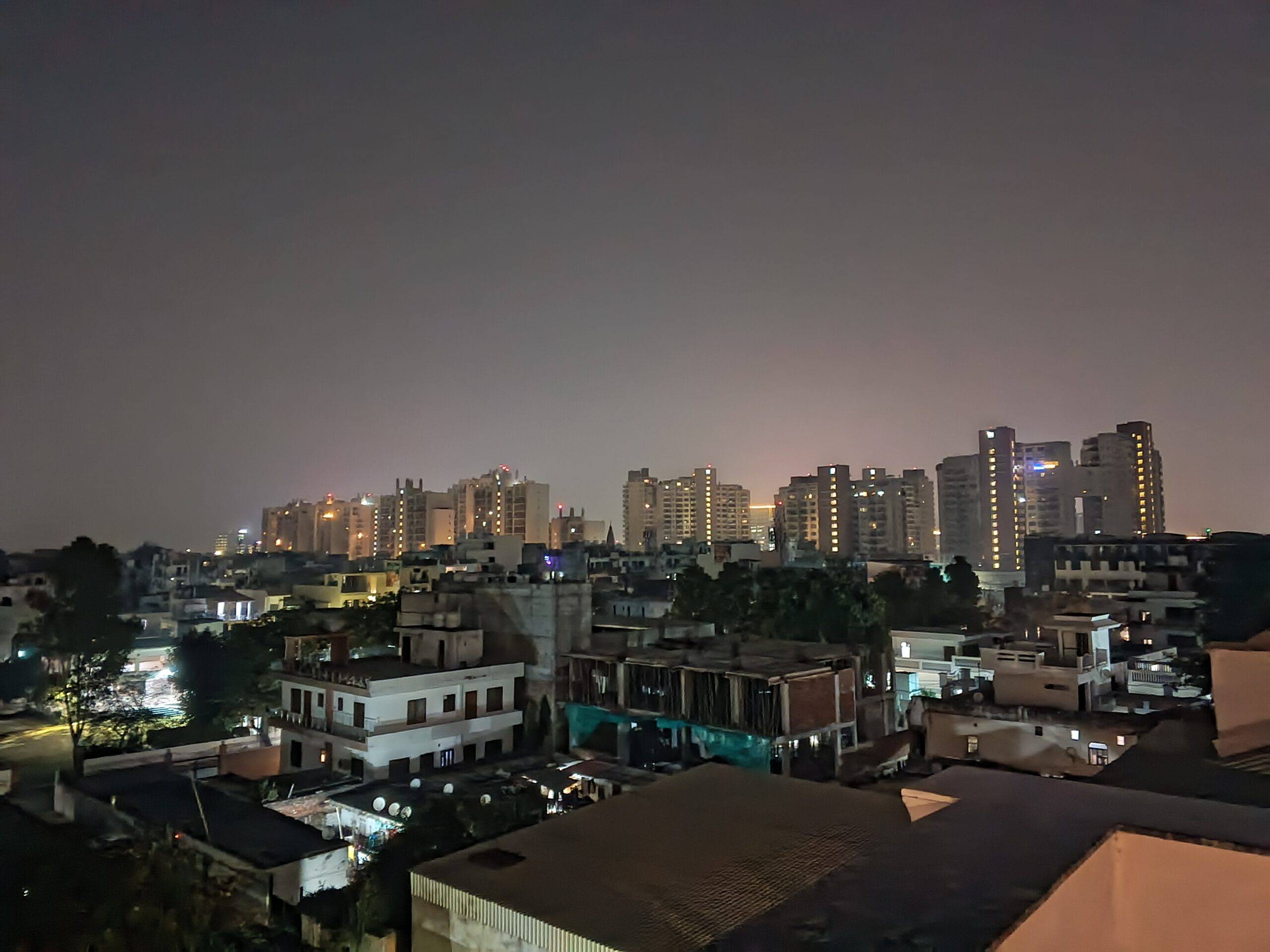
Both the Redmi A4 5G and Tecno Spark 30C struggle when it comes to night shots, even with night mode enabled. The Redmi A4 manages to portray the scene well, but the details are very soft, and there’s a lot of noise present. The Tecno Spark 30C illuminates the scene better but adds a greenish tint to the image, which makes it look unnatural. Even so, the details are better on the Tecno phone compared to its counterpart, and the image looks more appealing.
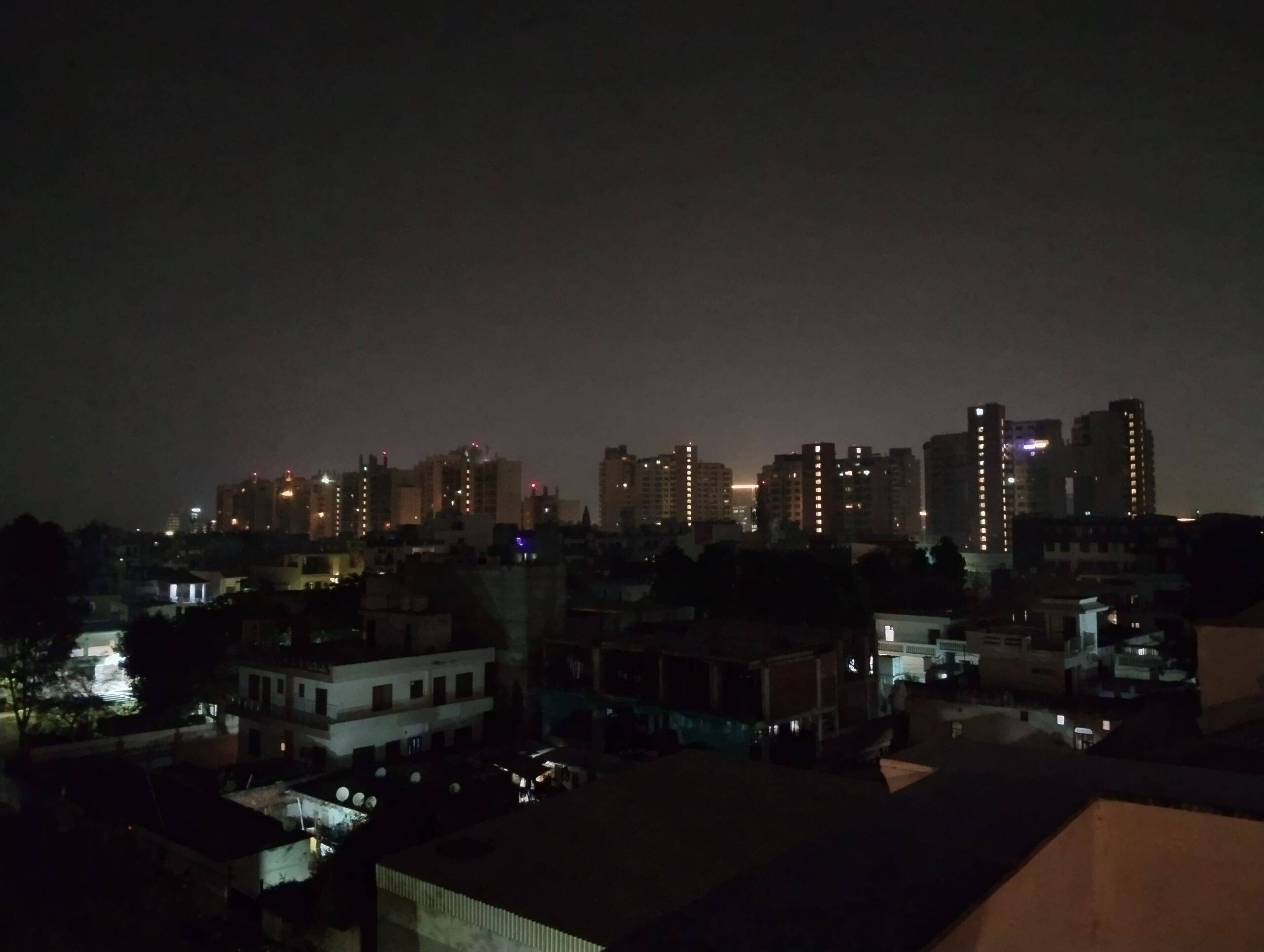
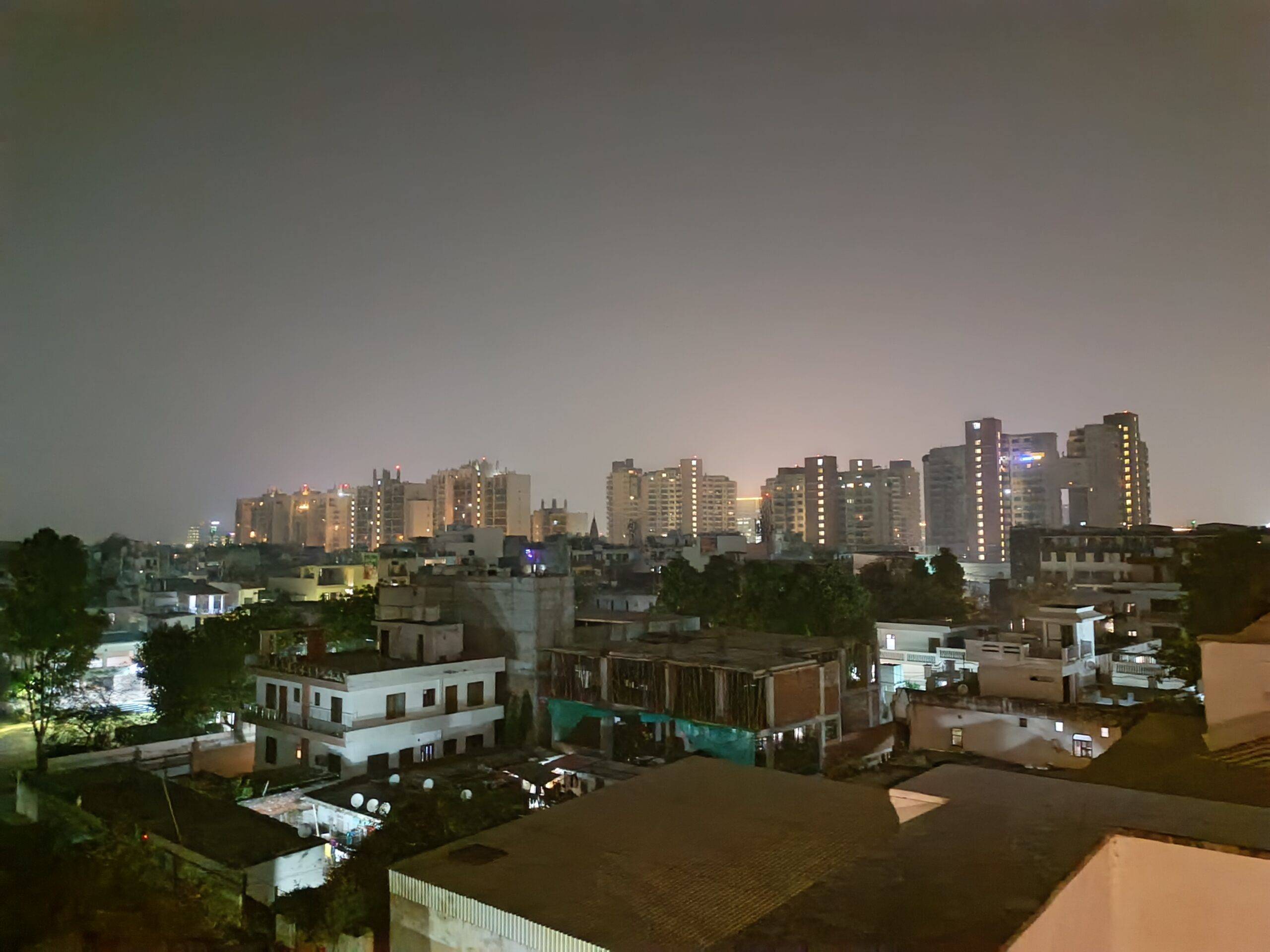
The itel Color Pro remains one of the best low-light shooters in this price bracket, and the difference is visible right away when you compare it with the Redmi A4 5G. The former’s image is much sharper, the details clearly better, and you can differentiate between the varying hues and buildings with ease.
Performance and software
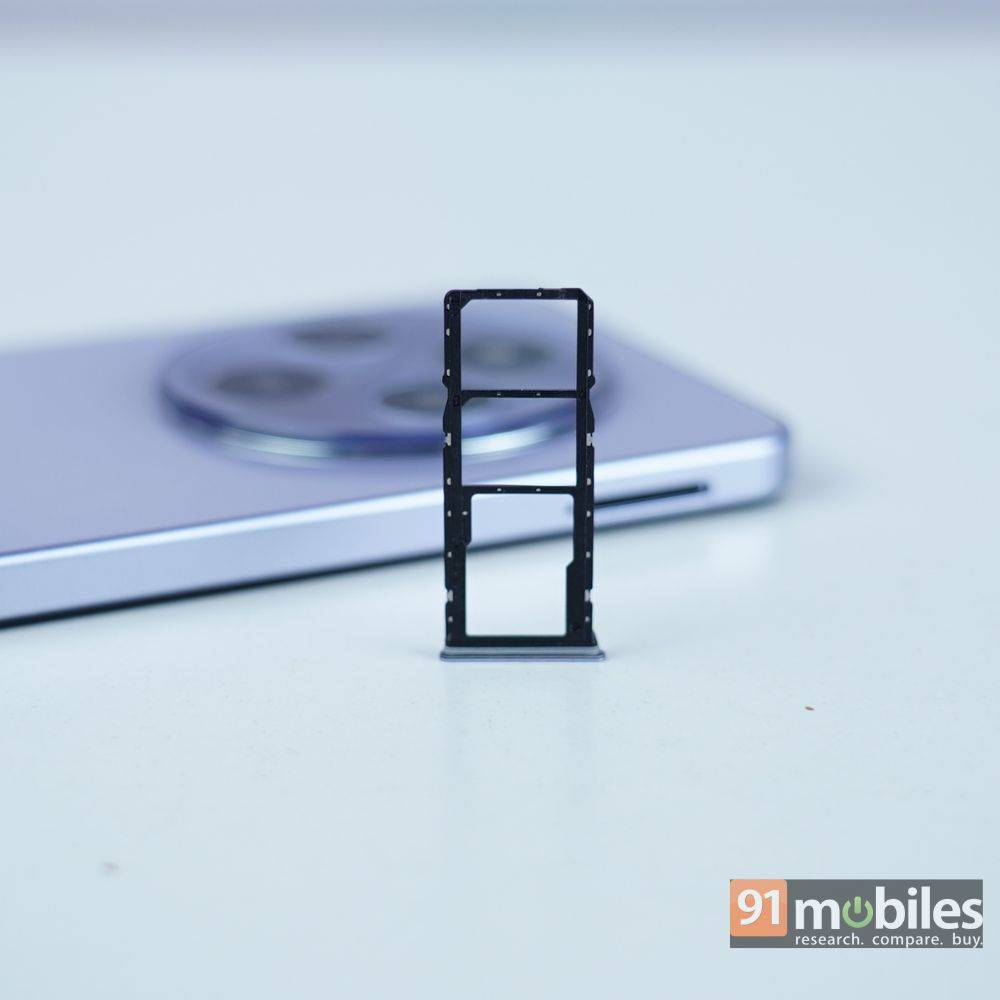
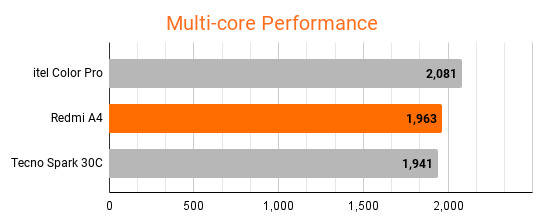
The new Snapdragon 4s Gen 2 lies at the core of the Redmi A4 5G and comes with 4GB of LPDDR4X RAM and up to 128GB of UFS 2.2 storage, further expandable with a MicroSD card. The chipset is based on a 4nm processor and delivers decent performance for its price bracket, although its synthetic benchmark numbers fall slightly short compared to its competitors like the Tecno Spark 30C and the itel Color Pro.
AnTuTu benchmark scores (higher is better)
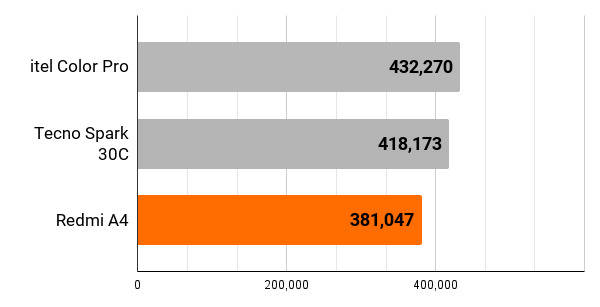
There’s not a significant difference in these scores, however, so you can expect the real-world performance to be on par. My experience with the device was quite similar, and the regular day-to-day performance is decent for the price. There were the occasional lags while browsing or using YouTube, but nothing too significant.
Geekbench benchmark score (higher is better)
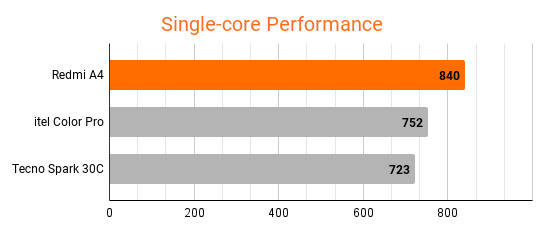
We also tested out some popular gaming titles like BGMI and COD: Mobile to see how the phone holds up against its rivals. One thing to note is that the device did crash during our testing when playing COD: Mobile, with the GPU artifacting (pixelation and dark spots) mid-gameplay.
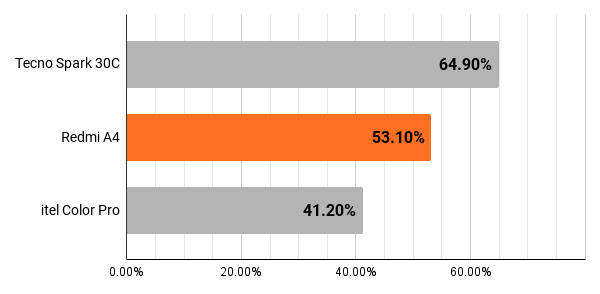
The phone’s gaming performance is also slightly lower compared to the other two. Its average frame rates are comparatively lower than the other two phones, so if you’re someone who wants a good gaming experience on a budget, the itel Color Pro or the POCO M6 Pro is the better option.
Burnout benchmark scores (higher is better)
Software
The device runs on Android 14-based HyperOS out of the box with 2 years of OS updates and 4 years of security updates. What’s curious, however, is that the UI does not resemble the HyperOS I’ve experienced in other Xiaomi products like the Redmi Pad Pro, Redmi 13 5G, and more. The notification shade is actually in the style of the old MiUI, which is something I did not expect. A possible explanation could be the brand kept the UI elements light so that the phone runs smoothly.
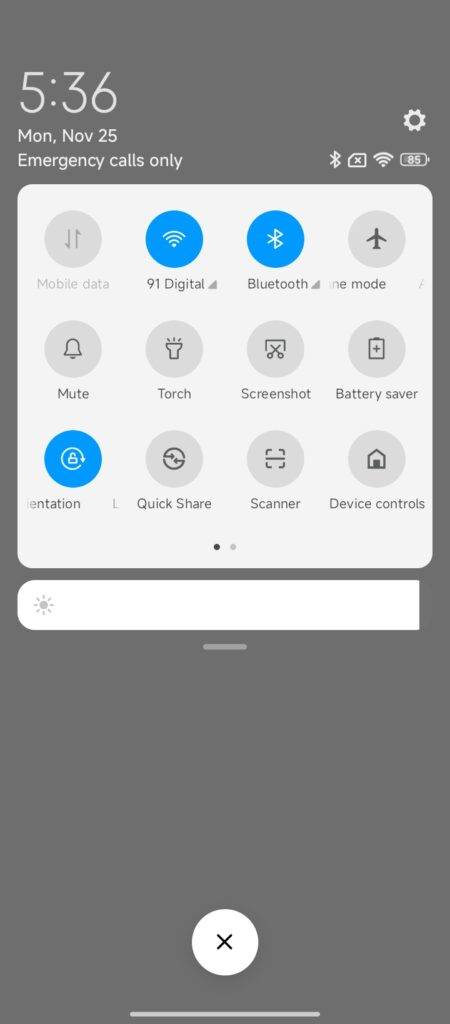
There’s also a good number pre-installed apps on the device, which includes some third-party games, although most of these can be uninstalled if you wish to. There’s an option to hide the waterdrop notch if it bothers you, though it reduces the visible screen space a little.
| Pre-installed apps | Software updates | |
| Redmi A4 5G | 59 | 2 years OS, 4 years security |
| Tecno Spark 30C | 44 | 2 years of security updates |
| itel Color Pro | 45 | NA |
Battery
The Redmi A4 5G comes with a 5,160mAh battery with 18W fast charging support. The brand also gives you a 33W charger in the retail box, unlike the Tecno Spark 30C. The battery had an excellent score on the PCMark battery benchmark test, and its resilience is truly commendable. The device easily lasts for an entire day even with high usage levels, which should appeal to many battery-focused customers.
PCMark battery life benchmark (higher is better)
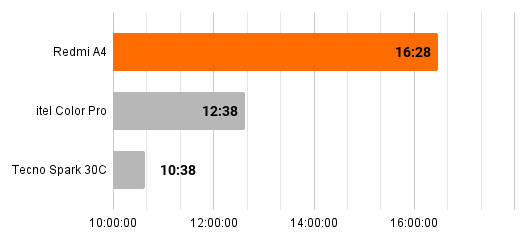
In our lab tests, the phone’s battery dropped just 20 percent during 2 hours of heavy use, which includes playing multiple games and YouTube streaming, which is an excellent result for the price. The paired 33W charger takes roughly 1 hour and 40 minutes to achieve a full charge from 20 percent capacity. The charging time is slightly slow, but for a battery that lasts as long, it’s a decent amount.
| Smartphone | Charging speed | Charging time (20 to 100 percent) |
| Redmi A4 | 18W | 99 minutes |
| Tecno Spark 30C | 18W | 120 minutes |
| itel Color Pro | 18W | 112 minutes |
Final Verdict
The Redmi A4 5G takes a positive step towards making 5G more accessible to the masses. It features a capable processor that delivers decent performance for its price, offers excellent battery life, comes with good software support, and performs well in bright lighting conditions with its cameras. Its lack of compatibility with Airtel 5G, however, is a big drawback which effectively limits the high-speed cellular internet access to only Jio users. This could pose a serious challenge for the Redmi A4 5G in attracting budget-conscious buyers with an existing Airtel SIM card.
Rivals like the itel Color Pro 5G (review) and Tecno Spark 30C 5G (review), are slightly pricer at Rs 9,999 and offer better camera performance while matching the Redmi A4 5G in battery life. The itel Color Pro may appeal to those prioritising cameras, while the Tecno Spark 30C offers a standout design. While the Redmi A4 5G doesn’t considerably lead in any specific area, its longer software support adds value to the package, making it a decent option for those seeking a reliable budget 5G smartphone.
Editor’s Rating: 7/10
Reasons to buy:
- The phone has an attractive design which feels very premium.
- The display is quite smooth and offers a good viewing experience.
- The phone’s battery life will easily last an entire day for most users.
Reasons not to buy:
- The Redmi A4 is not compatible with Airtel 5G.
- The selfie and low light camera performance could be better.
- There’s a lot of pre-installed apps.