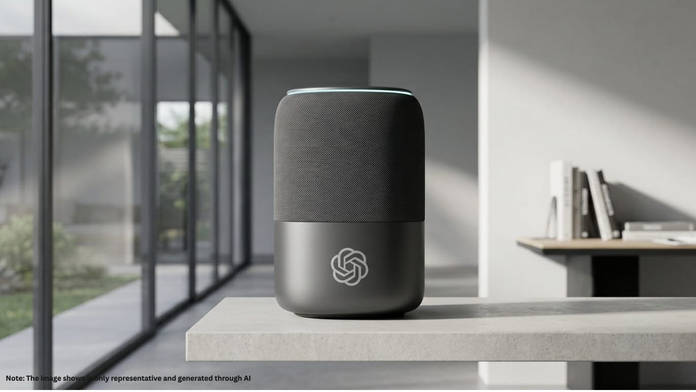
OpenAI is reportedly preparing its first hardware launch, and it sounds more like an AI companion than a traditional smart speaker. The screen-free product is said to be designed for the home, with ChatGPT integration and a more personal, proactive approach to helping users.
The device is reportedly being built to learn about its owner over time, respond in a more humanlike way, and even include moving mechanical elements that make it feel more like a physical presence than a simple voice assistant. Let’s take a more detailed look at it below.
Table of Contents
OpenAI’s new smart speaker
According to a Bloomberg report, OpenAI is working on a screen-free hardware device that would sit in the home and behave more like a living AI companion than a conventional smart speaker. The product is still under development, but the broad idea is to give users a device that can sync with ChatGPT, stay aware of their needs over time, and offer help in a more natural, ongoing way instead of waiting for one-off voice commands.
The device will still do the basics you would expect from a smart speaker, including controlling smart home devices, playing media, answering questions, and handling messages. What makes this device different is the way OpenAI seems to be thinking about the experience itself. According to the report, the company wants it to feel more humanlike and more personal, with access to a user’s digital life, including things like emails, so it can become more useful the longer it is used.
Bloomberg also says the device may include mechanical elements that move on their own, which could help it feel less like a static gadget and more like a physical presence in the home.
Instead of focusing mainly on music playback, timers, or quick assistant-style answers, OpenAI appears to be aiming for something that is closer to an AI companion with a personality and memory. In that sense, the company seems to be positioning the product as a new category altogether, one that blends home hardware, conversational AI, and a more hands-on version of ChatGPT.
OpenAI’s hardware ambition
The timing makes the project interesting because OpenAI is entering the hardware space while facing a lawsuit from Apple over alleged trade-secret theft. OpenAI claims the device is unlike anything Apple currently offers and believes it is unlikely to violate Apple’s trade secrets.
AI companies have been trying to move beyond the software for a while, and OpenAI’s reported hardware push fits into that trend. Google and Amazon have already spent years building voice-first home devices, while a wave of startups is exploring AI companions that live in wearables, pins, and other always-present form factors. The idea here is pretty clear: the next stage of AI may not be another app or chatbot, but a product that sits in your home or on your body and learns how you live.