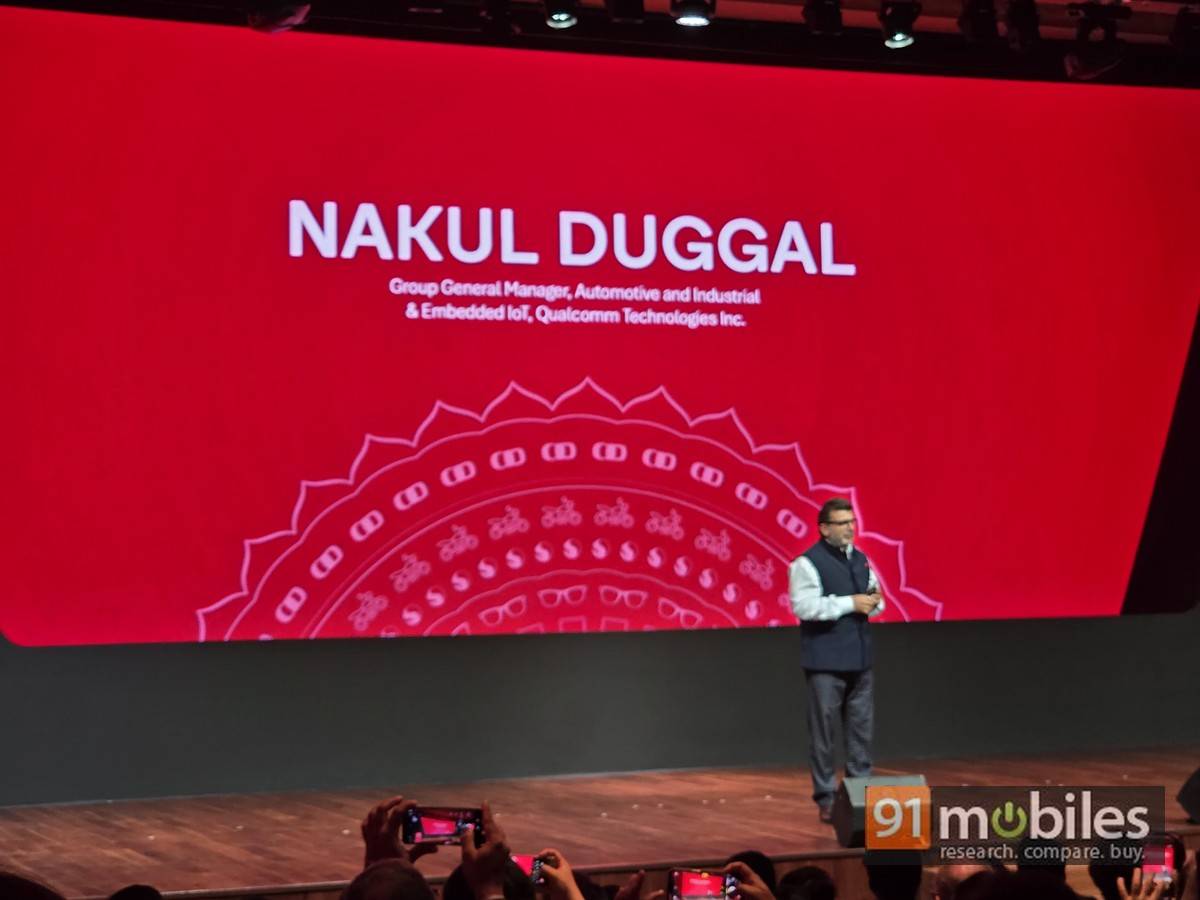
“It will take some time”, said Nakul Duggal, tactfully responding to an auto journalist’s question regarding the timeline around fully autonomous cars operating in India. Nakul Duggal, whose designation at Qualcomm is a mouthful — Group General Manager, Automotive and Industrial & Embedded IoT, was delivering his keynote address at the Snapdragon Auto Day. It was an event where Qualcomm showcased its prowess in the automotive sector, highlighted key partnerships with OEMs and partners in the auto ecosystem, and demoed a smorgasbord of solutions in the space.
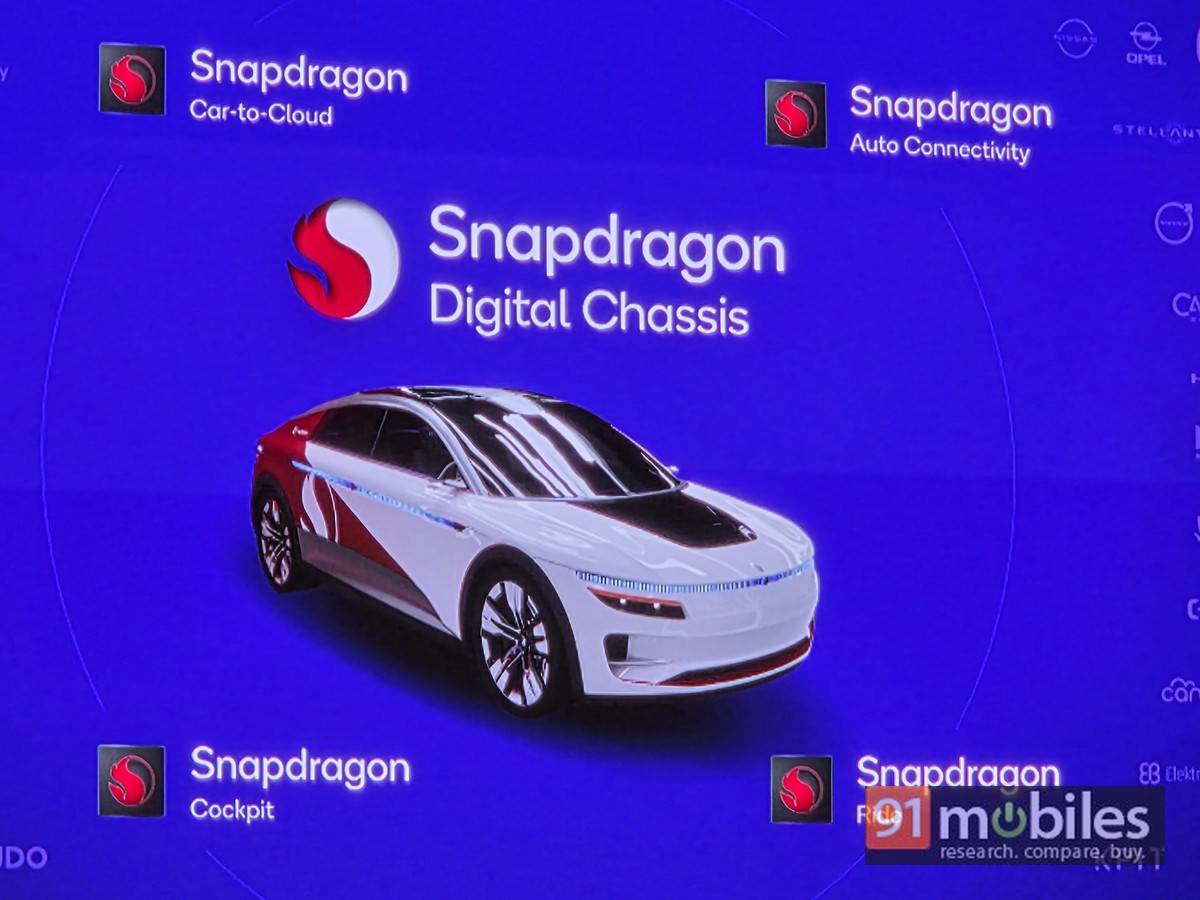
At the centre is a suite of solutions called Snapdragon Digital Chassis, which is made up of four main pillars:
- Snapdragon Cockpit
- Snapdragon Ride
- Snapdragon Auto Connectivity
- Snapdragon Car-to-Cloud
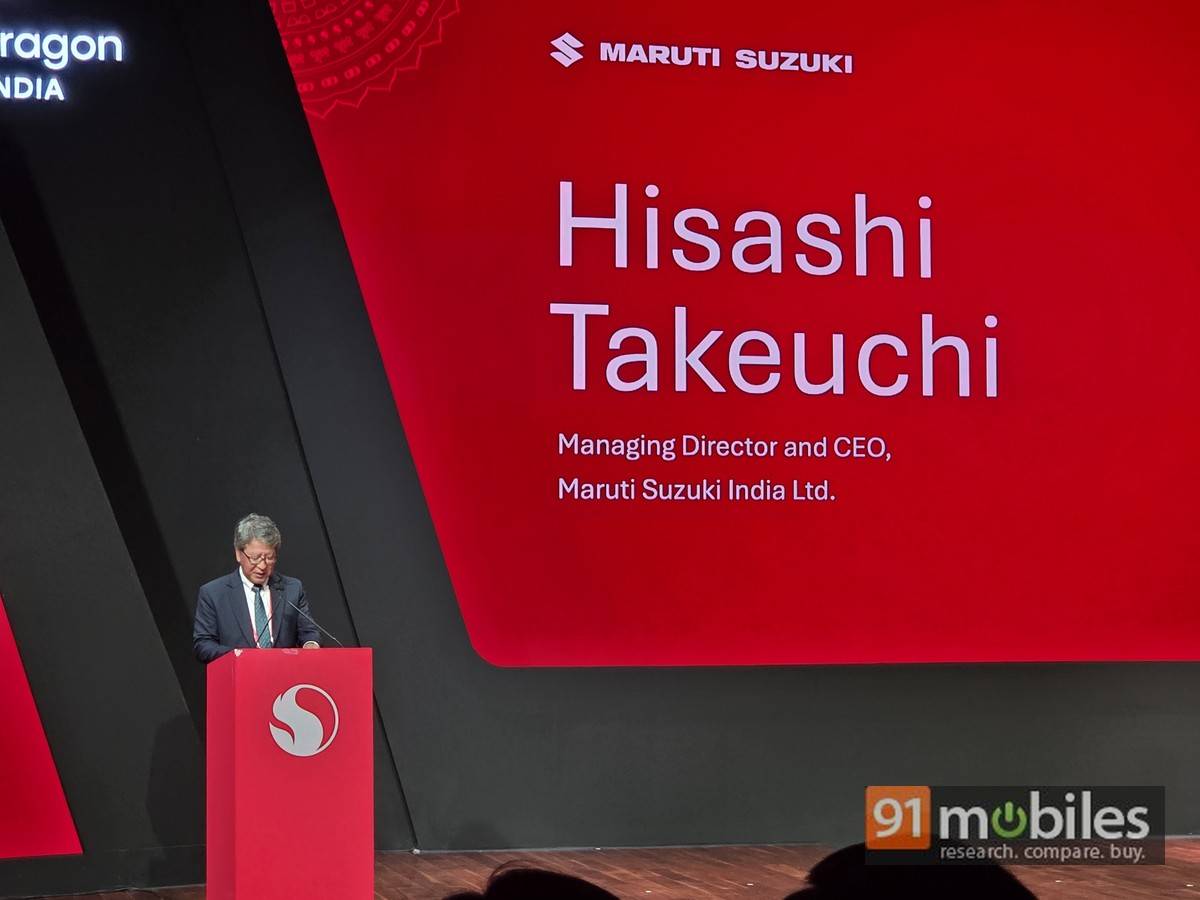
Qualcomm used the event to highlight its partnerships with OEMs and how its solutions are aiming to transform the car experience and take India to the global stage. With Hisaschi Takeuchi, MD & CEO of Maruti Suzuki India, and Velusamy R, President of the Automotive Business at M&M Ltd, taking the stage to talk about the collaboration with Qualcomm, the San Diego-based chipmaker emphasised how it’s enabling faster design cycles, personalising the cockpit and driving innovation in assisted and automated driving.
The premium in-cabin experiences enabled by Snapdragon Digital Chassis include:
- Multiple high-resolution displays
- Natural language understanding
- Multimodal interfaces
- Face recognition
- Driver monitoring
- Surveillance systems
- Premium sound
- Machine learning
- Integrated surround view
- Augmented reality
- Wi-Fi / Bluetooth connectivity
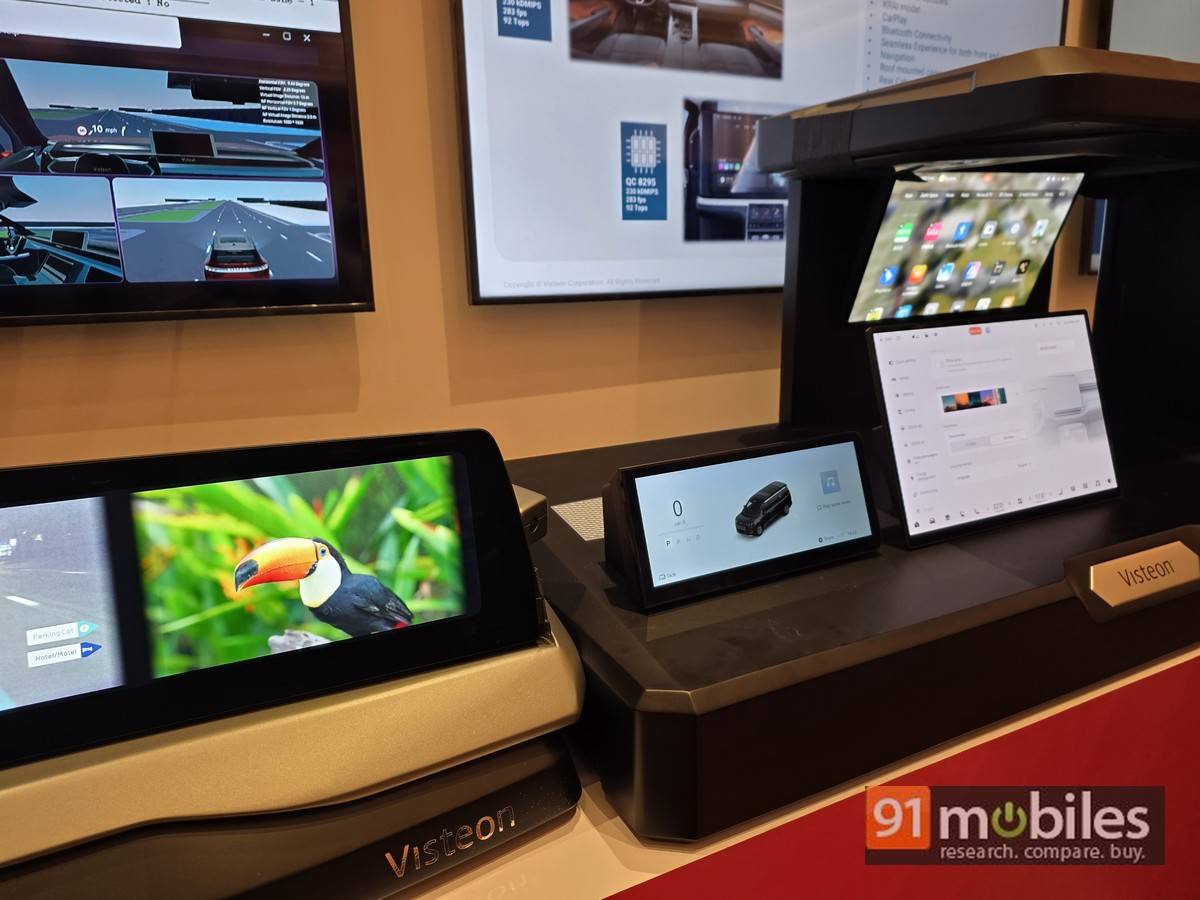
A bunch of demos and booths set up at the event venue (no less than 120 demos, I’m told) helped showcase a variety of solutions across different functions, aspects, use cases and automotive segments. Quite a few partners demoed in-car infotainment solutions, which, understandably, is a high-interest domain in car tech. There were also many demos of solutions for the two-wheeler segment, a category which is highly relevant for India. Qualcomm already powers quite a few two-wheelers, including offerings from brands like Ather, Bajaj, Hero, TVS, and Ultraviolette. Royal Enfield’s upcoming electric bike will also use Qualcomm tech.
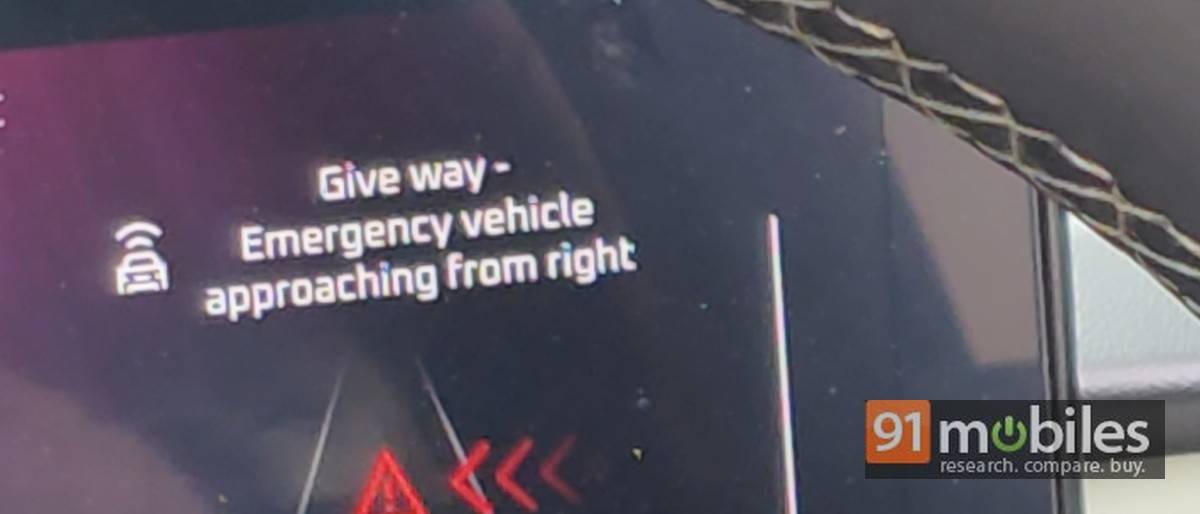
Driving home the safety point, so to speak, is Qualcomm’s acquisition of AutoTalks, which enhances the Snapdragon Digital Chassis portfolio by bringing V2X technologies into the mix. V2X, which stands for vehicle-to-everything, enables communication between the vehicle with its surroundings. V2X is a whole suite too, comprising V2V (vehicle-to-vehicle), V2I (vehicle-to-infrastructure), V2VRU (vehicle-to-vulnerable road user) technologies, which support direct, low-latency communications. This seemed a lot to take in, but a driving experience organised by Qualcomm at the event venue helped clarify what V2X tech can do. Using a Mahindra XEV 9e equipped with this tech, Qualcomm showed a live demo of this. Relevant alerts popped up on the driver’s info screen when the car neared an ambulance, when approaching another vehicle, while passing a road construction site, when the car got close to a traffic signal, and when another XEV 9e drove on a collision course. With an estimated range of about 1km for this communication to work between vehicles and infrastructure, proximity or line of sight isn’t needed. From a safety standpoint, V2X does look extremely promising, but it does need the ecosystem to come together for it to work.
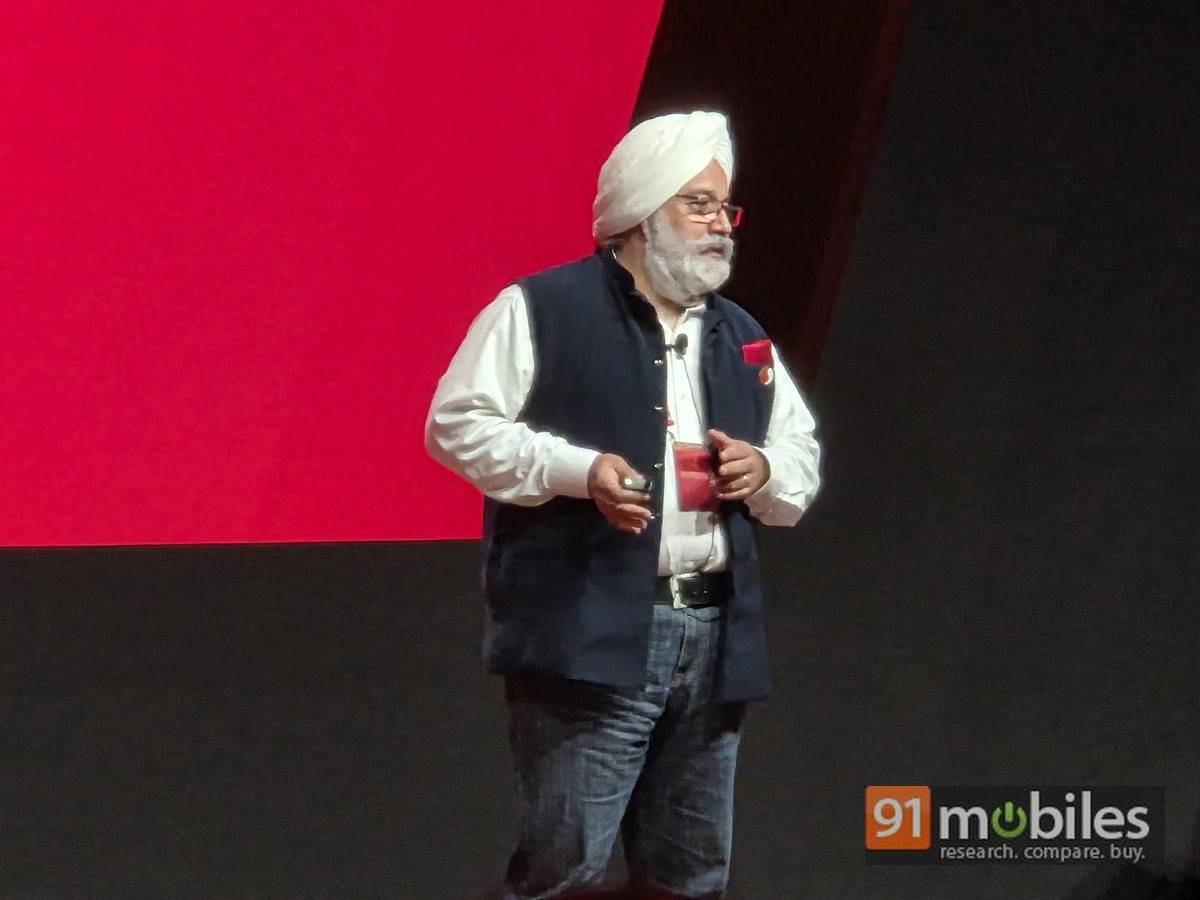
Nakul Duggal mentioned in his keynote how Qualcomm considers the car as an extension of the living room and the office, and how the brand’s offerings are aiming to enhance this concept. That’s the thing, though —while in-car infotainment (including premium audio, multiple displays, etc) is great to have, and much sought after by consumers too, it’s the safety aspects of the tech that stand out for me. Driver monitoring, for instance, helps keep drivers alert and aware of their surroundings. Going by official numbers, around 180,000 people lost their lives in road accidents in India last year, and if technologies like V2X can help save some of those lives, the road taken by Qualcomm is the right one for sure. To quote Qualcomm’s top dog in India, Savi Soin, “we’re just getting started”. And it’s a solid start for sure.
[Close]
Recent Tabs Extension

Edit Post “Please help save li …

beatXP Vibe Electric Toothbrus …
V2X Auto Technology | The Futu …
Qualcomm showcases vision for …

taking the high road meaning – …

Inbox (161,884) – deepak.dhing …

Inbox (54,024) – deepak@91mobi …

JioPC launched in India as an …
Add product

Alcatel V3 Ultra – Full Specif …