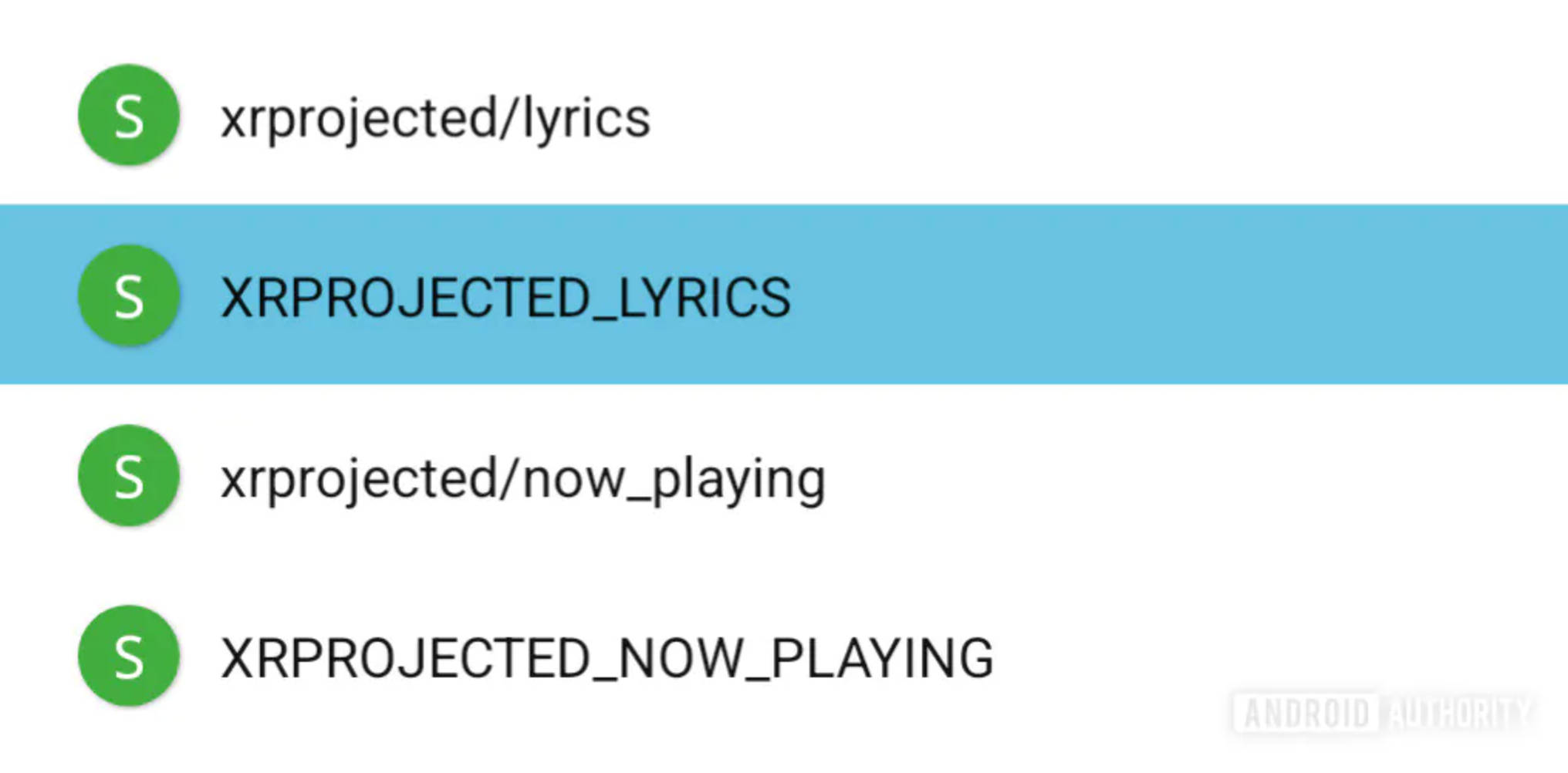
Spotify looks to be getting its app ready for smart glasses, with new clues in its latest Android beta pointing to a simplified interface built for wearables. The code references a ‘Now Playing’ screen and an on-demand lyrics view that could appear directly in your line of sight, letting you check tracks or follow along without reaching for your phone. The details come from an Android Authority teardown.
The timing fits with where the hardware is heading. Google and Samsung are both working on Android XR glasses, ranging from lighter, voice-first devices to more advanced versions with built-in displays for visual overlays. As these devices move closer to release, apps are starting to adapt in the background. According to Google’s Android XR documentation, these glasses won’t run full apps on their own. Instead, the smartphone does the processing, and content is projected to the glasses. Spotify’s beta strings suggest it is designing around exactly that setup.
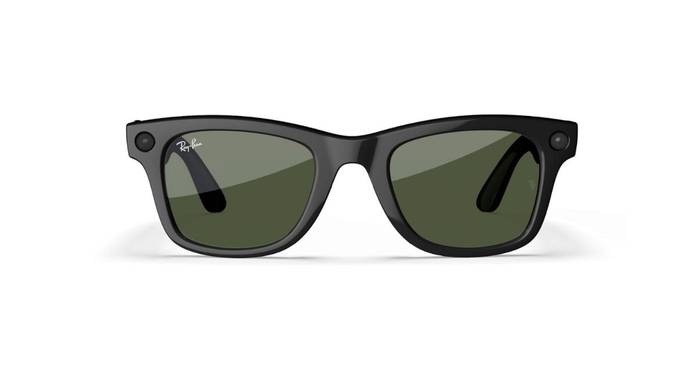
This isn’t entirely new territory for Spotify. It already works with Meta’s Ray-Ban smart glasses through voice controls and touch input, but those experiences are largely audio-first. What’s changing here is the addition of a visual layer, where you can see what’s playing or pull up lyrics without breaking your flow. It’s a small shift, but one that could make everyday listening feel more seamless, especially for commuting, workouts, or multitasking.
Compared to other music platforms, Spotify appears to be moving early on this front. There’s no clear sign yet of similar XR-focused work in recent versions of competing apps like Amazon Music or YouTube Music. That could give Spotify an advantage as these devices start to reach more users.
Smart glasses are likely to prioritise quick, glanceable interactions rather than full app navigation. Music controls, track info, and lyrics are an easy starting point. Over time, this could extend to more contextual features, like surfacing playlists based on what you’re doing or where you are. Maybe even voice inputs, which align with Spotify’s new AI-based algorithm — the possibilities are endless.
What will matter more than the feature list is how this actually feels to use. Early smart glasses have mostly been about audio and voice, but adding simple visuals like track info or lyrics could make them a lot more practical day to day. For anyone thinking about picking up XR glasses, app support like this will likely influence the decision. If Spotify gets it right and it genuinely saves you from reaching for your phone, it’s the kind of thing you’ll start relying on without thinking. If it doesn’t, it’s easy to see it being ignored after the novelty wears off.