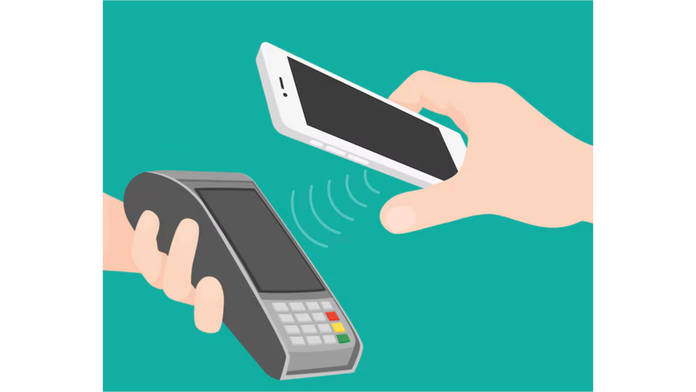
A viral Instagram reel from tech influencer Rajiv Makhni recently showed someone’s card getting scanned right from their pocket, highlighting a new digital fraud that’s picking up steam. The video demonstrates how scammers use small card-reading devices to activate contactless payments from a debit or credit card without the owner even noticing, simply by getting close enough.
In India, this scam, often referred to as ghost tapping, is now making headlines across tech news sites and among experts. It primarily targets users of tap-and-pay or contactless payment features on cards and phones, which allow payments without inserting the card or entering a PIN for smaller amounts.
Official police reports of major losses from this specific scam in India remain limited so far, but numerous Indian news outlets are raising alarms that it’s becoming more common, particularly in crowded spots like malls, airports, and tourist areas. These reports explain how fraudsters can blend into a crowd, stand near a victim, and use an NFC-enabled device to silently initiate a payment from a contactless card or phone, with no PIN or OTP required.
The scam uses near-field communication (NFC) technology, which is embedded in most debit and credit cards as well as mobile wallets, allowing payment data to transmit over very short distances.
Indian banks and cybersecurity experts are advising caution, suggesting steps like disabling tap-to-pay when not in use, reducing contactless payment limits, and carrying RFID-blocking wallets or sleeves to block unauthorised devices from interacting with your card. Cardholders need to monitor their bank SMS alerts or app notifications closely too. Any unfamiliar transaction should be reported to the bank, which should refund fraudulent charges after investigation.
With digital payments growing fast across India, staying aware and adopting basic habits like regularly checking transactions and managing contactless features can go a long way in safeguarding your money from this rising threat.