Smart locks are gradually becoming a necessity more than a luxury if you’re living in big cities. Sure, you can enjoy some added security features, such as built-in alarms if someone tries to break in. However, smart locks also ease entry into your home if you’re away or too lazy to get out of bed. In fact, if you look at new builder houses across Delhi or even upcoming apartments in Gurugram or Noida, chances are your real estate agent may even boast smart locks as an added amenity. But what about old houses with regular locks? Can they be upgraded too?
When I was approached by Yale to test their smart lock (YDM7116A, to be precise), two key points stood out in the pitch. Firstly, Yale’s new-gen locks are designed not just for millennials but with ease of use in mind for older customers, allowing them to customise settings effortlessly. Second, there’s the reassurance of a brand with over a century of experience in the industry.
After using the Yale YDM7116A smart lock for over a month, I can easily recommend it to anyone looking to upgrade their old home or move into a new one. Read on to know more.
Table of Contents
Box contents, set up, and design
The Yale’s YDM7116A smart lock is primarily intended for main entrance doors, but you can choose it for your bedroom or home office. I’d suggest reserving it for the main entrance only if the door is properly protected against rain. That’s because the lock doesn’t get adequate protection against water, although Yale notes it should be fine against minor splashes.
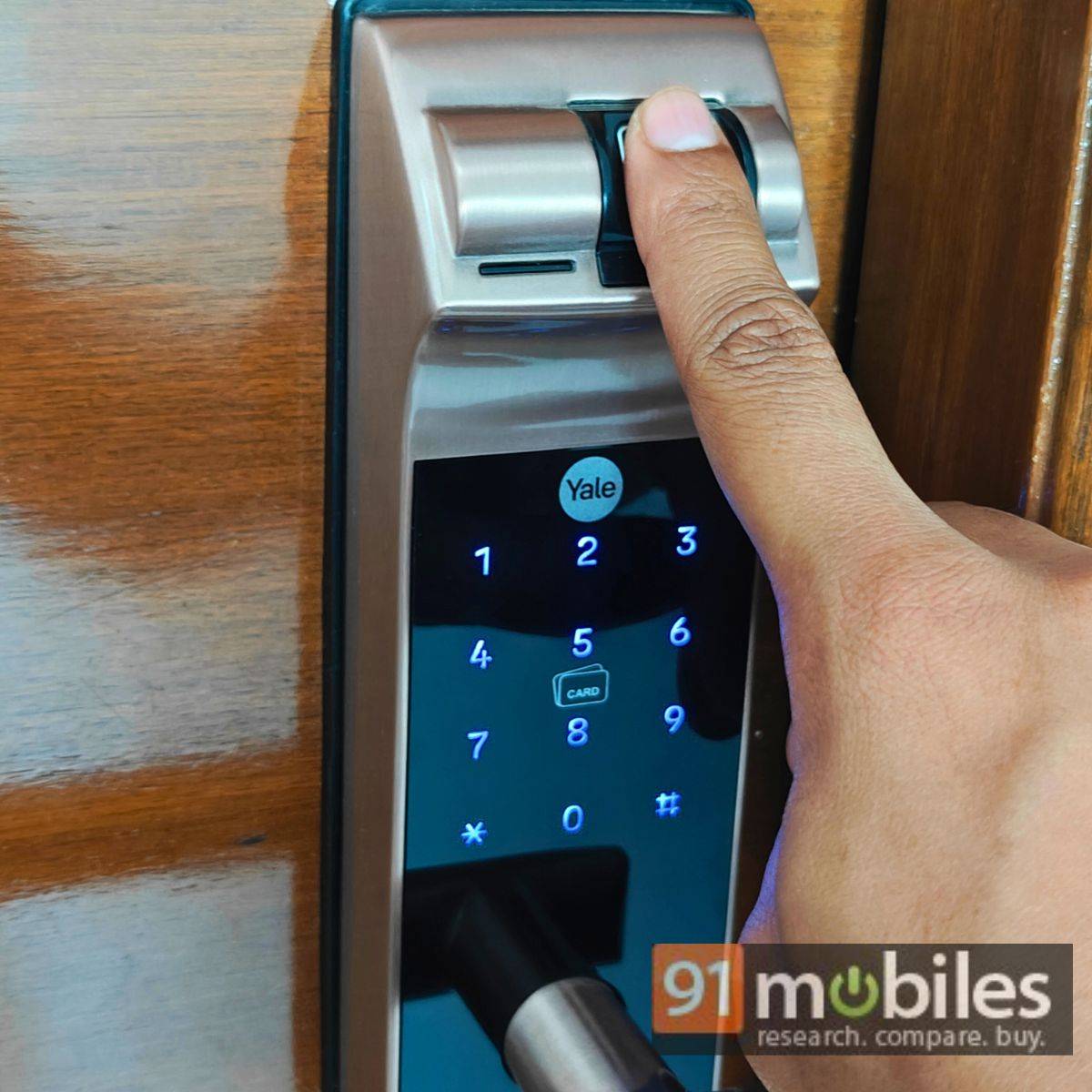
Wherever you install it, you can be sure of having multiple access options, which justifies the YDM7116A smart lock’s high Rs 57,999 price tag (I will talk about it in detail in the next section). For other rooms, the brand offers several affordable options with slender designs.
At first glance, the Yale YDM7116A box and the lock may seem a bit overwhelming in size. The lock brackets are also heavy, which is why Yale recommends them for doors with a minimum thickness of 40mm. Unfortunately, this means that many older homes, such as those constructed by the DDA, might be ineligible, as their doors typically have a thickness of 35-38mm. Yale also recommends a door closer to complement the lock’s auto-lock functionality. The official door closer from the company may range between Rs 1,000 and Rs 5,000. You may get cheaper and more modern options at a local store.
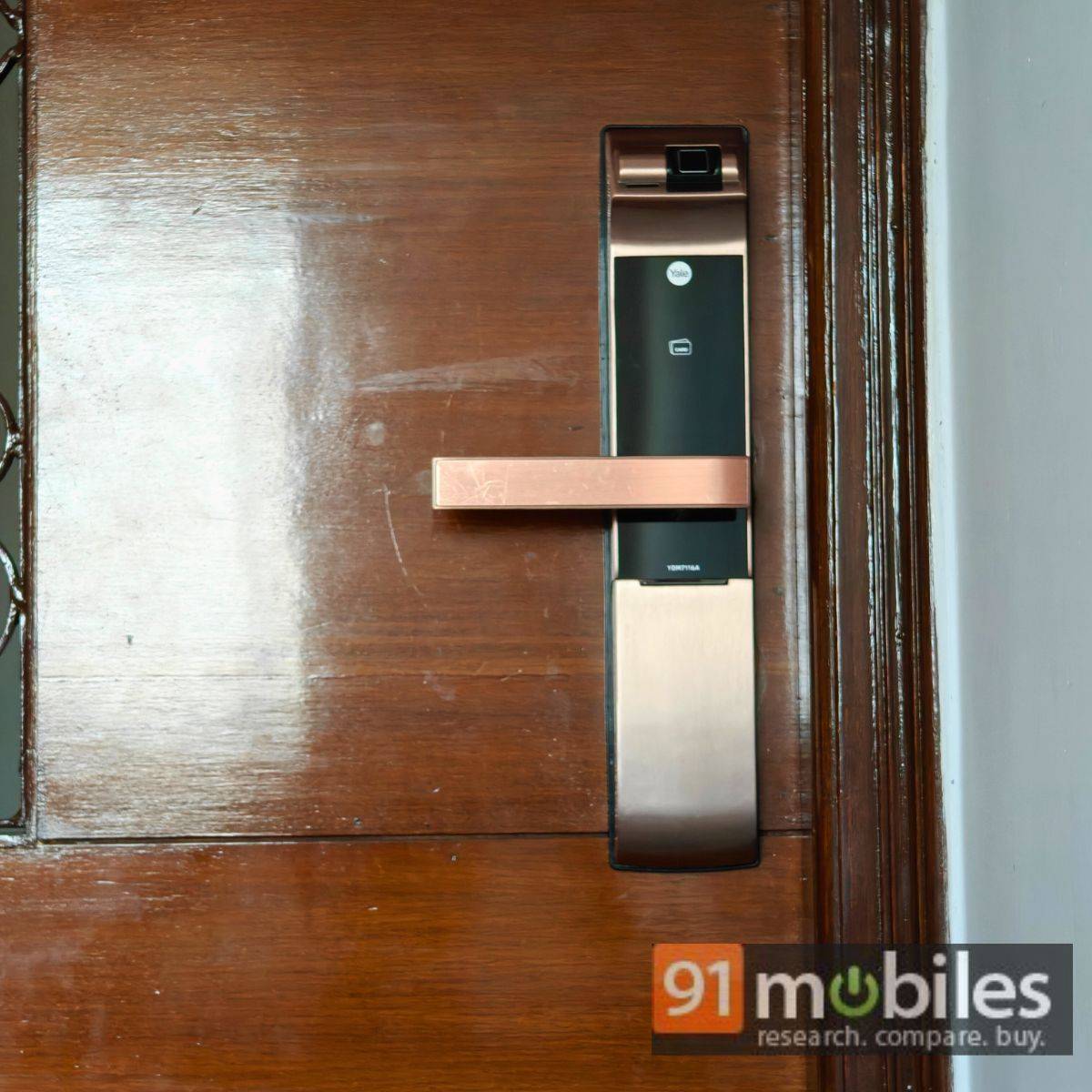
You can choose between multiple colour options for the Yale YDM7116A smart lock. I received the Red Bronze unit, which elevates my door’s classic wooden finish with its rich auburn hue. The Matte Black option is also a solid choice and is popular in many new properties. The Champagne Gold is somewhere in between but pairs beautifully with doors in dark walnut or mahogany finishes. It also goes well on office doors with a grey finish. All colour options feature an alloy finish, giving the lock a premium and sophisticated appeal.
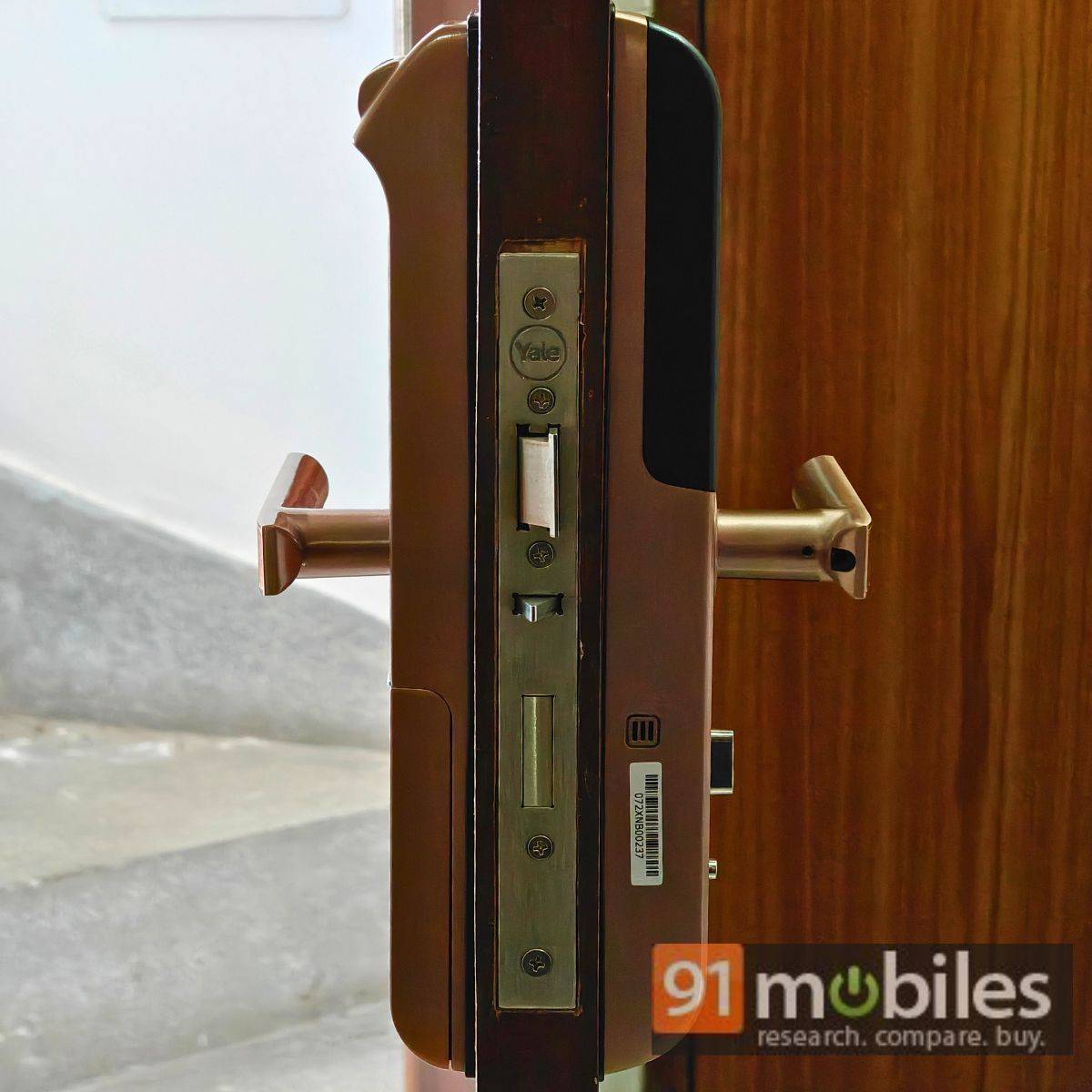
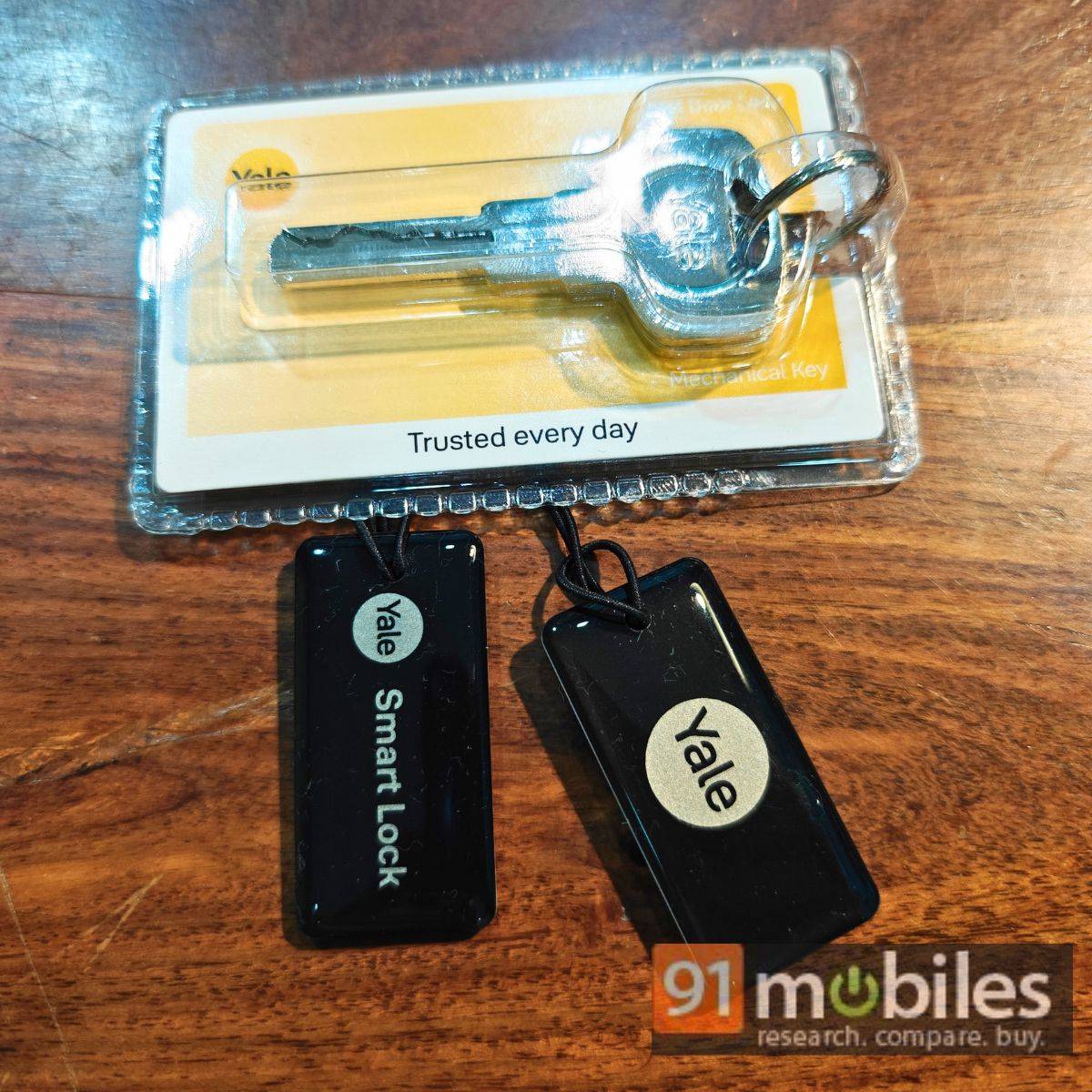
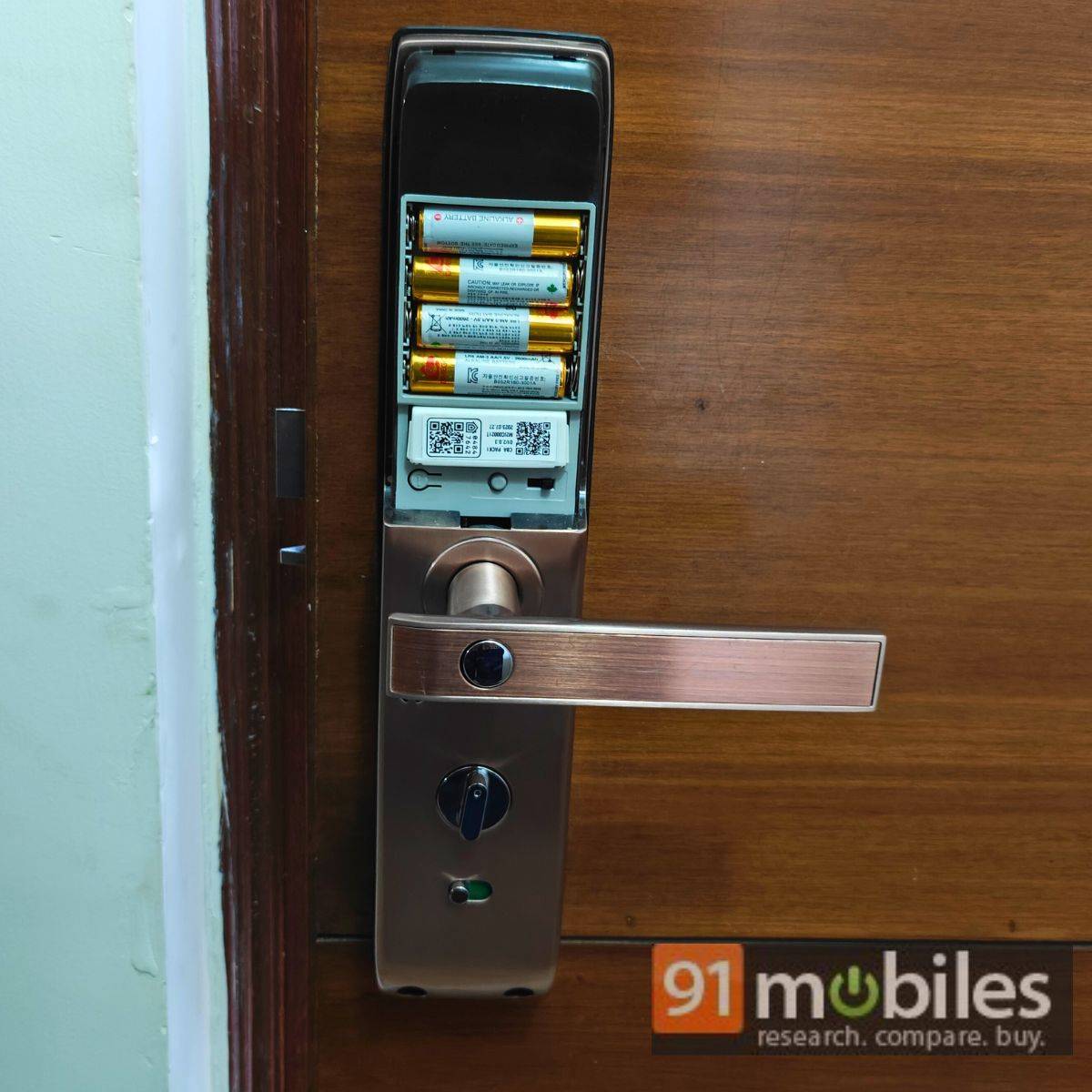
Apart from the lock, the box includes four RFID (radio frequency identification) cards and two manual keys for entry. Other parts include the screws and bracket for the lock. The box also provides four AA batteries for the lock. This means the Yale YDM7116A smart lock will still function even with a power cut. If you’re wondering, the only way to change the batteries is from inside the house.
Installing the Yale YDM7116A smart lock may require some professional help, as there’s minor wiring work involved. I’d advise you to contact a Yale professional for installation. Once the lock is installed, the setup is pretty straightforward.
The smart lock features a built-in Bluetooth module to let you manage settings and even unlock the door with your connected smartphone if you’re within the range, typically 10 meters. If you want to unlock the door remotely, an optional Wi-Fi Bridge, sold at an MRP of Rs 7,999, will be required. Controlling and managing the lock can be done via the official Yale Home app from the Apple App Store/Google Play.
Overall, the Yale YDM7116A smart lock successfully blends aesthetics and functionality. I would’ve ideally preferred it sleeker, but that’s the price you pay for a system with a “force-locked alarm” and multiple access options. I also like that the lock has a hidden compartment for manual keys so as not to compromise its modern looks. On the front side, the lock includes the touchpad and fingerprint scanner, which worked efficiently during my long review. The lock also feels extremely sturdy due to its metal build. The parts featuring plastic are to hide the four AA batteries and slotted keyhole.
Performance and security
As mentioned, the Yale YDM7116A smart lock offers multiple access points. You can use:
- Security pin
- An RFID card
- Fingerprint scanner
- Directly via smartphone
Let’s see how each feature works.
Security pin: This is perhaps going to be the most commonly used access method, at least for non-family members who frequently visit home. With the Yale Home app, you can even enable “hide entry codes”, in case you don’t want anybody else looking at the security code. Like most smart locks, users have to add a * after the code for authentication.
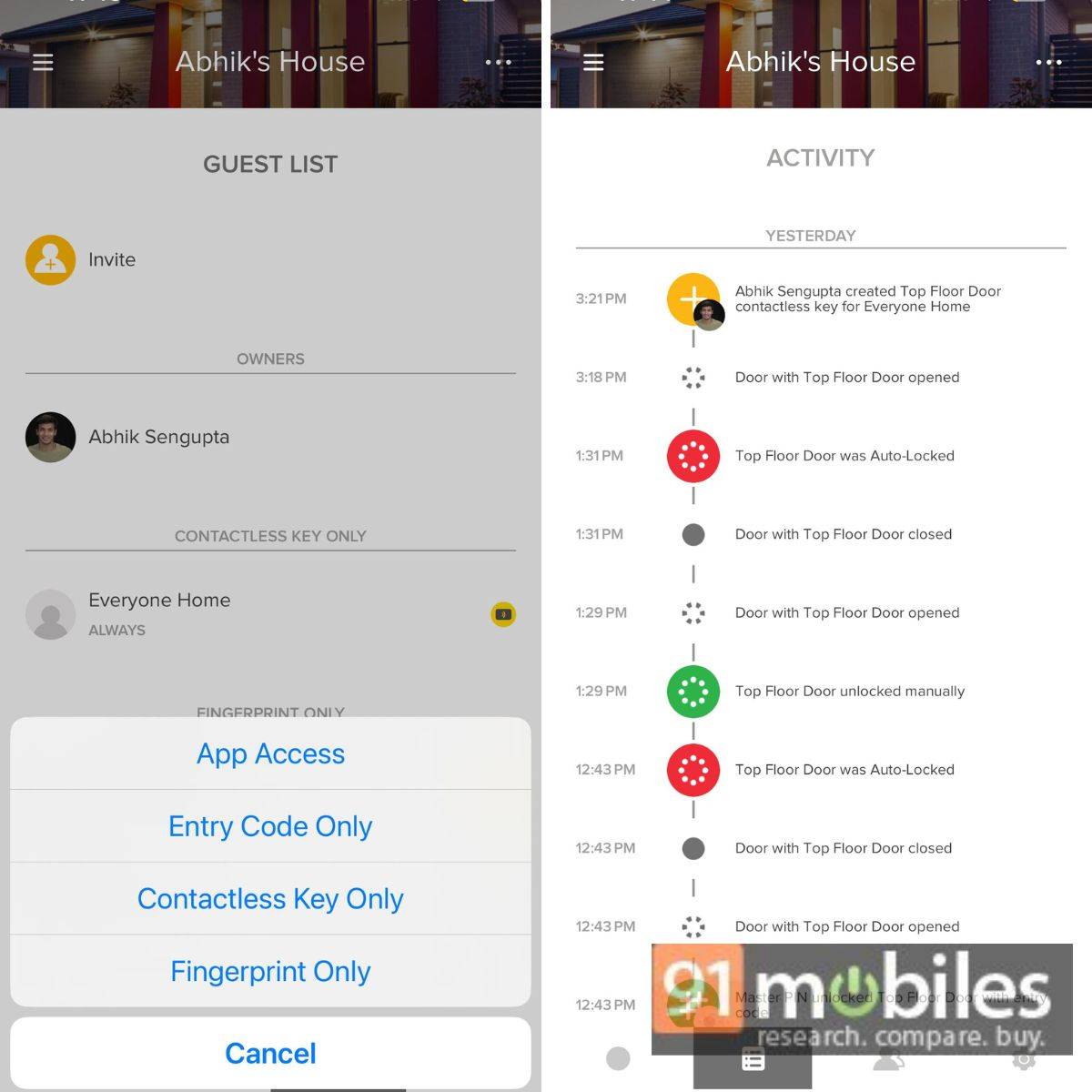
RFID card: Yale’s RFID card stands out with its slender, modern design, unlike the typical credit card-style cards. It even has a punch hole, allowing you to attach it to your keychain with your car keys. However, the RFID card doesn’t work right out of the box, as you’ll need to authenticate it through the Yale Home app. The process is simple and the feature resides under the “contactless key only” option under the “guest list” tab.
Yale’s RFID card continued to function properly even when in close contact with my smartphone, unlike hotel keys that use a magnetic stripe to store data. However, you can restrict the access of the RFID card from “always” to “recurring” and “temporary”, similar to a hotel room key. This allows you to control entrance into your property if the card is being used by a caretaker or guest, say for an Airbnb.
Fingerprint scanner: Similarly, you can customise fingerprint support to “always”, “recurring”, and “temporary.” During my test, the fingerprint scanner worked efficiently, but it was not immune to sweaty or oily fingers. The same problems are also limited to smartphones with fingerprint scanners. Again, the Yale Home app will be required to add new members for fingerprint unlock. This option is available within the “invite” section under “guest list” menu.
Directly via smartphone: I was happy to find this option as most of the affordable smart locks typically skip smartphone access. That’s also because there’s the added work of building an app with a friendly interface. The Yale Home app can be used to unlock the door if you’re within the Bluetooth range (5-10 meters). As mentioned, you can remotely open the door via your smartphone if you purchase Yale’s Wi-Fi bridge (MRP: Rs 7,999).
Do note that setup requires a 2.4GHz network, generally saved as “Wi-Fi name 4G” by service providers. If the option is not available, you can reach out to your internet service provider. I didn’t test the Wi-Fi bridge feature, but the smartphone unlock function worked smoothly with the smart lock whenever it was within range.
Other features
In terms of battery, the YDM7116A smart lock is promised to last for nearly months with four AA batteries. The lock is programmed to notify when the charge gets low. In case the battery runs out when you’re away from home, Yale mentions a backup option. However, I would still advise you to keep the manual key with you at all times.
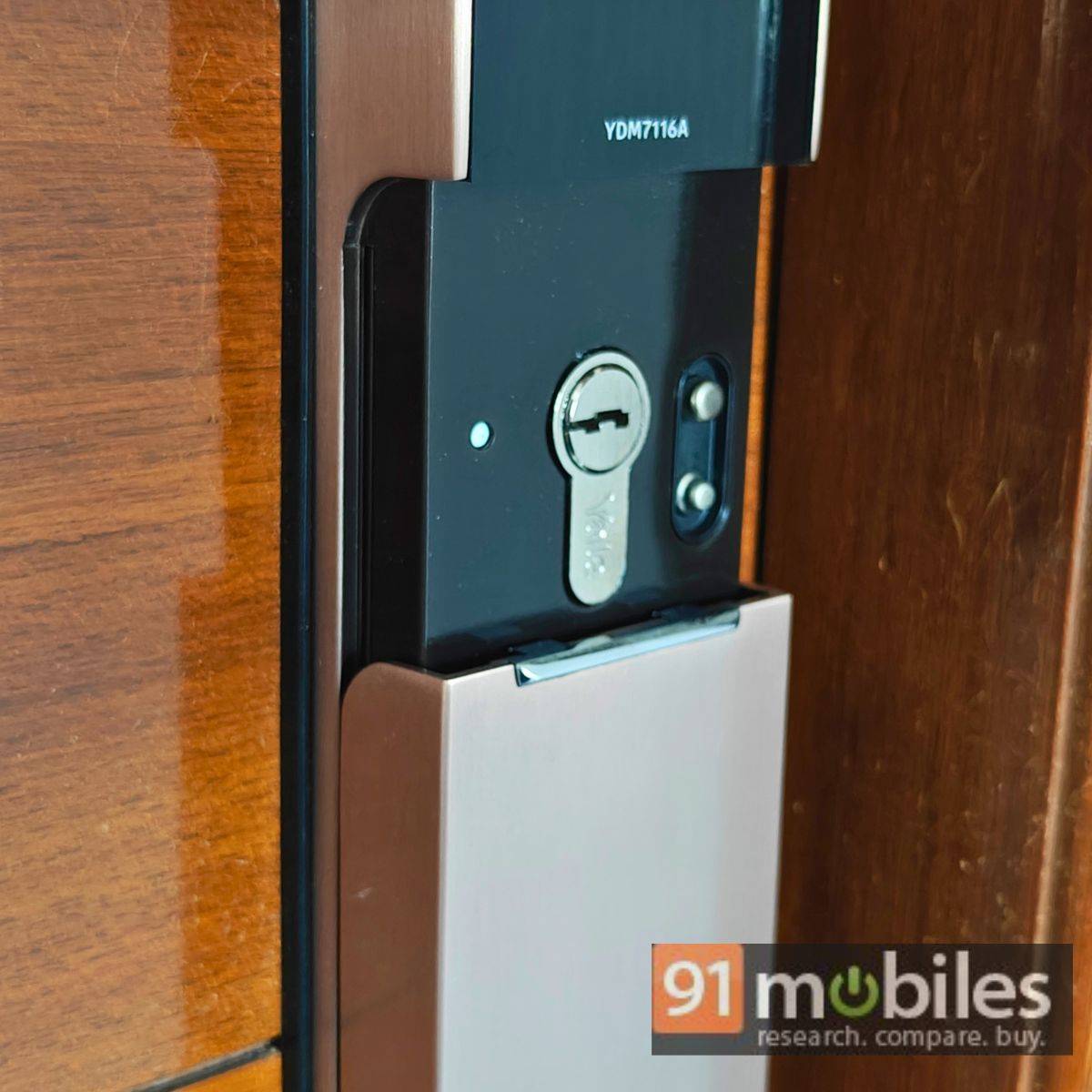
I am also happy to see that despite all the smart capabilities, the lock includes several traditional options, such as a child safety button and a double safety lock, accessible from inside of the house. Other options include support with Alexa, Apple HomeKit, and Google Home – providing plenty of options to manage the door via different apps. The virtual assistant also allows unlock via voice command.
Yale Home app
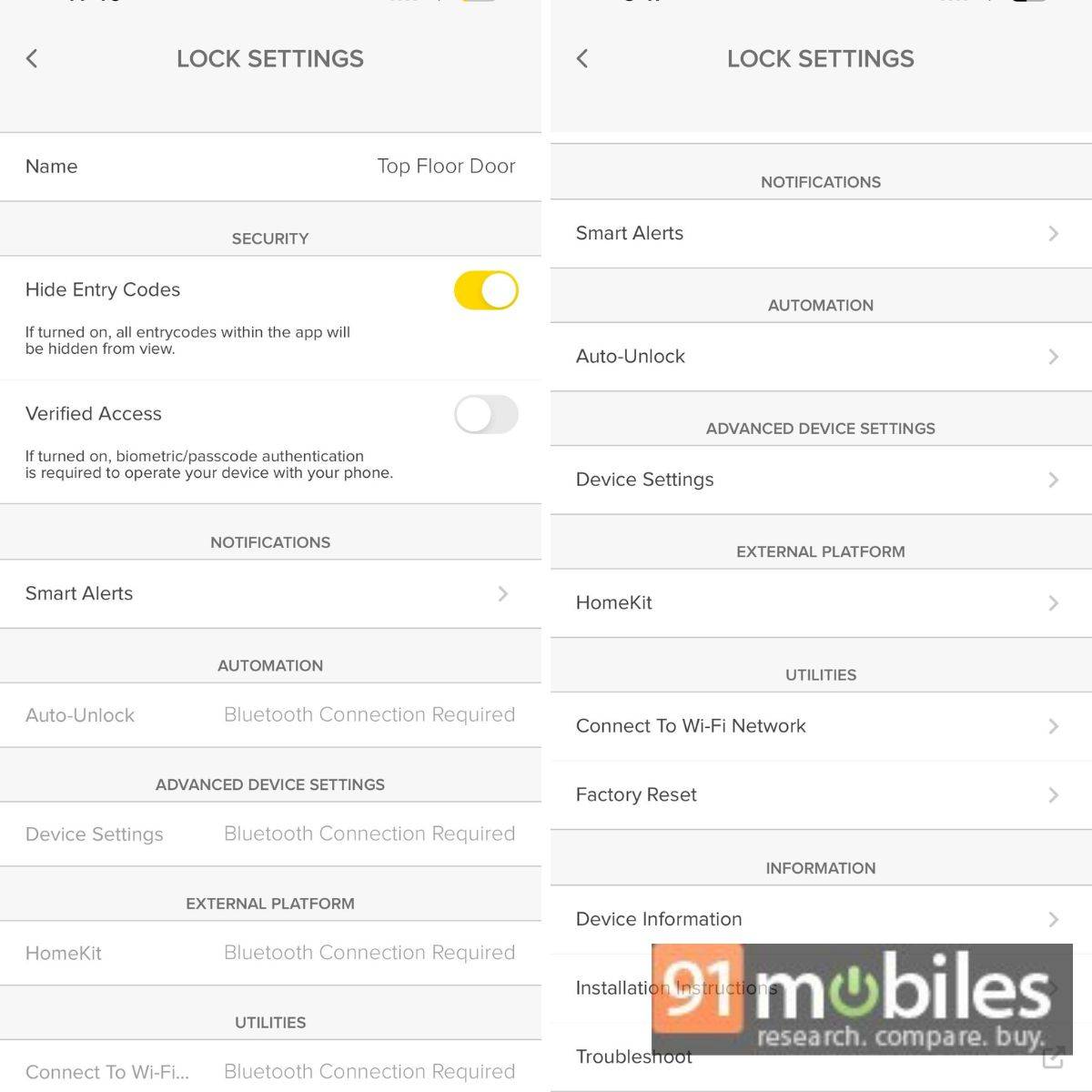
The Yale Home app has a user-friendly design and is easy to navigate. If you have multiple smart locks from the brand, the app allows you to organise and save locks by room and even by floor, which is very convenient. The app will also send a notification when the lock is jammed or the alarm is armed. This feature is particularly useful if you’re managing a commercial property.
The best part about the app is that it records the entire history of the door’s lock and unlock activity. It would be even cooler if the app offered a clean, organised tab for viewing this data by category. It is still achievable via an OTA update in the future.
As mentioned, the app is crucial to change the settings of the smart lock. The Wi-Fi Bridge may allow you to unlock the door remotely, but major setting changes require Bluetooth, which means you have to be physically close to the lock. This might irk some users if they’ve purchased the optional Wi-Fi module.
Yale can also consider adding more Indian languages to its app for users who are not fluent in English.
Verdict
Overall, the Yale YDM7116A smart lock is a well-designed device, ideal for modern homes. It can also be installed in older homes, as long as the door meets the thickness requirement of 40mm or more. The multiple access options are not only convenient and easy to use but also provide added security, making it a great choice even for those managing an Airbnb.
However, at Rs 57,999, the Yale YDM7116A smart lock is best for luxury homes (or offices). If you’re looking for a more affordable option, Yale offers a range of options, like the YDME100NxT (at Rs 15,999), which offers some of the popular features (passcode and fingerprint scanner). Qubo’s Smart Door Lock Elite is a solid choice, earning a spot on our list of favourite tech for 2023.
But if you want one of the best smart locks for your commercial property or home, YDM7116A smart lock is an easy recommendation.
Editor’s rating: 8 / 10
Pros
- Multiple access options
- User-friendly app support
- Built-in alarm system
- Manual lock features available
Cons
- Pricey
- Bulky design