Qualcomm’s Ziad Asghar on why glasses, not another phone, are the next big AI device


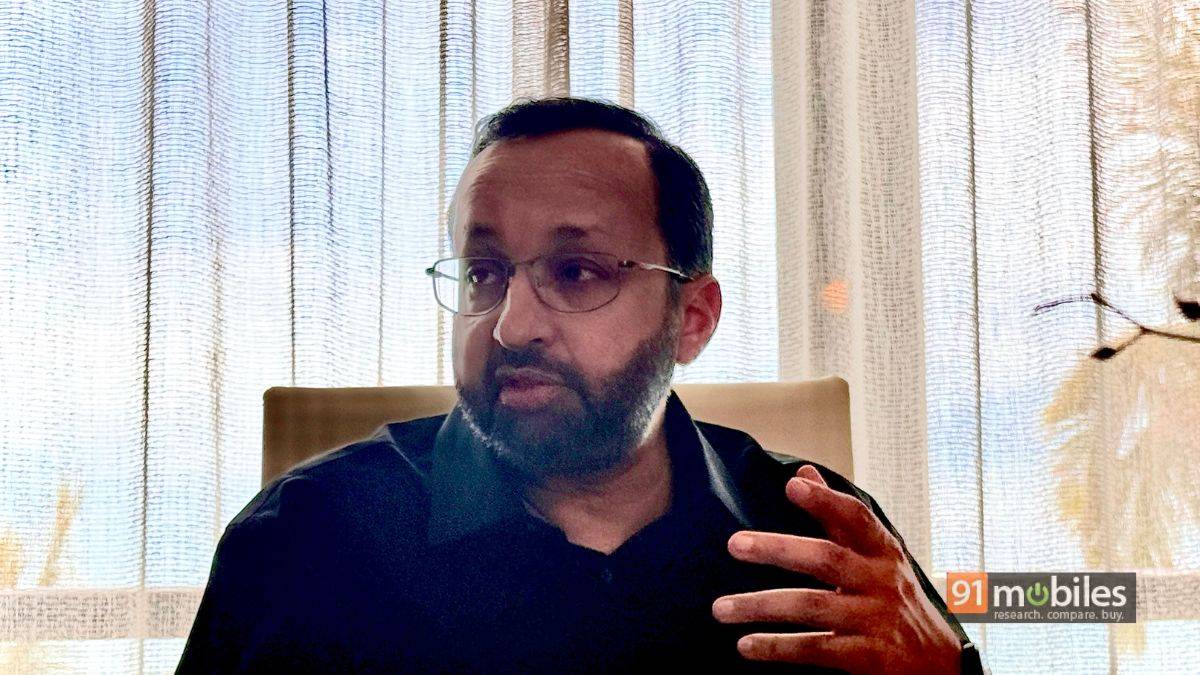
Qualcomm believes the next big shift in computing won’t happen in your pocket. On the sidelines of the recent Snapdragon Summit 2026 in Hawaii, we spoke with Ziad Asghar, SVP & GM of XR and Wearables. The discussion revolved around why the company is betting on smart glasses and other new wearables, and how it plans to tackle the concerns around privacy, battery life, and design.
A platform shift
Asghar framed it as the next platform shift: from PCs to mobile, and now to spatial computing. His argument is that agentic AI works best when it can see what you see and hear what you hear. His example was scheduling dinner with a friend, a task that today means hopping between Maps, messages, a calendar, and a booking app, but which an agent with enough context and memory could handle on its own.
Everything from earbuds to AR glasses


Qualcomm’s Snapdragon Sound platform covers earbuds, Wear Elite handles watches and pins, and the AR line powers camera-equipped glasses, with the same tech already inside the Ray-Ban Meta glasses. The company says it has around 40 products in the pipeline with partners that aren’t traditional phone makers, including giants like Baidu and Alibaba. In India, it has already launched glasses with Lenskart.
Why Humane failed, and what’s different now
Asked about the Humane AI Pin, Asghar said the form factor was decent but the execution wasn’t, pointing to response times of around 10 seconds when human attention spans are closer to one or two. His view is that glasses will only work if the agentic experience is fast and reliable, or users will simply go back to their phones. He also stressed that glasses are a fashion product first, which means variety in styles, low weight, and multiple price tiers, from audio-only pairs to ones with full displays.
Privacy and battery, the two hard questions


On privacy, Asghar said Qualcomm’s approach is to process as much as possible on the device so images never leave it, and to use an always-sensing camera that detects and blurs faces in saved images without identifying anyone. OEMs, he added, are building in cues like recording lights.
Regarding the all-important battery, he said that current glasses manage around three to four hours of heavy use, but argued that phones followed the same path, with efficiency improving generation after generation.
A companion, not a replacement
Asghar was clear that glasses won’t replace the phone, much as mobile didn’t kill the PC. Instead, he sees a hybrid setup where simple tasks run on the glasses or phone, heavier reasoning goes to the cloud, and the right device or agent is picked for each job. Asked what comes next for India beyond Lenskart, he was tight-lipped and mentioned that Qualcomm is working with other partners.
Disclosure: this writer attended the Snapdragon Summit on Qualcomm India’s invitation