
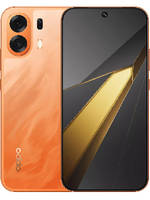
Lava Agni 3 5G
+ Compare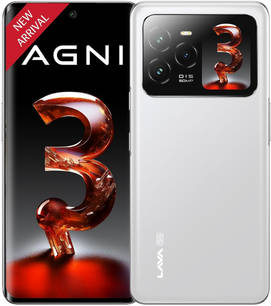
-
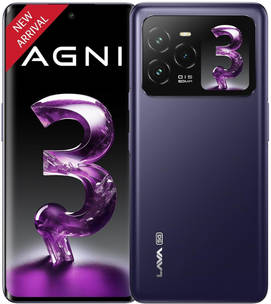
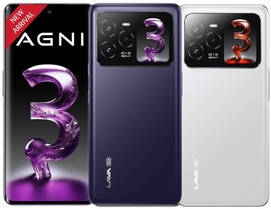
Design10

-
Rear Camera15

-
Front Camera4

-
360° View
![360° View]()
-
UI Screenshot16
![UI Screenshot]()
-
Videos1
![Videos]()



Key Specs
Performance
-
MediaTek Dimensity 7300X -
Octa core (2.5 GHz, Quad Core + 2 GHz, Quad core) -
8 GB RAM, LPDDR5
Display
-
Main Display - 6.78 inches (17.22 cm); AMOLED (Curved Display)
- 1200x2652 px
- 120 Hz Refresh Rate
- Bezel-less with punch-hole display
-
Cover Display - 1.74 inches (4.42 cm); AMOLED
- 336x480 px
Rear Camera
-
Triple Camera Setup - 50 MP (upto 3x Digital Zoom) Wide Angle Primary Camera
- 8 MP Ultra-Wide Angle Camera
- 8 MP Telephoto (upto 30x Digital Zoom, upto 3x Optical Zoom) Camera
-
Dual LED Flash -
4k @30 fps Video Recording
Front Camera
-
16 MP Wide Angle Lens -
Screen flash -
Full HD @30 fps Video Recording
Battery
-
5000 mAh, Li-Polymer -
66W Fast Charging; USB Type-C port
General
-
SIM1: Nano, SIM2: Nano -
5G Supported -
128 GB / 256 GB internal storage, Non Expandable -
Dust Resistant, Water Resistant
Lava Agni 3 5G Prices in India
 Flipkart
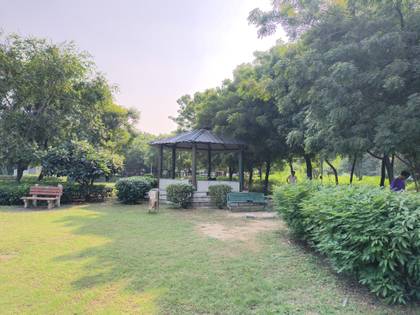
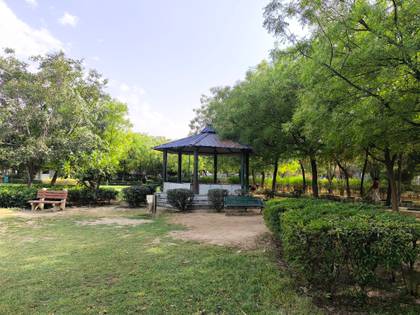
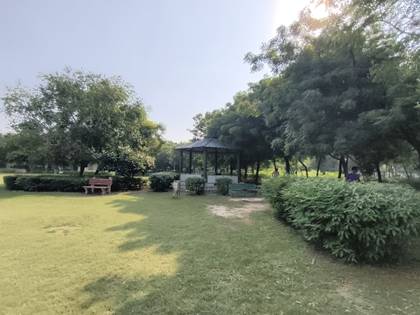
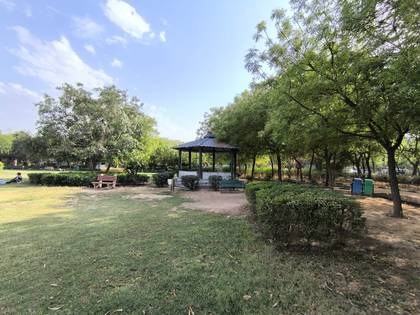
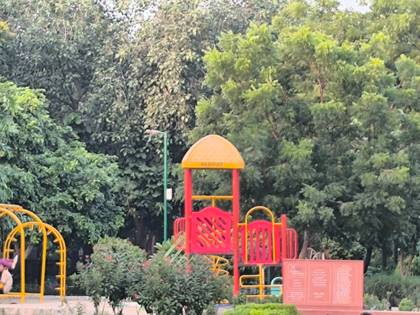
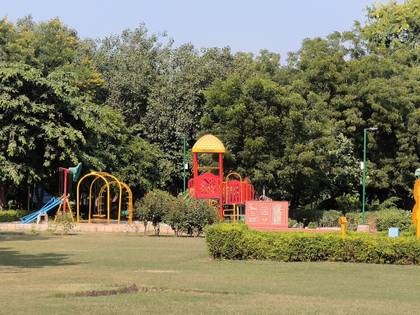
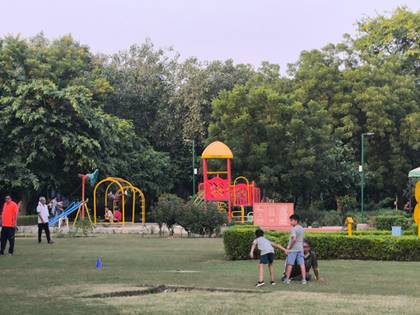
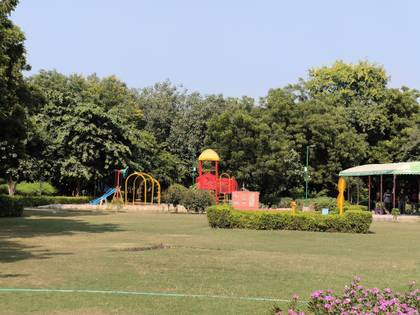
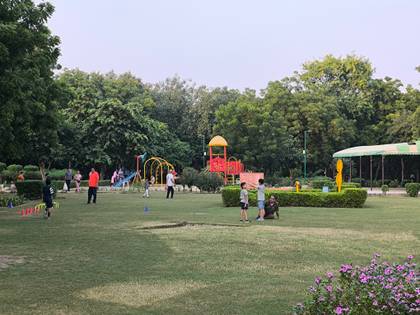
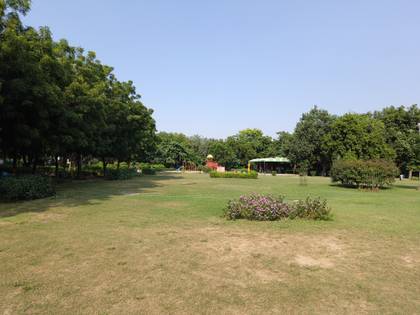
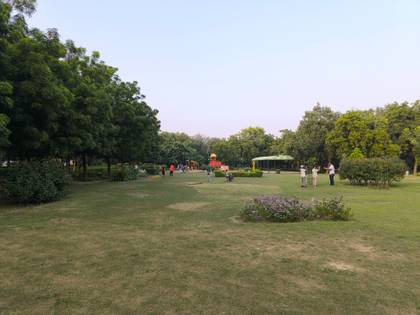
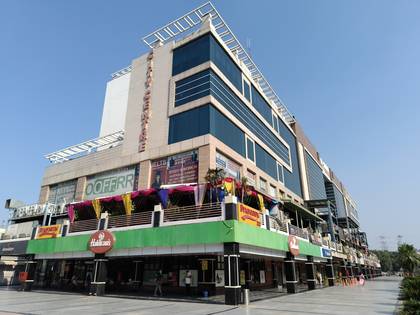
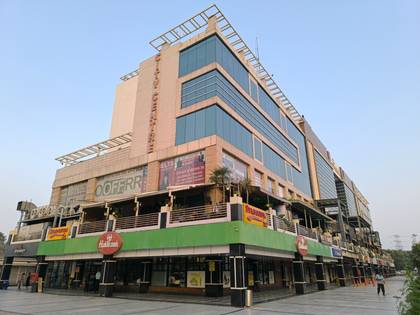
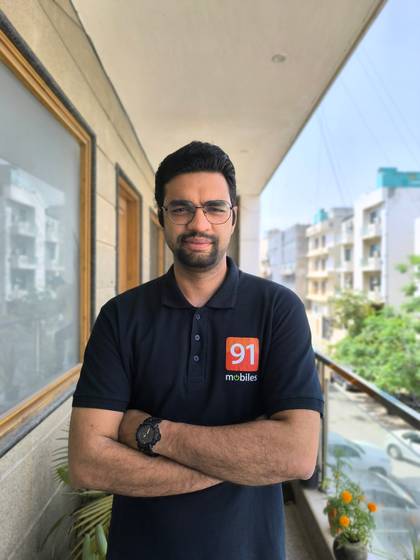
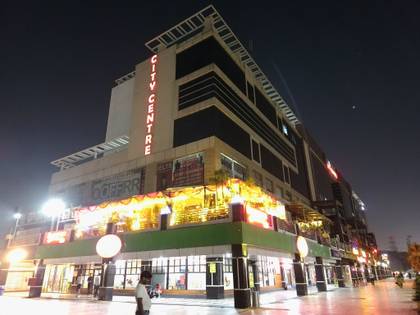
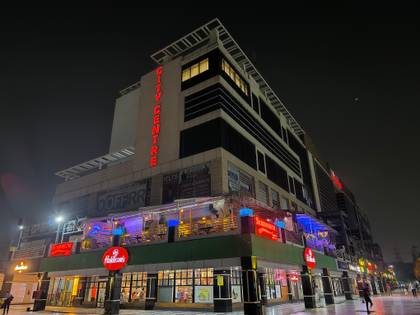
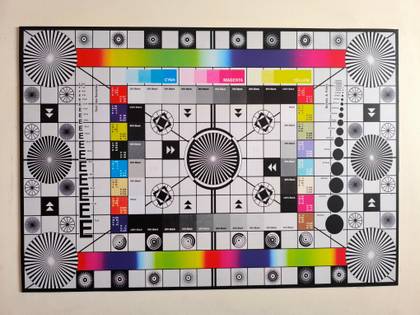
Lava Agni 3 5G Compare Camera Samples














Lava Agni 3 5G Expert Review Summary
Expert Rating:
![Ashish Kumar]()
Verdict
The Lava Agni 3 stands out for its innovative features, with the secondary screen and action key button serving as true game changers. Alongside these, the phone provides reliable everyday performance, a clean, bloat-free UI, a satisfying viewing experience, and respectable battery life. However, the Lava Agni 3's cameras may leave you wanting more.
Pros
- Good design
- Innovative secondary screen & action button
- Clean, bloat-free UI
- Respectable overall performance
Cons
- Underwhelming cameras
- Display brightness could have been better
Design and display displays
+
The Lava Agni 3 features a design similar to many other smartphones, yet it manages to stand out thanks to its unique Action Key and InstaScreen features. Inspired by the iPhone, Lava has introduced a third button, which is placed alongside the volume and power keys. Called the Action Key, it's dedicated to quick actions / controls. The Agni 3's Action Key can be customised to a bunch of shortcuts like capturing screenshots, flash, SOS, recording, and toggling between silent/ ring modes, which can be mapped to a single click, double clicks, and long press. This enhances the device's usability by providing faster, more convenient access to key functions compared to gesture-based or accessibility features. Seeing other OEMs adopt a similar action button in their designs would be great.ThicknessWeightIP RatingLava Agni 38.8mm212 gramsIP64Realme P2 Pro8.21mm180 gramsIP65Motorola Edge 50 Fusion7.9mm174.9 gramsIP68Nothing Phone (2a)8.5mm190 gramsIP54
Read More
Cameras
+
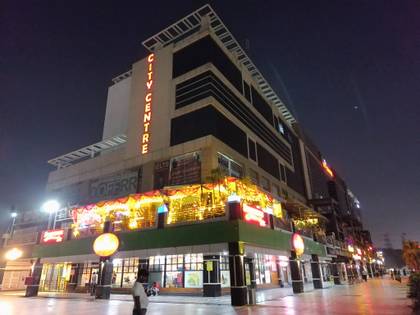
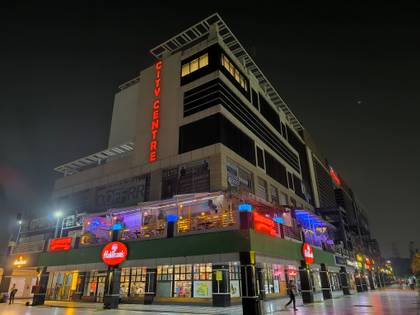
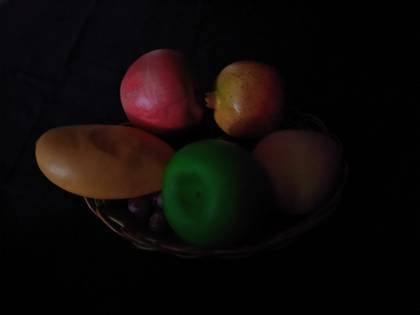
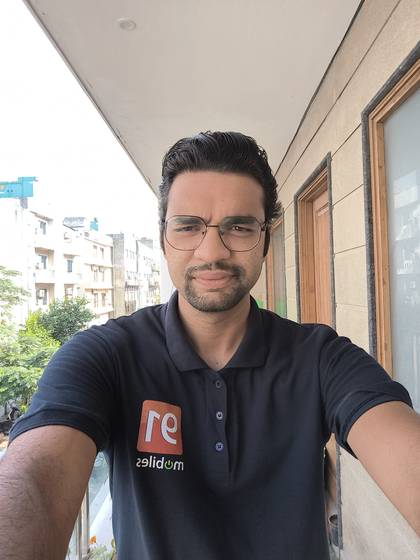
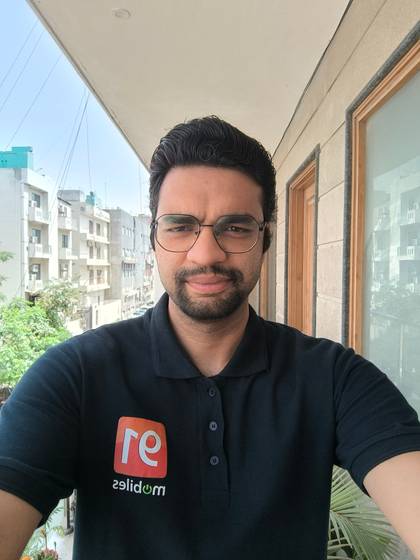
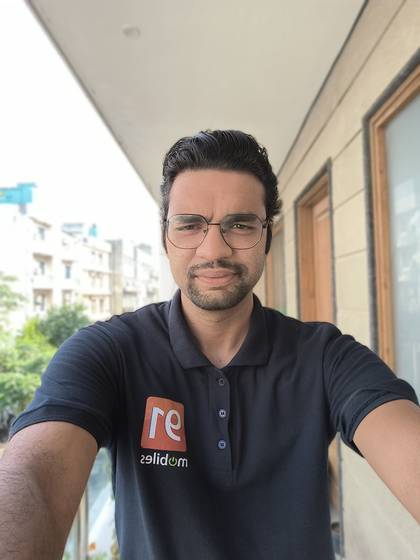
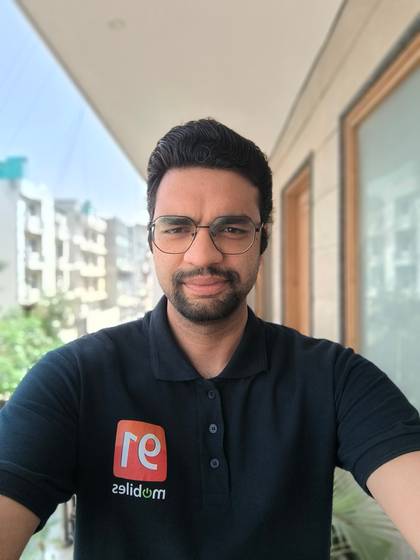
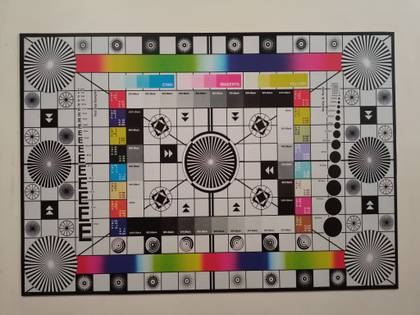
The Lava Agni 3 boasts a triple camera setup comprising a 50MP primary unit, an 8MP ultrawide unit, and an 8MP telephoto lens. While the first two are fairly standard for the price range, the inclusion of the 8MP telephoto lens is a notable addition, offering something new for this segment. The lens offers up to 3x optical zoom and 30x digital zoom. The quality is likeable for the price, especially in well-lit environments. The lens gets the colours almost right but fails to capture finer details, preserve shadows, and maintain highlights. This has been our general observation of the Lava Agni 3 cameras.To provide you with a clearer perspective, we have compared the camera performance of the Lava Agni 3 with that of its main competitors: the Realme P2 Pro, Nothing Phone (2a), and Motorola Edge 50 Fusion. However, before we delve into that, it's worth noting that while the Lava smartphone has a 16MP front-facing camera, you can also use the secondary screen to take selfies from the primary rear-facing camera. The results look something like this...The rear screen camera app captures images in a 1:1 aspect ratio by default. You can change this to 3:4 by tapping the arrow at the top of the screen. The result is more detailed and better looking than the front camera.DaylightThe Lava Agni 3's primary camera falls short in clarity and sharpness compared to its rivals. Competitors like the Motorola Edge 50 Fusion, Realme P2 Pro, and Nothing Phone (2a) deliver noticeably better image quality. While the Lava's colour saturation matches the Realme P2 Pro, the latter excels with sharper details and a superior dynamic range. However, the Motorola Edge 50 Fusion stands out the most, offering oversaturated yet vibrant images likely to appeal to social media enthusiasts.UltrawideThe Lava Agni 3 ultrawide images also appear unappealing. The handset is nearly accurate with its colour science, but the level of detail leaves much to be desired. Unlike its competitors, which typically show distortion at the edges, this handset exhibits noticeable warping across the entire frame, further diminishing the overall image quality. While the Nothing Phone (2a) outshines all capturing those finer details in the landscape, it is the Motorola Edge 50 Fusion that delivers eye-catching images with boosted colours.PortraitsThe Lava Agni 3 and its competitors struggle with precise edge detection in portrait shots, often showing warping around the subject's edges. However, the Realme P2 Pro delivers more appealing results, avoiding the oversaturated colours of the Motorola Edge 50 Fusion and the excessive smoothing seen in the Lava Agni 3 and Nothing Phone (2a). The Realme P2 Pro also achieves near-accurate skin tones, enhancing the overall quality of its portraits.SelfiesThe Lava Agni 3's front-facing camera tends to overexpose images, making areas of the face exposed to sunlight look washed out, as evident in the image above. In contrast, competitors like Nothing Phone (2a) manage light more effectively, delivering superior facial details and more realistic skin tones. For those seeking better facial detail with a touch of oversaturation, the Motorola Edge 50 Fusion would be a more suitable option.Night modeThe Lava Agni 3 captures long exposure images by default in low light, keeping the shutter open longer to gather more light. While this results in brighter images, as seen in the sample above, they tend to be much grainier compared to their competitors. The Realme P2 Pro impresses by better controlling light flare and delivering a more realistic image than the Motorola Edge 50 Fusion and Nothing Phone (2a). Though the Lava Agni 3's brightness may appeal to some, its overall image quality falls short in comparison.
Read More
Performance and software
+
The Lava Agni 3 is powered by MediaTek Dimensity 7300X SoC, which is specifically designed for dual-screen phones. That said, the core specs of the SoC are pretty much the same as the regular Dimensity 7300. The Lava smartphone is available in a couple of RAM and storage variants: 8GB + 128GB and 8GB + 256GB. While the RAM is expandable up to 8GB using a portion of the phone's storage, you should know that there is no microSD card slot available.The Lava Agni 3's synthetic benchmark performance is on par with other Dimensity 7300-powered smartphones. The handset achieved 6,76,483 on AnTuTu, whereas its Geekbench scores are 1,041 on the single-core and 3,239 on the multi-core tests. Moreover, the phone performs at 74.6 percent of its peak performance on the Burnout CPU Throttle test. These scores are not best in class, but they are respectable for the price. The real-world performance is also similar.The handset is not the most powerful smartphone within the segment, but it performs seamlessly without any lags or awkward app crash/ freeze issues. The Lava Agni 3 also handles graphically demanding games like BGMI smoothly, supporting HDR graphics with an Ultra frame rate. It delivered an average frame rate of 36.12 FPS, with a temperature increase of 7.9 degrees Celsius after 30 minutes of gameplay. With Call of Duty, you can expect better FPS (54.6) with High graphics and Max frame rate settings. Real Racing 3 is better optimised for the device, offering a 107.55 and 5.6-degree Celsius increase in temperature after half an hour. This thermal efficiency ensures decent performance for most day-to-day tasks.Software-wise, the Lava Agni 3 runs Android 14 OS out of the box. The UI is closer to stock Android, with 31 proprietary Google and Lava apps pre-installed. There are no third-party apps or ads on the device, which makes the overall experience very user-friendly. The company has ensured three years of major software and four years of security updates for the smartphone.Pre-installed appsOS updatesLava Agni 3313 years major + 4 years securityRealme P2 Pro642 years major + 3 years securityMotorola Edge 50 Fusion353 years major + 4 years securityNothing Phone (2a)303 years major + 4 years security
Read More
Battery and charging
+
The Lava Agni 3 packs a 5,000mAh battery, backed by a 66W fast charging solution. A compatible charger is provided in the box, which juices up the device from 20 to 100 percent in roughly 43 minutes. A full charge provided 10 hours and 20 minutes of screen time on the PCMark battery test with 20 percent juice still left in the tank. The video streaming test also yielded decent results, consuming just 4 percent of battery after half an hour on the smartphone. As for gaming, the Agni 3 battery depleted by 21 degrees on aggregate with 30 minutes of BGMI, Call of Duty, and Real Racing 3, which is slightly higher than some of its competitors.Charging speedCharging time (20-100 percent)Lava Agni 366W43 minutesRealme P2 Pro80W36 minutesMotorola Edge 50 Fusion68W36 minutesNothing Phone (2a)45W56 minutes
Read More
Read full Review

Verdict
The Lava Agni 3 stands out for its innovative features, with the secondary screen and action key button serving as true game changers. Alongside these, the phone provides reliable everyday performance, a clean, bloat-free UI, a satisfying viewing experience, and respectable battery life. However, the Lava Agni 3's cameras may leave you wanting more.
- Good design
- Innovative secondary screen & action button
- Clean, bloat-free UI
- Respectable overall performance
Pros
- Underwhelming cameras
- Display brightness could have been better
Cons
Design and display displays
+The Lava Agni 3 features a design similar to many other smartphones, yet it manages to stand out thanks to its unique Action Key and InstaScreen features. Inspired by the iPhone, Lava has introduced a third button, which is placed alongside the volume and power keys. Called the Action Key, it's dedicated to quick actions / controls. The Agni 3's Action Key can be customised to a bunch of shortcuts like capturing screenshots, flash, SOS, recording, and toggling between silent/ ring modes, which can be mapped to a single click, double clicks, and long press. This enhances the device's usability by providing faster, more convenient access to key functions compared to gesture-based or accessibility features. Seeing other OEMs adopt a similar action button in their designs would be great.ThicknessWeightIP RatingLava Agni 38.8mm212 gramsIP64Realme P2 Pro8.21mm180 gramsIP65Motorola Edge 50 Fusion7.9mm174.9 gramsIP68Nothing Phone (2a)8.5mm190 gramsIP54
Read MoreCameras
+The Lava Agni 3 boasts a triple camera setup comprising a 50MP primary unit, an 8MP ultrawide unit, and an 8MP telephoto lens. While the first two are fairly standard for the price range, the inclusion of the 8MP telephoto lens is a notable addition, offering something new for this segment. The lens offers up to 3x optical zoom and 30x digital zoom. The quality is likeable for the price, especially in well-lit environments. The lens gets the colours almost right but fails to capture finer details, preserve shadows, and maintain highlights. This has been our general observation of the Lava Agni 3 cameras.To provide you with a clearer perspective, we have compared the camera performance of the Lava Agni 3 with that of its main competitors: the Realme P2 Pro, Nothing Phone (2a), and Motorola Edge 50 Fusion. However, before we delve into that, it's worth noting that while the Lava smartphone has a 16MP front-facing camera, you can also use the secondary screen to take selfies from the primary rear-facing camera. The results look something like this...The rear screen camera app captures images in a 1:1 aspect ratio by default. You can change this to 3:4 by tapping the arrow at the top of the screen. The result is more detailed and better looking than the front camera.DaylightThe Lava Agni 3's primary camera falls short in clarity and sharpness compared to its rivals. Competitors like the Motorola Edge 50 Fusion, Realme P2 Pro, and Nothing Phone (2a) deliver noticeably better image quality. While the Lava's colour saturation matches the Realme P2 Pro, the latter excels with sharper details and a superior dynamic range. However, the Motorola Edge 50 Fusion stands out the most, offering oversaturated yet vibrant images likely to appeal to social media enthusiasts.UltrawideThe Lava Agni 3 ultrawide images also appear unappealing. The handset is nearly accurate with its colour science, but the level of detail leaves much to be desired. Unlike its competitors, which typically show distortion at the edges, this handset exhibits noticeable warping across the entire frame, further diminishing the overall image quality. While the Nothing Phone (2a) outshines all capturing those finer details in the landscape, it is the Motorola Edge 50 Fusion that delivers eye-catching images with boosted colours.PortraitsThe Lava Agni 3 and its competitors struggle with precise edge detection in portrait shots, often showing warping around the subject's edges. However, the Realme P2 Pro delivers more appealing results, avoiding the oversaturated colours of the Motorola Edge 50 Fusion and the excessive smoothing seen in the Lava Agni 3 and Nothing Phone (2a). The Realme P2 Pro also achieves near-accurate skin tones, enhancing the overall quality of its portraits.SelfiesThe Lava Agni 3's front-facing camera tends to overexpose images, making areas of the face exposed to sunlight look washed out, as evident in the image above. In contrast, competitors like Nothing Phone (2a) manage light more effectively, delivering superior facial details and more realistic skin tones. For those seeking better facial detail with a touch of oversaturation, the Motorola Edge 50 Fusion would be a more suitable option.Night modeThe Lava Agni 3 captures long exposure images by default in low light, keeping the shutter open longer to gather more light. While this results in brighter images, as seen in the sample above, they tend to be much grainier compared to their competitors. The Realme P2 Pro impresses by better controlling light flare and delivering a more realistic image than the Motorola Edge 50 Fusion and Nothing Phone (2a). Though the Lava Agni 3's brightness may appeal to some, its overall image quality falls short in comparison.
Read MorePerformance and software
+The Lava Agni 3 is powered by MediaTek Dimensity 7300X SoC, which is specifically designed for dual-screen phones. That said, the core specs of the SoC are pretty much the same as the regular Dimensity 7300. The Lava smartphone is available in a couple of RAM and storage variants: 8GB + 128GB and 8GB + 256GB. While the RAM is expandable up to 8GB using a portion of the phone's storage, you should know that there is no microSD card slot available.The Lava Agni 3's synthetic benchmark performance is on par with other Dimensity 7300-powered smartphones. The handset achieved 6,76,483 on AnTuTu, whereas its Geekbench scores are 1,041 on the single-core and 3,239 on the multi-core tests. Moreover, the phone performs at 74.6 percent of its peak performance on the Burnout CPU Throttle test. These scores are not best in class, but they are respectable for the price. The real-world performance is also similar.The handset is not the most powerful smartphone within the segment, but it performs seamlessly without any lags or awkward app crash/ freeze issues. The Lava Agni 3 also handles graphically demanding games like BGMI smoothly, supporting HDR graphics with an Ultra frame rate. It delivered an average frame rate of 36.12 FPS, with a temperature increase of 7.9 degrees Celsius after 30 minutes of gameplay. With Call of Duty, you can expect better FPS (54.6) with High graphics and Max frame rate settings. Real Racing 3 is better optimised for the device, offering a 107.55 and 5.6-degree Celsius increase in temperature after half an hour. This thermal efficiency ensures decent performance for most day-to-day tasks.Software-wise, the Lava Agni 3 runs Android 14 OS out of the box. The UI is closer to stock Android, with 31 proprietary Google and Lava apps pre-installed. There are no third-party apps or ads on the device, which makes the overall experience very user-friendly. The company has ensured three years of major software and four years of security updates for the smartphone.Pre-installed appsOS updatesLava Agni 3313 years major + 4 years securityRealme P2 Pro642 years major + 3 years securityMotorola Edge 50 Fusion353 years major + 4 years securityNothing Phone (2a)303 years major + 4 years security
Read MoreBattery and charging
+The Lava Agni 3 packs a 5,000mAh battery, backed by a 66W fast charging solution. A compatible charger is provided in the box, which juices up the device from 20 to 100 percent in roughly 43 minutes. A full charge provided 10 hours and 20 minutes of screen time on the PCMark battery test with 20 percent juice still left in the tank. The video streaming test also yielded decent results, consuming just 4 percent of battery after half an hour on the smartphone. As for gaming, the Agni 3 battery depleted by 21 degrees on aggregate with 30 minutes of BGMI, Call of Duty, and Real Racing 3, which is slightly higher than some of its competitors.Charging speedCharging time (20-100 percent)Lava Agni 366W43 minutesRealme P2 Pro80W36 minutesMotorola Edge 50 Fusion68W36 minutesNothing Phone (2a)45W56 minutes
Read MoreCompetitors For Lava Agni 3 5G
View Alternatives






Popular Comparisons
 Lava Agni 3 5G
 Lava Blaze Duo
Lava Agni 3 5G
Lava Blaze Duo
Lava Agni 3 5G
 Motorola Edge 50 Fusion
Lava Agni 3 5G
Motorola Edge 50 Fusion
Lava Agni 3 5G
 Lava Agni 2 5G
Lava Agni 3 5G
Lava Agni 2 5G
Lava Agni 3 5G
 Motorola Edge 50 Neo
Lava Agni 3 5G
Motorola Edge 50 Neo
Lava Agni 3 5G
 iQOO Z9s
Lava Agni 3 5G
iQOO Z9s
Lava Agni 3 5G
 Motorola Edge 50 Pro 5G

Lava Agni 3 5G Specifications
General |
|
|---|---|
| Launch Date | October 4, 2024 (Official) |
| Operating System | Android v14 |
| OS Updates | 3 Years |
| Security Updates | 4 Years |
Performance
(Very Good)
|
||||||
|---|---|---|---|---|---|---|
| Chipset | MediaTek Dimensity 7300X View Details | |||||
| Processor | Octa core (2.5 GHz, Quad core, Cortex A78 + 2 GHz, Quad core, Cortex A55) | |||||
| Architecture | 64 bit | |||||
| Fabrication | 4 nm | |||||
| Graphics (GPU) | Mali-G615 MC2 | |||||
| RAM | 8 GB | |||||
| RAM Type | LPDDR5 | |||||
| Cooling Technology | Hybrid Cooling System | |||||
|
Gaming Test Results

* after 30 mins of gaming
|
||||||
Benchmark Screenshots
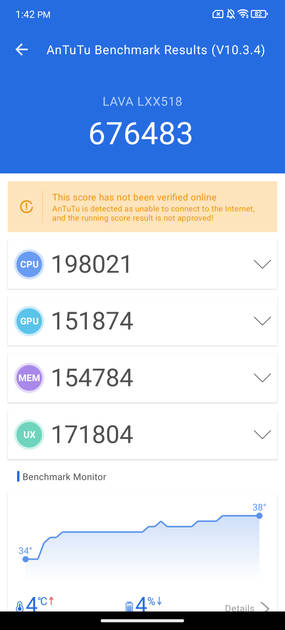
AnTuTu Benchmark
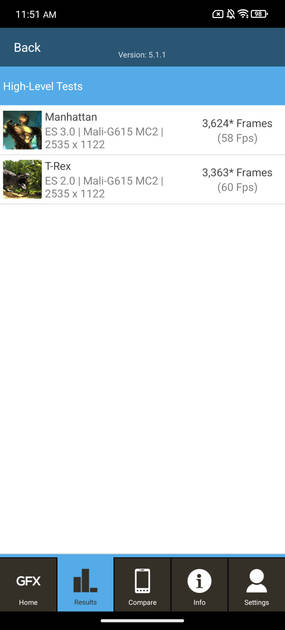
Graphics Benchmark
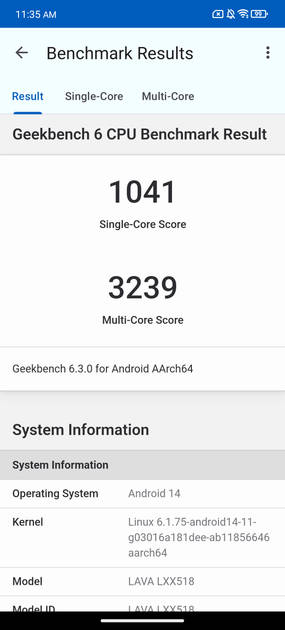
Geekbench6 Benchmark
|

Display
(Excellent)
|
||||||
|---|---|---|---|---|---|---|
| Main Display | ||||||
| Display Type | AMOLED (Curved Display) | |||||
| Screen Size | 6.78 inches (17.22 cm) | |||||
| Resolution | 1200x2652 px | |||||
| Peak Brightness | 1200 nits | |||||
| Refresh Rate | 120 Hz | |||||
| Pixel Density | 429 ppi | |||||
| Screen to Body Ratio (calculated) | 89.76 % | |||||
| Bezel-less Display | Yes with punch-hole display | |||||
| HDR 10 / HDR+ Support | Yes | |||||
| Screen to Body Ratio (claimed by the brand) | 90.46 % | |||||
|
Cover Display
|
Design |
|
|---|---|
| Height | 163.7 mm |
| Width | 75.53 mm |
| Thickness | 8.8 mm |
| Weight | 212 grams |
| Water Resistance | Yes, Splash proof, IP64 |
| Ruggedness | Dust proof |
|
Click to View

|
Rear Camera
(Very Good)
|
||||||||||||||||||||||||||||||||
|---|---|---|---|---|---|---|---|---|---|---|---|---|---|---|---|---|---|---|---|---|---|---|---|---|---|---|---|---|---|---|---|---|
| Resolution | ||||||||||||||||||||||||||||||||
|
||||||||||||||||||||||||||||||||
| Autofocus | Yes | |||||||||||||||||||||||||||||||
| OIS | Yes | |||||||||||||||||||||||||||||||
| Flash | Yes, Dual LED Flash | |||||||||||||||||||||||||||||||
| Image Resolution | 8150 x 6150 Pixels | |||||||||||||||||||||||||||||||
| Settings | Exposure compensation, ISO control | |||||||||||||||||||||||||||||||
| Shooting Modes |
Continuous Shooting High Dynamic Range mode (HDR) |
|||||||||||||||||||||||||||||||
| Camera Features |
3 x Digital Zoom Auto Flash Face detection Filters Touch to focus |
|||||||||||||||||||||||||||||||
| Video Recording |
4k @30 fps Full HD @30 fps |
|||||||||||||||||||||||||||||||
| Video Recording Features |
Dual Video Recording Video Pro Mode |
|||||||||||||||||||||||||||||||
Rear Camera Samples
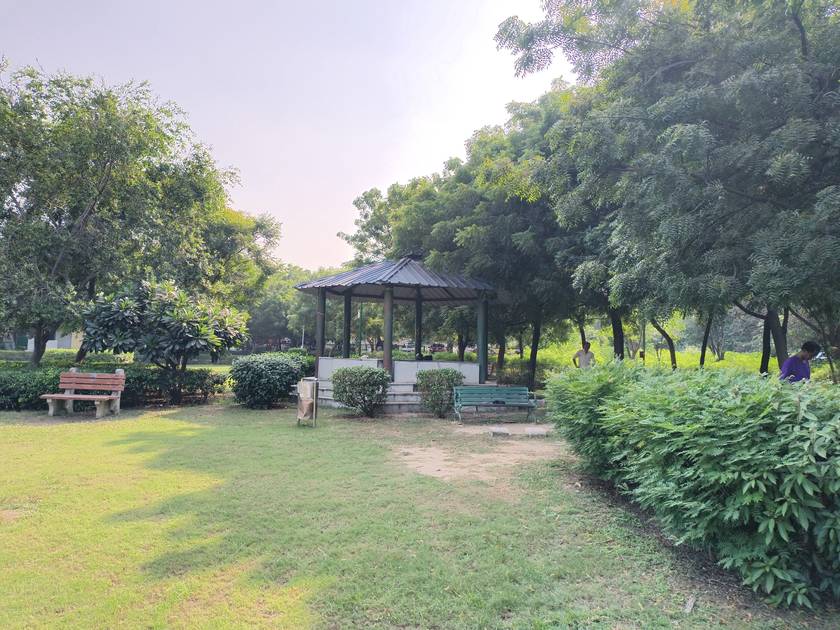
Daylight / HDR Auto
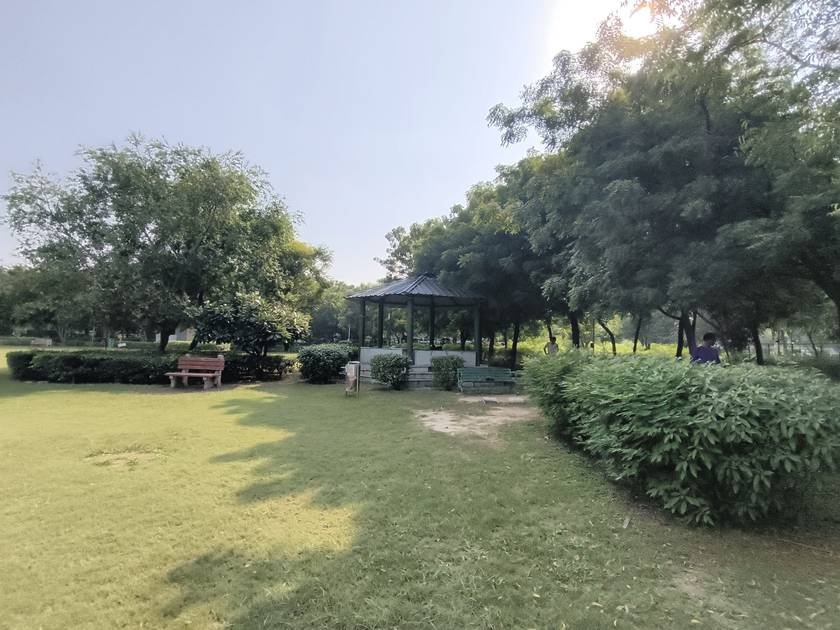
Wide Angle

Max Zoom Supported 30x

Long Shot 10X
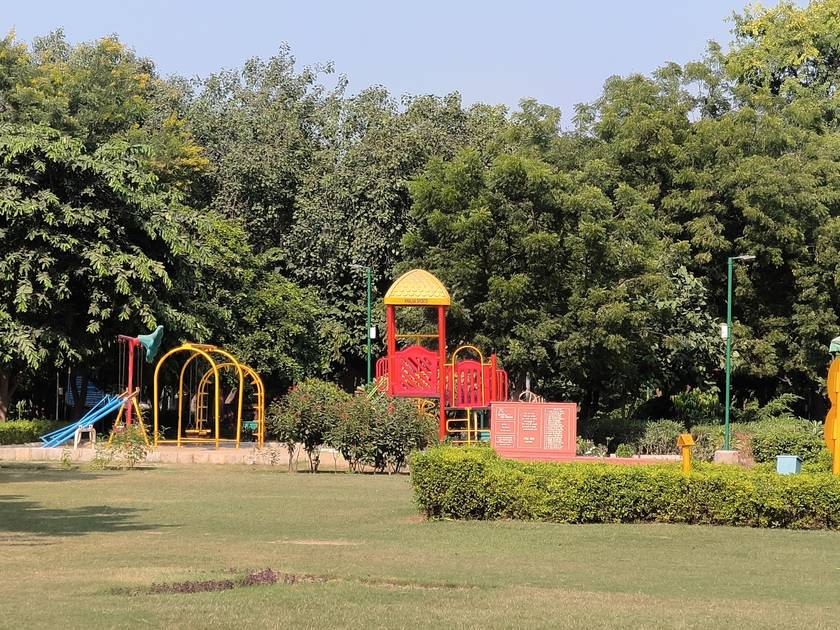
Long Shot 5X
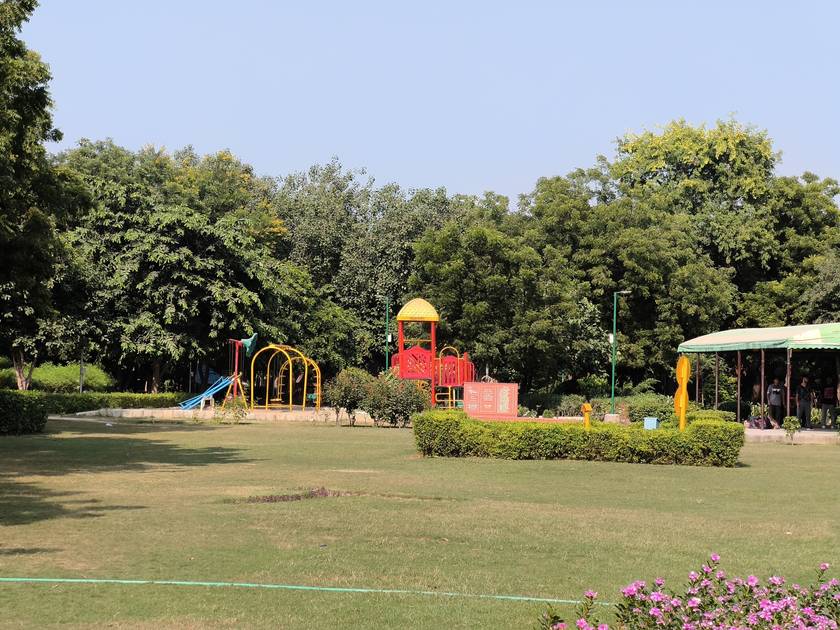
Long Shot 3X
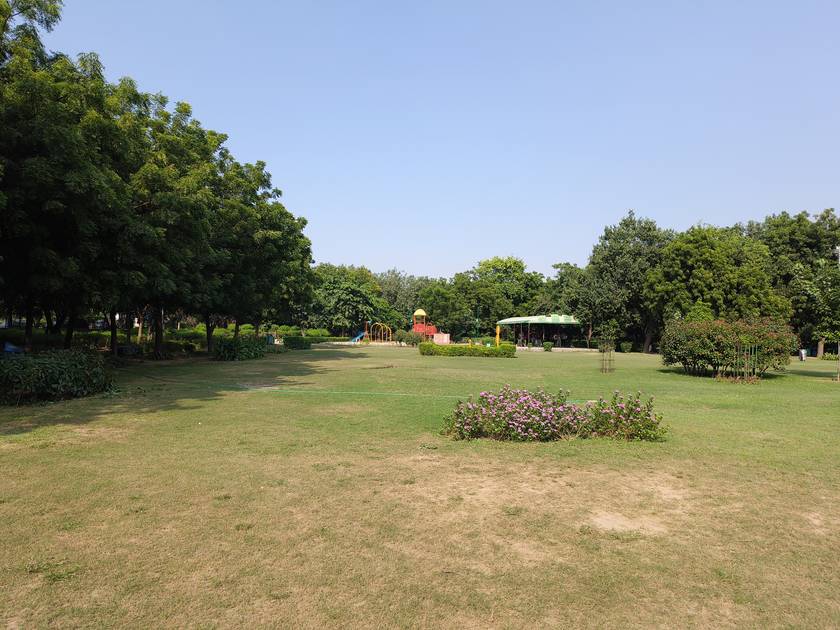
Long Shot 1X
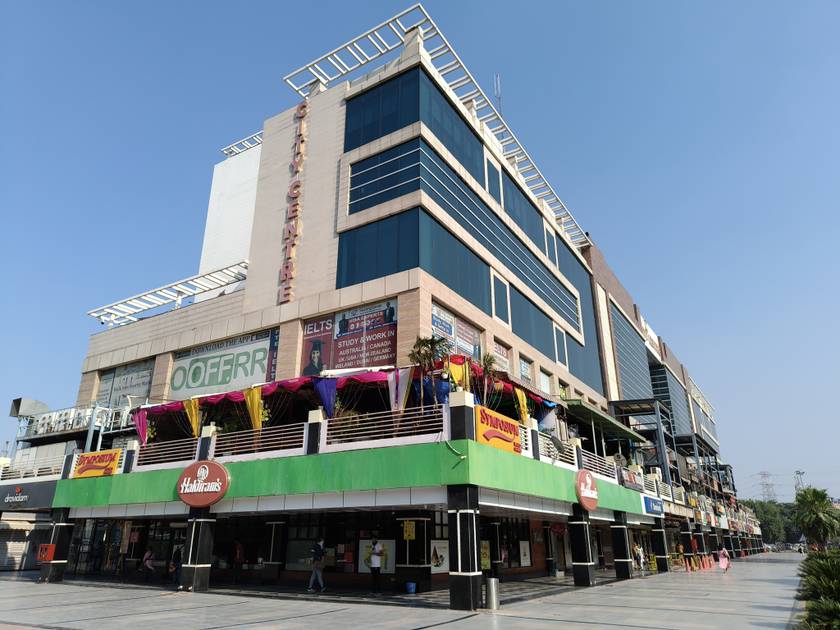
High Res
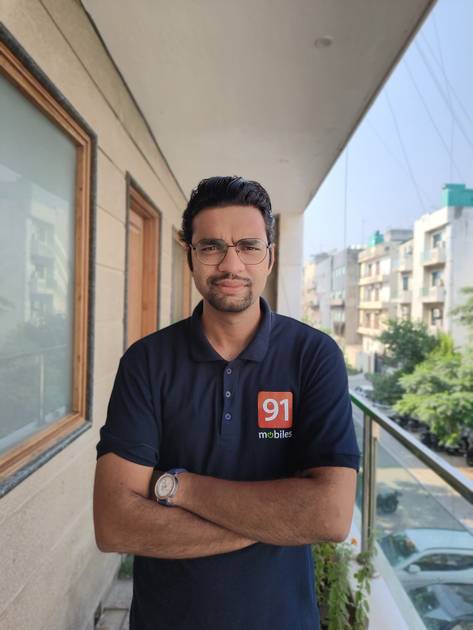
Portrait Shot
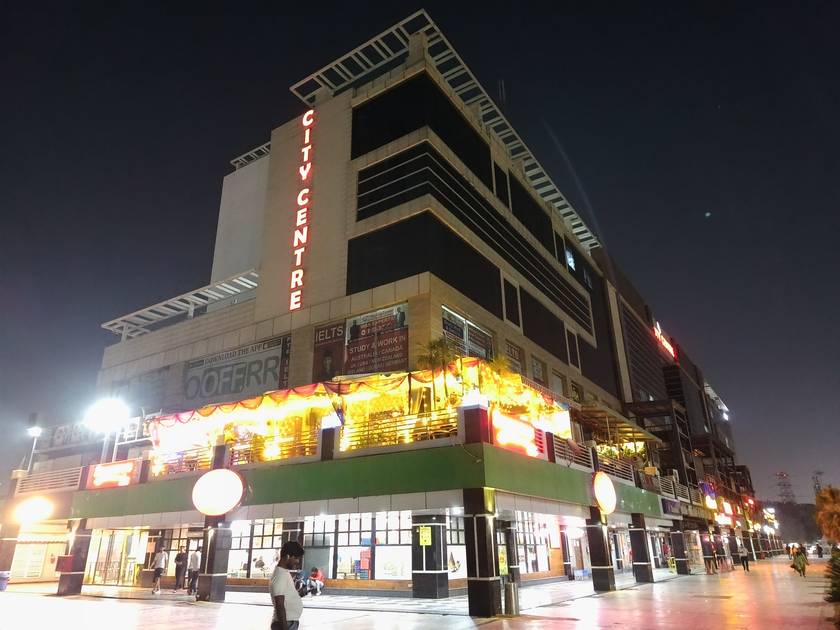
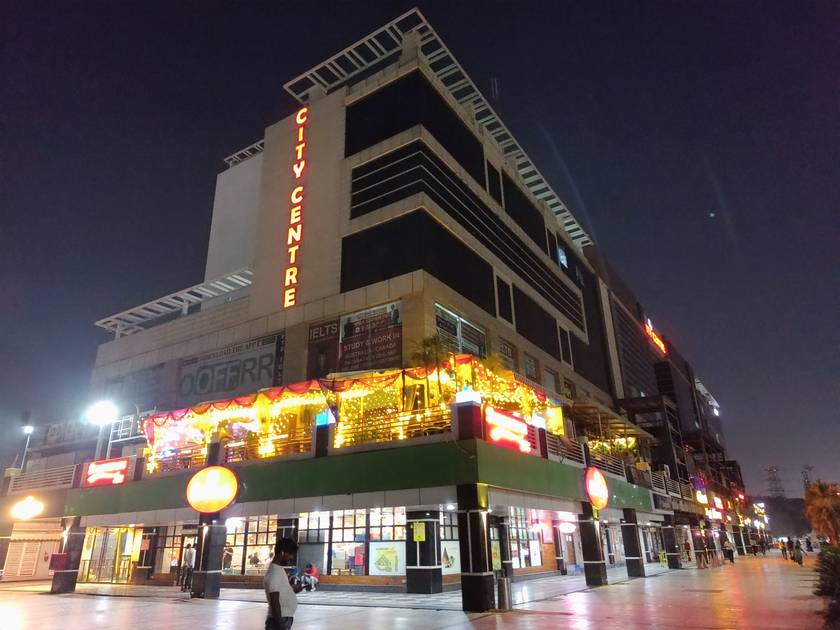
Night Mode OFF
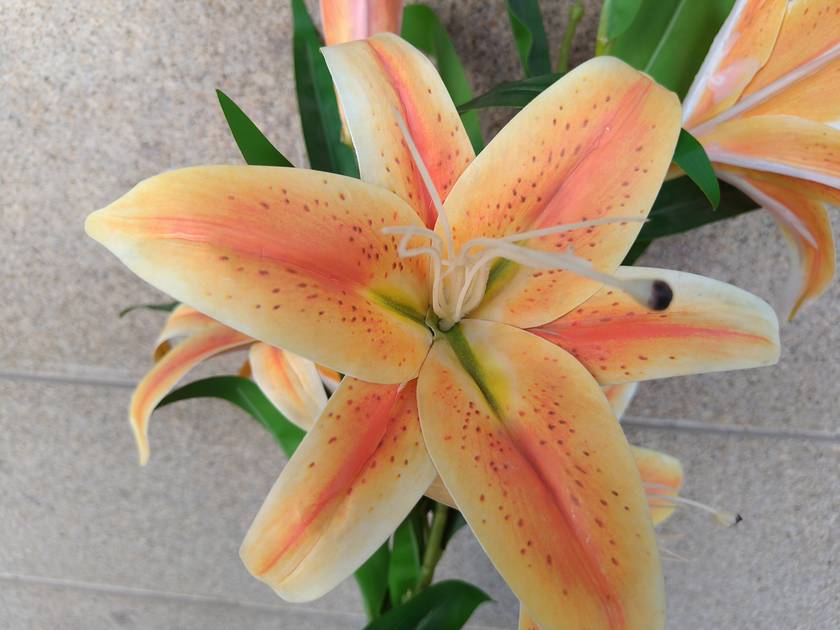
Night Mode ON
Close Up
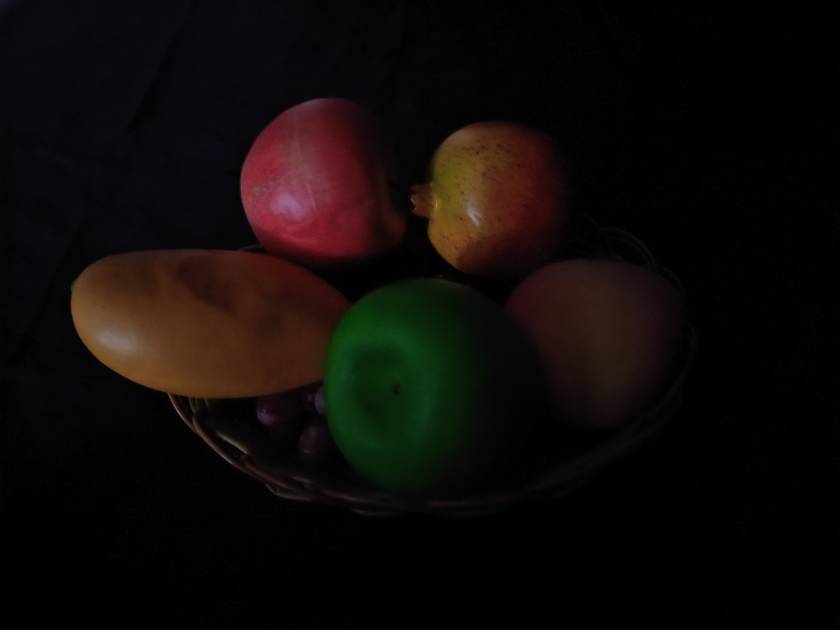
Low Light
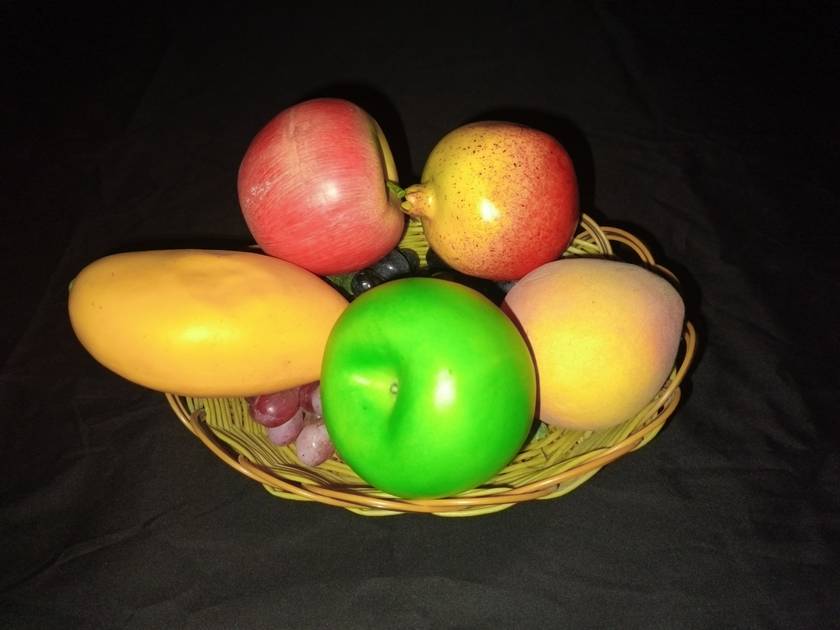
Low Light With Flash
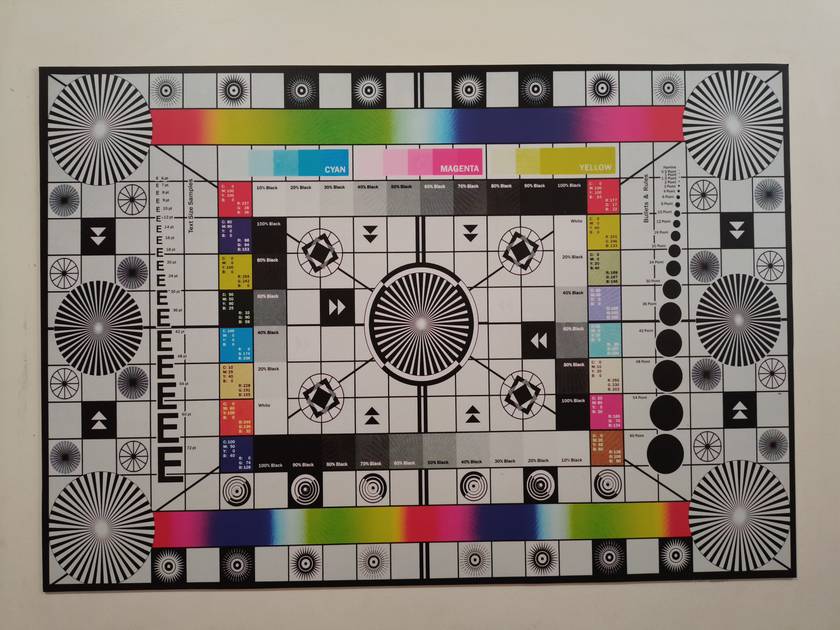
Colour Variance
|
Front Camera
(Very Good)
|
||||||||||||
|---|---|---|---|---|---|---|---|---|---|---|---|---|
| Resolution | ||||||||||||
|
||||||||||||
| Flash | Yes, Screen flash | |||||||||||
| Video Recording | Full HD @30 fps | |||||||||||
Front Camera Samples
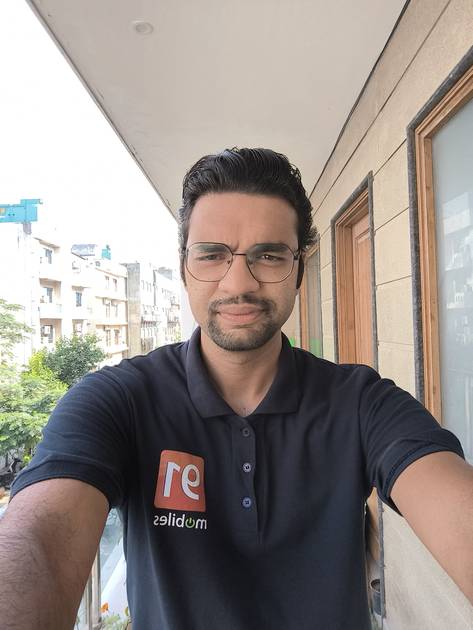
Selfie
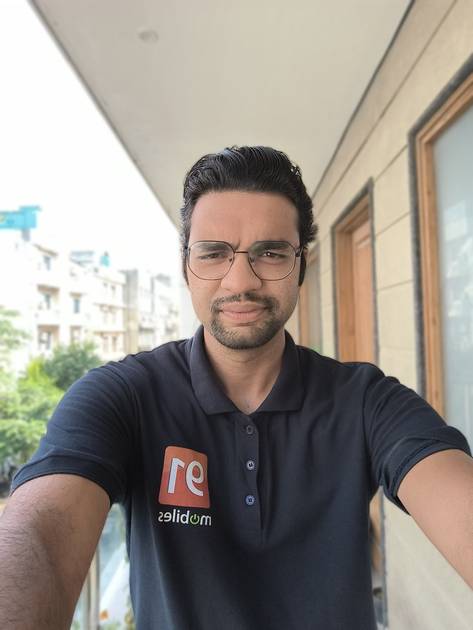
Selfie Portrait

Selfie Low Light

Selfie Low Light With Flash
|
Battery
(Very Good)
|
||||
|---|---|---|---|---|
| Capacity | 5000 mAh | |||
| Battery Type | Li-Polymer | |||
| Quick Charging | Yes, 66W Fast Charging, 50% in 19 minutes | |||
|
Battery Test Results
|
Storage |
|
|---|---|
| Internal Storage | 128 GB / 256 GB |
| Storage Type | UFS 3.1 |
| Expandable Storage | No |
Network & Connectivity |
|
|---|---|
| SIM Slot(s) | Dual SIM |
| SIM Type | SIM1: Nano, SIM2: Nano |
| Network Support | 5G, 4G |
| VoLTE | Yes |
| SIM 1 |
5G bands, 4G bands
Expand
|
| SIM 2 |
5G bands, 4G bands
Expand
|
| Wi-Fi | Yes, Wi-Fi 6E (802.11 a/b/g/n/ac/ax) 5GHz 6GHz |
| Wi-Fi Features | Mobile Hotspot |
| Bluetooth | Yes, v5.4 |
| GPS | Yes with A-GPS, Glonass |
Multimedia |
|
|---|---|
| Stereo Speakers | Yes |
| Audio Jack | USB Type-C |
| Audio Features | Dolby Atmos |
Sensors |
|
|---|---|
| Fingerprint Sensor | Yes |
| Fingerprint Sensor Position | On-screen |
| Fingerprint Sensor Type | Optical |
| Other Sensors | Light sensor, Proximity sensor, Accelerometer, Compass, Gyroscope |
Lava Agni 3 5G User Reviews
Lava Agni 3 5G Key Highlights
| Processor | MediaTek Dimensity 7300X |
| RAM & Storage | 8 GB RAM + 128 GB 8 GB RAM + 256 GB |
| Display | 6.78", 1200 x 2652 Resolution |
| Rear Camera | 50 MP + 8 MP + 8 MP |
| Front Camera | 16 MP |
| Battery | 5000 mAh |
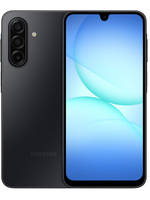




























Lava Agni 3 5G Price In India
| Product Name | Store | Price |
|---|---|---|
| Lava Agni 3 5G (8 GB + 128 GB) | Flipkart | ₹21,499 |
| Lava Agni 3 5G (8 GB + 256 GB) | Flipkart | ₹23,598 |
Popular Links
- All Upcoming Phones
- vivo V80 5G
- OPPO K14 Plus 5G
- Xiaomi Redmi Note 17 Pro 5G
- OPPO F35 Pro
- Xiaomi Redmi Note 17 Pro Max 5G
- Samsung Mobiles
- Motorola Mobiles
- vivo Mobiles
- OPPO Mobiles
- Tecno Mobiles
- realme Mobiles
- Xiaomi Mobiles