
Motorola Edge 50
+ Compare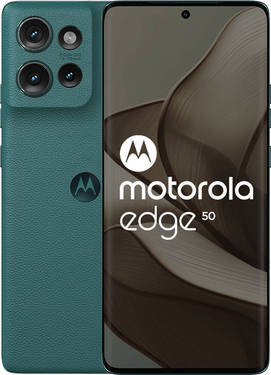












-
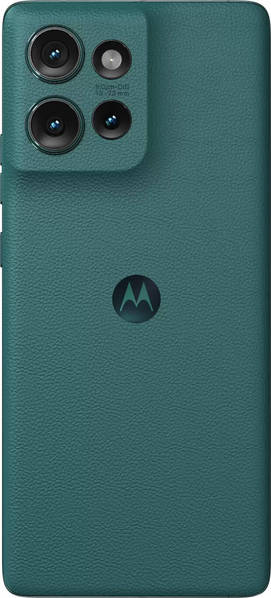
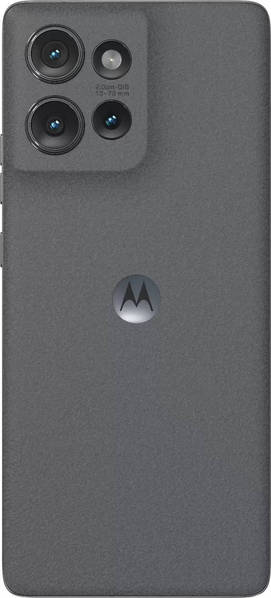
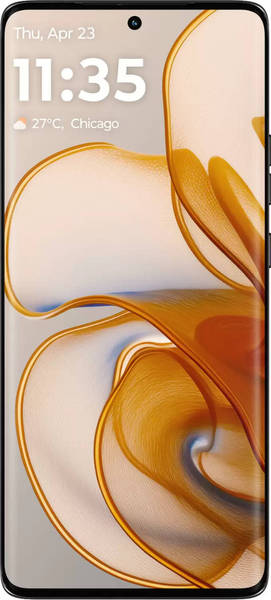
Design26

-
Rear Camera15

-
Front Camera4

-
360° View
![360° View]()
-
UI Screenshot17
![UI Screenshot]()
-
Videos1
![Videos]()



Key Specs
Performance
-
Qualcomm Snapdragon 7 Gen 1 Accelerated Edition -
Octa core (2.5 GHz, Single Core + 2.36 GHz, Tri core + 1.8 GHz, Quad core) -
8 GB RAM, LPDDR4X
Display
-
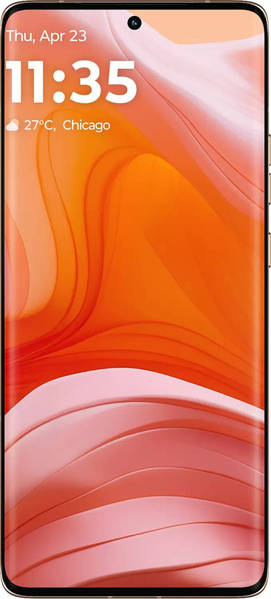
6.7 inches (17.02 cm); P-OLED (Curved Display) -
1220x2712 px (FHD+) -
120 Hz Refresh Rate -
Gorilla Glass 5 Protection -
Bezel-less with punch-hole display
Rear Camera
-
Triple Camera Setup - 50 MP (upto 10x Digital Zoom) Wide Angle Primary Camera
- 13 MP Ultra-Wide Angle Camera
- 10 MP Telephoto (upto 3x Optical Zoom) Camera
-
LED Flash -
4k @30 fps Video Recording
Front Camera
-
32 MP Wide Angle Lens -
4k @30 fps Video Recording
Battery
-
5000 mAh, Li-ion -
68W Turbo Power Charging; USB Type-C port
General
-
SIM1: Nano, SIM2: Nano -
5G Supported -
256 GB internal storage, Non Expandable -
Dust Resistant, Water Resistant
Motorola Edge 50 Prices in India
 Flipkart
Motorola Edge 50 Compare Camera Samples






































Motorola Edge 50 Expert Review Summary
Expert Rating:
![Ashish Kumar]()
Verdict
The Motorola Edge 50 is a capable device despite its shorter software support, so-so battery life, and not-so-impressive chipset. Be that as it may, the handset should appeal to anyone seeking a stylish yet durable design, versatile cameras, lovely display, fast charging speeds, and reliable performance for everyday use.
Pros
- Premium & durable design
- Excellent display
- Telephoto camera setup
Cons
- Battery life could have been better
- Only 2 major OS updates
Design and display
+
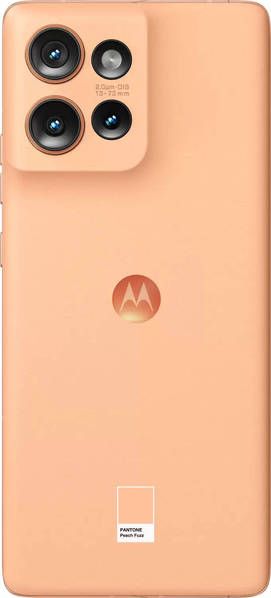
Design-wise, the Motorola Edge 50 shares the same aesthetics as the Edge 50 Fusion and Edge 50 Pro but boasts enhanced durability. Alongside its IP68 water and dust resistance, the handset is MIL-STD 810H certified, making it the first smartphone in its price range to offer military-grade durability. This certification ensures the Edge 50 can endure shocks, vibrations, accidental drops, extreme temperatures, high humidity, low altitude pressures, and more. Impressively, the smartphone achieves this durability without sacrificing sleekness or weight. Measuring just 7.79mm in thickness and weighing around 180 grams, it is easy to hold without straining your wrist. Motorola Edge 50Nothing Phone (2a) PlusRealme 13 ProThickness7.79mm8.5mm8.23mmWeight180 grams190 grams188 gramsIP ratingIP68 MIL-STD 810HIP54IP65
Read More
Cameras
+
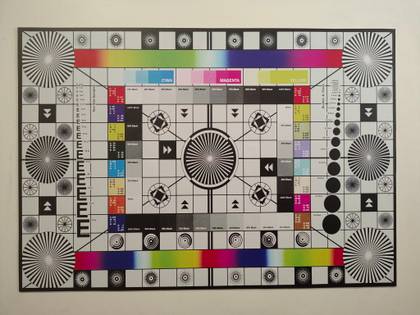
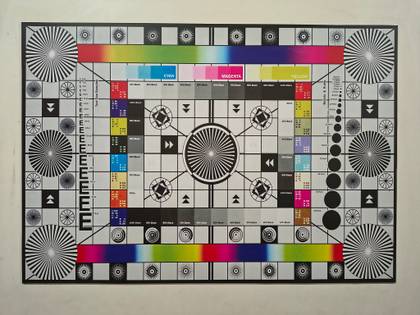
The Motorola Edge 50 is among the most affordable smartphones with a telephoto lens. The handset boasts a triple rear camera setup, comprising a 50MP OIS Sony LYT 700C primary sensor, a 13MP ultrawide lens, and a 3x 10MP telephoto lens. It is the same camera setup found on the more expensive Motorola Edge 50 Pro, except for the selfie camera where the regular Edge 50 sports a 32MP snapper instead of a 50MP. The handset's camera performance is similar to its Pro counterpart offering slightly oversaturated yet detailed photos, particularly in daylight. The sensors are also quick to focus and capture images. The 13MP ultrawide lens also doubles up as a macro shooter to click crisp images from up close. Both primary and telephoto lens come with OIS, which is further assisted by AI to capture stable images and videos.Here are a few camera samples shot from the smartphone, followed by a comparison with its close rivals Realme 13 Pro and Nothing Phone (2a) Plus:DaylightIn daylight, the Motorola Edge 50 produces images with cooler tones from its 50MP primary camera. Its competitors, the Nothing Phone (2a) Plus and the Realme 13 Pro, lean towards warmer tones, resulting in brighter and slightly sharper images. The Motorola Edge 50, meanwhile tends to underexpose shadowy areas. Among the three, the Realme 13 Pro excels in dynamic range, but the Nothing Phone (2a) Plus offers more visually pleasing images due to its vibrant colours.UltrawideAll three smartphones maintain consistent colour science between their primary and ultrawide cameras. However, the Motorola Edge 50 and Nothing Phone (2a) Plus deliver superior image quality with their ultrawide cameras. The Motorola Edge 50 captures colours that are more true to life, whereas the Nothing Phone (2a) Plus excels in detail levels.PortraitFor portraits, the Realme 13 Pro delivers superior images. While facial details may not be as crisp as that of the Motorola Edge 50, which features a dedicated telephoto lens with 3x zoom, the Realme excels in edge detection, making portraits more pleasing. Although there is slight warping around the edges of subjects, it is less pronounced than with the Motorola. The Nothing Phone (2a) Plus also offers good edge detection, but it tends to brighten skin tones and smooth out facial details.SelfieThe selfie camera performance is neck and neck between the Motorola Edge 50 and the Nothing Phone (2a) Plus. This is despite the latter's superior 50MP sensor compared to the 32MP camera on the Motorola. While facial details are nearly equal on both, selfies from the Nothing Phone (2a) Plus have a reddish tone that makes them more vibrant. However, if accurate skin tones are your priority, the Motorola Edge 50 is worth considering.Low light (night mode)In low-light conditions with night mode, the Nothing Phone (2a) Plus tends to overexpose images, resulting in an artificial look, poor dynamic range, and overly saturated colours. In contrast, the Motorola Edge 50 and Realme 13 Pro handle dimly lit environments better, although their detail quality isn't particularly impressive. The colours on the Motorola smartphone appear more natural and true to life.
Read More
Performance and software
+
When it comes to performance, the Motorola Edge 50 is powered by Qualcomm's mid-range Snapdragon 7 Gen 1 AE SoC paired with 8GB of RAM and 256GB of non-user expandable storage. The SoC comes with a higher 2.5GHz clock speed as opposed to 2.4GHz on the regular Snapdragon 7 Gen 1. This should mean superior processing capabilities, which is evident on the benchmark tests. The handset achieves higher AnTuTu and Geekbench than the Snapdragon 7 Gen 1 SoC phones within the segment. Additionally, the phone throttles 77 percent from its peak performance on the Burnout CPU throttle test. While this result is impressive, a deeper analysis shows that the phone struggles with GPU performance, with its strong processing power being the primary factor behind its high scores. Be that as it may, the handset is not the most powerful smartphone for the price. It is ideal for regular usage, but if you are into gaming then you might be better off with the POCO F6 and the Nothing Phone (2a) Plus. Both smartphones provide superior thermal management and frame rates than the Motorola Edge 50 while playing games like BGMI, Call of Duty and Real Racing 3 for 30 minutes each.The Motorola Edge 50 compensates for its performance shortcomings with its software, launching with Android 14-based Hello UI right out of the box. While the software isn't as clean as the Nothing Phone (2a) Plus, which has only 26 pre-installed apps compared to the Edge 50's 42, it remains intuitive and easy to use. The app drawer is relatively tidy as well, featuring just two pre-installed third-party apps. Additionally, the AI features from the Edge 50 Ultra (review) are also present in the Edge 50 such as Style Sync, which can generate custom wallpapers from gallery photos, Magic Canvas to create images, and Magic Editor to edit photos.Motorola Edge 50 (SD 7 Gen1 AE)Samsung Galaxy F55 (SD 7 Gen1)POCO F6 (SD 8s Gen 3)AnTuTu7,144,2955,22,93115,09,605Geekbench1,117 single-core, 3,048 multi-core953 single-core, 2,391 multi-core1,930 single-core, 5,017 multi-coreBurnout CPU throttle77 percent67.8 percent56.6 percent
Read More
Battery and charging
+
The Motorola Edge 50 is equipped with a standard 5,000mAh battery with 68W fast wired charging and 15W wireless charging. A compatible wired charger is provided in the box, which can take the smartphone from 20 to 100 percent in around 40 minutes. The full charge should last at least a day between charges unless you are a heavy user. The handset scored 10 hours 59 minutes on the PCMark battery test, which runs a series of tasks until the battery life drops to 20 percent.During our lab test where we streamed a 30-minute video and played games for 90 minutes, the handset battery dropped by 31 percent on aggregate. This is slightly on the higher side in comparison to the competitors, which offer better battery management in similar tests. The Motorola Edge 50 battery is more suited towards users with moderate usage.PhoneCharge time (20-100 percent)Motorola Edge 5040 minutesNothing Phone (2a) Plus51 minutesRealme 13 Pro52 minutes
Read More
Read full Review

Verdict
The Motorola Edge 50 is a capable device despite its shorter software support, so-so battery life, and not-so-impressive chipset. Be that as it may, the handset should appeal to anyone seeking a stylish yet durable design, versatile cameras, lovely display, fast charging speeds, and reliable performance for everyday use.
- Premium & durable design
- Excellent display
- Telephoto camera setup
Pros
- Battery life could have been better
- Only 2 major OS updates
Cons
Design and display
+Design-wise, the Motorola Edge 50 shares the same aesthetics as the Edge 50 Fusion and Edge 50 Pro but boasts enhanced durability. Alongside its IP68 water and dust resistance, the handset is MIL-STD 810H certified, making it the first smartphone in its price range to offer military-grade durability. This certification ensures the Edge 50 can endure shocks, vibrations, accidental drops, extreme temperatures, high humidity, low altitude pressures, and more. Impressively, the smartphone achieves this durability without sacrificing sleekness or weight. Measuring just 7.79mm in thickness and weighing around 180 grams, it is easy to hold without straining your wrist. Motorola Edge 50Nothing Phone (2a) PlusRealme 13 ProThickness7.79mm8.5mm8.23mmWeight180 grams190 grams188 gramsIP ratingIP68 MIL-STD 810HIP54IP65
Read MoreCameras
+The Motorola Edge 50 is among the most affordable smartphones with a telephoto lens. The handset boasts a triple rear camera setup, comprising a 50MP OIS Sony LYT 700C primary sensor, a 13MP ultrawide lens, and a 3x 10MP telephoto lens. It is the same camera setup found on the more expensive Motorola Edge 50 Pro, except for the selfie camera where the regular Edge 50 sports a 32MP snapper instead of a 50MP. The handset's camera performance is similar to its Pro counterpart offering slightly oversaturated yet detailed photos, particularly in daylight. The sensors are also quick to focus and capture images. The 13MP ultrawide lens also doubles up as a macro shooter to click crisp images from up close. Both primary and telephoto lens come with OIS, which is further assisted by AI to capture stable images and videos.Here are a few camera samples shot from the smartphone, followed by a comparison with its close rivals Realme 13 Pro and Nothing Phone (2a) Plus:DaylightIn daylight, the Motorola Edge 50 produces images with cooler tones from its 50MP primary camera. Its competitors, the Nothing Phone (2a) Plus and the Realme 13 Pro, lean towards warmer tones, resulting in brighter and slightly sharper images. The Motorola Edge 50, meanwhile tends to underexpose shadowy areas. Among the three, the Realme 13 Pro excels in dynamic range, but the Nothing Phone (2a) Plus offers more visually pleasing images due to its vibrant colours.UltrawideAll three smartphones maintain consistent colour science between their primary and ultrawide cameras. However, the Motorola Edge 50 and Nothing Phone (2a) Plus deliver superior image quality with their ultrawide cameras. The Motorola Edge 50 captures colours that are more true to life, whereas the Nothing Phone (2a) Plus excels in detail levels.PortraitFor portraits, the Realme 13 Pro delivers superior images. While facial details may not be as crisp as that of the Motorola Edge 50, which features a dedicated telephoto lens with 3x zoom, the Realme excels in edge detection, making portraits more pleasing. Although there is slight warping around the edges of subjects, it is less pronounced than with the Motorola. The Nothing Phone (2a) Plus also offers good edge detection, but it tends to brighten skin tones and smooth out facial details.SelfieThe selfie camera performance is neck and neck between the Motorola Edge 50 and the Nothing Phone (2a) Plus. This is despite the latter's superior 50MP sensor compared to the 32MP camera on the Motorola. While facial details are nearly equal on both, selfies from the Nothing Phone (2a) Plus have a reddish tone that makes them more vibrant. However, if accurate skin tones are your priority, the Motorola Edge 50 is worth considering.Low light (night mode)In low-light conditions with night mode, the Nothing Phone (2a) Plus tends to overexpose images, resulting in an artificial look, poor dynamic range, and overly saturated colours. In contrast, the Motorola Edge 50 and Realme 13 Pro handle dimly lit environments better, although their detail quality isn't particularly impressive. The colours on the Motorola smartphone appear more natural and true to life.
Read MorePerformance and software
+When it comes to performance, the Motorola Edge 50 is powered by Qualcomm's mid-range Snapdragon 7 Gen 1 AE SoC paired with 8GB of RAM and 256GB of non-user expandable storage. The SoC comes with a higher 2.5GHz clock speed as opposed to 2.4GHz on the regular Snapdragon 7 Gen 1. This should mean superior processing capabilities, which is evident on the benchmark tests. The handset achieves higher AnTuTu and Geekbench than the Snapdragon 7 Gen 1 SoC phones within the segment. Additionally, the phone throttles 77 percent from its peak performance on the Burnout CPU throttle test. While this result is impressive, a deeper analysis shows that the phone struggles with GPU performance, with its strong processing power being the primary factor behind its high scores. Be that as it may, the handset is not the most powerful smartphone for the price. It is ideal for regular usage, but if you are into gaming then you might be better off with the POCO F6 and the Nothing Phone (2a) Plus. Both smartphones provide superior thermal management and frame rates than the Motorola Edge 50 while playing games like BGMI, Call of Duty and Real Racing 3 for 30 minutes each.The Motorola Edge 50 compensates for its performance shortcomings with its software, launching with Android 14-based Hello UI right out of the box. While the software isn't as clean as the Nothing Phone (2a) Plus, which has only 26 pre-installed apps compared to the Edge 50's 42, it remains intuitive and easy to use. The app drawer is relatively tidy as well, featuring just two pre-installed third-party apps. Additionally, the AI features from the Edge 50 Ultra (review) are also present in the Edge 50 such as Style Sync, which can generate custom wallpapers from gallery photos, Magic Canvas to create images, and Magic Editor to edit photos.Motorola Edge 50 (SD 7 Gen1 AE)Samsung Galaxy F55 (SD 7 Gen1)POCO F6 (SD 8s Gen 3)AnTuTu7,144,2955,22,93115,09,605Geekbench1,117 single-core, 3,048 multi-core953 single-core, 2,391 multi-core1,930 single-core, 5,017 multi-coreBurnout CPU throttle77 percent67.8 percent56.6 percent
Read MoreBattery and charging
+The Motorola Edge 50 is equipped with a standard 5,000mAh battery with 68W fast wired charging and 15W wireless charging. A compatible wired charger is provided in the box, which can take the smartphone from 20 to 100 percent in around 40 minutes. The full charge should last at least a day between charges unless you are a heavy user. The handset scored 10 hours 59 minutes on the PCMark battery test, which runs a series of tasks until the battery life drops to 20 percent.During our lab test where we streamed a 30-minute video and played games for 90 minutes, the handset battery dropped by 31 percent on aggregate. This is slightly on the higher side in comparison to the competitors, which offer better battery management in similar tests. The Motorola Edge 50 battery is more suited towards users with moderate usage.PhoneCharge time (20-100 percent)Motorola Edge 5040 minutesNothing Phone (2a) Plus51 minutesRealme 13 Pro52 minutes
Read MoreCompetitors For Motorola Edge 50
View Alternatives









Popular Comparisons
 Motorola Edge 50
 Motorola Edge 50 Fusion
Motorola Edge 50
Motorola Edge 50 Fusion
Motorola Edge 50
 Motorola Edge 60 Fusion
Motorola Edge 50
Motorola Edge 60 Fusion
Motorola Edge 50
 Motorola Edge 50 Neo
Motorola Edge 50
Motorola Edge 50 Neo
Motorola Edge 50
 Motorola Edge 50 Pro 5G
Motorola Edge 50
Motorola Edge 50 Pro 5G
Motorola Edge 50
 Motorola Edge 70 Fusion
Motorola Edge 50
Motorola Edge 70 Fusion
Motorola Edge 50
 Motorola Edge 70


Motorola Edge 50 Specifications
General |
|
|---|---|
| Launch Date | August 8, 2024 (Official) |
| Operating System | Android v14 |
| OS Updates | 2 Years |
| Security Updates | 3 Years |
| Custom UI | Hello UI |
Performance
(Very Good)
|
||||
|---|---|---|---|---|
| Chipset | Qualcomm Snapdragon 7 Gen 1 Accelerated Edition | |||
| Processor | Octa core (2.5 GHz, Single core, Cortex A710 + 2.36 GHz, Tri core, Cortex A710 + 1.8 GHz, Quad core, Cortex A510) | |||
| Architecture | 64 bit | |||
| Fabrication | 4 nm | |||
| Graphics (GPU) | Adreno 644 | |||
| RAM | 8 GB | |||
| RAM Type | LPDDR4X | |||
| Cooling Technology | Vapor Chamber | |||
|
Gaming Test Results

* after 30 mins of gaming
|
||||
Benchmark Screenshots
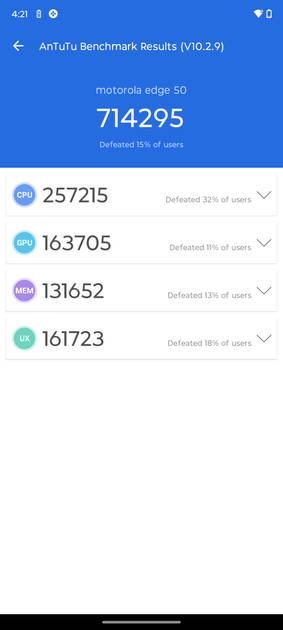
AnTuTu Benchmark
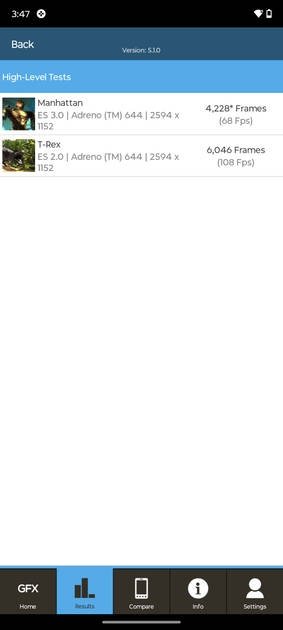
Graphics Benchmark
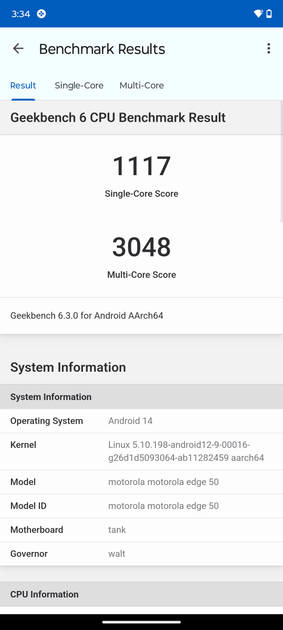
Geekbench6 Benchmark
|

Display
(Excellent)
|
|
|---|---|
| Display Type | P-OLED (Curved Display) |
| Screen Size | 6.7 inches (17.02 cm) |
| Resolution | 1220x2712 px (FHD+) |
| Peak Brightness | 1600 nits |
| HBM Brightness | 1200 nits |
| Refresh Rate | 120 Hz |
| Touch Sampling Rate | 360 Hz |
| Aspect Ratio | 20:9 |
| Pixel Density | 444 ppi |
| Screen to Body Ratio (calculated) | 93.09 % |
| Screen Protection | Corning Gorilla |
| Bezel-less Display | Yes with punch-hole display |
| HDR 10 / HDR+ Support | Yes, HDR 10+ |
| Screen to Body Ratio (claimed by the brand) | 93.35 % |
UI Screenshots

Lock Screen
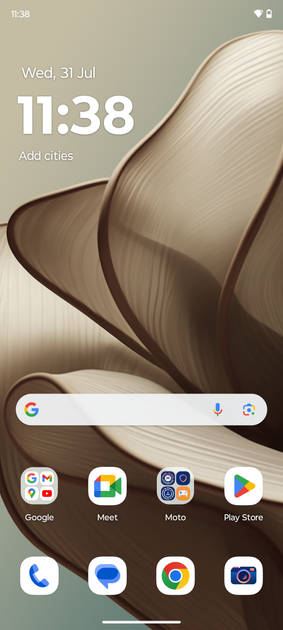
Home Screen

Screen With Widgets

Dialer Screen

App Drawer
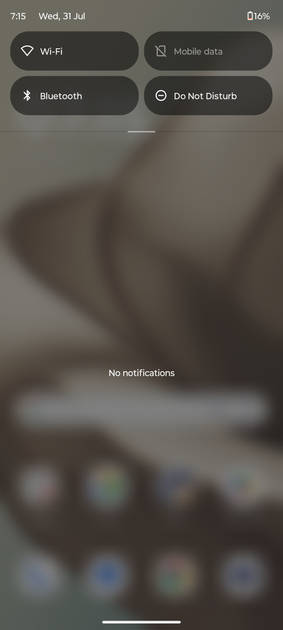
Notification Panel
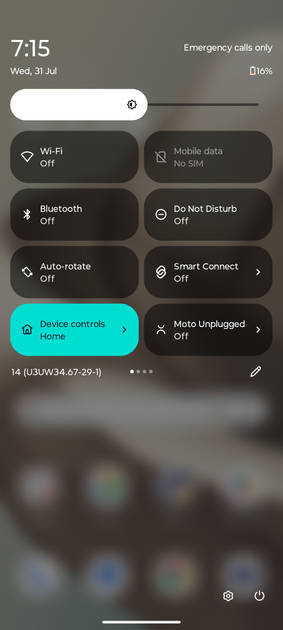
Quick Settings Panel
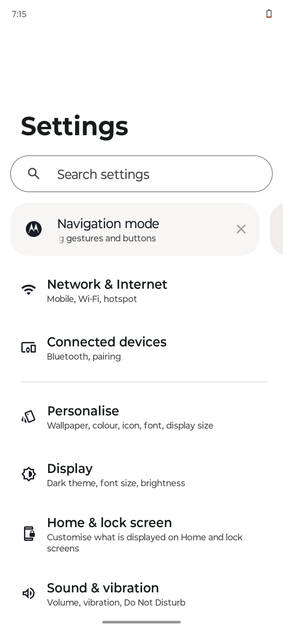
Settings Screen
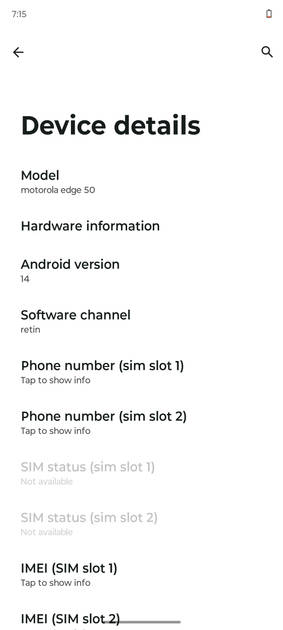
OS Version
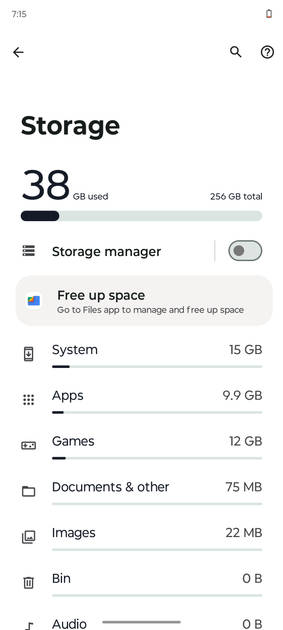
Storage
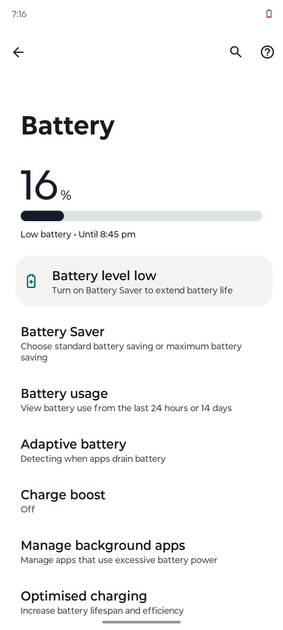
Battery
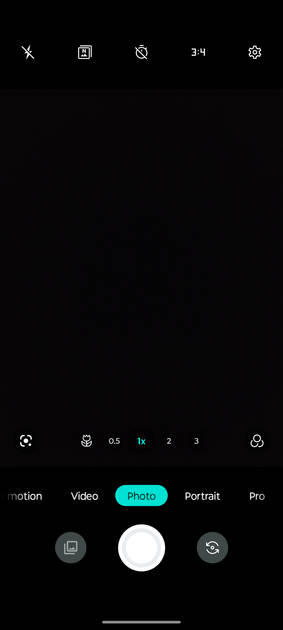
Camera On
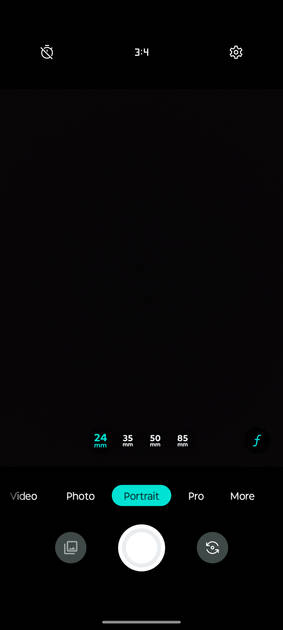
Camera Options
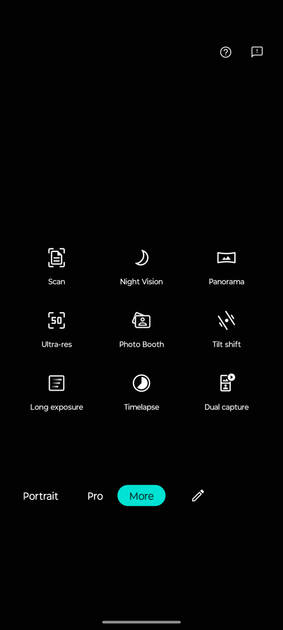
Camera Modes
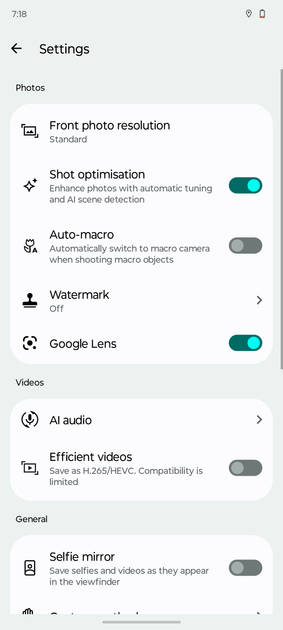
Camera Settings
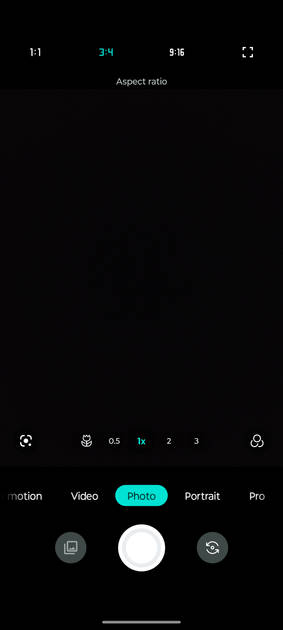
Picture Size Options
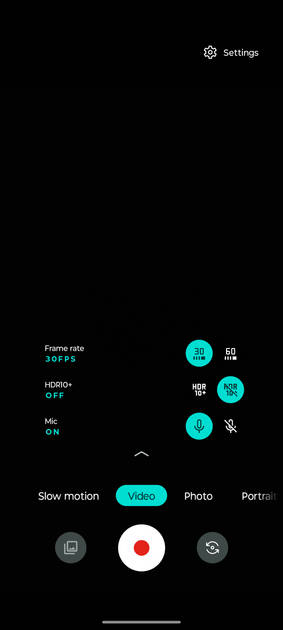
Video Size Options
|
Design |
|
|---|---|
| Height | 160.8 mm |
| Width | 72.4 mm |
| Thickness | 7.79 mm |
| Weight | 180 grams |
| Build Material | Back: Vegan Leather |
| Water Resistance | Yes, Water resistant, IP68 |
| Ruggedness | Dust proof |
|
Click to View

|
Rear Camera
(Very Good)
|
||||||||||||||||||||||||||||||||
|---|---|---|---|---|---|---|---|---|---|---|---|---|---|---|---|---|---|---|---|---|---|---|---|---|---|---|---|---|---|---|---|---|
| Resolution | ||||||||||||||||||||||||||||||||
|
||||||||||||||||||||||||||||||||
| Autofocus | Yes, Quad Phase Detection Autofocus | |||||||||||||||||||||||||||||||
| OIS | Yes | |||||||||||||||||||||||||||||||
| Flash | Yes, LED Flash | |||||||||||||||||||||||||||||||
| Image Resolution | 8150 x 6150 Pixels | |||||||||||||||||||||||||||||||
| Settings | Exposure compensation, ISO control | |||||||||||||||||||||||||||||||
| Shooting Modes |
Continuous Shooting High Dynamic Range mode (HDR) Burst mode Macro Mode |
|||||||||||||||||||||||||||||||
| Camera Features |
10 x Digital Zoom Auto Flash Custom Watermark Face detection Filters Touch to focus |
|||||||||||||||||||||||||||||||
| Video Recording |
4k @30 fps Full HD @60 fps |
|||||||||||||||||||||||||||||||
| Video Recording Features |
Dual Video Recording Slow Motion Bokeh portrait video Macro Video Audio Zoom |
|||||||||||||||||||||||||||||||
Rear Camera Samples

Daylight / HDR Auto

Wide Angle

Max Zoom Supported 10x

Long Shot 10X

Long Shot 5X

Long Shot 3X

Long Shot 1X

High Res

Portrait Shot

Night Mode OFF

Night Mode ON

Close Up

Low Light

Low Light With Flash
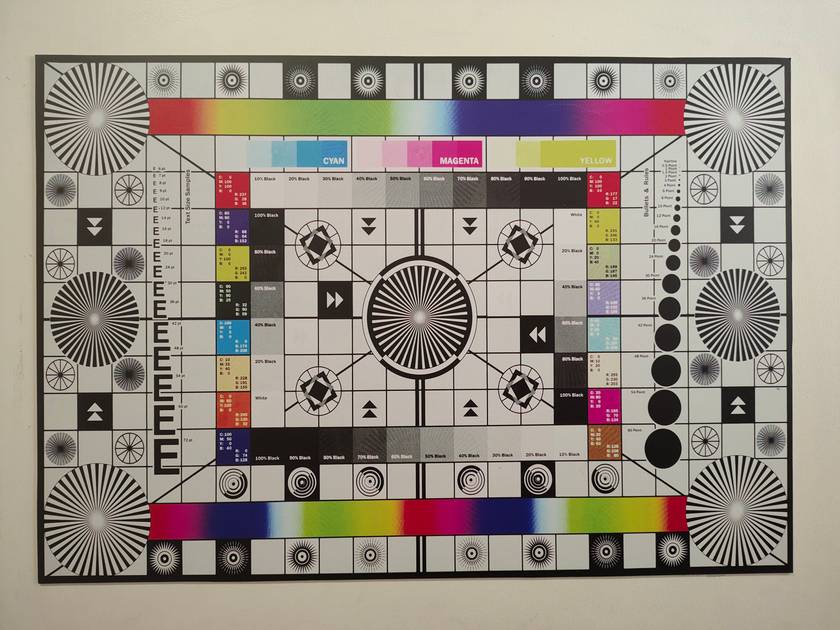
Colour Variance
|
Front Camera
(Excellent)
|
||||||||||||
|---|---|---|---|---|---|---|---|---|---|---|---|---|
| Resolution | ||||||||||||
|
||||||||||||
| Autofocus | Yes | |||||||||||
| Video Recording |
4k @30 fps Full HD @60 fps |
|||||||||||
Front Camera Samples

Selfie

Selfie Portrait

Selfie Low Light

Selfie Low Light With Flash
|
Battery
(Very Good)
|
||||
|---|---|---|---|---|
| Capacity | 5000 mAh | |||
| Battery Type | Li-ion | |||
| Quick Charging | Yes, 68W Turbo Power Charging | |||
| Wireless Charging | Yes, 15W Wireless Charging | |||
|
Battery Test Results
|
Storage |
|
|---|---|
| Internal Storage | 256 GB |
| Storage Type | UFS 2.2 |
| Expandable Storage | No |
Network & Connectivity |
|
|---|---|
| SIM Slot(s) | Dual SIM |
| SIM Type | SIM1: Nano, SIM2: Nano |
| Network Support | 5G, 4G |
| VoLTE | Yes |
| SIM 1 |
5G bands, 4G bands
Expand
|
| SIM 2 |
5G bands, 4G bands
Expand
|
| Wi-Fi | Yes, Wi-Fi 6E (802.11 a/b/g/n/ac/ax) 5GHz 6GHz |
| Wi-Fi Features | Mobile Hotspot |
| Bluetooth | Yes, v5.2 |
| GPS | Yes with A-GPS, Glonass |
| NFC | Yes |
Multimedia |
|
|---|---|
| Stereo Speakers | Yes |
| Audio Jack | USB Type-C |
| Audio Features | Dolby Atmos |
Sensors |
|
|---|---|
| Fingerprint Sensor | Yes |
| Fingerprint Sensor Position | On-screen |
| Other Sensors | Light sensor, Proximity sensor, Accelerometer, Compass, Gyroscope |
Recent Stories
Motorola Edge 50 User Reviews
Motorola Edge 50 Key Highlights
| Processor | Qualcomm Snapdragon 7 Gen 1 Accelerated Edition |
| RAM & Storage | 8 GB RAM + 256 GB |
| Display | 6.7", 1220 x 2712 Resolution |
| Rear Camera | 50 MP + 13 MP + 10 MP |
| Front Camera | 32 MP |
| Battery | 5000 mAh |



























Motorola Edge 50 Price In India
| Product Name | Store | Price |
|---|---|---|
| Motorola Edge 50 (8 GB + 256 GB) | Flipkart | ₹21,999 |
Popular Links
- All Upcoming Phones
- Motorola phones under 20k
- vivo V80 5G
- OPPO K14 Plus 5G
- Xiaomi Redmi Note 17 Pro 5G
- Lava Virat Curve 5G
- OPPO F35 Pro
- Samsung Mobiles
- Motorola Mobiles
- vivo Mobiles
- OPPO Mobiles
- Tecno Mobiles
- realme Mobiles
- Xiaomi Mobiles