
OPPO F3
+ Compare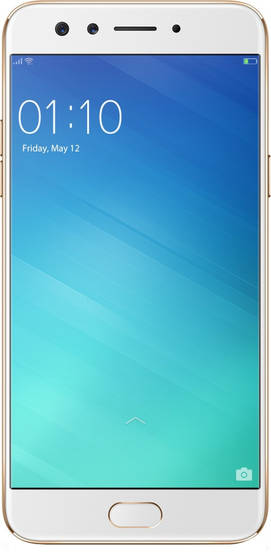


-
Design10

-
Rear Camera8

-
360° View

-
UI Screenshot16
![UI Screenshot]()
-
Benchmarks10
![Benchmarks]()
-
Videos4
![Videos]()



Key Specs
Performance
-
MediaTek MT6750T -
Octa core (1.5 GHz, Quad Core + 1 GHz, Quad core) -
4 GB RAM, LPDDR3
Display
-
5.5 inches (13.97 cm); IPS LCD -
1080x1920 px (FULL HD) -
Gorilla Glass 5 Protection
Rear Camera
-
Single Camera Setup - 13 MP Primary Camera
-
LED Flash -
Full HD @30 fps Video Recording
Front Camera
-
16 MP + 8 MP -
Screen flash
Battery
-
3200 mAh, Li-Polymer
General
-
SIM1: Nano, SIM2: Nano -
5G Not Supported -
64 GB internal storage, Expandable upto 128 GB
OPPO F3 Prices in India
 Flipkart
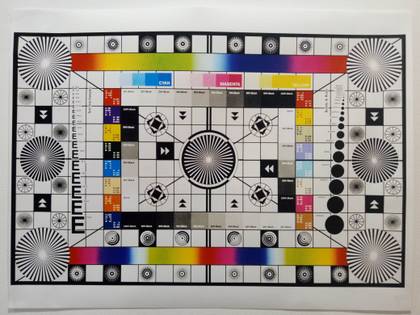
OPPO F3 Compare Camera Samples









OPPO F3 Expert Review Summary
Expert Rating:
![Prateek Pandey]()
Verdict
There are some sacrifices OPPO has made to make the F3 an affordable smartphone. Compared to the F3 Plus, buyers miss out on the faster Snapdragon chipset, a superior primary camera which supports 4K video, as well as the company`s VOOC fast charging tech. However, even without the slightly faster SoC, the F3 wasn`t a lag-fest. The primary camera would`ve been greatly benefited with 4K video recording support but during my testing period, I didn`t find myself looking for other phones to click pictures with. The lack of VOOC quick charging is a bummer, but the F3 somewhat makes up for it by off...
Read Full Verdict
Pros
- Solid selfie camera
- Good build quality
- Decent battery life
Cons
- Dated Android build
- No fast charging
- Sub-par gaming performance
Design and display
+
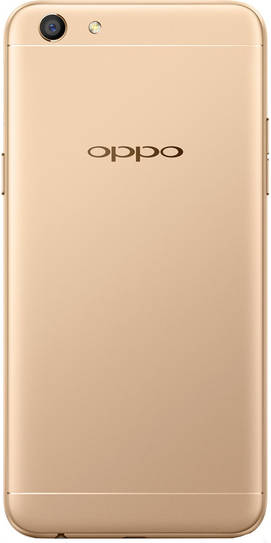
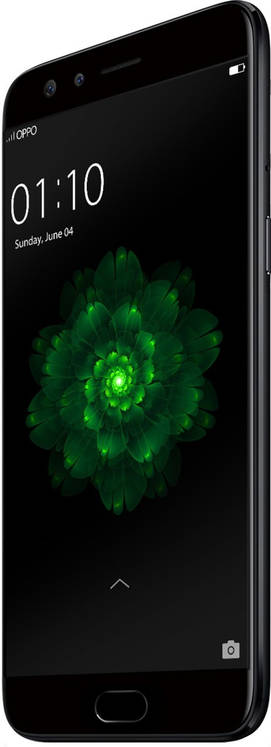
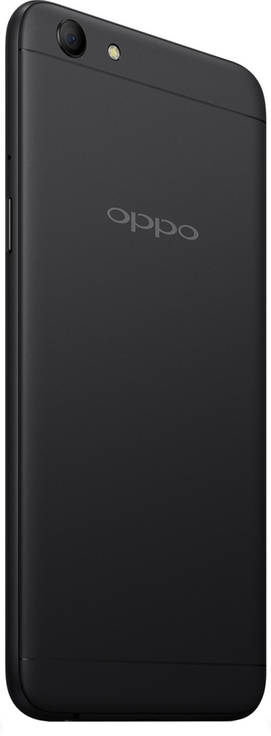
One of the biggest differentiators between the OPPO F3 Plus and the OPPO F3 is the size. The OPPO F3 Plus is a phablet and packs a massive 6-inch display. On the contrary, the OPPO F3 sports a much smaller footprint and comes with a 5.5-inch display. Understandably, the smaller dimensions of the F3 make it a lot more manageable and despite not having very large hands, I faced no issues reaching the far corners of the smartphone while holding it with one hand. However, other than the screen size, the F3 is identical to the F3 Plus in terms of design. Matter of fact, the company has been consistent in terms of aesthetics for most of its smartphones. But unless you are a returning OPPO customer, the monotonous design language won’t be the biggest thorn in your side. Moving on, the handset has been constructed out of metal, which coupled with its sleek girth, gives the device a rather premium feel. There’s a right mix of rounded edges and chamfered layers which further contribute to the smartphone’s good looks. Mind you, the F3 is slippery, although that’s a trade-off you’ll have to make with any metallic smartphone.The power button has been placed on the right side of the handset and the volume rockers can be found on the left. The capacitive home button, which also houses a fingerprint sensor, can be found below the screen, with the top reserved for the dual selfie shooters, the earpiece and some sensors. The fingerprint sensor is one of the fastest I’ve seen on a smartphone and is extremely accurate as well. Also, the OPPO F3 comes with a dual-SIM card tray which can also fit in a microSD card. Therefore, you can expand the internal storage without sacrificing a SIM card slot. Suffice it to say, the OPPO F3 has been nicely built and the design, albeit a bit standardised, is really appealing. Talking about the display of the smartphone, the handset comes with a 5.5-inch full HD IPS panel which has good viewing angles. The colours did appear slightly saturated to my eyes, but they didn’t dampen the experience of using the smartphone. I was satisfied with the display’s legibility in broad daylight too.
Read More
Software
+
Much like most other Chinese OEMs, OPPO also ships its smartphones with a custom skin built over Android, called ColorOS in this case. The F3 runs Android Marshmallow with a layer of ColorOS v3.0 on top. However, with this far into 2017, I expected the smartphone to run at least Android Nougat v7.0. The company sort of makes up for it by bundling the Google Assistant with the F3. Users also get the standard frills associated with a custom skin such as a theme store which, by the way, is loaded with some great wallpapers... so if you are a fan of customising your home screens, make sure to check it out. As expected, there’s no app drawer and all your apps are laid out on the home screen so if you happen to have a ton of applications on your phone, I recommend you use a custom launcher which should help you declutter your home screen. Thankfully, there’s little-to-no bloatware on the OPPO F3 and the smartphone just ships with Google’s essential suite of applications along with some third-party apps like Facebook and Instagram. There are some other notable additions to the software too, such as the built-in Security app which can clear up your RAM and help you fend off malware. The smartphone also comes with support for screen-off gestures which can be activated even when the screen is locked. For instance, drawing an ‘O’ will launch the camera and so on.
Read More
Performance
+
The OPPO F3 packs an octa-core MediaTek MT6750T processor which works in tandem with 4GB of RAM and has 64GB of onboard storage which can be expanded by inserting a microSD card. There’s no denying the fact that the OPPO F3 is underpowered as compared to the F3 Plus, which gets a Snapdragon 653 octa-core SoC instead. However, I won’t get into the ‘Snapdragon is better than MediaTek’ debate because at the end of the day, what matters is how the smartphone performs in real life. And as far as the OPPO F3 is concerned, I am happy to report that the smartphone manages to hold its own when it comes to daily tasks. I am a heavy multitasker and constantly switch between apps, and I faced little-to-no lag while transitioning between different applications.Despite running a heavy skin on top of Android, the UI animations weren’t jittery either. Having said that, the gaming performance of the smartphone is subpar, and although I didn’t come across any noticeable frame drops while playing games like Clash Royale and Asphalt Nitro, heavier titles like Unkilled did require me to tone down the settings to get playable frame rates. Moreover, the smartphone can't really hold apps in memory, and switching back and forth between heavy apps like Snapchat resulted in the apps being reloaded. Unlike its elder sibling, the OPPO F3 doesn’t have any heating issues. The device did get warm when I was setting it up initially, but that’s the case with every other smartphone. So long as you don’t use your smartphone as your primary gaming device, the OPPO F3 won’t give you any problems. As far as the multimedia performance of the device is concerned, the OPPO F3 did a pretty good job. Towards the underside of the smartphone, buyers will find the single speaker unit which gets sufficiently loud. The 3,000mAh battery lasted me a full day with approximately 10 percent battery to spare towards the end of the night. The smartphone did a decent job at our battery test too, and lasted approximately 12.5 hours on a constant video loop. The biggest drawback buyers will notice with the OPPO F3 is that the smartphone doesn't come with the company's famed VOOC fast charging technology. Therefore, you'll be stuck next to a wall charger for a good 2-3 hours before you can head out of your home with the smartphone at a 100 percent battery level.
Read More
Cameras
+
OPPO has been innovating a lot on the camera front and has acquired a good reputation for itself with its selfie-centric smartphones. With the OPPO F3, buyers get a similar camera setup on the front as the F3 Plus comprising a pair of 16MP and 8MP shooters. On the back, the camera on the F3 is a step down from its elder sibling in terms of pixel count. While the F3 Plus ships with a 16MP sensor, the F3 comes with a 13MP one instead. The dual front cameras on the F3 enable you to capture wide-angle selfies. While the 16MP sensor up front captures selfies with incredible details, the 8MP sensor comes into play when you must squeeze a friend or two in the selfie with you.Towards the rear, buyers will find the 13MP primary camera which sports a 1/3-inch sensor and supports PDAF, allowing the smartphone to focus comfortably even on moving subjects. There’s a f/2.2 aperture lens on the F3, which on paper is a considerable downgrade from the f/1.7 lens present on the bigger F3 Plus. In layman terms, a bigger aperture will let more light in and therefore, the camera would be a better performer in low light scenarios. Matter of fact, the company claimsthat the extra wide f/1.7 aperture lets in 60 percent more light than a traditional f/2.2 aperture lens. Moreover, while the F3 Plus comes with a dual-tone LED flash module, the F3 gets a single LED flash unit. There’s also no OIS support either this time around and the maximum resolution for video recording has capped at 1080p as opposed to 4K on the F3 Plus. Clearly, OPPO has made a lot of omissions on the F3 to bring its price down and although the smartphone doesn’t pack as good specs as its elder sibling, it still manages to crunch out some stellar photos. But before we get into that, let’s look at the camera app. There are several different modes for users to choose from, including a GIF mode which will let you create a short 3-second clip. Unfortunately, if there’s a lot of movement going on, then the final render of the GIF will be extremely shaky. There’s also a double-exposure mode, which allows you to get creative with your photography skills and stitches two separately clicked images together. Lastly, the Ultra HD mode shoots several images consecutively and then stitches them together to churn out a 50MP high-res image. And no, it’s not a gimmick and does indeed increase the level of detail in a photo. I can definitely see landscape photographers making the most of this mode to capture some high-res sunsets. For the pros in the audience, OPPO has bundled an expert mode too, which will let you take control of the camera’s ISO levels, exposure settings and much more. Talking about the camera performance, the selfies I captured with the 16MP front camera looked great and had incredible details too. They were slightly saturated, as is evident from the sample pictures I have added, but not so much so as to be a deal breaker for anyone. I also noticed that the 16MP sensor managed to capture a lot more details than the 8MP one. Therefore, if you are out and about with your friends, bear in mind that getting everyone in the frame will cost you some details. Moreover, while there’s no dedicated flash module for the front facing sensors, OPPO has bundled a screen flash functionality. As a result, clicking pictures in low-light will take its toll on the details but the selfies should still be passable by social media standards. Much like most other selfie-centric smartphones in the market, the OPPO F3 gets a beauty mode too. There are two settings users can play with here. First and foremost is the fairness slider, which can be used to give a rosy texture to your face. The other can be used to remove blemishes and dark circles. Moreover, the Beauty mode also doubles up as a Bokeh mode, simulating a depth of field effect in your selfies. Neat stuff. Lastly, users constantly on video calls will appreciate support for 1080p recording on the front facing camera too. There are some other software-based tweaks which enrich the selfie-shooting experience. For instance, the F3’s camera is smart enough to tell you to switch to the wide angle lens if three or more faces are detected in the frame. As far as the rear-facing camera is concerned, the pictures I clicked in broad daylight were rich in detail and had sufficient dynamic range too. Shooting in HDR mode does increase the contrast ratio of the pictures but it isn’t overpowering, which is why in my usage, I left the setting turned on while clicking pictures as it made the pictures pop ever so slightly. The camera does a fine job of capturing macros too and I managed to capture some detailed and colour accurate close-ups of flowers as well. The 13MP sensor focusses quickly and for the most part, accurately too. As expected, images clicked in low light without flash turned out noisy and unusable. However, the smartphone managed to capture plenty of details with the flash assisting in low light. The biggest drawback of shooting with the F3’s primary camera is that the video has been capped at 1080p. Moreover, since there’s no OIS support either, the final footage will be quite shaky.
Read More
Cons:
+
Dated Android buildNo fast chargingSub-par gaming performance
Read More
Read full Review

Verdict
There are some sacrifices OPPO has made to make the F3 an affordable smartphone. Compared to the F3 Plus, buyers miss out on the faster Snapdragon chipset, a superior primary camera which supports 4K video, as well as the company`s VOOC fast charging tech. However, even without the slightly faster SoC, the F3 wasn`t a lag-fest. The primary camera would`ve been greatly benefited with 4K video recording support but during my testing period, I didn`t find myself looking for other phones to click pictures with. The lack of VOOC quick charging is a bummer, but the F3 somewhat makes up for it by off... Read Full Verdict
- Solid selfie camera
- Good build quality
- Decent battery life
Pros
- Dated Android build
- No fast charging
- Sub-par gaming performance
Cons
Design and display
+One of the biggest differentiators between the OPPO F3 Plus and the OPPO F3 is the size. The OPPO F3 Plus is a phablet and packs a massive 6-inch display. On the contrary, the OPPO F3 sports a much smaller footprint and comes with a 5.5-inch display. Understandably, the smaller dimensions of the F3 make it a lot more manageable and despite not having very large hands, I faced no issues reaching the far corners of the smartphone while holding it with one hand. However, other than the screen size, the F3 is identical to the F3 Plus in terms of design. Matter of fact, the company has been consistent in terms of aesthetics for most of its smartphones. But unless you are a returning OPPO customer, the monotonous design language won’t be the biggest thorn in your side. Moving on, the handset has been constructed out of metal, which coupled with its sleek girth, gives the device a rather premium feel. There’s a right mix of rounded edges and chamfered layers which further contribute to the smartphone’s good looks. Mind you, the F3 is slippery, although that’s a trade-off you’ll have to make with any metallic smartphone.The power button has been placed on the right side of the handset and the volume rockers can be found on the left. The capacitive home button, which also houses a fingerprint sensor, can be found below the screen, with the top reserved for the dual selfie shooters, the earpiece and some sensors. The fingerprint sensor is one of the fastest I’ve seen on a smartphone and is extremely accurate as well. Also, the OPPO F3 comes with a dual-SIM card tray which can also fit in a microSD card. Therefore, you can expand the internal storage without sacrificing a SIM card slot. Suffice it to say, the OPPO F3 has been nicely built and the design, albeit a bit standardised, is really appealing. Talking about the display of the smartphone, the handset comes with a 5.5-inch full HD IPS panel which has good viewing angles. The colours did appear slightly saturated to my eyes, but they didn’t dampen the experience of using the smartphone. I was satisfied with the display’s legibility in broad daylight too.
Read MoreSoftware
+Much like most other Chinese OEMs, OPPO also ships its smartphones with a custom skin built over Android, called ColorOS in this case. The F3 runs Android Marshmallow with a layer of ColorOS v3.0 on top. However, with this far into 2017, I expected the smartphone to run at least Android Nougat v7.0. The company sort of makes up for it by bundling the Google Assistant with the F3. Users also get the standard frills associated with a custom skin such as a theme store which, by the way, is loaded with some great wallpapers... so if you are a fan of customising your home screens, make sure to check it out. As expected, there’s no app drawer and all your apps are laid out on the home screen so if you happen to have a ton of applications on your phone, I recommend you use a custom launcher which should help you declutter your home screen. Thankfully, there’s little-to-no bloatware on the OPPO F3 and the smartphone just ships with Google’s essential suite of applications along with some third-party apps like Facebook and Instagram. There are some other notable additions to the software too, such as the built-in Security app which can clear up your RAM and help you fend off malware. The smartphone also comes with support for screen-off gestures which can be activated even when the screen is locked. For instance, drawing an ‘O’ will launch the camera and so on.
Read MorePerformance
+The OPPO F3 packs an octa-core MediaTek MT6750T processor which works in tandem with 4GB of RAM and has 64GB of onboard storage which can be expanded by inserting a microSD card. There’s no denying the fact that the OPPO F3 is underpowered as compared to the F3 Plus, which gets a Snapdragon 653 octa-core SoC instead. However, I won’t get into the ‘Snapdragon is better than MediaTek’ debate because at the end of the day, what matters is how the smartphone performs in real life. And as far as the OPPO F3 is concerned, I am happy to report that the smartphone manages to hold its own when it comes to daily tasks. I am a heavy multitasker and constantly switch between apps, and I faced little-to-no lag while transitioning between different applications.Despite running a heavy skin on top of Android, the UI animations weren’t jittery either. Having said that, the gaming performance of the smartphone is subpar, and although I didn’t come across any noticeable frame drops while playing games like Clash Royale and Asphalt Nitro, heavier titles like Unkilled did require me to tone down the settings to get playable frame rates. Moreover, the smartphone can't really hold apps in memory, and switching back and forth between heavy apps like Snapchat resulted in the apps being reloaded. Unlike its elder sibling, the OPPO F3 doesn’t have any heating issues. The device did get warm when I was setting it up initially, but that’s the case with every other smartphone. So long as you don’t use your smartphone as your primary gaming device, the OPPO F3 won’t give you any problems. As far as the multimedia performance of the device is concerned, the OPPO F3 did a pretty good job. Towards the underside of the smartphone, buyers will find the single speaker unit which gets sufficiently loud. The 3,000mAh battery lasted me a full day with approximately 10 percent battery to spare towards the end of the night. The smartphone did a decent job at our battery test too, and lasted approximately 12.5 hours on a constant video loop. The biggest drawback buyers will notice with the OPPO F3 is that the smartphone doesn't come with the company's famed VOOC fast charging technology. Therefore, you'll be stuck next to a wall charger for a good 2-3 hours before you can head out of your home with the smartphone at a 100 percent battery level.
Read MoreCameras
+OPPO has been innovating a lot on the camera front and has acquired a good reputation for itself with its selfie-centric smartphones. With the OPPO F3, buyers get a similar camera setup on the front as the F3 Plus comprising a pair of 16MP and 8MP shooters. On the back, the camera on the F3 is a step down from its elder sibling in terms of pixel count. While the F3 Plus ships with a 16MP sensor, the F3 comes with a 13MP one instead. The dual front cameras on the F3 enable you to capture wide-angle selfies. While the 16MP sensor up front captures selfies with incredible details, the 8MP sensor comes into play when you must squeeze a friend or two in the selfie with you.Towards the rear, buyers will find the 13MP primary camera which sports a 1/3-inch sensor and supports PDAF, allowing the smartphone to focus comfortably even on moving subjects. There’s a f/2.2 aperture lens on the F3, which on paper is a considerable downgrade from the f/1.7 lens present on the bigger F3 Plus. In layman terms, a bigger aperture will let more light in and therefore, the camera would be a better performer in low light scenarios. Matter of fact, the company claimsthat the extra wide f/1.7 aperture lets in 60 percent more light than a traditional f/2.2 aperture lens. Moreover, while the F3 Plus comes with a dual-tone LED flash module, the F3 gets a single LED flash unit. There’s also no OIS support either this time around and the maximum resolution for video recording has capped at 1080p as opposed to 4K on the F3 Plus. Clearly, OPPO has made a lot of omissions on the F3 to bring its price down and although the smartphone doesn’t pack as good specs as its elder sibling, it still manages to crunch out some stellar photos. But before we get into that, let’s look at the camera app. There are several different modes for users to choose from, including a GIF mode which will let you create a short 3-second clip. Unfortunately, if there’s a lot of movement going on, then the final render of the GIF will be extremely shaky. There’s also a double-exposure mode, which allows you to get creative with your photography skills and stitches two separately clicked images together. Lastly, the Ultra HD mode shoots several images consecutively and then stitches them together to churn out a 50MP high-res image. And no, it’s not a gimmick and does indeed increase the level of detail in a photo. I can definitely see landscape photographers making the most of this mode to capture some high-res sunsets. For the pros in the audience, OPPO has bundled an expert mode too, which will let you take control of the camera’s ISO levels, exposure settings and much more. Talking about the camera performance, the selfies I captured with the 16MP front camera looked great and had incredible details too. They were slightly saturated, as is evident from the sample pictures I have added, but not so much so as to be a deal breaker for anyone. I also noticed that the 16MP sensor managed to capture a lot more details than the 8MP one. Therefore, if you are out and about with your friends, bear in mind that getting everyone in the frame will cost you some details. Moreover, while there’s no dedicated flash module for the front facing sensors, OPPO has bundled a screen flash functionality. As a result, clicking pictures in low-light will take its toll on the details but the selfies should still be passable by social media standards. Much like most other selfie-centric smartphones in the market, the OPPO F3 gets a beauty mode too. There are two settings users can play with here. First and foremost is the fairness slider, which can be used to give a rosy texture to your face. The other can be used to remove blemishes and dark circles. Moreover, the Beauty mode also doubles up as a Bokeh mode, simulating a depth of field effect in your selfies. Neat stuff. Lastly, users constantly on video calls will appreciate support for 1080p recording on the front facing camera too. There are some other software-based tweaks which enrich the selfie-shooting experience. For instance, the F3’s camera is smart enough to tell you to switch to the wide angle lens if three or more faces are detected in the frame. As far as the rear-facing camera is concerned, the pictures I clicked in broad daylight were rich in detail and had sufficient dynamic range too. Shooting in HDR mode does increase the contrast ratio of the pictures but it isn’t overpowering, which is why in my usage, I left the setting turned on while clicking pictures as it made the pictures pop ever so slightly. The camera does a fine job of capturing macros too and I managed to capture some detailed and colour accurate close-ups of flowers as well. The 13MP sensor focusses quickly and for the most part, accurately too. As expected, images clicked in low light without flash turned out noisy and unusable. However, the smartphone managed to capture plenty of details with the flash assisting in low light. The biggest drawback of shooting with the F3’s primary camera is that the video has been capped at 1080p. Moreover, since there’s no OIS support either, the final footage will be quite shaky.
Read MoreCons:
+Dated Android buildNo fast chargingSub-par gaming performance
Read MoreCompetitors For OPPO F3
View Alternatives
Popular Comparisons
 OPPO F3
 vivo V5s
OPPO F3
 Xiaomi Mi A1
OPPO F3
 vivo V7 Plus
OPPO F3
 OPPO F5
OPPO F3
 OPPO A71
OPPO F3
 OPPO F3 Plus




OPPO F3 Specifications
General |
|
|---|---|
| Launch Date | May 13, 2017 (Official) |
| Operating System | Android v6.0 (Marshmallow) |
| Custom UI | ColorOS |
Performance
(Avg)
|
|
|---|---|
| Chipset | MediaTek MT6750T |
| Processor | Octa core (1.5 GHz, Quad core, Cortex A53 + 1 GHz, Quad core, Cortex A53) |
| Architecture | 64 bit |
| Fabrication | 28 nm |
| Graphics (GPU) | Mali-T860 MP2 |
| RAM | 4 GB |
| RAM Type | LPDDR3 |
Benchmark Screenshots

AnTuTu Benchmark
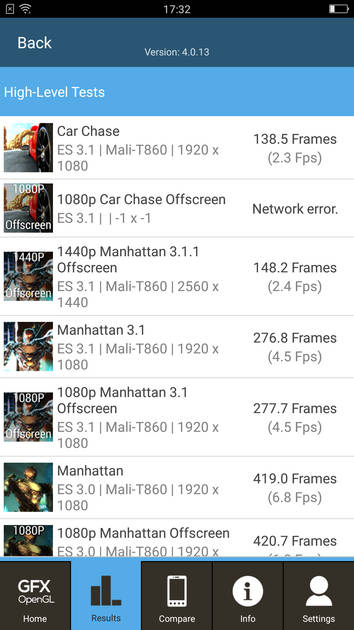
Graphics Benchmark
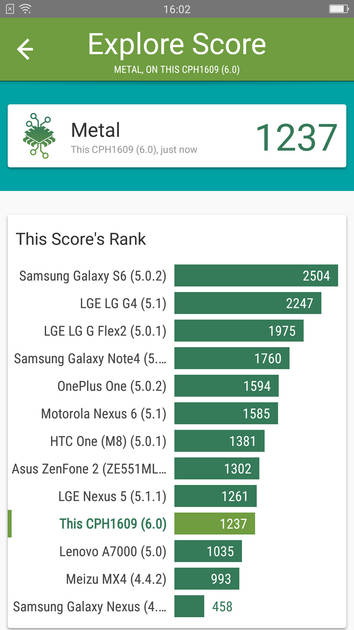
Vellamo Metal Benchmark
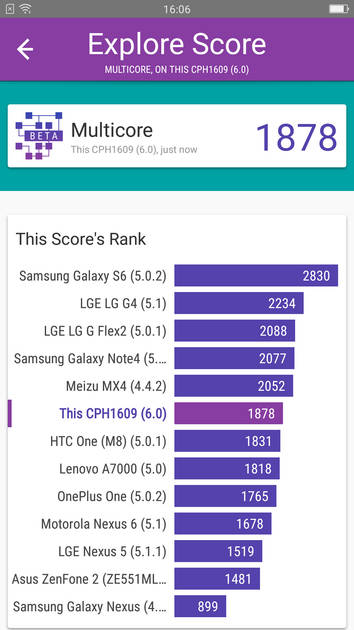
Vellamo Multicore Benchmark
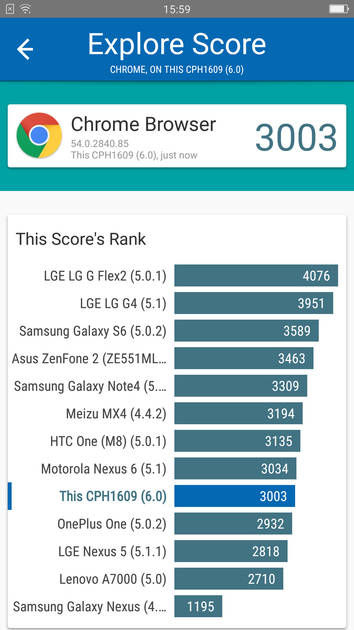
Vellamo Browser Benchmark
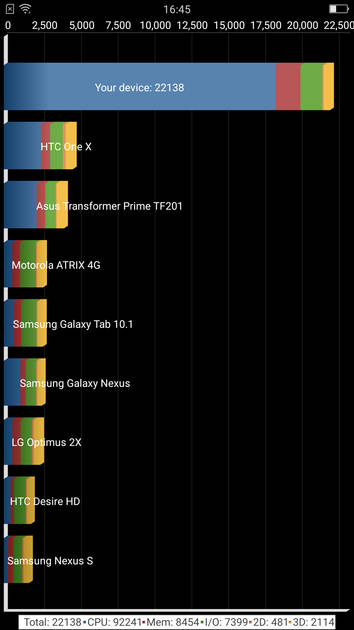
Quadrant Benchmark

Camera Speed Benchmark
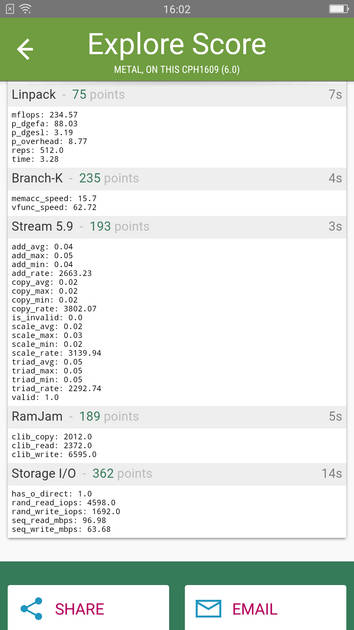
Linpack Benchmark
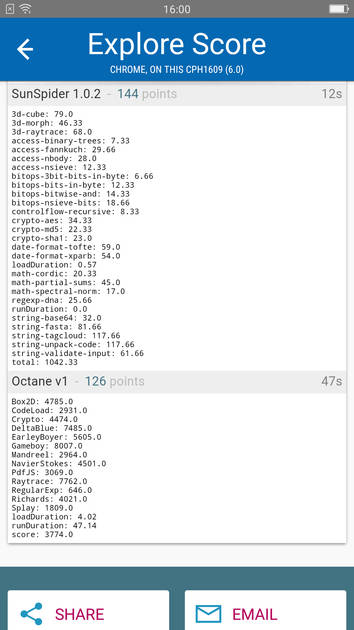
Sunspider Benchmark
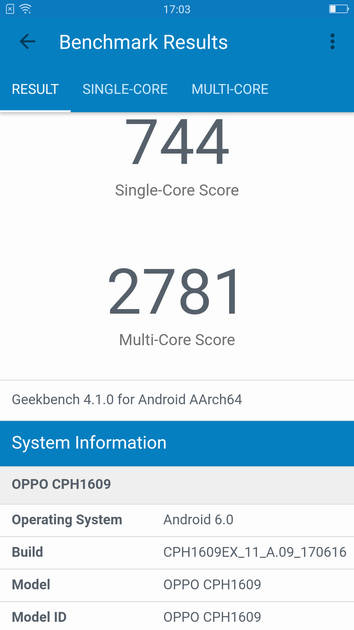
Geekbench4 Benchmark
|
Display
(Excellent)
|
|
|---|---|
| Display Type | IPS LCD |
| Screen Size | 5.5 inches (13.97 cm) |
| Resolution | 1080x1920 px (FULL HD) |
| Pixel Density | 401 ppi |
| Screen to Body Ratio (calculated) | 72.17 % |
| Screen Protection | Corning Gorilla |
UI Screenshots
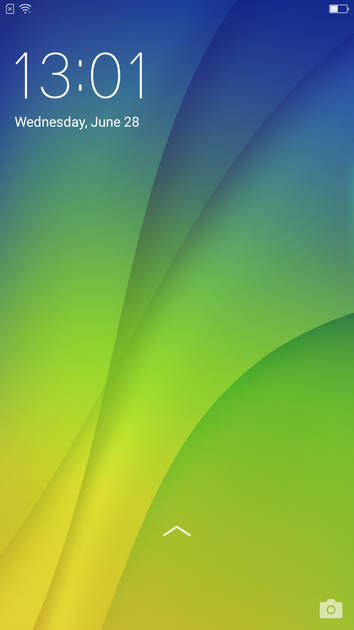
Lock Screen

Home Screen
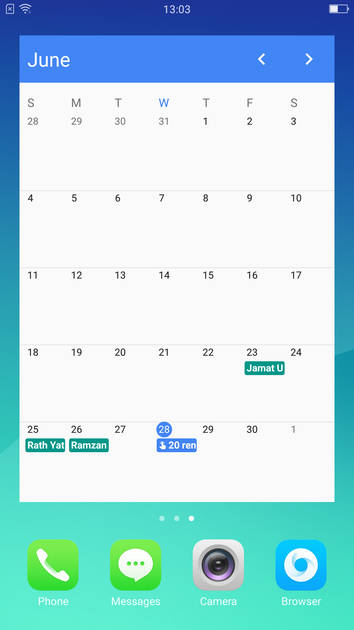
Screen With Widgets
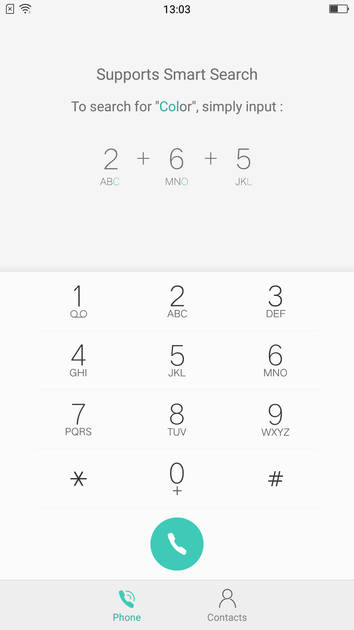
Dialer Screen
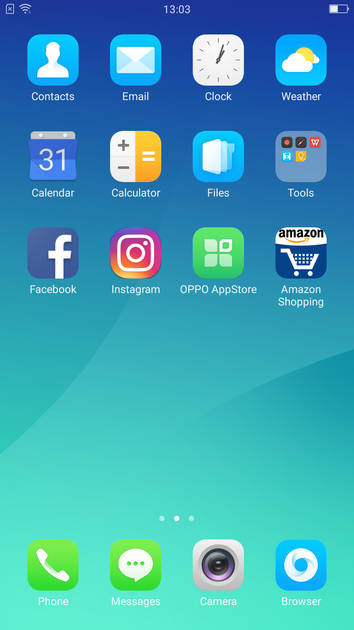
App Drawer
Notification Panel
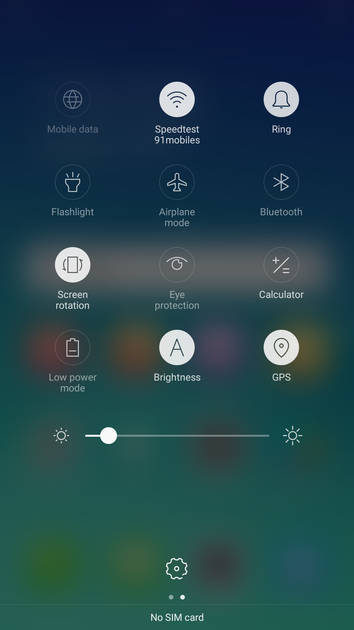
Quick Settings Panel
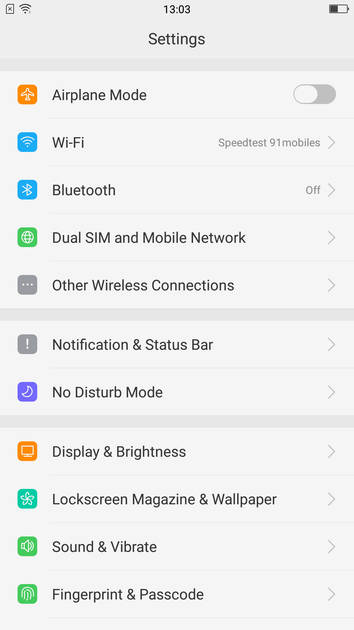
Settings Screen
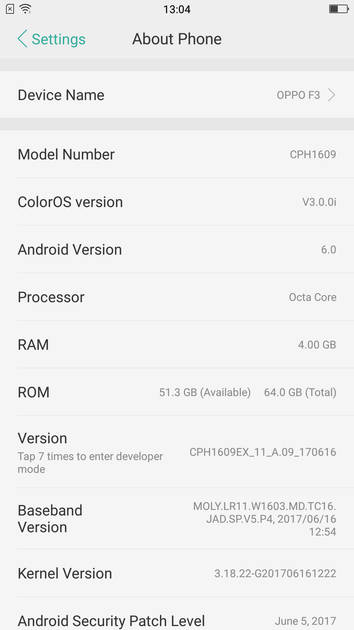
OS Version
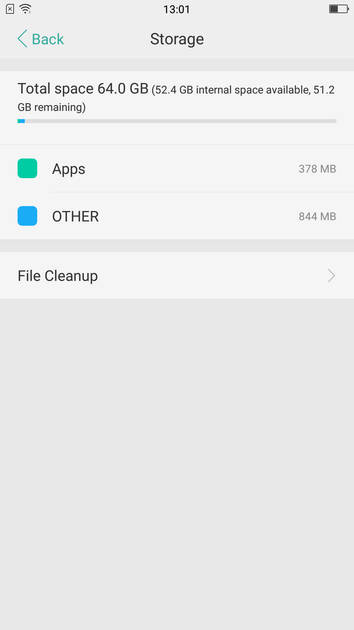
Storage
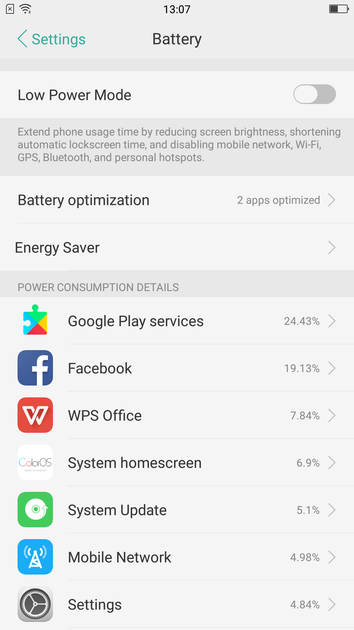
Battery
Camera On
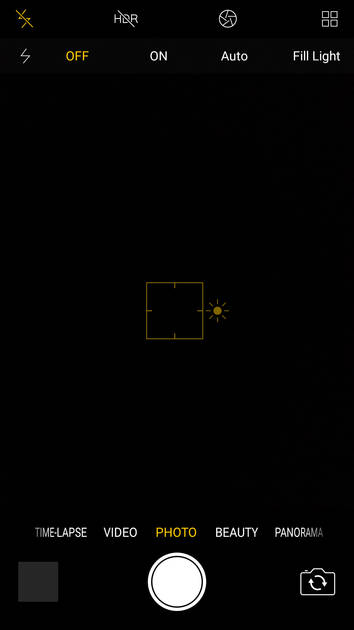
Camera Options
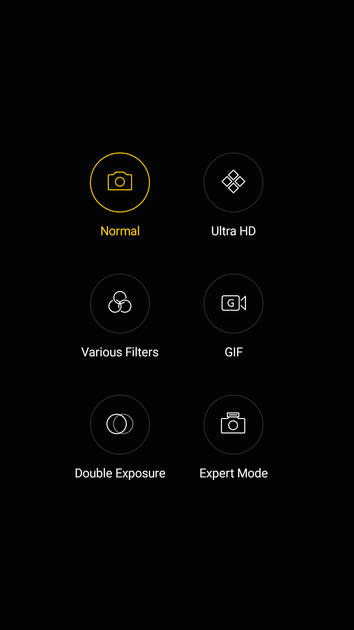
Camera Modes
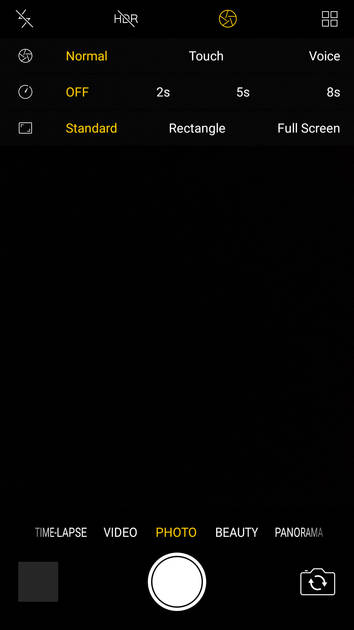
Camera Settings

Video Size Options
|
Design |
|
|---|---|
| Height | 153.3 mm |
| Width | 75.2 mm |
| Thickness | 7.3 mm |
| Weight | 153 grams |
| Build Material |
Frame: Metal Back: Metal |
|
Click to View

|
Rear Camera
(Good)
|
||||||||||
|---|---|---|---|---|---|---|---|---|---|---|
| Resolution | ||||||||||
|
||||||||||
| Autofocus | Yes | |||||||||
| OIS | No | |||||||||
| Flash | Yes, LED Flash | |||||||||
| Image Resolution | 4128 x 3096 Pixels | |||||||||
| Settings | Exposure compensation, ISO control | |||||||||
| Shooting Modes |
Continuous Shooting High Dynamic Range mode (HDR) |
|||||||||
| Camera Features |
Digital Zoom Auto Flash Face detection Touch to focus |
|||||||||
| Video Recording | Full HD @30 fps | |||||||||
Rear Camera Samples

Close Up

Low Light

Low Light With Flash
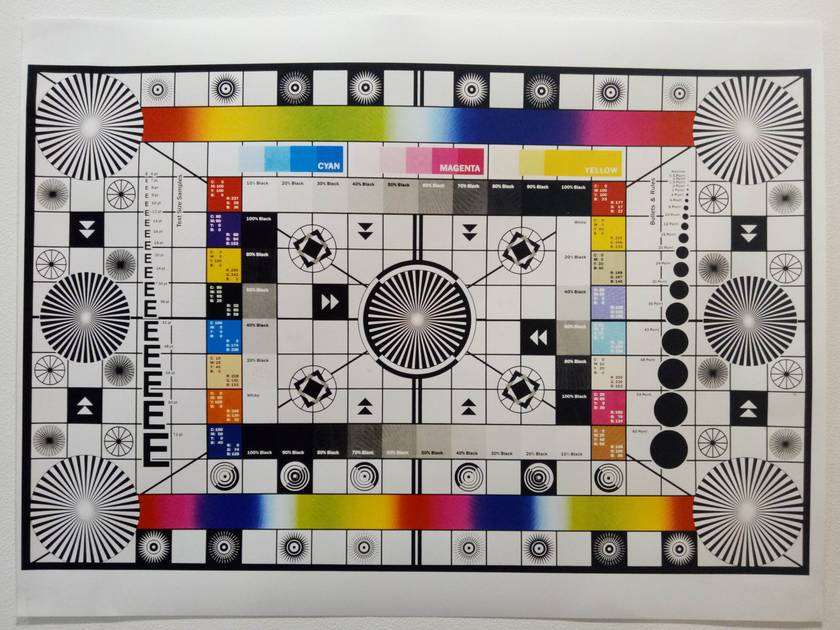
Colour Variance
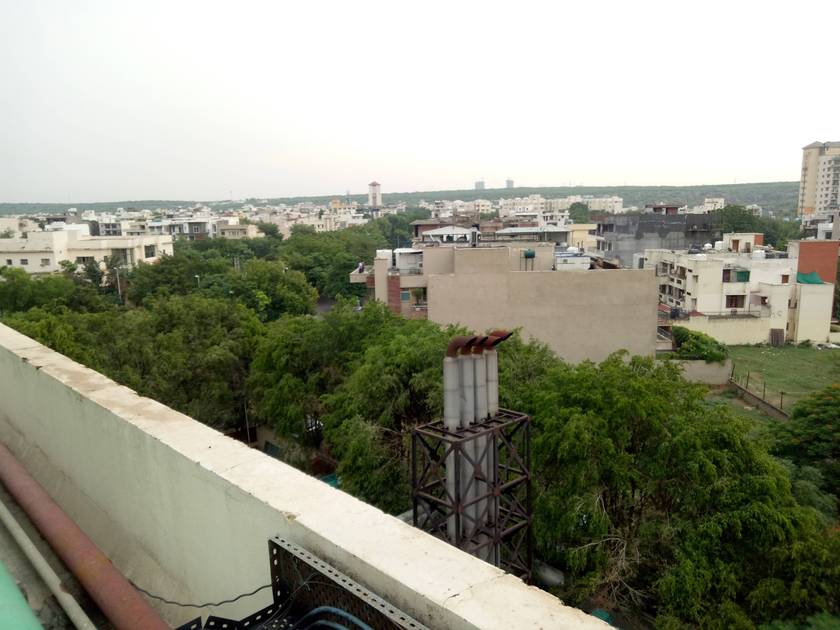
Long Shot
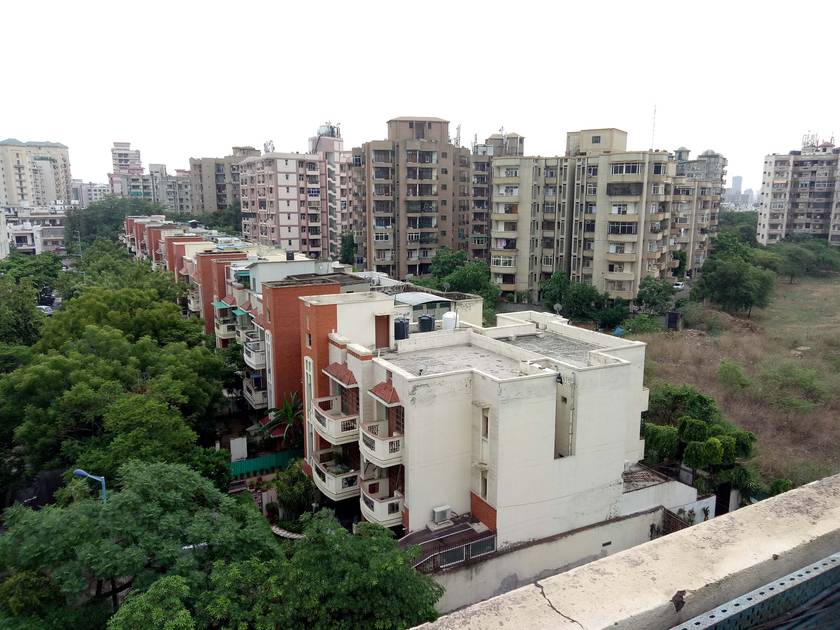
HDR Off
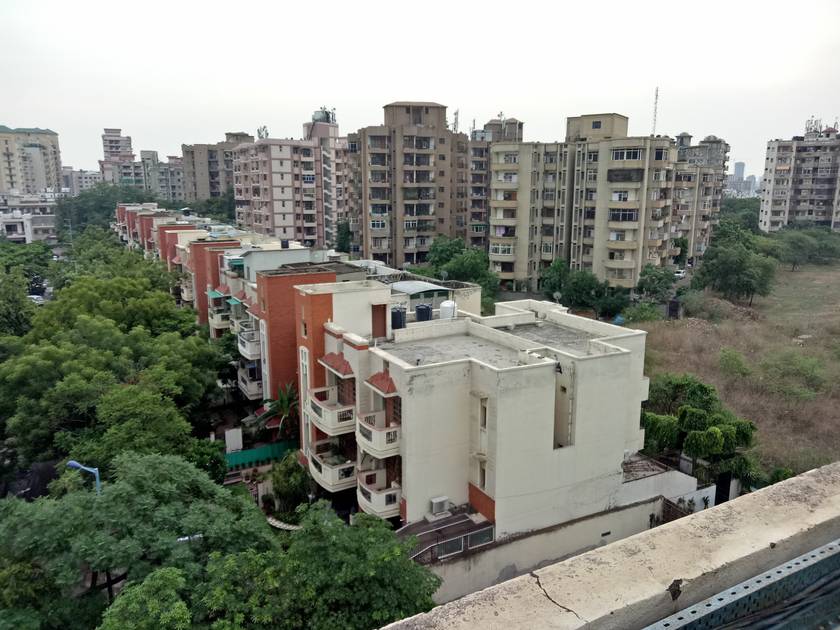
HDR On

Front Shot
|
Front Camera
(Good)
|
||||||||||||
|---|---|---|---|---|---|---|---|---|---|---|---|---|
| Resolution | ||||||||||||
|
||||||||||||
| Flash | Yes, Screen flash | |||||||||||
| Camera Features | Fixed Focus |
Battery
(Very Good)
|
|
|---|---|
| Capacity | 3200 mAh |
| Battery Type | Li-Polymer |
Storage |
|
|---|---|
| Internal Storage | 64 GB |
| Storage Type | eMMC 5.1 |
| Expandable Storage | Yes, Up to 128 GB |
Network & Connectivity |
|
|---|---|
| SIM Slot(s) | Dual SIM |
| SIM Type | SIM1: Nano, SIM2: Nano |
| Network Support | 5G Not Supported, 4G |
| VoLTE | Yes |
| SIM 1 |
4G bands, 4G Speed
Expand
|
| SIM 2 |
4G bands, 4G Speed
Expand
|
| Wi-Fi | Yes, Wi-Fi 4 (802.11 a/b/g/n) 5GHz |
| Wi-Fi Features | Mobile Hotspot |
| Bluetooth | Yes, v4.0 |
| GPS | Yes with A-GPS |
| NFC | No |
Multimedia |
|
|---|---|
| Audio Jack | 3.5 mm |
Sensors |
|
|---|---|
| Fingerprint Sensor | Yes |
| Fingerprint Sensor Position | Front |
| Other Sensors | Light sensor, Proximity sensor, Accelerometer, Compass |
Recent Stories

OPPO F3 User Reviews
OPPO F3 Key Highlights
| Processor | MediaTek MT6750T |
| RAM & Storage | 4 GB + 64 GB |
| Display | 5.5", 1080 x 1920 Resolution |
| Rear Camera | 13 MP |
| Front Camera | 16 MP + 8 MP |
| Battery | 3200 mAh |













OPPO F3 Price In India
| Product Name | Store | Price |
|---|---|---|
| OPPO F3 (4 GB + 64 GB) | Flipkart | ₹20,990 |
Popular Links
- All Upcoming Phones
- Upcoming OPPO Phones
- OPPO phones under 10k
- OPPO phones under 20k
- vivo V80 5G
- vivo S2 FE 5G
- Samsung Galaxy F70 5G
- Infinix GT 50 Pro
- Xiaomi Redmi 17C 5G
- Samsung Mobiles
- Motorola Mobiles
- vivo Mobiles
- OPPO Mobiles
- Tecno Mobiles
- realme Mobiles
- Xiaomi Mobiles