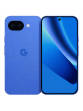
Review Summary
Expert Rating
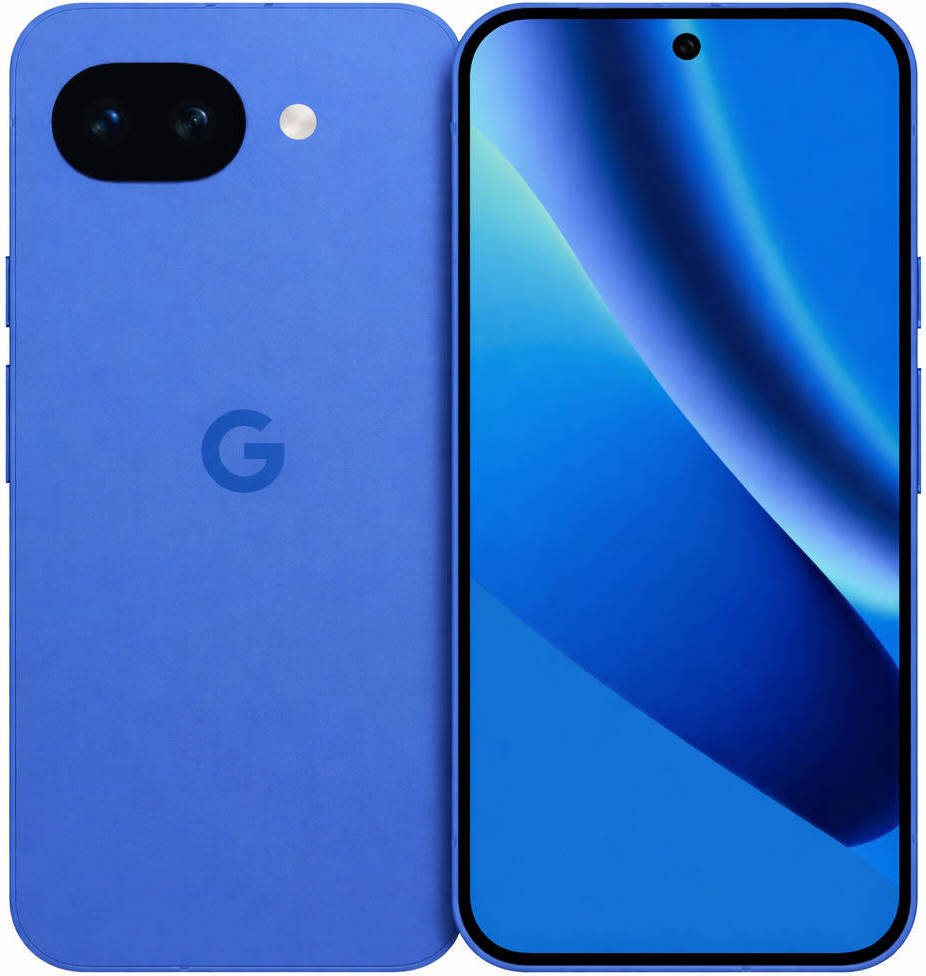
The Google Pixel 10a arrives at an interesting time. Phones are getting more expensive, AI features are being plastered across every spec sheet, and the mid-range segment is more crowded than ever. Pretty much every OEM is releasing phones pricier than their predecessor, but with decent upgrades to justify their new prices. Against that backdrop, Google’s answer is characteristically different: same price, same chipset, same cameras, a handful of meaningful design refinements, and the same promise of a clean, long-supported Android experience. Whether that’s enough depends entirely on where you’re upgrading from. After spending a couple of weeks with the Pixel 10a, here’s the full verdict.

Table of Contents
In a nutshell
The Google Pixel 10a sticks to the tried-and-tested Pixel A-series formula, with some welcome refinements to the design. The result is a compact, handy phone with a clean display, a reliable camera system, solid battery life, and the best software support cycle in this segment. The Tensor G4 chip remains a limiting factor for raw performance, and charging is still slow by 2026 standards. But for the right buyer, neither of those will be a deal-breaker.

Flat back, smaller bezels, same compact feel
The Pixel 10a continues the flush camera design introduced on the Pixel 9a (review) and takes it a step further. While the 9a still had a slightly protruding lip around its pill-shaped camera cutout, the Pixel 10a eliminates it entirely, resulting in a completely bump-free rear panel. It’s a subtle but noticeable refinement. The phone sits completely flat on a table, and the rear panel feels uninterrupted in hand. With a small camera module, an LED flash, and a G logo, the Pixel 10a looks clean and minimalistic, an aesthetic that will appeal to users who prefer their phones without drama.
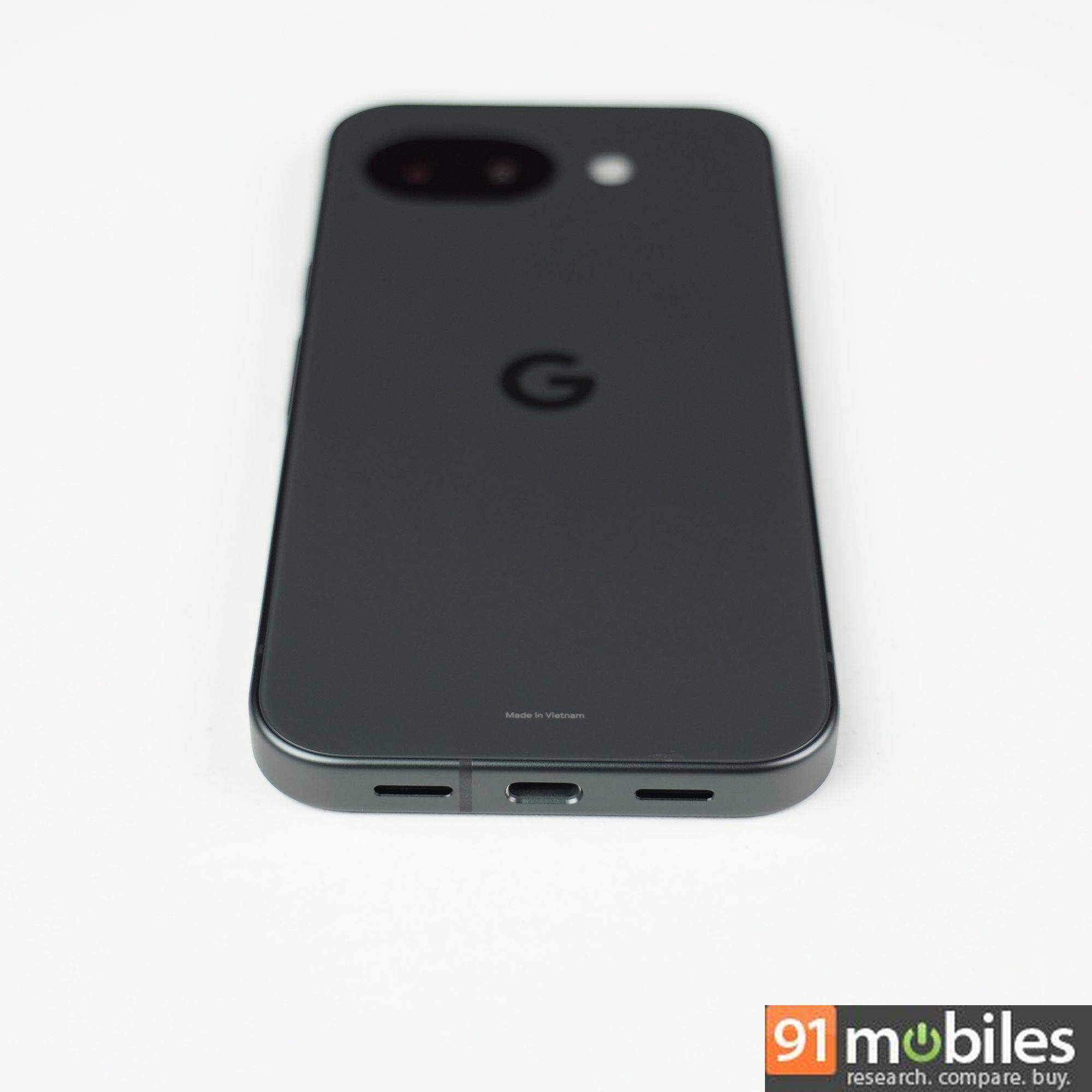
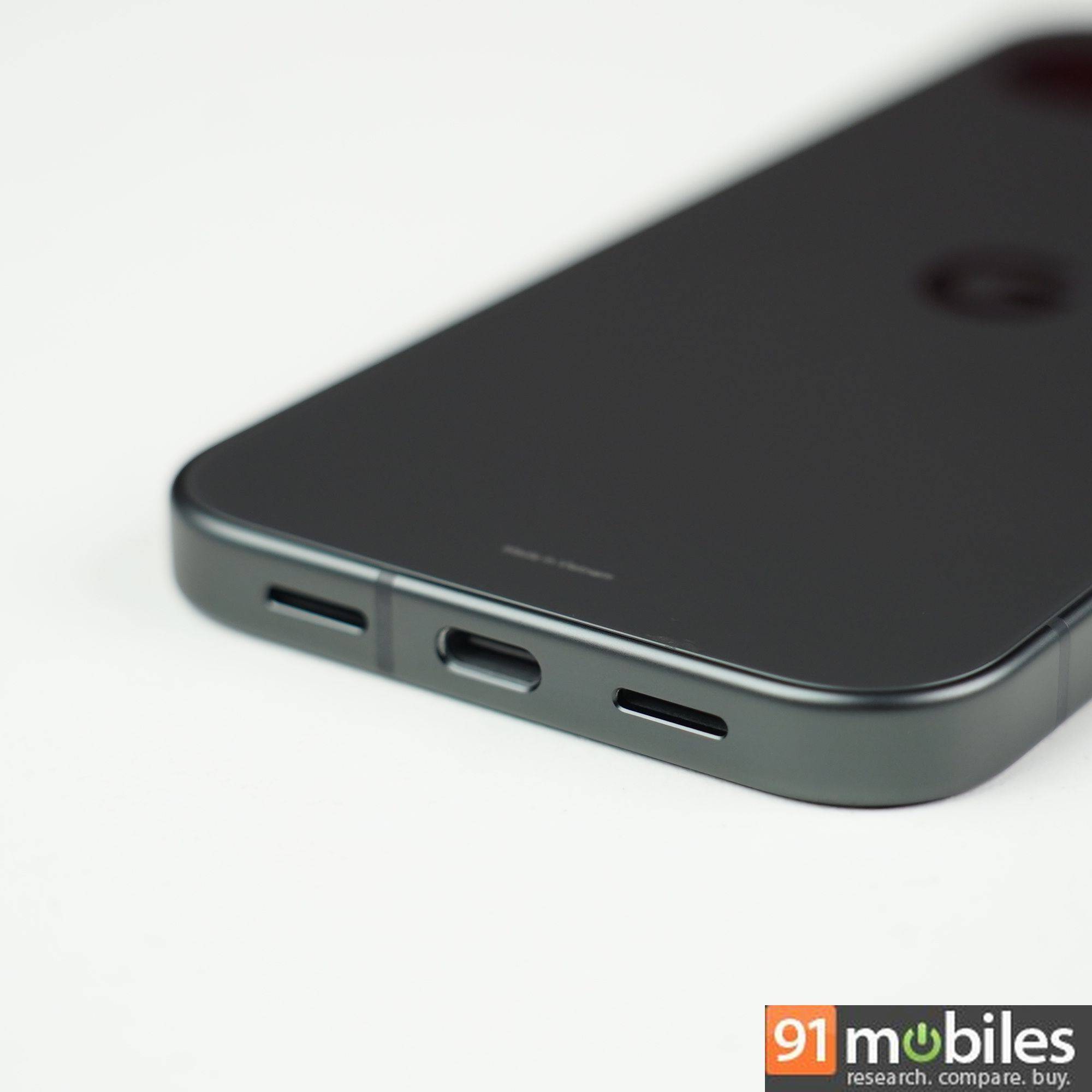
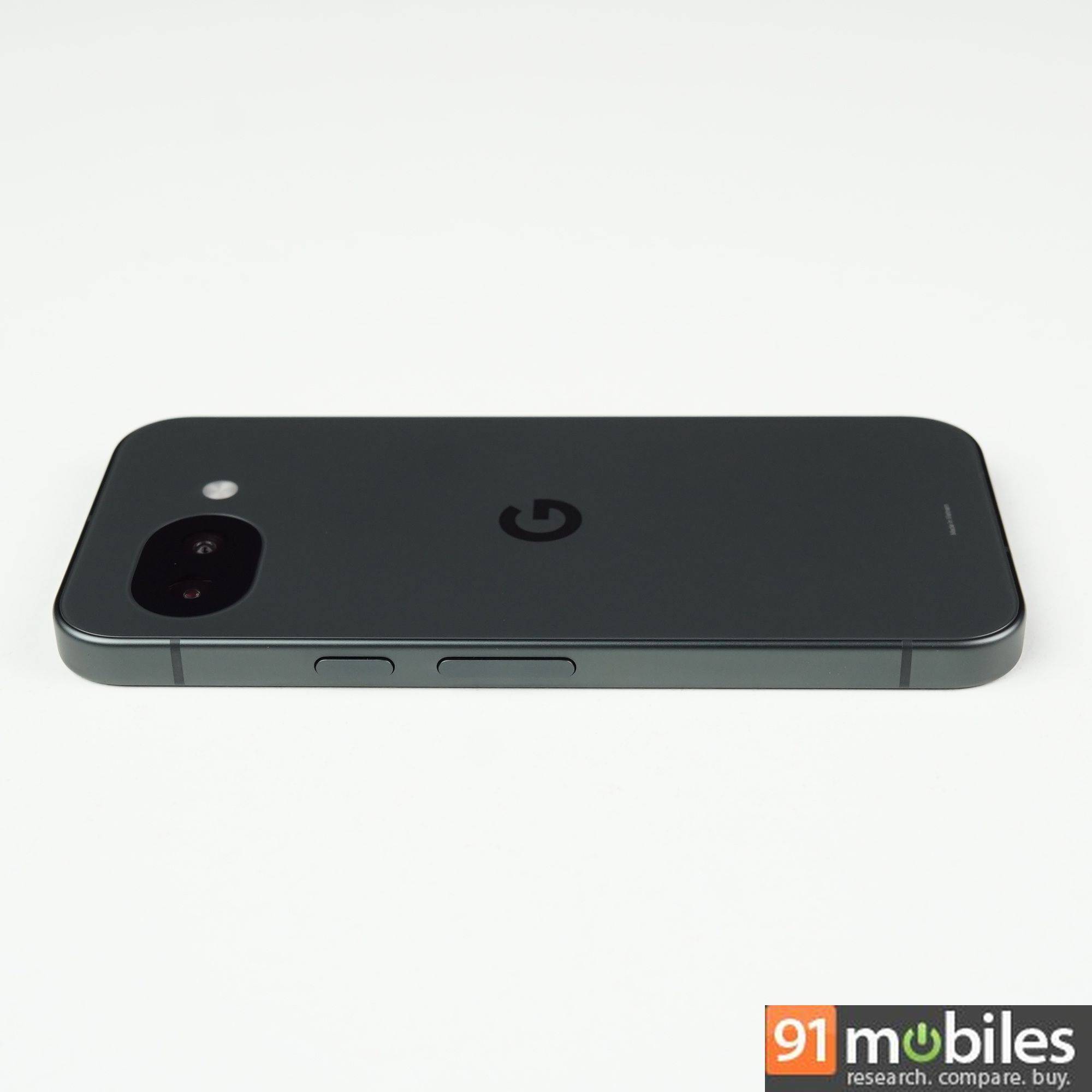
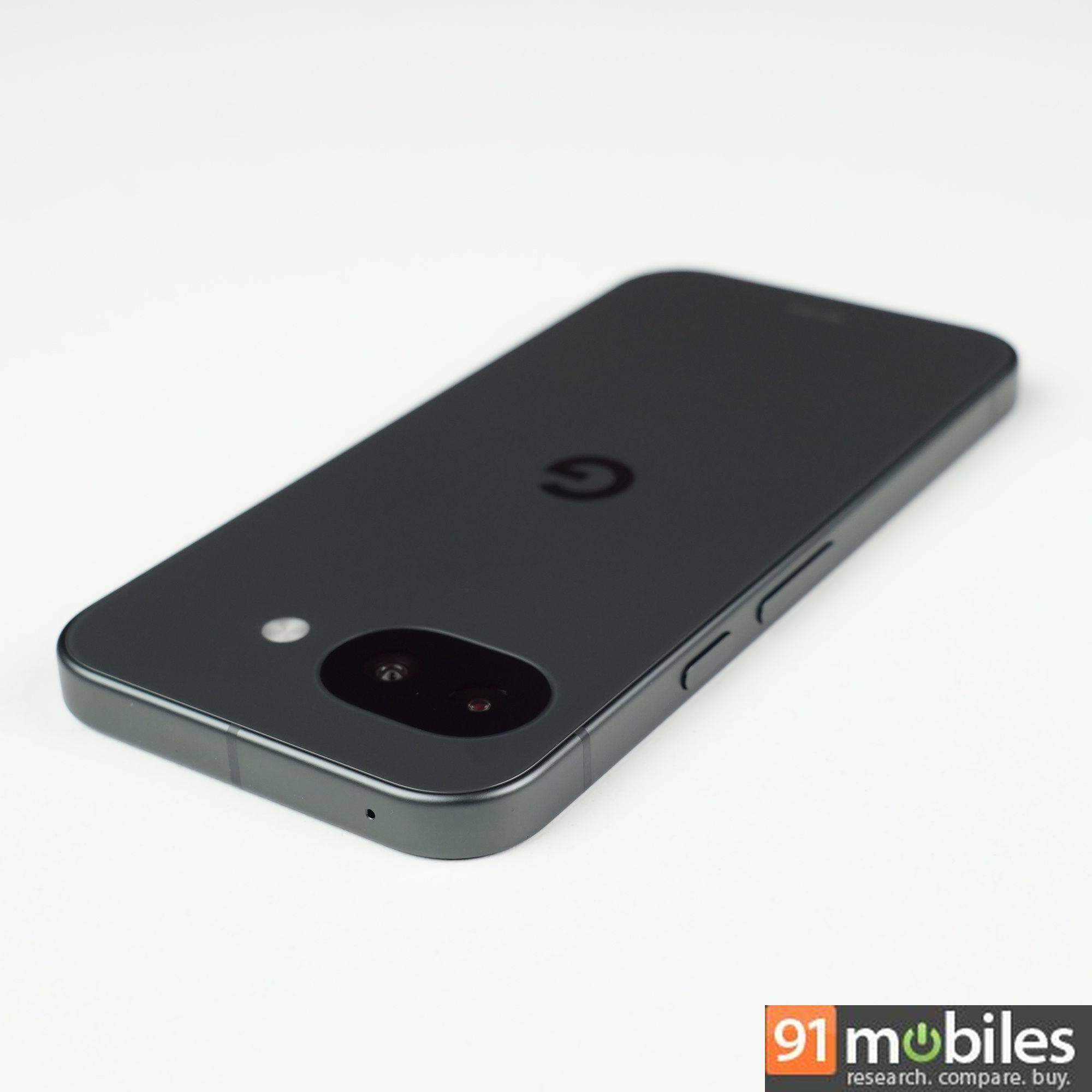
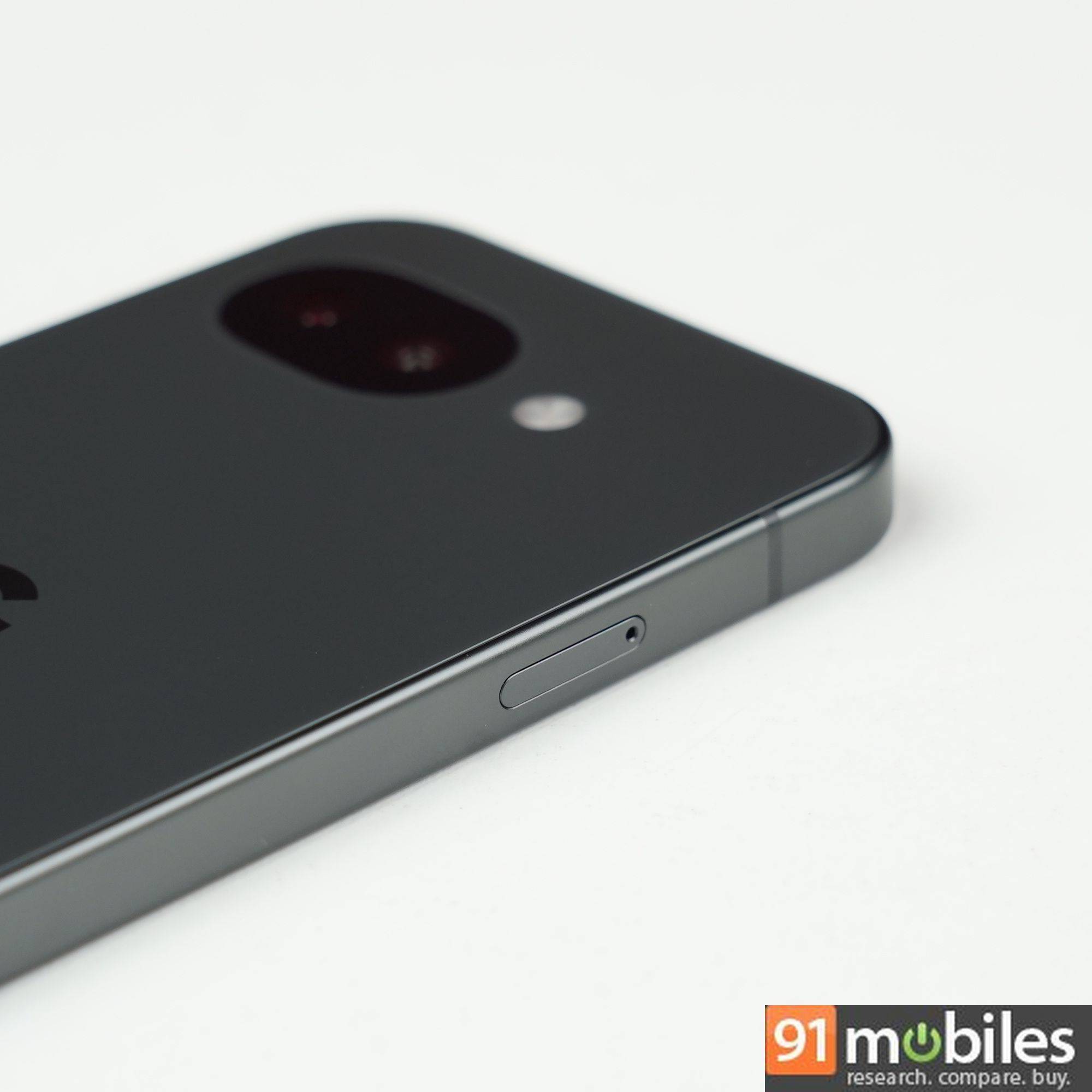
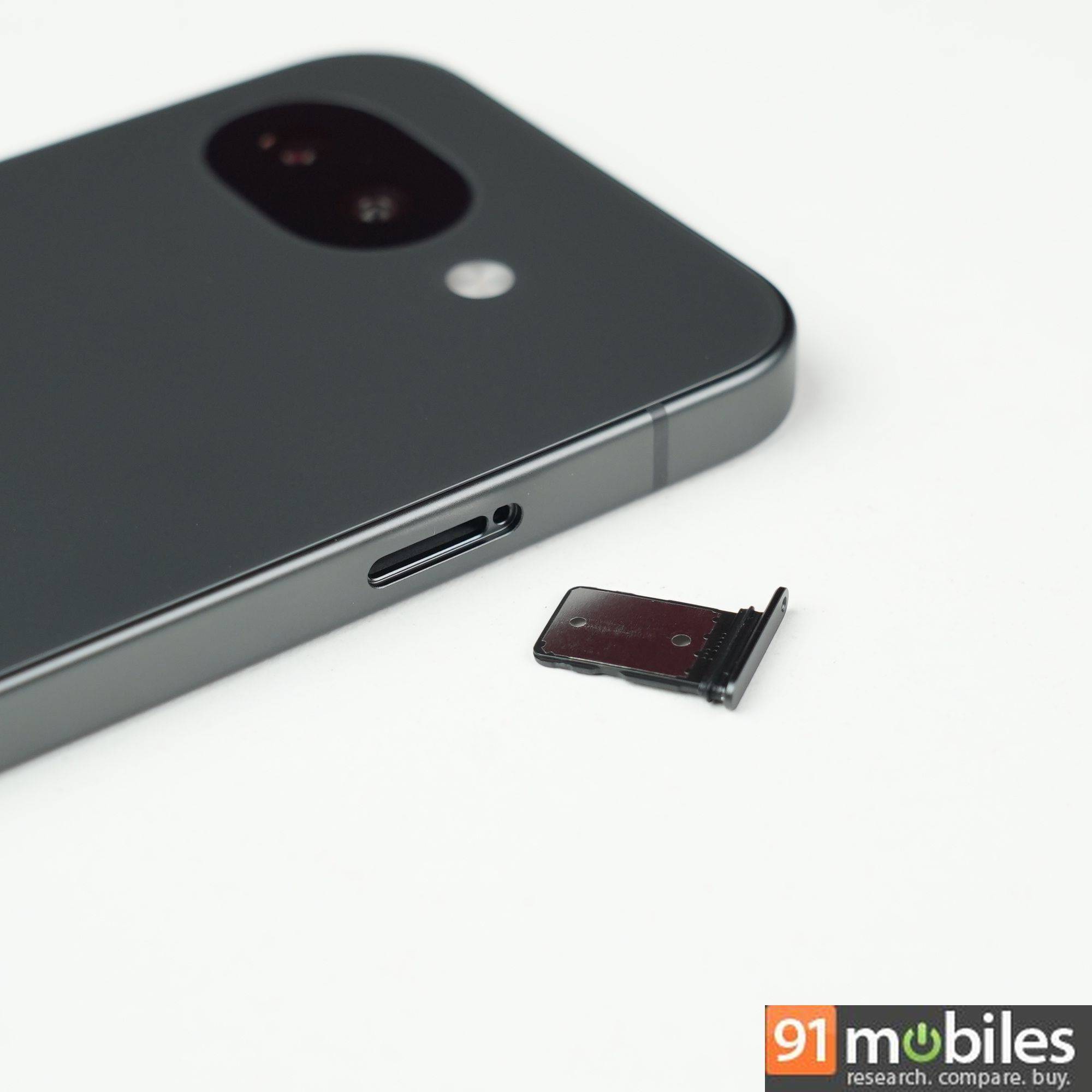
The textured matte back and satin metal frame feel premium for the price. The phone is available in four colour options: Lavender, Berry, Fog, and Obsidian. Much like its predecessor, this is a compact phone: easy to handle one-handed, with an excellent in-hand feel. The matte back is soft to the touch and, much like the Pixel 9a, not as slippery as you might expect.
Durability has received a meaningful upgrade this time. The Pixel 10a features Corning Gorilla Glass 7i on the display and an IP68 dust- and water-resistance rating, making it the most durable A-series Pixel yet. While IP68 is great to see on a Pixel phone, Android rivals, cheaper than the Pixel 10a, have been offering improved IP68, IP69 and lately IP69K ratings for dust and water protection.

Cameras are reliable in daylight, lacks versatility
In a market flooded with triple camera systems, the Pixel 10a sticks to the mantra, almost stubbornly so, that you don’t need more cameras to take good photos. The phone carries over the same 48MP primary sensor with an f/1.7 aperture and 13MP ultra-wide lens from the Pixel 9a. No hardware changes here. That’s not necessarily a dealbreaker. The Pixel 9a’s camera system performed reliably in daylight. But it lacks the versatility, especially in the kind of natural portraits you would get with a dedicated telephoto lens, that some rival Android phones offer.
Daylight
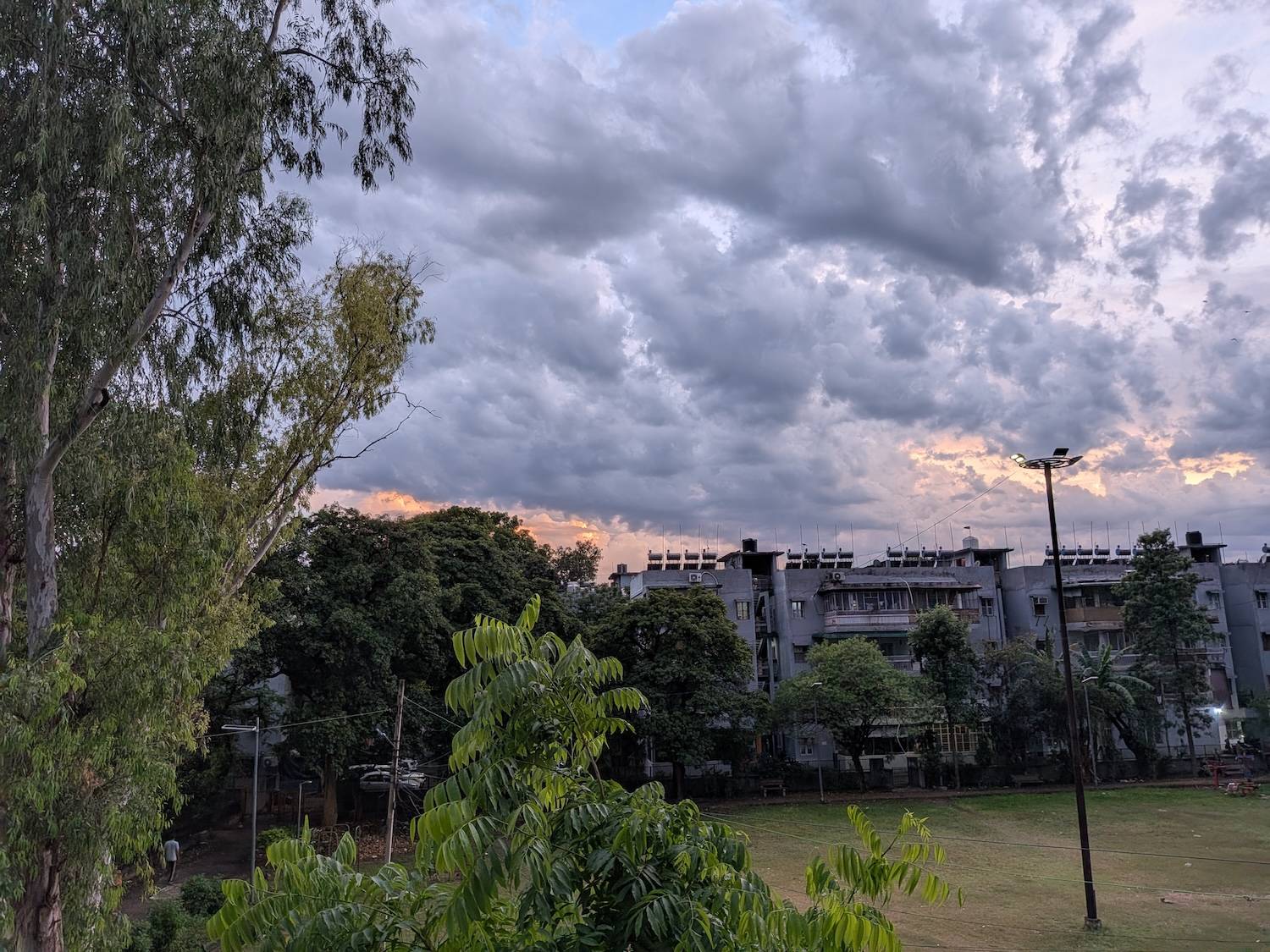
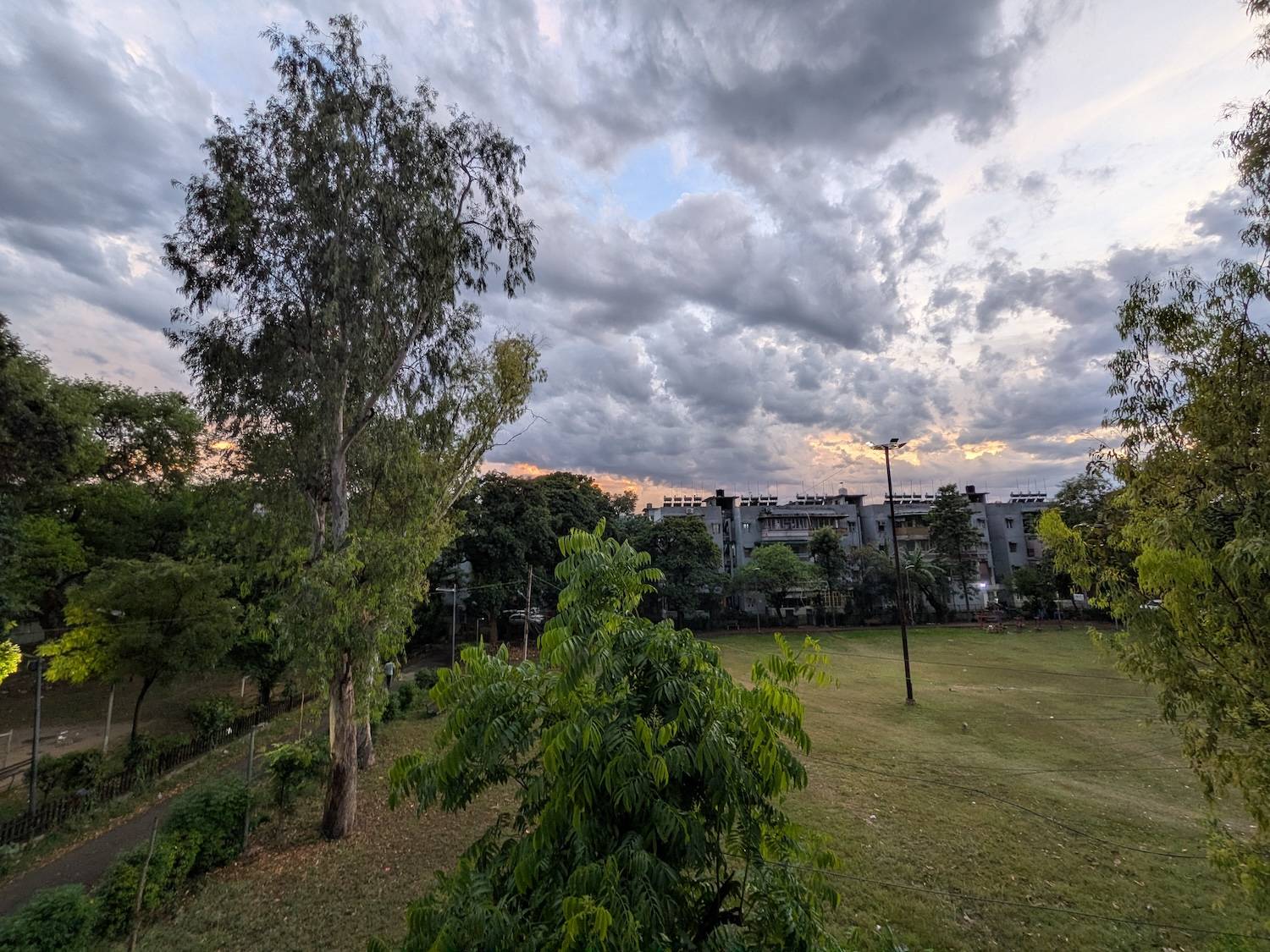
The Pixel 10a is a solid point-and-shoot camera phone in daylight. It delivers close-to-natural colours and doesn’t go for saturated tones, which can sometimes seem dull to the eye. I had no complaints with the quick autofocus, as I managed to get sharp stills most of the time. Compared to the more expensive iPhone 17e, I found the iPhone delivering better detail, though it sometimes leaned towards oversharpness with noise in some darker areas of the photo. The Pixel 10a, in contrast, delivers a softer image that looks fine (not exceptional) from a distance.


Portrait
The pinkish hue noticed in the daylight shot also appears in daylight portraits. In the image below, you can see that the Pixel 10a adds a pinkish tint, making the overall skin tone look less natural. The iPhone 17e does a better job at capturing natural skin tones. However, the Pixel 10a’s portrait is sharper, while edge detection is nothing to write home about on either phone. That last bit isn’t surprising, considering that neither device comes with a dedicated telephoto lens.


Selfie
Selfies on the Pixel 10a are bright, sharp, and social-media-ready. Exposure can run slightly on the higher side, much like the Pixel 9a. So, the iPhone 17e, in comparison, captures more balanced lighting and better edge detection in portrait selfies under intense sunlight.


Low-light
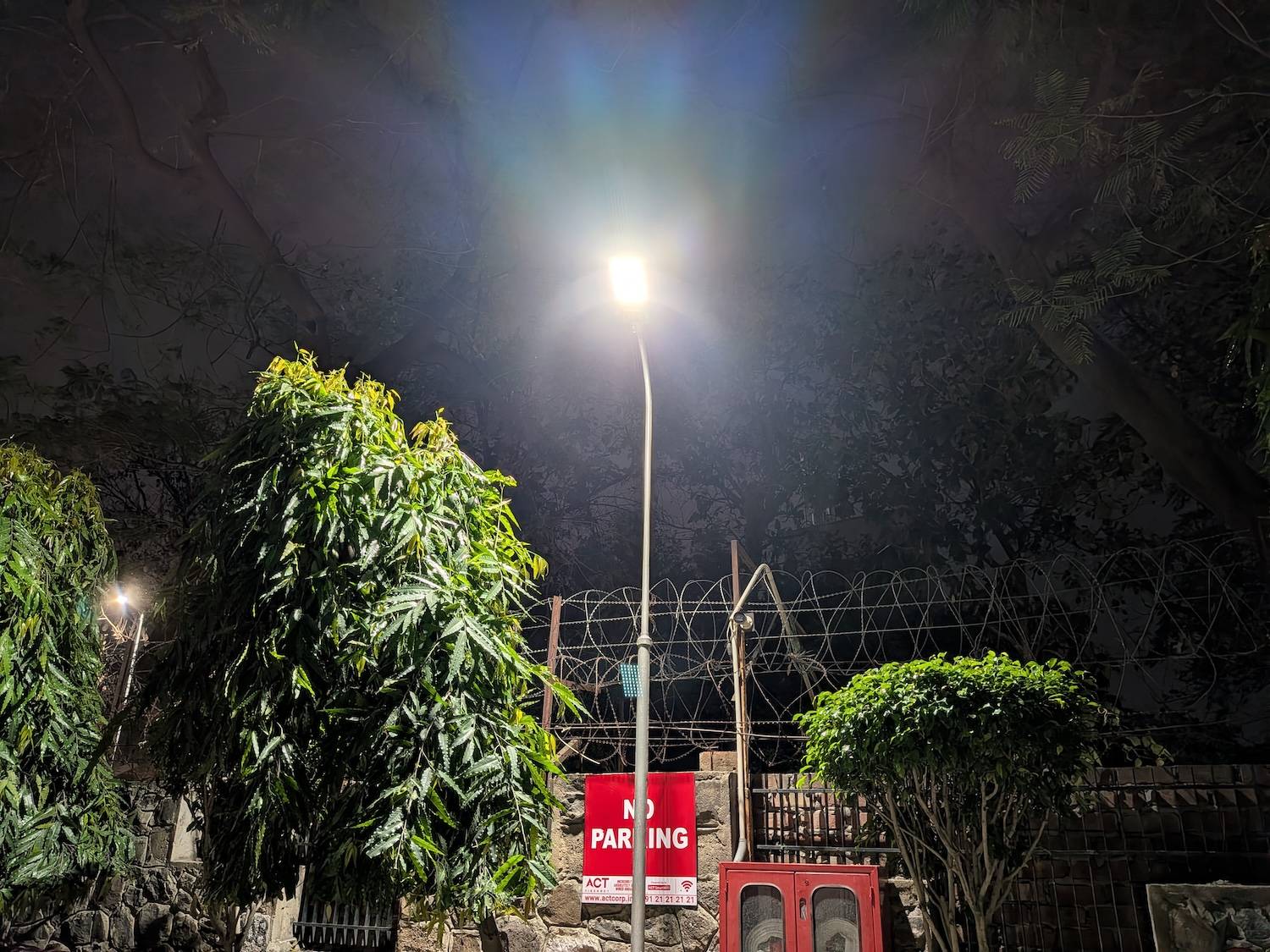
Low light remains the Pixel 10a’s one consistent weak point on camera. As with the Pixel 9a, you’ll notice some noise and dynamic range inconsistencies in challenging lighting conditions. Compared to the iPhone 17e, the Pixel 10a delivers a brighter shot with slightly better light flare control, but the iPhone captures a sharper overall image.


The key camera addition on the Pixel 10a is Camera Coach, making its A-series debut. It offers real-time composition tips and step-by-step guidance to help you frame the best shot, a handy feature for users who are just getting into photography. The Pixel 10a also picks up Auto Best Take from its flagship siblings, which automatically selects the sharpest frame from a burst. It’s a subtle but genuinely useful addition for group shots and moving subjects.




A two-year-old chip and the best software in the segment
The Pixel 10a is powered by the same Tensor G4 chipset that powered not just the Pixel 9a last year, but the entire Pixel 9 series the year before. That makes this a two-year-old chip in a 2026 phone, which is a curious decision, particularly since the Pixel 10 series launched with the newer Tensor G5. Google’s likely reasoning is cost control, given the ongoing memory chip shortage pushing phone prices up across the board.




As you can see, the Pixel 10a doesn’t lead its rivals in synthetic benchmarks, but its numbers aren’t too bad either, particularly for the sub-Rs 50,000 segment. In real-world usage, the phone handles day-to-day tasks competently, but it does show signs of slowdown when pushed, especially during heavy multitasking. I’m also not confident about how this chipset will age, which is not a concern I would have about any other phone in this segment.

The interface is as clean and stock as Pixel phones have always been. You get only 26 apps out of the box, with no third-party apps, significantly fewer than other Android phones come with.
| Smartphone | Pre-Installed Apps | Software Support |
| Google Pixel 10A | 26 | 7 Year OS Updates + 7 Year Security Updates |
| iQOO 15R | 54 | 4 Year OS Updates + 6 Year Security Updates |
| OnePlus 15R | 53 | 4 Year OS Updates + 6 Year Security Updates |
| Google Pixel 9A | 36 | 7 Years OS Updates + 7 Years Security Updates |
The Pixel 10a comes with 8GB of RAM, which is sufficient for daily usage but means Google hasn’t included its full suite of AI capabilities here. As with the Pixel 9a, features like Pixel Screenshots, notification summaries, and Magic Cue remain exclusive to the higher-end Pixel 10 models. You do get Gemini and Gemini Live, Add Me in camera, photo editing via text prompts in Google Photos, and Auto Best Take — a useful set, even if it’s not the complete picture.
Reliable endurance, frustratingly slow charging
The 5,100mAh battery carries over from the Pixel 9a, which comfortably lasted a full day in our experience with that phone. Battery life here on the Pixel 10a is similarly reliable. The phone can comfortably get through a full day, leaving enough in the tank to last overnight. This isn’t surprising when you consider that this isn’t a power-hungry chip and that Google would have optimised it well over the past two years. You are also unlikely to use the Pixel 10a for heavy-duty tasks that would drain the battery quickly. That said, you will need to plug it in once before bed or when you wake up. Android rivals like the OnePlus 15R and Vivo V70 are the ones to consider if battery life is a priority.

Charging speed has received a modest bump from 23W to 30W. This is better than the Pixel 9a, but still significantly slower compared to the 80W–120W speeds that rivals in this segment now offer. It takes around 86 minutes to charge the phone from 20 to 100 percent, making it the slowest charging phone in the sub-Rs 50,000 segment.
| Model | Charging support | Charging time (20-100%) |
| Google Pixel 10a | 30W | 86 minutes |
| OnePlus 15R | 80W | 49 minutes |
| iQOO 15R | 100W | 45 minutes |
You get a faster 10W wireless charging support, giving users at least one cable-free option for everyday top-ups. That said, the Pixel 10a does not support Qi2 magnetic charging, making it the only Pixel 10 model not to support Pixelsnap accessories. Google, once again, does not include an adapter in the box, but you get a Type-C cable.
Final verdict: Who should buy the Pixel 10a?
The Google Pixel 10a remains true to the Pixel A-series philosophy, delivering a clean Android experience, dependable cameras, and long-term software support at a price that hasn’t changed in a year. Priced at Rs 49,999, it offers a solid package for users who prioritise simplicity, software longevity, and a compact form factor over raw performance or flashy hardware.
What works for the Pixel 10a is the sum of its parts. It’s compact, comfortable to hold, and one of the few genuinely one-handed-friendly options in this price range. The bumpless design and IP68 rating make it the most refined and durable A-series phone Google has made. The pOLED display is vivid and bright. The cameras don’t try to do too much but deliver where it counts: in daylight, portraits, and even in low light, where they hold their own against more expensive rivals. The 5,100mAh battery comfortably lasts a full day, and Android 16 with seven years of update support means the phone’s software will stay relevant longer than its chipset will.
The trade-offs are familiar and consistent. The Tensor G4 is a two-year-old chip that trails newer Qualcomm and MediaTek processors in benchmarks, and 30W charging feels dated when rivals are charging at three or four times that speed. For Pixel 9a owners, there is no compelling reason to upgrade. For Pixel 8a owners or anyone coming from outside the Pixel ecosystem, the 10a makes a much stronger case. For non-Pixel owners, phones like the iQOO 15R and POCO X8 Pro Max make for better options if performance matters, while the Vivo V70 and OPPO Reno 15 are the right kind of all-rounders if photography is important.
Editor’s rating: 7.9 / 10
Reasons to buy:
- Compact, bumpless design with an IP68 rating makes it the most durable A-series Pixel yet.
- Seven years of OS and security updates, unmatched by any Android rival in this segment.
- Clean Android 16 experience with no bloatware and useful AI features.
- Reliable camera system for daylight, portraits, and low light, with the added utility of Camera Coach and Auto Best Take.
Reasons not to buy:
- Tensor G4 is two years old and trails rivals on raw performance and throttles under stress.
- 30W charging is slow by 2026 standards, and no adapter is included in the box.
- Identical camera hardware to the Pixel 9a, no meaningful upgrade for existing owners.