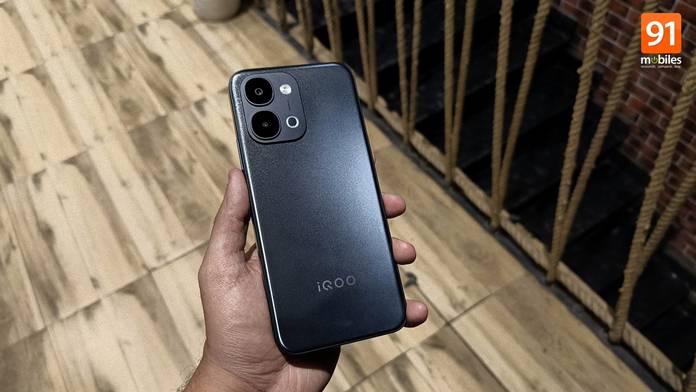
The iQOO Z11x is now up for grabs on Amazon and the iQOO store. Launched as iQOO’s first Z-series smartphone in 2026, the device follows the brand’s core philosophy of offering capable performance hardware at affordable prices. While it fares well in games and daily use, as noted in our review, should you consider getting the iQOO Z11x, given the overall package on offer?
To answer that, we’ve compiled four reasons to consider buying the iQOO Z11x, along with three reasons to skip it in favour of available alternatives.
Table of Contents
Reasons to buy the iQOO Z11x
Fluid day-to-day performance
Presenting itself as a performance-focused midrange device, the iQOO Z11x sports the MediaTek Dimensity 7400 Turbo. While the chipset made its appearance on multiple phones last year under Rs 20,000, including Vivo’s own T4R, it remains one of the safest choices for attaining a fluid day-to-day and gaming experience.


Scoring over 9,60,000 on AnTuTu in our lab tests, the Z11x comes on top of its closest rival, the POCO M8, which trails with an 8,60,000 score, while the higher-priced Infinix Note Edge delivers around 7,80,000 on the said benchmarking app. Coming to games, the phone delivered average frame rates of 56.1 during 40 minutes of CODM gameplay at ‘Very high + Max’ graphic settings. On the other hand, the POCO M8 falls short by offering 51.3 frames per second on average in the same duration.
Solid battery endurance
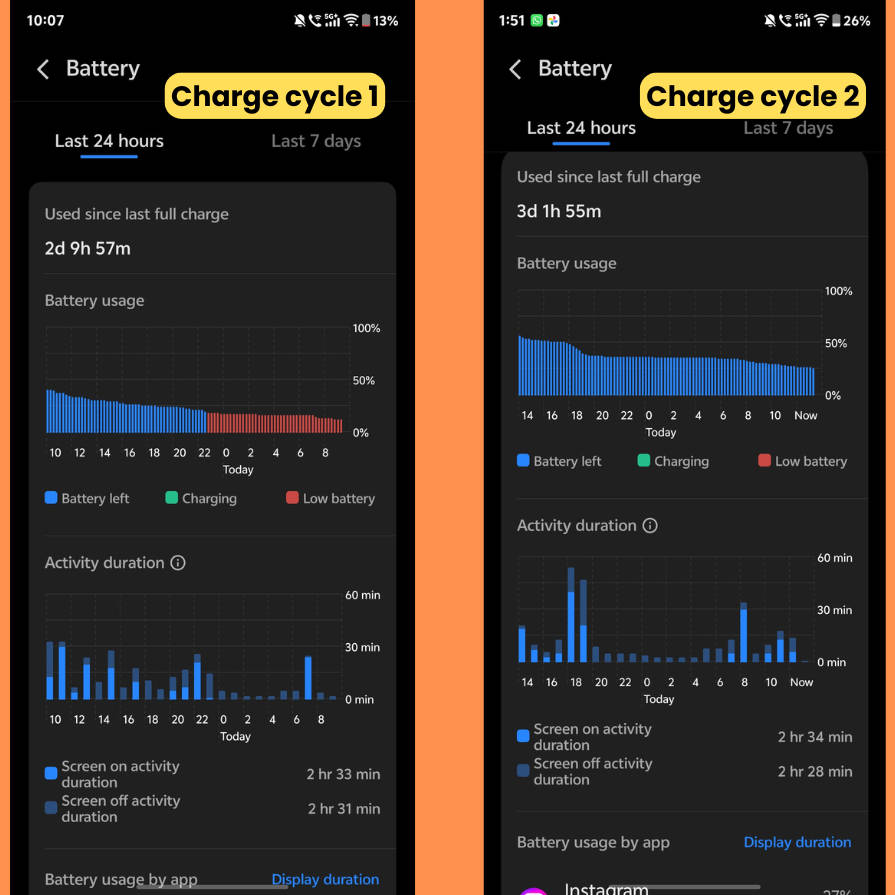
With a large 7,200mAh cell in tow, the iQOO Z11x features the segment’s biggest capacity battery. As impressive as it sounds for a phone under Rs 20,000, the battery actually fares well in real-world use by lasting several days without any hurdles. During our time with the Z11x, we achieved around nine hours of screen on time in the first charge cycle, which itself lasted more than two days, while the second charge cycle delivered a standby duration of over three days.
Snappy software with a visually appealing design
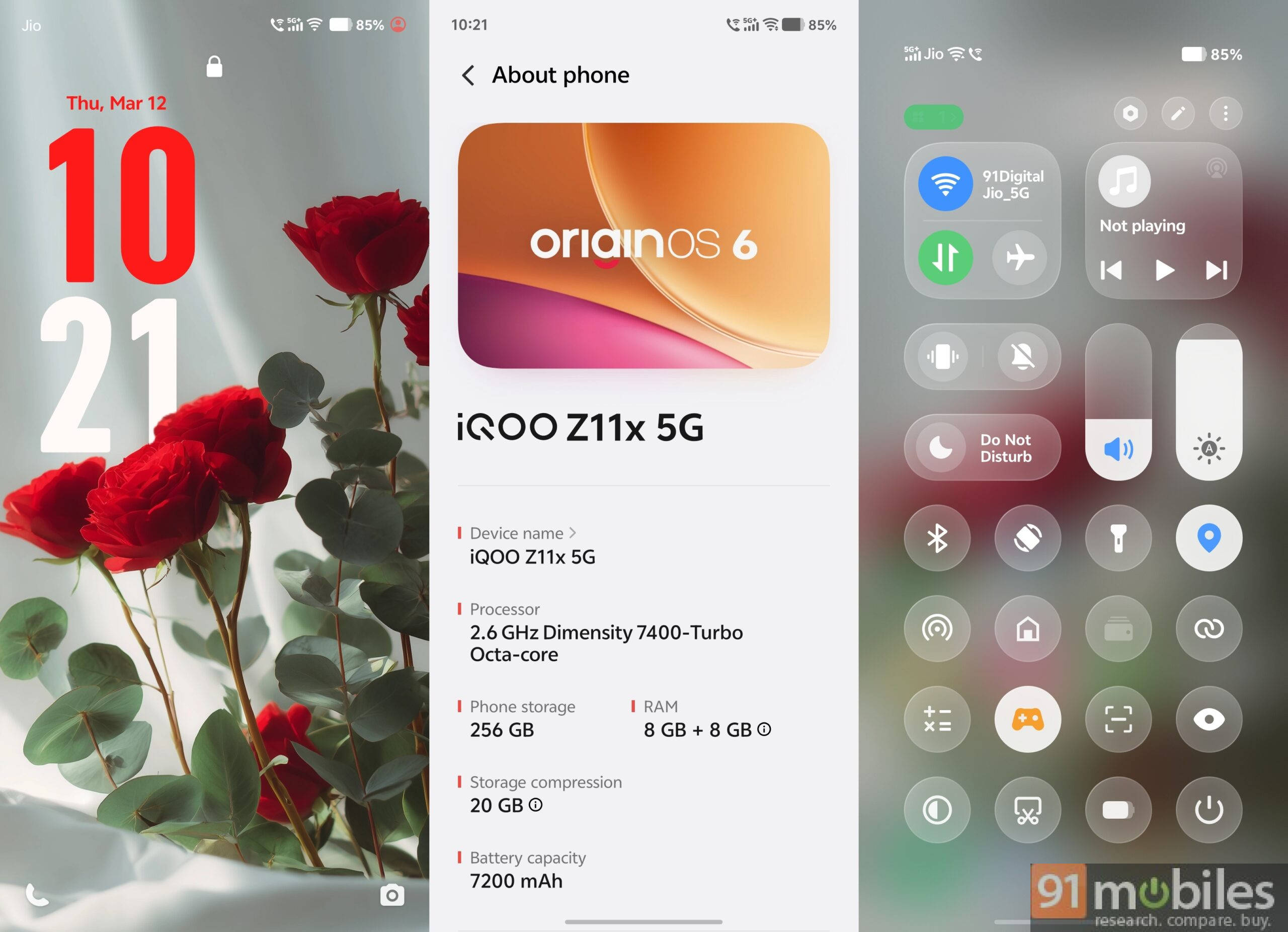
Promised to receive two OS upgrades and four years of security patch updates, the iQOO Z11x runs on the Android 16-based OriginOS 6 skin, a major design upgrade over Funtouch OS 15. What we really liked about the software here is that it’s highly reminiscent of iQOO’s higher-end phones by offering fluid animations and bouncy transitions, displaying blur visuals in several areas, and packing productivity features like Office Kit and Origin Island’s Drag & Go.
Primary camera gets the job done
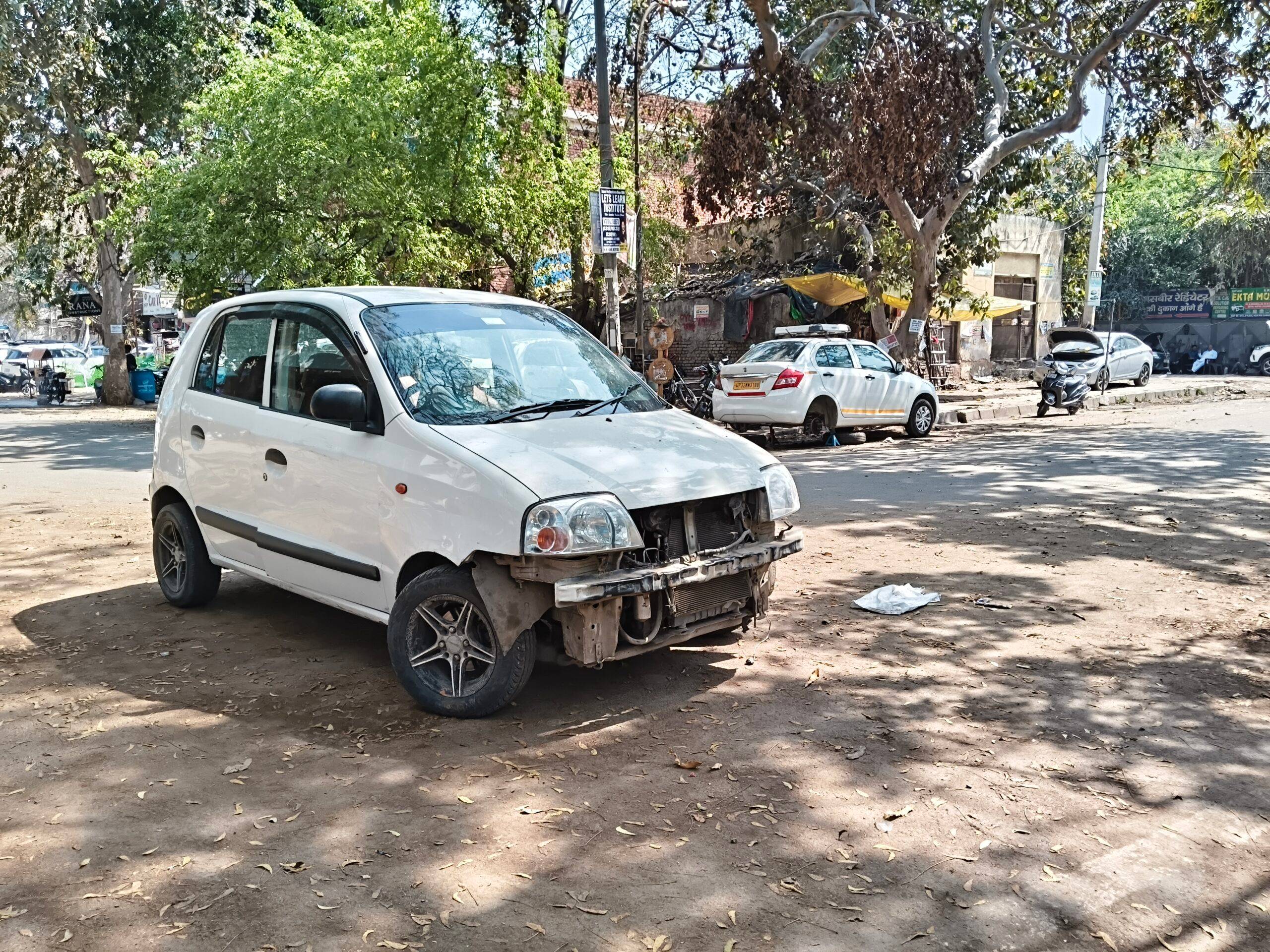
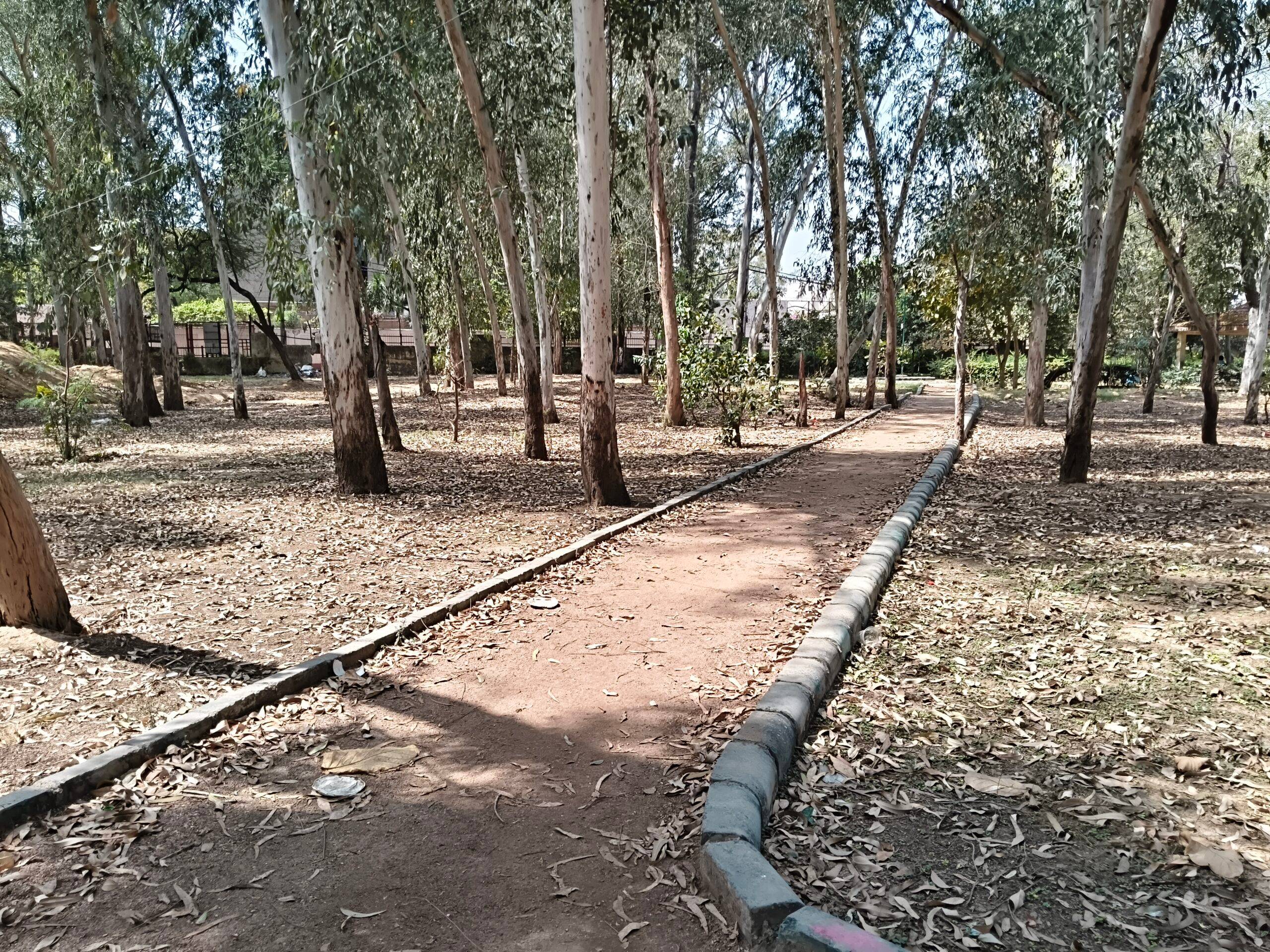
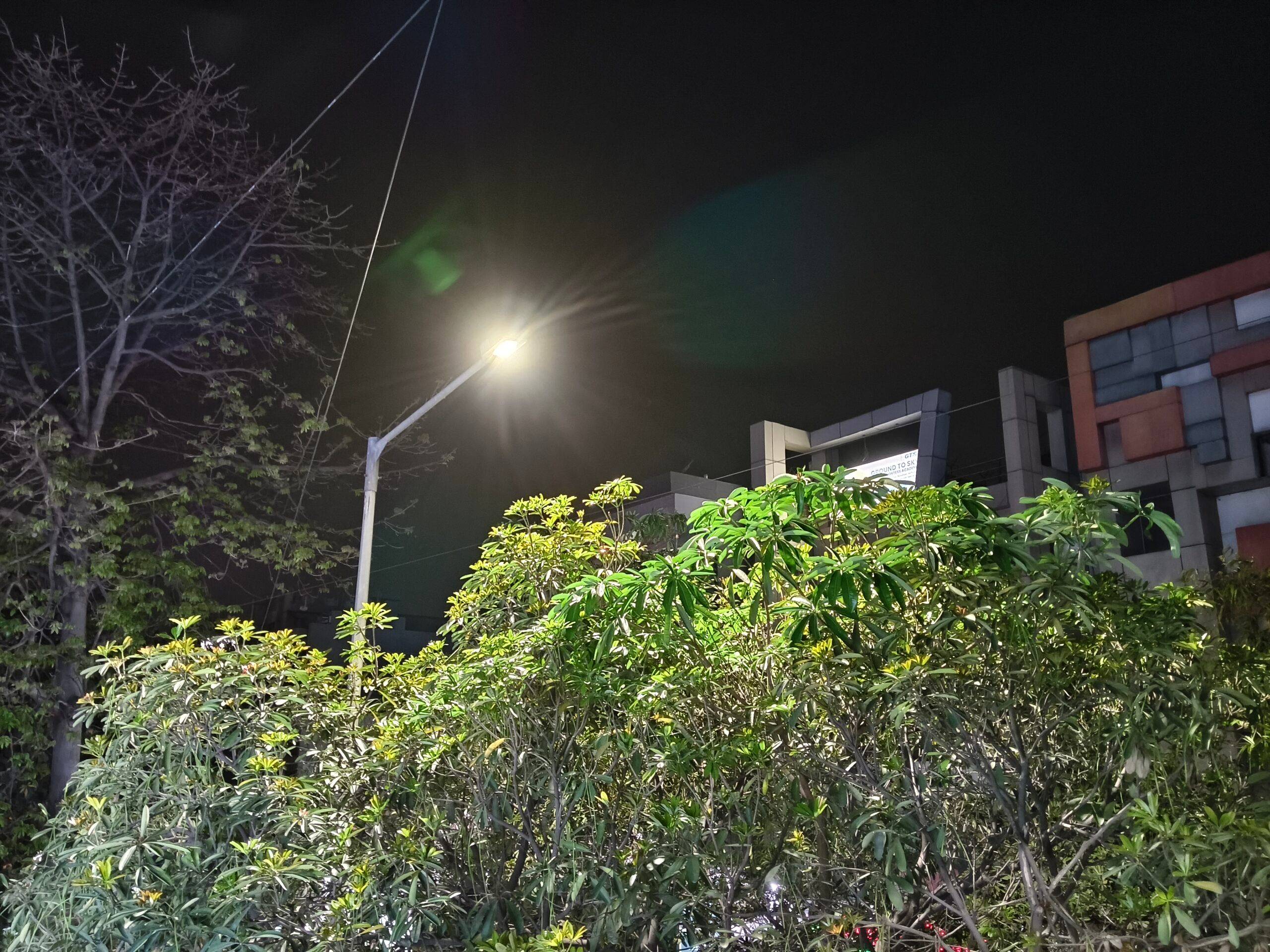
Even though the primary camera hardware on offer could’ve been better, the 50MP Sony IMX852 lens is capable of delivering workable results, at least in daylight and well-lit scenarios. While it generally outputs close to real images, the white balance and colour temperatures at times can be off. For instance, the same scenario captured at varied angles can differ in tones. In low light, the Z11x manages to control the exposure on light sources decently well.
















Reasons to skip the iQOO Z11x
Hefty and chunky build
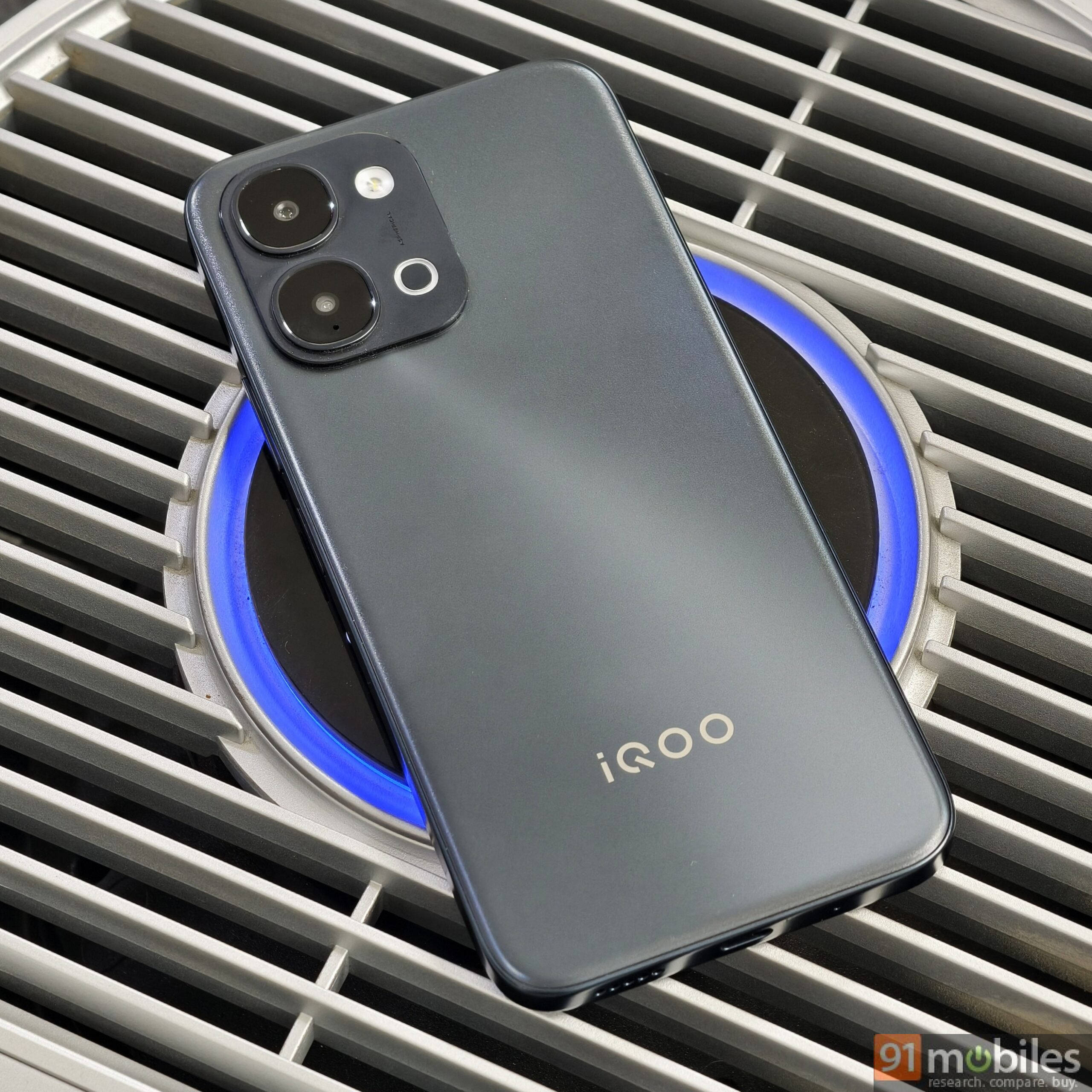
Weighing 218g, the iQOO Z11x certainly feels heavy to hold. While the rounded corners offer comfortable ergonomics when holding the phone single-handed, the device’s hefty weight may not suit everyone for extended use, potentially leading to fatigue or discomfort during prolonged sessions.
Restricted camera versatility
Unlike last year’s popular midrange smartphones, like the Moto G96 and Realme P4, the iQOO Z11x omits an ultrawide lens. Even though the image quality of output from ultrawide-angle lenses on sub-Rs 20,000 isn’t anything noteworthy, the addition of the said lens allows users to capture wider perspectives to fit more scenery in the frame, especially in well-lit conditions.
Lack of an AMOLED panel
While the 6.67-inch FHD+ resolution IPS LCD panel of the iQOO Z11x offers sufficient vibrancy and sharpness for daily content consumption, the contrast and black tones aren’t as pleasing as an AMOLED display. This could be a drawback for those coming from an AMOLED phone.
Starting at Rs 18,999 for the base 6+128GB storage option, the iQOO Z11x stands as a worthy pick for those prioritising a reliable level of performance for not just daily use, but also for running games at high graphical settings, an excellent battery backup, smooth sailing and feature-packed software, and a primary camera that gets the job done.
On the other hand, it’s better to consider alternatives like the Realme P4, Moto G96 or even the POCO M8 if you’re seeking a sleek build for in-hand comfort, an ultrawide lens, and an AMOLED panel for enjoying saturated and bright colours while watching content.