


Review Summary
Expert Rating
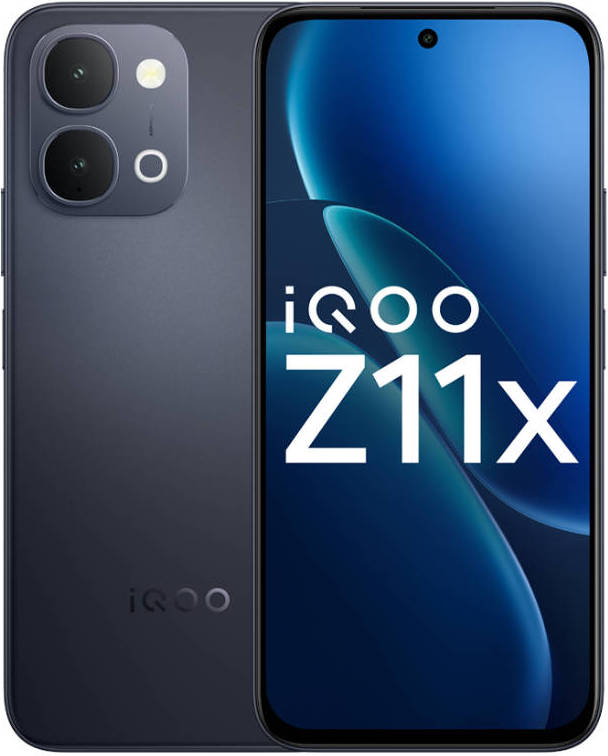
Released as the successor to last year’s highly popular iQOO Z10x, the iQOO Z11x has big shoes to fill. While it retains the core aspects of its predecessor, such as packing a segment’s largest battery yet, an upgraded chipset with UFS 3.1 speeds, and all-around durability, the handset sees a noticeable price bump as well.
The iQOO Z11x has been priced in India competitively at Rs 18,999. But does it have an edge over its rivals in the segment? Found out in this detailed review.
Table of Contents
Quick verdict
The iQOO Z11x offers class-leading performance and battery endurance under Rs 20,000, along with a workable primary camera and a fluid, feature-rich software. Its major drawbacks include hefty weight and the lack of versatility in the cameras, which would have made it equally capable for photography enthusiasts.
Hefty yet strong build
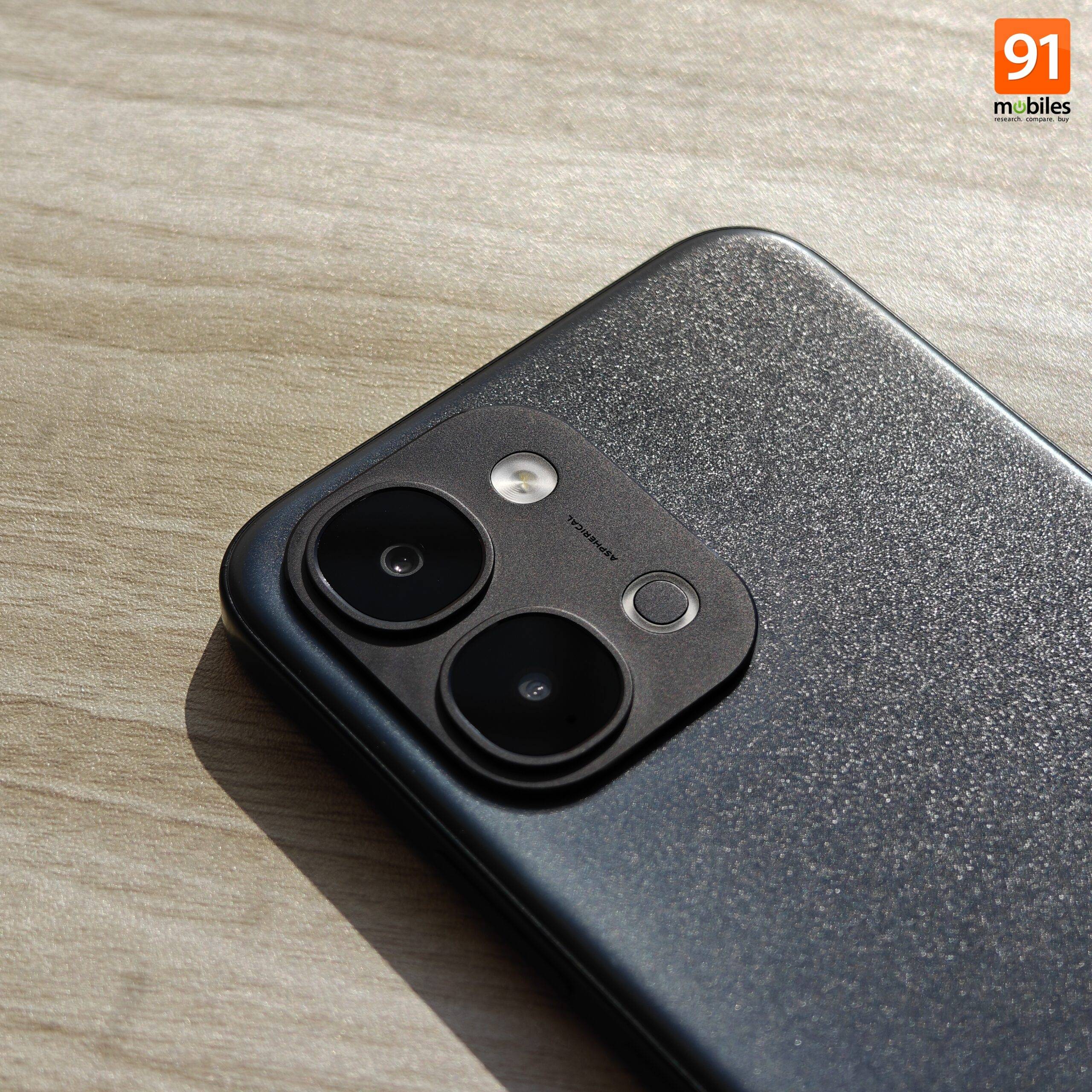
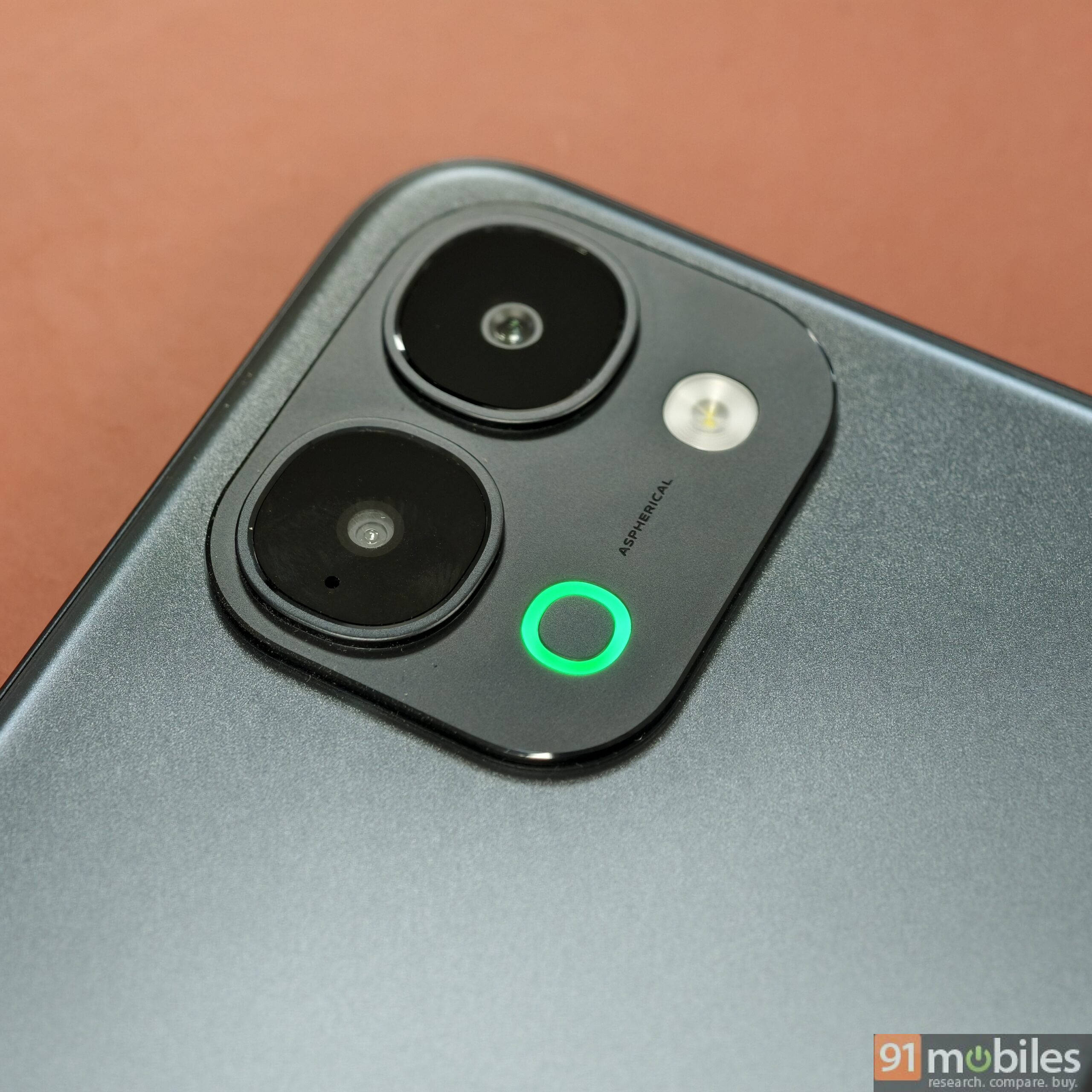
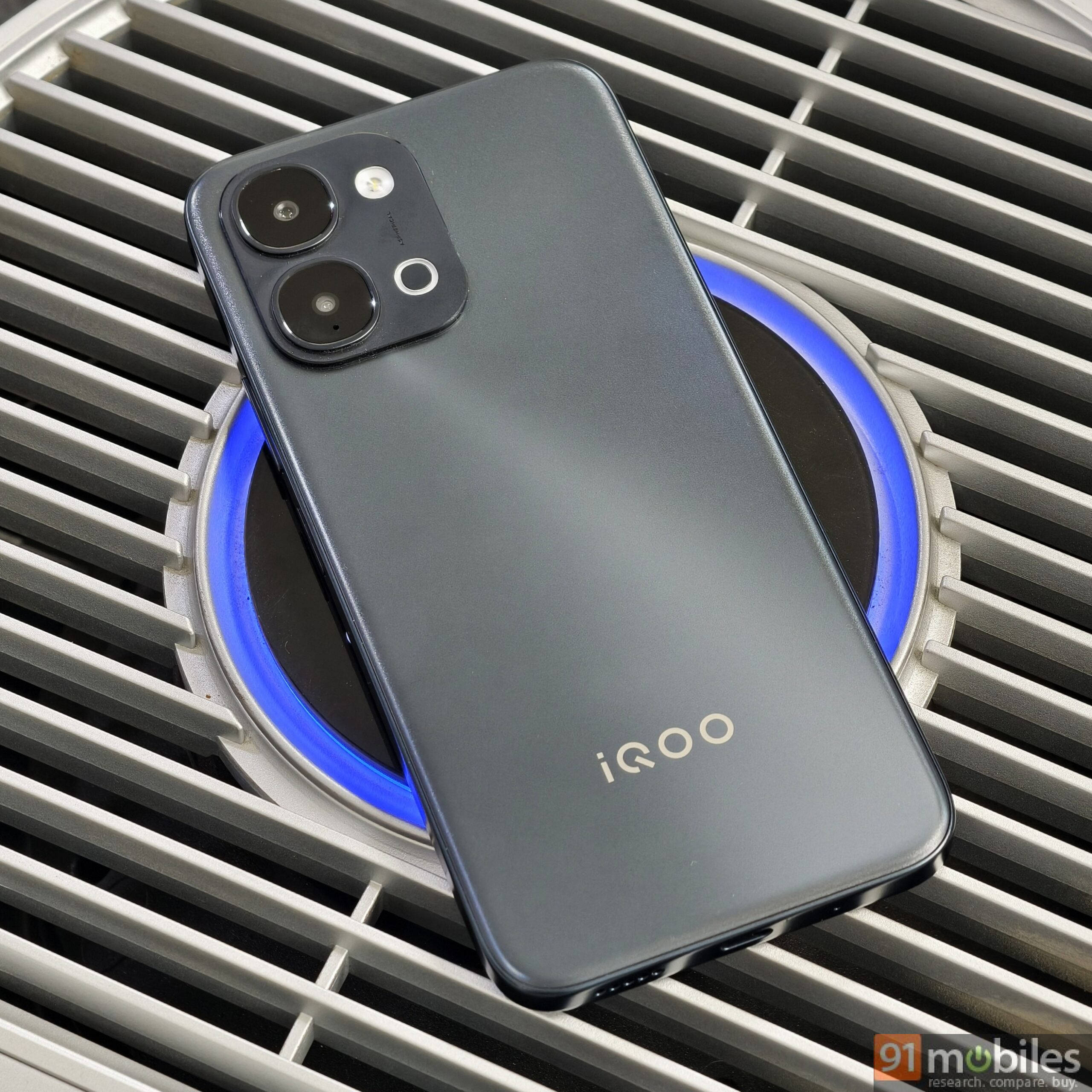
When it comes to the look and appearance of the iQOO Z11x, iQOO hasn’t shifted drastically from the Z10x’s design. In fact, I liked how the entire camera island has been minimised, while retaining the dual cameras, IR blaster, flashlight, and the ringed RGB Dynamic Light inside. While I got my hands on the Titan Black colour of the Z11x for review, it also comes in the Prismatic Green shade, which features boxy patterns as opposed to the reflective matte finish of the black colour.
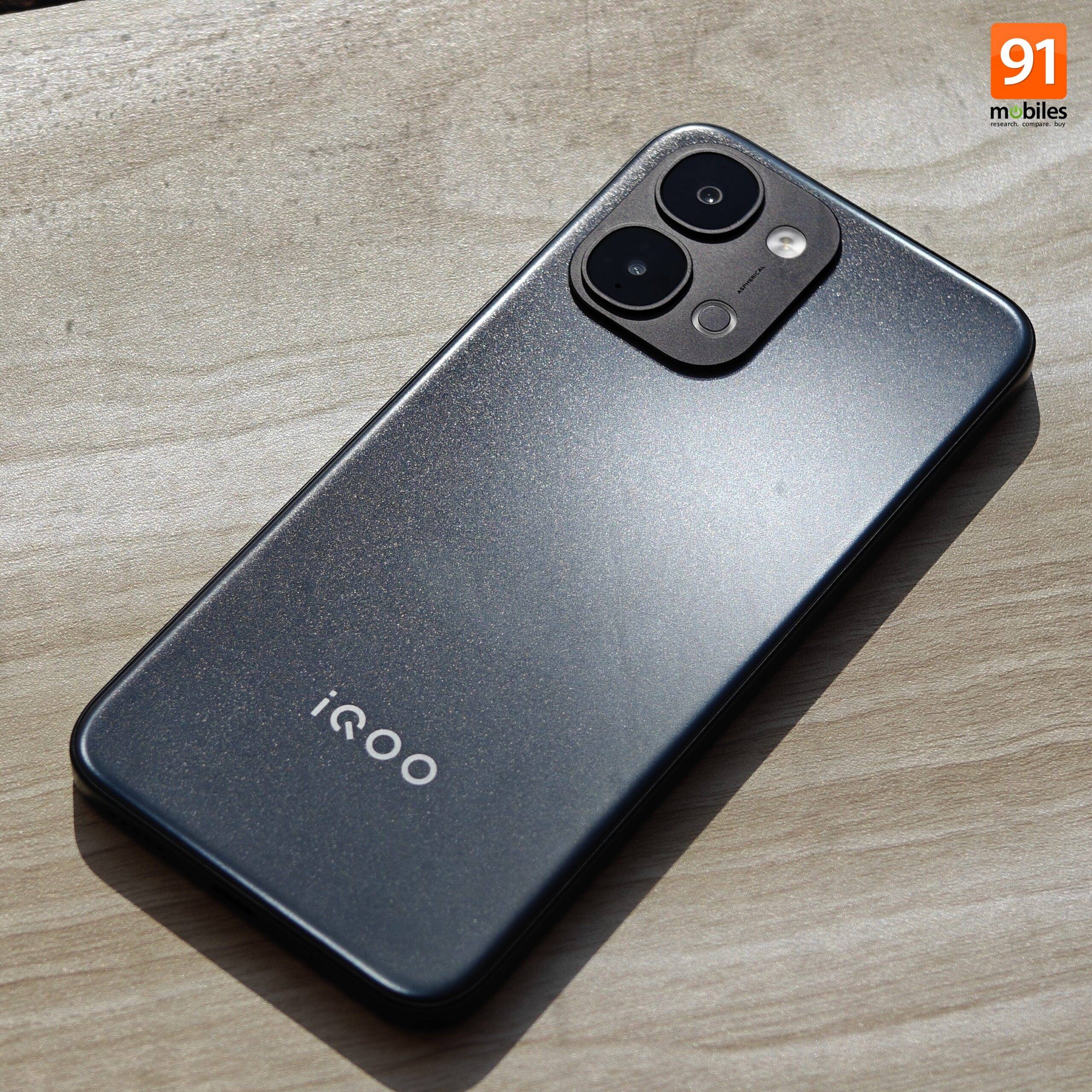
On the positive side, since it features rounded corners rather than the usual, holding the phone single-handed doesn’t dig into your palms. With an IP68/69+ rating, the phone is well protected against water and dust exposure.
LCD display outputs sufficient vibrancy
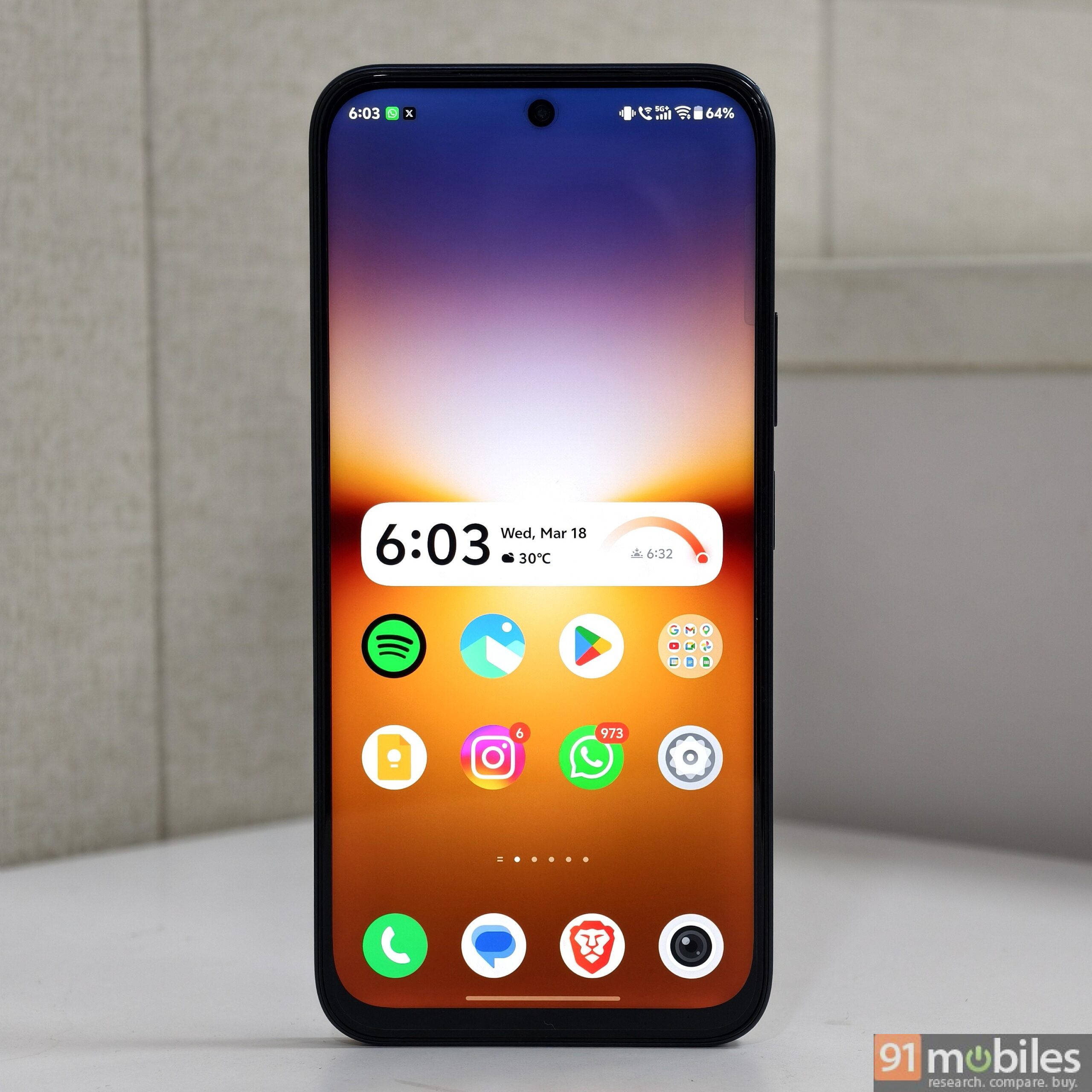
The display is an area where the iQOO Z11x doesn’t see a major upgrade over the iQOO Z10x. Sporting a 6.67-inch LCD panel with FHD+ (2344 x 1080) resolution, the display falls behind in producing contrasty tones and deep blacks compared to its current rivals, such as the Realme P4 and Moto G86 Power. Comparisons aside, the iQOO Z11x can deliver adequate vibrancy when watching OTT shows/movies or YouTube videos when enabling the “Bright” mode under the display colour settings.
Rock solid performance for the price
While not many brands have brought their sub-Rs 20,000 offerings yet in India, the iQOO Z11x with the MediaTek Dimensity 7400 Turbo SoC appears to be a valuable addition. For context, the recently released Infinix Note Edge (priced at Rs 21,999) gains the MediaTek Dimensity 7100 SoC, which, as the name itself suggests, is positioned lower than the Dimensity 7400. Similarly, the POCO M8 (review) launched in January, packed the Snapdragon 6 Gen 3 chipset, which again falls short in raw performance compared to the Dimensity 7400, at least on benchmarks.




Just like in benchmarks, the iQOO Z11x has a slight edge over its close rivals in gaming as well. When running Call of Duty: Mobile at ‘Very high + Max’ graphic settings, the phone delivered average frame rates of 56.1 during 40 minutes of gameplay, with temperatures touching only 32 degrees Celsius. In similar scenarios and settings, the POCO M8 offered 51.3 frames per second on average in CODM, placing the iQOO Z11x ahead.
In BGMI, the iQOO Z11x continues to lead the charts as it achieved 38.5 average frames per second in the ‘HDR + Ultra’ setting. On the contrary, the POCO M8 could manage 28.5 frames per second during the same 40-minute duration as the iQOO Z11x. As for daily operations, the iQOO Z11x barely showed any signs of stutters or slowdowns, even with multiple apps running in the background.
Smooth-flowing software on a budget
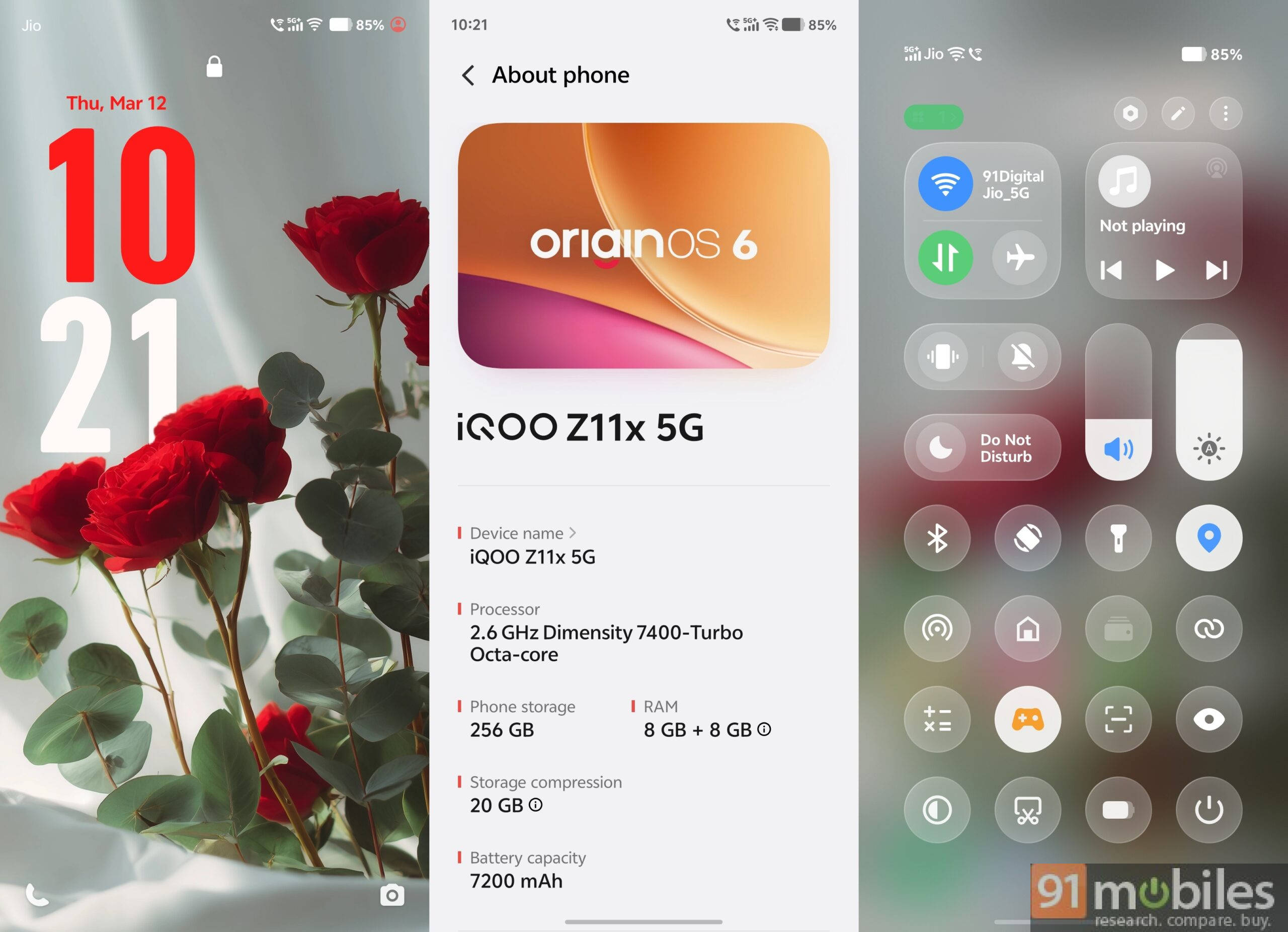
Running on OriginOS 6, the software is easily the phone’s most favourable aspect for me. Even though the device comes loaded with a bunch of games and third-party apps, the experience of using the software remains largely fluent. Unlike Realme UI, Hyper OS, and Moto Hello UI-based phones, the iQOO Z11x carries attractive-looking blur elements and bouncy, seamless animations to enhance user experience.
| Smartphone | Pre-Installed Apps | Software Support |
| iQOO Z11x | 64 | 2 Year OS Updates + 4 Year Security Updates |
| realme P4 | 41 | 3 Years OS Updates + 4 Years Security Updates |
| POCO M8 | 58 | 4 Years OS Updates + 6 Years Security Updates |
For context, the app opening and closing animations, Origin Island transitions, and the bouncy effects when summoning the quick settings or recent apps panel are reminiscent of high-end iQOO phones running OriginOS 6, such as the iQOO Neo 10 and iQOO 15R. The only aspects that have been toned down are the blur visuals, which is a given considering the midrange hardware on board. Apart from that, the software is loaded with nifty features like an AI Writer for generating and summarising texts, Office Kit for accessing a phone’s data on a PC, dual quick settings panels, and more.
Terrific battery endurance
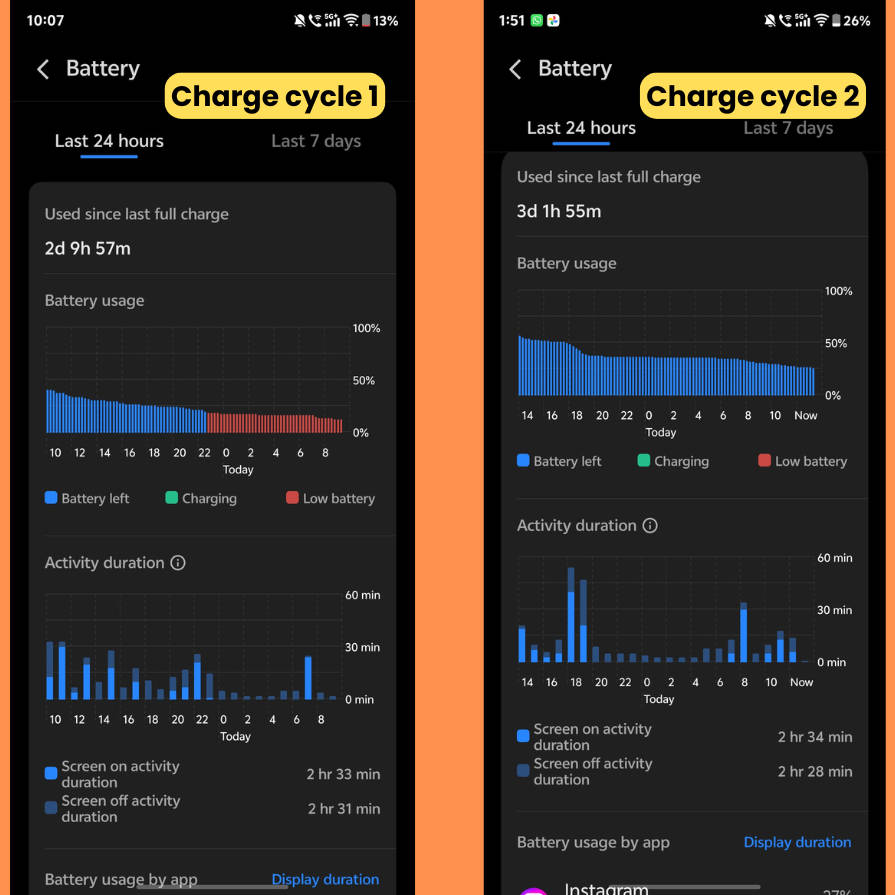
With a massive 7,200mAh battery on board, the iQOO Z11x’s battery endurance stayed top-notch during my usage. It’s safe to say the smartphone can easily last over two days on casual use on a full charge. In our PCMark Battery test, a synthetic battery benchmarking app that runs the most popular tasks, such as video editing and rendering, opening and scrolling documents, playing videos, web browsing, and more., the phone lasted 20 hours.

Compared to all sub-Rs 20,000 phones released in the past few months, including those with 7,000mAh batteries, the iQOO Z11x comes out on top. As for my personal experience with the iQOO Z11x’s battery life, during the first charge cycle, the phone lasted over 2 days and 10 hours, with the usage including scrolling through Instagram, watching YouTube, web browsing, note-taking, and other basic app usage. During the period, the phone was able to deliver 9 hours of screen time with 13 percent battery remaining.
| Smartphone | Battery Capacity | Charging Support | Charging time (20% to 100% ) |
| iQOO Z11x | 7200 mAh | NA | 1h 16m |
| realme P4 | 7000 mAh | 80W Ultra Charging | 59m |
| POCO M8 | 5520 mAh | 45W Fast Charging | 54m |
| OnePlus Nord CE 5 5G | 7100 mAh | 80W Super VOOC Charging | 47m |
Primary camera captures narrow perspective shots
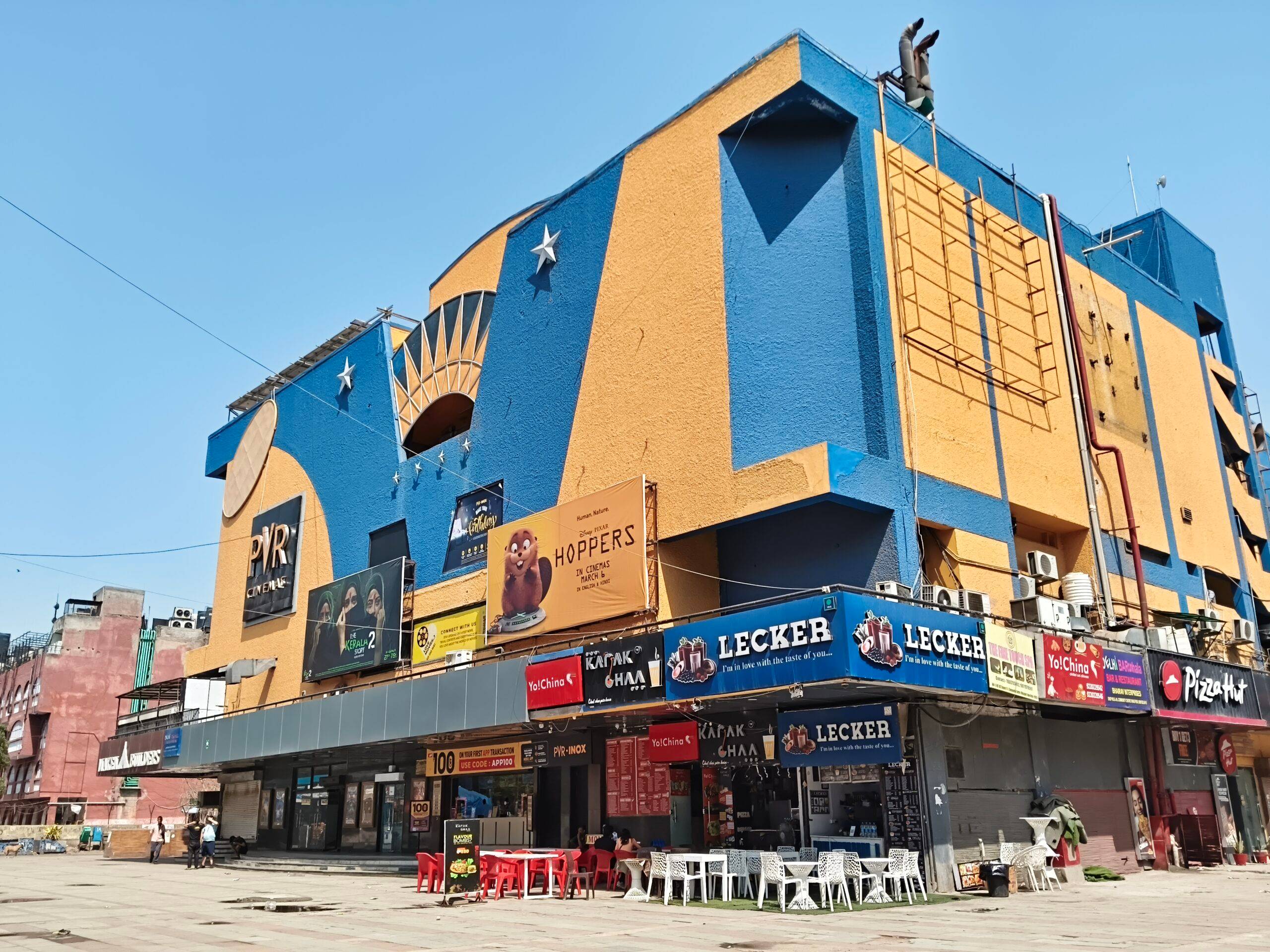
The iQOO Z11x rocks a dual rear camera setup, comprising a 50MP Sony IMX852 with f/2.4 aperture and a 2MP bokeh sensor. Up front, the circular camera cutout houses a 32MP selfie camera. Upon clicking the first few images, it was evident that the main camera’s default focal length of 28mm is quite narrow for my liking, especially compared to something like the Moto G96’s 24mm focal length. So, in order to capture the intended frame using the Z11x, you’d have to step back a bit when clicking images at 1x.

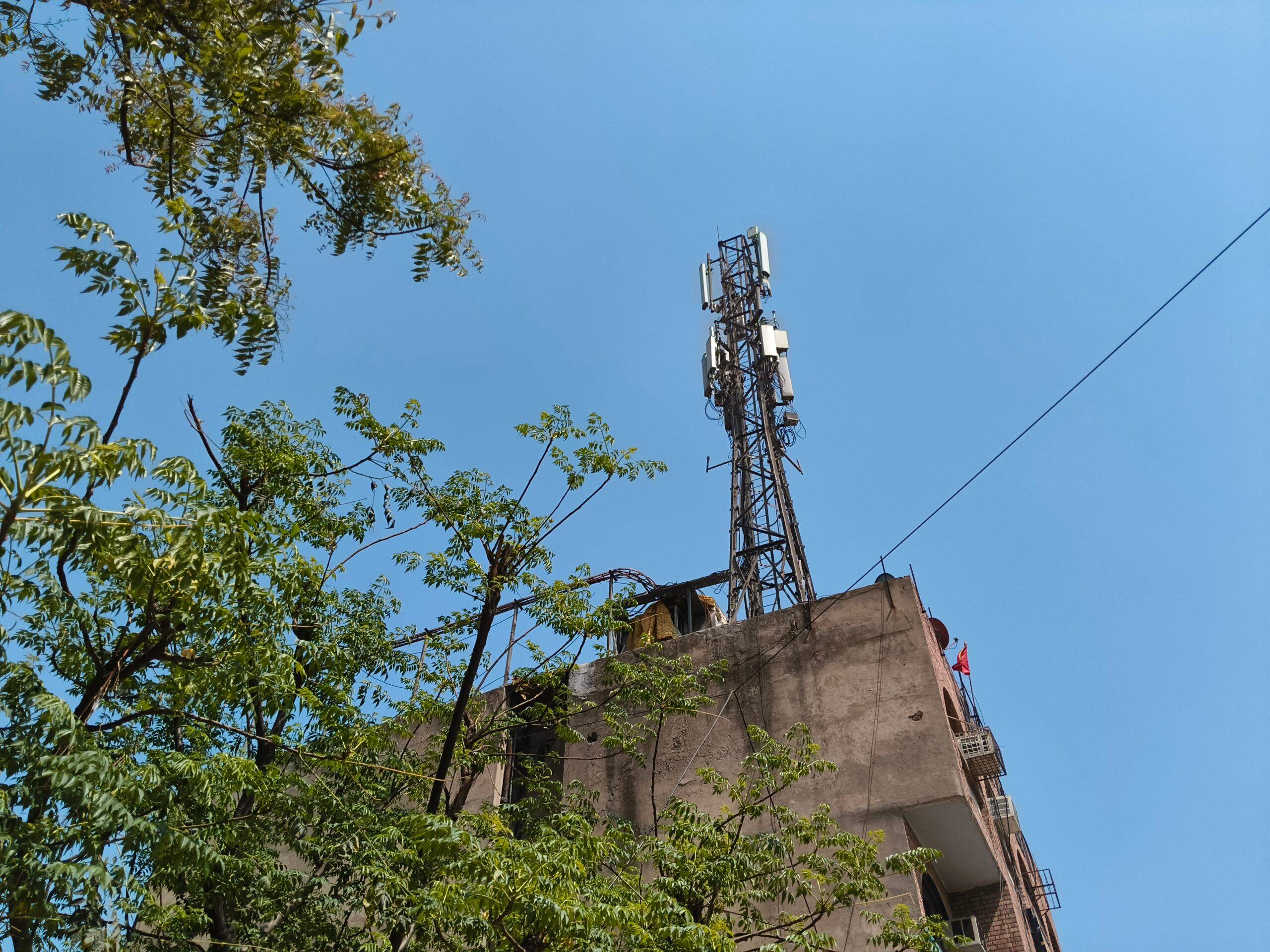
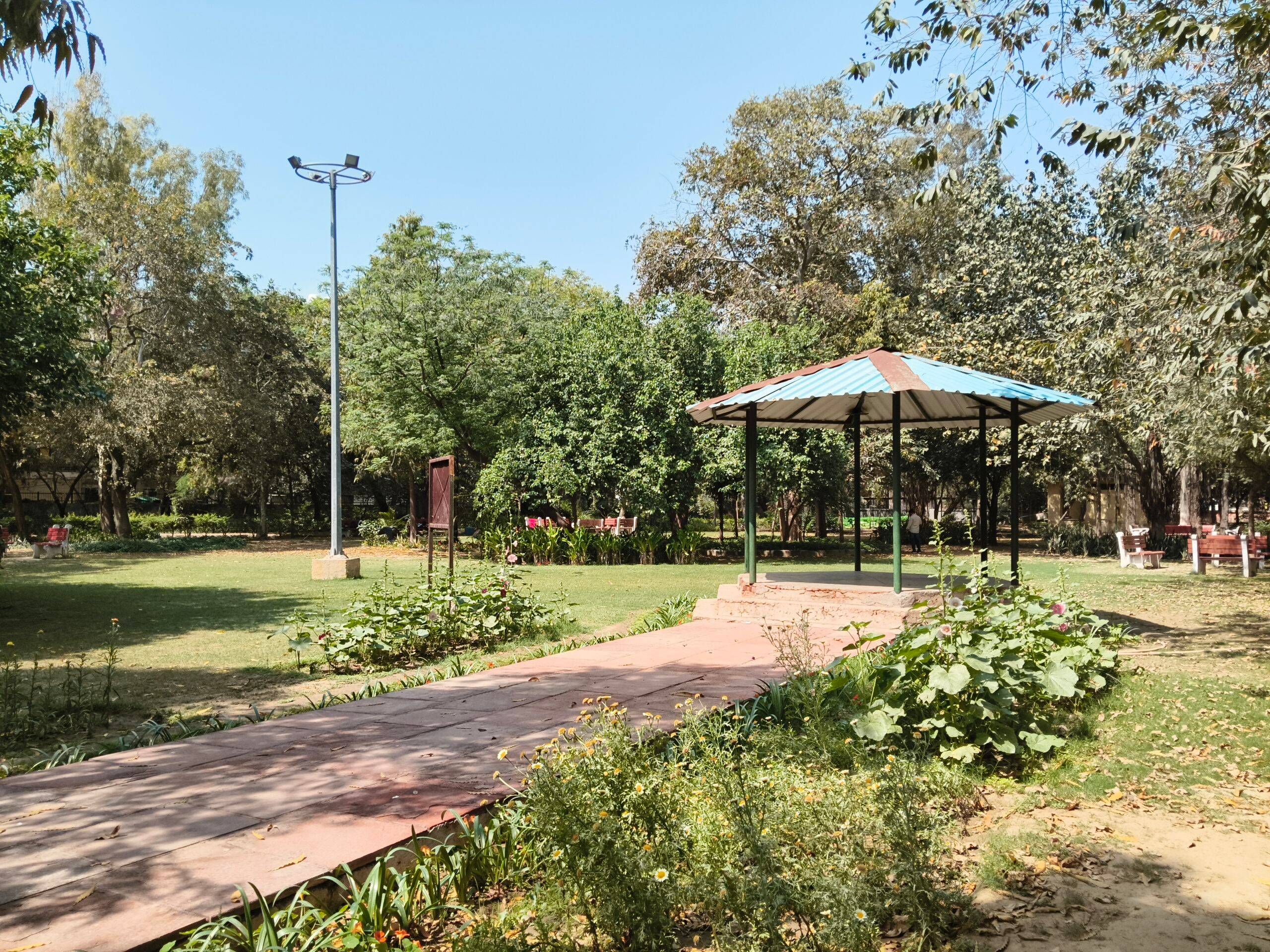
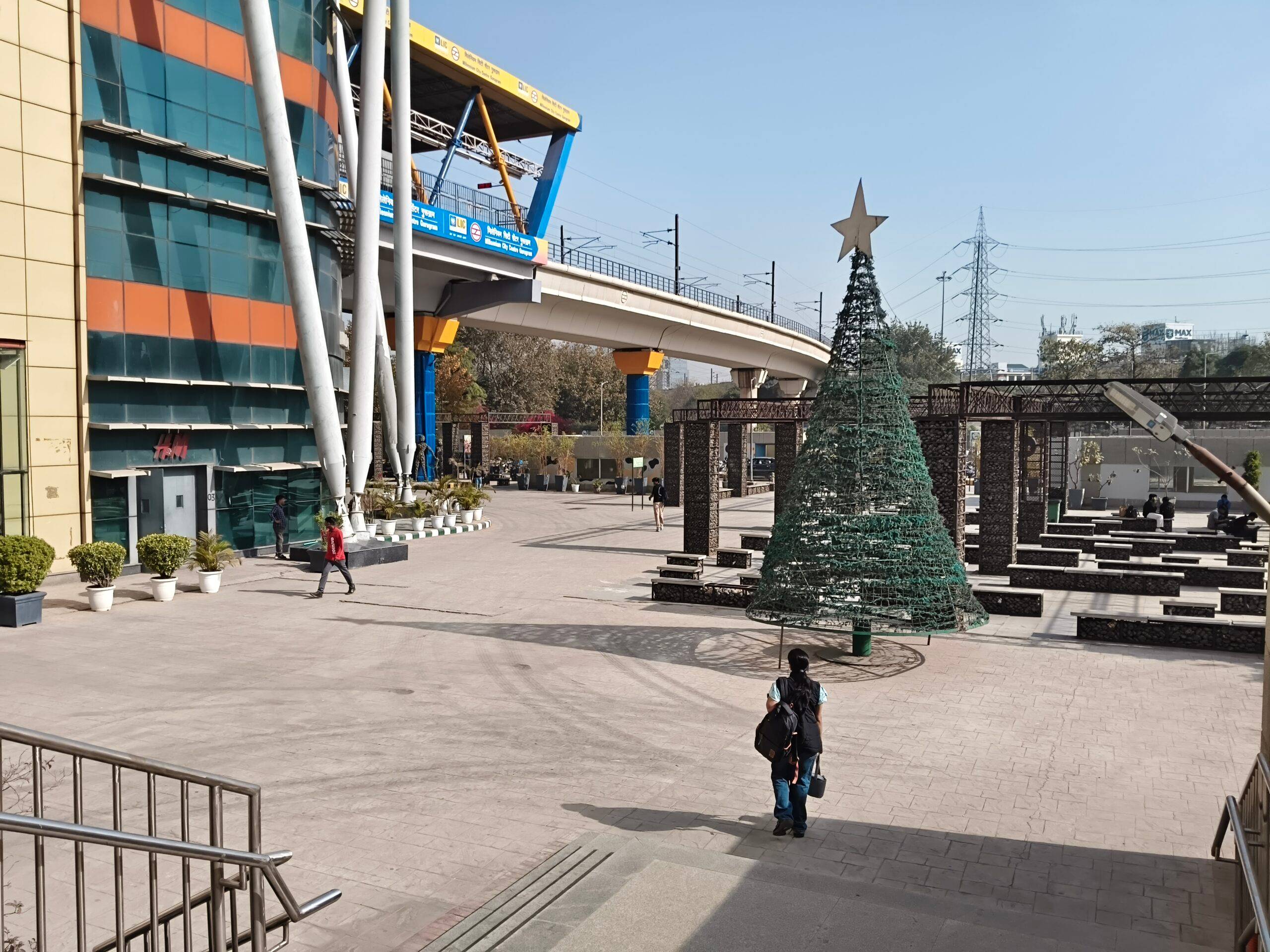
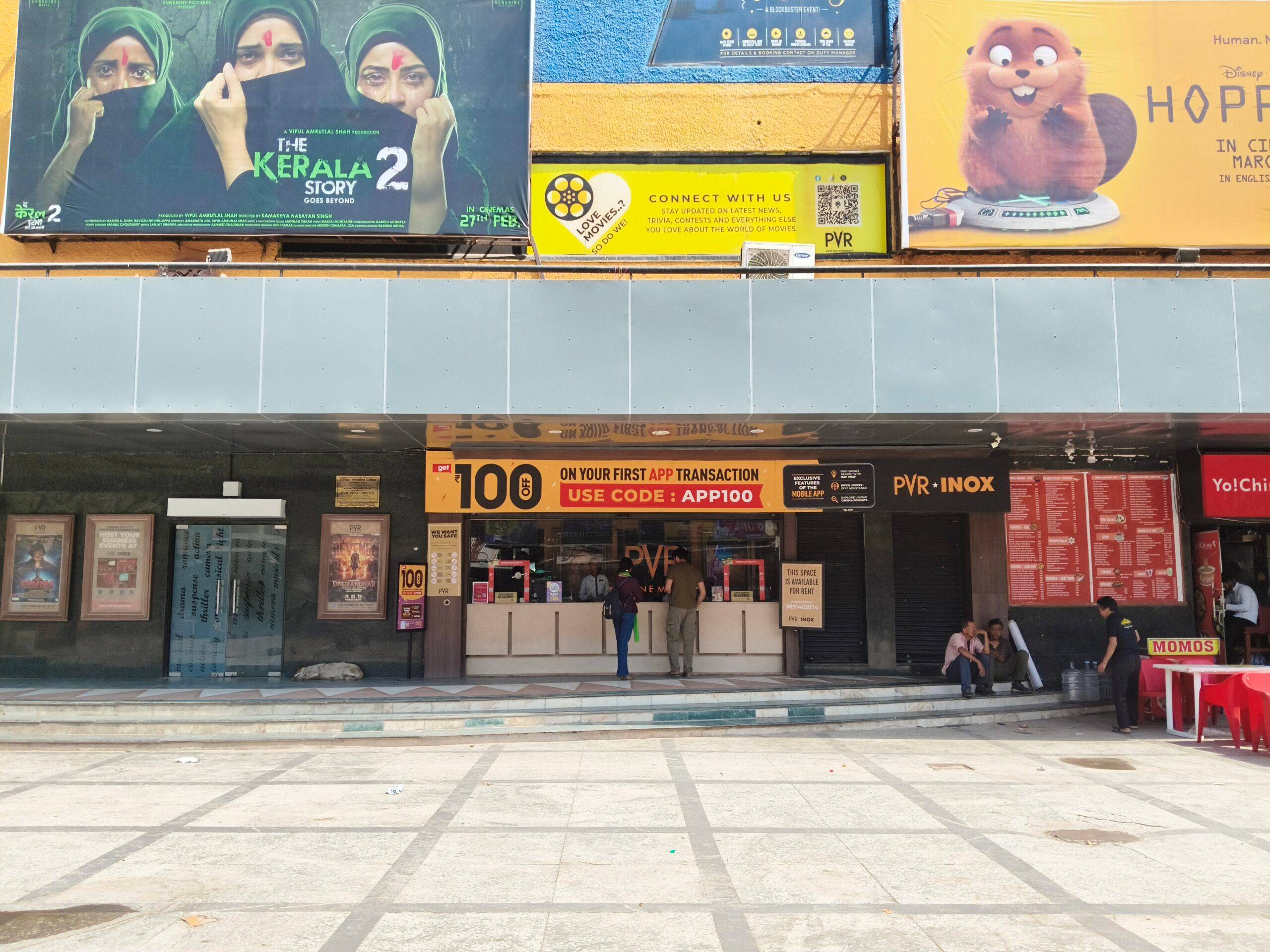




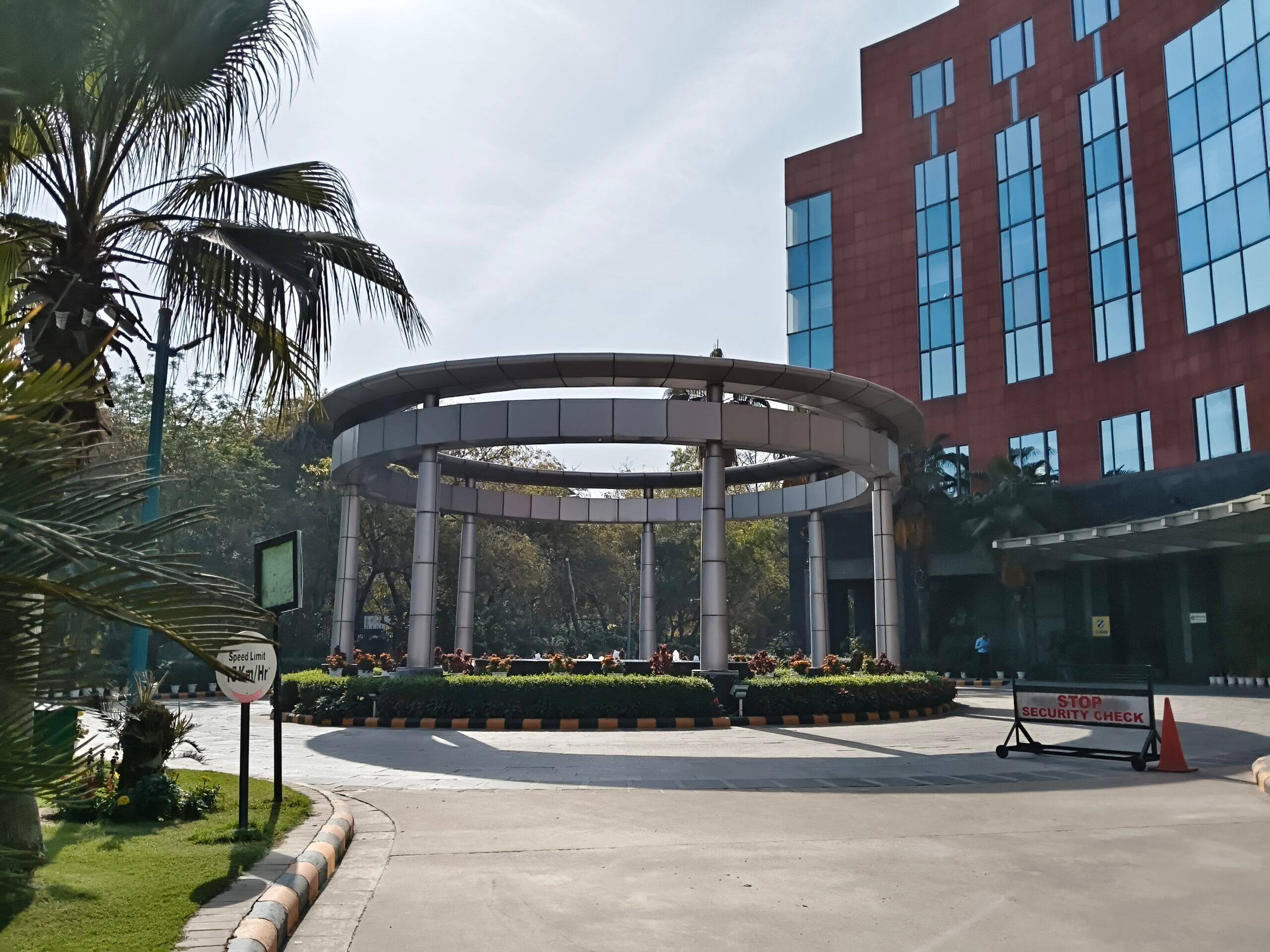
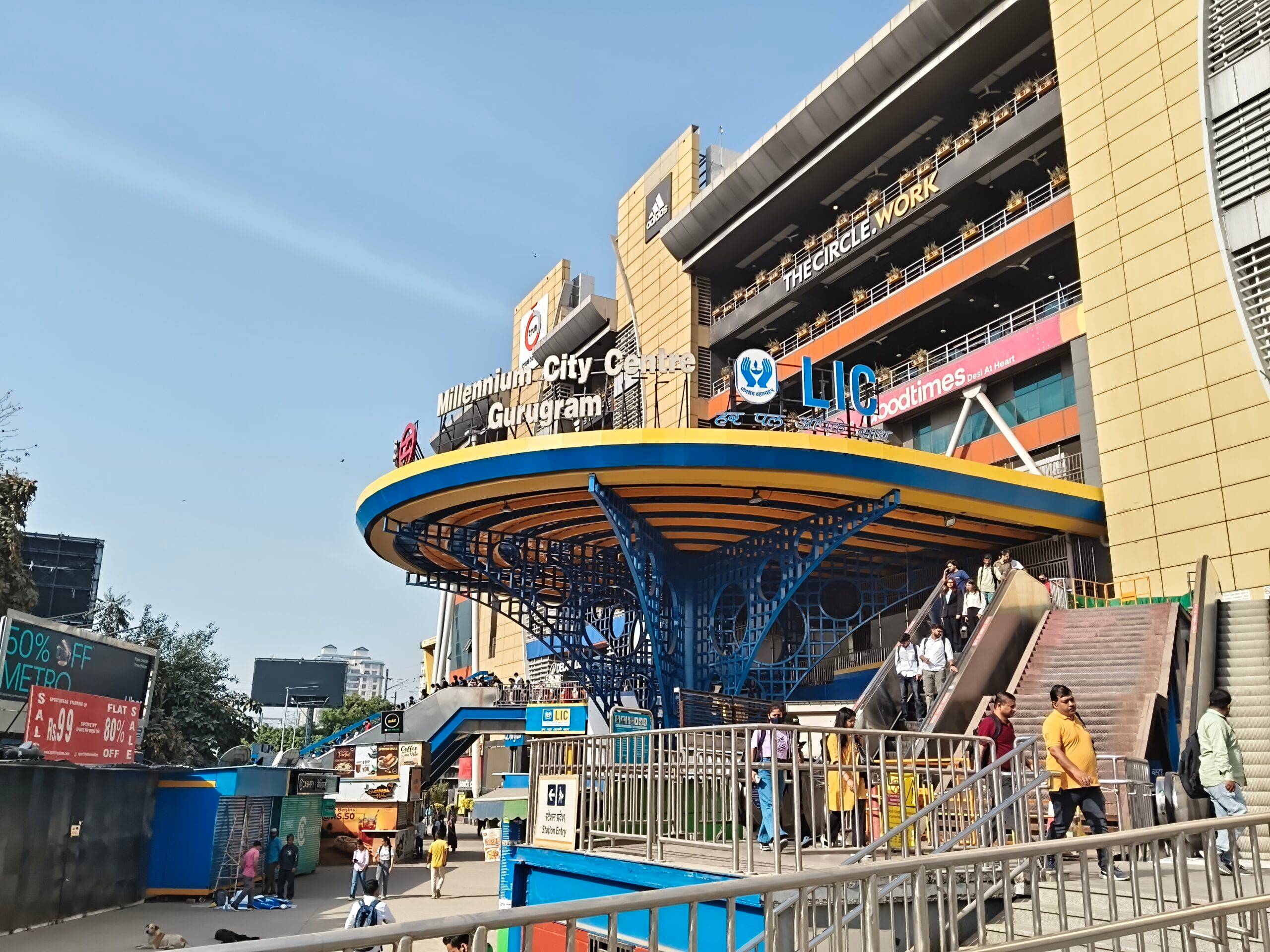
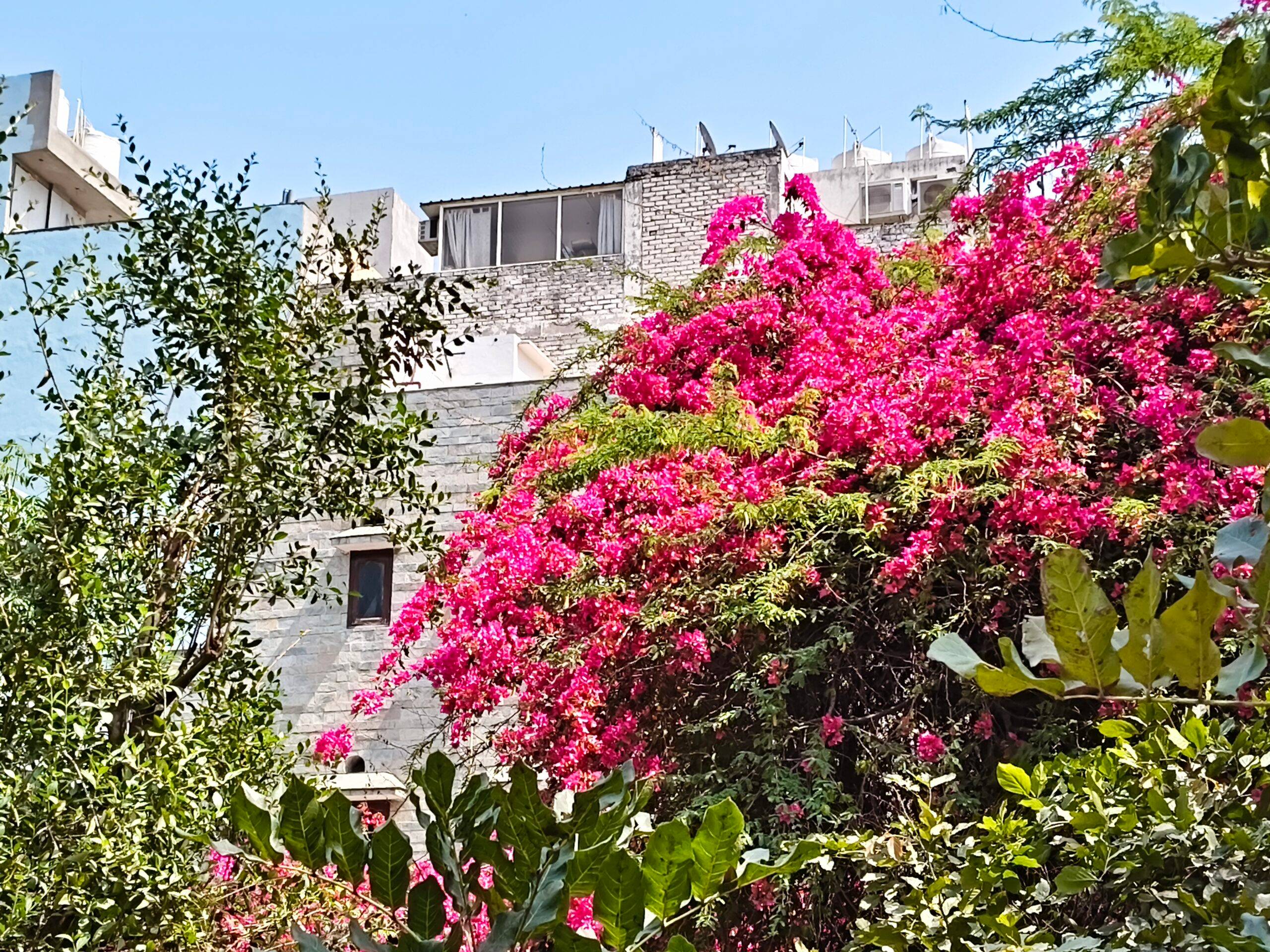

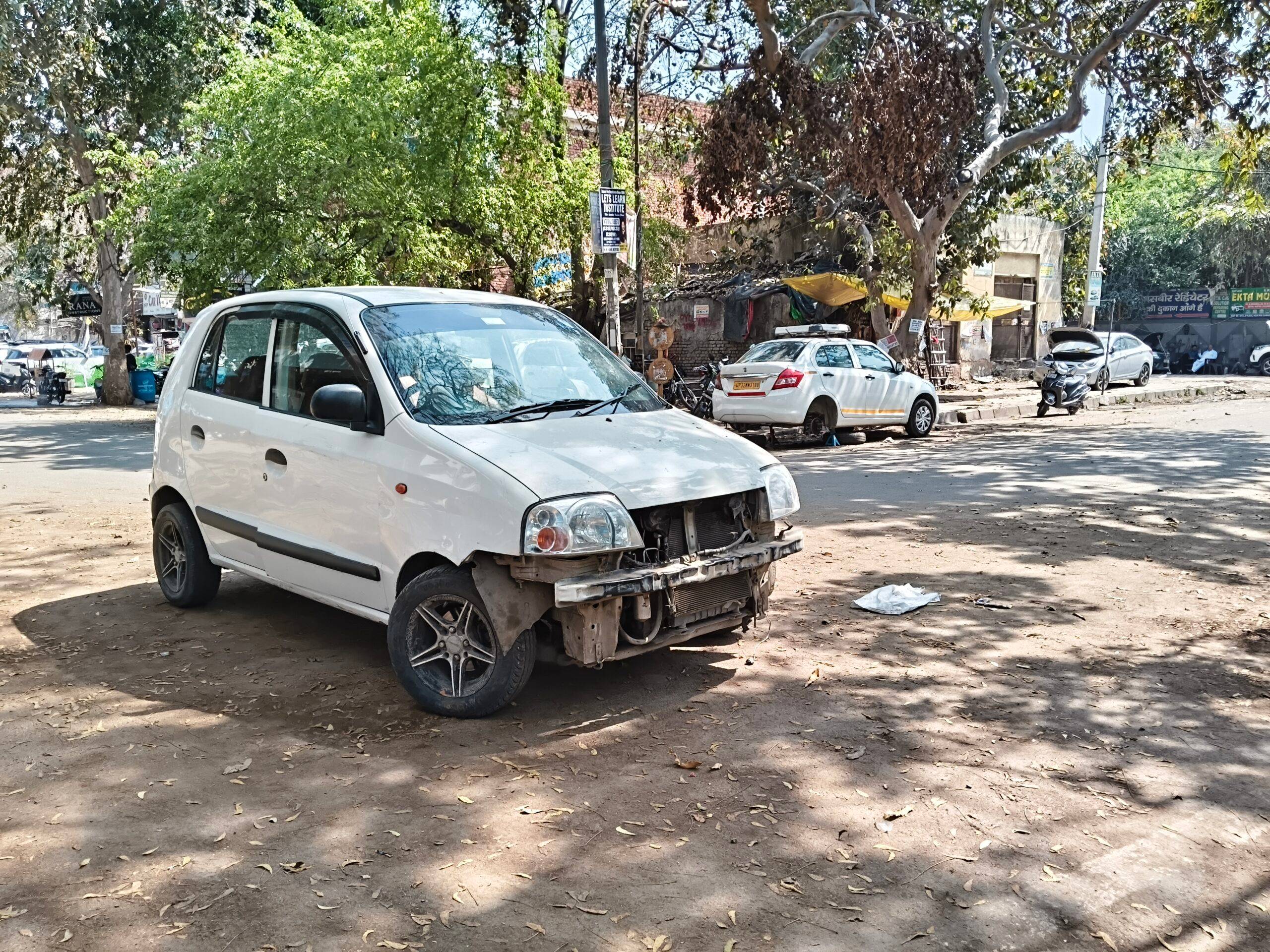
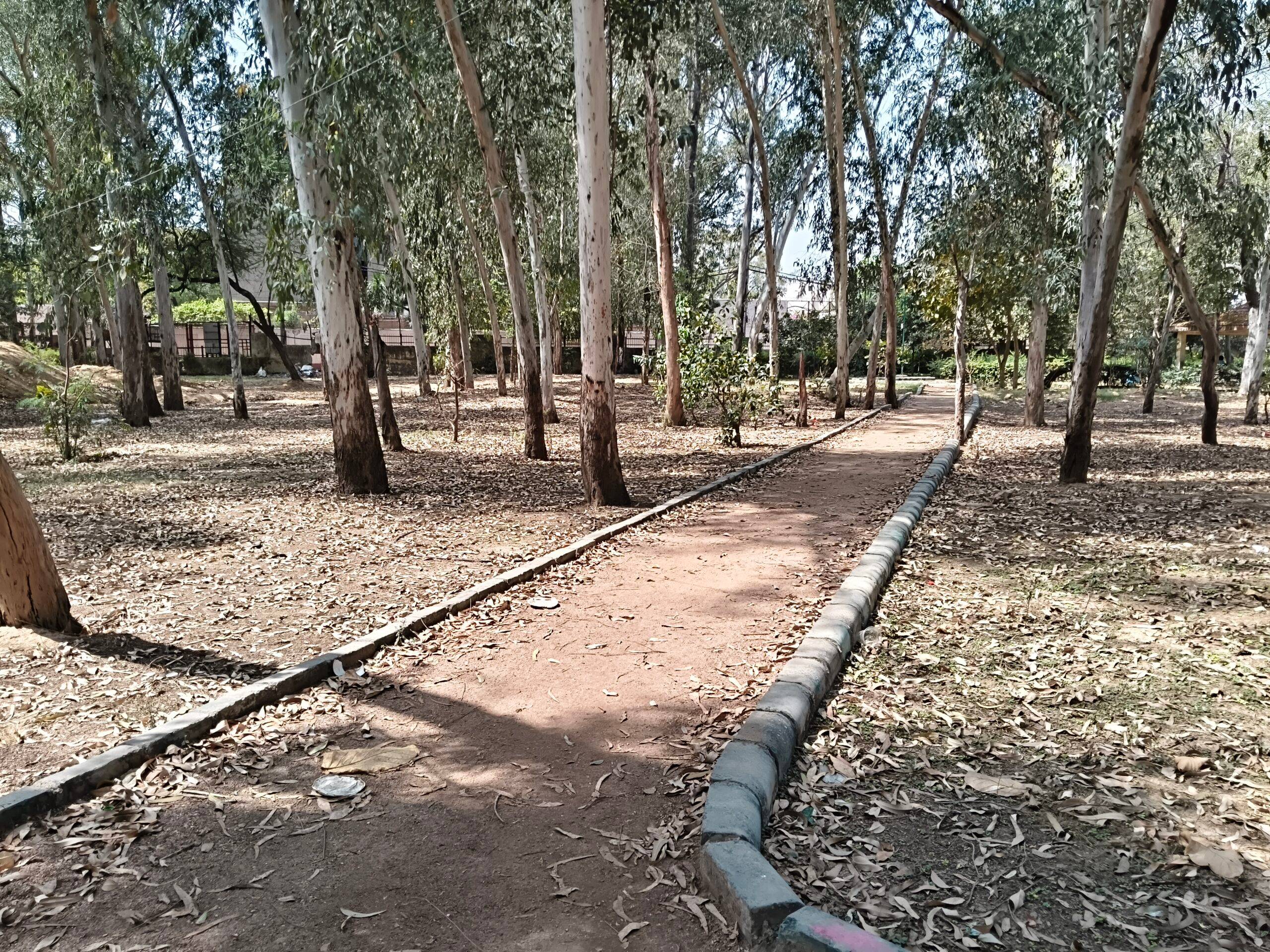
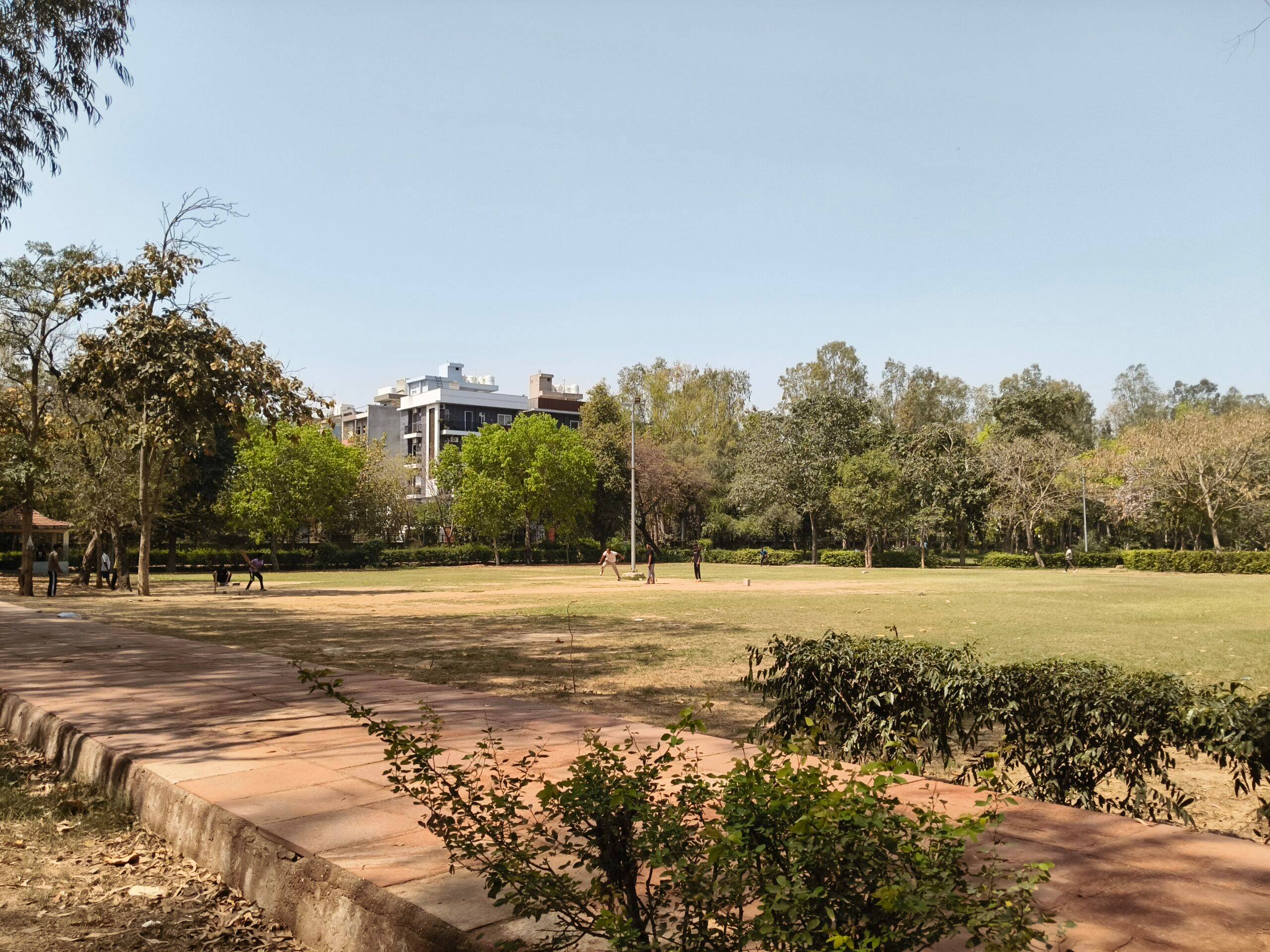
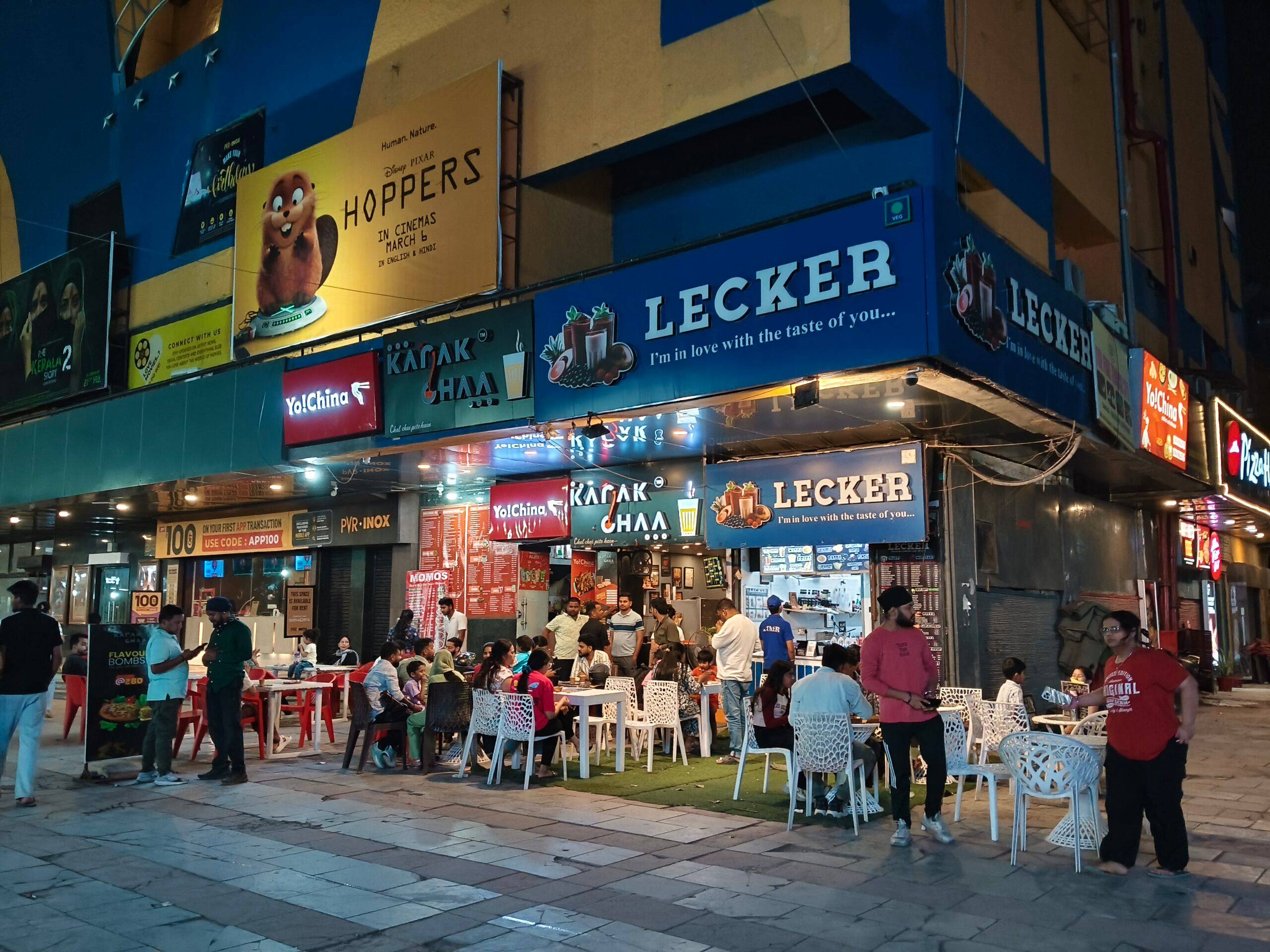
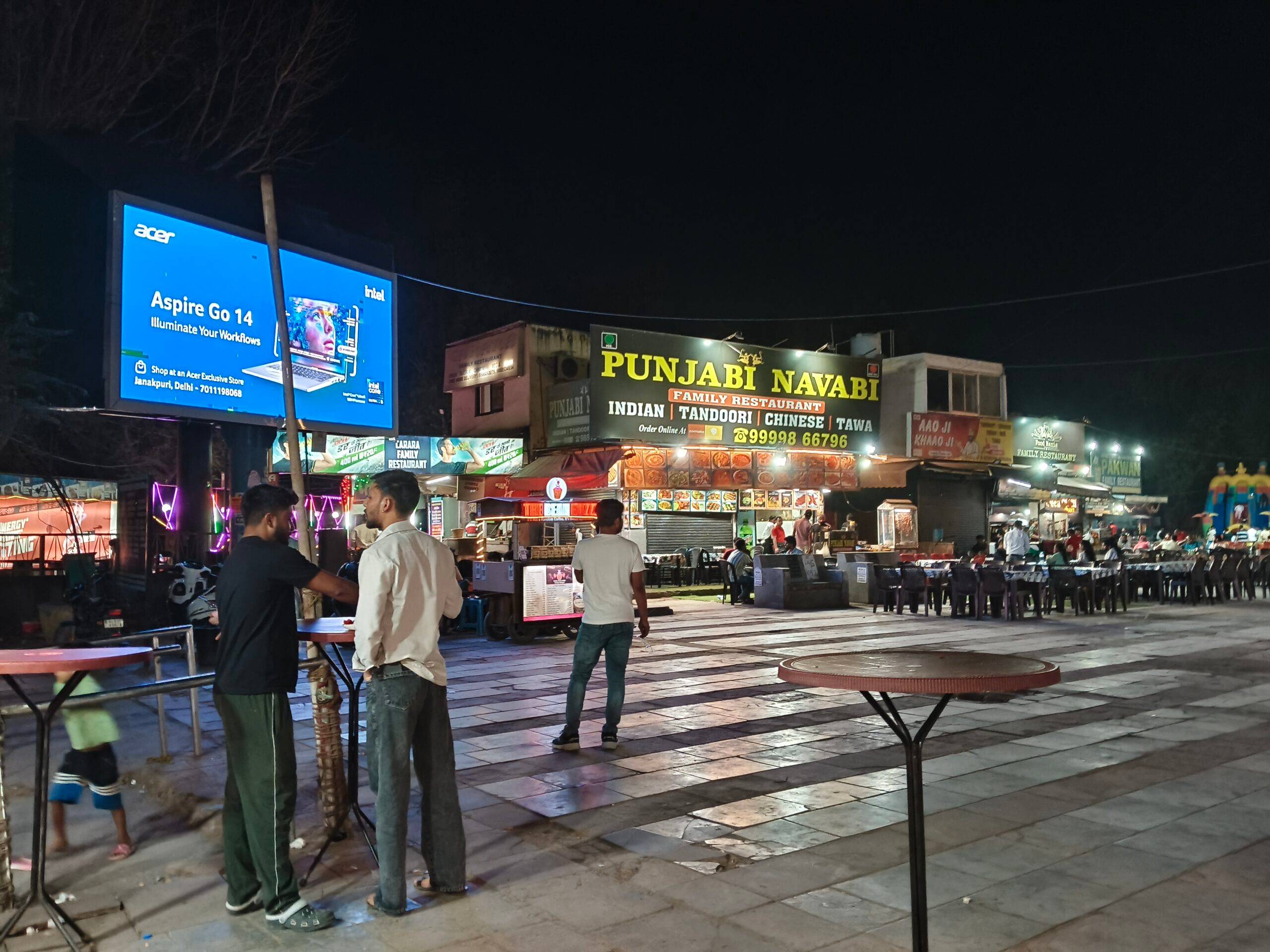
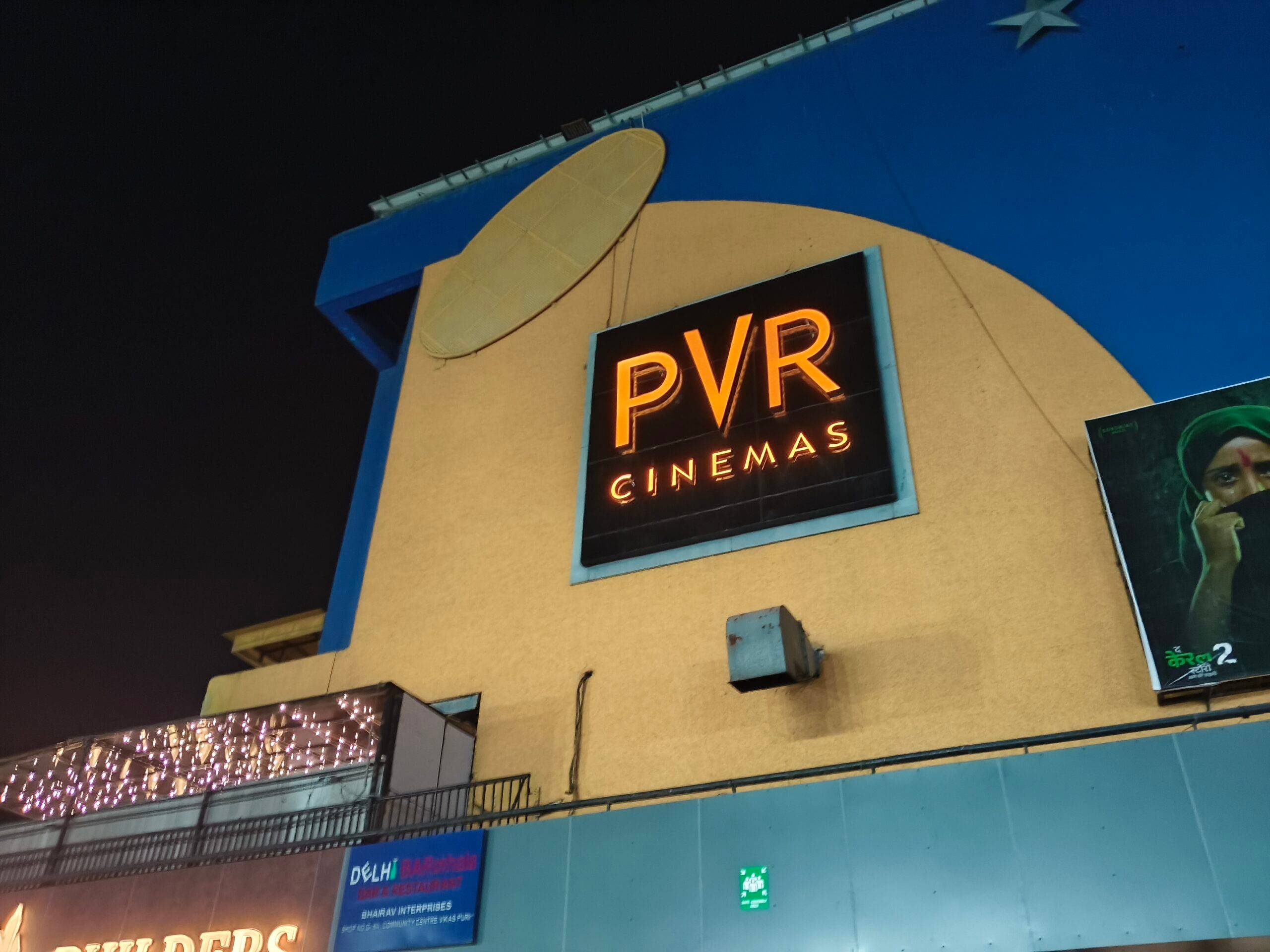
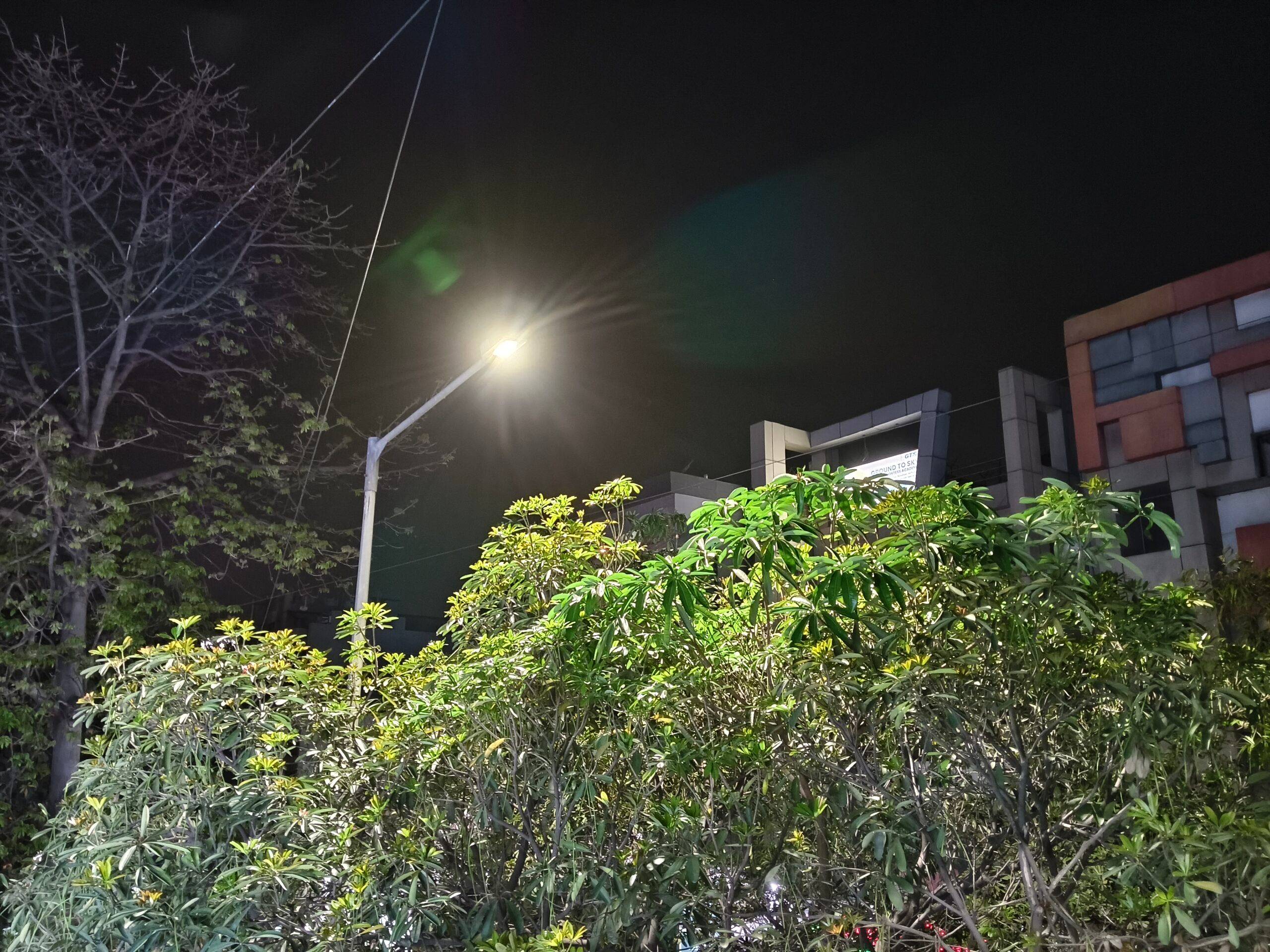


For assessing other aspects like portrait mode and selfies, we compared the iQOO Z11x with the Moto G96 in various scenarios:
Daylight
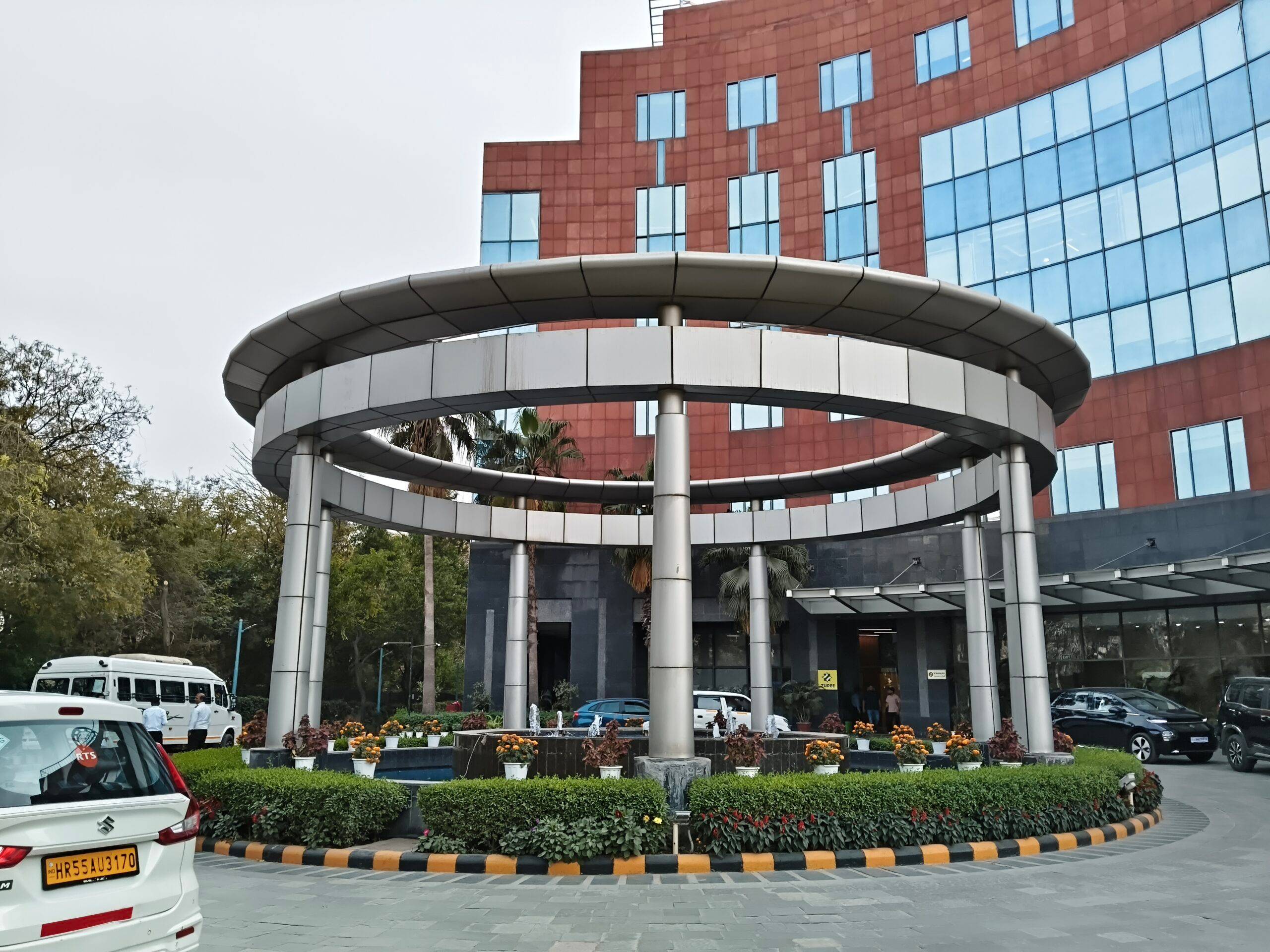
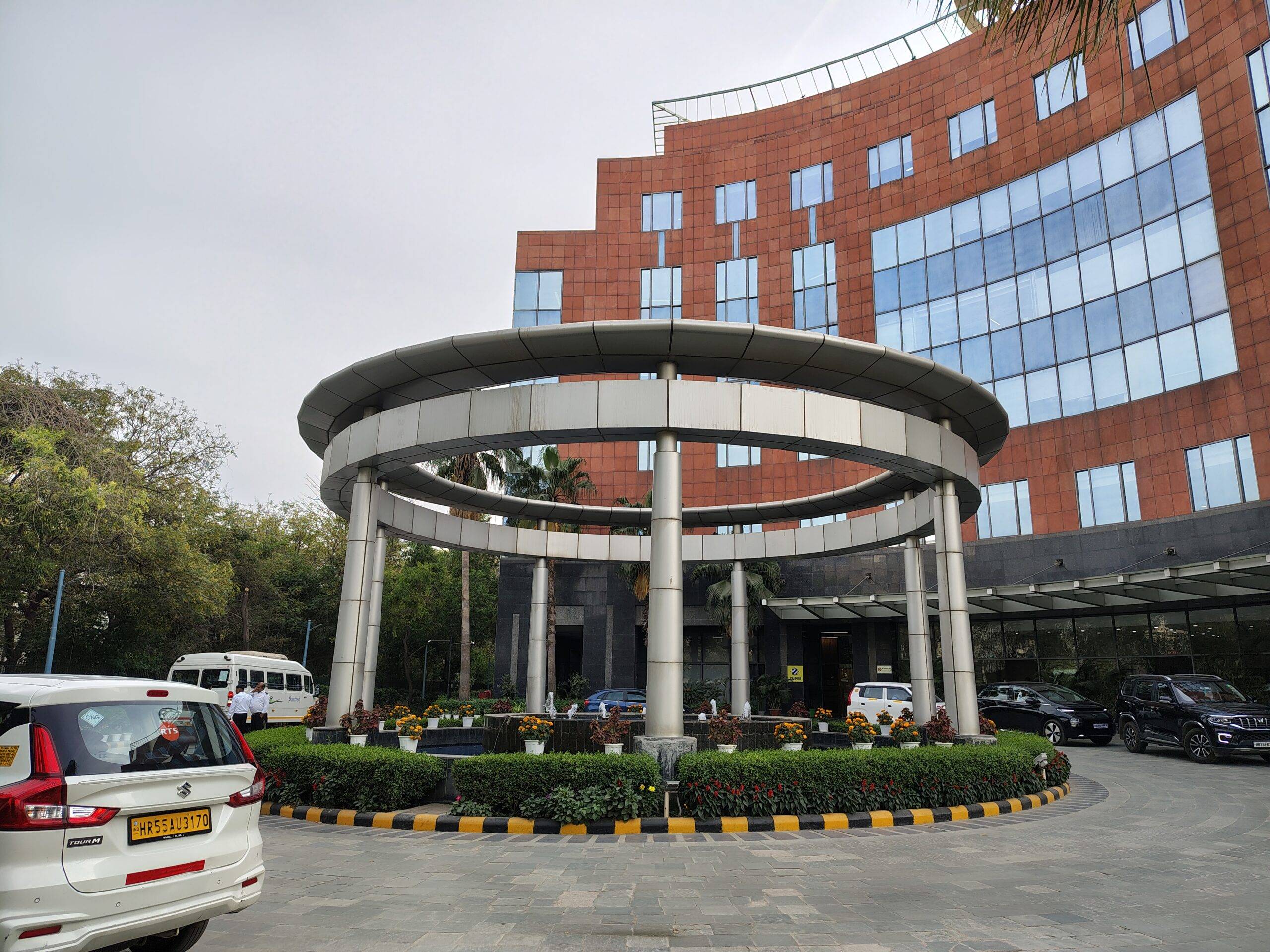
In the daylight comparison, the Moto G96 captures sharper details while maintaining the colour accuracy of the actual scene. The iQOO Z11x, on the other hand, nicely emphasises the darker areas of the image.
Portrait


In portraits, even though the iQOO Z11x’s shot doesn’t contain as many details as the Moto G96’s image, it pulls ahead by accurately rendering skin tones and colours of the clothes. In edge detection, both smartphones are equally matched.
Selfies


Coming to selfies, once again, the iQOO Z11x delivers skin tones and colours that are pleasing to look at, whereas the Moto G96’s image contains high highlights, giving the face a whitish look.
Low light
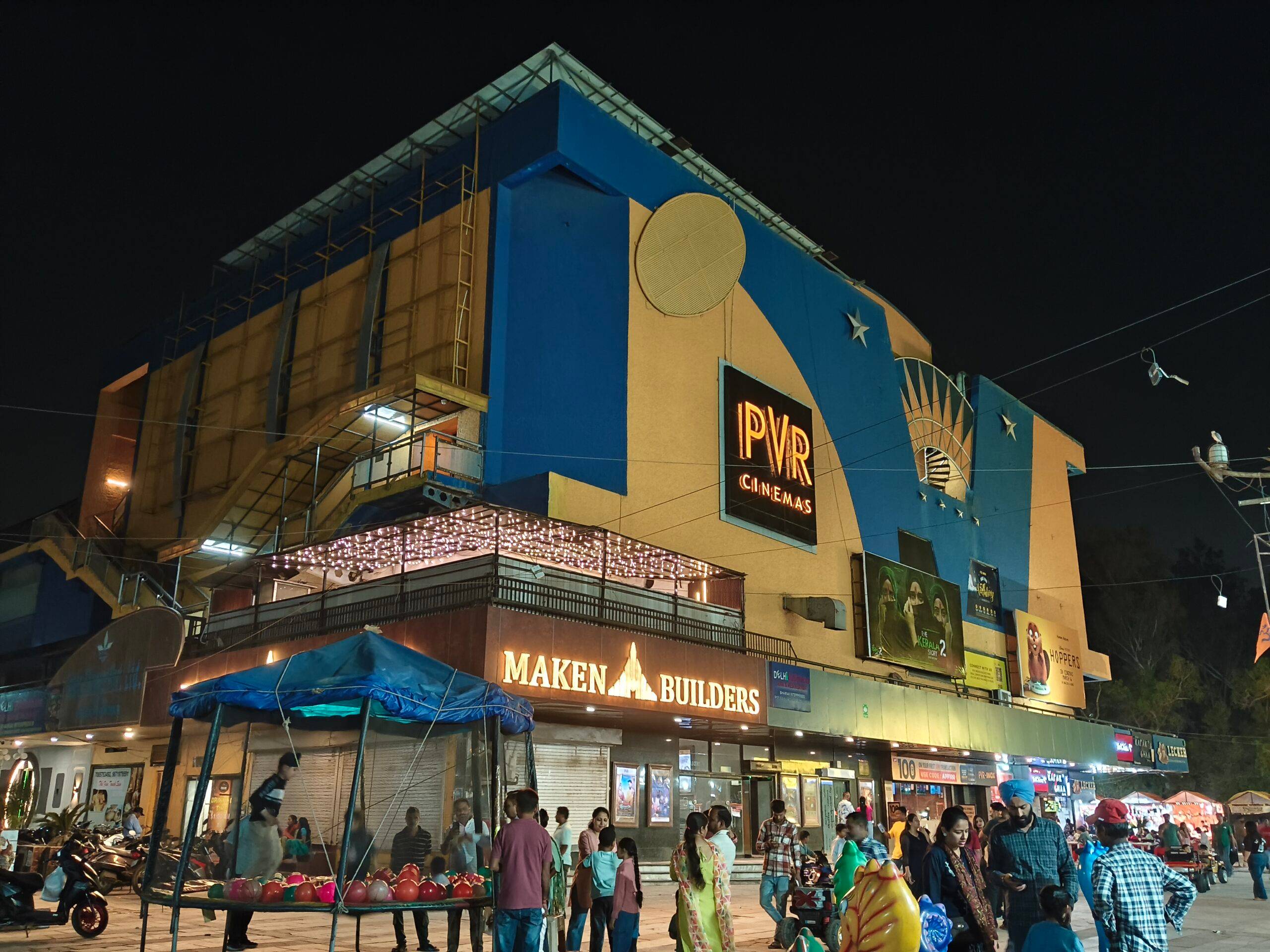
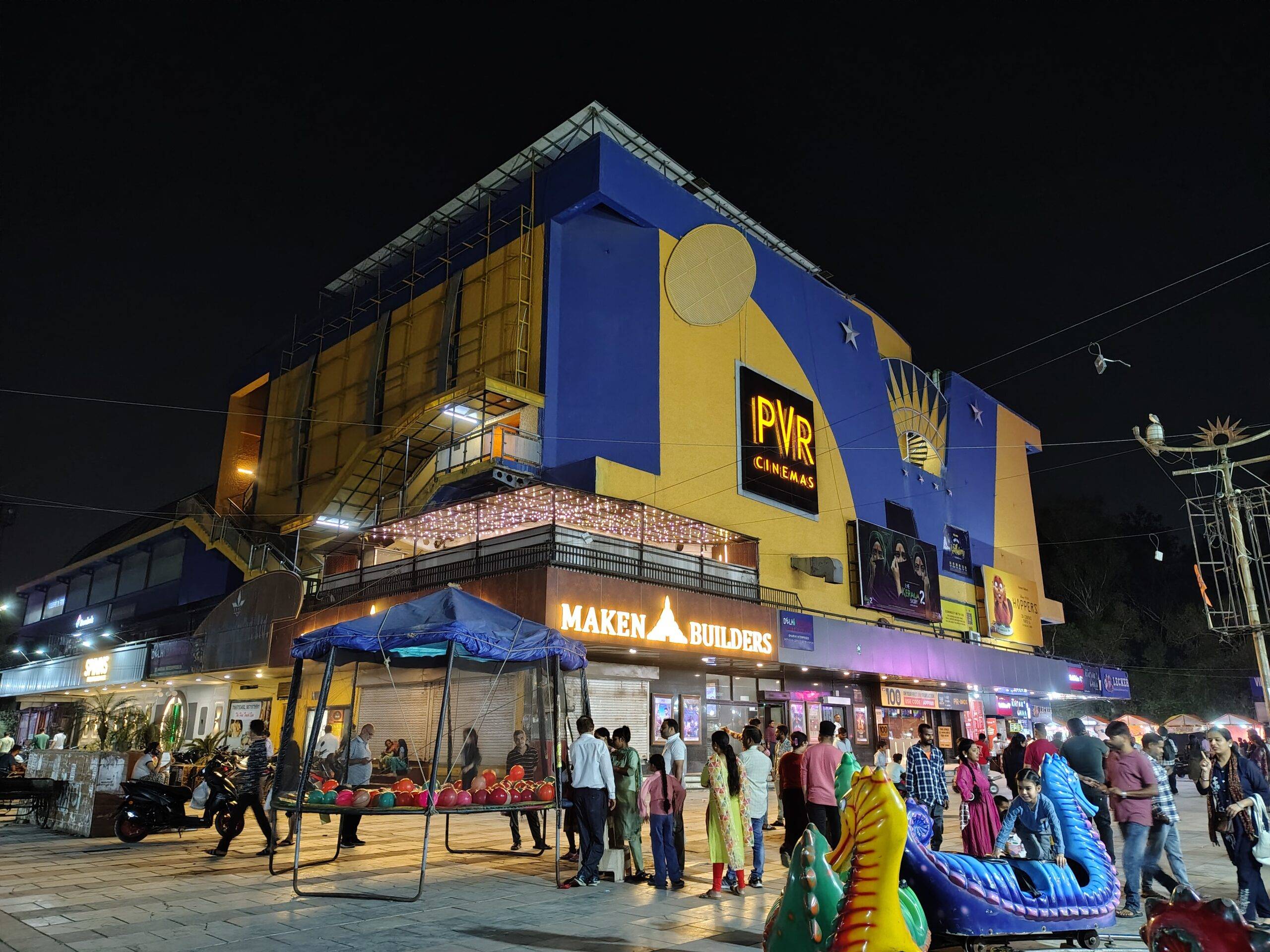
As mentioned earlier, while the iQOO Z11x maintains good exposure control in low light, the Moto G96 delivers better detail across various parts of the image. The Moto G96 also produces more realistic colours.
Night mode
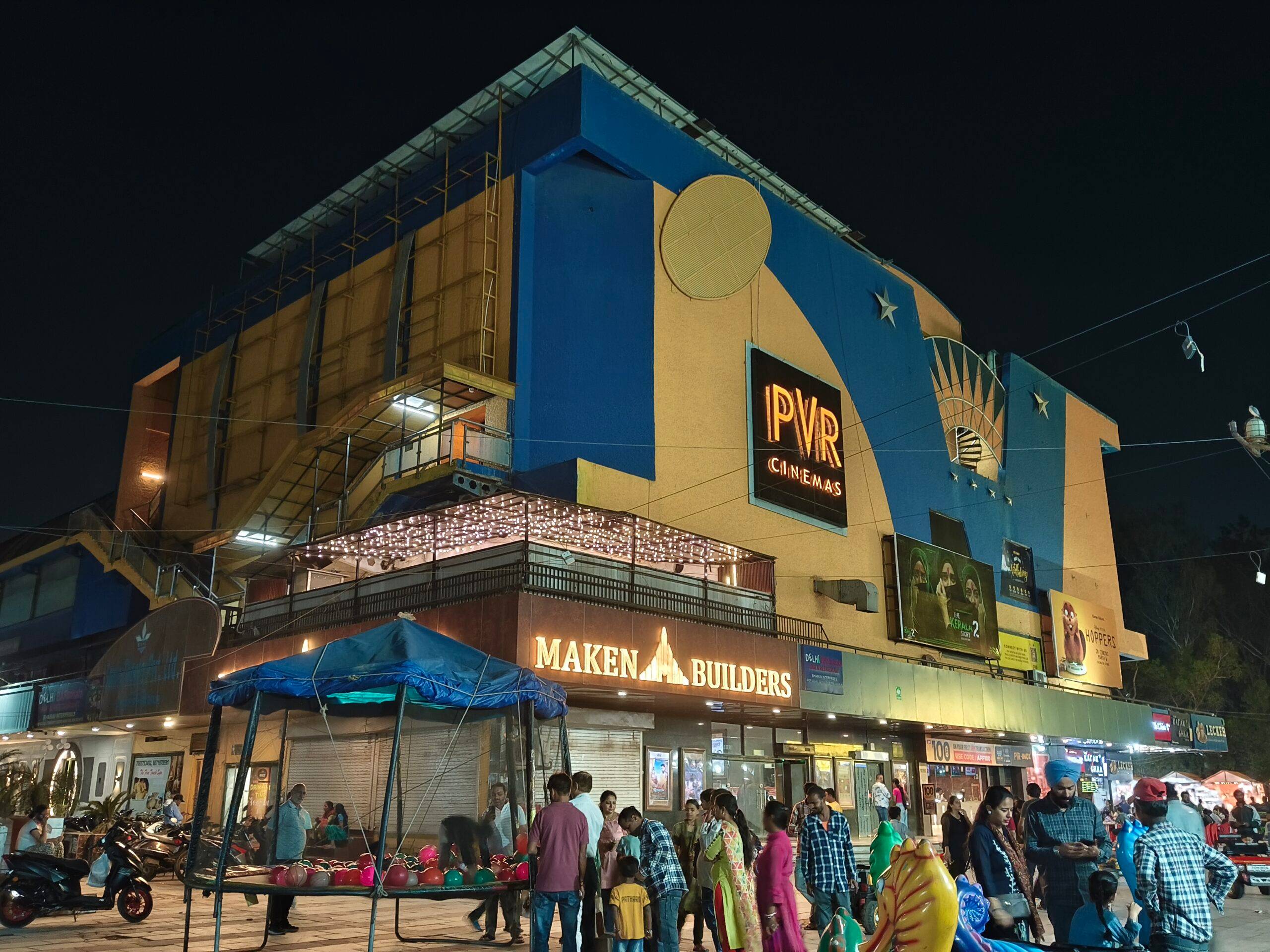

Enabling the dedicated night mode on both phones doesn’t make much of a difference on both smartphones apart from a slight increase in detail levels.
Some aspects of the iQOO Z11x that are worth knowing
Stereo speakers: With stereo speakers, the iQOO Z11x offers loud output for music and video playback. These speakers can go up to 400 percent volume using the audio boost feature.
Haptics: Just like most midrange smartphones, the haptic feedback quality of the iQOO Z11x is average at best.
RGB Dynamic Light: The ringed LED at the rear emits different colours for various scenarios, such as notifications, calls, and music playback.
Final verdict: Is iQOO Z11x the go-to smartphone under Rs 20,000?
In my experience, the iQOO Z11x excels in what it is set to do, i.e. offering leading performance, battery endurance, and a strong build under Rs 20,000. Even though it misses out on an AMOLED display, the panel carries sufficient detail levels and vibrancy for daily use. But if you’re after an AMOLED display, POCO M8 or last year’s offerings, such as the Realme P4, Moto G86 Power, or CMF Phone 2 Pro, can be worth considering.
The cameras of the iQOO Z11x may not produce the sharpest results in the segment. While most shots turn out decent, there’s a colour temperature inconsistency where shots vary between cool and warm tones. With an IP68/69+ rating in tow, the Z11x is well protected against accidental exposure to water and dust; however, the 218g weight could cause discomfort when using the phone for long hours, at least initially.
Similarly, the Z11x leads the way in battery endurance, as its 7,200mAh battery proved its worth during my usage by delivering over three days of backup.
Editor’s rating: 8.3/10
Reasons to buy the iQOO Z11x
- Solid battery backup that can easily last over two days or more on casual use.
- Superb raw power and an enjoyable gaming experience in the mid-range segment.
- Software retains fluid and bouncy animations, reminiscent of high-end iQOO phones.
- Shots from the primary camera deliver natural tones and carry adequate details.
Reasons to skip the iQOO Z11x
- The phone’s bulky 218g weight can cause discomfort during prolonged use.
- The absence of an ultrawide lens restricts wide-perspective captures.