For decades, Mercedes-Benz defined luxury through the traditional barometer of excellence. Smooth engines, impeccably engineered suspensions, and cabins that felt carved from granite. The all-new Mercedes-Benz CLA Electric signals a very different philosophy. This is a car built first as a software platform, with the mechanical engineering supporting that digital foundation.
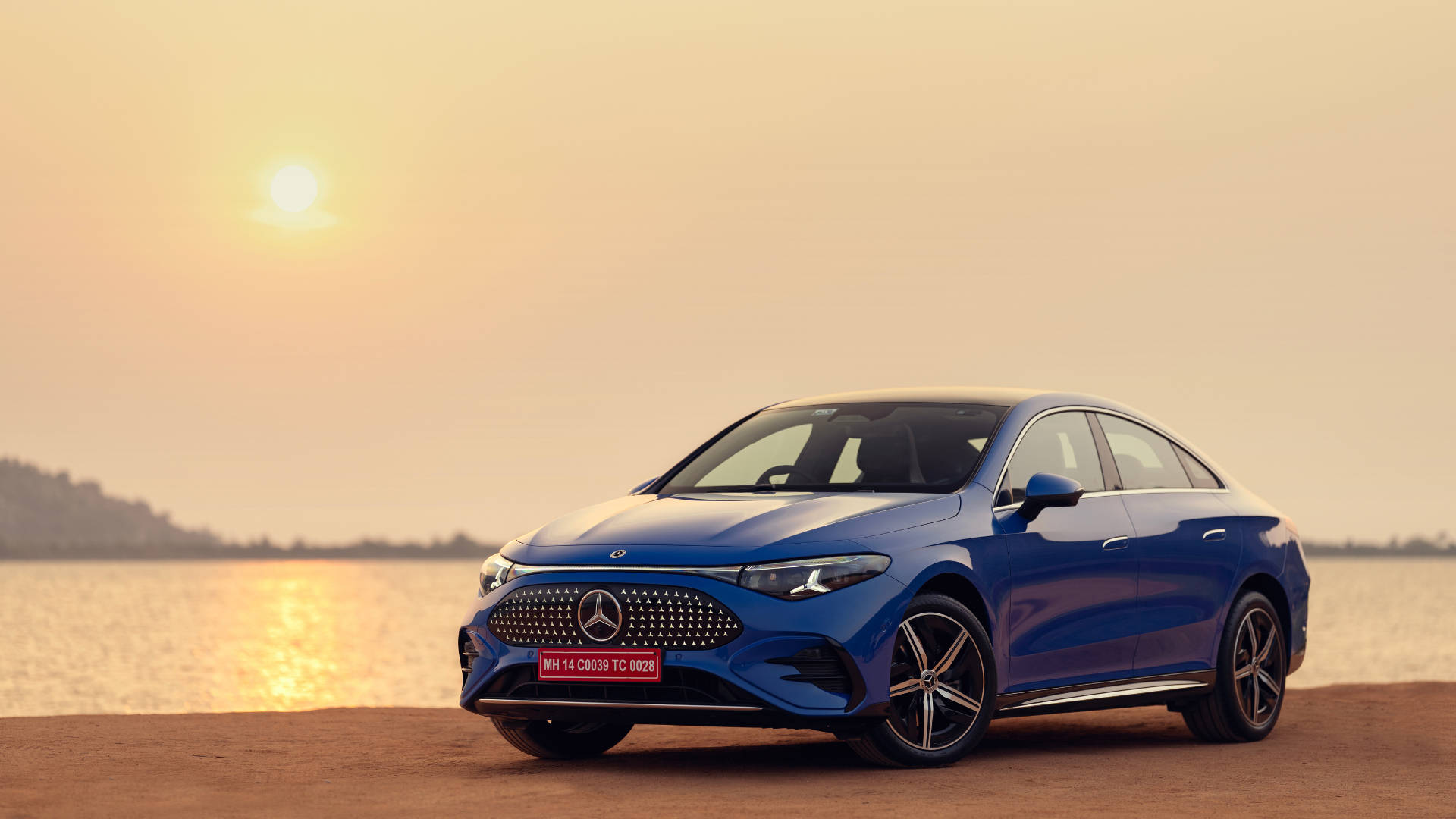
The CLA is the first production car to ride on Mercedes’ Modular Mercedes Architecture (MMA) platform, a new electric-first architecture designed to support both battery electric and hybrid powertrains. More importantly, it debuts the brand’s next-generation operating system called MB.OS, a centralized computing architecture powered by NVIDIA chips that effectively turns the car into a rolling supercomputer. What Mercedes has built here is not simply another compact luxury EV. It is arguably the most software-driven Mercedes ever created.
Table of Contents
Design: Starry night identity
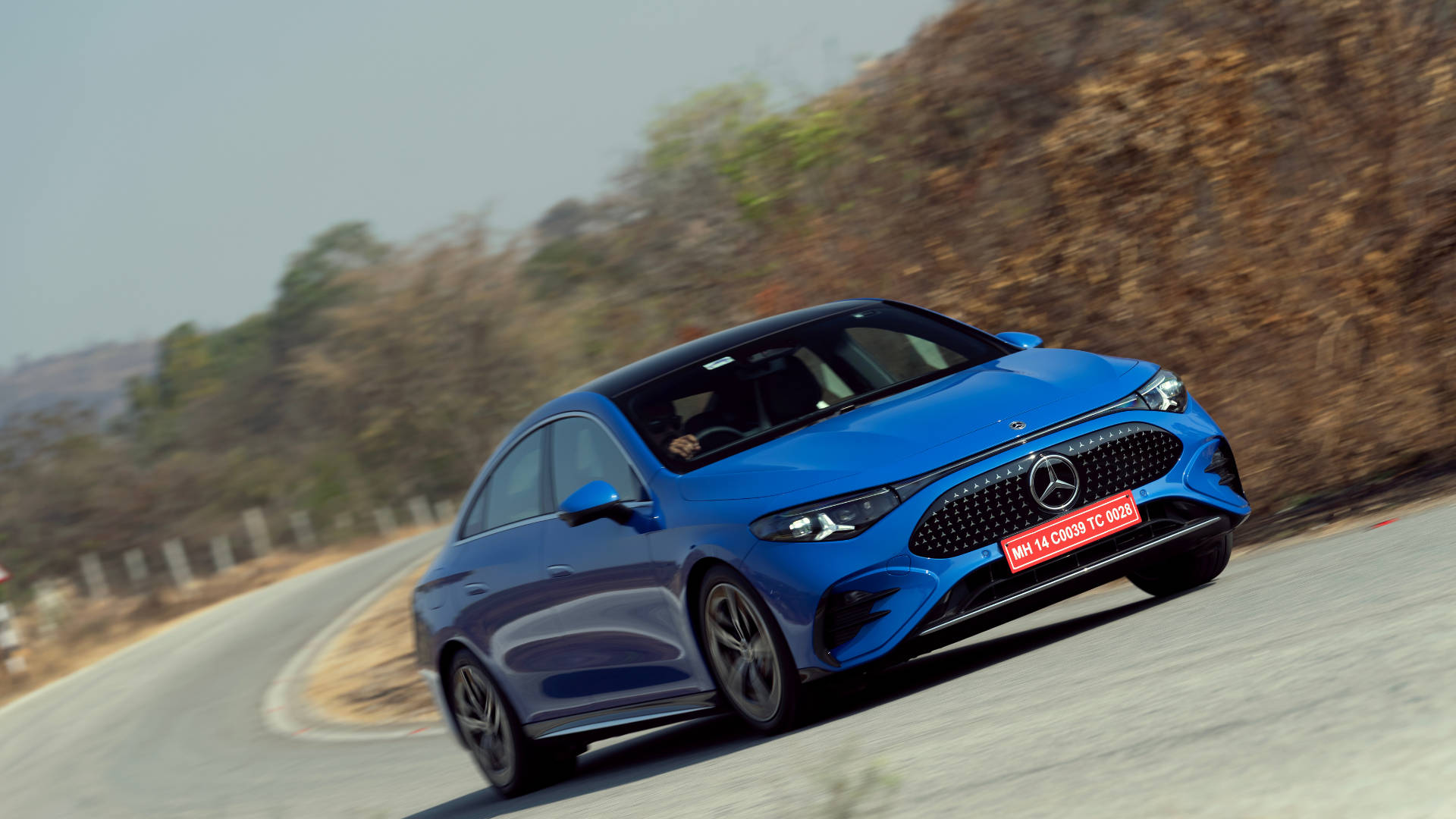
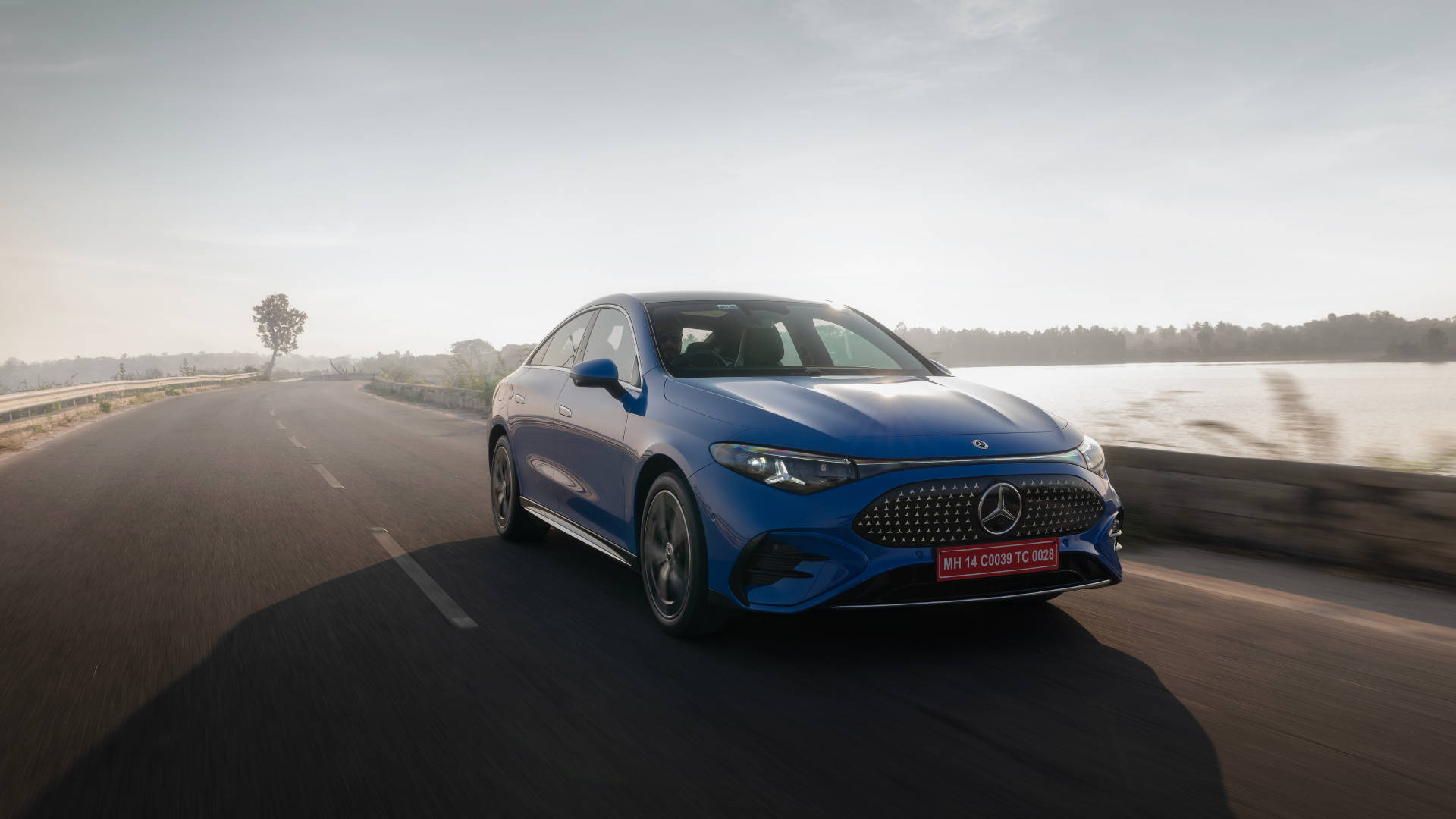
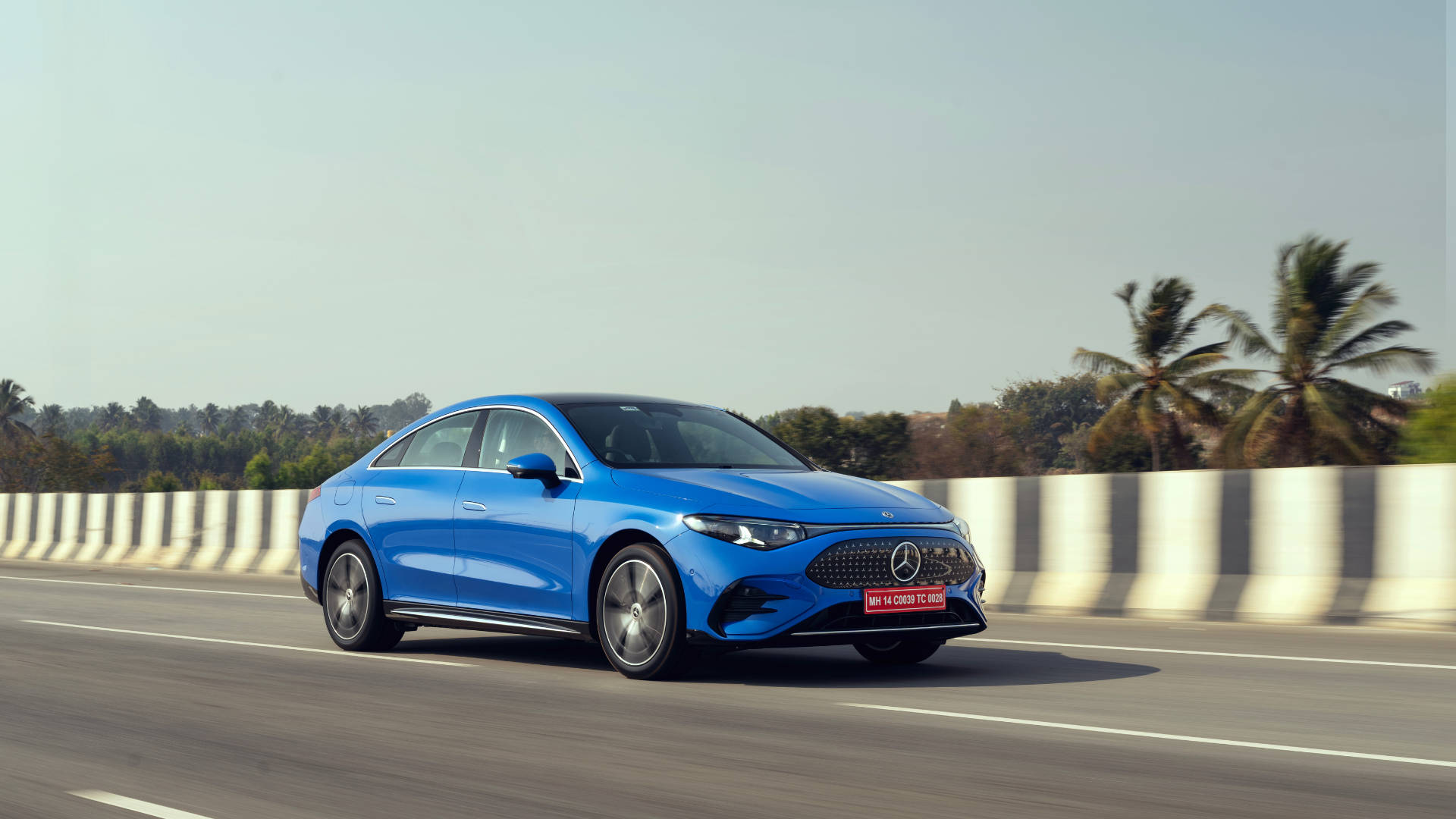
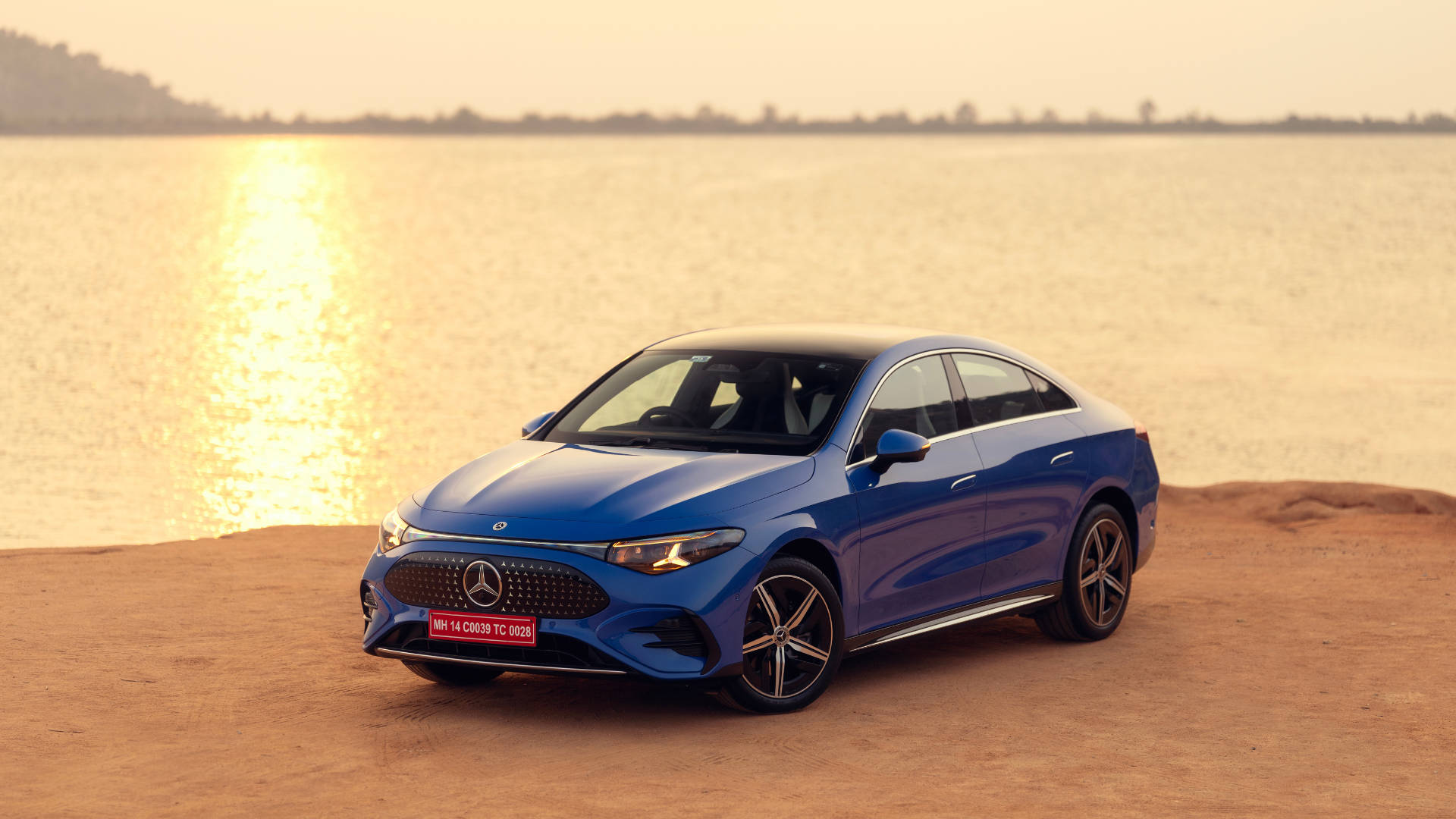
Visually, the CLA Electric sticks to the formula that made the original CLA so successful. The coupe-like silhouette remains intact, with a long bonnet, sloping roofline and compact rear deck giving the car a sporty stance even at rest. But Mercedes has used this new generation to inject far more identity into the design. The three-pointed star motif appears almost everywhere. The headlamp LED elements incorporate star patterns, the grille itself is illuminated and populated with over a hundred animated stars, and the rear light signature repeats the motif again. It leaves absolutely no ambiguity about what brand of car this is, even at night.
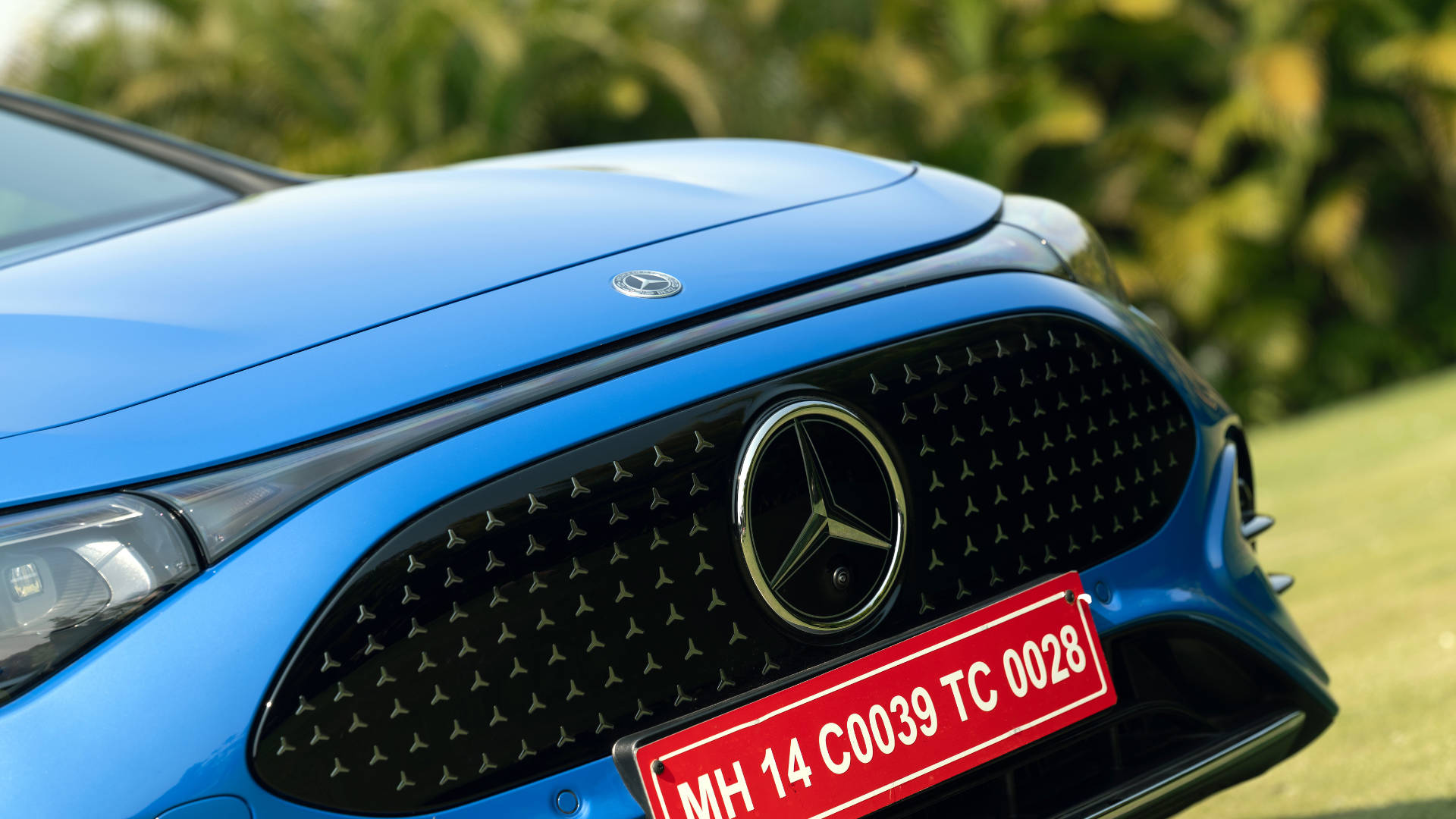
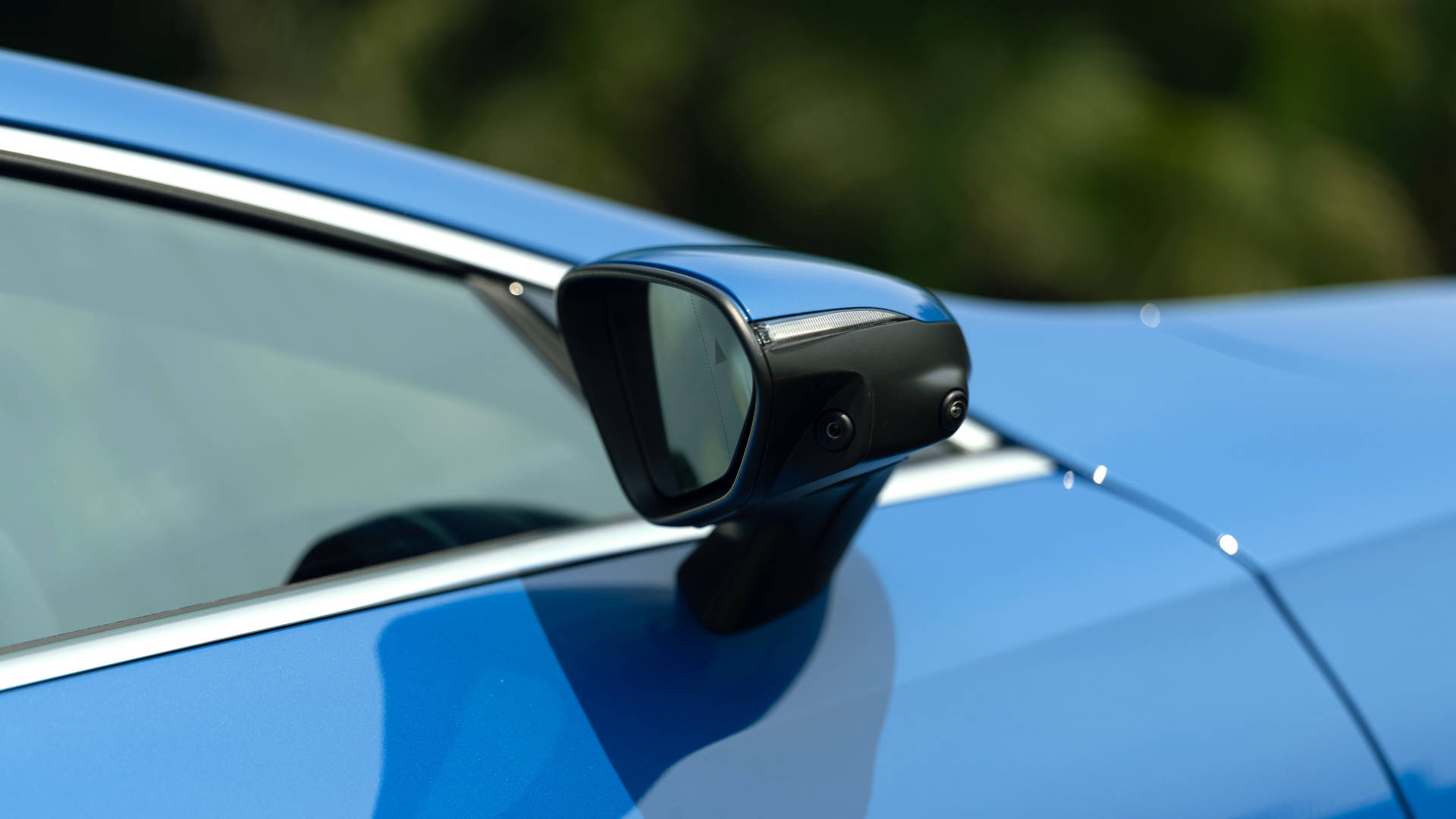
Beyond aesthetics, the CLA’s body has been shaped heavily around aerodynamic efficiency. With a drag coefficient starting at 0.21, it becomes one of the most aerodynamic production sedans in the world, a figure that plays a crucial role in maximising electric range at highway speeds. Small touches like flush-fitting door handles, smaller ORVMs, front air dams and rear diffuser contribute to this. Even the diffuser design varies depending on equipment specifications to reduce turbulence. In other words, the design is not just about style, but a piece of aerodynamic engineering.
Digital immersion vs. tropical reality
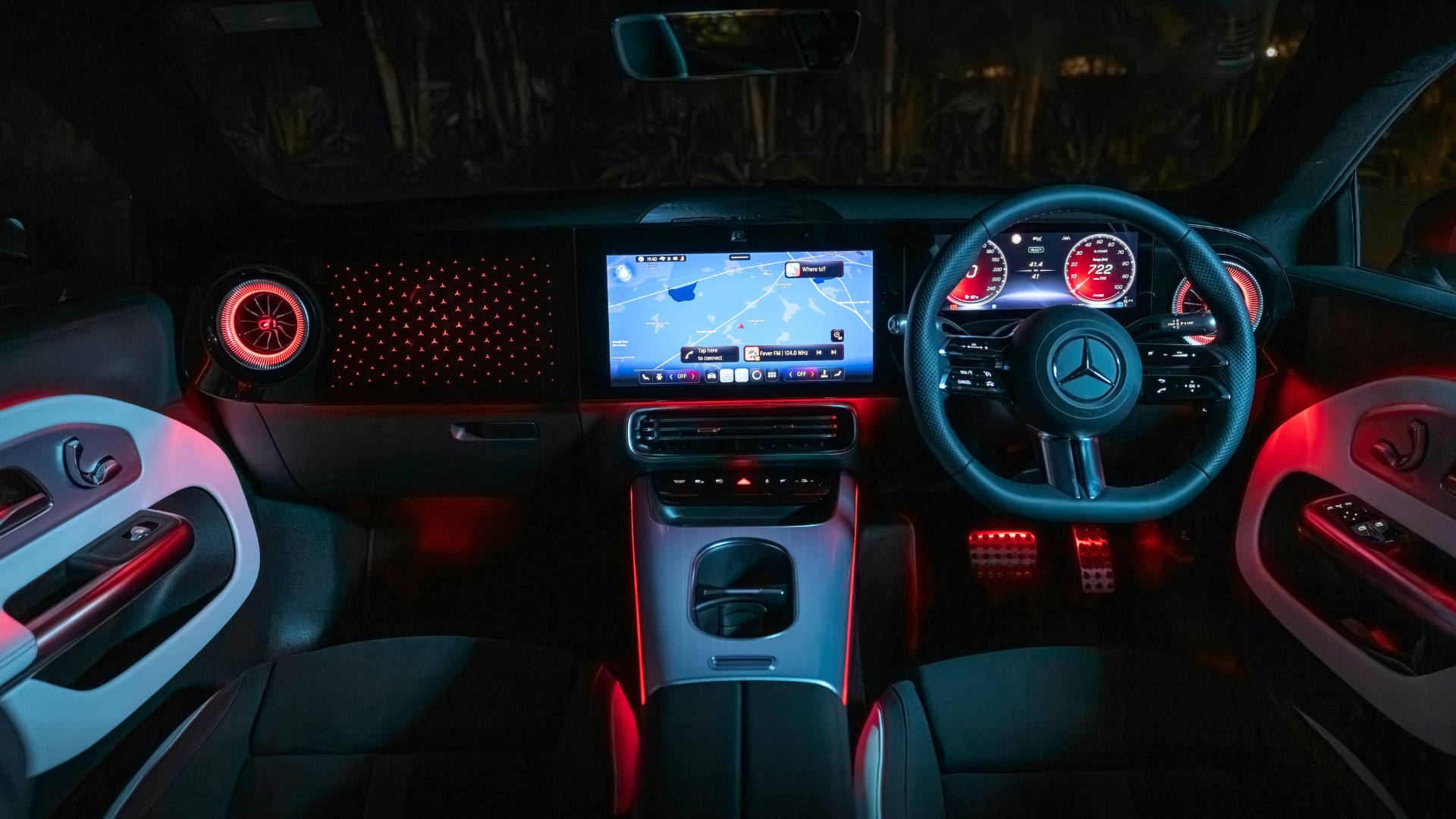
The cabin is a study in digital immersion, dominated by a 14″ central display that integrates augmented reality (AR) navigation and even supports on-board games, which you can play with a paired BT console gamepad! Driving toward Bengaluru’s T2 terminal, the AR system worked flawlessly, overlaying precise graphical arrows onto a live video feed from the front camera. It turns complex flyovers into a video-game-like experience, though it is currently restricted to the onboard Mercedes maps rather than third-party apps like Google Maps.
However, the ergonomic balance is a mixed bag. In a win for tactile feedback, the seat adjustment buttons have returned to a mechanical movement, providing a satisfying “click” and physical travel that haptic panels simply cannot replicate. Conversely, the steering wheel and climate controls are still mired in capacitive touch technology. Adjusting fan speeds or volume while navigating Indian traffic requires more visual attention than a traditional physical dial would, which feels like a slight regression in an otherwise driver-centric cockpit.
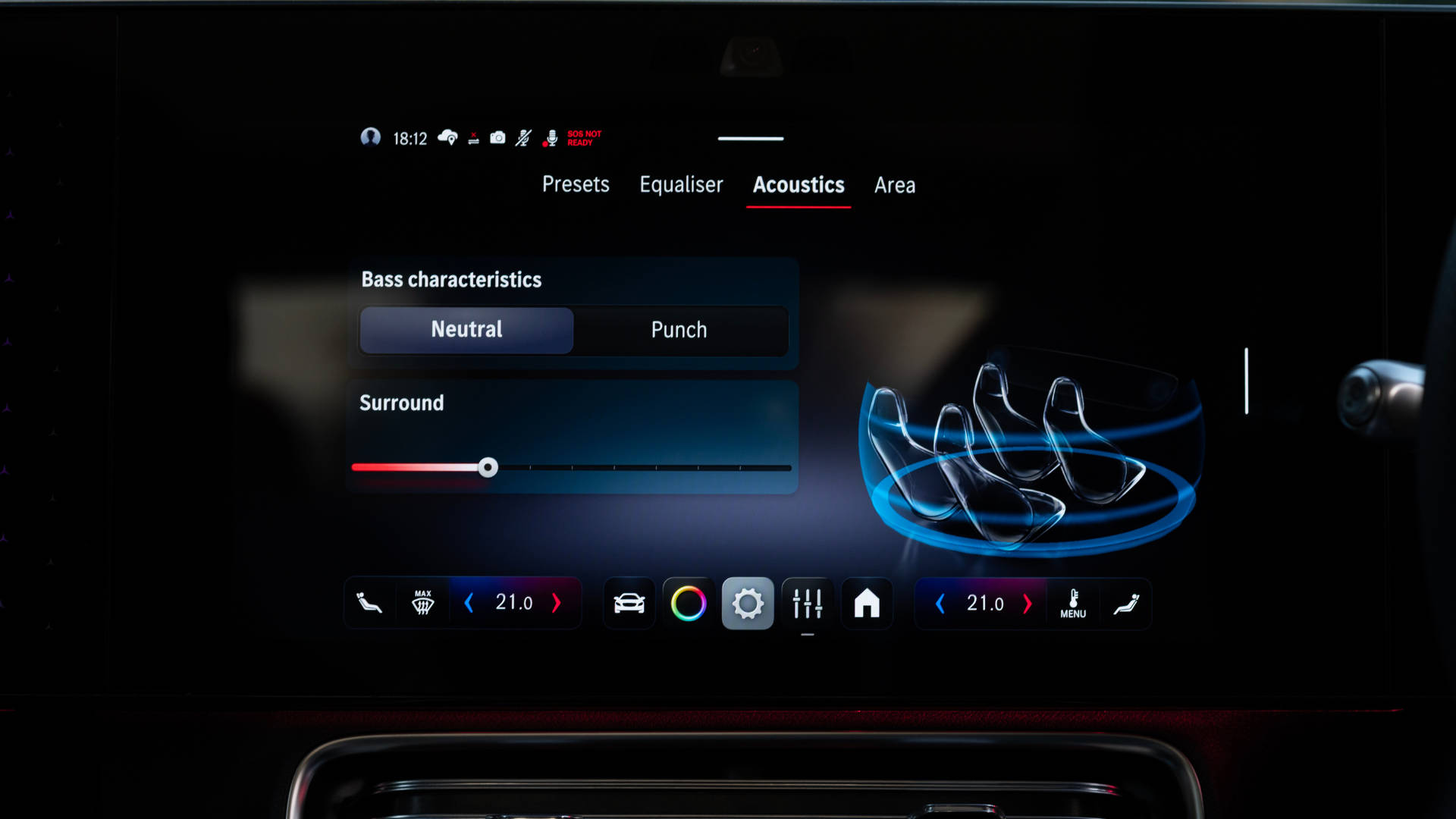
For the audiophile, the CLA skips the usual Burmester-branded hi-fi for an in-house 8-speaker system. While it lacks the sheer spatial height and cabin-filling “wow” factor of a high-end 3D surround setup, the stock system is tuned with impressive neutrality. The mid-range is clean, and the low-end response is tight without becoming muddy, making it perfectly adequate for a daily commute or a long interstate cruise. However, the luxury experience hit a minor snag regarding our climate. Despite the high-tech interior, the lack of ventilated seats is a glaring omission for a vehicle entering a market where summer temperatures regularly breach 40 degrees Celsius. It’s an “analogue” oversight in a “digital” masterpiece.
Platform and electric drivetrain
The CLA Electric is built on the MMA platform, which uses a skateboard-style architecture where the battery pack sits under the floor between the axles. This layout lowers the centre of gravity, improves weight distribution, and frees up additional cabin space compared to conventional platforms.
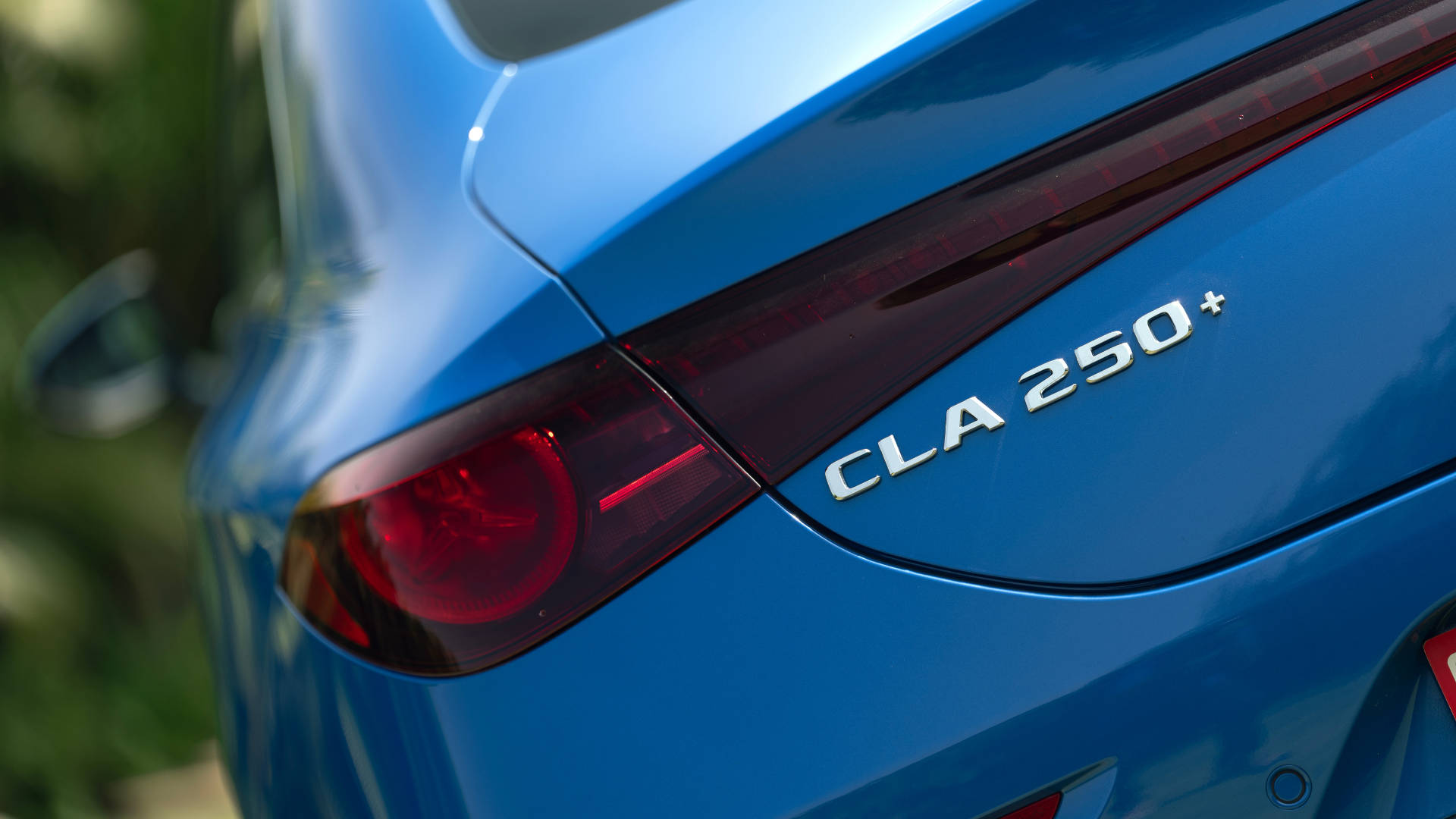
The variant Mercedes is initially offering us in India, the CLA 250+, uses an 85.5 kWh lithium-ion battery paired with a rear-mounted electric motor producing 200 kW of peak output. That translates to roughly 268 horsepower and allows the car to accelerate from zero to 100 km/h in around 6.7 seconds.
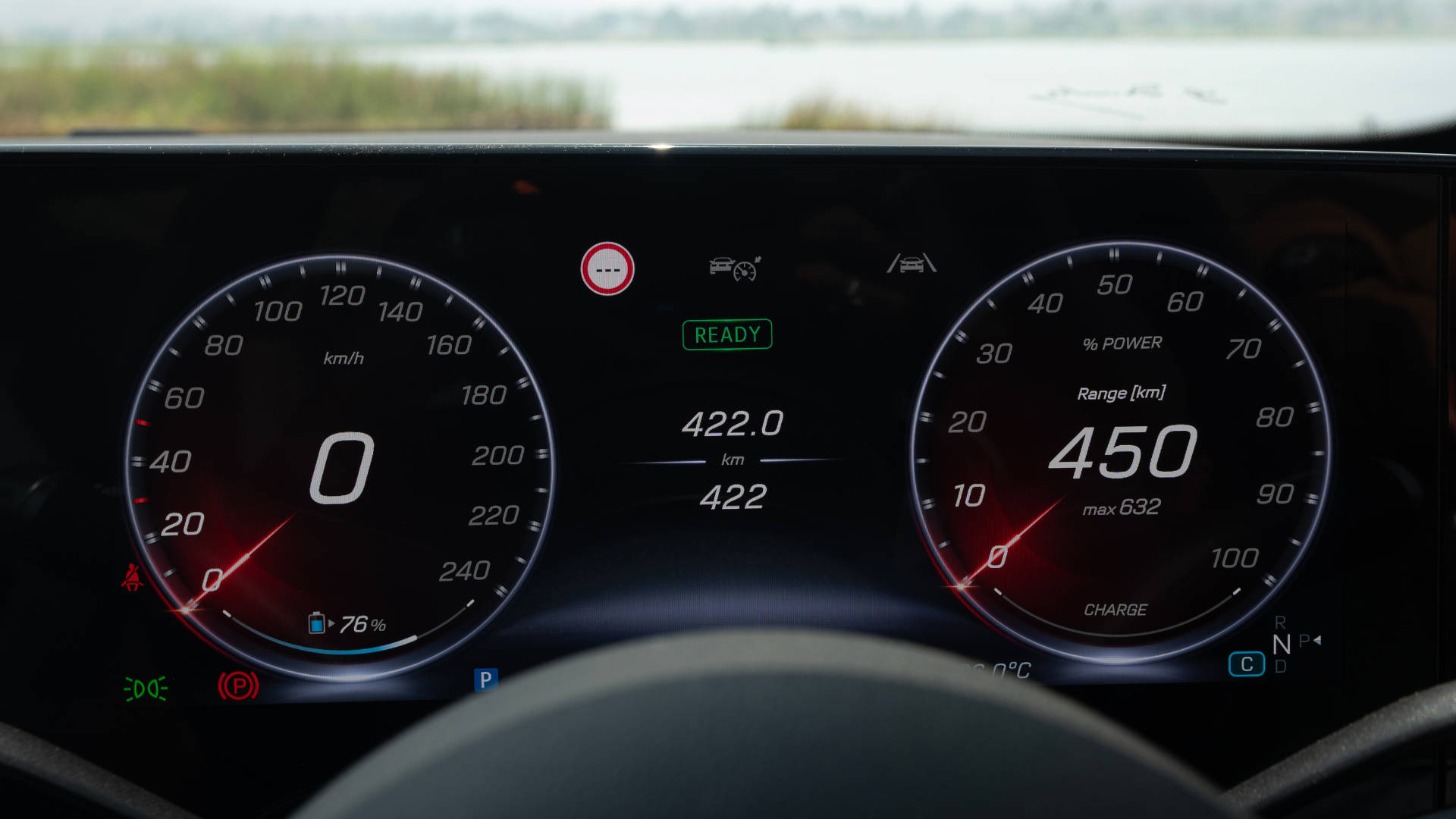
Those numbers sound respectable rather than outrageous, but the real story lies in efficiency. Mercedes claims an energy consumption figure of roughly 12 kWh per 100 kilometres, which would place the CLA among the most efficient EVs currently in production. Combined with an exceptionally aerodynamic body and a drivetrain efficiency figure of around 93 percent, this results in a claimed WLTP range approaching 792 kilometres. If those numbers translate even partially into real-world conditions, the CLA could become one of the longest-range EVs in its class.
The mechanical gamble
One of the most unusual engineering decisions in the CLA Electric is the inclusion of a two-speed transmission. Most electric vehicles rely on single-speed gear reduction because electric motors produce instant torque across a wide speed range. Mercedes, however, decided to add a second gear to improve efficiency, so the first gear uses a short ratio designed to deliver stronger acceleration when the car pulls away from a standstill. Once the vehicle reaches cruising speed, the transmission shifts into a taller second gear that reduces motor speed and improves efficiency during sustained highway driving.
In simple terms, the CLA attempts to deliver the best of both worlds. The shorter gear provides punch in city driving, while the longer gear allows the car to stretch its range on highways, which is particularly relevant in markets like India where long intercity drives are common.
800-volt firehose
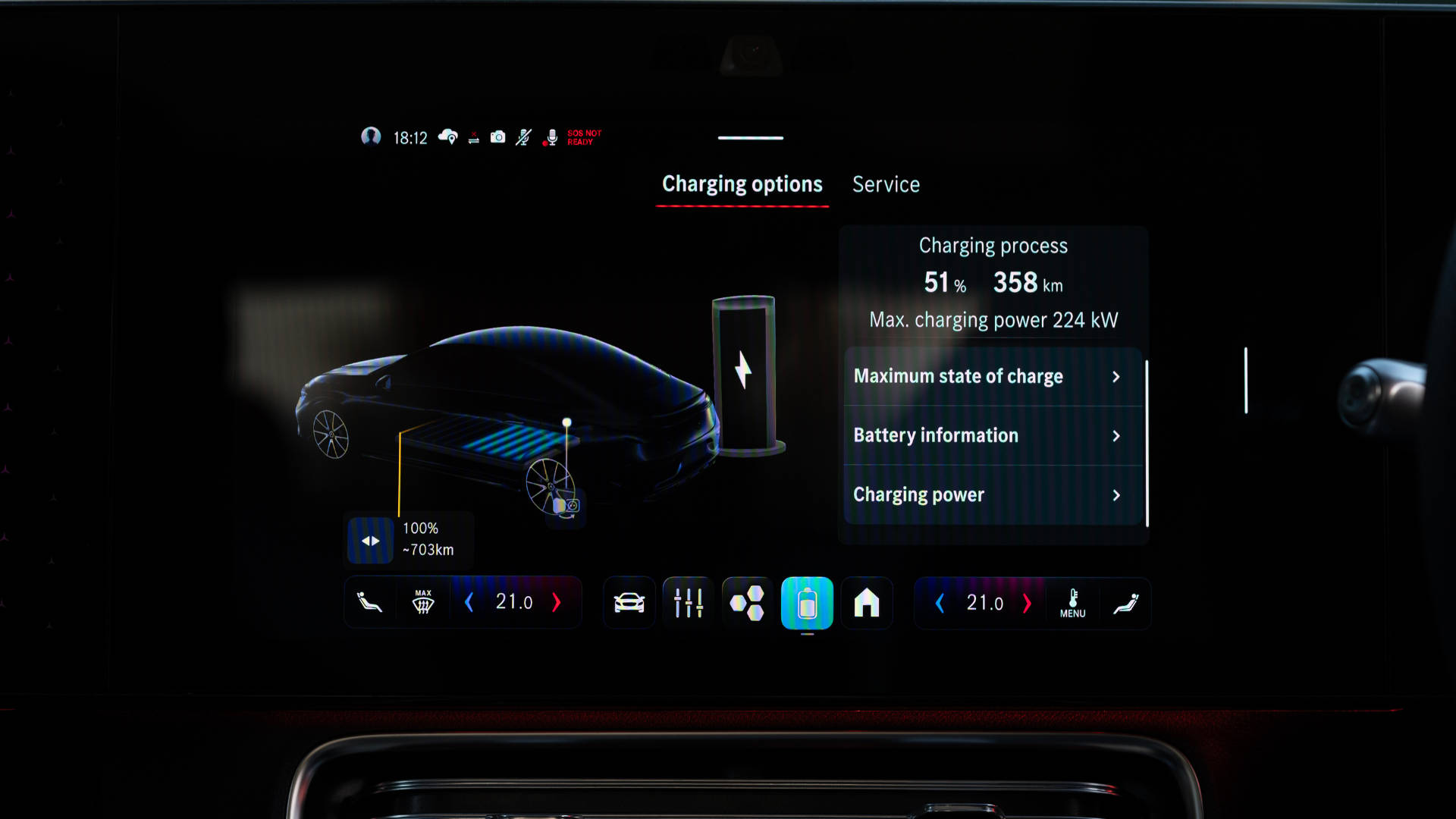
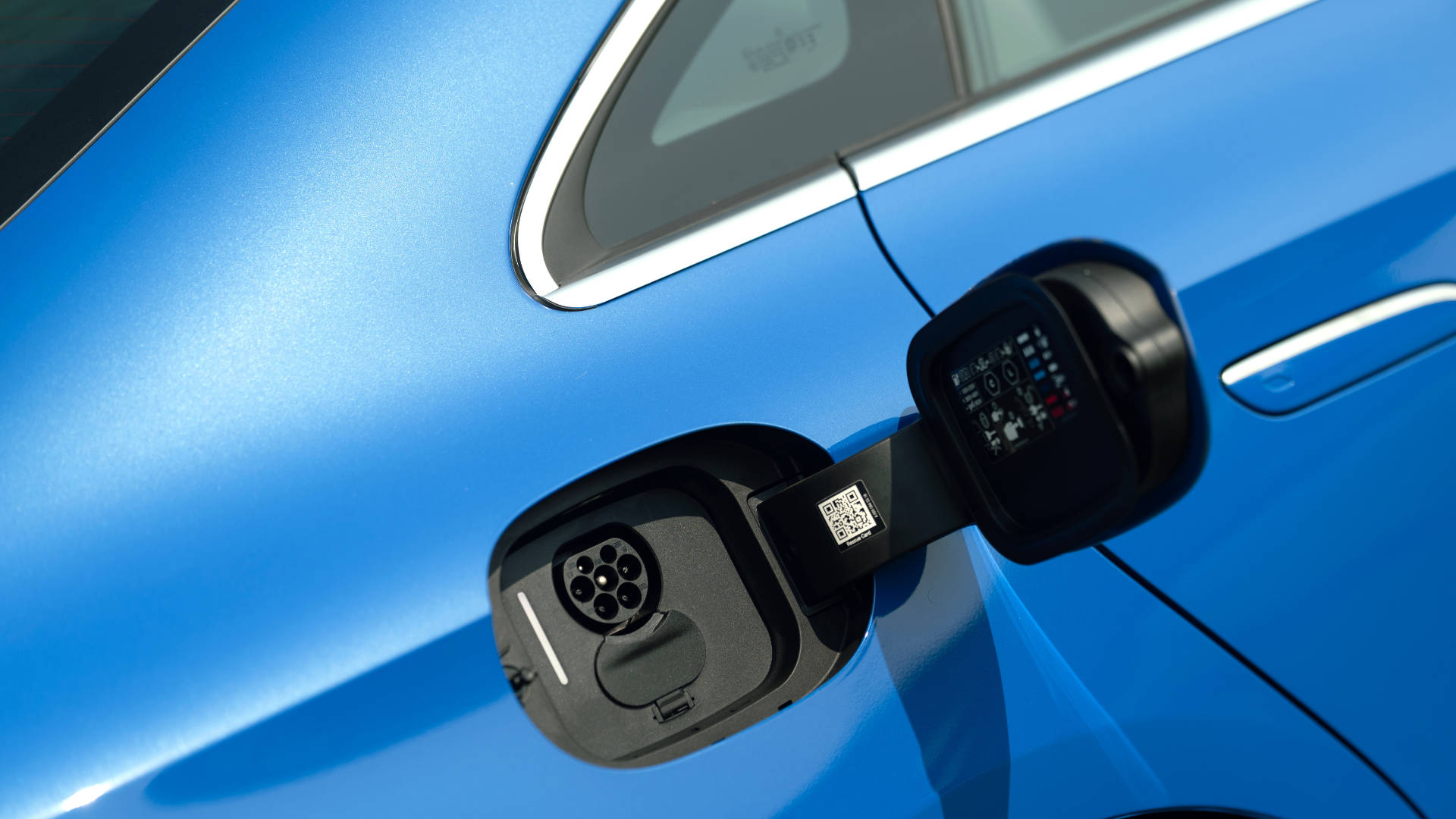
The CLA Electric also adopts an 800-volt electrical system, a feature that is still relatively rare outside high-performance EVs. Doubling the system voltage compared to the more common 400-volt architecture allows the vehicle to move the same amount of electrical power with significantly lower current. Lower current means less heat generation in the charging cables and faster charging speeds. Mercedes claims that when connected to a 240 kW DC fast charger, the CLA can recover approximately 400 kilometres of range in around twenty minutes.
For India, where ultra-fast charging infrastructure is still developing, those speeds may not always be achievable immediately. However, the underlying hardware ensures the car is future-ready as charging networks continue to expand.
The supercomputer core
The most radical change in the CLA Electric lies beneath the dashboard, where it replaces the fragmented architecture of traditional cars with four high-performance central computers that control nearly all vehicle functions. These systems manage infotainment, driver assistance, exterior electronics, and the electric powertrain while communicating with each other through Mercedes’ new operating system called MB.OS.
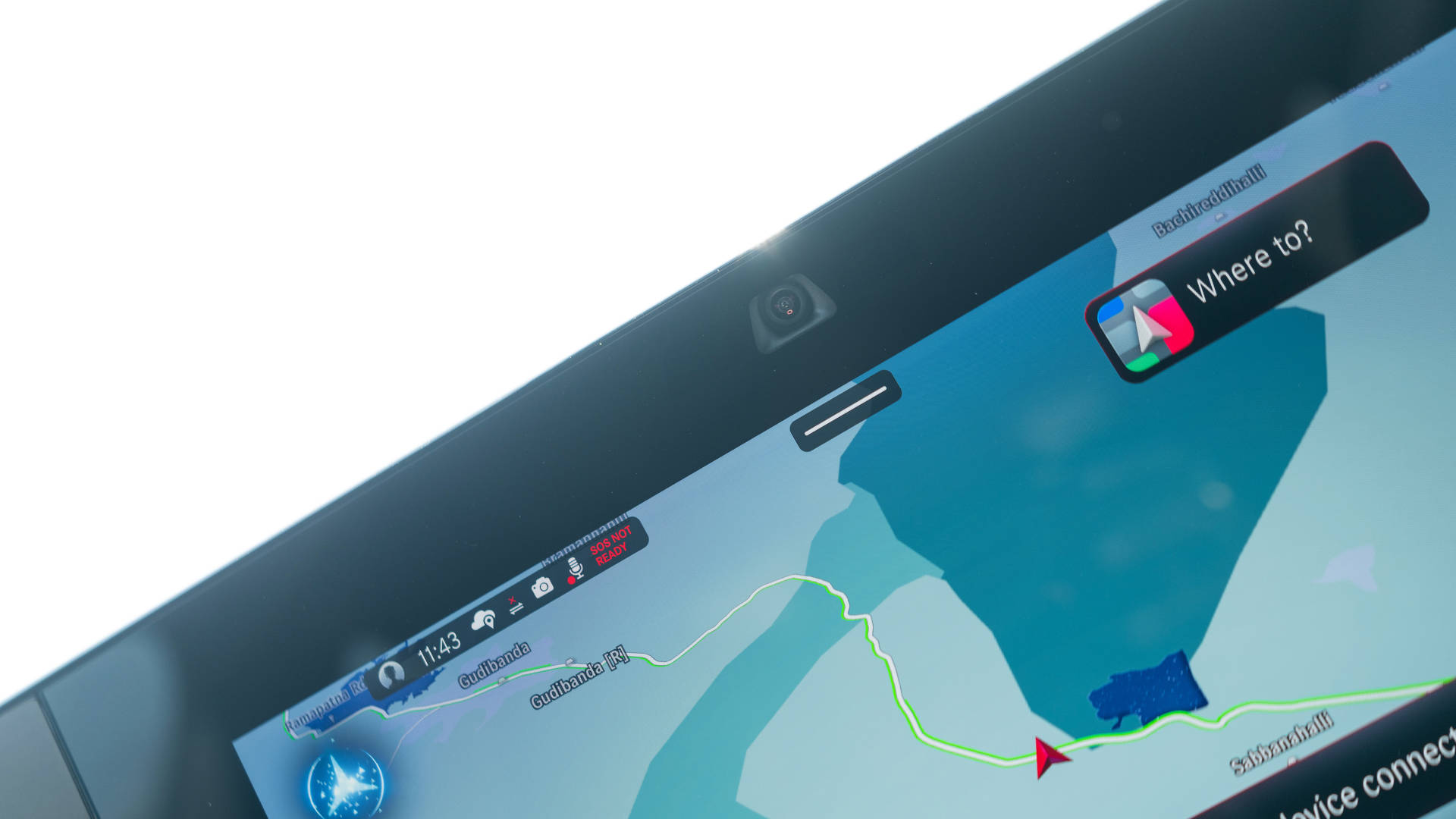
At the core of this architecture is an NVIDIA computing platform capable of performing roughly 508 trillion operations per second, a level of processing power normally associated with advanced autonomous driving research. This centralized approach allows Mercedes to update and improve vehicle functionality over time through over-the-air updates. Features related to driver assistance, infotainment or digital services can theoretically evolve long after the car leaves the showroom. In other words, the CLA is designed to improve with age in the same way smartphones and computers receive software updates.
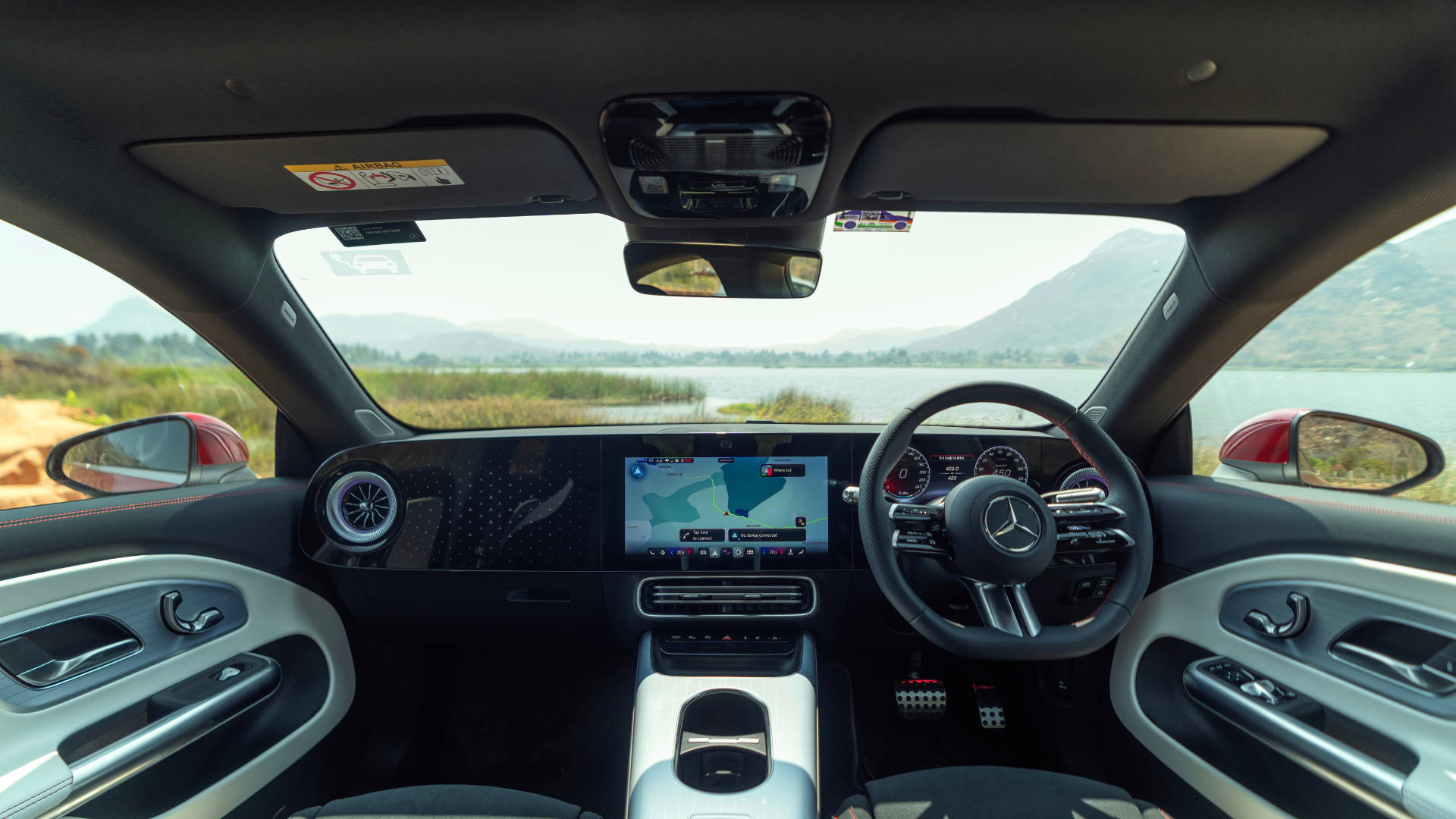
In my testing, the UI felt as fluid as a flagship tablet, navigating through complex sub-menus with zero latency. This processing power isn’t just for show; it allows Mercedes to treat the car as an evolving product. The “unlockable” feature set, ranging from front-seat massage activation to Level 2+ ADAS enhancements, signals a move toward a subscription-based ownership model that reflects the current state of consumer technology.
MBUX and artificial intelligence
Layered on top of MB.OS is the fourth generation of Mercedes’ MBUX infotainment system, which introduces a much more sophisticated AI-driven interaction model. The new MBUX Virtual Assistant integrates conversational AI technologies, including ChatGPT-based processing and Google Gemini support. Instead of issuing rigid commands, drivers can speak naturally to the system and receive contextual responses. Mercedes has even trained the assistant using hundreds of thousands of voice recordings so it can interpret emotional tone in speech. The system can theoretically recognise whether the driver sounds frustrated, neutral, or cheerful and adjust its responses accordingly.

In practice, the usefulness of these features will depend heavily on network connectivity, which remains inconsistent across many parts of India. Besides quick play games like Angry Birds and Beach Buggy Racing 2, the onboard camera lets you even get some work done with Zoom and MS Teams meeting calls.
Due to poor network connectivity, most of the AI-enabled chat features that require ChatGPT or Google Gemini couldn’t be tested but Mercedes claims they are hard-baked into the MBOS so the user won’t have to worry about choosing the right model for the specific query. It’ll all happen in the background, provided you have good 5G connectivity.
Navigation and charging intelligence
Another interesting element is the integration of Google Maps data with Mercedes’ navigation system. The car uses this information to create charging-aware routes through a feature called Navigation with Electric Intelligence. Instead of simply showing charging stations, the system analyses route conditions, battery state of charge and real-time charger availability to determine optimal charging stops along the journey.
The system can also display charging costs and initiate payments through Mercedes’ MB.CHARGE ecosystem, reducing the need for multiple charging apps and RFID cards. Given how fragmented India’s charging networks currently are, this could eventually become one of the CLA’s most useful features.
Safety and driver assistance
It incorporates a dense network of cameras, radars, and sensors that provide a 360-degree understanding of the vehicle’s surroundings. These systems power Mercedes’ MB.DRIVE driver assistance suite, which includes functions such as adaptive cruise control, lane keeping assistance, blind spot monitoring, and automated emergency braking.
The platform has also been designed to support future upgrades to Level 2+ driver assistance capability through over-the-air software updates. ADAS features like lane keep assist were struggling to keep the CLA centered, even on the decently marked airport road towards Bengaluru T2, and surprisingly, Mercedes claims to have considered Indian traffic conditions while calibrating this system. Maybe another specimen of the CLA needs to be driven to test its efficacy.
There’s no HUD, but the augmented reality maps work very well, giving you precise graphical overlays on a live feed from the front camera. It won’t work on Google Maps, though; you will have to use the on-board navigation due to the tech stack Google needs access to.
The car’s structural design also played a major role in its safety credentials. In 2025 testing, the electric CLA was rated the best-performing vehicle in Euro NCAP crash tests, aided by a reinforced battery protection structure and multiple airbags, including a centre airbag positioned between the front seats.
Driving impressions
The driving experience is defined by the rear-wheel-drive (RWD) configuration, which provides the agility that front-wheel-drive predecessors lacked. While it doesn’t possess the violent, gut-punch acceleration of an Audi RS e-Tron GT, the 272 hp motor offers a sophisticated shove that makes city overtakes effortless. Around the winding sections near Bengaluru, the CLA felt playful; it’s entirely possible to coax the tail out for a bit of enthusiast-grade fun, though the car quickly reins itself in with refined electronic stability. Curiously, Mercedes has opted for a “simplified” driving philosophy by removing regen-management paddles from behind the steering wheel. While some might miss the granular control of manual recuperation, the system’s ability to judge deceleration based on traffic flow is remarkably intuitive.
Rear seat passengers have little to gain because it is still a relatively cramped place to be for long journeys, and you sit a bit knees up, adding to the rudimentary experience. Or perhaps it only reinforces the idea that this really is a tech-forward car with a singular focus and works as the perfect template for things to come from the brand.
Verdict
Instead of simply electrifying an existing sedan, Mercedes has built an entirely new platform centered around computing power, software architecture, and energy efficiency. With nearly 800 kilometres of claimed range, ultra-fast 800-volt charging, and a centralized computing architecture powered by NVIDIA hardware, the CLA may well set a new technological benchmark for compact luxury EVs. There are still open questions, particularly around how effectively the AI features function in real-world conditions and whether charging infrastructure can keep pace with the car’s capabilities in markets like India.
But as an engineering marvel, the CLA Electric is undeniably fascinating. It suggests a future where Mercedes cars are defined not just by how they drive, but by how intelligently they think. In terms of market positioning, the CLA is expected to sit in the ₹50-60 lakh bracket (ex-showroom), placing it squarely against both premium electric crossovers and traditional luxury sedans. It is a car built for Gen Z and the “new money” technocrat; someone who values a silicon-to-pavement connection over wood-grain trim.
Editor’s Rating: 8.5 / 10
Pros:- Massive 792km range effectively kills any long-distance range anxiety
- 800V architecture enables ultra-fast, future-proof charging speeds
- NVIDIA-powered MB.OS delivers the smoothest, most responsive UI in class
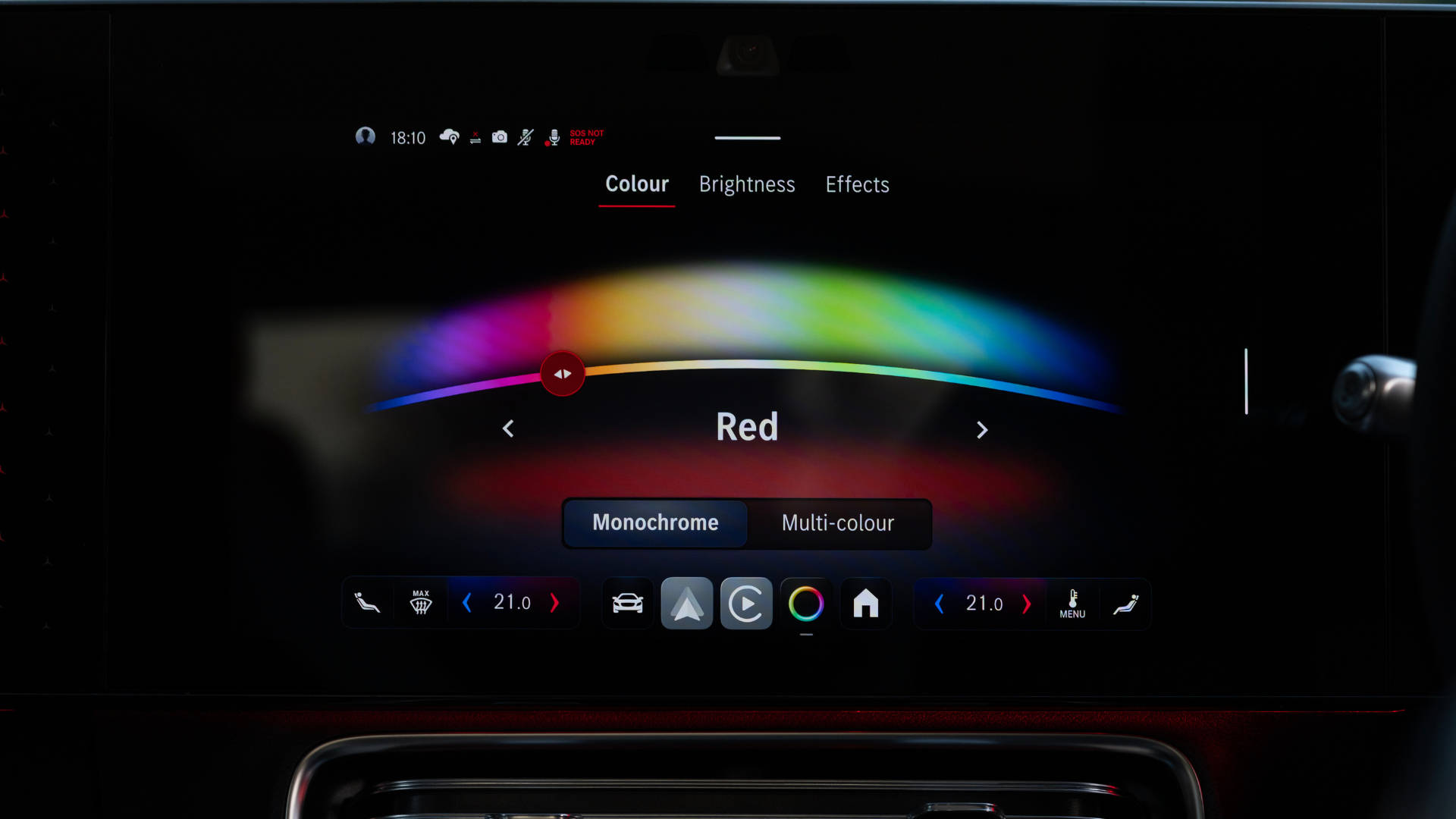
- Cabin quality, materials, and ambient lighting lift the mood instantly
- Lack of ventilated seats is a major miss for India
- Capacitive steering buttons are often frustrating to use while driving
- ADAS struggles to stay centered on inconsistent Indian road markings
- AR navigation functionality is currently limited to proprietary Mercedes maps