Review Summary
Expert Rating
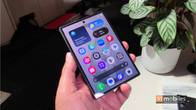
I almost didn’t use that title. It seemed a bit frivolous, talking about the new Galaxy Z Fold8‘s shape as its main aspect. Foldable smartphones have been around for some time now, largely sticking to the sleek flip and the book-style fold form factors. With the addition of this new passport-style design though, the foldable smartphone segment has gotten a much-needed fillip.
After mulling it over a bit, I realised that the new phone’s shape, or more specifically, its form factor, isn’t just a cosmetic change. It helps elevate many use cases in a way that can’t be matched. Foldables were once heralded as the future of smartphones, and while that is debatable, I think the Z Fold8 could actually be the future of foldables. Let me explain.
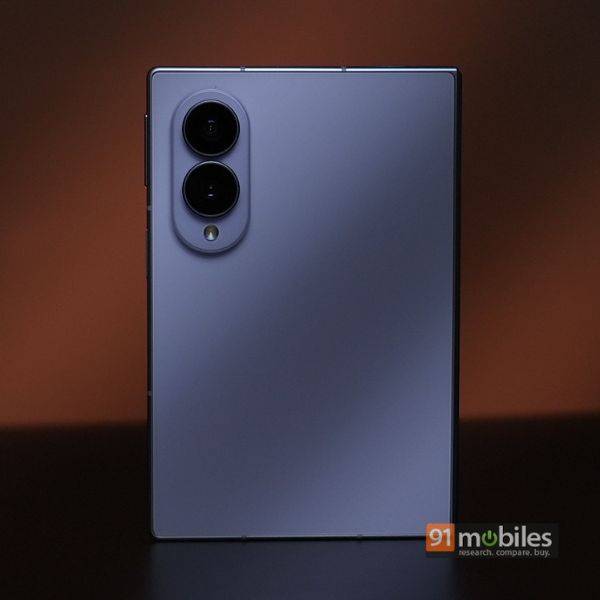
Table of Contents
Verdict
The Samsung Galaxy Z Fold8 stands out for its wide form factor, which is refreshing and useful in day-to-day use. It successfully bridges the gap between the productivity-focused Fold and the sleek Flip form factors, emerging as a sweet middle ground. Samsung hasn’t compromised on core aspects such as build quality, performance, and battery life, ensuring it delivers across all aspects. The One UI platform and Samsung’s ecosystem benefits are among its strengths too. If you can afford one and have been eying a foldable, the Galaxy Z Fold8 is the one to consider right now.
About that shape. And the view
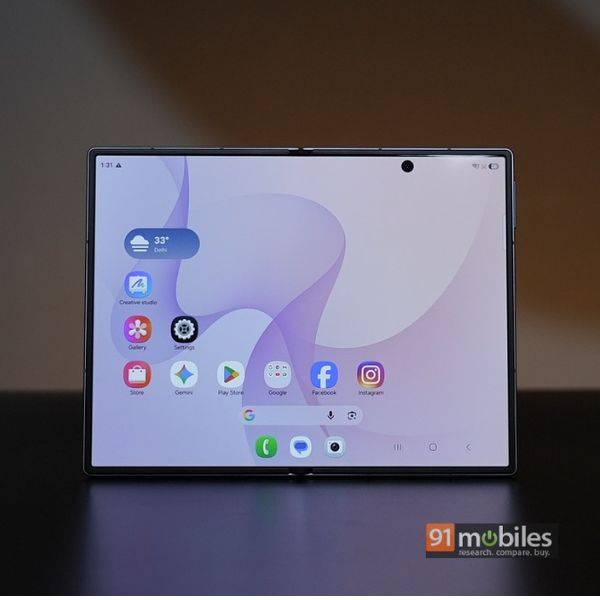
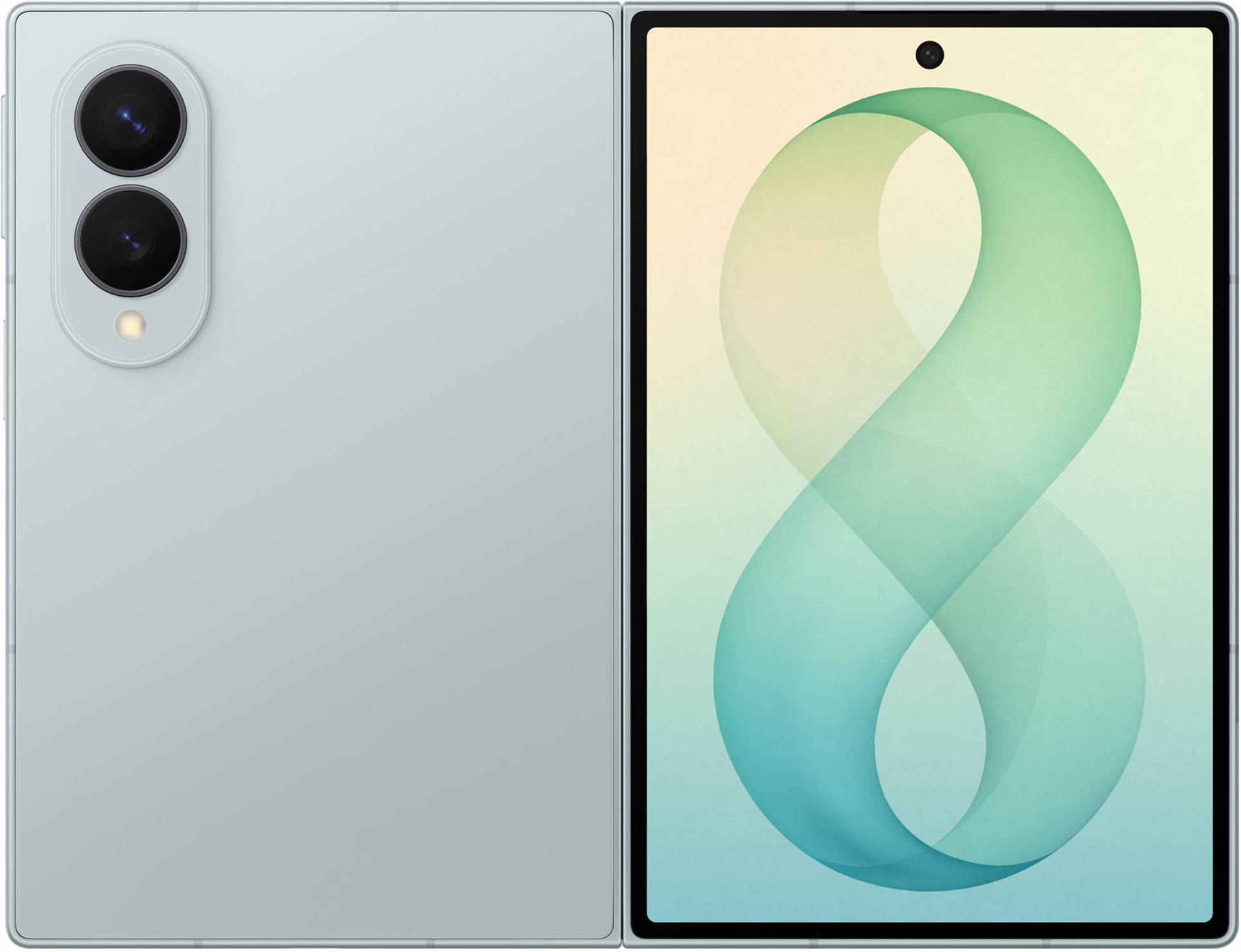
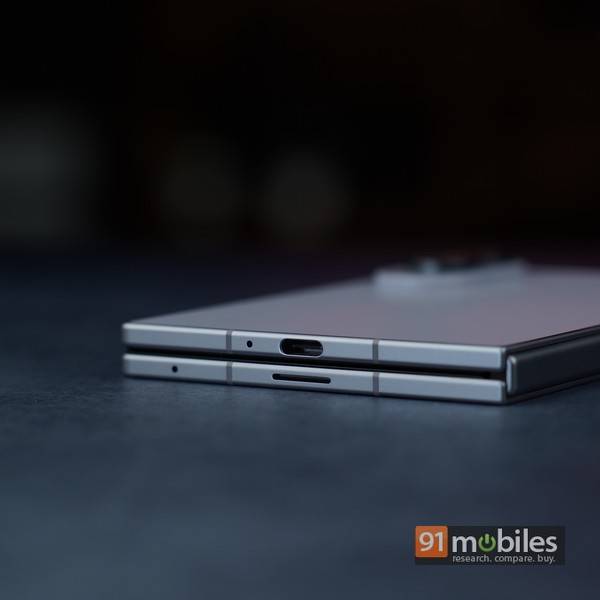
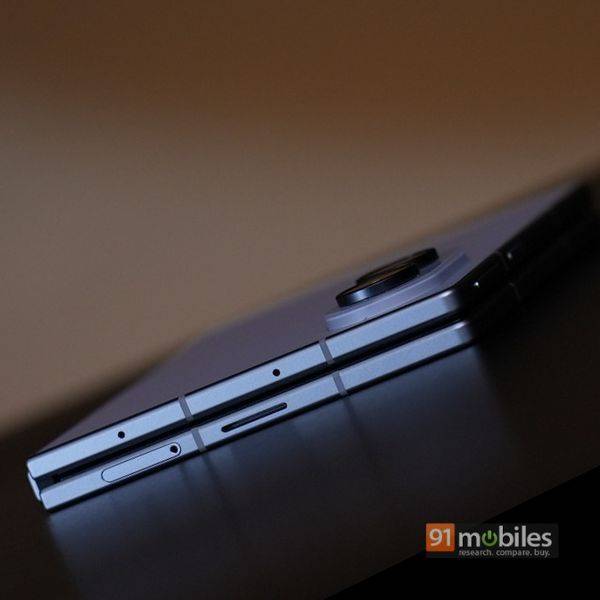
The Galaxy Z Fold8 adopts a wide stance, mainly due to its 5.5-inch screen that bears a ratio of 10:16, which is quite similar to a passport. And when you open it up, the screen that you get to see is 7.6 inches in size, bearing a 4:3 aspect ratio. While I’ll get to the use cases and capabilities of the two screens, it’s also worth talking about the engineering and the attention to detail. The device wouldn’t be what it is if it had been thick and heavy, but at 201 grams, it’s lighter than its flagship siblings, the Z Fold8 Ultra and S26 Ultra. 9.7mm thick when folded, and a mere 4.5mm when open, the Z Fold8 is a device that doesn’t weigh you down, and it’s super easy to slip into the pocket of your jeans or shirt, or a ladies’ purse.
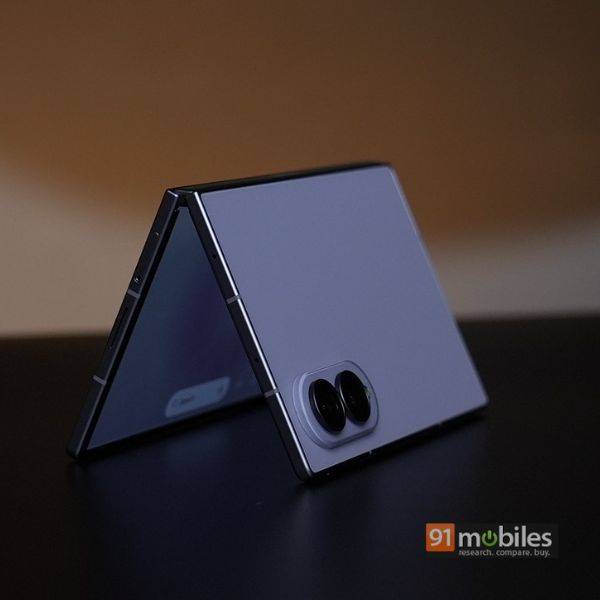
Samsung’s new Flex Titanium tech possibly deserves credit for the Z Fold8’s slimness – the titanium alloy film and the titanium plate that’s part of the Z Fold8’s display structure add strength, make the display more durable, reduce the crease and also help keep the device slim. Another noteworthy thing Samsung has done this time is making great use of the silicon-carbide battery tech. The brand has made use of this battery tech for the first time, and has used it to keep the device slim without compromising on battery capacity. Thanks to this, the Z Fold8 turned out to be super-slim, and yet offers a respectable 4,800mAh battery. And speaking of durability, the IP48 rating and Advanced Armor Aluminium frame help add to the peace of mind. Suffice it to say that despite the new engineering, refreshed form factor and sleek chassis, Samsung hasn’t compromised on build quality.
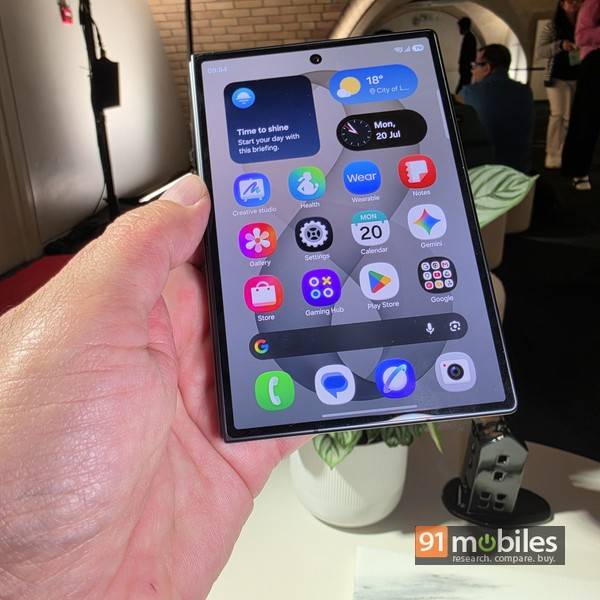
The 5.5-inch cover display uses a Dynamic LTPO AMOLED 2X panel, offers 120Hz refresh rate and features Corning Gorilla Glass Ceramic 3 for protection. The size is sufficient for all your basic tasks such as handling calls, WhatsApp chats, reading emails, scrolling Instagram reels, etc, though the wider aspect ratio means one-handed usage isn’t one of its strengths. Another niggle is the fact that the amount of content you’re able to view at a glance, without scrolling, is less than other phones. This applies to app icons, widgets, lists like messages and menu items, web pages, etc. That’s what the main screen is for, though.
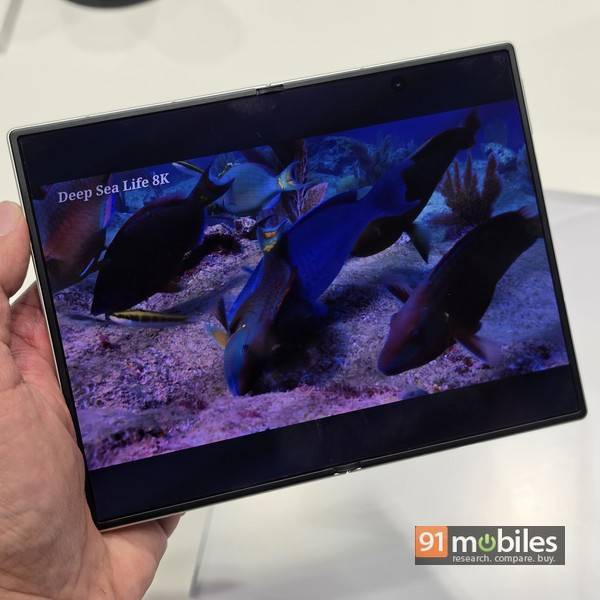
Unfolding the device lets you feast your eyes on the 7.6-inch Foldable Dynamic LTPO AMOLED 2X display. Featuring 120Hz refresh rate, HDR10+ support and a peak brightness of up to 3000 nits, this screen is a beauty and reaffirms one’s faith in Samsung’s legendary display prowess. Plus, this display is well-suited for video viewing, with standard 16:9 content showing only minimal letterboxing (the black bars at the top and bottom). Turn the phone around to portrait orientation, and that 3:4 aspect ratio is ideal for reading and scrolling through web pages, documents, e-books, etc. No wonder Samsung has been heavily using the word “immersive” as part of the Z Fold8 messaging.
Shooting, and shooting well
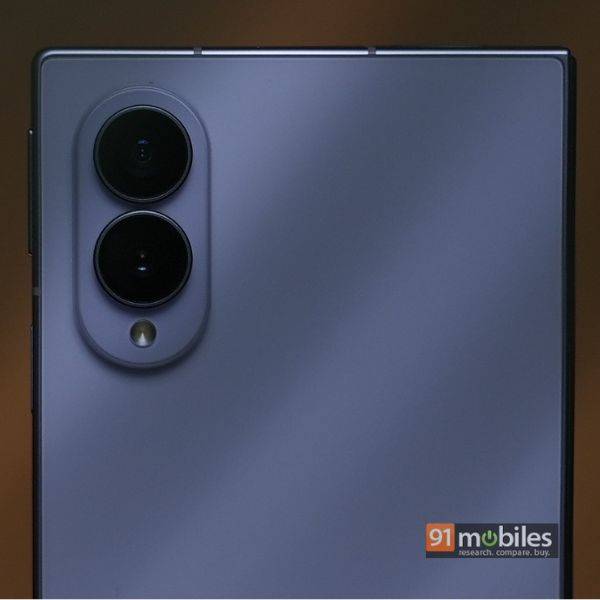
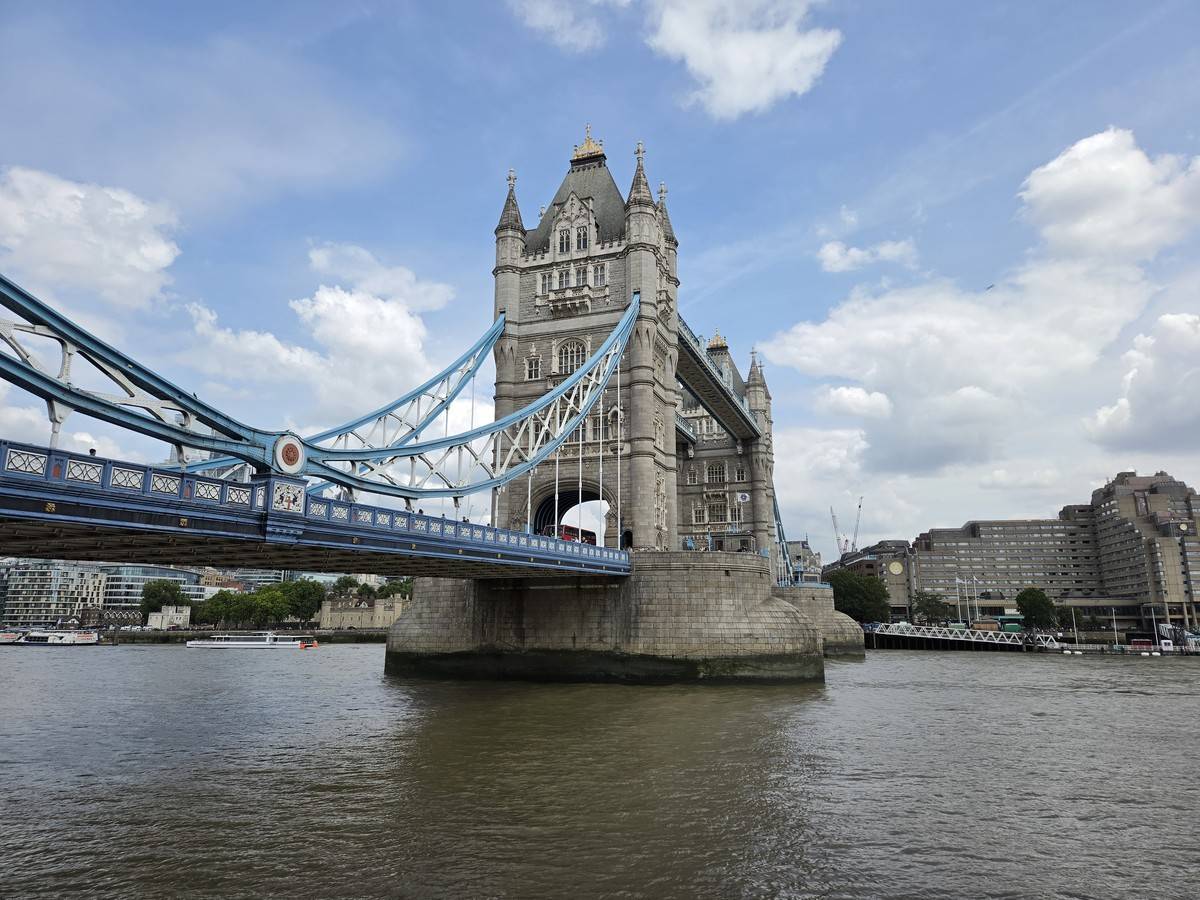
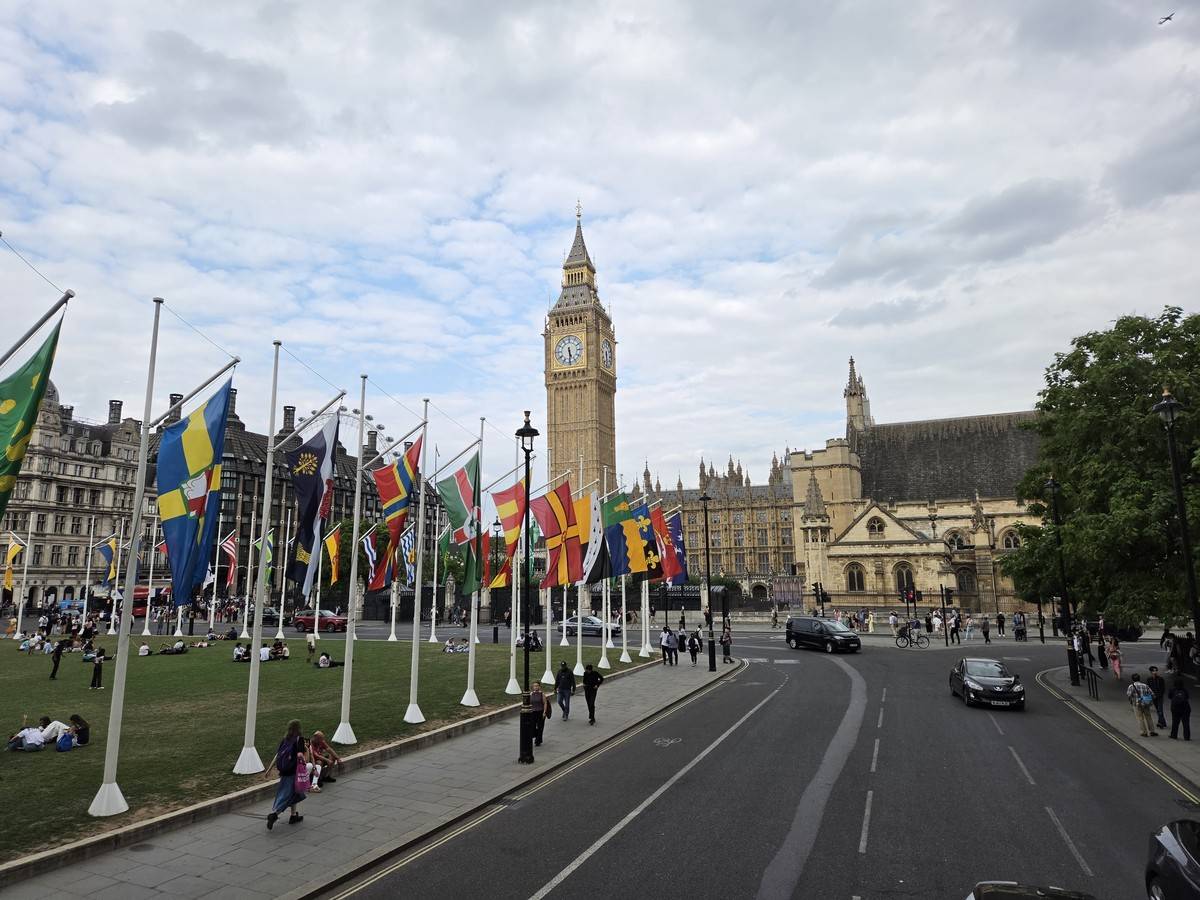
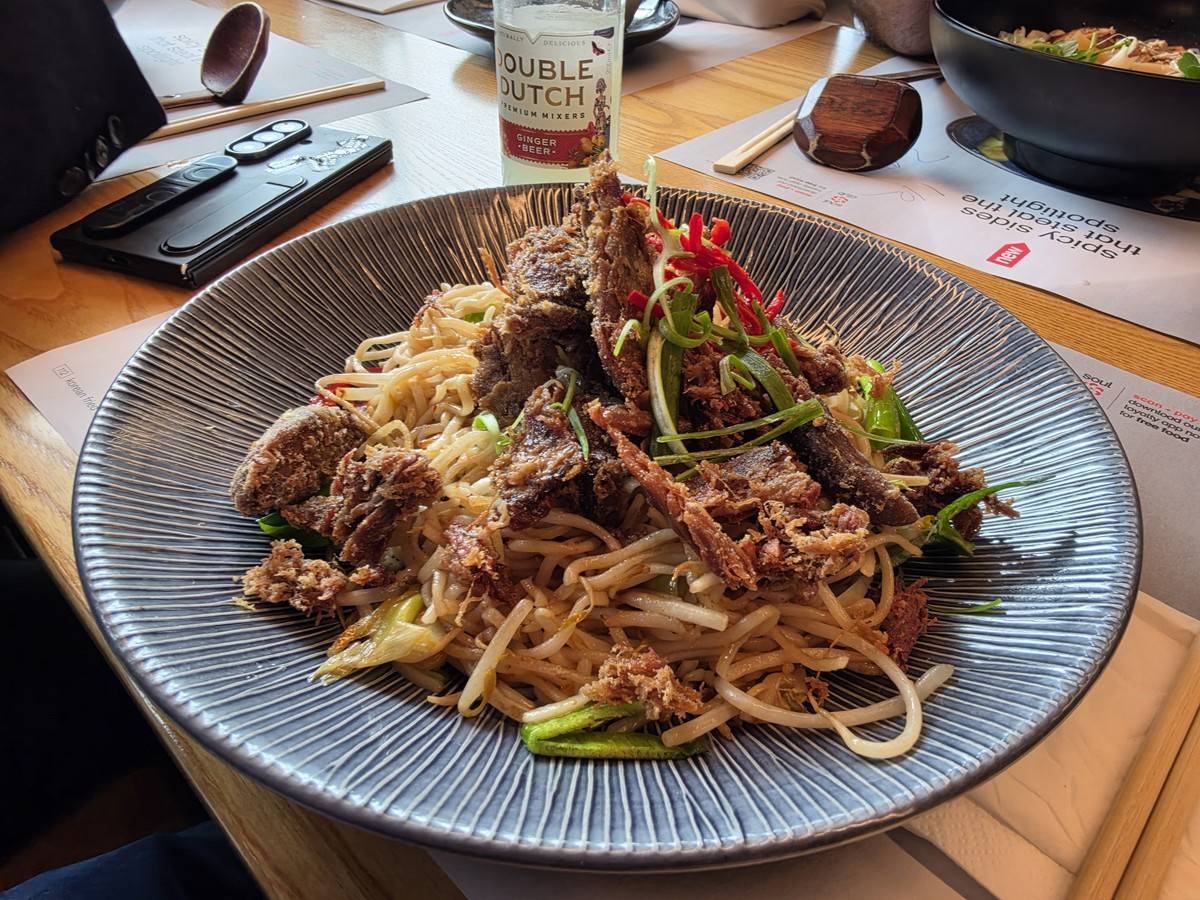
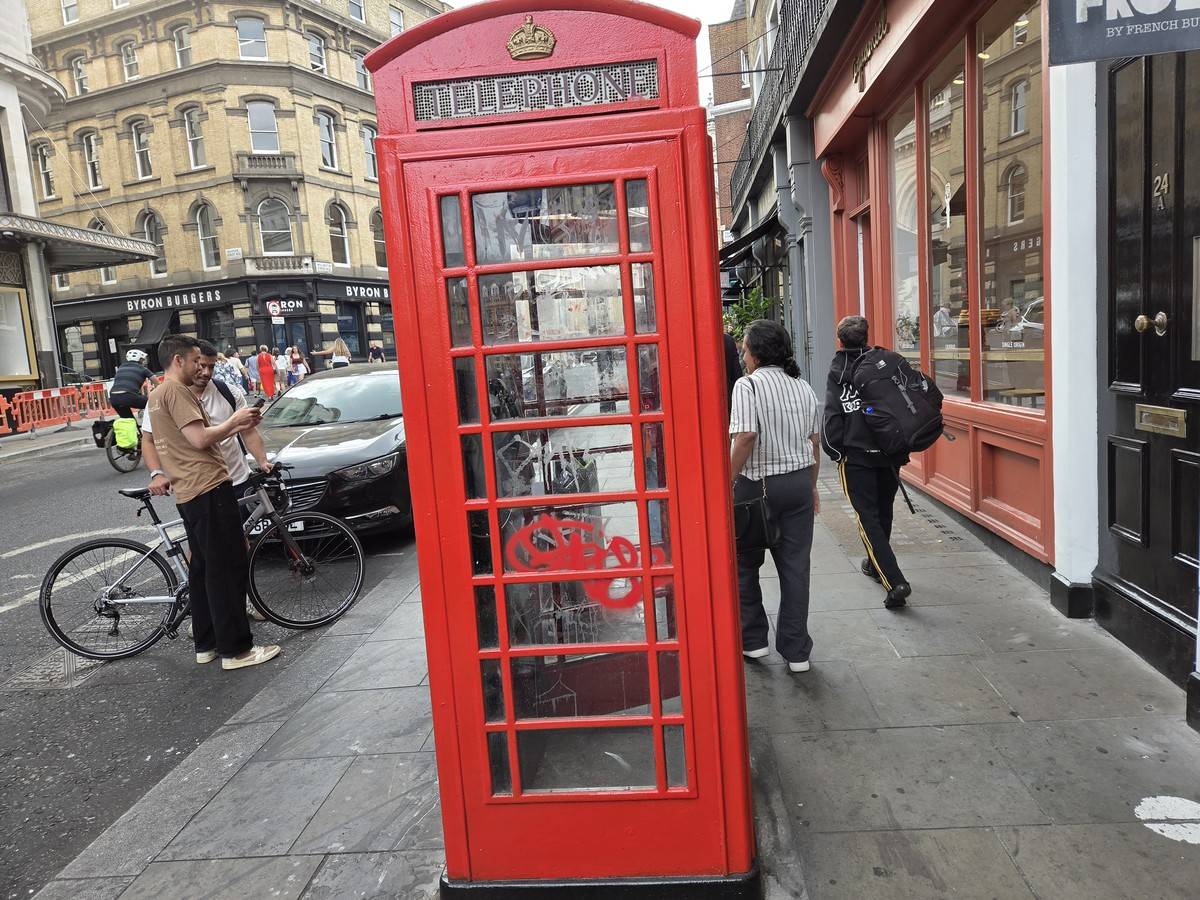
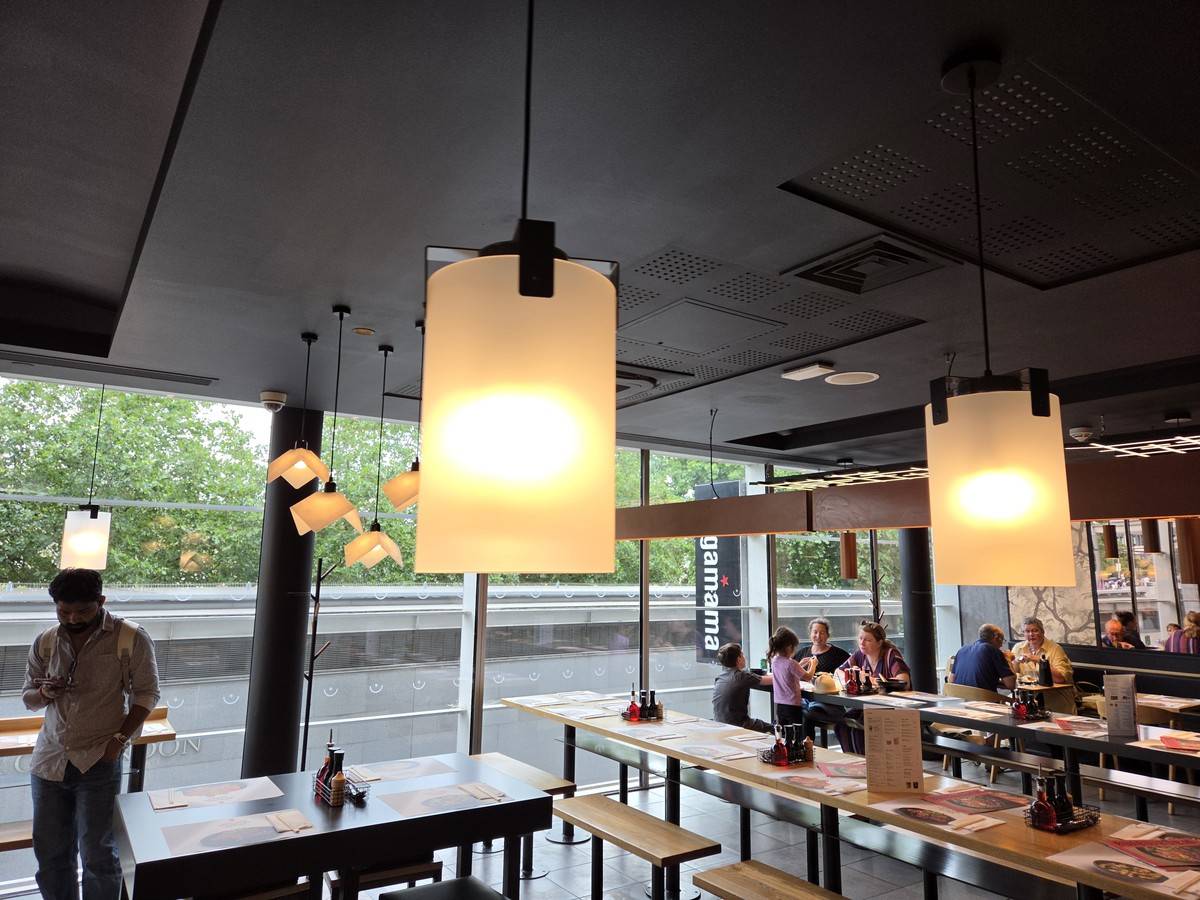
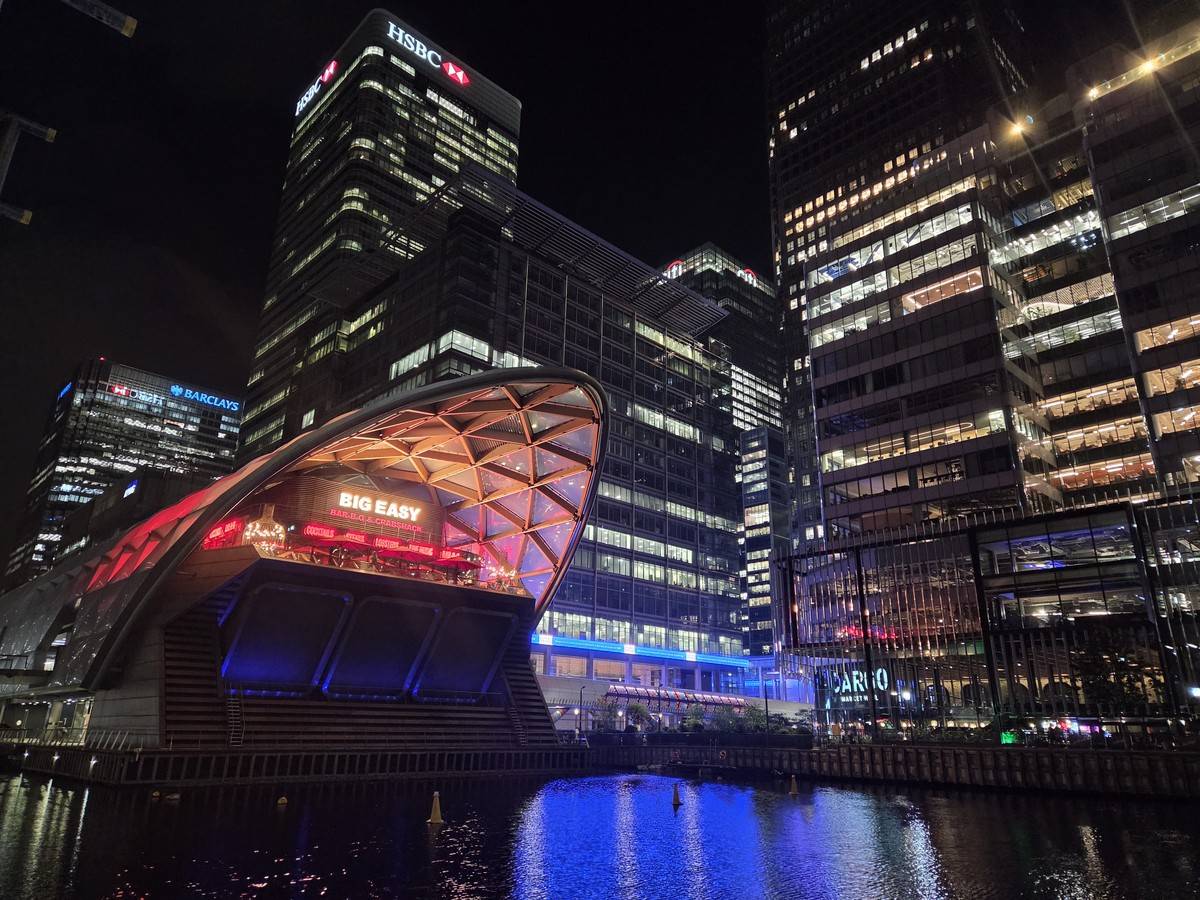
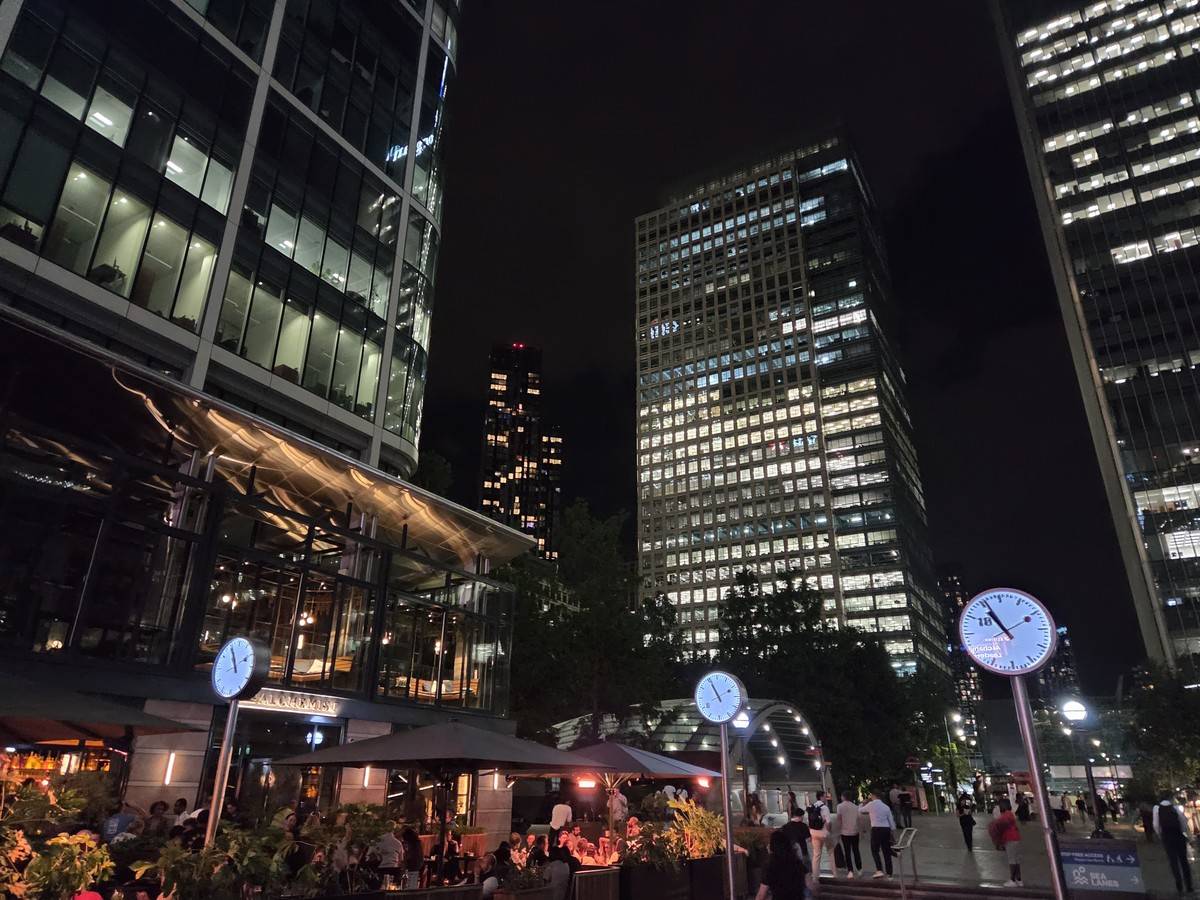
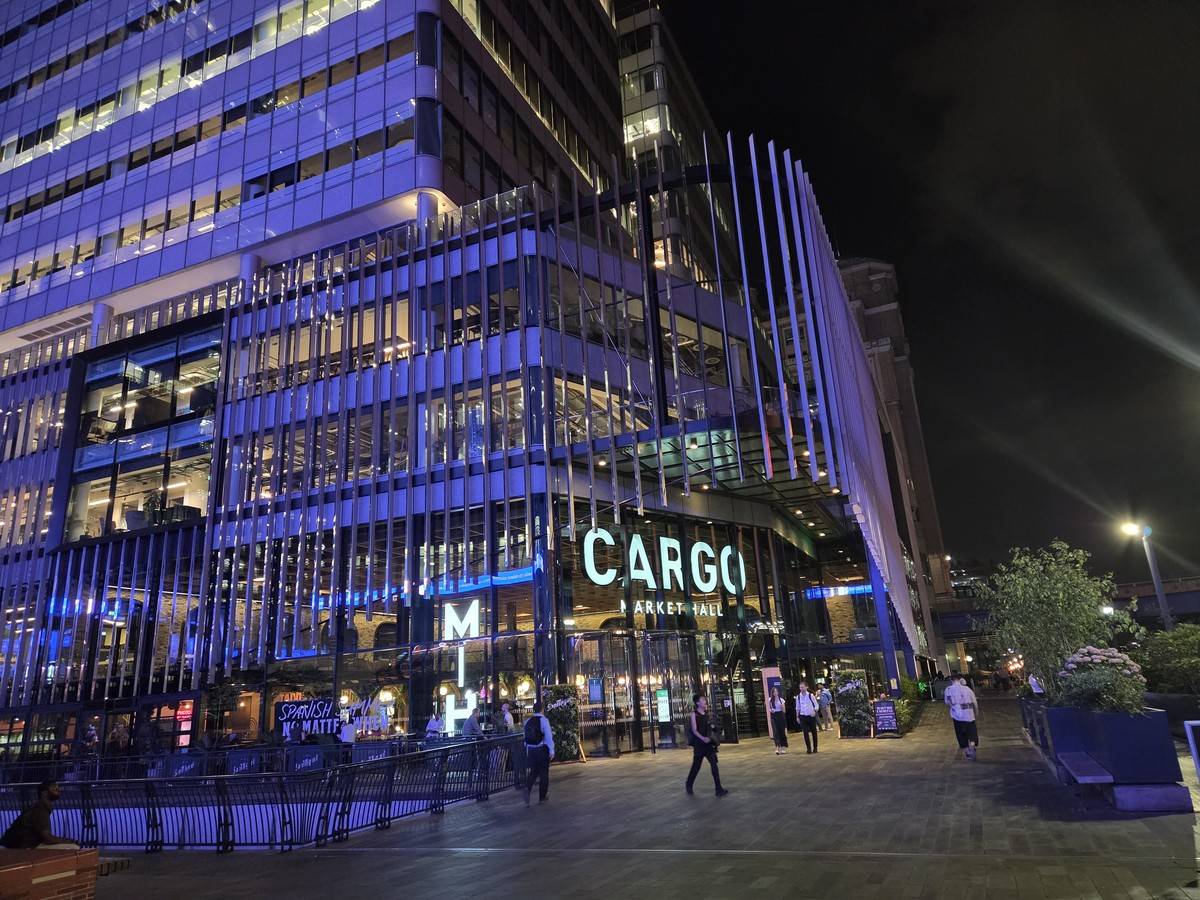
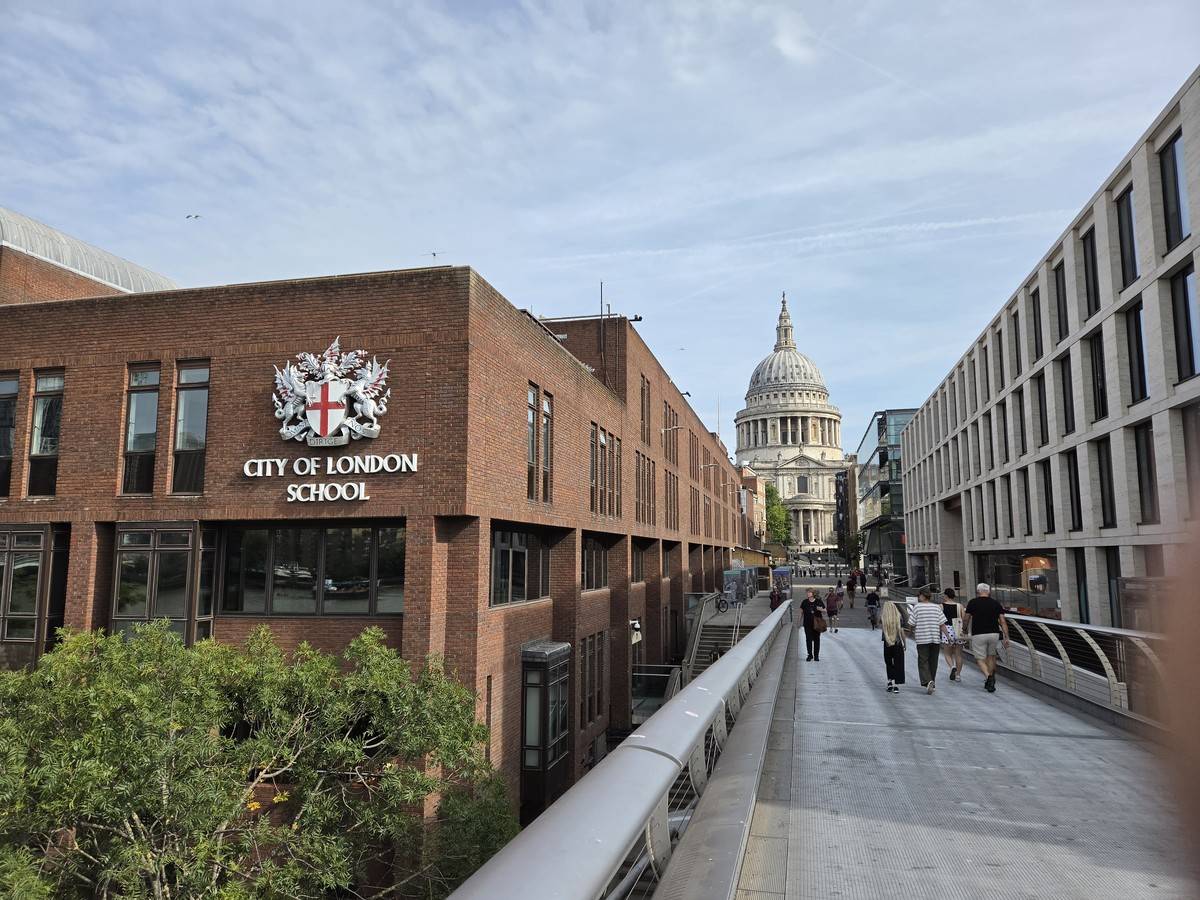
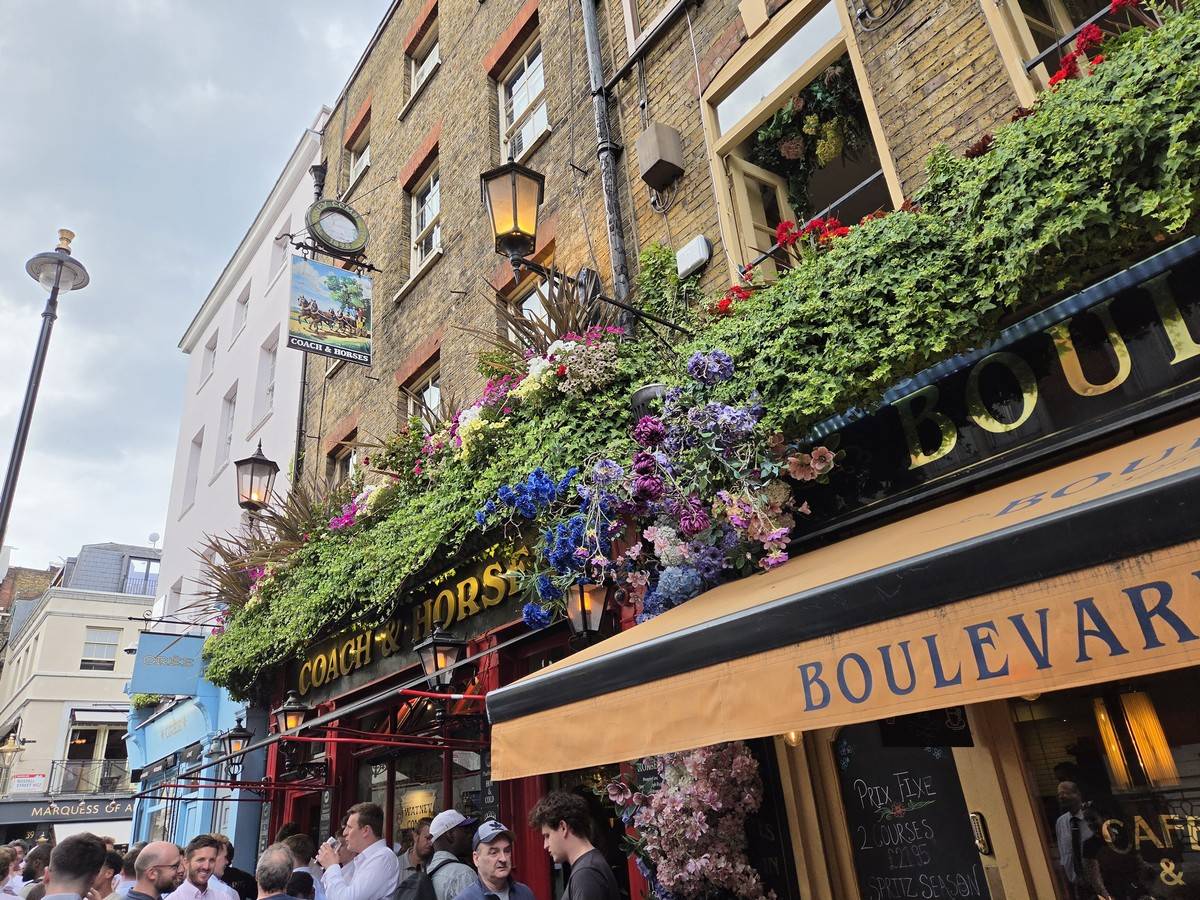
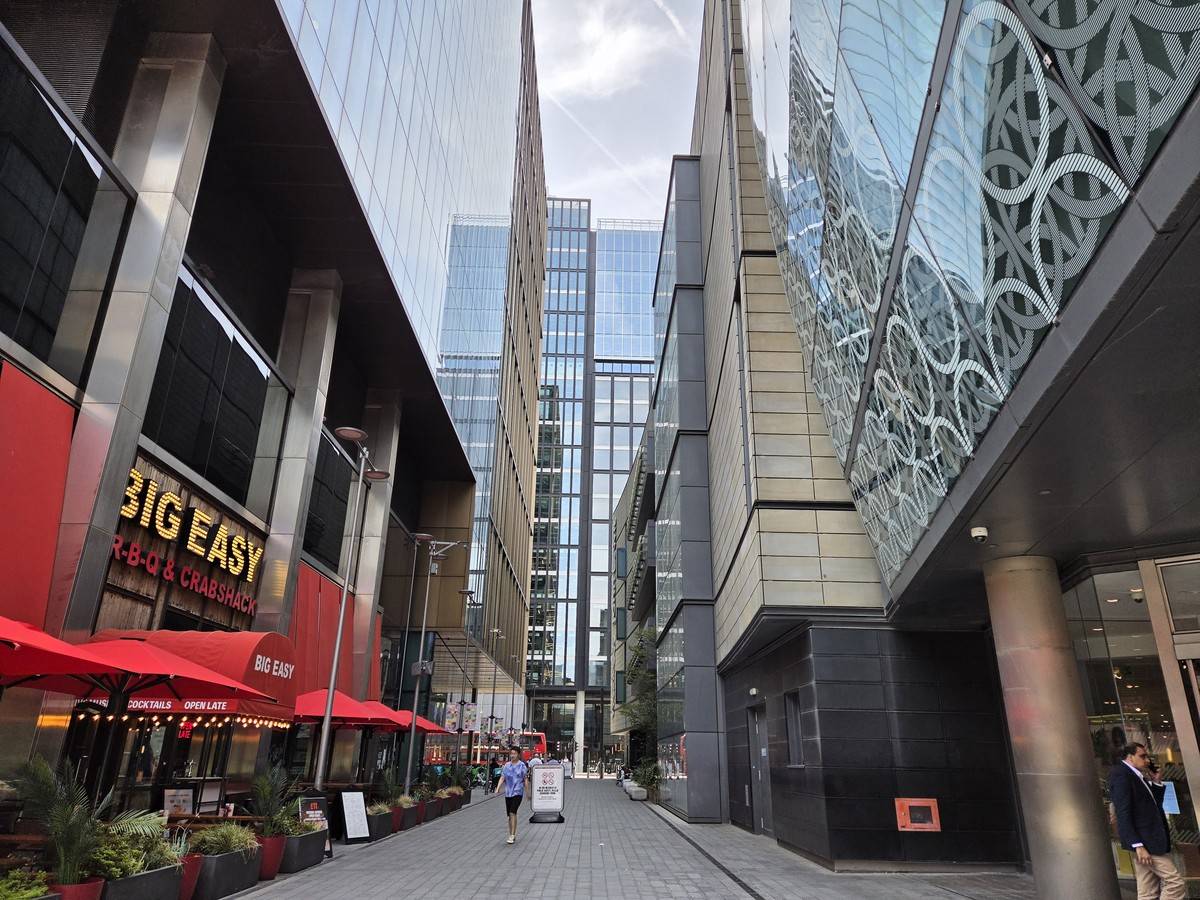
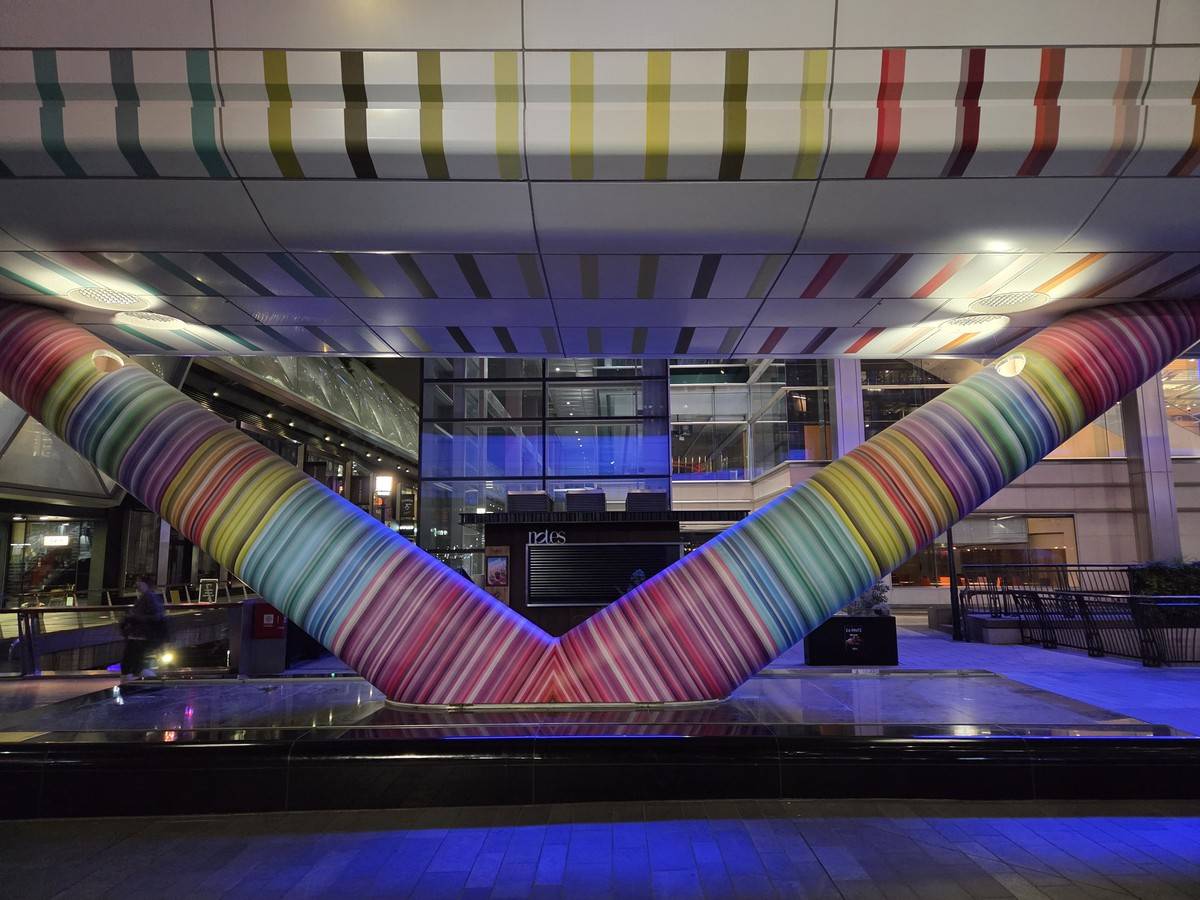
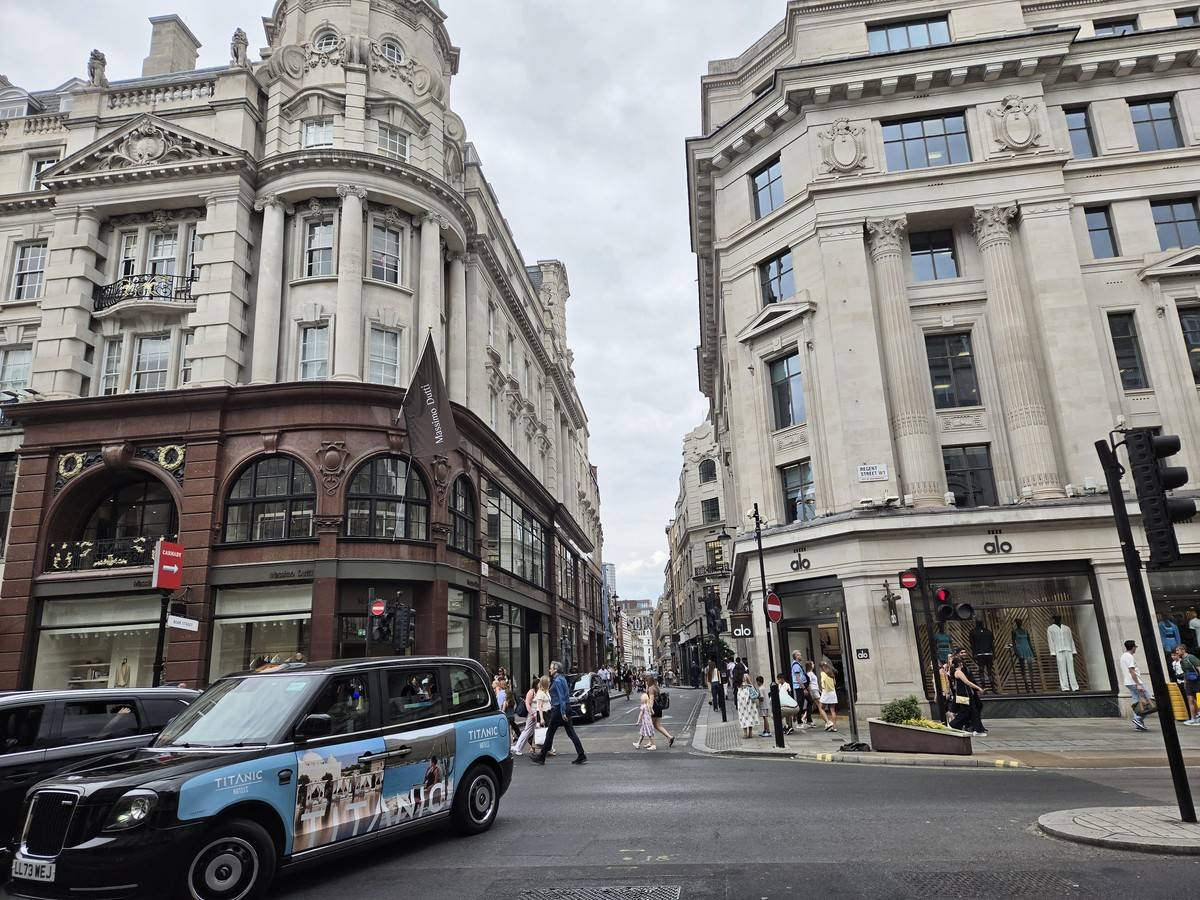
A 10MP front-facing snapper adorns each of the two displays, and on the rear, a pair of lenses stick out on the left corner. There’s no telephoto on offer, and you get a 50MP, optically stabilised main camera, paired up with another 50MP ultrawide. Apart from the missing telephoto, this is a capable camera system that delivers good results across different lighting conditions. One thing to remember is that while the Z Fold8 might not be trying to dethrone any of the specialised camera-focused flagships out there, photography is a key aspect for any smartphone and the Z Fold8 doesn’t disappoint. It delivers sharp, vibrant shots in good lighting conditions, with ample detail and balanced focus. Low light shots also turn out well for the most part. Suffice it to say that users won’t be disappointed as far as day-to-day photography is concerned.









The softer aspects
I’ve waxed lyrical about Samsung’s ecosystem features before and the Galaxy Z Fold8 ticks all those boxes as well. One UI is intuitive, customisable, and yet, packs enough for power users. Plus, it’s loaded with a ton of features that make owning and using a Samsung phone a delight.
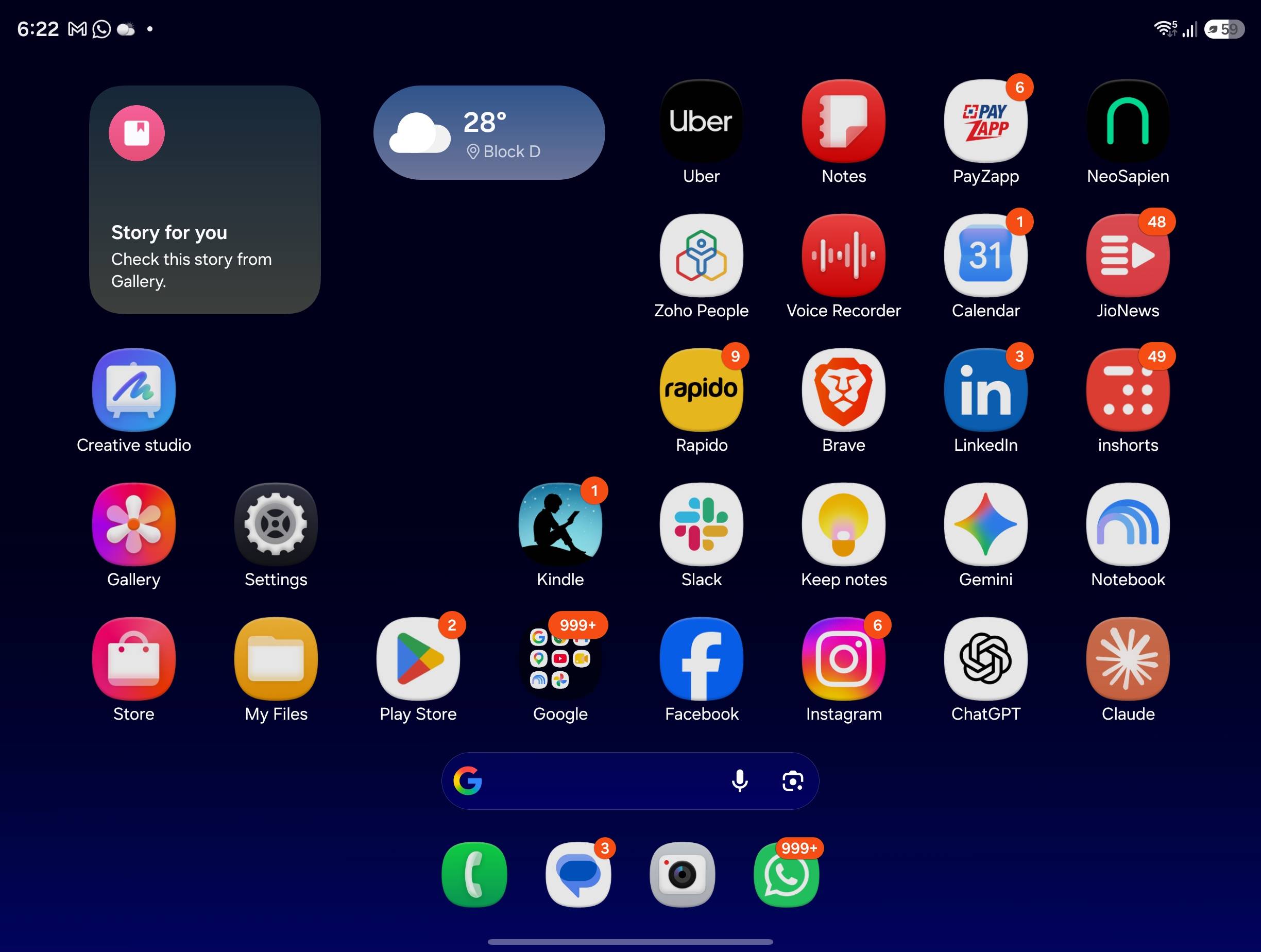
Many of these have been around for a while, but I’d still like to point out the ones I find really useful:
Secure Folder: lets you segregate your work data and your personal files in a separate, password-protected space
Samsung Cloud: allows you to back up and restore your data and personal settings, enables Find My and many other features
DeX: lets you connect your phone to a large-screen display and provides a desktop-like environment, converting your phone to a laptop
Worth mentioning that if you already have a Samsung tablet or laptop, using a Samsung smartphone enables interconnectivity features such as the ability to drag and drop files between the devices, accessing and viewing phone data on the bigger display etc.
And how can this discussion be complete without talking about Galaxy AI? Samsung has been adding new AI features and refining existing ones regularly, and Galaxy AI feels baked into the platform rather than just something that has been slapped on as an afterthought. Features like Now Nudge and Now Brief are useful for surfacing contextual info, while I find the Transcript Assist feature super handy for transcribing interviews and meetings. The Photo Assist and Creative Studio are also great to have – I personally use the AI eraser to remove unwanted stuff from photos very regularly. It’s one of the things I’ve started taking for granted, and it works reliably well, though sometimes it does need a couple of passes to output the photo I need. My FanCam is one of the new AI features Samsung has added this time, and that works well too – allowing you to crop out and create a new video of a human subject out of existing footage.
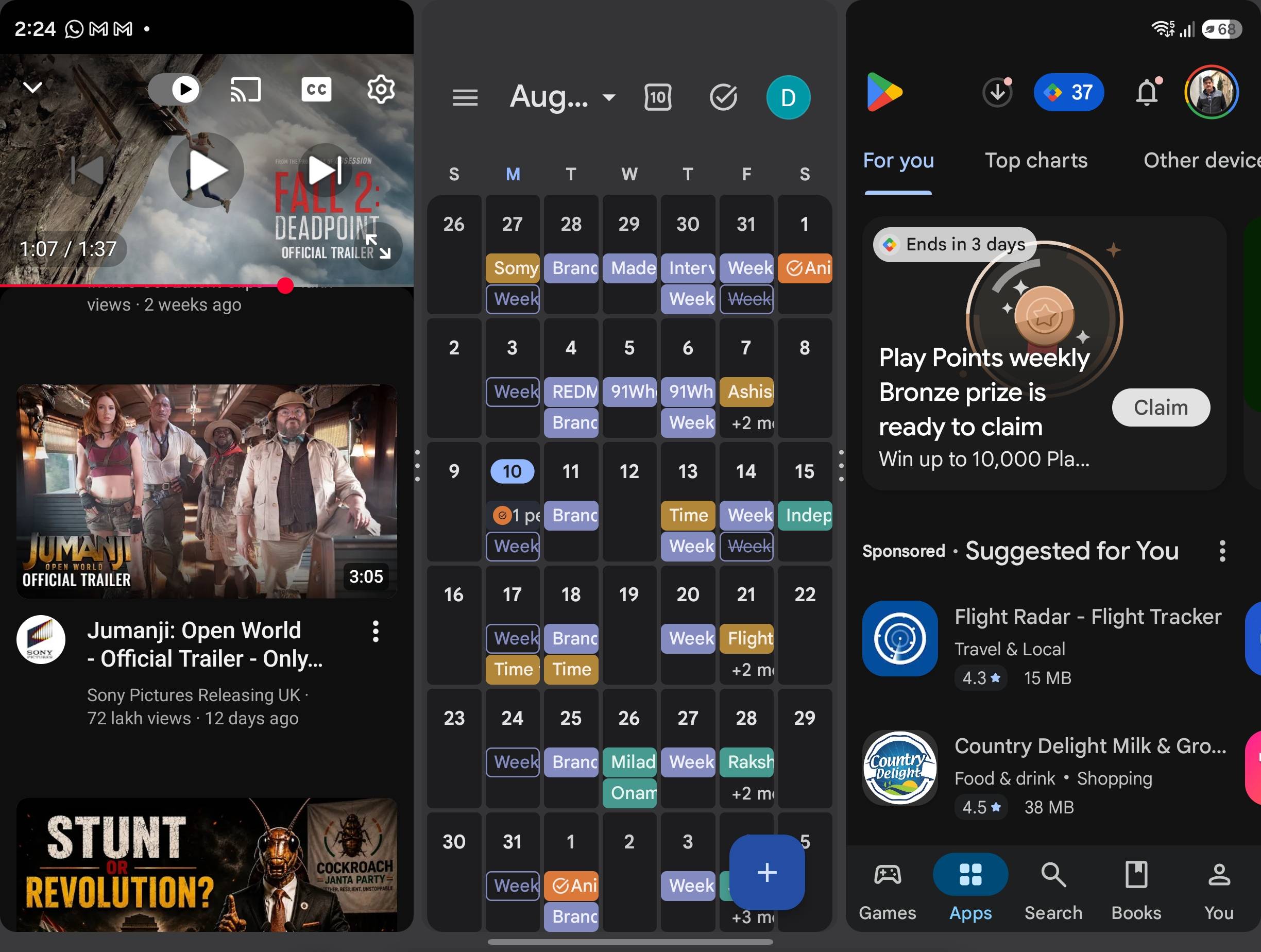
Samsung has optimised the One UI platform on the Z Fold8 to make best use of the large screen. While there’s no Flex Mode for some reason (the feature that enables extended views in a few apps like camera and YouTube when the phone is half open), you get the ability to run multiple apps together, and there’s even a feature (exclusive to the Fold8) that lets you run three apps side-by-side on the main screen.
How does it perform? And can it really last a full day without juicing up?
Courtesy its Snapdragon 8 Elite Gen 5 SoC and 12 gigs of RAM (16GB if you opt for the 1TB storage model), the Z Fold8 is at a level where benchmark numbers become irrelevant, and any question regarding performance is moot. Still, a few benchmark comparisons are given below in case you’re interested. From a real-life perspective, I’ll just say that the performance is super-smooth and befits its premium flagship status. The Z Fold8 can handle anything thrown at it, and that includes heavy apps and games. It does get a bit warm when stressed, but given its svelte chassis, that’s not surprising.


Samsung has used silicon carbide tech in its smartphone batteries for the first time in the Z8 series, but instead of going after super-high capacities, it has chosen to use the tech to make its devices slim. The Galaxy Z Fold8 therefore features a 4,800mAh battery, which is a very respectable capacity given how thin the device is. It lasts a full day with medium usage primarily involving the cover display, and thanks to support for 45W wired charging, juices up quickly too.
Final verdict
I said I absolutely love the new form factor the Galaxy Z Fold8 brings, right at the beginning of this review. “Love”, however, is a strong word, and before I commit, I need to make sure that what I’m feeling is, in fact, love and not infatuation. After spending a couple of weeks with the Galaxy Z Fold8, however, I have realised that this could be a serious relationship after all. At a starting price of Rs 1,79,999, the Galaxy Z Fold8 isn’t easy to get, though I’m sure things get much easier if one opts for an EMI option that makes Samsung’s flagships more accessible.
Technically, the Galaxy Z Fold8 doesn’t really have a direct rival in India, given its form factor, though that situation might change in a few weeks. Perhaps the phone’s closest rivals are its own siblings, the Galaxy Z Fold8 Ultra and the Galaxy Z Flip8, though Samsung has done well to differentiate them properly. The Flip8 is for those who want an extremely sleek phone, while the Fold8 Ultra is about productivity enabled by that large display. The Z Fold8 occupies the sweet spot in the middle by offering an option that slips into a pocket easily, and unfolds to a a mini tablet ideal for consuming content.
And if you look outside the foldable segment, the asking price of the Z Fold8 practically unlocks any smartphone you phone you wish to buy, including premium flagships from the likes of Apple, Samsung, OPPO, Vivo, etc. But then, that would just be a regular phone, wouldn’t it?
Coming back to the Samsung Galaxy Z Fold8, it’s sleek and compact when folded, without compromising on any of the core aspects such as performance and battery. And when you open it up, it unfolds and turns into a tablet that’s great for videos and reading. The Galaxy Z Fold8, I feel, makes the best case yet for a foldable smartphone. And as I said earlier, it could be the future of fodables. Your turn, Apple.
Editor’s rating: 8.5 / 10
Pros
- Refreshing, useful new form factor
- Thin & light, with solid build quality
- Samsung’s ecosystem
- Good performance & battery life
Cons
- Priced on the higher side
- One-handed usage isn’t great
 | vs |  |
| vs |  |