Review Summary
Expert Rating
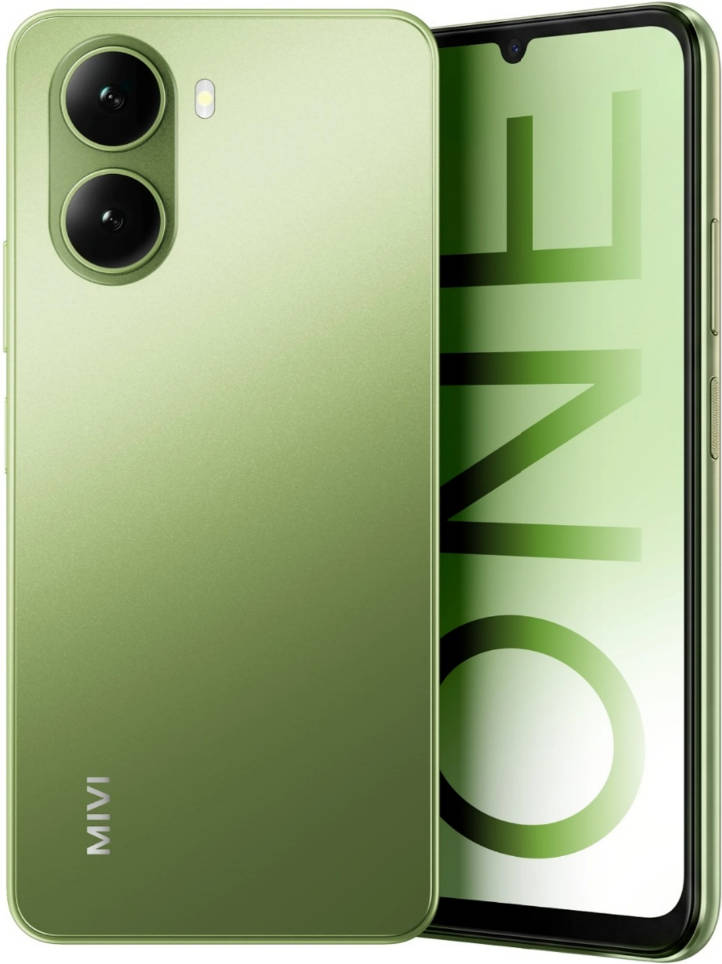
Mivi, a brand known for its budget audio products, has entered the smartphone market with the Mivi One 5G. The phone brings a stylish design, a Snapdragon processor, a large 6,000mAh battery, and a clean software experience. On paper, it looks like a promising package under Rs 15,000, especially as budget smartphones increasingly make compromises on hardware. But how well does it perform in everyday use? Let’s find out in this Mivi One 5G review.
Table of Contents
Verdict
The Mivi One 5G is a solid budget smartphone that delivers reliable performance, clean software, and good battery life. Its stylish design and smooth 120Hz display add to the package, although the dated notch, thick bezels, and average cameras hold it back. However, if you prioritise everyday performance and a bloatware-free experience under Rs 15,000, the Mivi One 5G is worth considering.
Design, display: stylish but a dated front
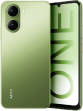
The Mivi One 5G is a good-looking phone for its price, with a stylish design inspired by the iPhone 16, featuring vertically stacked rear cameras and flat edges. It has a tall profile and feels slightly bulky and thick to hold, although that’s fairly common in the budget segment. The phone is available in five colour options: Blue, Burgundy, Green, Dark Blue, and Pink. The handset also comes with an IP64 rating for dust and water resistance, which is standard for this price range.
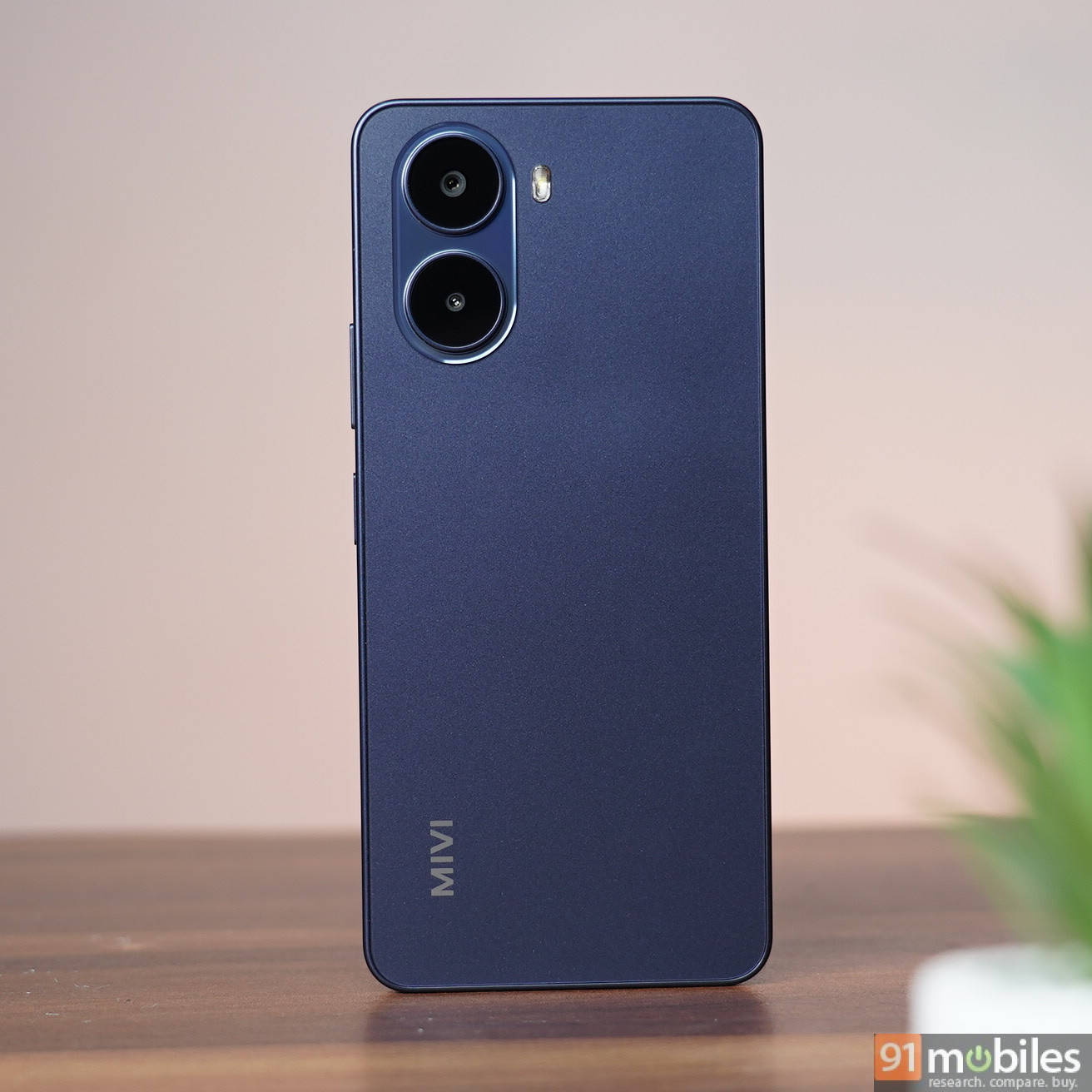
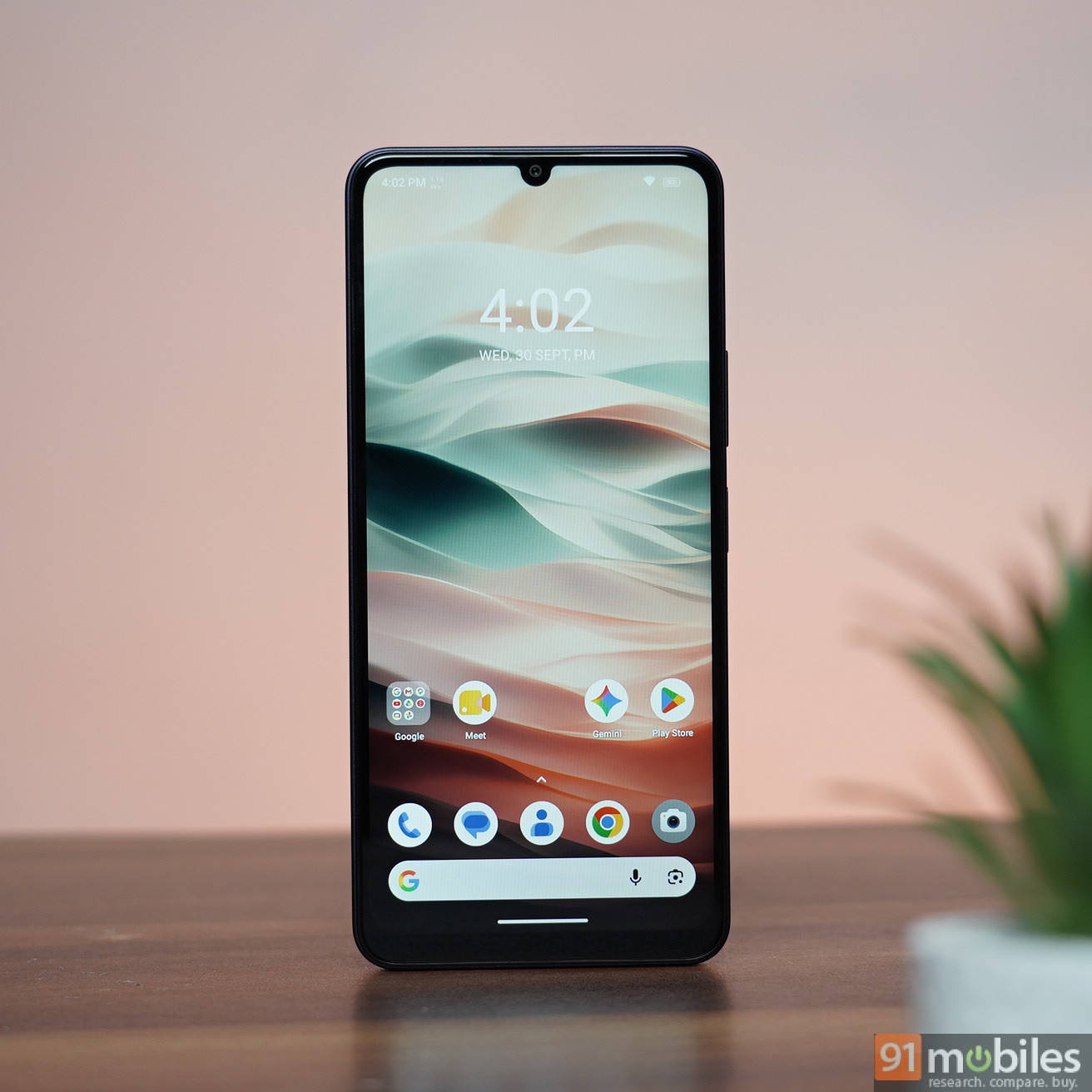
You can choose between Auto, 60Hz, and 120Hz refresh rate modes. Scrolling feels particularly smooth and responsive, thanks to the high refresh rate and well-optimised, clean software.
Performance: smooth everyday usage
The Mivi One 5G is powered by the Snapdragon 4 Gen 2 SoC, an entry-level 5G chipset designed for budget smartphones. It is also currently the only phone under Rs 15,000 to feature this processor. The handset scored a respectable 6,24,632 points on AnTuTu, placing it among the better-performing phones in this segment. Its Geekbench scores are also on the higher side, giving it an edge over rivals such as the Boltt Ace 5G and the Lava Virat V1 5G.
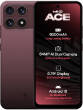
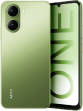
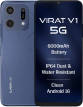
These benchmark results translate well to real-world performance. The Mivi One 5G feels snappy and responsive, with the clean software further contributing to a smooth experience. Switching between apps is quick, the camera app runs without noticeable lag, and everyday tasks feel effortless. Gaming is also well within its capabilities, including titles such as Call of Duty: Mobile and BGMI. While you won’t be able to push the graphics settings to the highest levels, gameplay remains smooth, with no noticeable lag or stuttering. The phone also manages heat well, getting only slightly warm after around 20 minutes of continuous gaming.
The budget segment isn’t one to push for performance, but with 5G connectivity and AI features, it’s still important to have a capable processor that can handle daily usage with ease. The Mivi One 5G does just that, making it a solid option for anyone who wants a reliable daily driver.
Cameras: average results with some strengths
For optics, the Mivi One 5G features a basic camera setup comprising a 50MP primary rear camera and an 8MP front camera for selfies and video calls. These specifications are fairly standard for the price segment, so the setup isn’t particularly surprising. In terms of performance, the cameras deliver average results that should suffice for casual photography and social media uploads.
The primary camera tends to produce slightly dark images with subdued colours and limited vibrancy. The overall colour reproduction lacks the punch you get, which usually works for social media. The camera setup is adequate for everyday use, but don’t expect particularly detailed shots or consistently balanced results across different lighting conditions.
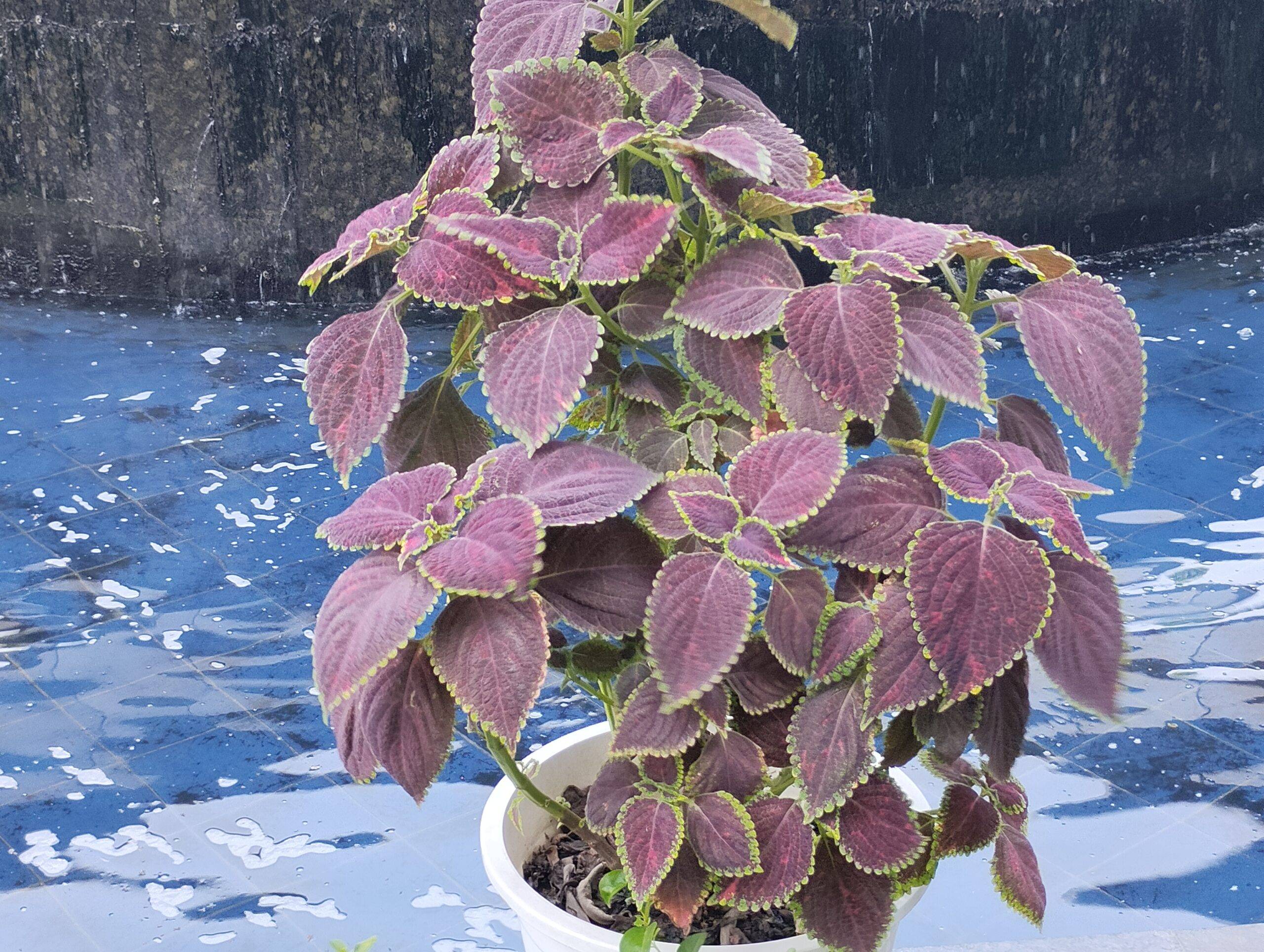


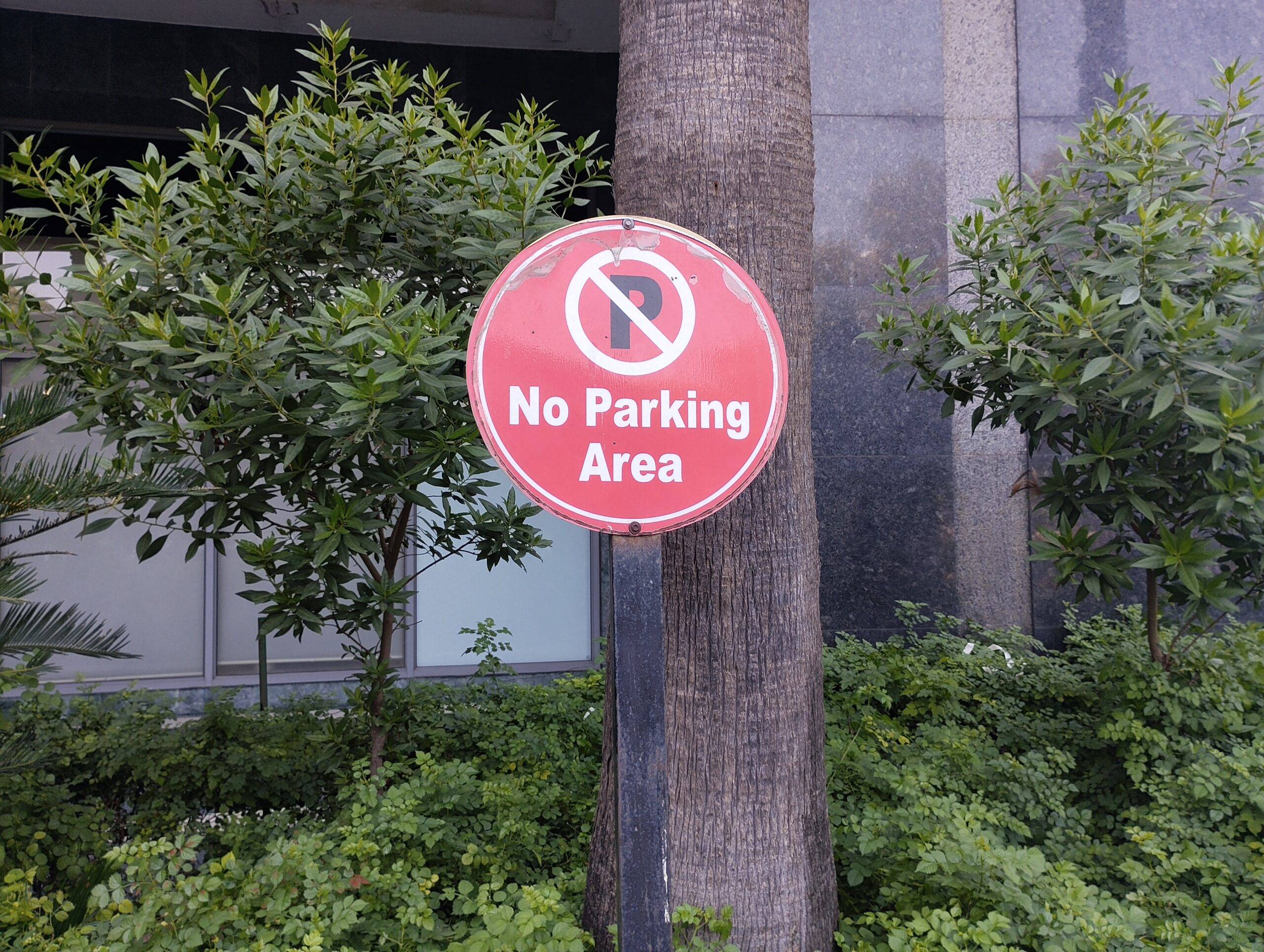
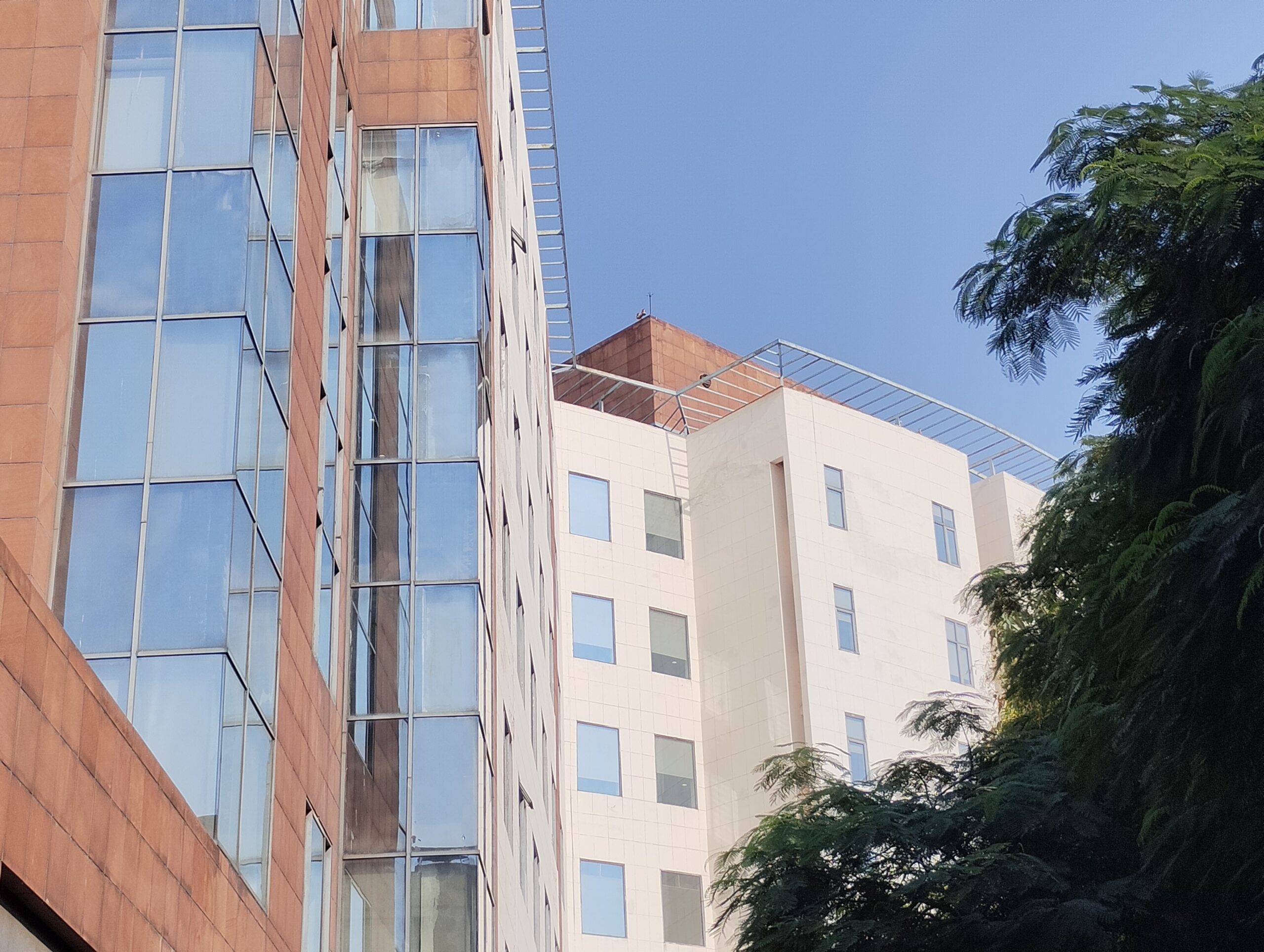
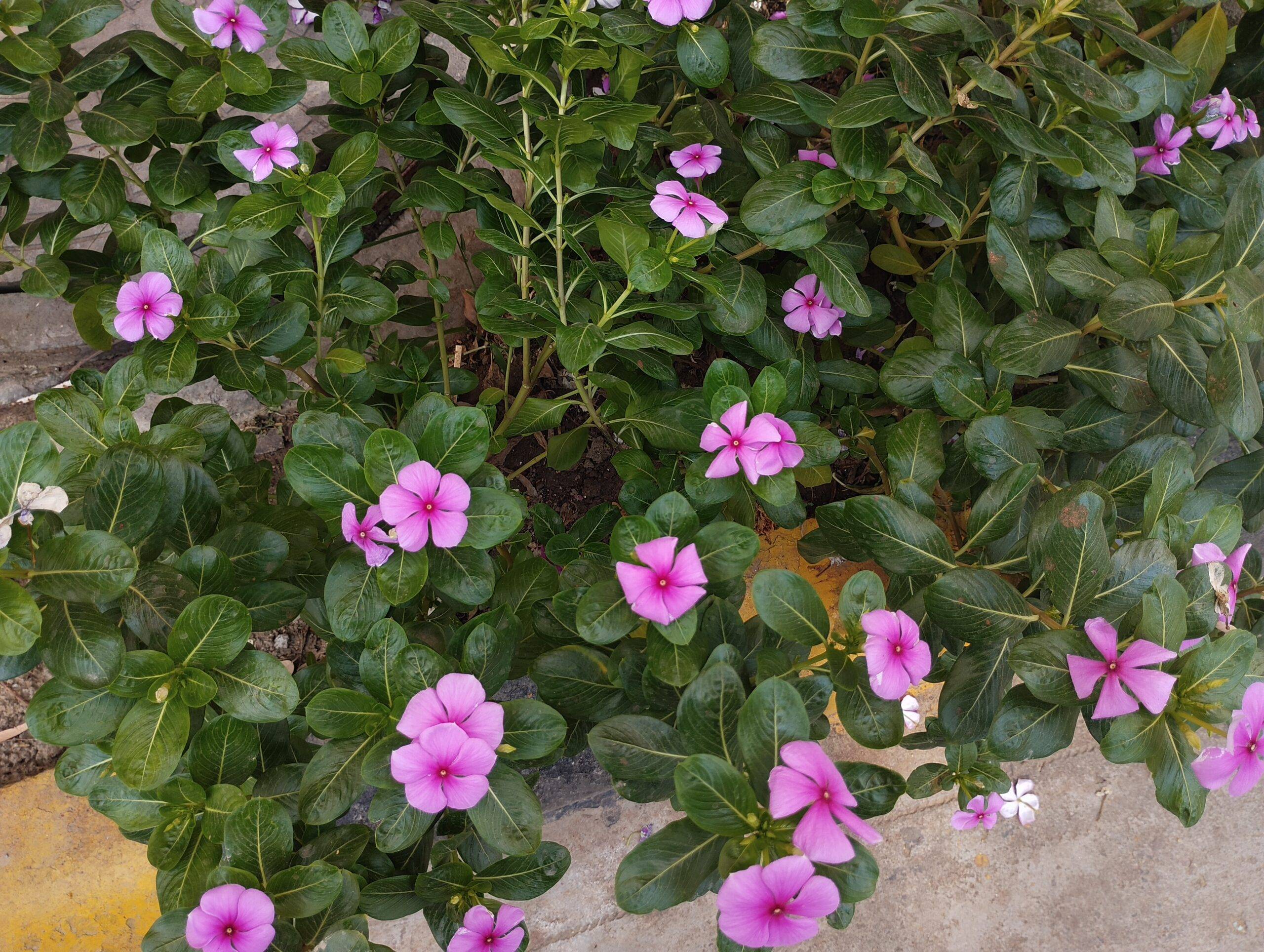







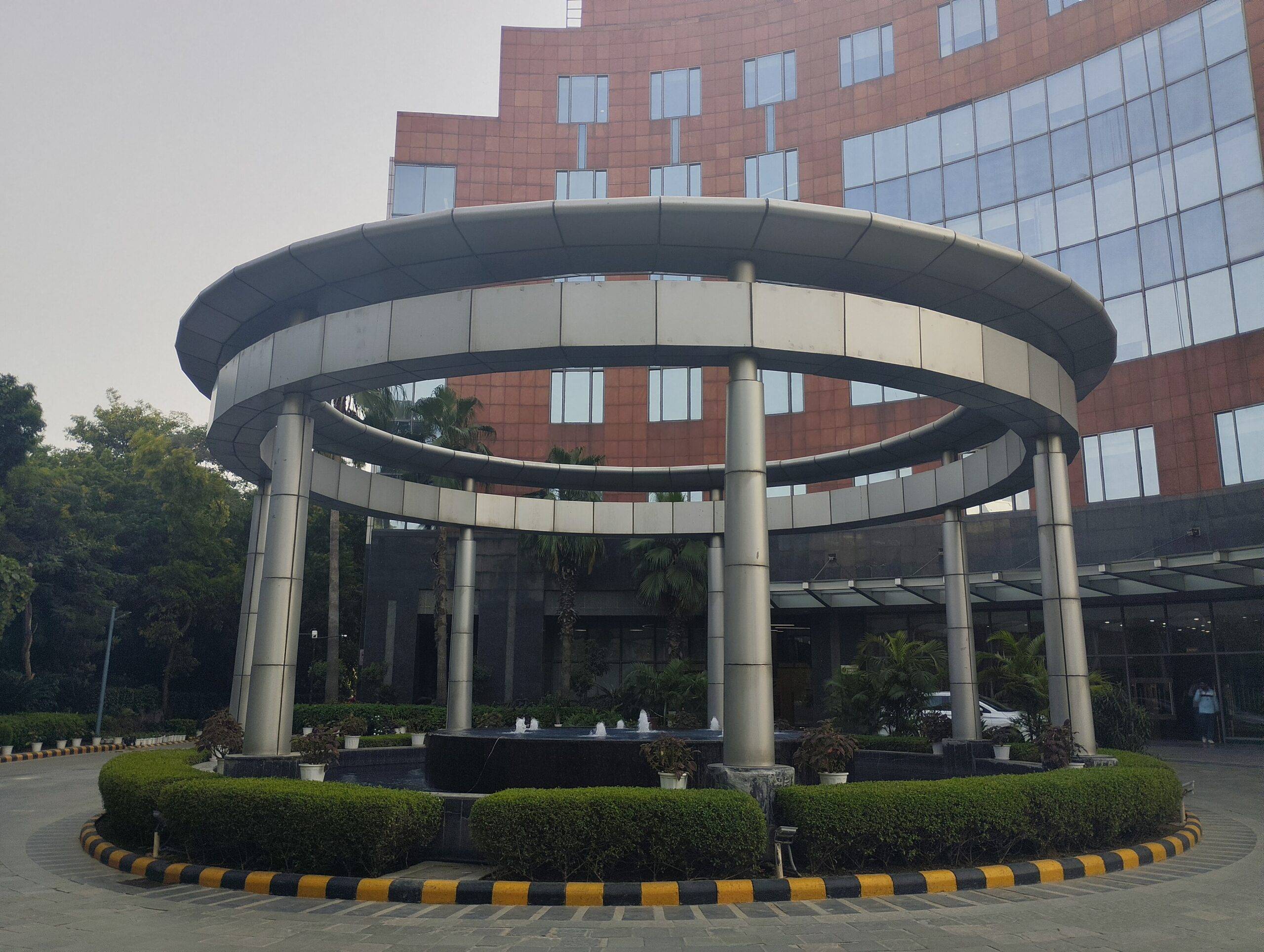
We compared the Mivi One’s cameras with the Lava Virat V1 in different scenarios. Here’s how they performed.
Daylight
As mentioned above, the Mivi One struggles with difficult lighting, even in slightly cloudy conditions. It results in weak details and sharpness in the overall image. The Lava Virat V1 does a better job in capturing details. The same can be seen in colour accuracy and contrast, with Lava clearly taking the lead here. When it comes to dynamic range and exposure, we continue to see better highlights in the Lava image.

Selfies
When it comes to selfies, they are slightly overblown on the Lava Virat V1. The Mivi One does a better job at capturing the skin tone and colours, giving it a more natural look. Even with details and clarity, you get better results on the Mivi One. When it comes to dynamic range, it’s almost the same, with the Lava Virat V1 leading, but only by a margin.


Portrait
In portrait shots, the Lava Virat V1 clearly outperforms the Mivi One 5G. The Lava phone reproduces skin tones and colours better, though it applies noticeable smoothing that makes the subject’s clothes look almost animated. Despite this, the Virat V1 captures more details than the Mivi One. The handset also handles edge detection more accurately and offers a more balanced background blur (bokeh), resulting in a better overall portrait shot.


Night
Both phones have a dedicated night mode that you can use for low-light shots. Here, the Mivi One produces better results. It has better control over light flares and exposure, as compared to the Lava Virat V1. You can also see less noise and better-clarified details in the Mivi One image, and more accurate colour reproduction as well.
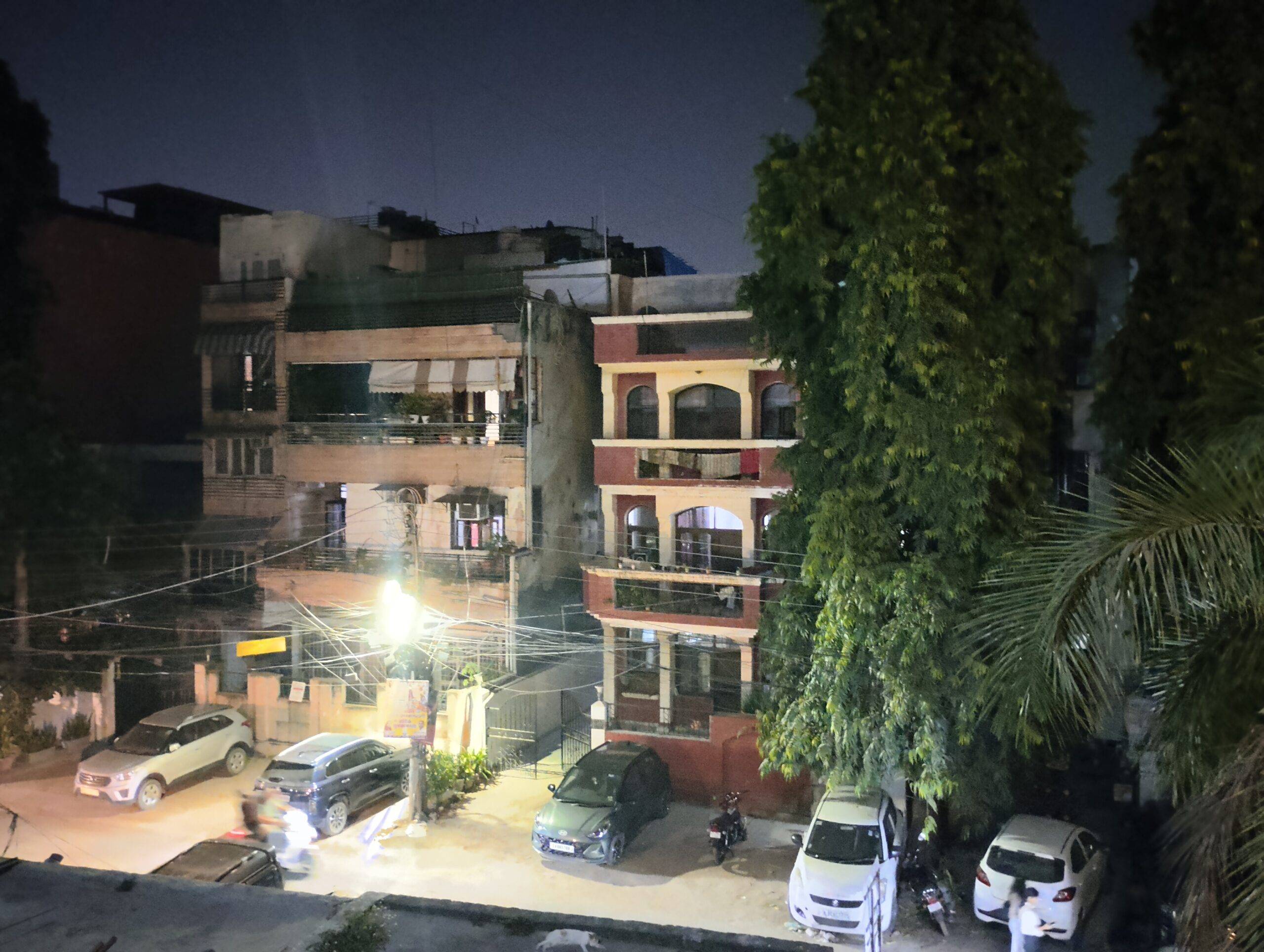
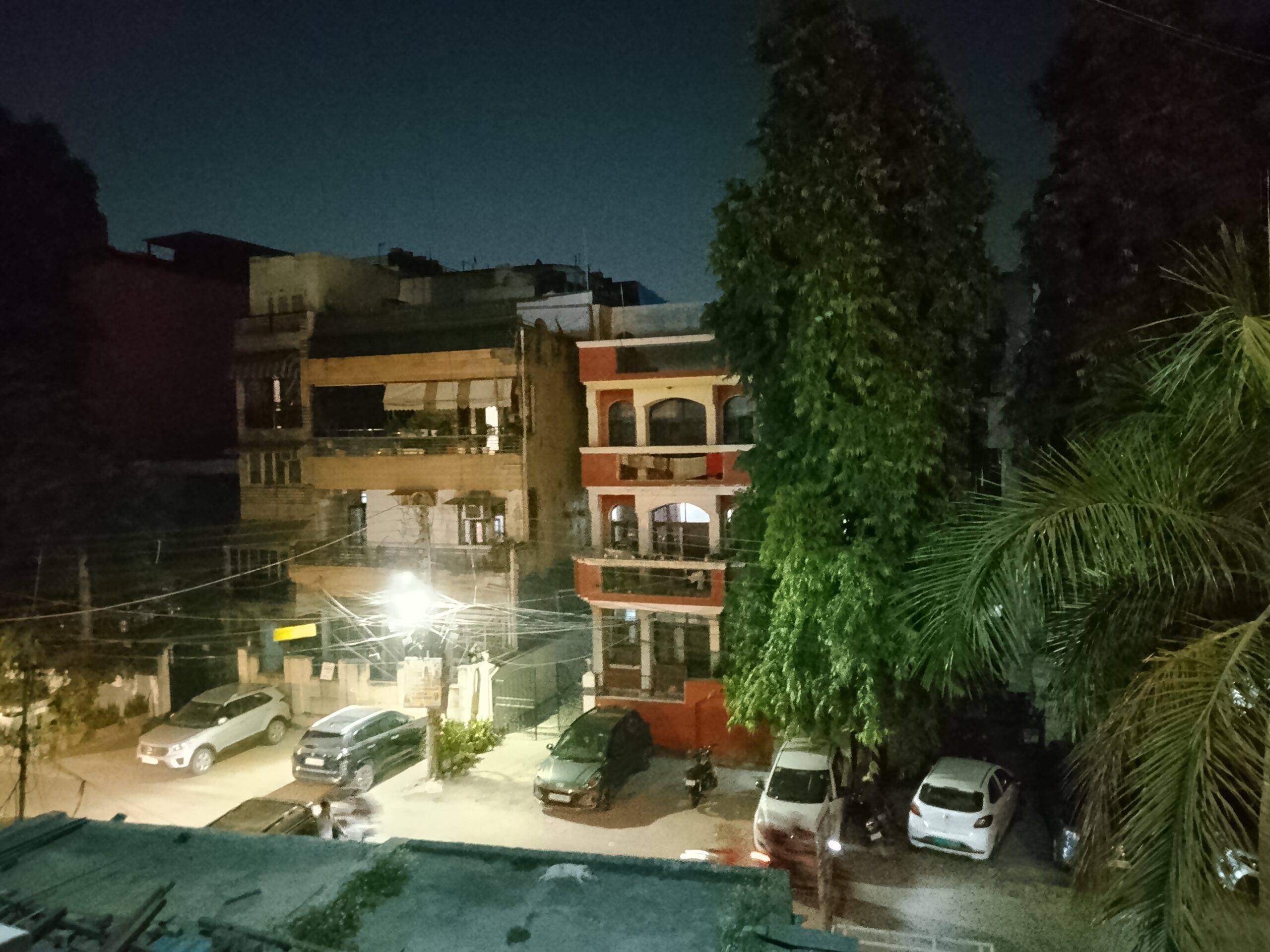
Overall, the Lava Virat V1 has an edge over the Mivi One 5G in daylight photography and portraits, offering better detail, colour accuracy, and edge detection. However, the Mivi One fares better in selfies, with more natural skin tones and sharper details, and also delivers better results in low light, with improved exposure and noise control. Both phones have their strengths, but the Mivi One holds its own in certain scenarios despite its basic camera setup.
Battery life: dependable endurance
The Mivi One 5G packs a 6,000mAh battery, which is sizeable and should comfortably last a full day or more, depending on your usage. This capacity is also fairly standard for phones in this price segment. In our AnTuTu battery test, the Mivi One lasted an impressive 17 hours and 16 minutes, suggesting reliable endurance for everyday use. The battery dropped by around 9-10 percent after 30 minutes each of playing COD Mobile and BGMI, which might not look good for the phone, but this is similar to what we observed on competing phones like the Boltt Ace and Lava Virat V1.
While the drain is relatively high, it is understandable given the power demands of gaming on a budget chipset. The phone comes with 18W charging support, which is understandably slow, but it still takes less time to get from 20 to 100 percent (108 minutes) compared to rivals like the Boltt Ace (147) and Lava Virat V1 (187). Overall, the Mivi One 5G offers reliable battery life that should comfortably last a full day or even longer on a single charge.
Software: clean Android with limited extras
On the software front, the Mivi One 5G runs what the company calls ‘Pure Android’, offering a clean, bloatware-free experience. The handset boots Android 16 out of the box and is guaranteed to receive upgrades up to Android 18, along with two years of security patches. While most phones in this segment typically offer just one major OS upgrade, Mivi’s promise of two is a welcome addition. However, the limited security support means the phone may not be ideal for those looking for long-term software support, although this is a common trade-off in the budget segment.
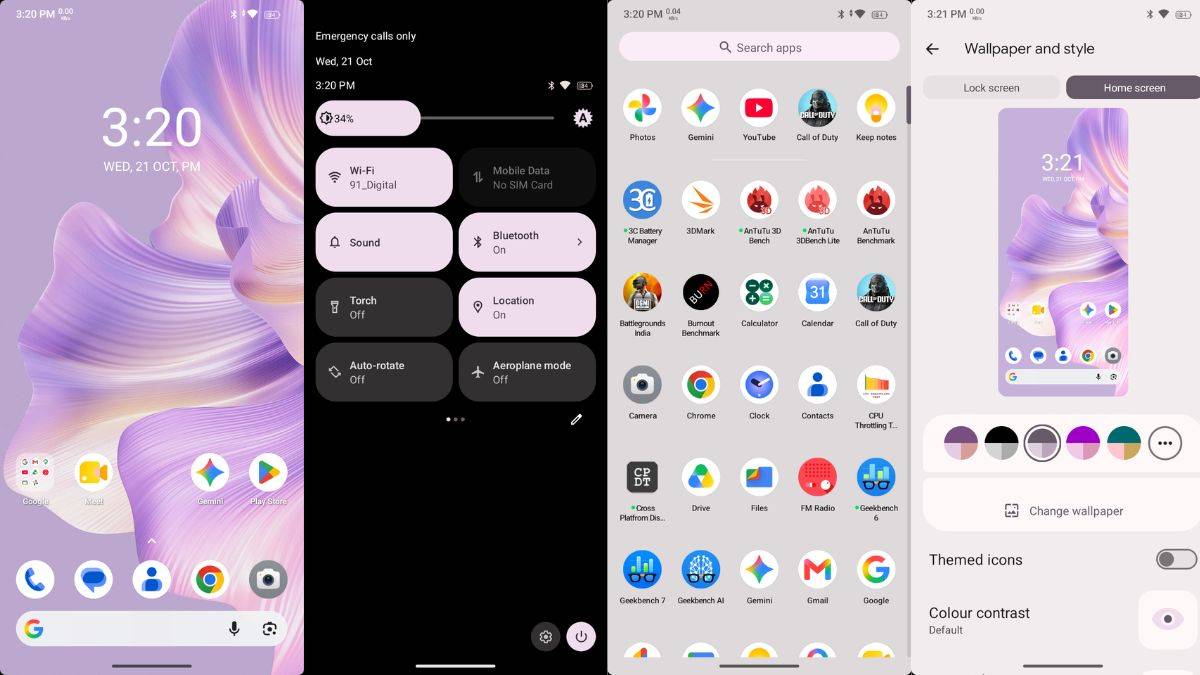
However, the software experience comes with a few limitations. The Mivi One 5G lacks native on-device AI features for tasks involving text and photos, as well as Google’s Circle to Search. You do get the Gemini app pre-installed, and other AI services, such as ChatGPT, can be accessed separately. Customisation options are also limited, which may disappoint users who like to personalise their phones. That said, the clean interface is a welcome choice for those who prefer a simple experience without third-party apps and intrusive ads.
Final Verdict
The Mivi One 5G gets the basics right, offering dependable performance, a clean and smooth software experience, and reliable battery life. Its stylish design, 120Hz display, and capable Snapdragon 4 Gen 2 chipset make it a good option for everyday use, while the promise of two Android upgrades is a welcome addition. However, providing an immersive viewing experience and a capable camera system are areas where it falls short, and rivals like the Lava Virat V1 (review) might be a better pick.
Nevertheless, if you want a reliable daily driver under Rs 15,000 without unwanted apps and ads, the Mivi One 5G makes a compelling case for itself.
Editor’s rating: 7.8/10
Reasons to buy:
- Smooth and snappy performance for everyday use.
- Android 16 with a clean and bloatware-free UI. You also get two OS upgrades, which is more than what most phones offer.
- A 6,000mAh battery, which delivers reliable battery life and can last an entire day, maybe even more depending on your usage.
Reasons to skip:
- A notch display and thick bezels, which look dated even for the budget segment.
- Cameras lack detail, sharpness, and colour accuracy, especially in daylight and portraits.