


Review Summary
Expert Rating
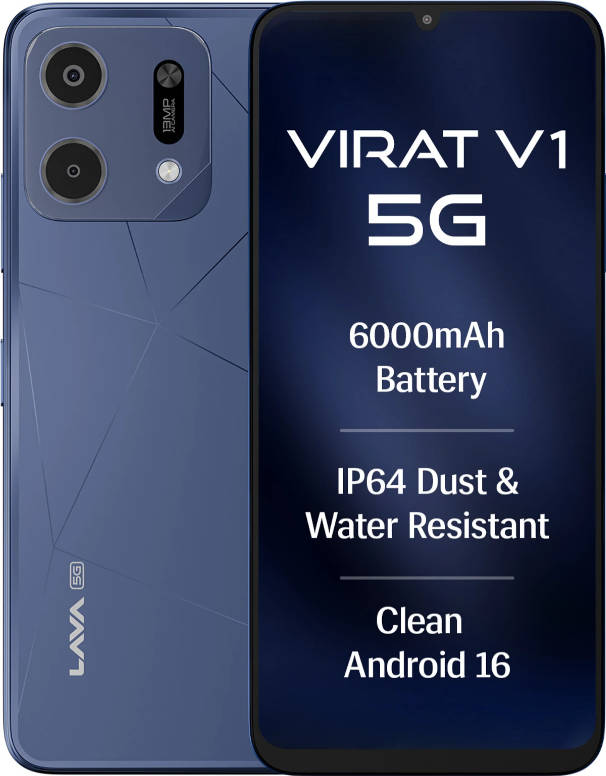
The Lava Virat V1 5G is the company’s yet another take on a budget 5G smartphone. With prominent brands like Realme, Redmi, and OPPO now selling 5G offerings closer to the Rs 20,000 mark, the Rs 12,999 price tag of the Virat V1 5G makes it a compelling option for users prioritising fast internet speeds. Along with 5G, the company is emphasising the smartphone’s clean, bloatware-free software. So, how well does the Lava Virat V1 5G deliver in real-world scenarios? Find out in this detailed review.
Table of Contents
Quick verdict
The Lava Virat V1 5G is a capable smartphone that gets the basics right by offering a distinct-looking design, serviceable performance, clean software, and great battery endurance on a budget. On the downside, it’s really slow to charge and also misses out on essential AI features, such as Circle to Search.
Design: tries to stand out
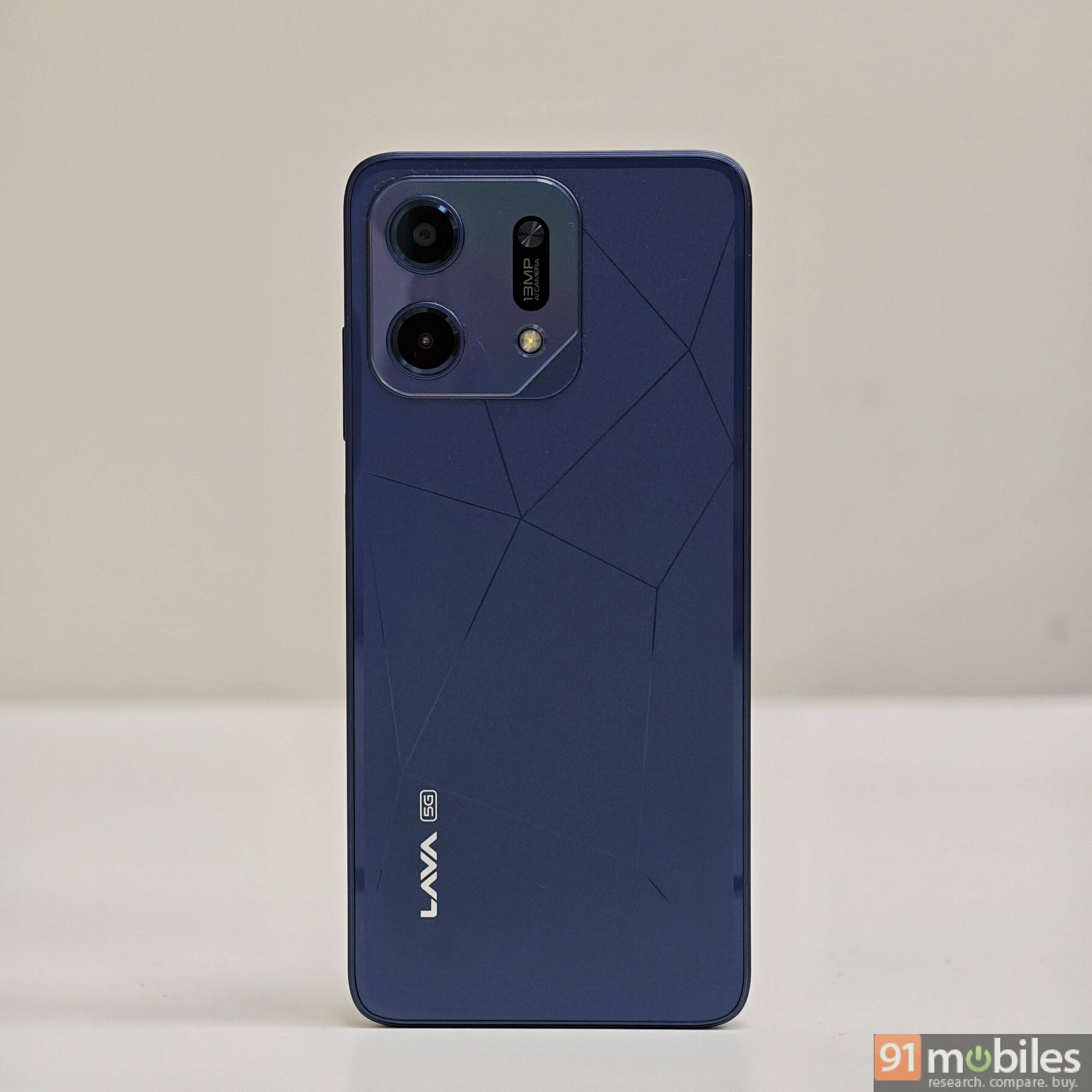
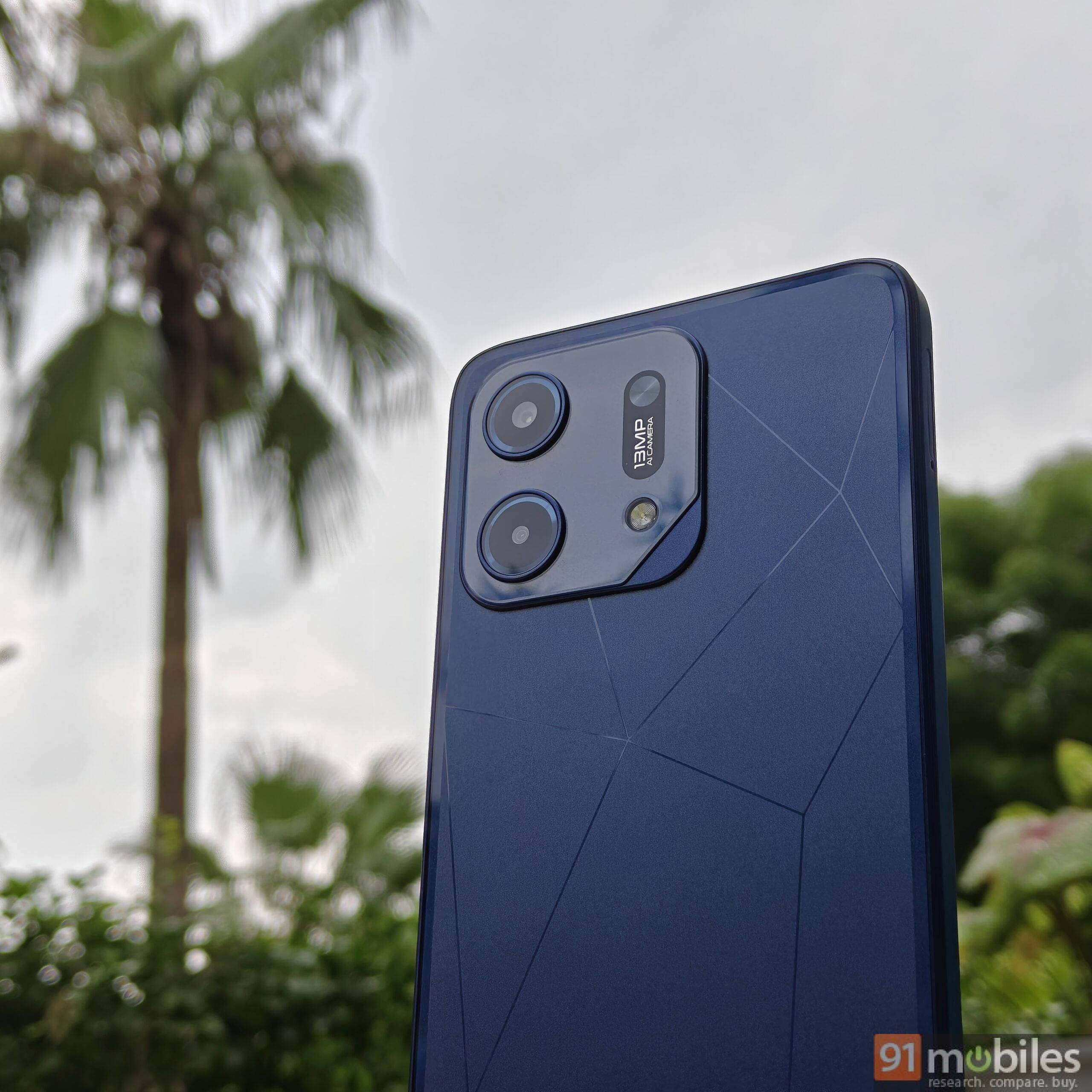
Like most smartphones released under Rs 15,000 recently, the Lava Virat V1 5G sports a flat-edged, boxy design, with the rear cameras situated within a squarish module at the top-left corner. But what Lava has done distinctly this time around is give the back panel a geometric design with lines running across the surface, giving it a unique look. This pattern can be found on both the Arya Blue colour variant, which we have, and the Sonar Gold colourway.
| Smartphone | Thickness | Weight | IP Rating |
| Lava Virat V1 5G | 8.75 mm | 210 grams | IP64 |
| HMD Vibe 2 5G | 8.6 mm | 210 grams | IP64 |
| Moto G37 Power 5G | 8.8 mm | 215 grams | IP64 |
Display: gets sufficiently vivid
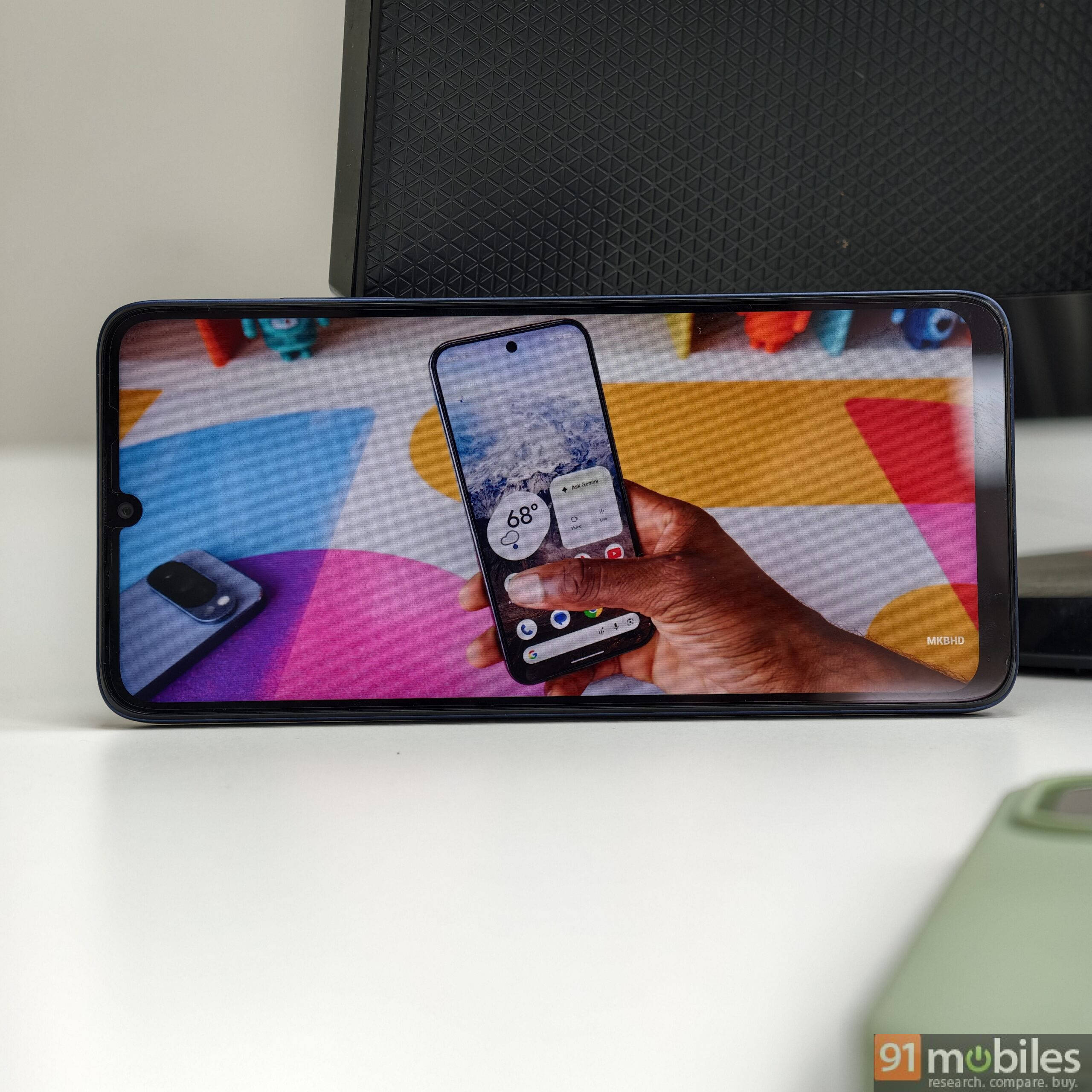
Moving on, the Lava Virat V1 5G’s 6.75-inch LCD display with a 720 x 1600 resolution offers a similar visual experience to the Lava Shark 2 5G, which I recently reviewed. This is further supported by the fact that both panels feature a large bottom chin and a U-shaped notch to house the front camera. While the detail and clarity of the display are on par with the Shark 2 5G, the Virat V1 5G’s display stutters when running YouTube videos at 2160p (4K), while 1440p and 1080p resolutions run just fine.
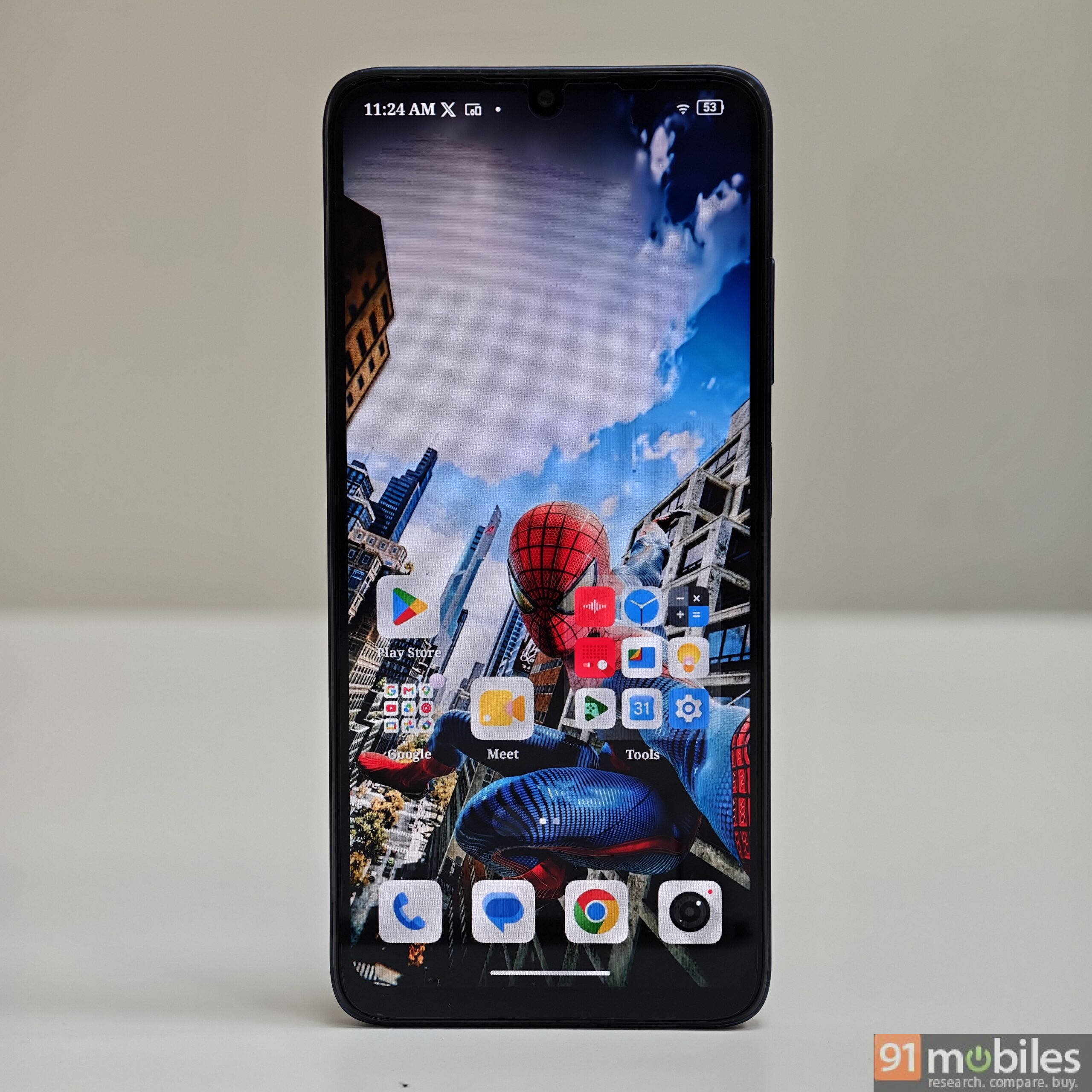
The display gets sufficiently bright indoors even at 50 to 60 percent of brightness; however, on a sunny day it can be a challenge to read the on-screen content.
Performance: runs smoothly for the most part
For the Lava Virat V1 5G, the company has yet again gone for the tried-and-tested Unisoc T8200 processor, which was previously featured on the Lava Bold N2 5G and Shark 5G, both of which were also launched under Rs 15,000. During daily use, the phone opens apps quickly and offers a smooth enough scrolling experience on social media apps, or when pulling down quick settings, switching between recent apps, and more.
Problems only arise when multiple processes are running in the background, such as opening many apps and streaming music (through Spotify in my case) simultaneously. If you frequently close background apps or your usage is limited to just four to five primary apps, the Virat V1 5G shouldn’t hamper your workflow.
Here are the Lava Virat V1 5G’s AnTuTu benchmark and Geekbench results for you to refer to, along with how it fares against others in the segment:

Since I recently got back to playing Clash Royale, I am happy to report that the Virat V1 5G was able to run the game at up to 120FPS, at least per the developer options’ refresh rate indicator. While the gameplay wasn’t as smooth as some of the more expensive offerings, it was easily perceivable that the game ran above 100FPS at all times. In BGMI, you can expect the phone to run at a maximum of ‘Medium’ graphics along with ‘Max’ frame rates, while CODM can run at ‘HDR’ graphics and ‘Extreme’ frame rates. In both titles, the phone’s temperatures stayed under 33 degrees Celsius after 30 minutes of gaming.

Software: free from bloatware
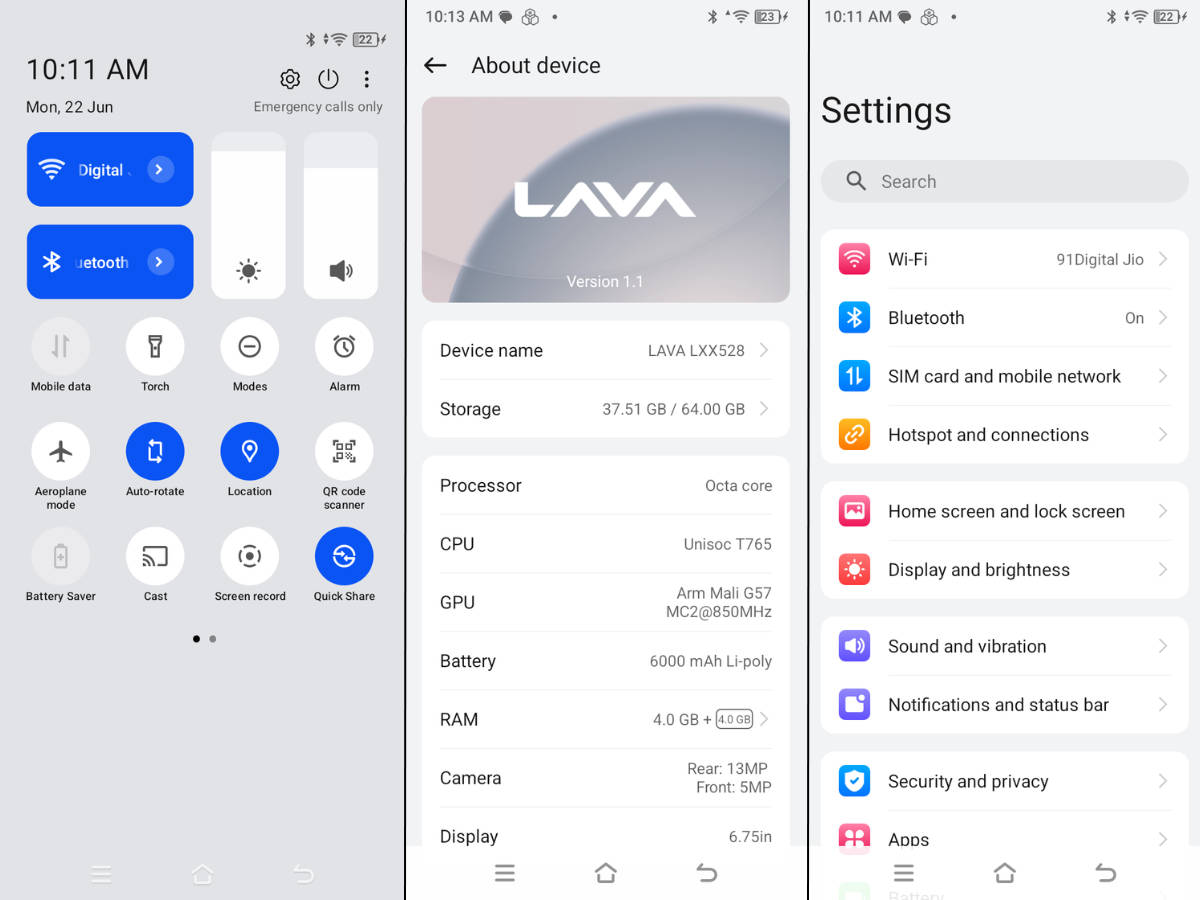
As noted in my Lava Shark 2 5G review, it appears the company is moving away from the stock Android interface, which also holds true for the Virat V1 5G. The software’s key areas, such as the quick settings panel and Settings app, closely resemble ColorOS, which isn’t a bad design move per se, but it strips away one option for people looking for an experience closer to stock Android.
On the bright side, the software has you covered with features like a sidebar to quickly summon apps from anywhere, scheduled power on/off, freeform windows, and multiple off-screen gestures, such as answering calls by just bringing the phone close to your ears. While there’s Gemini on board through the Google app, the Virat V1 5G lacks Circle to Search, at least on the current firmware, which is a bummer considering every other phone is equipped with it.
| Smartphone | Pre-Installed Apps | Software Support |
| Lava Virat V1 5G | 34 | 1 Year OS Updates + 2 Year Security Updates |
| HMD Vibe 2 5G | 32 | 2 Year Security Updates |
| Moto G37 Power 5G | 43 | 1 Year OS Updates + 3 Year Security Updates |
Battery and charging: strong endurance, but takes a while to charge
The Lava Virat V1 5G houses a 6,000mAh battery; as a result, it offers similar endurance to others with the same-capacity battery, such as the HMD Vibe 2 5G, Lava Shark 2 5G, and Bold N2 5G. This was found in our in-house PCMark Battery drain test, in which the Virat V1 5G clocked 13 hours and 14 minutes when draining the battery from 100 to 20 percent in one go.
The PCMark battery test mimics real-world scenarios and tasks, such as opening and scrolling through documents and spreadsheets, playing and rendering videos, browsing the internet, and more. The battery’s idle drain is also minimal, at least on WiFi, resulting in impressive endurance over prolonged usage.
On the other hand, with only 10W charging, the Lava Virat V1 5G takes nearly three hours to go from 20 to 100 percent at normal room temperatures with the AC on. This is frustratingly slow, as it may often fail to reach a decent percentage when you’re short on time.
Cameras: nothing extraordinary
The optics on the Lava Virat V1 5G are handled by a 13MP primary camera, while selfies are taken care of by a 5MP front shooter. As for the camera results, they’re as you’d expect from a budget-centric device, just usable. While I found the highlight control and dynamic range to be better than the Shark 2 5G in daylight scenarios, the detail and clarity are just about above average.
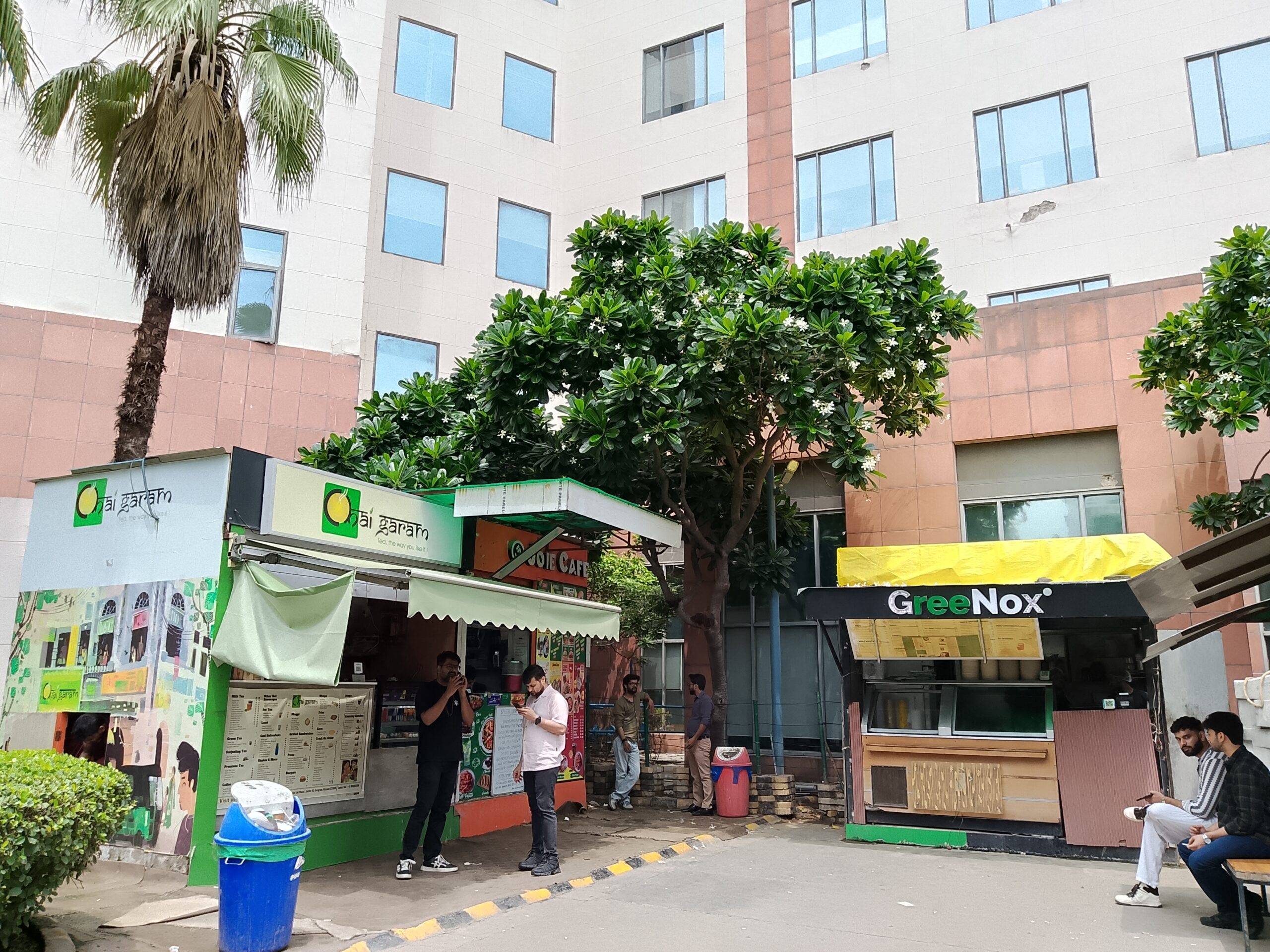
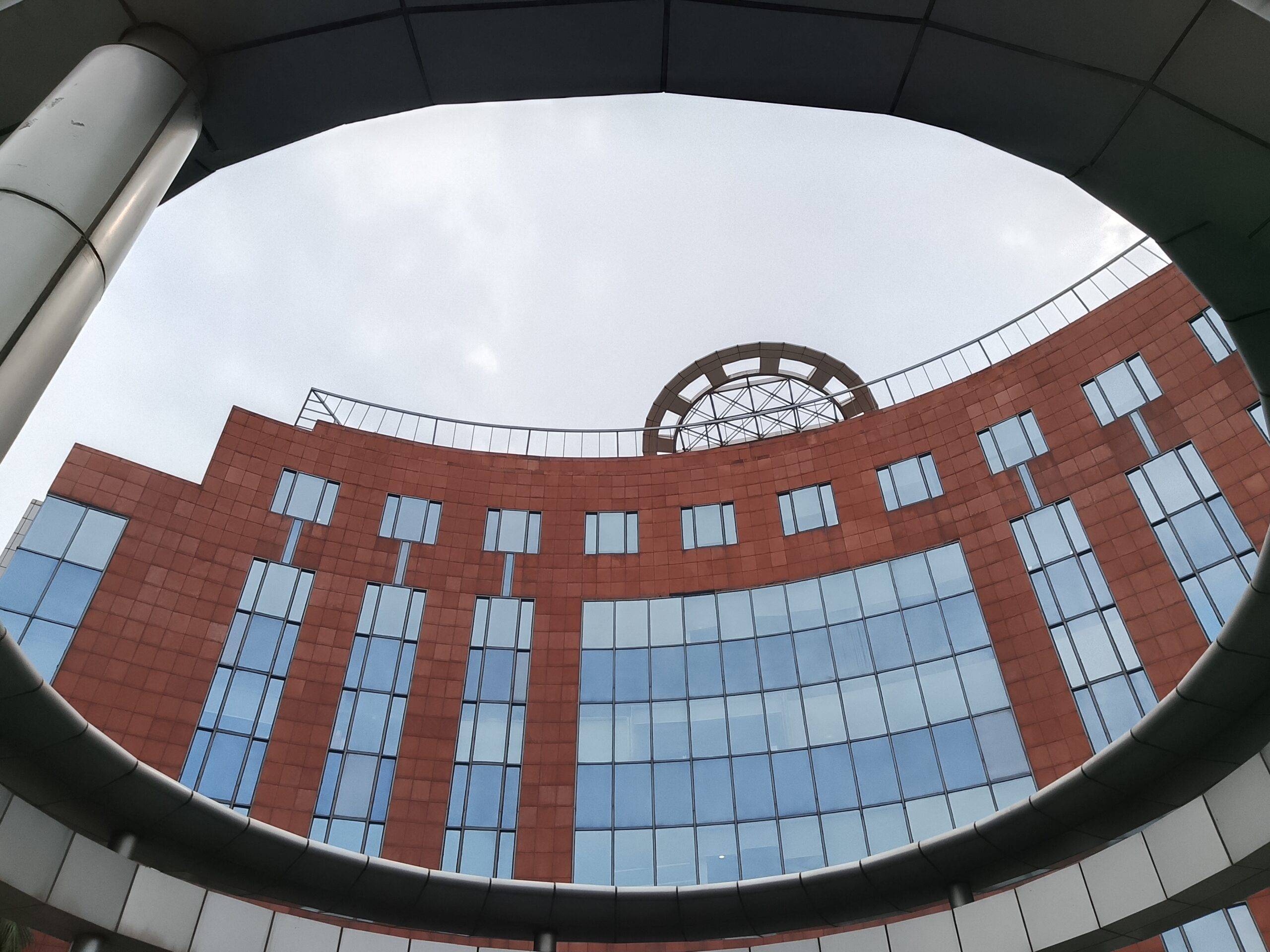
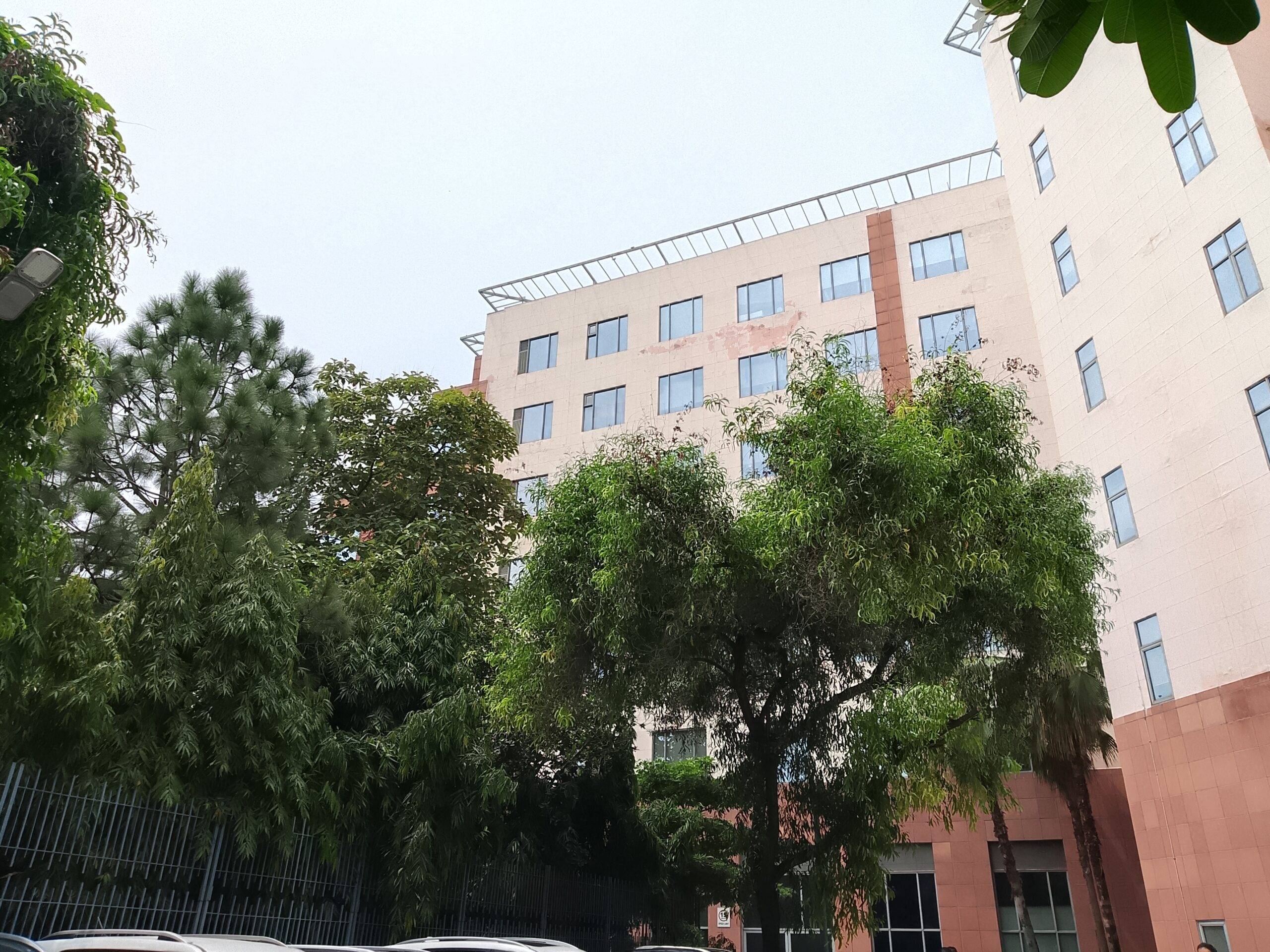
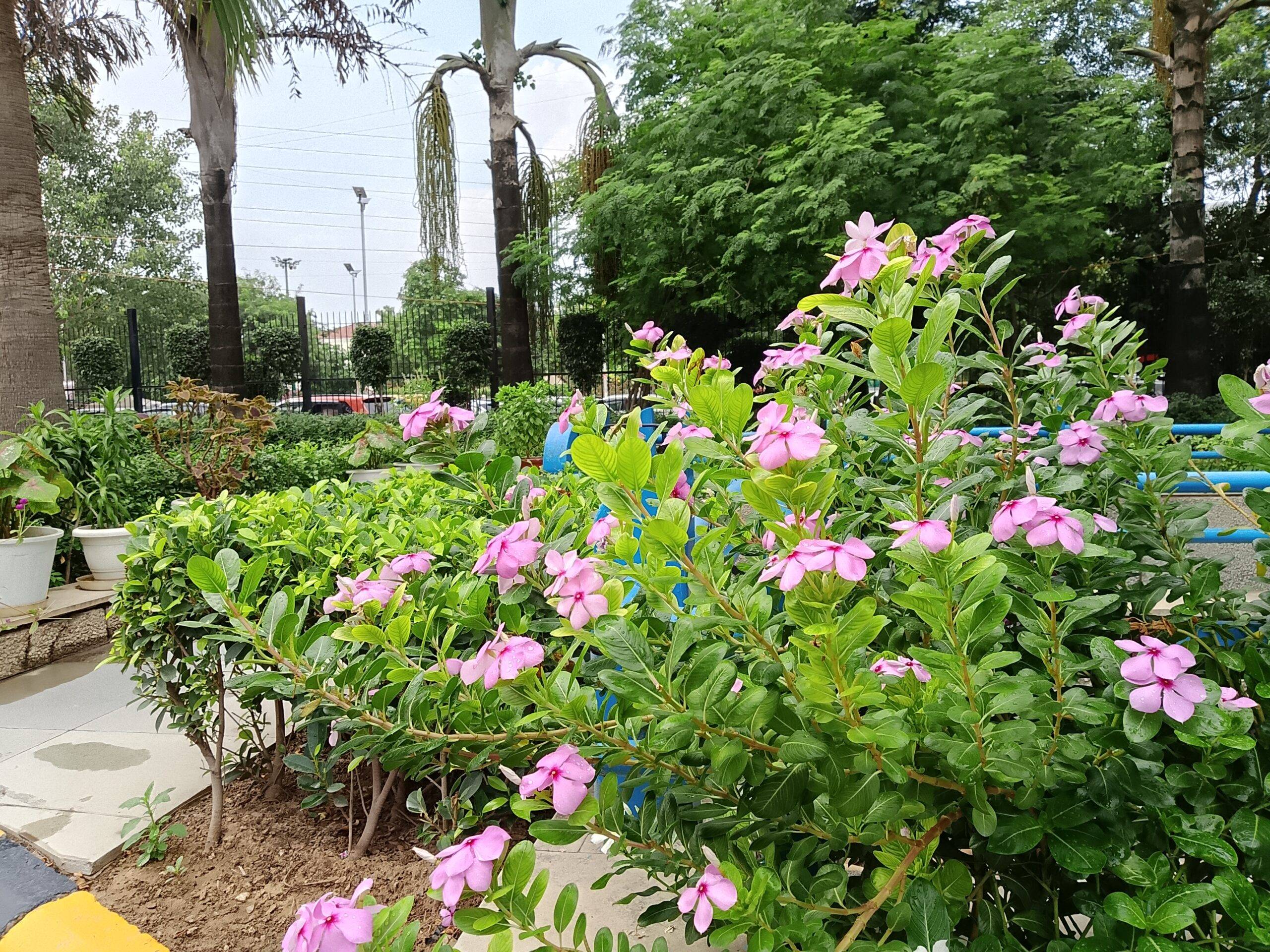
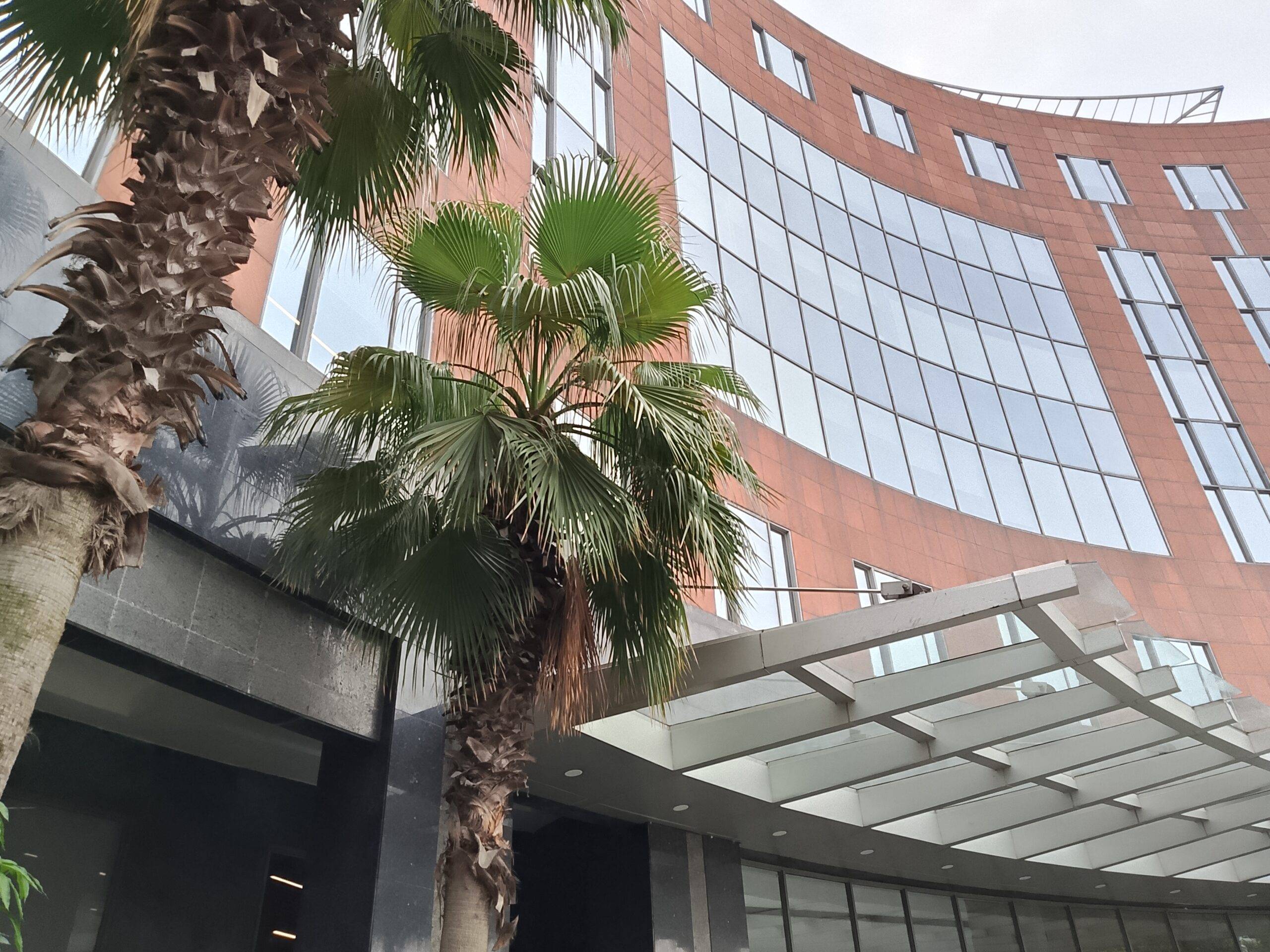
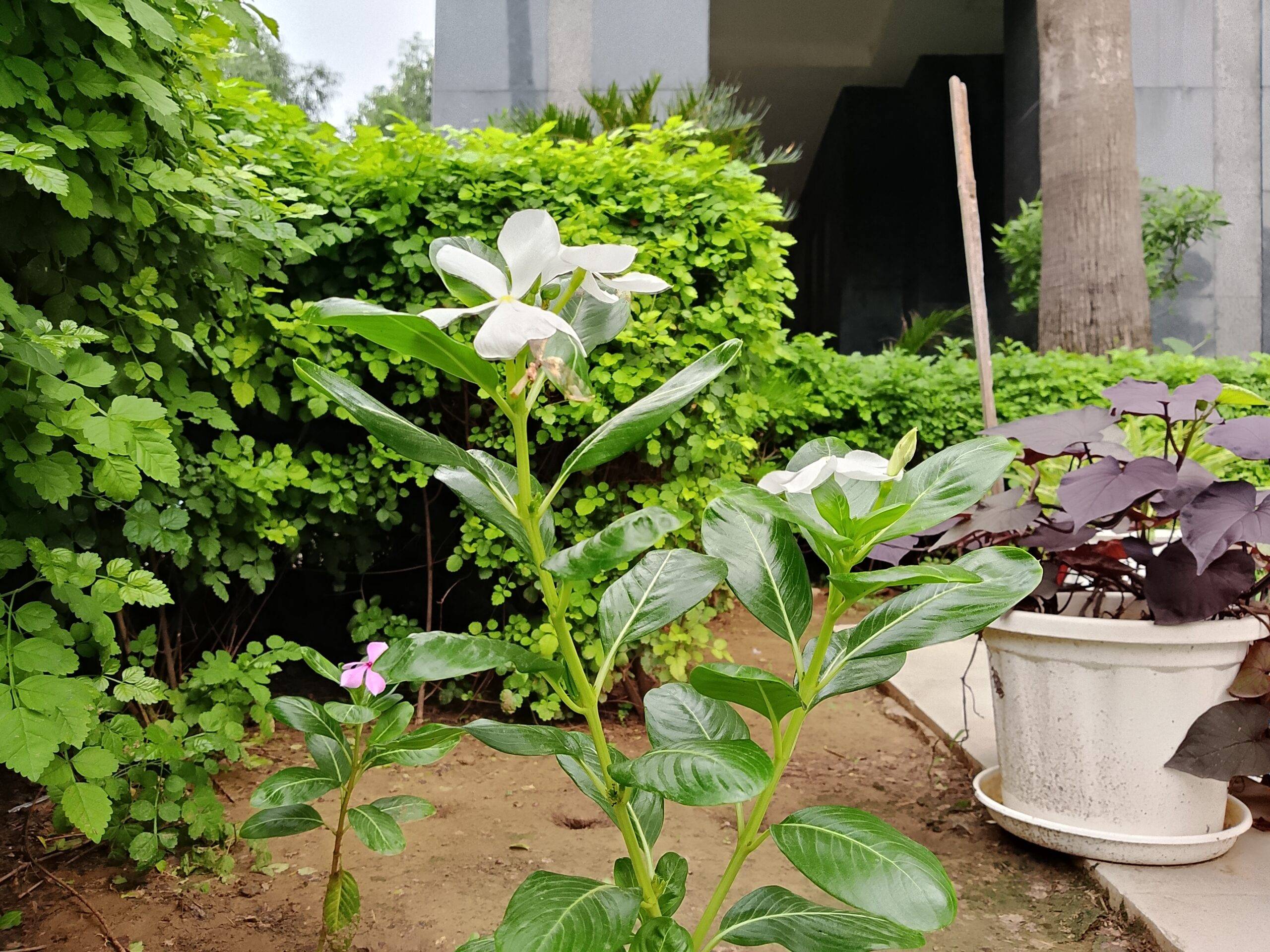
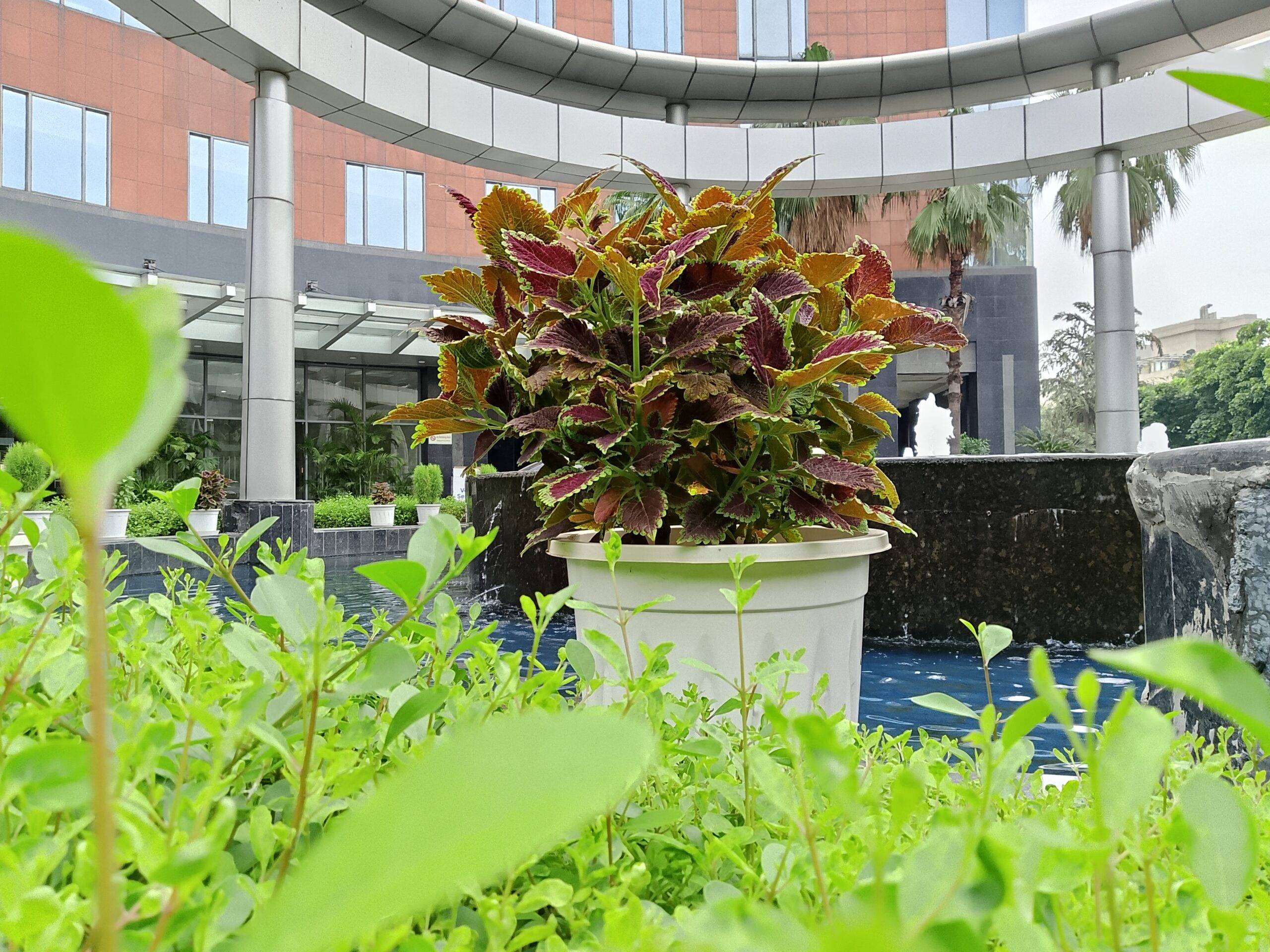
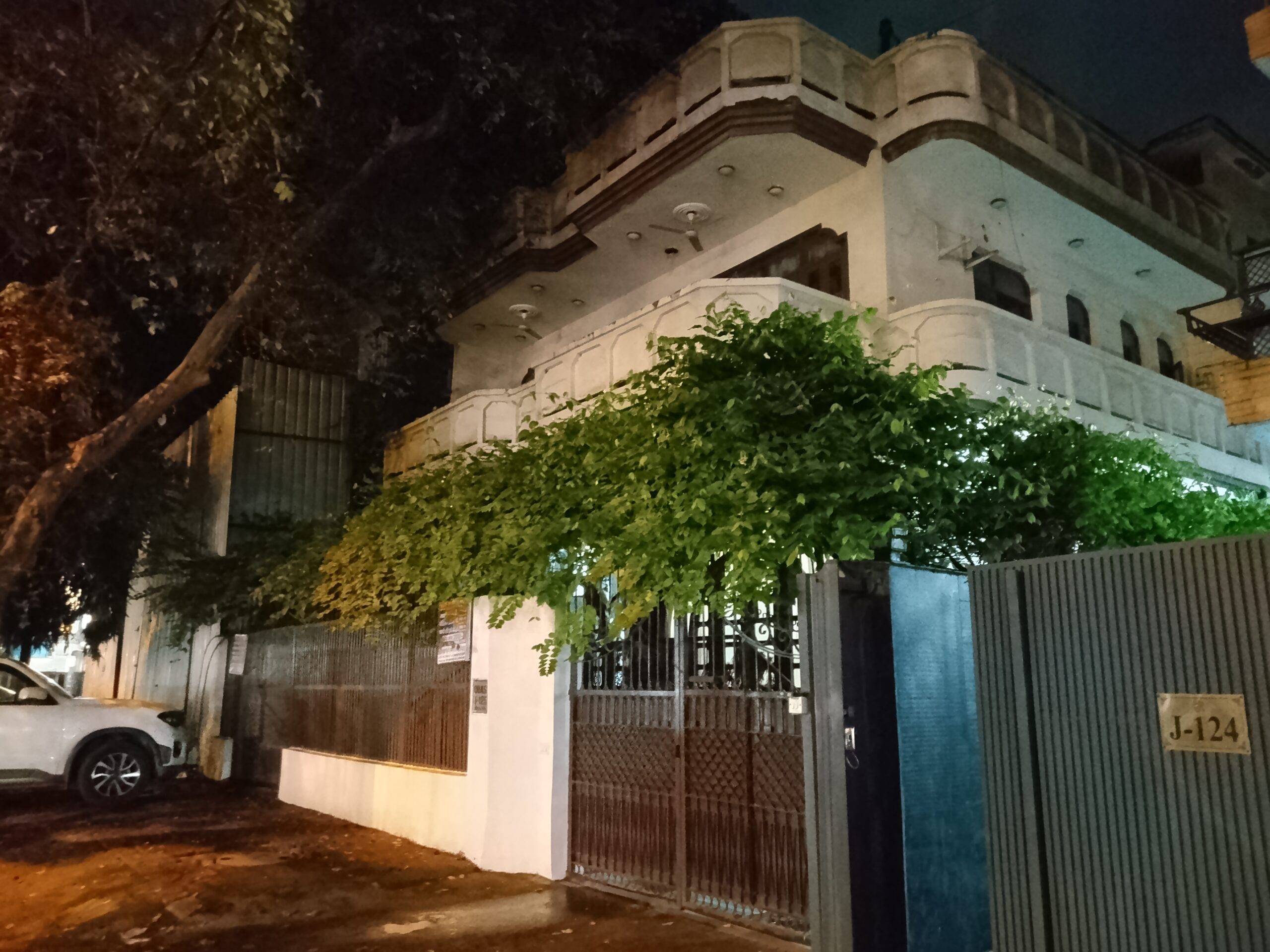


Here’s how the cameras of the Lava Virat V1 5G fare against the Moto G37 Power:
Daylight
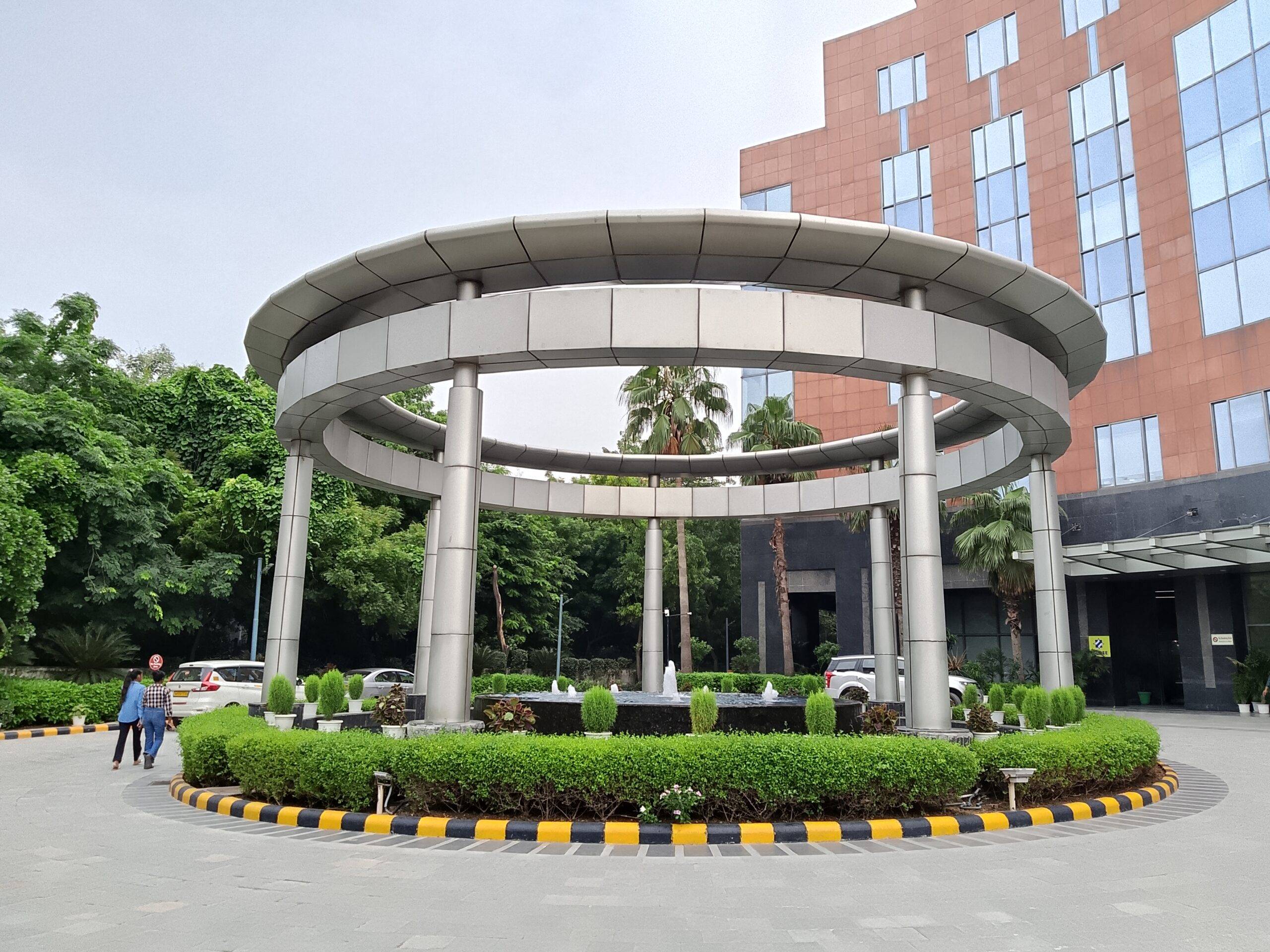
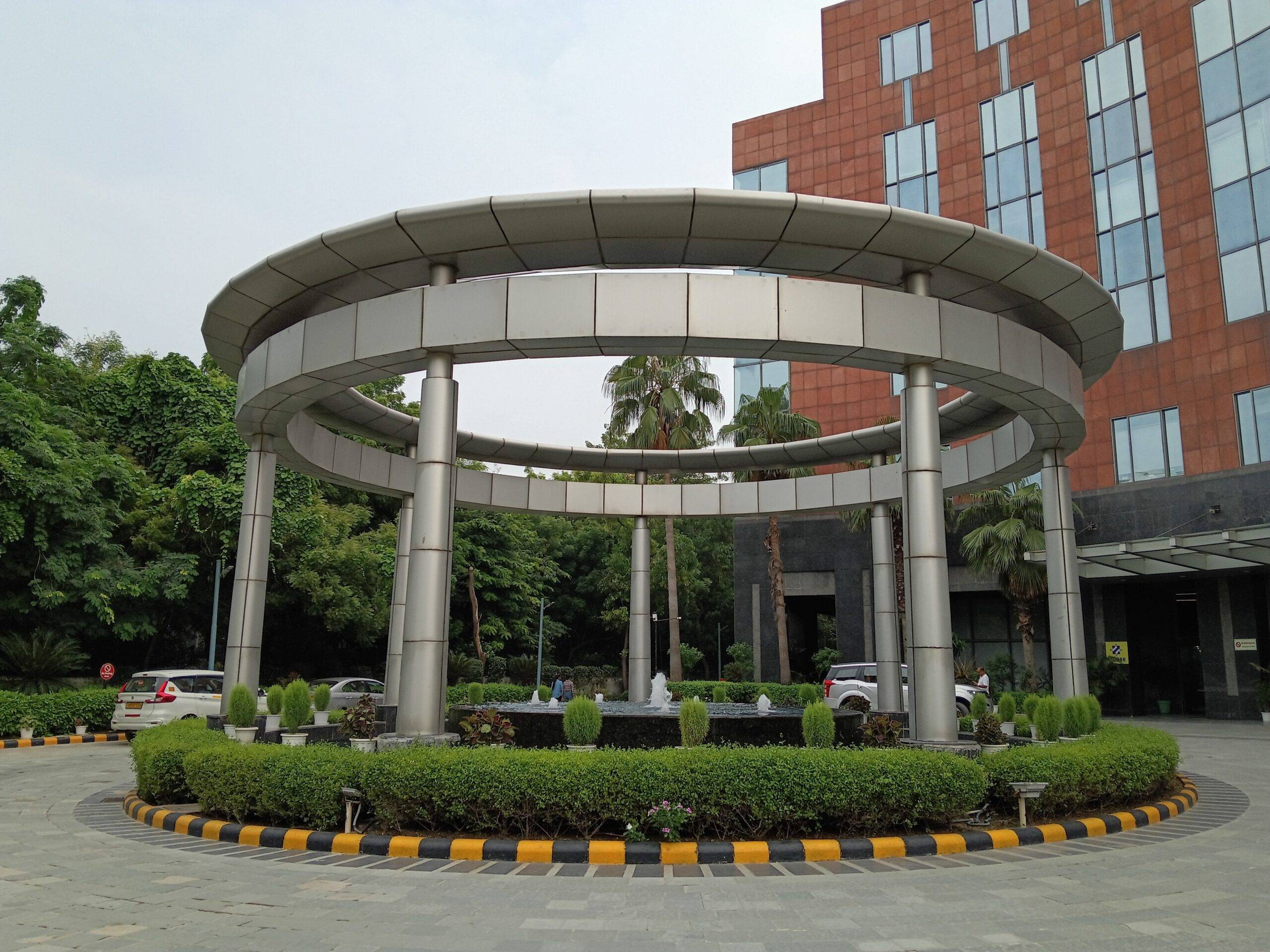
While the Moto G37 Power‘s shot carries more detail, it dulls the image to a large extent, as noted in its review. On the other hand, the Virat V1 5G slightly blows out the colours, especially in the background. Overall, the Motorola smartphone takes this one away for producing a more detailed image, while also delivering better dynamic range.
Portrait


Just like in the daylight comparison, the Moto G37 Power offers better details in portrait mode, likely due to its superior 50MP main camera. However, edge detection is on par on both smartphones, while Lava Virat V1 5G poorly renders the highlights.
Selfies


It’s instantly evident that the Moto G37 Power outputs a more natural-looking selfie, whereas the Lava Virat V1 5G oversharpens the skin tones and doesn’t accurately represent the ‘orange shade’ of the t-shirt.
Night mode
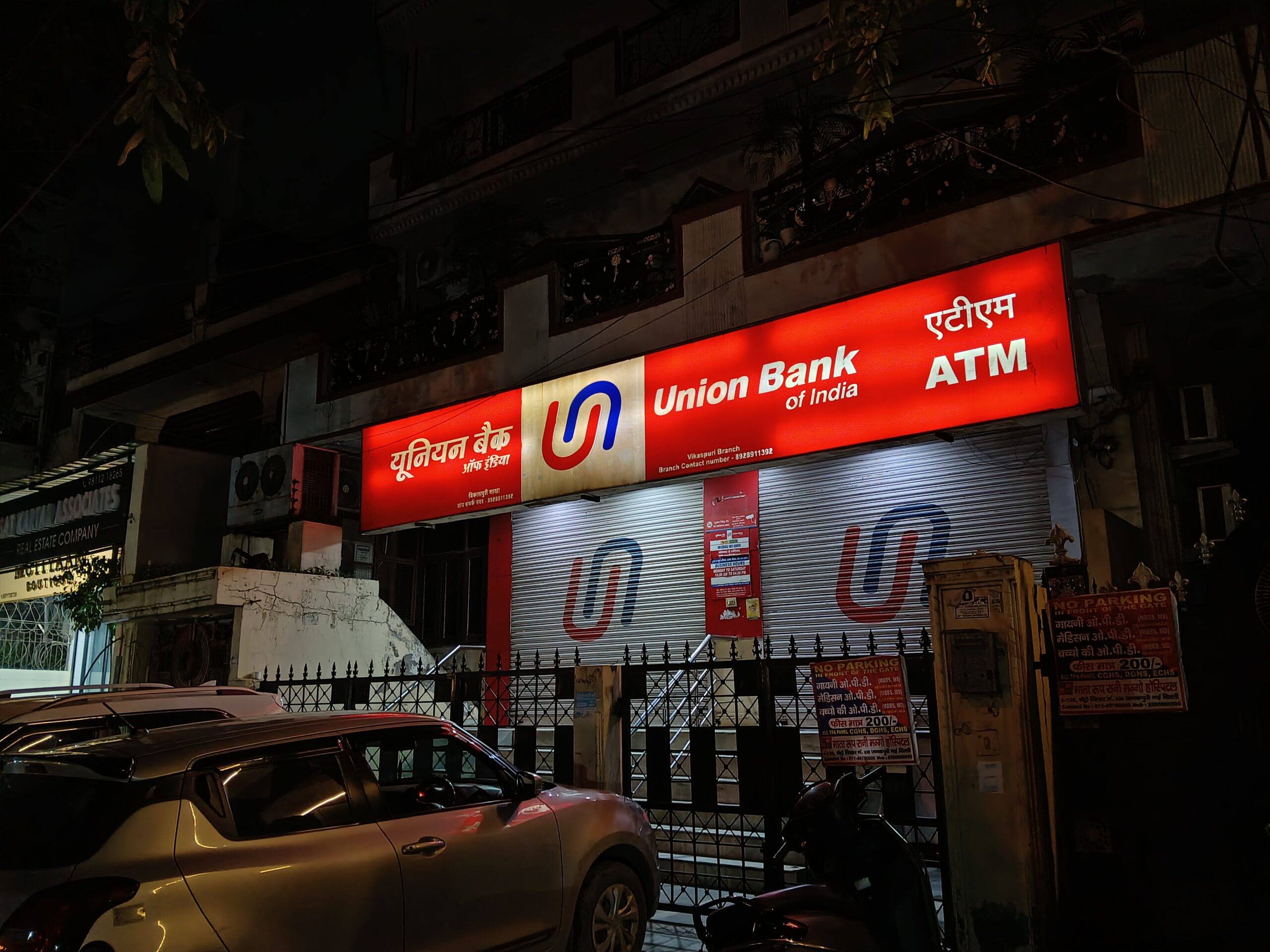
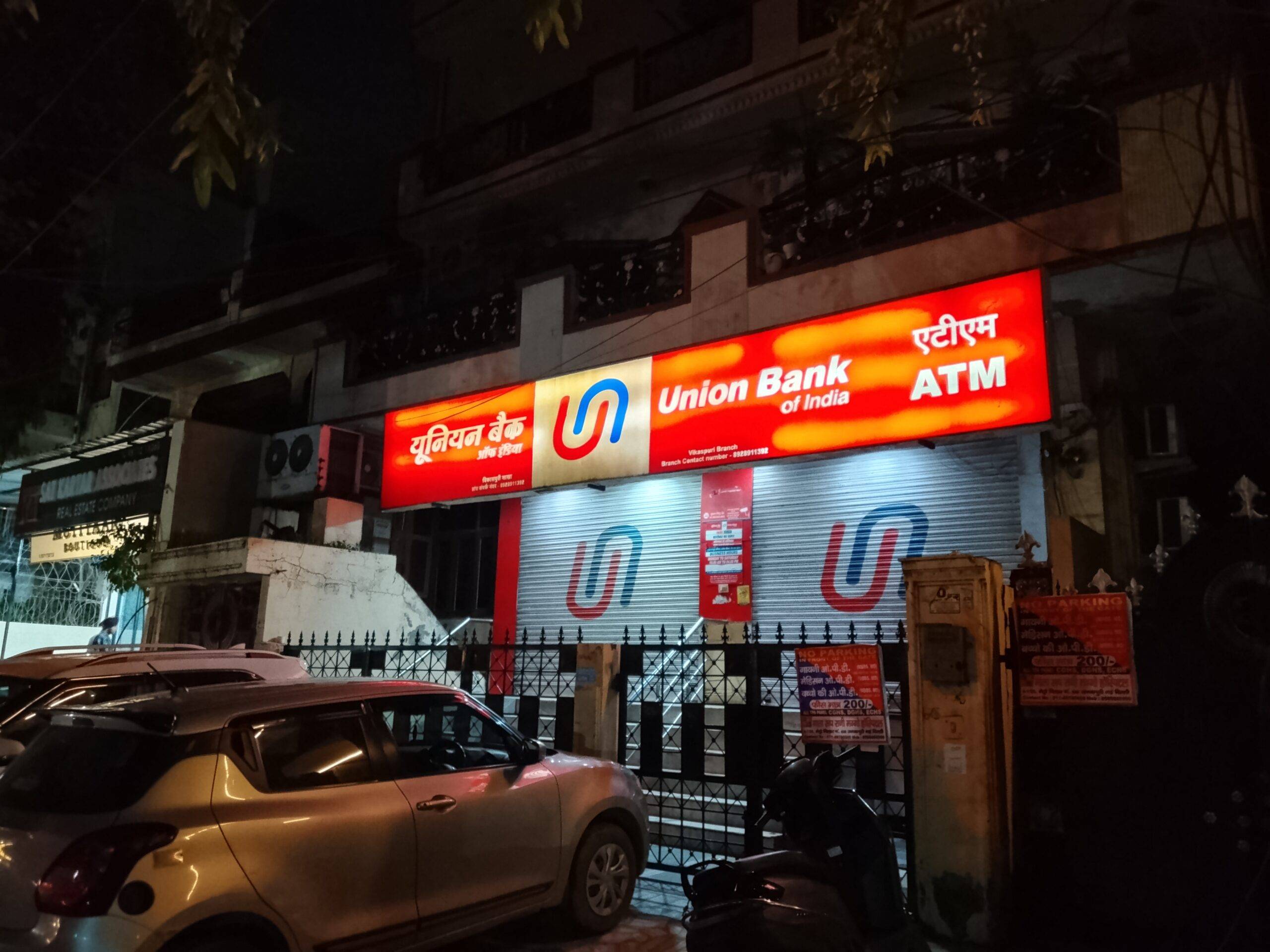
Once again, the Moto G37 Power is clearly ahead in terms of raw details, as the Virat V1 5G struggles to keep up. The Lava smartphone also doesn’t represent the colour of the signboard realistically.
Final verdict: should you buy the Lava Virat V1 5G?
At the time of drafting this review, the Lava Virat V1 5G retails for Rs 12,999 on Flipkart, making it one of the most affordable 5G smartphones one can get. The handset carries a geometric pattern design, making it stand out from phones with plain or vegan leather finishes, while being equipped with nifty features, like an IP64 rating and a headphone jack. Even though Lava seems to have moved away from stock Android, the software remains the highlight of the Virat V1 5G by omitting bloatware, resulting in a cleaner user experience.
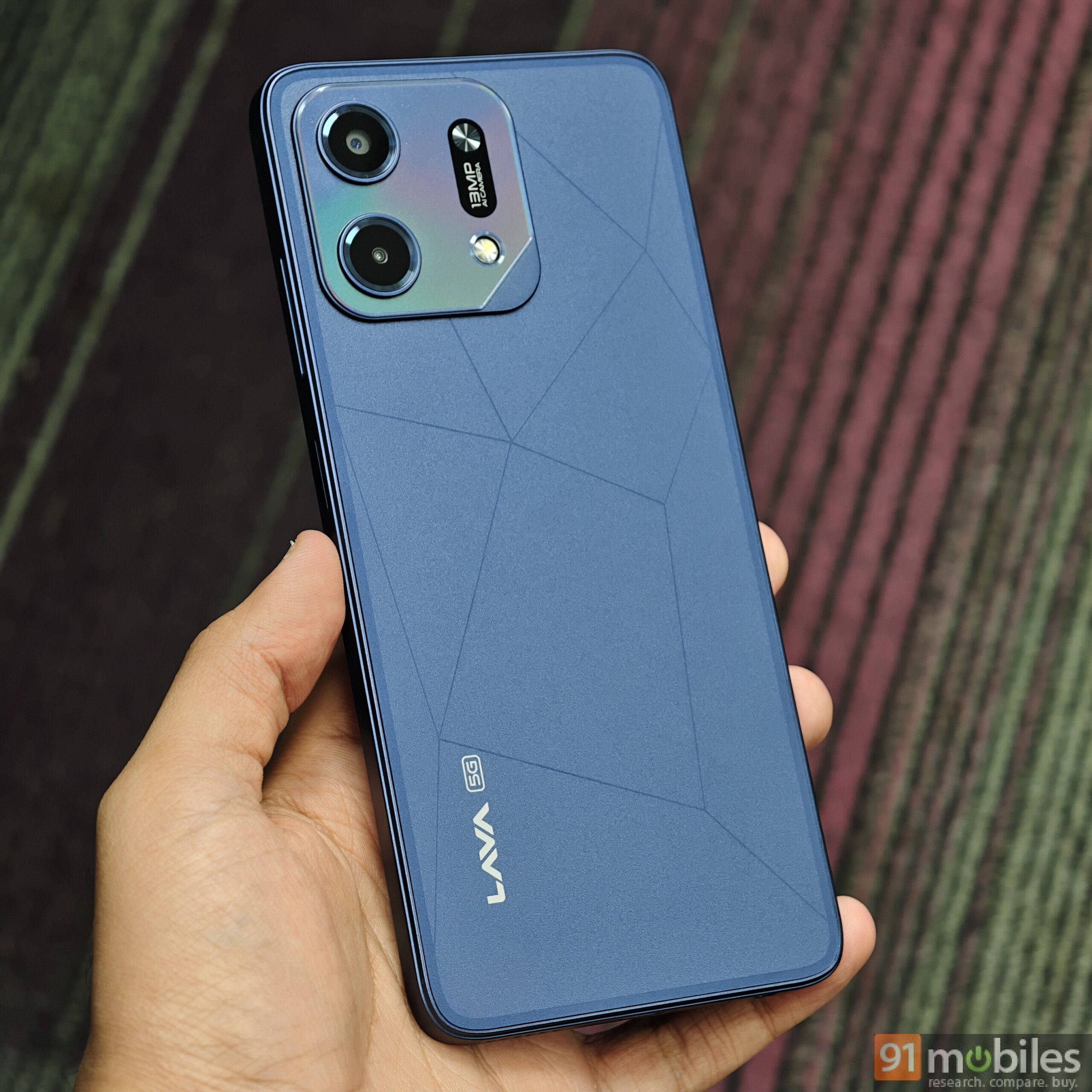
Overall, the Lava Virat V1 5G is a great pick since it’s not only one of the few phones remaining under Rs 15,000 to carry 5G support, but also offers a fairly reliable day-to-day experience with minimal compromises. On the other hand, if 5G isn’t your highest concern, the similarly priced Infinix Smart 20 (review) is worth checking out for its dependable camera outputs and mature software.
Editor’s rating: 8/10
Reasons to buy the Lava Virat V1 5G
- Appealing geometric-like rear pattern design.
- Suitable performance for running daily tasks and apps.
- No pre-installed apps or first-party app marketplaces, resulting in a clean software experience out of the box.
- Battery that lasts a day or more.
Reasons to skip the Lava Virat V1 5G
- Takes close to three hours to achieve a full charge.
- Misses out on key AI features, especially Google’s Circle to Search.
 | vs |  |
| vs |  |