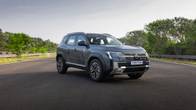
Starting from Chandigarh, there was a distinct excitement in the air as the cars were being lined up in groups, similar to what any record-breaking feat would warrant, I assume. Not having broken any previous human endurance benchmarks, the comfortable confines of the Nissan Tekton T280 seemed to be an acceptable place to push my boundaries.
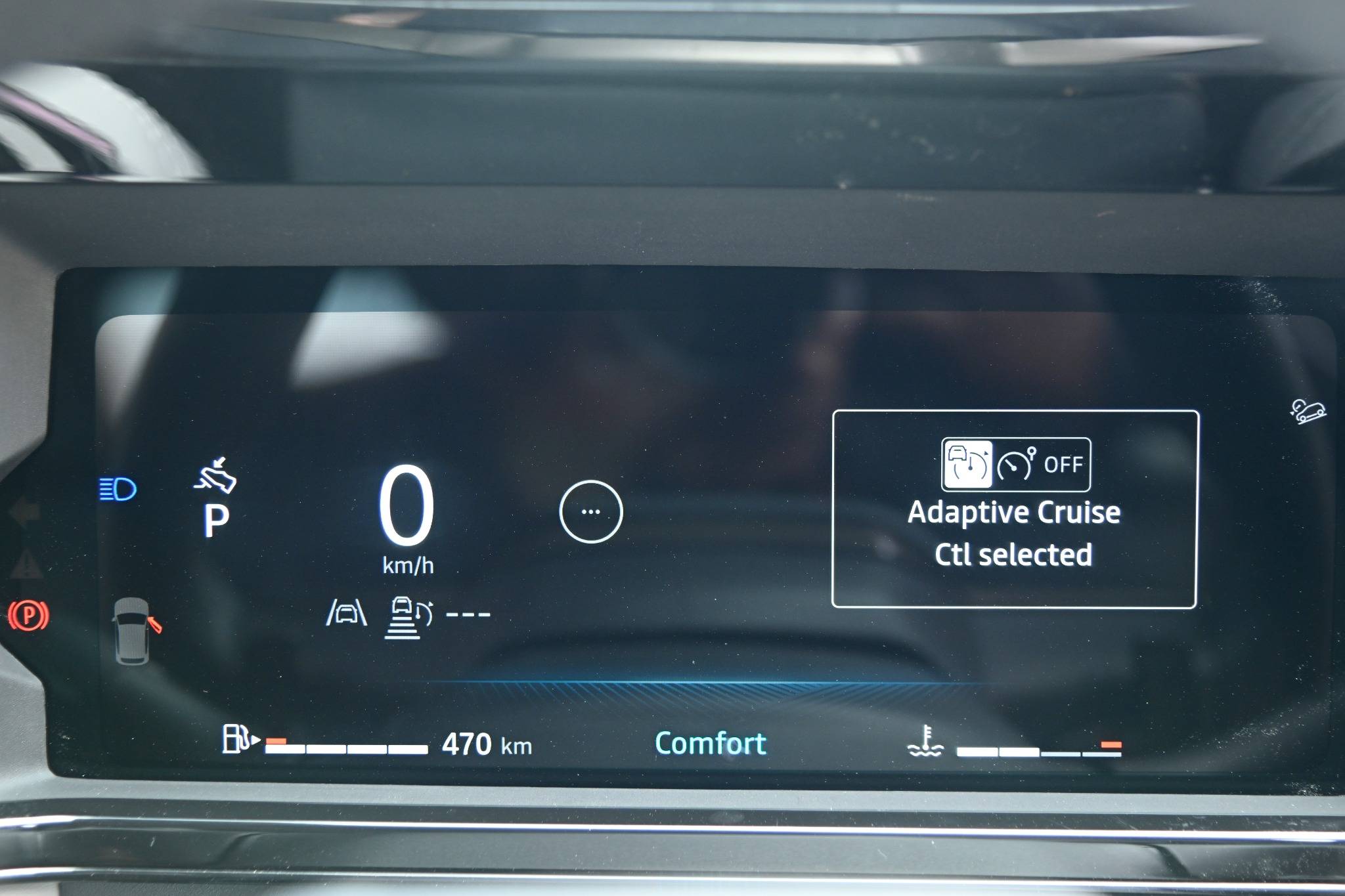
Table of Contents
First contact: ADAS on the NH-205
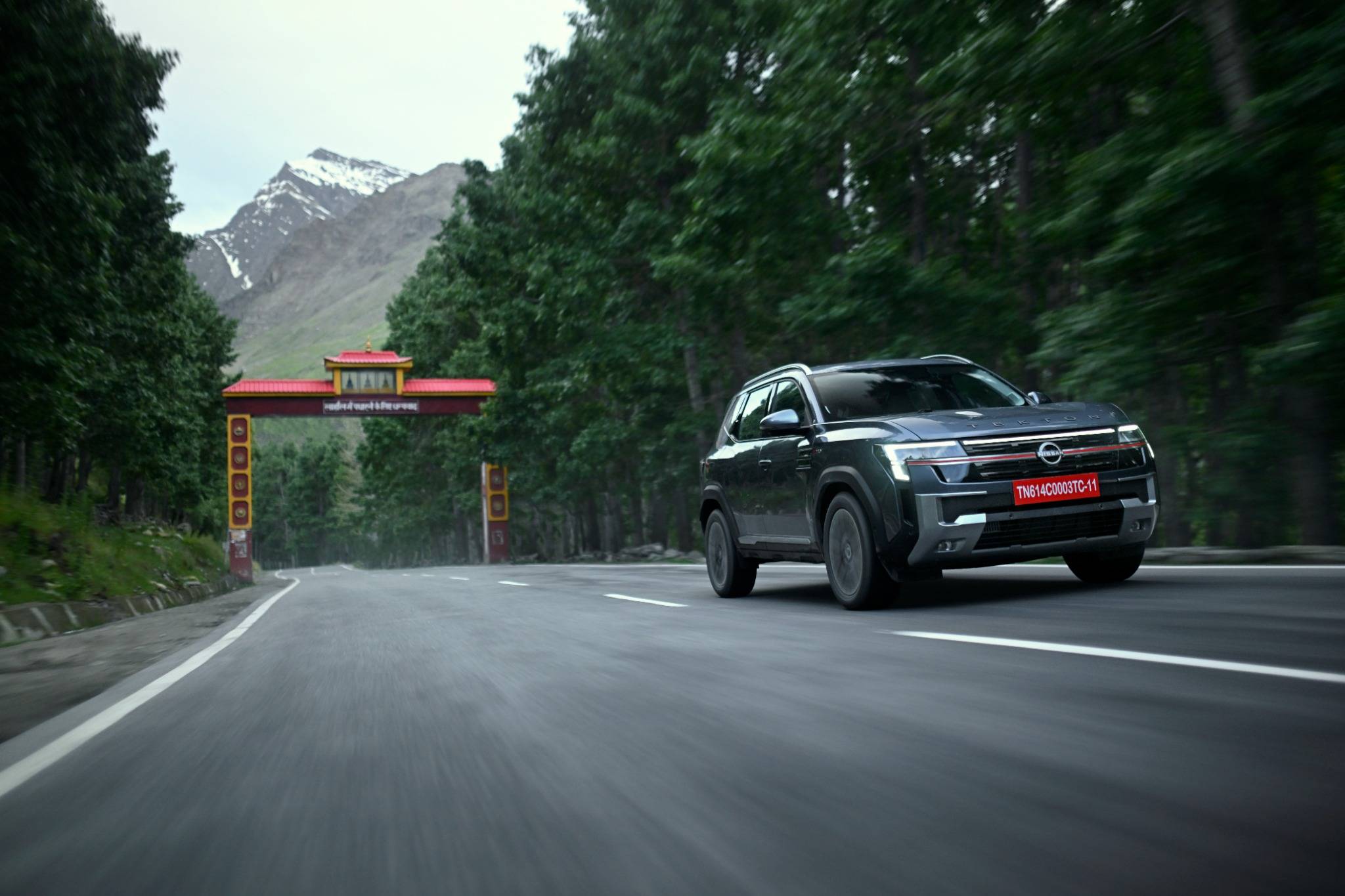
The idea was to lead the largest convoy of a single production model all the way from Chandigarh to Leh, a journey of more than 700 km through some of the most picturesque landscapes anywhere on the planet. Also, some of the harshest environments for both man and machine, mind you.
Starting on the NH-205 out of the city and its well-marked four-lane infrastructure, I could immediately put the ADAS features to the test, like Adaptive Cruise Control, Lane Departure Warning, Lane Keep Assist, and most importantly, Traffic Sign Recognition, since each of the 60-plus drivers was responsible for their own accrued fines over the course of the drive. It wasn’t an all-expenses-paid trip after all, but the Tekton’s tech ensured I always erred on the side of caution.
Mandi: where Google earns its keep
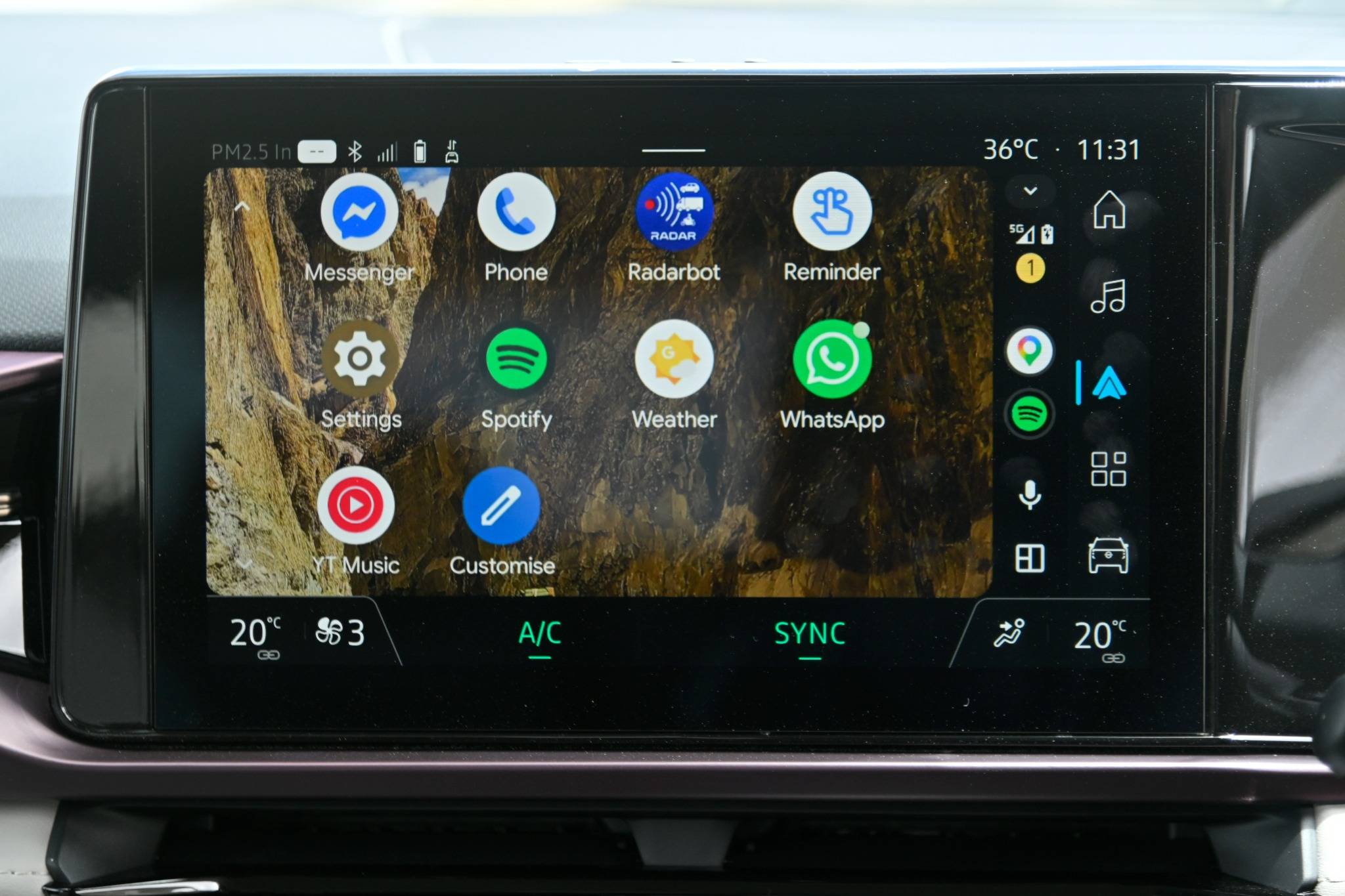
First stop was Mandi, and the idea was to explore all the tech while we were within the folds of civilisation and network coverage. The built-in suite of Google services is a big calling card for the Tekton, especially in this segment, and it worked as advertised by keeping distracting options out of reach and only showing up certified “safe for automotive use” versions of the most popular apps, so they aren’t distracting while on the move.
Of course, Google Maps and Google Gemini were the most used since we were on a clock, and digging into the bowels of the Google Play Store to find games and storytelling apps wasn’t an option. The addition of Google Maps in the instrument cluster, right in the line of sight as a driver, is undeniably a feature that will be hard to live without, and driving on high-speed, unknown highways and mountain roads is where one tends to appreciate it the most.
Google Gemini, in this case, even works on car functions like climate controls, reading out calendar appointments, playing music on Spotify, etc, so it becomes a genuinely hands-free experience in natural language instead of robotic phrases.
Manali climb: steering, torque and paddle theatre
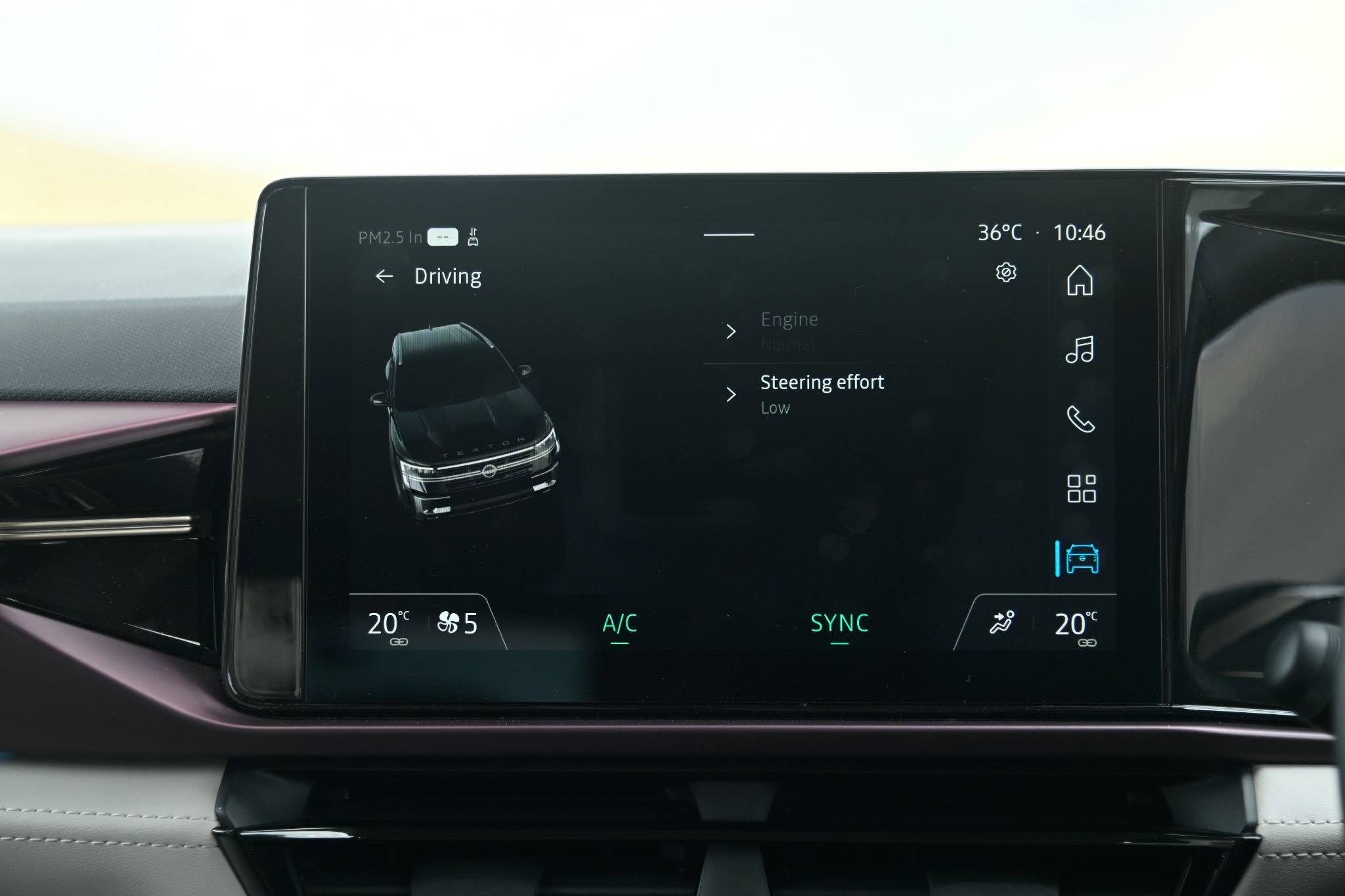
Moving on further upwards towards Manali, as the roads narrowed and the corners tightened, the finely tuned suspension and chassis balance of the Tekton flexed its anti-roll bars to keep the lunch firmly where it belonged. The steering weight can be selected according to traffic or drive conditions, and in this part of the woods, ‘High’ was chosen for its added feedback and confidence. The 1.3L turbo-petrol under the hood managed to gain altitude without any effort, but it truly wakes up only after 3000RPM, so a bit of planning during overtaking trucks will go a long way in keeping you on the left side of the road. The paddle shifters are handy and make you feel sportier than actually being sporty.
The long haul to Zangla
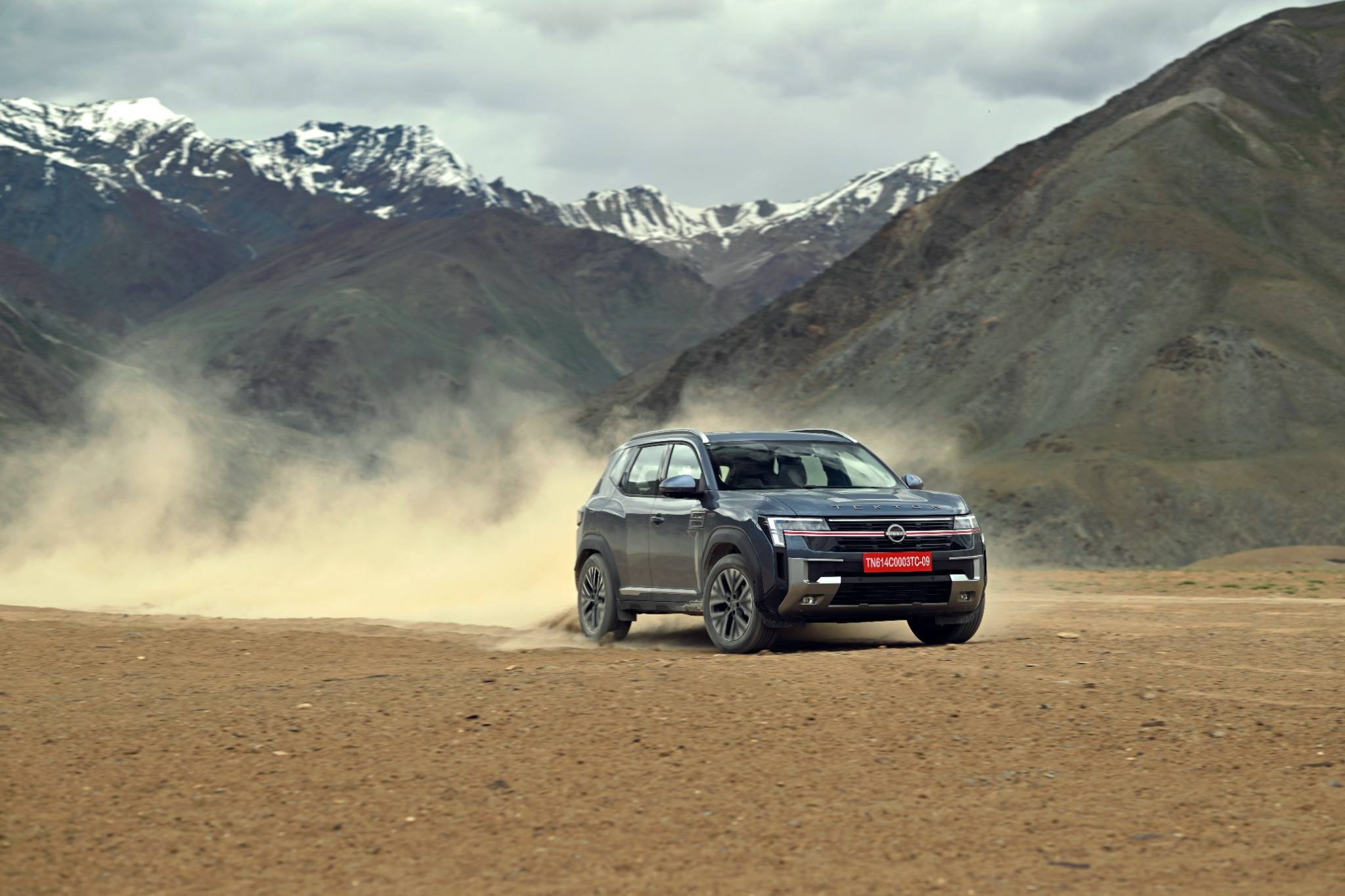
Resting up for the night, charging ourselves and the camera batteries for the route that lay ahead was vital. Manali to our campsite in Zangla valley was a gruelling 12-hour drive that took a toll on the mind, machine, and body. Crossing through the highest point of the convoy’s journey at Shinku La Pass (16,703ft) and encountering the iconic Gombu Rangjon peak along the way, the “bucket list” nature of this route was unfolding with every corner and every turn.
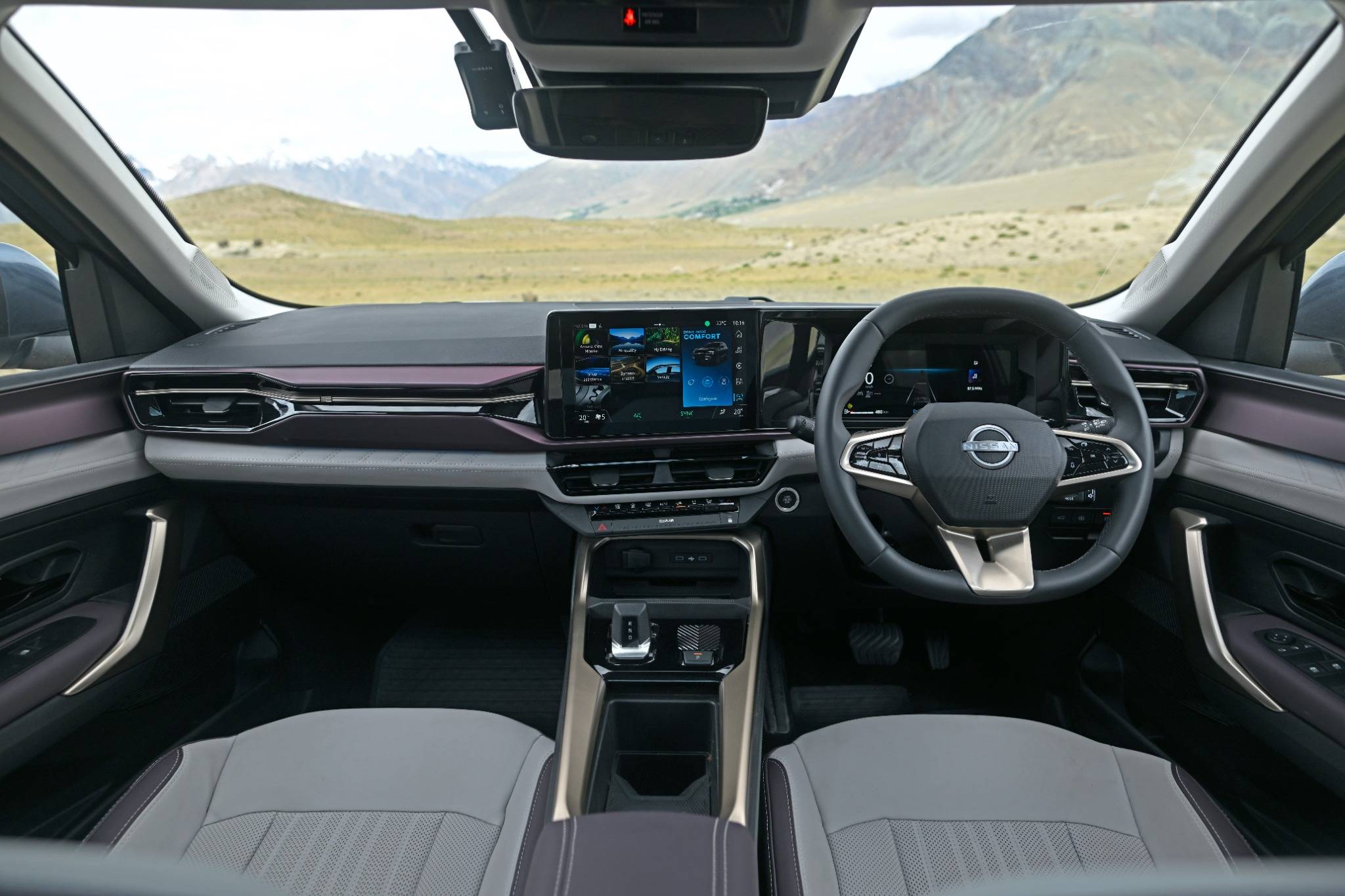
The Tekton remained teutonic in its ability to keep me at the perfect temperature with ventilated seats, adjustable lumbar support, and a ride quality that was never less than impressive. Firm but never stiff, absorbent but never floaty, Nissan has struck the perfect balance for both solo enthusiasts and family drivers.
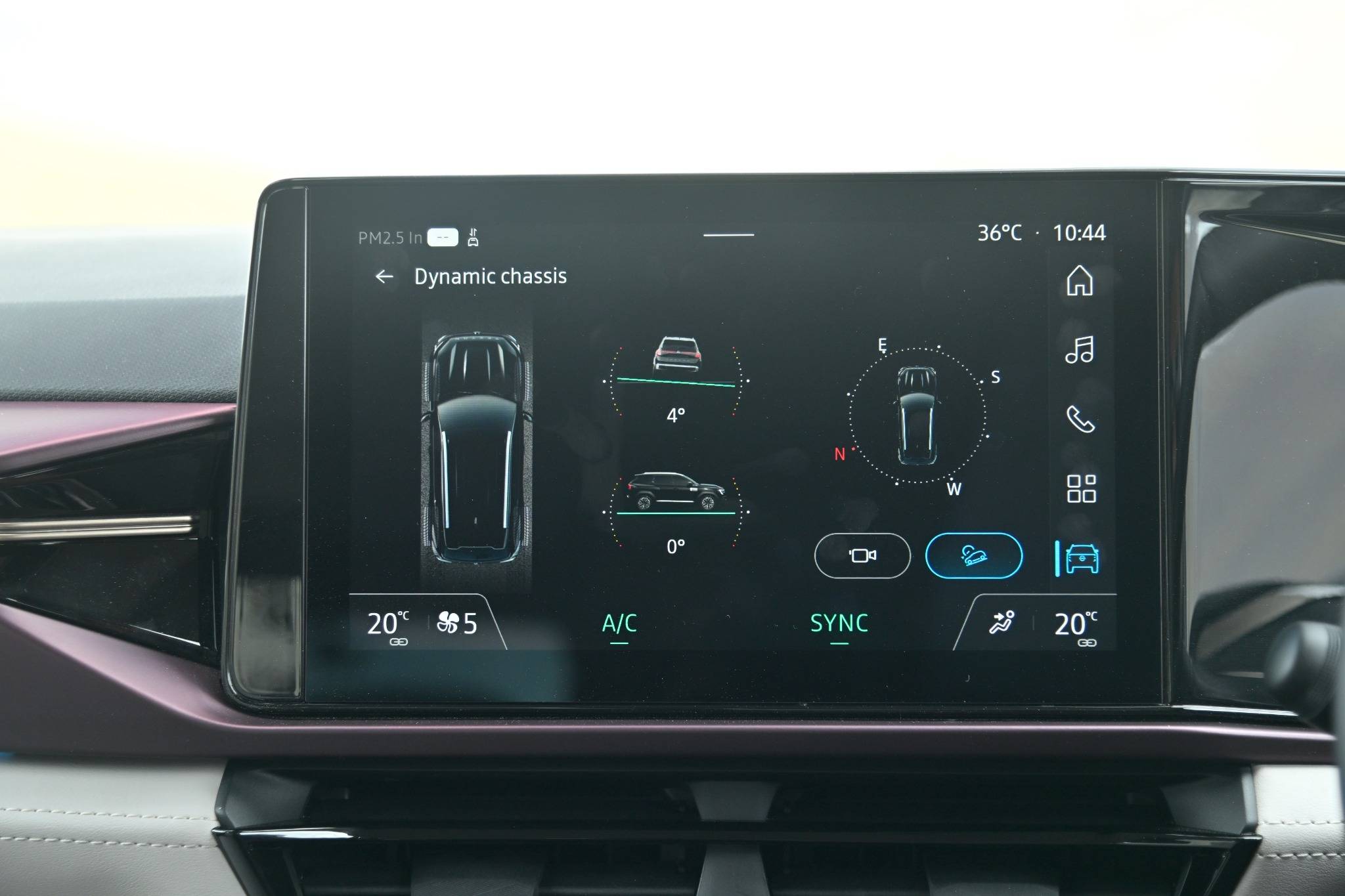
Usable tech like an inclinometer keeps you aware of the approach and departure angles, both of which are well designed and generous for this class of car, and the 212mm of ground clearance means it never scraped the underbelly even while traversing through dry river beds to get to our campsite. A sharp, high-res rear camera and 360-degree camera views make driving in any situation a total doddle.
Camp Tekton: screens over speakers
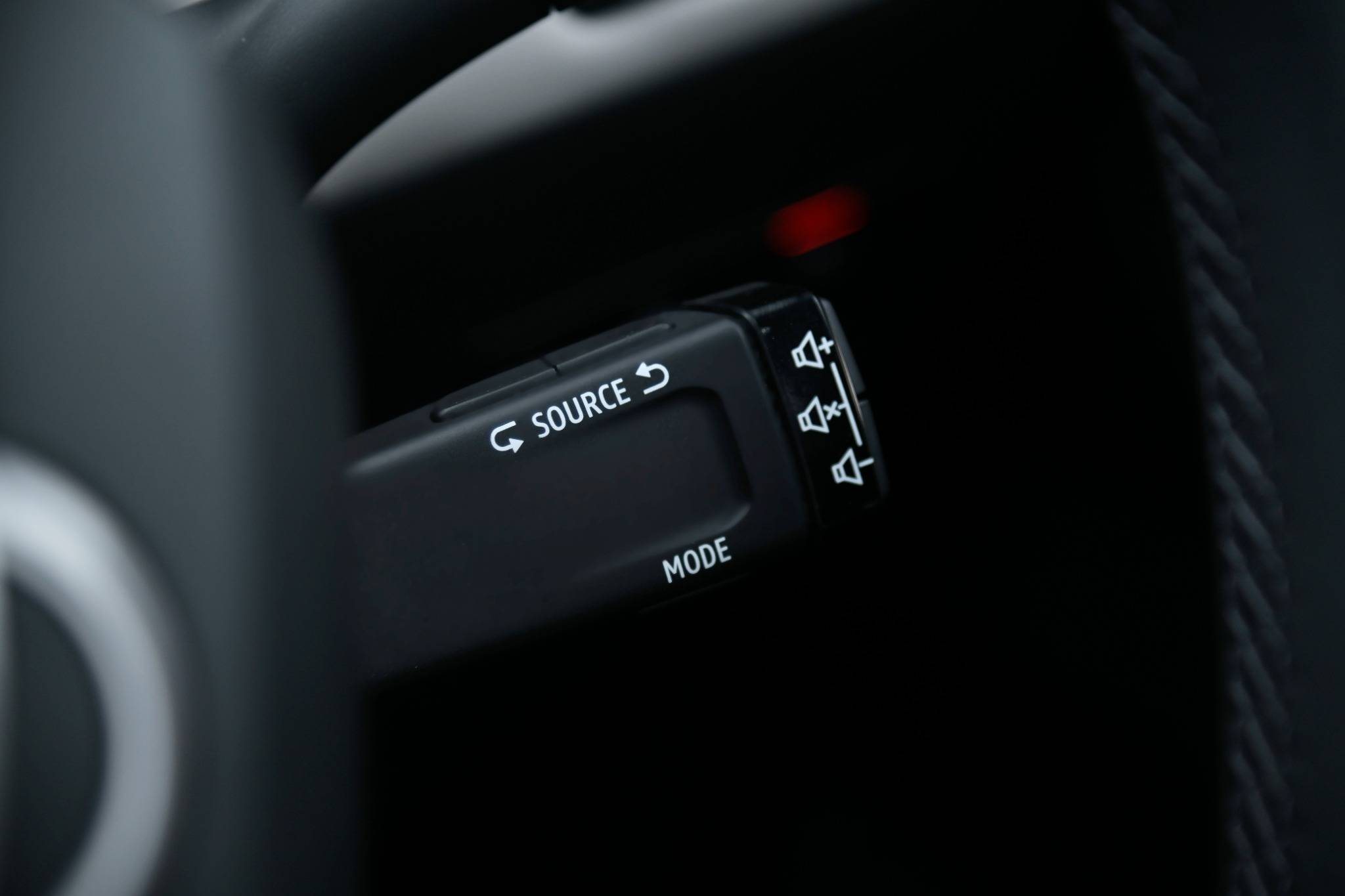
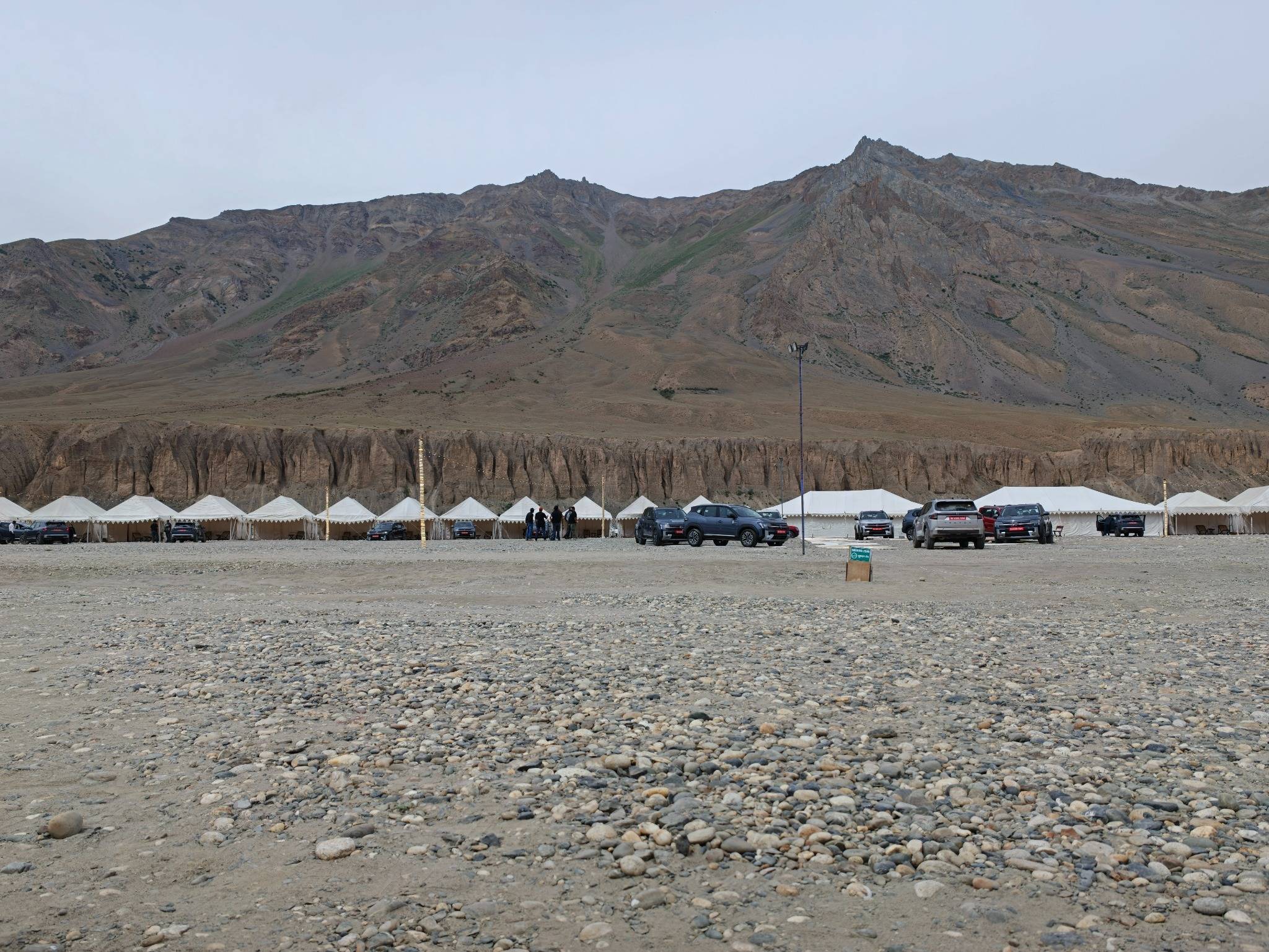
With the roads getting more isolated as we approached Camp Tekton, a temporary site created just for the Nissan convoy stood like an alien base in the middle of this barren landscape, and strangely made me notice the mid audio system in the Tekton. Although a personalised audio update is coming soon, in its current Arkamys-tuned form, it won’t tug at any heartstrings and is strictly functional. Its controls are equally quirky, with the volume and track change situated on a separate stalk behind the steering wheel and physical controls on top of the touchscreen. Not the most intuitive, and I couldn’t get used to them even after 700 km of living with the same car. The 10in touchscreen itself is truly worthy of a special mention, though with its big, chunky icons, logical interface, and a smooth, fluid response that feels quicker than many cars twice its price. The 10.2in instrument cluster is adequately customisable with the option of having full-screen Google Maps right in your line of sight, too. If you’re using CarPlay with your iPhone, worry not, as you can continue using Google Maps from the native system while using Apple Music through CarPlay, and they both can co-exist on the two different screens.
The final stretch to Leh
The final push up to Leh opened up some of the best stretches of tarmac I have ever driven on, thanks to the BRO that builds some of the finest ribbons of road in some of the most difficult conditions in the world. The fast, sweeping bends really showed off the very capable chassis balance of the Tekton but also highlighted its ability to take on more power and refinement. There was minimal body roll, and the disc brakes all around provided the most confidence of any car in its segment, allowing me to push the Tekton into the corners. Just wish the engine had more low-end grunt while powering out of slow corners or uphill climbs, which is where it tends to get short of breath. In the crowded compact SUV segment, the Renault Duster/Nissan Tekton siblings might be the best handling of the lot without question.
700km, zero drama
Not a single car in the entire convoy had so much as a puncture, which says plenty about Nissan’s confidence in this SUV’s craftsmanship. It’s superbly built, with a smart use of materials and textures that lend it a distinctive edge. Ownership tech like the MyNISSAN app, which packs 55-plus features, from remote engine start-stop with AC to locating your car and booking a service, plus OTA updates, ensures it keeps improving after purchase. The record we set out to achieve as a driving group was successfully achieved, and it rightfully earned Nissan an entry into the India Book of Records. But whether the Indian consumer will make peace with a still-fledgling dealer and service network, compared with the established giants, remains the more interesting question.